

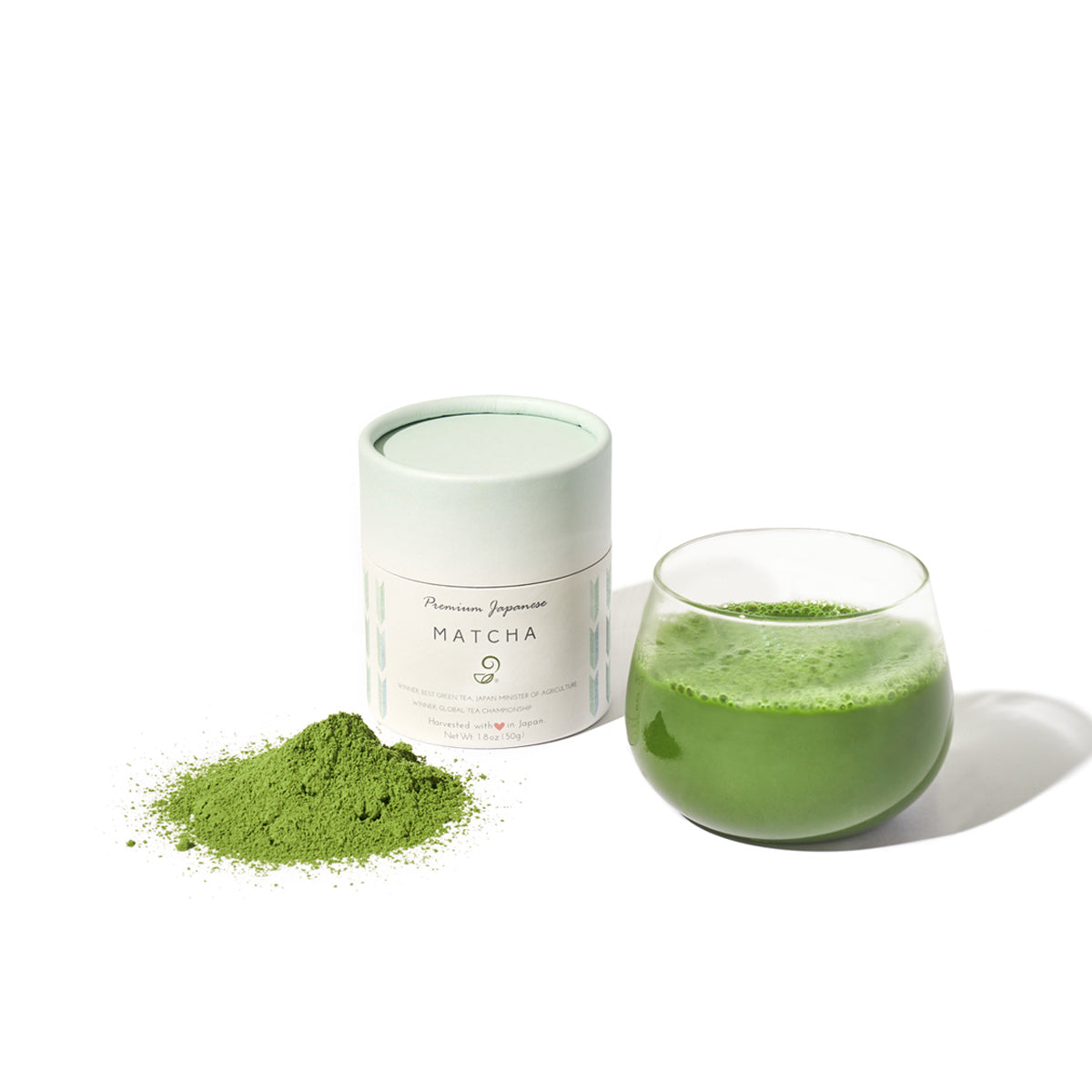
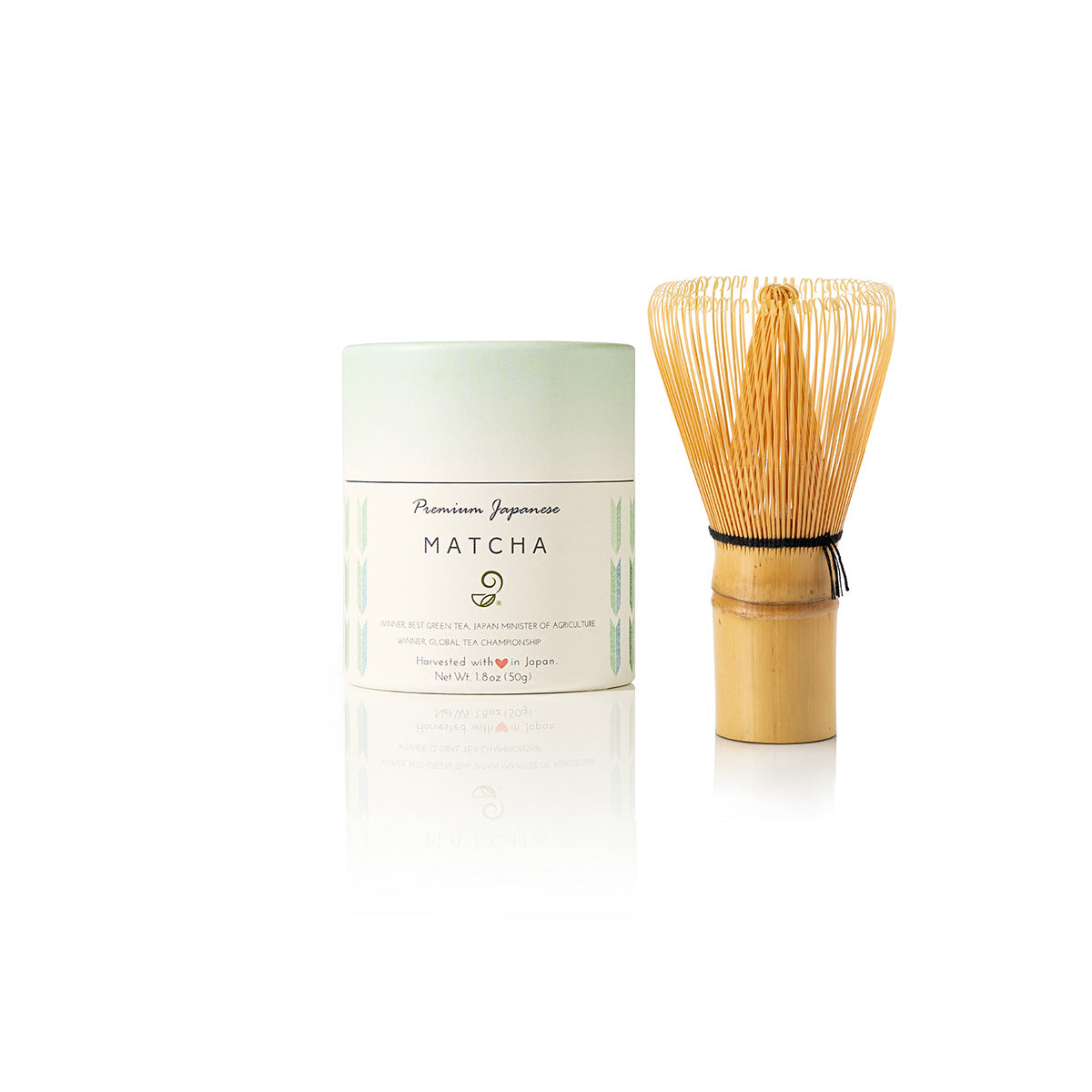
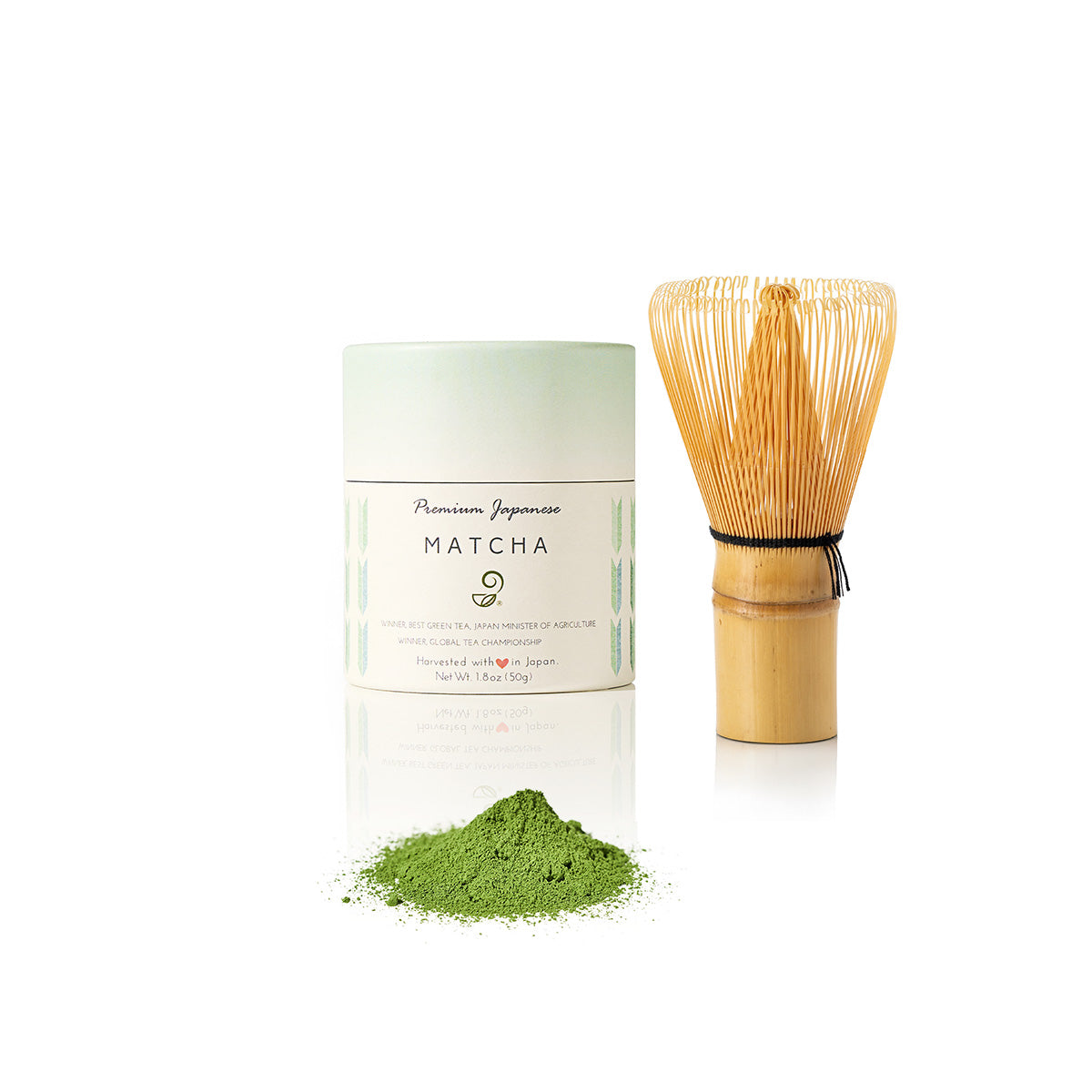
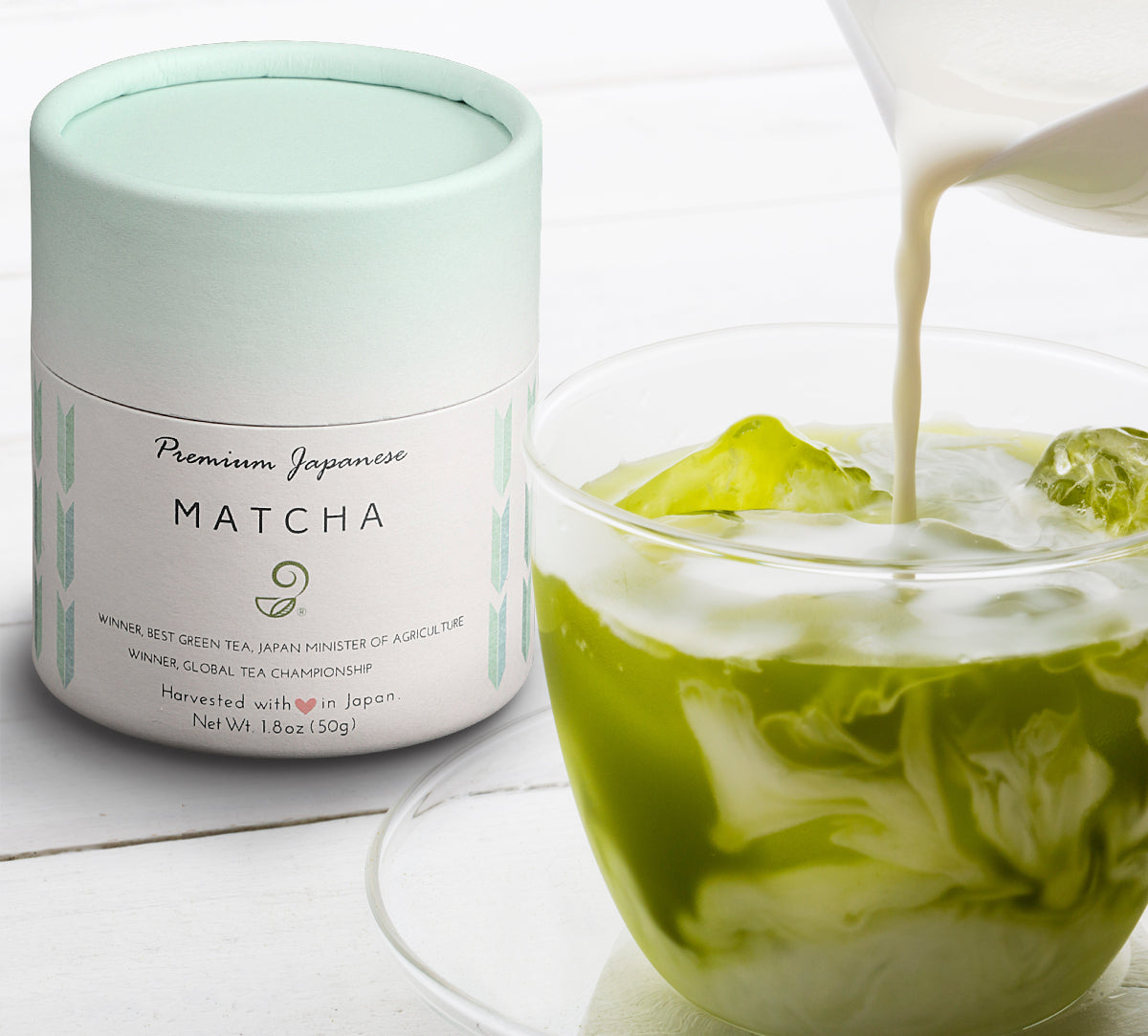
This premium matcha is one of the most luxurious, made from premium Japanese green tea curated from the dirt that grows the tea. The farmers carefully cultivate crops of thick grasses around their tea trees and sugarcane syrup so that they provide added nutrients directly to the soil as a compostable blanket every winter. The farmers also collaborate with researchers from Shizuoka University to study soil and the impacts its sweetness has on the taste of the tea it cultivates.
This premium matcha is loved by many top chefs in Japan, as it is tuned to provide more aroma than any others on the market.
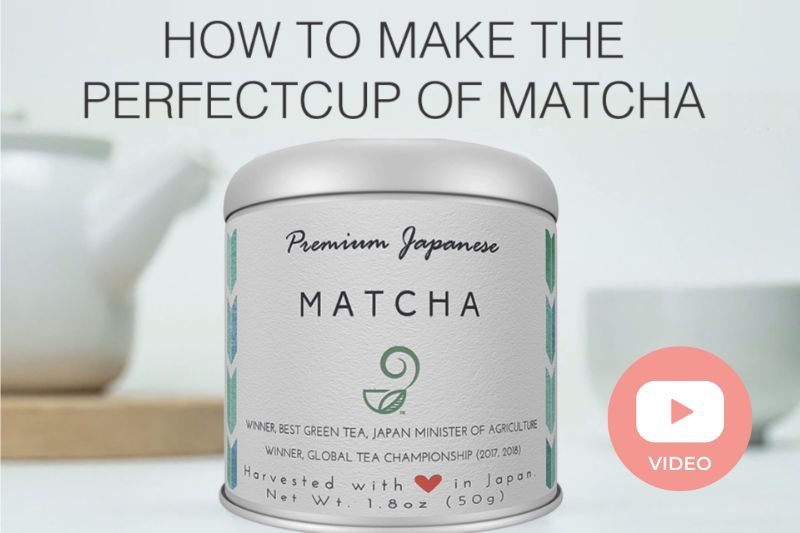
videoid="mCwrCVRUG1U"
If you like this video, please click here to subscribe to our YouTube Channel so that you don't miss future videos from us.
Video Length: 1 minute 08 seconds
View video in different languages: Spanish, Chinese
Transcript in English
🍵 Our premium Japanese Matcha is the winner of the 2018 Global Tea Championship.
We produce our green tea powder from the highest-quality premium Japanese green tea leaves.
Growing it in special sugarcane soil makes it both naturally sweet and healthy.
We also collaborate with researchers from Shizuoka University to study the soil and the impacts it has on the tea’s taste.
Due to this unique process, our matcha is considered one of the best on the Japanese market.
This premium matcha is loved by many top chefs in Japan, as it is fine-tuned to provide more aroma than any others on the market.
Exclusively presented by The Japanese Green Tea Company, this green tea was never before available outside of Japan.
But now, we are proud to make this tea available to the world and to You!
You will relish the distinct flavor and unforgettable aroma with each sip.
Premium Matcha - Only from the Japanese Green Tea Company.
What Are Matcha Grades? Ceremonial vs. Culinary
Walk into any tea shop and you'll see matcha priced anywhere from $10 to $80 for the same 30-gram tin. That's not a marketing trick. The grade actually changes everything — where the leaves come from, how they're milled, what the powder tastes like. There are two main grades, ceremonial and culinary, with a "premium" or "daily-drink" tier sitting in between.
Ceremonial-Grade Matcha
Ceremonial-grade comes from the top, youngest leaves of the first spring harvest. The plants get shaded for a few weeks before picking, which pushes up amino acids and chlorophyll. After steaming and drying, the leaves go through a slow stone mill that grinds them down to a powder fine as talc. That fineness is what lets the matcha dissolve smoothly when you whisk it. No clumps floating on top.
The flavor is smooth and savory first, before anything else. Traditional Japanese tea ceremony uses just this powder and hot water, nothing added, and it works because there's so little bitterness to push through.
Real ceremonial-grade runs $30 to $80 per 30 grams. Reach for it when matcha is the star: straight whisked tea, light lattes, or any recipe where you actually want to taste the tea itself. Our Matcha Ceremonial is one we make ourselves.
Culinary-Grade Matcha
Culinary-grade (some shops call it kitchen-grade or ingredient-grade) is harvested later in the season, often from older parts of the plant. It still gets milled, just more coarsely. You end up with a stronger, more bitter powder. The color shows it too — more olive than emerald.
Price runs $10 to $25 per 30 grams. I use culinary-grade for baking, smoothies, and ice cream. Anywhere the matcha is sharing the glass with chocolate, fruit, or milk, those bold flavors take care of the bitterness for you. No need to pay for ceremonial-level smoothness if you're going to drown it in a latte anyway.
Premium / Daily-Drink Tier
Some shops sell a "premium" or "daily-drink" tier between the two. Better than culinary, cheaper than full ceremonial. This is the sweet spot for everyday lattes — cleaner taste than straight culinary-grade, without ceremonial prices for something you're going to mix with milk anyway.
How to Tell Quality at a Glance
You don't need a tea-ceremony master to spot good matcha. Five things to check:
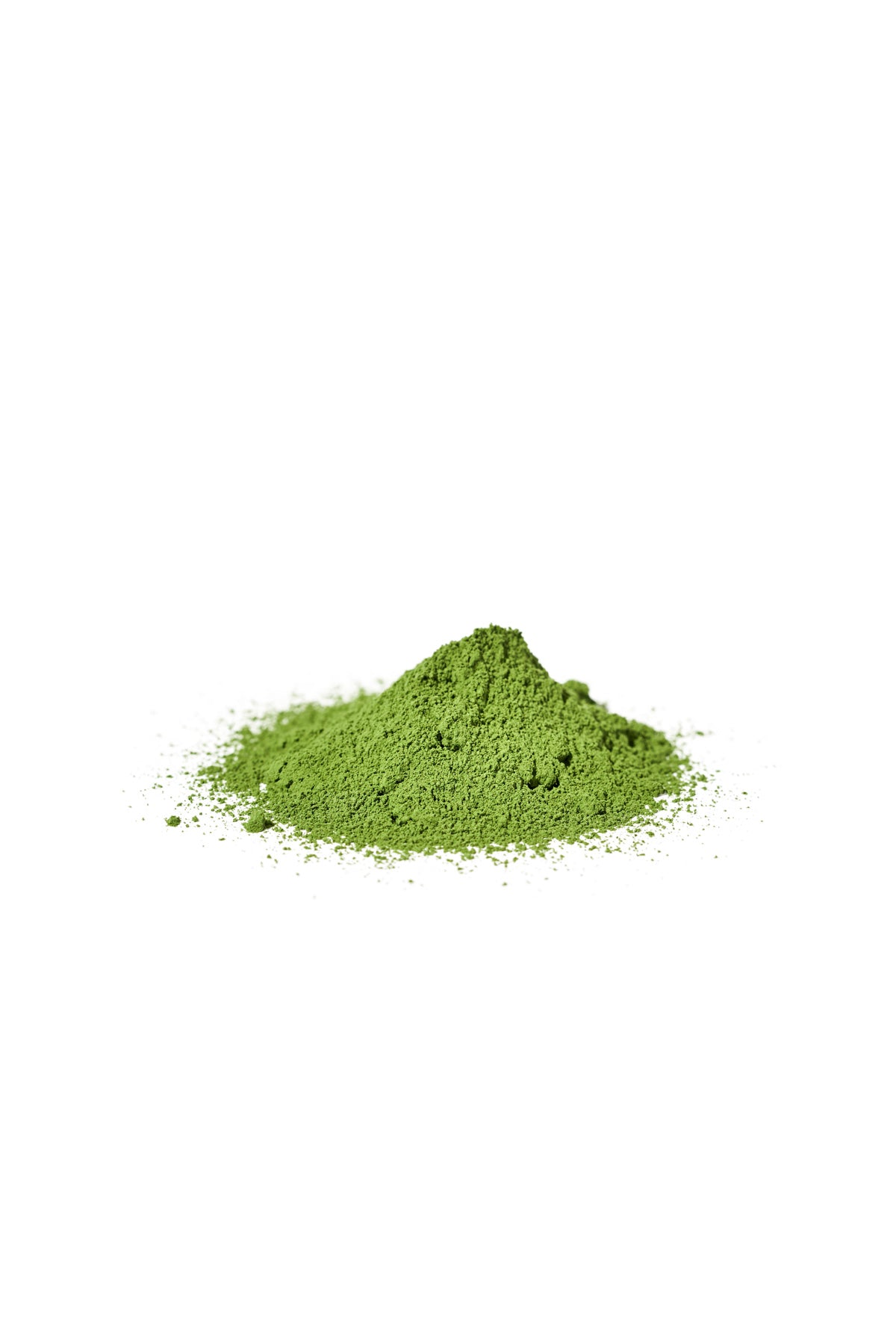
- Color. Vibrant emerald green is what you want. Olive, dull, or yellow-green means lower grade or stale.
- Texture. Ceremonial-grade rubs between your fingers like talc. Lower grades feel gritty.
- Smell. Fresh matcha smells grassy, slightly sweet, almost ocean-y. Stale matcha smells flat or hay-like.
- Taste. The first sip should land smooth and savory (that's the umami) before any bitterness shows up. Sharp bitterness right at the start usually means lower grade or older powder.
- Origin. Look for a specific Japanese region on the label: Uji, Nishio, Kagoshima, Shizuoka. "Japanese green tea" with no region named is often blended powder of unknown origin.
Which Grade Should You Buy?
New to matcha and curious about the traditional style? Start with ceremonial-grade. Whisked with hot water, no milk, no sugar — that's how you taste what matcha actually is.
Only making lattes, smoothies, or baked goods? Save your money. Culinary or daily-drink tier is fine. The milk and sugar will hide any bitterness anyway.
FAQs about What Matcha Is
Why is good matcha so expensive?

What's the difference between ceremonial-grade and culinary-grade matcha?
Related products


4 reviews
$143.00
$128.00
/
Quick view
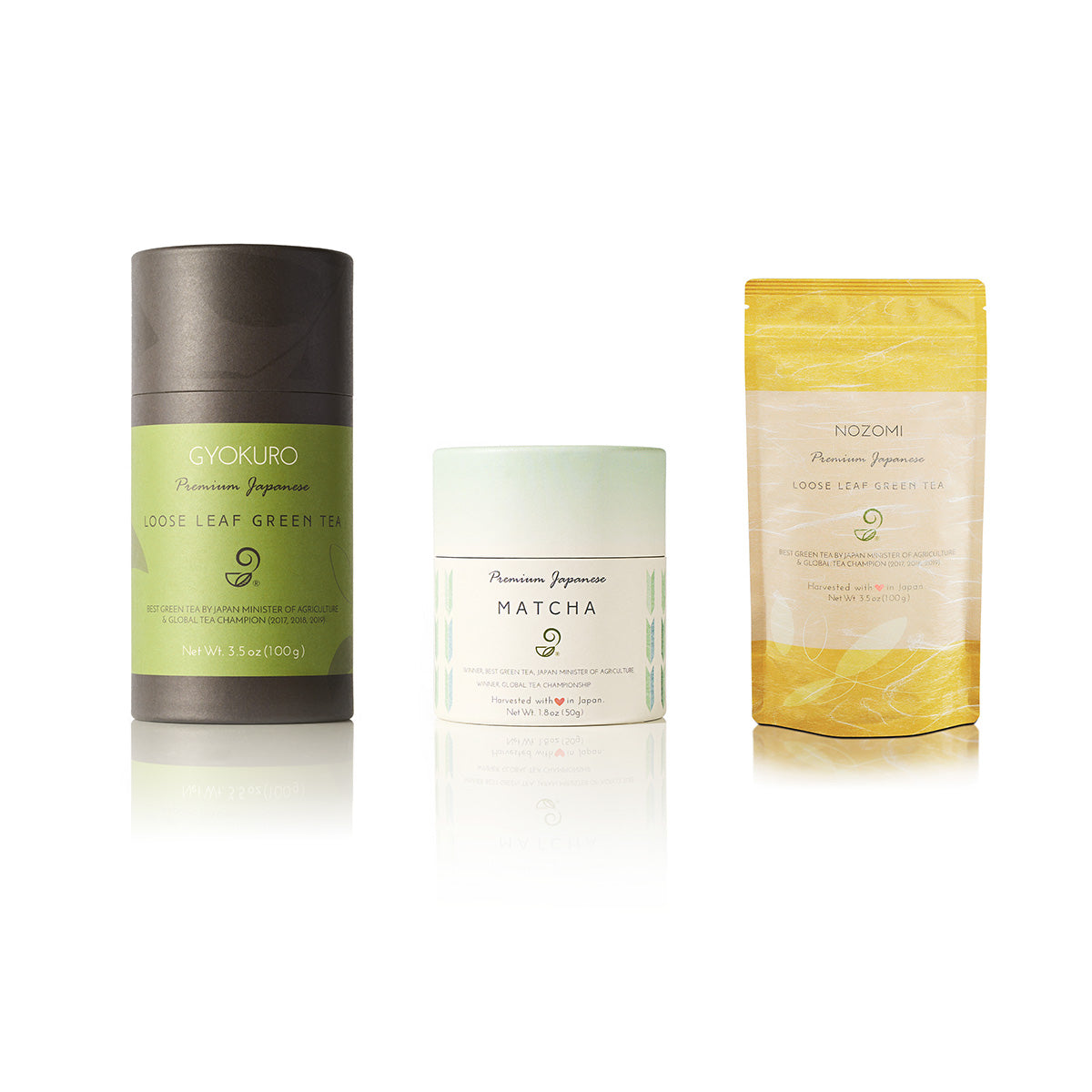
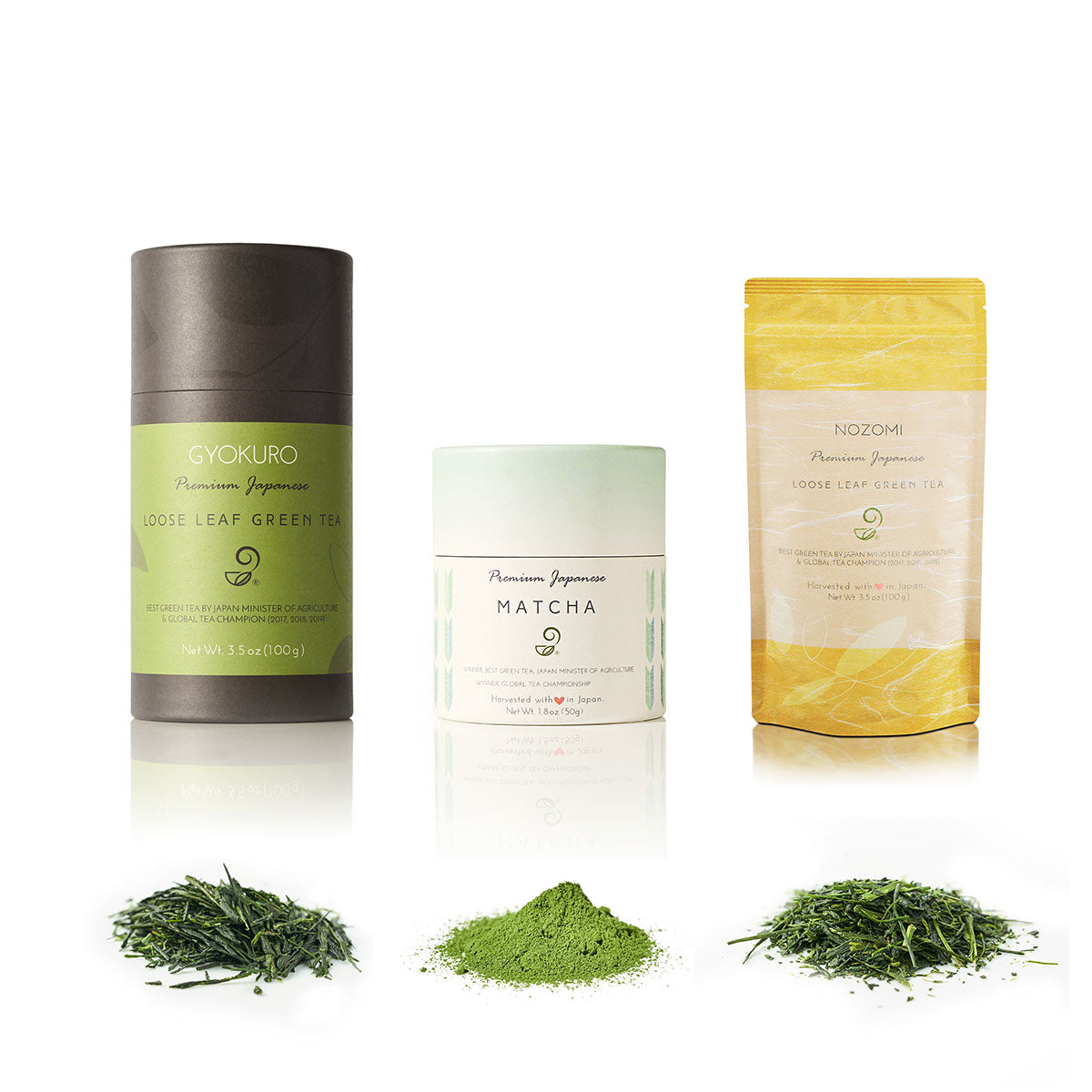
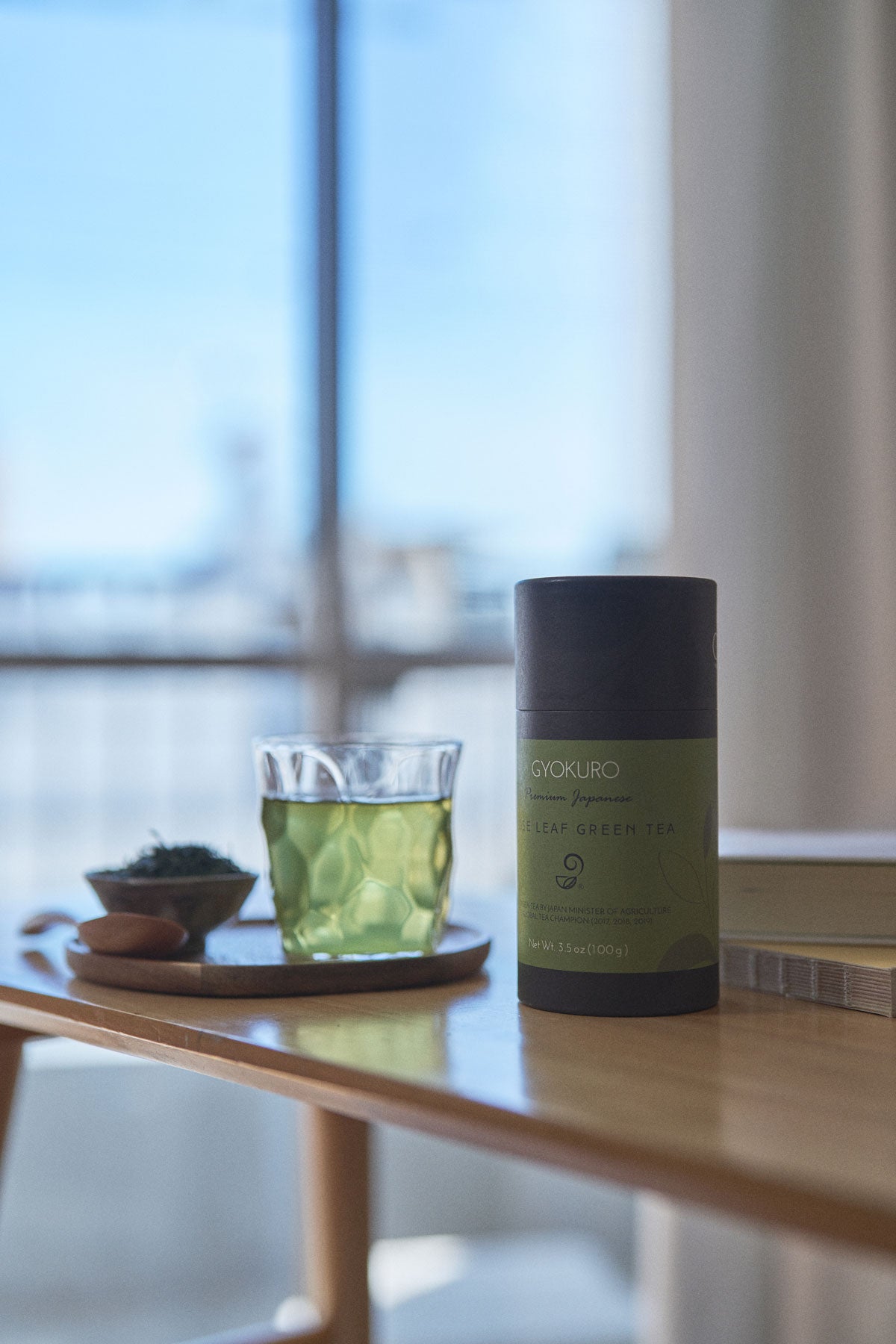
The Covered Trio Gift Set - Ceremonial Matcha, Gyokuro, and Nozomi Japanese Green Tea Set Package


Get Free Bonus Books

Sign up for free to the Green Tea Club to get advice and exclusive articles about how to choose Japanese Tea, and tips, tricks, and recipes for enjoying Japanese tea.
About the author

Kei Nishida
Author, CEO Dream of Japan
Certification: PMP, BS in Computer Science
Education: Western Washington University


