

Table of contents
videoid="K1L7t_y3PVE"
Download Printable One-Page Recipe PDF Now
Wagashi (和菓子) are traditional Japanese sweets often served with tea, yet many modern cooks love to reinvent them with new flavors. In our Hojicha Banana Daifuku Mochi, we wrap ripe banana in soft dough and sprinkle it with roasted green tea (ほうじ茶). This fusion dessert shows how wagashi masters today incorporate non-Japanese ingredients – like chocolate, ice cream, or fruit – to create delightful new sweets. The result is a chewy banana daifuku filled with sweet tropical flavor and the nutty aroma of hojicha powder.
Our Hojicha Banana Daifuku Mochi in the making: toasted hojicha powder and banana tucked into freshly steamed dough. We love combining rich tea flavors with fresh fruit for a modern wagashi twist. The brown, smoky hojicha notes and golden banana contrast beautifully in each bite. As shown above, the mochi skins are soft and stretchy, thanks to sticky rice flour, while the banana provides natural sweetness. This Japanese-inspired dessert is easy enough for home cooks and makes tea time feel special.

How to Make Hojicha Banana Daifuku (Mochi)

Ingredients:
- Cream Cheese ½ Cup
- (Brown) Sugar 2.5 TBSP
- Heavy Whipping Cream 3 TBSP
- Banana ½
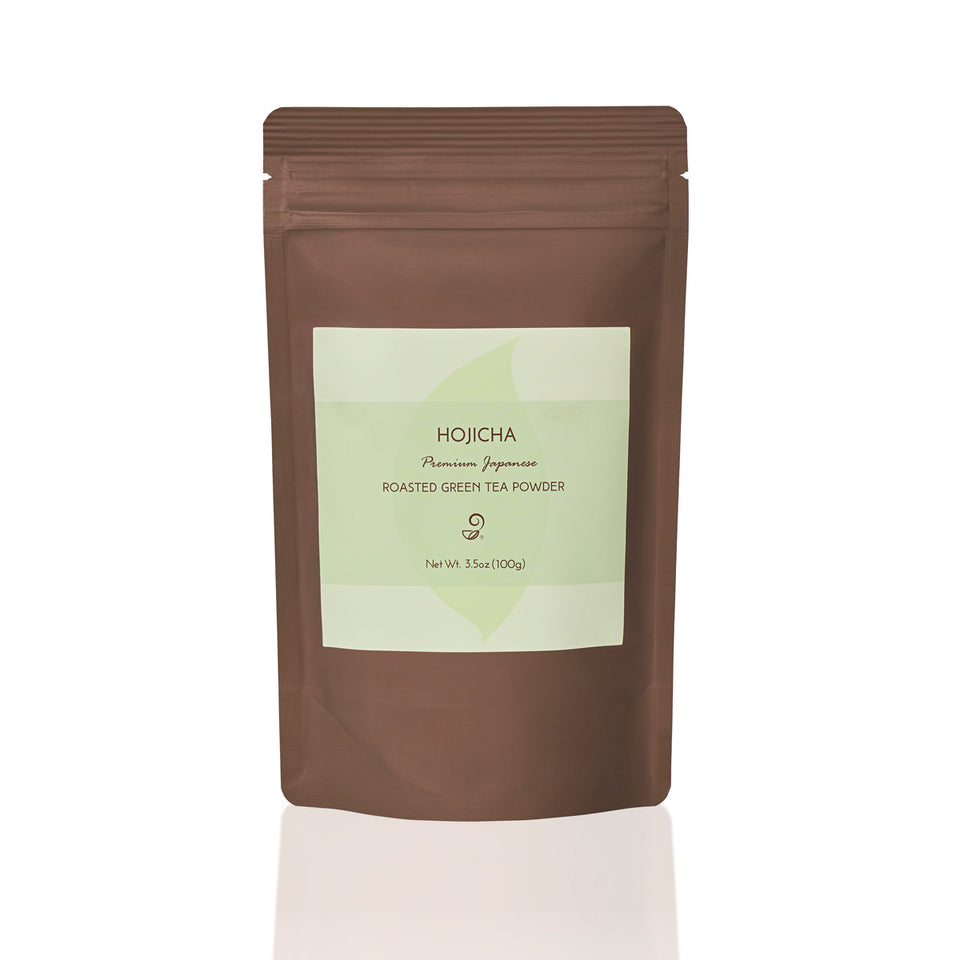
- hojicha powder 1 ½ TBSP
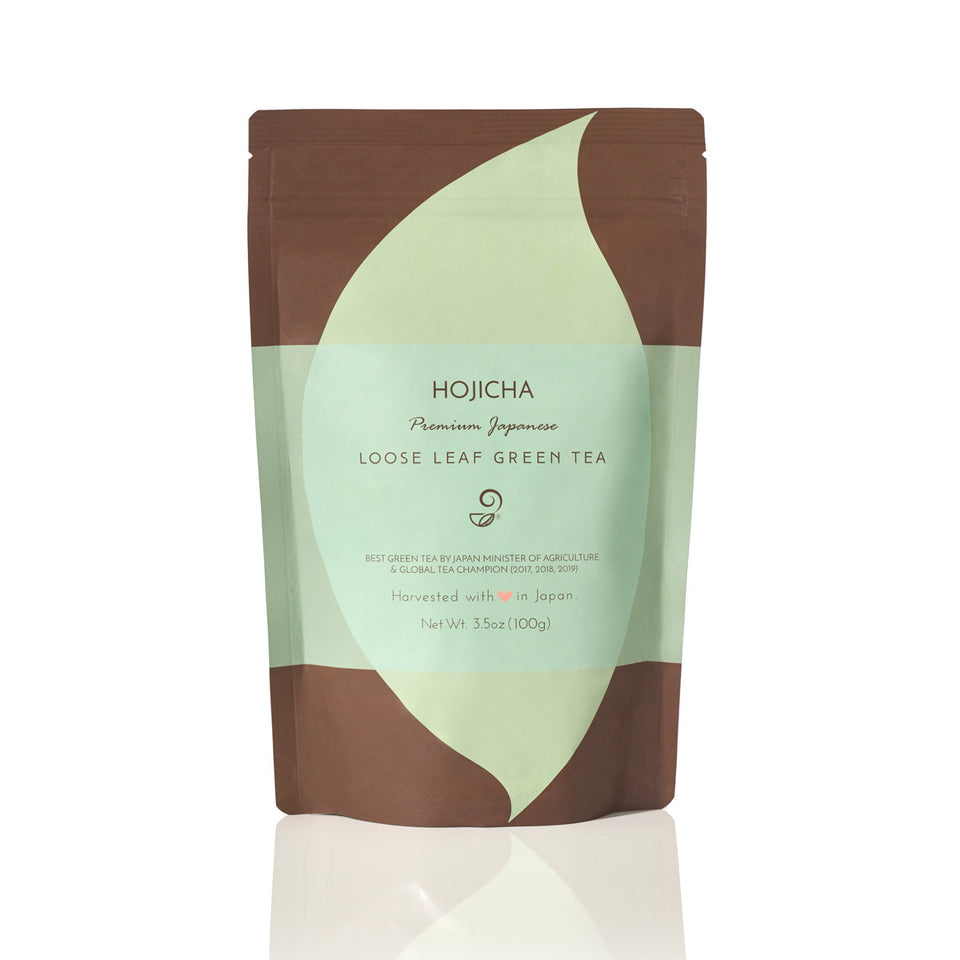
- Hojicha Loose Leaf (for hojicha tea and hojicha powder)
- Water
- Rice paper
Instructions:
- Put cream cheese in a microwave and add sugar. Mix well.
- Add mixture to whipped cream.
- Refrigerate the mixture.
- Make hojicha tea (boil water, add hojicha loose leaf and strain the leaves).
- Put rice paper into the hojicha tea.
- Put the cream cheese mixture and sliced bananas in the center of the rice paper.
- Wrap them with the hojicha rice paper.
- Add hojicha powder onto the mochi.
Tips for perfectly chewy mochi every time:
-
Wrap tightly: Be sure to roll the mochi dough firmly around the banana so no air pockets remain. Properly sealed mochi won’t unravel or leak filling.
-
Experiment with fillings: Try other fruits or sweet beans. Creative bakers often incorporate modern ingredients – like custard or chocolate – into traditional sweets.
Our hojicha powder itself is an example of that innovation.
Download Printable One-Page Recipe PDF Now

Introducing Hojicha: A Roasted Japanese Green Tea
Hojicha (ほうじ茶) is a Japanese green tea that’s roasted at high temperature, which turns the leaves a warm reddish-brown and gives off a toasty, caramel-like aroma.
Unlike the grassy bitterness of a typical sencha or matcha, hojicha has a smooth, nutty taste, even a hint of sweetness, with almost no bitterness. In fact, it’s often described as “rich, nutty and slightly smoky, with hints of caramel” – imagine sipping something between a toasted nut and a mild coffee.
In short, hojicha is a gentle, low-bitter twist on green tea that feels warm and comforting even before you take your first sip.
A Toasty, Nutty Aroma and Flavor
Picture this: green tea leaves roasted over charcoal until they turn a deep brown, releasing an inviting toasty, nutty scent.
In practice it’s almost creamy on the palate: you’ll notice gentle notes of toasted nuts or caramel, rather than grassy or vegetal flavors.
It really stands out from the green teas you may know; instead of the sharp grassy bite, hojicha is cozy and mellow, an easy-drinking tea that’s almost like the tea equivalent of coffee with cream.
The brew itself is warm and earthy – it smells almost like cocoa or toasted sesame – and the usual astringency of green tea is all but gone.
Delicious Pairings: Sweet and Savory Treats
Hojicha’s mellow, roasted character means it goes great with all sorts of foods. Its warm nutty notes complement rich desserts and snacks beautifully.
For example, dark chocolate or fudgy brownies become even richer when sipped with hojicha.
But you don’t need to go overboard – even a simple butter cookie or chestnut cake will bring out the tea’s caramel sweetness. Here are a few more tasty pairings to try:
- Chocolate Cocoa Desserts: Hojicha’s roastiness pairs wonderfully with chocolatey treats – think chocolate cake, brownies or even a chocolate chip cookie.
- Nutty, Caramel Sweets: Butter cookies, caramel flan, or a slice of pumpkin or chestnut cake highlight hojicha’s toasted flavor. The tea’s nuttiness makes caramel and spices pop.
- Spiced Baked Goods: Pumpkin pie, gingerbread, cinnamon rolls and the like play off hojicha’s warm notes. The gentle sweetness in the tea balances spices and autumnal flavors (toasted almonds or ginger snacks are especially good friends).
- Savory Bites: Don’t be surprised – hojicha can even cut through rich savory flavors. Try it with grilled or roasted dishes (yakitori, grilled vegetables or savory pastries); the tea’s smoky aroma will balance the charred, hearty notes.
Each of these snacks highlights hojicha’s unique flavor – it tends to bring out the best of buttery, sweet or roasted foods, much like pairing coffee with dessert.

One Leaf, Many Teas: How Different Teas All Begin with Camellia sinensis
All true teas – from bright green matcha to toasty hojicha to bold black tea – come from the same tea plant, Camellia sinensis. It sounds almost unbelievable, but it’s true.
The differences you taste (and see) in tea – flavor, color, or caffeine – are not magic, but come down to how the leaves are handled after harvest. For example, Japanese teas like matcha and hojicha are steamed or roasted immediately (so they stay green or get reddish-brown), while black tea lets its leaves sit and “oxidize” until they turn dark. The result is a rainbow of teas all from one shrub.
How Processing Changes Tea
Whether a leaf ends up as matcha, black, hojicha or oolong depends on its post-picking treatment.
The basic tricks are heat, air, roasting, and grinding. In green teas (including matcha), leaves are quickly heated (usually by steaming in Japan) to stop oxidation.
This locks in the bright green color and fresh, grassy taste.
By contrast, black tea leaves are bruised (rolled or crushed) and left exposed to air, so enzymes turn the leaf dark (much like how a cut apple browns). Black tea is fully oxidized, yielding a rich amber brew, while oolong teas are only partially oxidized (anywhere from ~10–80%), which creates a range of flavors.
Hojicha takes a different route: already-green tea leaves (often bancha or sencha) are roasted at high heat, giving them a brown color and toasty aroma.
Even the final step of grinding makes a difference – matcha tea is made by stone-grinding steamed green leaves into a fine powder. Each step (steaming vs. oxidizing vs. roasting vs. grinding) produces its own distinctive taste and color.
-
Steaming (Green Tea/Matcha) – Fresh leaves are steamed or pan-heated right after picking to stop enzyme action. This keeps them green and grassy. (For matcha, those steamed leaves are then deveined and stone-ground into powder.)
-
Oxidizing (Oolong/Black Tea) – Rolling or crushing the leaves and letting them sit in air causes oxidation. Oxygen turns the leaves brown. Black tea is left fully oxidized for a robust, amber brew, while oolong is only partly oxidized, leading to a tea that can taste anywhere from floral to nutty.
BTW - Have you tried Japanese Black Tea (Wa-Kocha)? Try our new Japanese Black Tea with Honey here.
-
Roasting (Hojicha & some Oolongs) – Heating leaves in a pan or kiln (as for hojicha) toasts them. Roasting brings out nutty, caramel-like notes and actually drives off much of the caffeine. Hojicha’s warm, popcorn-like flavor comes from this roasting step.
- Grinding (Matcha) – After steaming and drying, matcha’s leaves (called tencha) are slowly ground between stones into a fine green powder. Because you whisk this powder into water, you’re drinking the whole leaf, which intensifies the flavor (and caffeine).

Matcha: Vibrant Green Power Tea
Matcha is shade-grown Japanese green tea: farmers cover the plants for weeks before harvest, boosting the leaf’s amino acids and giving it a sweet umami character.
After picking, the leaves are steamed (halting oxidation) and dried without rolling. Stems and veins are removed, and the leaves are stone-ground into a fine, bright-green powder.
The brew is thick and vivid, tasting slightly sweet, vegetal, and rich (think smooth spinach or seaweed broth with a mellow sweetness).
Because you consume the entire leaf, matcha delivers a strong caffeine kick – on par with a strong coffee (often ~60–90 mg per cup) – and a big dose of L-theanine (a calming amino acid). In short, matcha is like a green super-smoothie in a cup.
Black Tea: Bold and Full-Bodied
Black tea is made by fully oxidizing the leaves. After plucking, tea leaves are withered, rolled or crushed, and left to “rust” in the air.
Oxygen turns the leaves dark brown or black. The result is the rich amber liquor of black tea.
The flavor is robust and malty, sometimes with fruity or chocolatey hints.
Many Americans compare black tea to a strong cup of coffee or a glass of red wine – it’s got body, tannins, and warmth.
For example, English Breakfast or Assam tea has a hearty, slightly astringent taste (like a smoky, toasted bread), while a black tea with bergamot (Earl Grey) is bright and citrusy.
Black tea also tends to have more caffeine than green tea (about 40–70 mg per cup), which explains why it’s often a morning pick-me-up.
Hojicha: Toasty Japanese Afternoon Tea
Hojicha is a roasted Japanese green tea, usually made from bancha or sencha leaves and stems.
After steaming and drying (like other green teas), hojicha’s leaves are then roasted at high heat (around 160–220 °C).
The high heat turns them brown and gives hojicha its signature aroma of roasted nuts or cocoa.
The taste is toasty and sweet – some people liken it to roasted corn, caramel, or even the smell of cinnamon.
A key result of roasting is that most of the caffeine is driven off: an average cup of hojicha has only about 7–8 mg caffeine, almost nil compared to black or green tea.
This makes hojicha a cozy, caffeine-light choice for the evening.
You can think of hojicha as the “decaf coffee” of green teas – it has that warm roasted flavor like coffee beans without the jitters.

Oolong: The Versatile Middle Child
Oolong teas sit between green and black. They are partially oxidized – tea makers let the leaves bruise and turn brown to a certain extent, then halt the process by heating.
The oxidation level can vary a lot (some oolongs only 10–20% oxidized, others 60–80%), so oolong’s color and flavor run the gamut.
Light oolongs (greenish in cup) taste floral, fresh or fruity – imagine fragrant orchids, honeydew melon, or light honey on the palate.
Darker oolongs (amber to brown brew) develop richer notes – think toasty nuts, dark chocolate, or baked peach.
The mouthfeel of oolong can feel smooth and full-bodied. Caffeine in oolong is moderate (roughly 30–70 mg per cup), enough for a gentle lift but usually less than black tea. In short, oolong is like the “light and shade” of the tea world, offering both bright and toasty flavors in one family.
Fun Fact: One Leaf, Many Teas!
Isn’t it amazing that Camellia sinensis can be such a chameleon?
Like grapes that turn into red wine or raisins depending on what you do, or like milk becoming yogurt or cheese, a single tea leaf can end up very different. In tea terms, matcha, hojicha, black and oolong are all siblings in the same family.
A casual sip of smoky hojicha and a brisk gulp of black tea come from the very same kind of plant, just processed differently.
Even tea experts chuckle at this: all six classic teas (white, green, yellow, oolong, black, pu-erh) grow on that one Camellia sinensis bush.
It’s a bit mind-blowing but also delightful – no wonder tea culture is full of wonder at how much variety can sprout from a single leaf.
Cozy Evenings: Low-Caffeine Comfort
Beyond taste, hojicha is perfect for cozy, winding-down moments. Because the leaves are roasted at high heat, much of the caffeine is burnt off, leaving this tea very low in caffeine.
In fact, one tea guide notes that hojicha’s low caffeine content makes it “an excellent option for evening relaxation, as it’s unlikely to interfere with sleep”.
On top of that gentle effect, hojicha naturally contains L-theanine, an amino acid that helps promote calm focus and ease out tension.
In short, a cup of hojicha feels like a warm hug in a mug – cozy, soothing, and just what you need to unwind.
As one writer puts it, hojicha’s “low caffeine content and smooth, mellow flavour make it ideal for… a comforting cup without the sharpness or bitterness”.
In practice, this means you can sip hojicha during work, reading, or just before sleep and still feel mellow.
It’s basically a de-stress beverage — comforting, warm, and calming. Many folks who struggle with coffee jitters or late-night insomnia find hojicha to be a welcome switch. A cup becomes like a little pause button for your day.

Gentle on the Tummy
Hojicha isn’t just about relaxation; it’s famously easy on the stomach. A tea guide even highlights its “soothing, digestive-friendly properties” alongside its low caffeine.
Because the leaves are roasted, the tea loses most of its bitterness and acidity, so you get all the flavor without the sharp bite.
People in Japan often sip hojicha after a meal – it’s actually common in Japanese restaurants to serve a cup at the end of dinner.
This isn’t by accident: the warm, nutty notes of hojicha feel like a friendly handshake for your belly, helping food settle comfortably.
Some people say that drinking hojicha after meals can “support digestion and create a relaxing transition from work or activity to rest”.
The way hojicha just “calms the senses” makes it a favorite evening or post-lunch drink, easing any feelings of heaviness.
The upshot is that hojicha feels like a little nurturing ritual for your digestive system. It’s the kind of tea you can sip throughout an evening meal – or after it – without a second thought.
Since it has so few tannins and caffeine, even those with delicate tummies or acid reflux often find it agreeable.
Swapping out a heavy soda or a bold black tea for a cup of hojicha can make a surprising difference: you still get a warm, satisfying drink, but your stomach gets a break as well.
A Mindful Daily Ritual
One of the best things about hojicha is how effortlessly it slots into daily life.
Because it’s so mild, you can have it any time – start the morning with it or keep it on hand all day. It’s not just delicious; even with that roasted flavor, hojicha still contains many of the same antioxidants (catechins) found in other green teas.
In other words, your daily cup comes with a little natural wellness boost too.
And as a bonus, its very low caffeine and the calming effects of L-theanine make it a great evening brew – helping you unwind without keeping you up.
Sipping hojicha slowly, perhaps watching the sky darken, can become a mindful mini-ritual that encourages you to slow down and savor the moment.
- Morning calm: Swap your usual coffee or black tea for hojicha to start the day. The mild caffeine (only a few mg per cup) gives just enough lift, and the cozy warm flavor feels comforting without any jitters.
- After meals: End dinner with a warm cup of hojicha. It’s traditional in Japan to do so, and the tea’s soothing nature helps your body relax into digestion.
- Afternoon break: Take a mindful tea pause. Brewing hojicha (or enjoying it ready-made) is a simple ritual – inhale the toasty steam, sip slowly – that can reset your mind when you feel stressed. The L-theanine and gentle warmth can help you stay calm through the afternoon.
- Evening unwind: A cup of hojicha before bed can be a lovely way to wind down. Its very low caffeine and calming qualities make it unlikely to disturb sleep, turning your nightly tea into a gentle cue that it’s time to relax.
Making hojicha a little ritual is easy and doesn’t require fancy tools.
You might brew it on your cozy porch at dawn, sip it with a book on a rainy afternoon, or enjoy it quietly after dinner by candlelight.
Every cup becomes an excuse to pause and connect with something simple.
In short, drinking hojicha is a tiny act of self-care: just by sipping this warm, earthy tea you remind yourself to slow down and enjoy the moment.
Give it a try – you may find that this gentle, comforting tea becomes a favorite part of your daily wellness routine.
Enjoy discovering hojicha – its inviting toasty aroma, dessert-friendly flavor, and calm, low-caffeine charm make it a delightful new tea to try (and pair) in any season.
Get hojicha today.
FAQs about Hojicha Banana Daifuku
Where can I get hojicha powder for this recipe?


Related products
2 reviews
$90.00 USD
$72.00 USD
USD
/
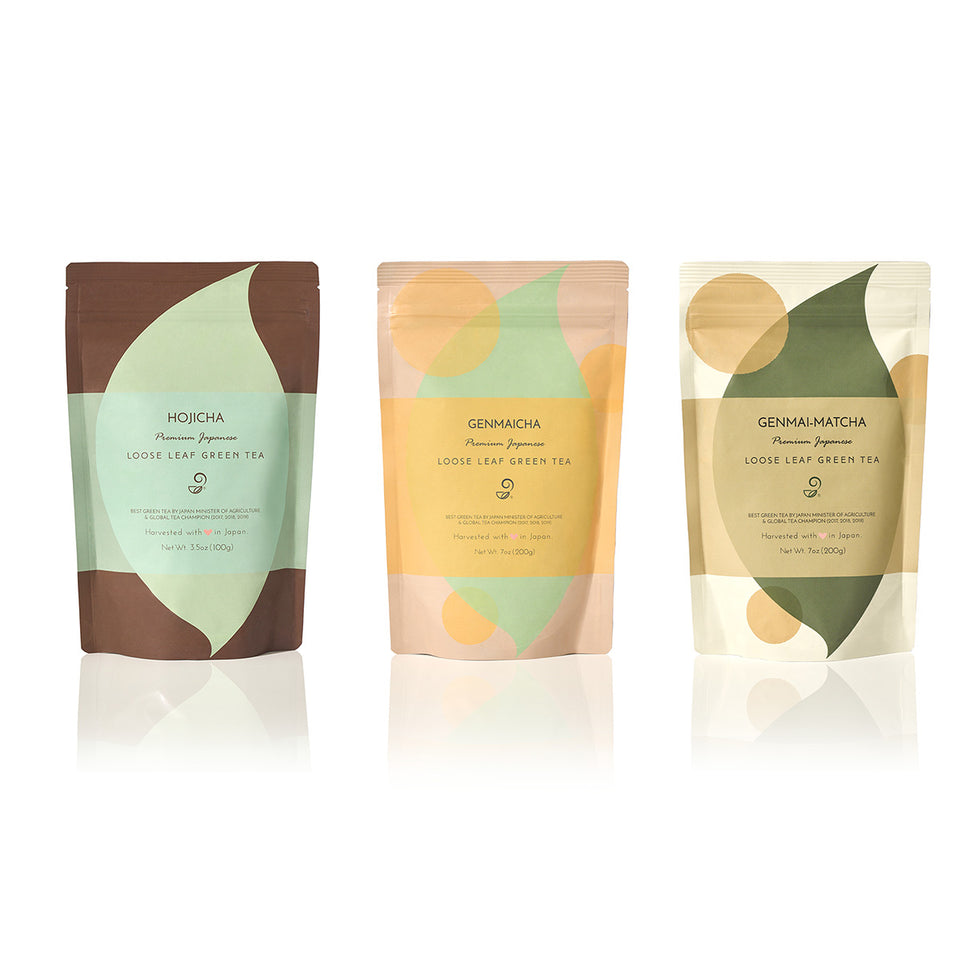
Hojicha Genmaicha Trio Gift Set - Premium Japanese Green Tea Set Package


Get Free Bonus Books

Sign up for free to the Green Tea Club to get advice and exclusive articles about how to choose Japanese Tea, and tips, tricks, and recipes for enjoying Japanese tea.
About the author

Kei Nishida
Author, CEO Dream of Japan
Certification: PMP, BS in Computer Science
Education: Western Washington University


