A short animated video showing How to Make the Perfect Cup of Matcha.
Here is the instruction mentioned in the video:
- Add 2 teaspoons of matcha.
- Add 1 tablespoon of Cool water.
- Whisk Until Smooth and frothy.
- Add 1 Cup of Boiling water.
- Whisk Again
- Enjoy!
We are working on adding more videos to our Youtube Channel.
Curious how we made this video? Click here to read behind the scene footage.
Buy Premium Matcha Now
Here are other great videos about matcha!
FAQs about Making the Perfect Cup of Matcha
What's the difference between ceremonial and culinary matcha — does it really matter for daily use?
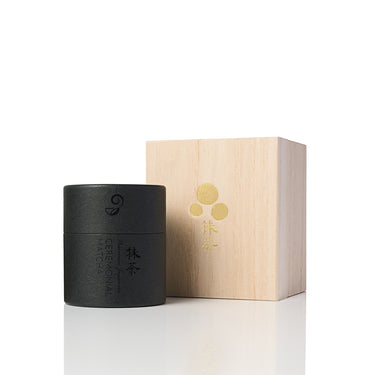
It depends on how you're drinking it. Ceremonial matcha (抹茶) — like our Limited Reserve Ceremonial matcha — is made from the youngest, most tender leaves of the first harvest, shaded longer, stone-ground finer, and is meant to be whisked with water and consumed plain. The flavor is sweeter, more umami-rich, and balanced enough that you don't need milk or sugar to drink it.
Culinary matcha is made from later harvests, often slightly older leaves, ground to a slightly coarser particle. The flavor is more astringent and bolder, which is why it holds its character through milk, sugar, and heat in a latte or baked good. Culinary matcha in a plain hot bowl tastes harsher than ceremonial matcha; in a latte or muffin, you can't tell the difference and the cheaper grade saves you money.
So for plain daily bowls, get ceremonial. For lattes, smoothies, or baking, get culinary. Mixing the two roles costs you either money or flavor depending on which direction you go.
Do I need a chasen (bamboo whisk) or can I use a regular kitchen whisk?
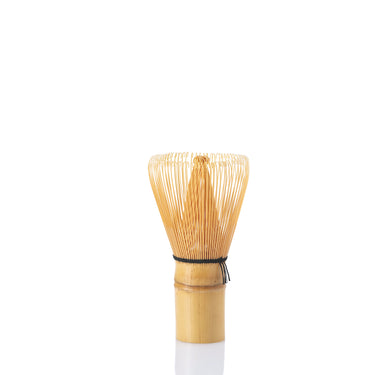
A regular kitchen whisk doesn't work well — the wires are too far apart and too rigid to break up matcha clumps and create the fine foam (kuremu) that defines a properly prepared bowl. You can technically force it through a tea strainer first and stir hard, but the texture stays gritty and the foam never builds. A bamboo chasen whisk with 80-100 fine prongs is what's actually designed for the job — and the price difference between a kitchen whisk and a chasen is small.
The other option is an electric milk frother, which works surprisingly well. It produces foam similar to a chasen — slightly bubblier, less silky — but for daily casual drinking, it's perfectly fine. Many home matcha drinkers use a frother on busy mornings and a chasen for slower weekend bowls. Both produce drinkable matcha; only the chasen produces the traditional texture.
If you're going to drink matcha more than twice a week, the chasen pays for itself in months. The card below is the 100-prong version, which lasts longer and produces finer foam than the cheaper 80-prong models.
What's the right ratio — how much matcha powder to how much water?
For a standard bowl of usucha (thin matcha), the ratio is about 1.5 to 2 grams of powder (one heaping bamboo scoop, or chashaku) to 60-70 ml of water (about ¼ cup). That gives you a vibrant bowl with proper foam and the right balance of bitterness and umami. Less water and the matcha is too intense; more water and it's diluted and the foam doesn't hold.
For koicha (thick matcha) — what's served in formal tea ceremony — the ratio is roughly 4 grams of matcha to 30 ml of water. That's a much thicker, almost paint-like texture and a more concentrated flavor. Koicha is harder to make well and most home drinkers don't bother; usucha is the daily form.
If you're making matcha for the first time, start at 1.5 grams to 60 ml at 175°F (80°C) and adjust from there. Once you've found your preference, you can use a small kitchen scale or just memorize the volume of one bamboo scoop. Eyeballing it consistently takes a few weeks.
Why does my matcha taste bitter even when I follow the recipe?
Three usual culprits. First, the powder is older than it should be — matcha oxidizes fast once opened. If your tin has been sitting open for more than 2-3 weeks at room temperature, the bitterness is the powder going off. Second, the water is too hot. Above 85°C (185°F), the catechins extract too aggressively and overwhelm the L-theanine. Drop to 175°F and the same powder reads completely differently.
Third, the matcha grade. Culinary matcha is more bitter than ceremonial by design, so if you're drinking culinary plain it'll taste harsher no matter what you do. The fix there is to either switch to ceremonial-grade matcha for plain bowls, or use the culinary in a latte where the milk masks the bitterness.
There's also a fourth, smaller factor — your water. Hard water amplifies bitterness in matcha specifically. If you've checked the other three and you're still getting bitter, try filtered or low-mineral bottled water for a week and see what changes.
Should I use hot water or cold? How does temperature change matcha?
Hot water (175°F / 80°C) is the traditional and chemically-correct choice — it activates the L-theanine and catechins evenly, produces stable foam, and gives you the full flavor profile matcha is designed for. Cold matcha is also possible (and trendy in summer) but the flavor profile shifts: less umami, less foam, more pure-green-tea grassy notes, and a thinner mouthfeel. It's a different drink, not a worse one.
For iced matcha, the trick is to whisk the powder into a small amount of warm water first (just enough to fully dissolve and start foaming), then top with cold water or ice afterward. Whisking directly into cold water leaves clumps. Hot-then-cold gives you the full flavor and foam but at a refreshing temperature.
Boiling water (above 195°F / 90°C) is what you want to avoid. The flavor turns bitter and the foam collapses. Letting boiled water sit for two minutes before pouring drops it into the right range. If you have a kettle with temperature control, set it to 175°F and forget about it.
Related products
Matcha - Ceremonial Japanese Powdered Green Tea
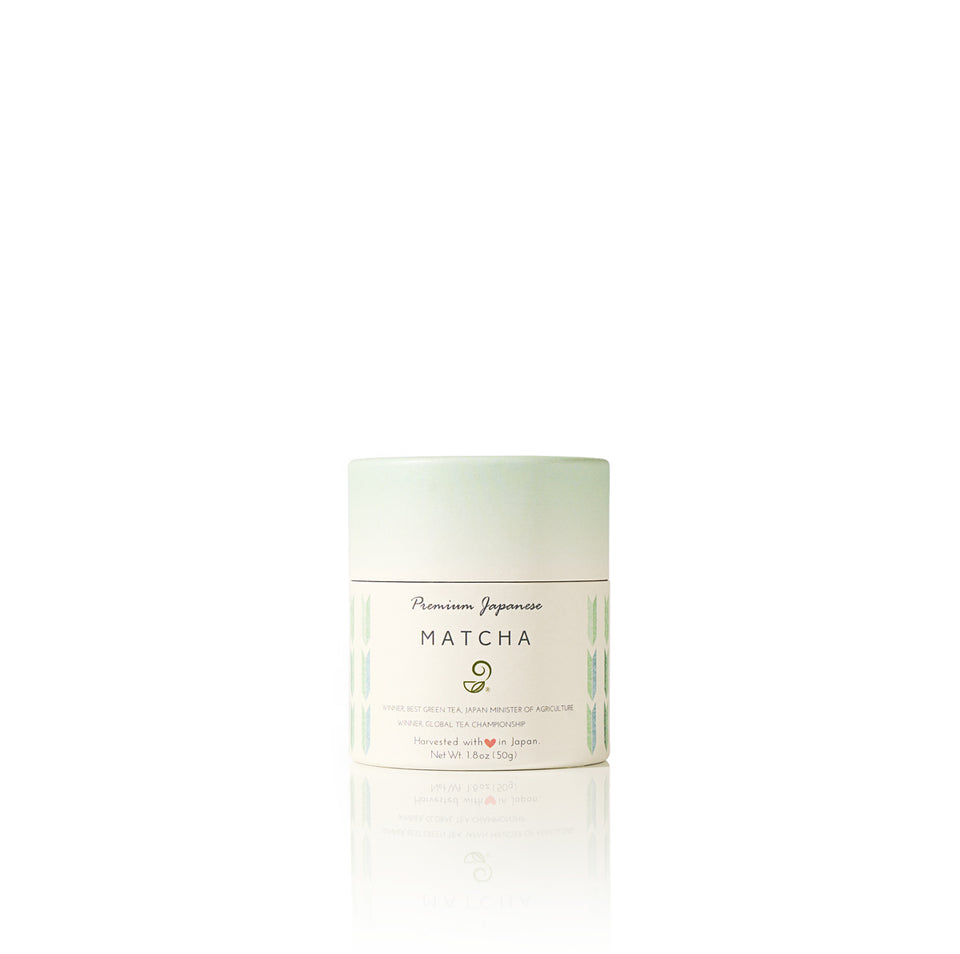
This ceremonial matcha is crafted from the finest Japanese green tea, grown in nutrient-rich soil enhanced with compostable grasses and sugarcane through the Chagusaba method, which gives the tea a natural sweetness and exceptional flavor. In collaboration with researchers from Shizuoka University, farmers ensure that the soil quality consistently produces tea of the highest standard.
Renowned among top Japanese chefs for its unmatched aroma, this matcha is made by carefully shading the plants before harvest to boost caffeine and amino acids, then meticulously drying, de-stemming, and grinding the leaves into a fine powder. Made from the Yabukita cultivar, this 1.8 oz (50g) matcha comes in a high-quality, air-tight paper tube canister, providing a luxurious and authentic Japanese tea experience.
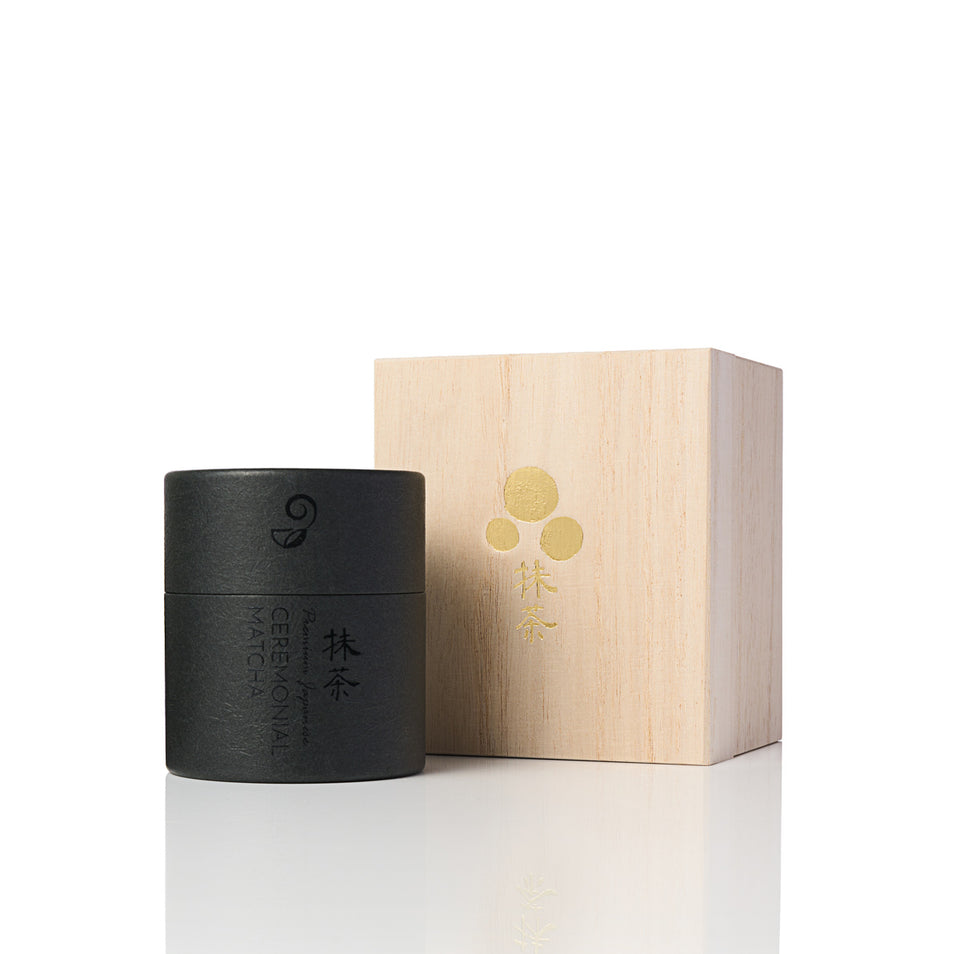
Matcha - Japanese Limited Reserve Ceremonial Green Tea - (Global Tea Champion 2018, 2025)
This Premium Ceremonial Grade Matcha is one of the most luxurious matcha teas available, crafted from carefully cultivated Japanese green tea grown in nutrient-rich sugarcane soil using the Chagusaba method. Traditionally reserved for high-end tea ceremonies in Japan and loved by many tea masters, this matcha was once unavailable outside of Japan and is now finally accessible to U.S. consumers. Every step of its production, from shading the tea plants to increase caffeine and amino acid levels to the meticulous removal of stems and veins before grinding into a fine powder, is handled with a blend of advanced technology and time-honored tradition. Made from the Yabukita cultivar, this 30g (1.05 oz) ceremonial matcha offers a vivid color, unforgettable aroma, and the highest standard of flavor, earning recognition as a Global Tea Champion in 2018 and 2025.
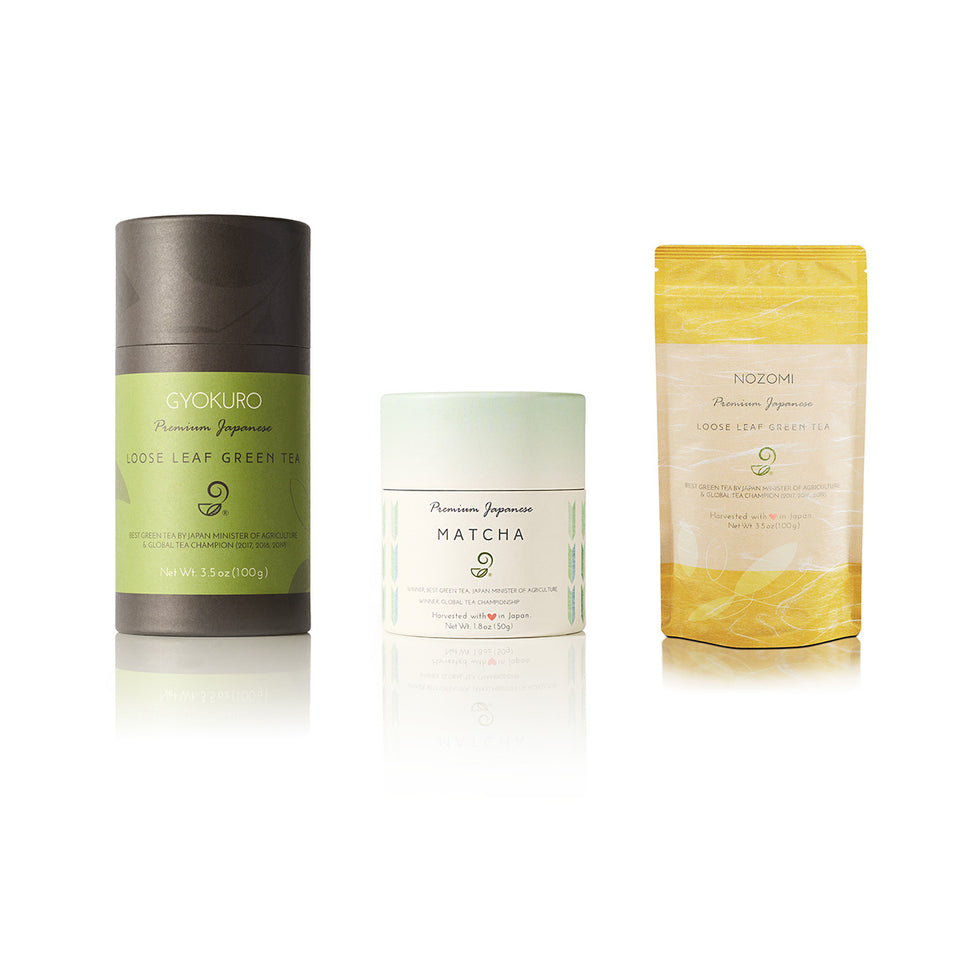
The Covered Trio Gift Set - Ceremonial Matcha, Gyokuro, and Nozomi Japanese Green Tea Set Package
This tea set features three premium Japanese green teas, all cultivated in nutrient-rich sugarcane soil to enhance their flavor and natural sweetness. Gyokuro, a prized shaded green tea, is grown under special mats for 20 days to increase caffeine and amino acid levels, resulting in a rich, sweet taste and deep mossy green color. The set also includes a luxurious matcha, crafted from carefully shaded, hand-processed leaves and renowned for its smooth, aromatic flavor, developed in collaboration with researchers from Shizuoka University to maximize the benefits of the enriched soil. Completing the collection is Nozomi, a fine Kabuse-cha or "Covered Green Tea," where young tea leaves are gently shaded just before sprouting, producing a soft, refined flavor perfect for tea enthusiasts.
Matcha and Chasen Whisk Gift Set
This set features a premium matcha made from the finest Japanese green tea, cultivated in soil enriched with compostable grasses and sugarcane to bring out a natural sweetness. In collaboration with researchers from Shizuoka University, farmers carefully study soil conditions to enhance flavor quality. The tea plants are shaded before harvest to increase caffeine and amino acid content, then skillfully dried, de-stemmed, and ground into a fine powder, creating a matcha with a luxurious aroma and taste highly regarded by top Japanese chefs.
Paired with the matcha is a traditional 100-prong bamboo chasen whisk, considered the highest-grade among matcha tools. Unlike common 40-60 prong versions, this finely crafted whisk is widely used in high-end tea ceremonies in Japan. Its balanced dimensions offer the perfect design for preparing a smooth and frothy bowl of authentic matcha.
Ceremonial Japanese Powdered Green Tea and Electric Matcha Whisk
This starter gift set brings together premium ceremonial Japanese matcha and the Elementi electric matcha whisk, giving you everything you need to prepare smooth, authentic matcha at home. The matcha is 100% made in Japan, produced from carefully shaded green tea leaves that are stone-ground into a vibrant, fine powder prized for its rich umami, natural caffeine, and amino acid content.
Paired with the matcha is the Elementi electric whisk, designed for quick and effortless preparation. Its powerful motor creates a smooth, frothy cup in seconds, while the ergonomic, soft-touch grip ensures comfortable handling. This item ships within the USA only (excluding HI and AK).
Related Articles You May Be Interested
Get Free Bonus Books
Sign up for free to the Green Tea Club to get advice and exclusive articles about how to choose Japanese Tea, and tips, tricks, and recipes for enjoying Japanese tea.
Unsubscribe anytime. It’s free!
About the author
Kei Nishida
Author, CEO Dream of Japan
Certification: PMP, BS in Computer Science
Education: Western Washington University
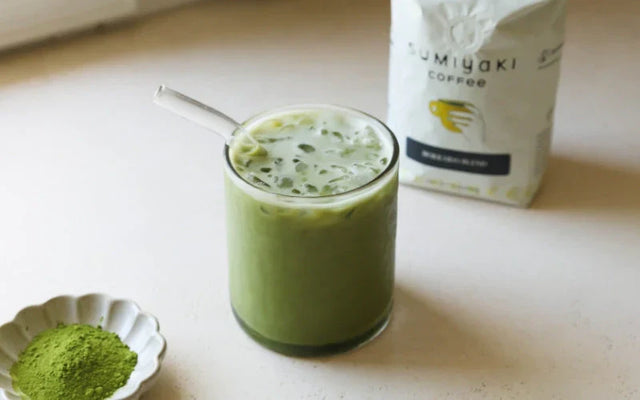
Kei Nishida is a passionate Japanese green tea connoisseur, writer, and the founder and CEO of Japanese Green Tea Co., a Dream of Japan Company.
Driven by a deep desire to share the rich flavors of his homeland, he established the only company that sources premium tea grown in nutrient-rich sugarcane soil—earning multiple Global Tea Champion awards.
Expanding his mission of introducing Japan’s finest to the world, Kei pioneered the launch of the first-ever Sumiyaki charcoal-roasted coffee through Japanese Coffee Co. He also brought the artistry of traditional Japanese craftsmanship to the global market by making katana-style handmade knives—crafted by a renowned katana maker—available outside Japan for the first time through Japanese Knife Co.
Kei’s journey continues as he uncovers and shares Japan’s hidden treasures with the world.

Hi Adele,
I’m sorry that you are having a problem. Please remove the pop-up blocker or try from this link here: https://www.japanesegreenteain.com/pages/matcha-premium-japanese-powdered-green-tea
I wanted to buy but after clicking ‘buy now’ nothing opened.