Table of contents
If you’ve ever visited our event booth, you probably noticed right away that our booth is unlike anything else.
We often hear people say, “This is beautiful—how did you make it?”
So I wanted to share the behind-the-scenes story of how our backdrop came to life—and why it’s much more than just a display wall.
What most people don’t realize is that this piece is deeply connected to Japan, and it took over six months of planning, building, and refining to get to where it is today. And even now, we’re still improving it little by little.
Before we go deep into the story, here are some videos and images of our booth (in case you have not seen it).
Here is a short video from the OC Japan Fair (October 17 - 19 2025):
videoid="yeq5JVw3xMA"
Here is an image from the Los Angeles Coffee Fest (August 22 - 23 2025):

Here is a picture from another angle of the Summer Market at Bread and Salt, San Diego (June 1, 2025):

At the end of 2025, we added a bar table, which you can see on the left side of the picture below (read on below about how we made them). This is from the Balmuda event at Albion Garden on November 22 2025.
Can you tell that the back panel is smaller than the ones above? The background can be configured in 3 sizes (see below for more).

Here is a picture of the smaller size version (at Maum Market Enclave on July 19 2025).

And here is the smallest version (shorter with one panel). (This was at Maum Market OCMA)

And you may wonder how long it takes to set this up at every event.
It takes quite an effort to set this up (takes about 2 hours! :0).
If we have to set up in the morning, we always have to rush to build it on time.
Here is a short time-lapse video of how it is set up. (This was at the World Tea Expo in Las Vegas, March 25 - 26, 2025)
videoid="6Id-KOL1cgs", cover="https://cdn.shopify.com/s/files/1/1423/7286/files/Settingupbooth.jpg?v=1743470998"
Now that you see some images and videos. Are you ready to learn about the story behind this?

The Beginning
Just like any other business, we also struggled during the COVID pandemic.
If you followed us before COVID (thank you!), you know we used to attend events such as the Northwest Tea Festival, Sakura Con, the Portland Tea Festival, and the Portland Night Market.
But all the events were cancelled when COVID hit, as you know.
During the COVID pandemic, we decided to build something to elevate the event experience so that once the pandemic is over, we can go all-in with a totally new setting and design.
Our Chief Branding Officer, Miki Pon, decided to take on the design challenge.
Planning
Since we attended various events before the pandemic, we have been taking notes on other vendors we were inspired by.
We wanted to make the booth look more like modern Japan, and what we realized in Japanese design is that its core is the usage of wood.
As you know, Japan traditionally used wood extensively because the country had limited domestic metal resources and abundant forests, so Japanese culture, architecture, and craftsmanship naturally developed around woodworking materials and techniques.
(This is also the reason, in Japan, you see wooden chopsticks and not metal ones like the ones you see in Korea or China.)
So we wanted the wood to be dominant in the design, but we did not want it to look like a dark, dusty Japanese antique shop; we wanted a brighter, more modern feel.
Miki then thought of using the Japanese Koshi design concept.
Koshi (Kōshi 格子) refers to traditional Japanese wooden latticework—often seen on machiya townhouses and shopfronts—designed to provide privacy and security while still allowing light and airflow to pass through, as shown in the picture below.

Even today, this timeless Koshi concept continues to inspire modern Japanese architecture—one of the most iconic recent examples being the Osaka Expo 2025, which concluded at the end of 2025, where the massive wooden “Ōyane Ring” (大屋根リング) showcased the same beautiful rhythm and repetition of wood that makes Koshi so uniquely Japanese. (Click here to see some images of the Osaka Expo and Oyane Ring when I visited the Osaka Expo)

Picture of Oyane Ring at Osaka Expo 2025 inspired by Koshi Wood Design
If you look around, there are some modern implementations of Koshi everywhere.
Below is a picture we used as one of the "inspirations" for the event background. This image was taken at Hazukido in Richmond CA. (They are more of a baker, but their hanbagu ハンバーグ was so good! :)

Prototyping
So we decided to use wood, the Koshi design.
From the pre-COVID experience, we knew that for some events we needed to ship a pallet to the event location, so it was essential that the "broken down" size fit within the standard pallet size of 48 in x 40 in (4ft x 3.33ft).
We also wanted all the materials to fit in our car, so we measured our car (5'8 "x 3' x 2' high). [Though, after half a year, we built more parts and were no longer able to fit, so we ended up needing to obtain a van... but initially we were moving all these in a small sedan!]
We knew that a common tradeshow booth size was 10' x 10' or 10' x 5', so we thought it would be cool if the background could be configured for the large size 10' and also for a smaller event with less space.
If we have 6 of 4' x 3' panels that can be configured for different sizes, it would be nice to use the same set for different types of conferences.
Here are the sketch (bottom one is for the table):

Here is the actual draft of the "requirement" we built in preparation to send to carpenters:
- Made out of wood
- Being able to be disassembled into a size that fits in a car or a pallet
- Durable in transit (but lightweight - if possible)
- Being able to embed TV from behind (we do not want customers to see the edge of the TV, so it does not look like a TV)
- Have some shelves to put some items. (being able to change the position to put the shelf)
Optional - good to have
- Being able to change the size of the TV in the future
- "Instagrammable"
- We want matching tables, display shelves, card stands, etc., using the same or matching materials.
Here are some "mood board images" (we used trending Mr. AI to make these).

Finding Carpenters
Cool, so we got a plan!
But there is one big issue: I am not really a handy type... :0
I cannot even cut a piece of wood straight (writing this reminds me of a childhood memory when I failed to build a wooden shelf quite badly...)
I always wished I were more of a handy type...
Rather than me trying to learn how to cut wood straight, we decided to hire professional carpenters to help us.
Finding a carpenter was not as easy as we thought; we even went to Lumber Liquidators to ask for a referral.
Long story short, we are happy to be working with the following carpenters who made these ideas a reality.
Malachi Milbourn from Milbourn Wood Work (@milbournwoodworks)
Malachi Milbourn is the founder of Milbourn Woodworks, a Portland-based team of craftspeople specializing in custom, handcrafted, sustainable wood furniture and installations made from reclaimed and locally sourced materials.
He built the background and tables. (more about them below)

Miki and Malachi at Malachi's workshop
Pete Bosack from Madeway Design (@madewaydesign)
Madeway Design is a Portland, Oregon–based full-service metal fabrication shop specializing in handcrafted steel table bases and legs, known for high craftsmanship and thorough customer service.
He built the metal structure that holds the event background. (more about them below)
Paul and Dyanne from R/D Record Cabinets (@recordcabinets)
R/D Record Cabinets is a Los Angeles–based studio founded by Paul and Dy in 2016 that handcrafts custom, built-to-last vinyl record storage cabinets in their own fabrication shop, with over 1,300 units built and shipped across the U.S.
They built the bar table and custom configurable box/carriers (more about them below).
We met with Paul and Dyanne at the Spring Market hosted by Tsugu-san from We Share Records. They had a very nice record cabinet that we were so inspired by. We started chatting, and we were so glad that they were willing to help us.

Miki and Paul at R/D Record Cabinet studio (and the bar table that just got finished!)
Brice from Timber Frame Headquarters (@timberframehq)
A longtime friend and business mentor to Kei, Brice is the founder of Timber Frame Headquarters.
Timber Frame HQ is a small, remote team of timber framers, designers, and engineers that has helped thousands of builders and homeowners since 2010 by providing precision timber frame plans, kits, and expert support.
Brice is a master in woodwork, and he has guided and helped us throughout the process.

Building the Event Backdrop and Table
The event background and tables were built by Malachi from @milbournwoodworks, a professional furniture designer and carpenter with expert craftsmanship, along with Portland's renowned metalworker Madeway Design, who built the metal framework supporting the massive artwork.

As mentioned above, one of the key challenges in creating this wall was ensuring that it remained fully transportable — whether packed in a car or shipped securely on a pallet.
Every panel, joint, and support structure was thoughtfully configured and custom-sized to meet this requirement without compromising aesthetics or durability.
To further reinforce the integrity of the backdrop, the metal backing was engineered and custom-built by Pete Bosack, the renowned Portland-based metalworker and founder of Madeway Design. Their team carefully designed the metal framework not only to match the visual design but to ensure the entire structure remained stable and safe in any environment — whether indoors, outdoors, or even in strong wind conditions.
This backdrop is more than just a display wall; it’s the result of intentional craftsmanship, technical problem-solving, and months of hands-on work by some of Portland’s most talented makers.
Every detail — from the fine Port Orford Cedar wood panels to the precisely engineered metal frame — reflects our commitment to quality, beauty, and thoughtful presentation.
Here is a rough drawing Malachi prepared before he started building.

Color of the Blue
We wanted to make sure that the blue paint matches our branding blue exactly.
Here is an image of us comparing the blue of our business card, website (using our phone etc), and ensuring that the color is correct.

About the Special Wood Used in our Booth
The wood selected is very special.
Malachi had access to Port Orford Cedar wood — a rare and highly valued timber that holds deep significance in Japanese architecture and craftsmanship.
Known in Japan as Hinoki of America (アメリカ檜), Port Orford Cedar is native to a small region of southern Oregon and northern California.
It is prized for its fine grain, light color, subtle citrusy aroma, and natural resistance to decay and insects — qualities that made it an ideal material for building Shinto shrines, temples, and traditional crafts.

Picture of the Port Orford Cedar wood
Historically, Japan sought out the finest materials from around the world to preserve the purity and longevity of sacred spaces. Port Orford Cedar was one of the few foreign woods that earned the honor of being imported specifically for religious and cultural purposes. Its properties closely resemble Japan's native Hinoki cypress, which has been used for centuries in the construction of Ise Jingu (伊勢神宮) and other iconic shrines.
What is Port Orford Cedar?
Brice mentions that Port Orford Cedar is like a Cadillac of Cedar wood. It is a premium type of wood grown in Port Orford, Oregon.

Picture of Port Orford Cedar
Port Orford cedar is not just “another cedar” — it’s a rare, premium wood that has been valued for generations because of its beauty, performance, and cultural importance. Unlike typical cedar, it has an exceptionally fine, tight grain, a naturally pale and elegant color, and a crisp, clean aroma. It’s light enough to handle easily, yet strong and stable, which makes it ideal for precise woodworking where pieces must fit perfectly and last for years without warping or cracking.
Malachi was fortunate to obtain some of this remaining, precious wood — timber that once traveled across the Pacific to become part of Japan's spiritual and cultural heritage.
Wood and Japanese Tradition
In Japanese tradition, wood is not just a material; it is alive, breathing, and carries the spirit of the forest. Incorporating such a meaningful wood into our presentation was intentional — it allowed us to connect the natural, sacred essence of Japan with the products we proudly offer.
Each piece of Port Orford Cedar used in our presentation is a tribute to craftsmanship, cultural connection, and the timeless beauty of nature — honoring the tradition of choosing only the finest, most meaningful materials.
Wood is embedded in Japanese culture, and using such special wood meant a lot, especially when presenting our finest Japanese products.
How the Event Backdrop Works
Because the units are meant to be moved easily in the event, all pieces are broken down into separate pieces. This picture shows all the pieces being laid on the floor.
That's a lot of parts, no?

The initial thought was to put a TV so we could show some videos, etc., and here is what it looked like with one.
Here is an image from one of the first events we did with a TV. (Yes, what you see on the right is Gatcha Gatcha (ガチャガチャ) from Japan! We imported it all the way from Japan, and the shipping fee was more expensive than the body itself. (^^))

It is quite well designed that the TV can be hang on different locations on the backdrop.
Here is an image of the TV being placed on the right side (instead of middle).

But it wasn't stylish, so we later changed the TV to a neon sign.


Our cat, Blu, liked the neon too!

And here are the metal legs made out of steel, and it is custom made by Madeway Design.

It is 96" high, which is quite high, but broken down to two pieces so that it fits in a car or pallet.

It is very steady that even the wind won't knock the pieces over. It is quite heavy, though (now that I realize transporting these to a few events)
Here is a picture of Miki holding the polls put together. Quite high, huh?

Here is a picture of how it looks on the back. It holds up the pieces very well.

Here is a close-up picture of the bar and back-side of the backdrop.

And here are images showing each step of putting these together.

Here is a fast-track video of assembly. Isn't it cool?
videoid="6Id-KOL1cgs", cover="https://cdn.shopify.com/s/files/1/1423/7286/files/Settingupbooth.jpg?v=1743470998"
Extending the Design by Adding the Carrying Boxes
Please take a look at these pictures. Left is one of the first events we did in the beginning of the year, and the right is the last one we did at MCASD at the end of the year.
Please see the improvement that has been made.

Please pay attention to the bottom of the table.
Miki has been very particular not to put stuff under the table at the events because it looks "cluttered". But is a very convenient spot to put unsold products and other items we need to operate.
We wanted matching boxes that can be used for decoration and storage.
We met Paul and Dyanne from R/D Record Cabinets at one of the events, and they had beautiful wooden record cabinets. We asked if they could help build custom carrying boxes, and they did a wonderful job!
These boxes work not only as carrying boxes during transportation but also as decoration for the booth.
Here is how the boxes are used for display.
This picture is of Mr. Tadaaki and Mrs. Hiromi from our admired brand, Balmuda, at the Los Angeles Coffee Fest (August 22 - 23 2025).
We were so honored that Balmuda joined our booth at the event, showcasing their amazing coffee maker, the Brew.
(Check out our extensive review of the Balmuda Brew here!)

Here is a picture of how it looks from the backside of the booth.
We don't want to show too much, as it is a bit of a mess, but you got the idea: the "mess" doesn't show up in front of customers, and the boxes are designed to make it easy to access the stuff inside.

Building the Carrying Boxes
This is the first "sketch" Miki made.

We wanted boxes that can be carried around but have an opening so we can easily get items out without having to open any drawers or doors.
After a few iterations of the discussions, R/D Record Cabinets came up with the design.
This is generated BEFORE they made it, amazing how realistic it looks in the mock-up.


Here are a couple of videos shared by R/D Record Cabinets of the making of the box.
Quite a craftsmanship, isn't it?
In the following video, Vy is putting wood together for the boxes (67-seconds video):
videoid="Af1QWM7lws0"
Next, they are sanding one of the boxes (17-second video):
videoid="iG_oirpdA14"
Next, they are staining the boxes here:
videoid="9C3EuWTCJWA"
This is how the box stacks up (13-second video):
videoid="2CqGnabAuPM", cover="https://cdn.shopify.com/s/files/1/1423/7286/files/thumbnail.jpg?v=1769281983"
And here are the images right after these were made.
I love how the wood grain continues from one part of the box to the other.
We have numbers on the back side, so we can place the right boxes next to each other in the event to make it look better (probably no one noticed it, but I believe that kind of attention to detail separates the good from the great).


Building the Bar Table
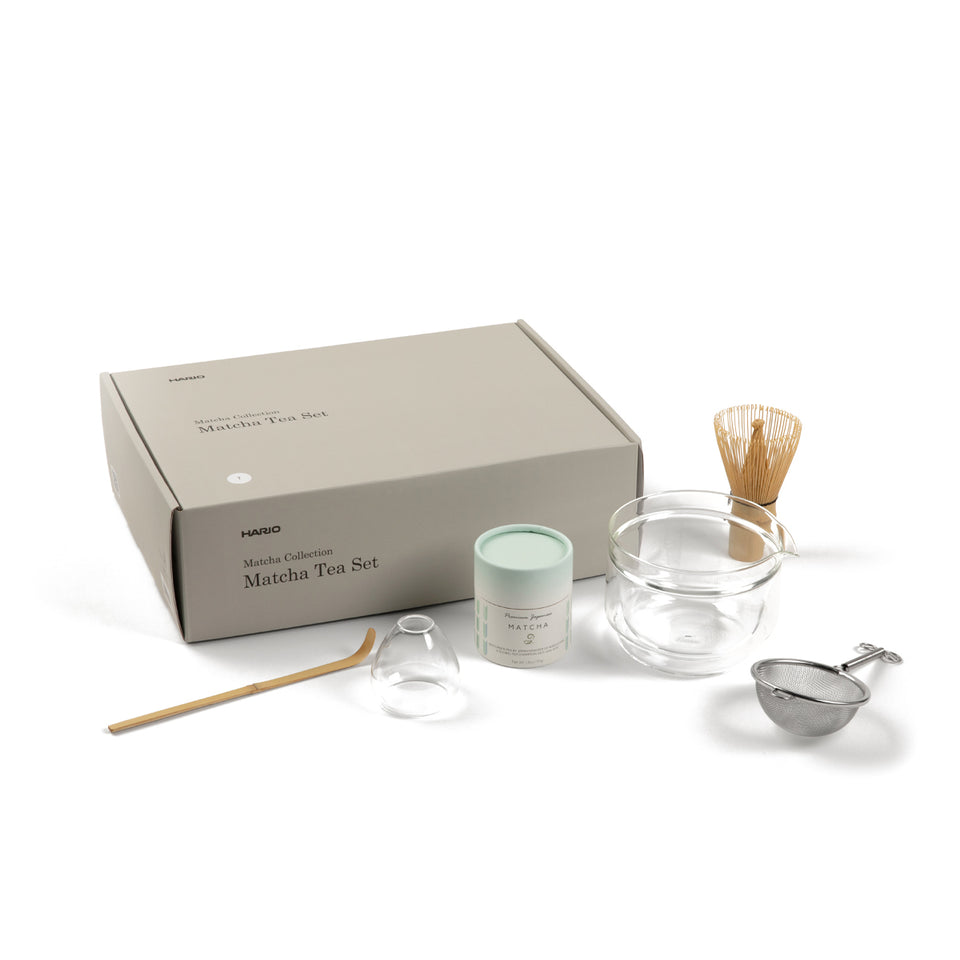
We are so honored to be partnering with Hario (in case you haven't seen, please check out the Hario Matcha set here!)
We were invited to one of the Hario events at their Torrance, CA office, and Miki got an eye on this podium.

Mr. Tanaka, General Manager at Hario Inc, explained how it was made.
She took the notes and shared them with Paul and Dyanne at R/D Record Cabinets. (with permission from Mr. Tanaka from Hario)
This is the final product in use at the event! (left side of Gatcya Gatcha).

The bar table's top comes off and folds into three pieces for easier carrying. Here is how it looks with the top off.

To Be Continued...
That is what we have so far, and I am so lucky and thankful to be surrounded by incredible talent that makes this a reality.
We are so thankful to all our customers and supporters who love our products to make these happen.
Your support makes the dream of Japan a reality.
Thank you so much...
What comes next?
Who knows.
Check us out at the events near you soon!!
If you haven't, please follow us on Instagram, follow Miki Pon (the designer) on Instagram, or join Green Tea Club (below) to stay in the loop on events near you, so we can see you in person very soon.
Looking forward to seeing you soon!
Related products



Get Free Bonus Books

Sign up for free to the Green Tea Club to get advice and exclusive articles about how to choose Japanese Tea, and tips, tricks, and recipes for enjoying Japanese tea.
About the author
Kei Nishida
Author, CEO Dream of Japan
Certification: PMP, BS in Computer Science
Education: Western Washington University