

Table of contents
I have some exciting news today.
We are at the very last stage of a brand-new product — something we have been working on for a very long time.
Japanese Chai.
And before we finish it, I need your help one more time. We are letting you pick the package design, just like we did before. : )
How This Chai Was Born
This whole project started with a suggestion from Lauren-san — Lauren Shannon, Partner and General Manager of Arigato Travel a couple of years ago.
Lauren-san knows Japan very, very well.
She has called Japan home for close to 30 years, and she has spent more than a decade of that in Japanese tourism. She joined Arigato Travel back in 2016, almost at the very beginning, and now runs the company as Partner and General Manager.
She also writes about Japan constantly — food, culture, travel, the small things most visitors never notice — and when outlets like The Japan Times or Culture Trip need someone to explain Japanese food culture, she is the person they call.
And on top of all that, she talks with people visiting Japan every single day.
So when Lauren-san notices something, I listen.
And she noticed two things.
Japanese wakocha (和紅茶) — Japanese black tea — is hard to find outside Japan.
And she had never seen a Japanese chai. Anywhere.
That stuck with me.
So we started working on it. It took much longer than I expected (as it always does, you know :0), but we finally have something we truly love — and I can't wait to share it with you.

What Is Wakocha?
Skip this section if you already know wakocha. : )
Wakocha simply means "Japanese black tea." It is a fully oxidized black tea grown and made in Japan — often from the very same tea plants we use for green tea.
It is genuinely rare. Japan grows a lot of tea, but almost all of it becomes green tea. Wakocha is well under 1% of the crop, and very little of it ever leaves Japan.
Japanese tea plants are grown for sweetness and umami rather than strong tannin, so wakocha tastes naturally sweet and smooth — honey-like, with almost no bitterness. Most people in Japan drink it straight, without milk or sugar.
Lauren was right. Hardly anyone outside Japan has tasted it. And nobody had made a chai out of it.
Why Making a Japanese Chai Was Harder Than We Thought
Here is the thing about chai.
Classic masala chai is built on strong Indian black tea — usually Assam — which is malty, bold, and high in tannin. That strength is what lets it stand up to milk, sugar, ginger, and clove.
Wakocha is the exact opposite. Smooth. Gentle. Naturally sweet.
Wonderful on its own — but put regular chai spices on top of it, and the tea disappears completely. :0
So we went through trial after trial to find the balance we wanted: keep the mildness of wakocha, but still give chai lovers enough spice to feel at home. We even increased the clove and added Ceylon cinnamon powder toward the end of development just to push the spice through.
Part of the answer was the cultivar. We decided to use Benifuuki (べにふうき) for the wakocha base.
If you have been with us for a while, you know Benifuuki very well — it is the same cultivar behind our Benifuuki green tea series.
But here is the fun part. Benifuuki was originally bred for black tea. It is bolder than typical Japanese cultivars, so it gives our chai just enough backbone to carry the spices — this is the job Benifuuki was born to do. : )
What Goes Into Our Japanese Chai
After all the trial and error, here is the final blend:
- Wakocha (和紅茶) — Japanese black tea from the Benifuuki cultivar, grown in Japan
- Ginger — from Kyushu
- Japanese cinnamon leaf (肉桂葉) — from Kyushu
- Chinpi (陳皮) — dried mandarin orange peel, from Kyushu
- Hojicha (ほうじ茶) — roasted green tea, from Saga
- Coriander — from Hyogo
- Sansho (山椒) — Japanese pepper, grown in Japan
- Clove — from Madagascar (we increased this one for extra spice)
- Ceylon cinnamon powder — from Sri Lanka (added to strengthen the spice profile)
Almost everything is grown in Japan. Only the clove and the cinnamon powder come from overseas — Japan simply does not grow them.
A Marriage Between Japan and India
Some of you may know this already — I used to work in Chandigarh, India.
I love India. The food, the people, and of course, the chai. Chai is everywhere there — train stations, street corners, offices. Everyone drinks it, all day.
So this product is personal for me. It is a marriage between Japan and India — Japanese tea craftsmanship meeting Indian chai culture — and we are releasing it in the USA, where I know so many people love chai.
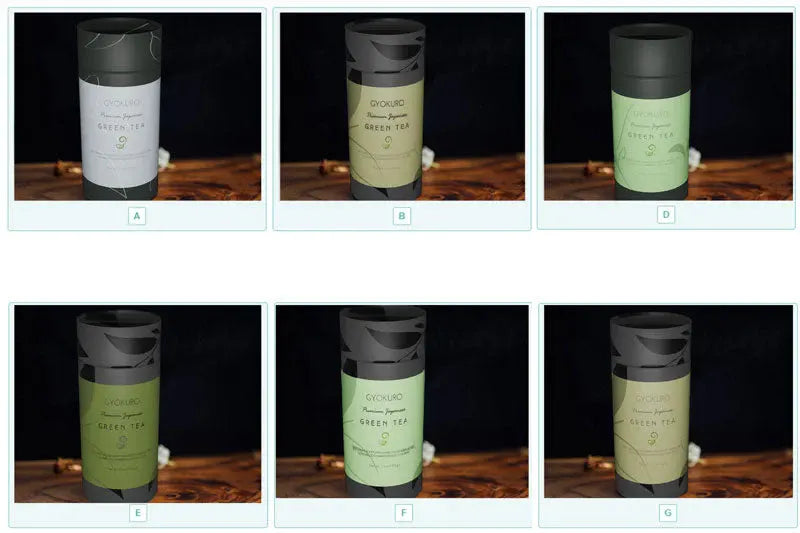
Vote for the New Package Design
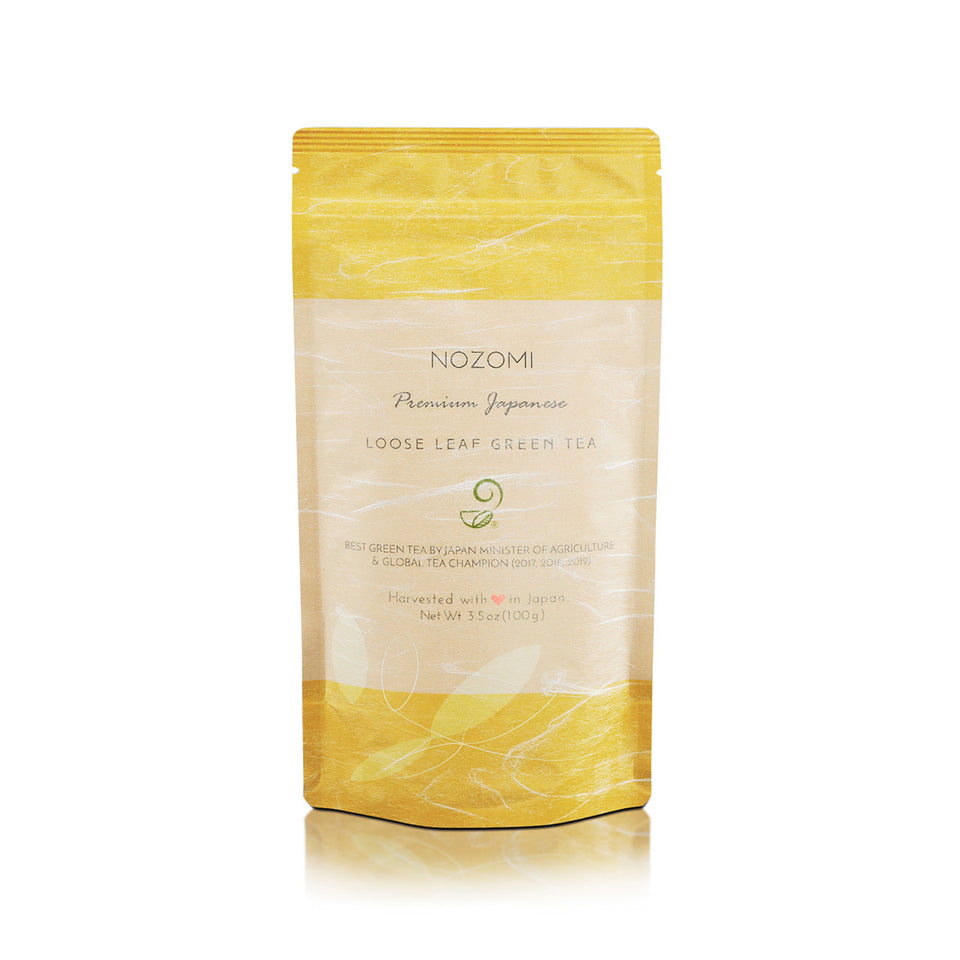
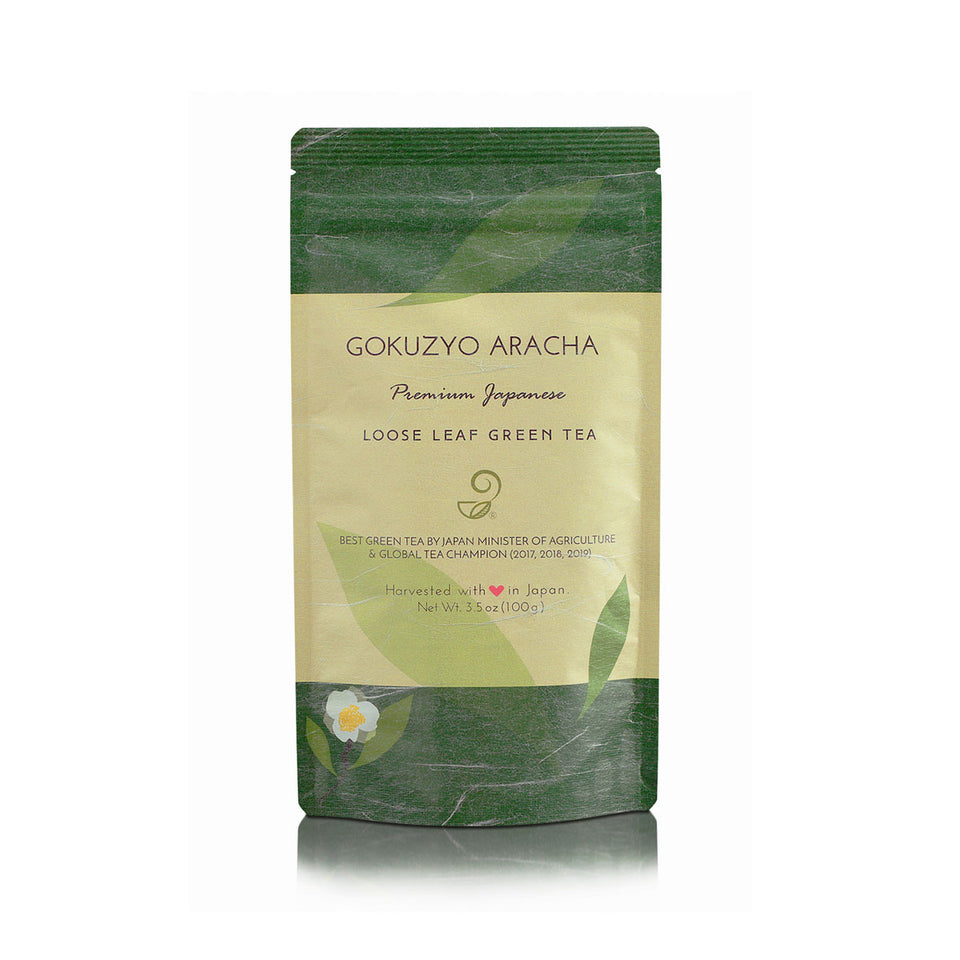
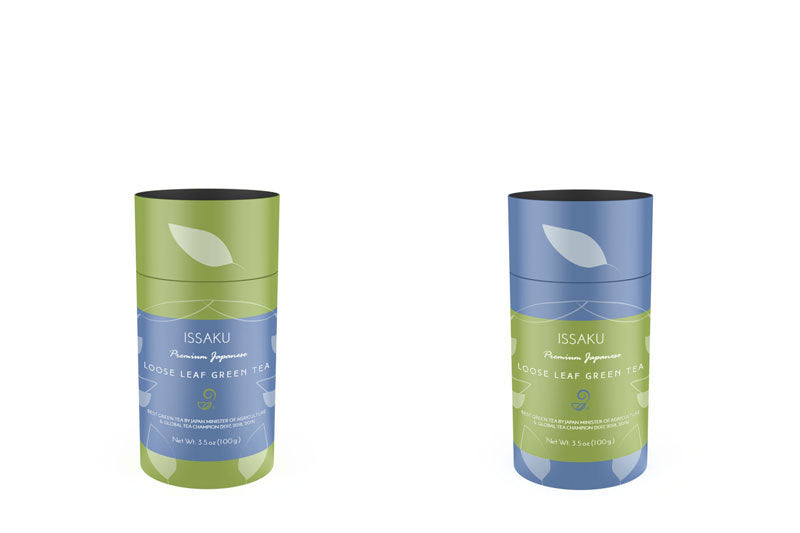
We have done package design contests before, and you have helped us every time:
As you can see, this chai will join the same premium line as Nozomi and Gokuzyo Aracha that everyone loves.
So please help us one more time. Voting takes only a minute or two.
Please click on the image below or click here to vote.

Vote for the Japanese Chai Package Design
Any comments are appreciated too — I read every single one of them. (I really do. Ask the people who left comments in the past contests. : ) )
What Happens Next
Once the voting closes, we will tally the results and finalize the design.
I will keep you posted on which one wins — as I always do.
And sign up for our newsletter below to be the first to know when this chai is released to the public. Green Tea Club members always hear it first — join the Green Tea Club.
Thank you very much for your help, as always!
Sign up for free to the Green Tea Club and get 10% off your first order, plus advice and exclusive articles about how to choose Japanese tea, and tips, tricks, and recipes for enjoying it.
Check your email — your 10% off code is on the way.
Related products




Get Free Bonus Books

Sign up for free to the Green Tea Club to get advice and exclusive articles about how to choose Japanese Tea, and tips, tricks, and recipes for enjoying Japanese tea.
About the author
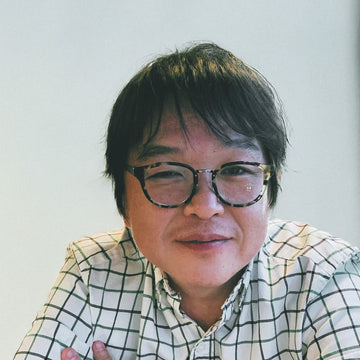
Kei Nishida
Author, CEO Dream of Japan
Certification: PMP, BS in Computer Science
Education: Western Washington University


