Skip to content

Nozomi Tea Package Design Contest Result

Thank you very much for participating in Nozomi Japanese Green Tea Package Design Contest. 

What the Contest Was

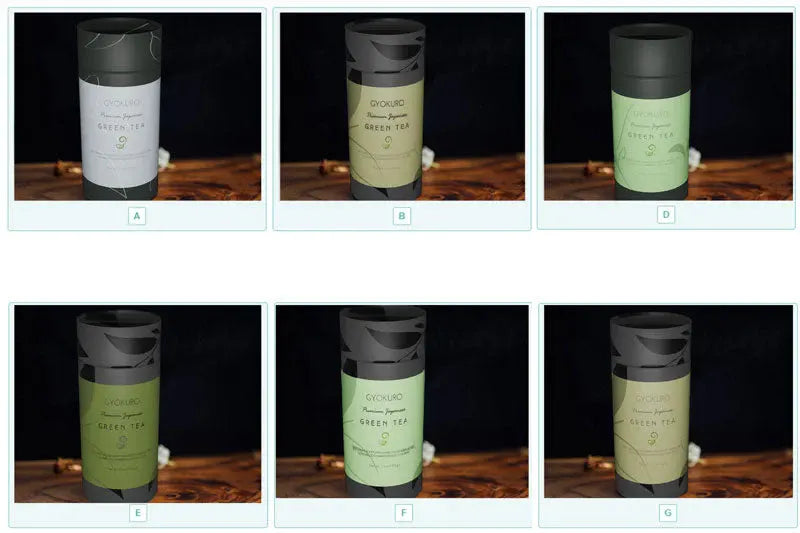
In the past, you have helped us pick the design of the package for Gyokuro and Matcha. (Click here to see the contest for Gyokuro and Matcha.) This time, we asked for Nozomi, which is one of the most popular teas because it tastes like Gyokuro but is more economical.

This time, the design options are not too different, but I wanted to get you involved.

Many customers say that the tin can we currently use is not too eco-friendly and have requested recycling options, etc.

Rather than keeping the tin can, we thought of changing the package to more eco-friendly washi Japanese paper. People are talking more about SDG these days, so think about that too! : )

Here are the questions that you are being asked: (The actual form can be accessed here, and even though the contest is closed, you can still submit your selection if you wish.)

Nozomi Contest question

Nozomi
Nozomi
Nozomi

Contest Result

Earlier, when we did the gyokuro contest, we waited to share the result until we finished their production. I did not know that it took so long to go back and forth with the manufacturer to get the actual package done. :0   

People had forgotten about the contest by the time we shared the result. (Sorry.)

So this time, we are sharing the result right away! : ) 

We will now start producing the package, and we will keep you posted on how it goes and when we are ready with the actual package.

And the winner is... Horizontal!

Winning package

And here is the percentage of how people voted.

Nozomi Package Design Contest Result

You can see that it was a battle between Horizontal design and Vertical design.

A lot of people mentioned that the horizontal one looks like there are more contents and the wordings are easier to read (even though they are the same size for all the designs).

Thank you very much again for participating and sharing your opinions about the design. We will be modifying it a bit based on your suggestions. I will keep you posted on the actual production via the Green Tea Club.

Update 5/14/2021 - Design Completed - Next Step Production

We are excited that package production is finally going on right now. Here are a couple of images of how the design progress is going. We had to go back and forth between the package manufacturer and designer to ensure the correct placement and color. It's a lot of work being involved in making things happen!

Nozomi Package Design

Nozomi Package Design in Progress

New Package is Ready Now!

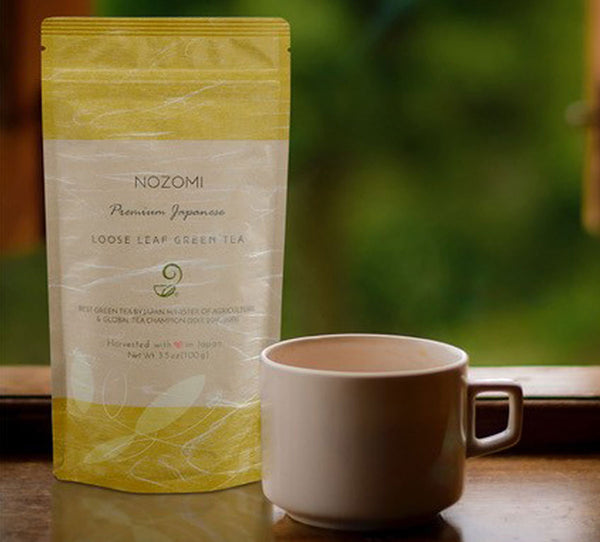
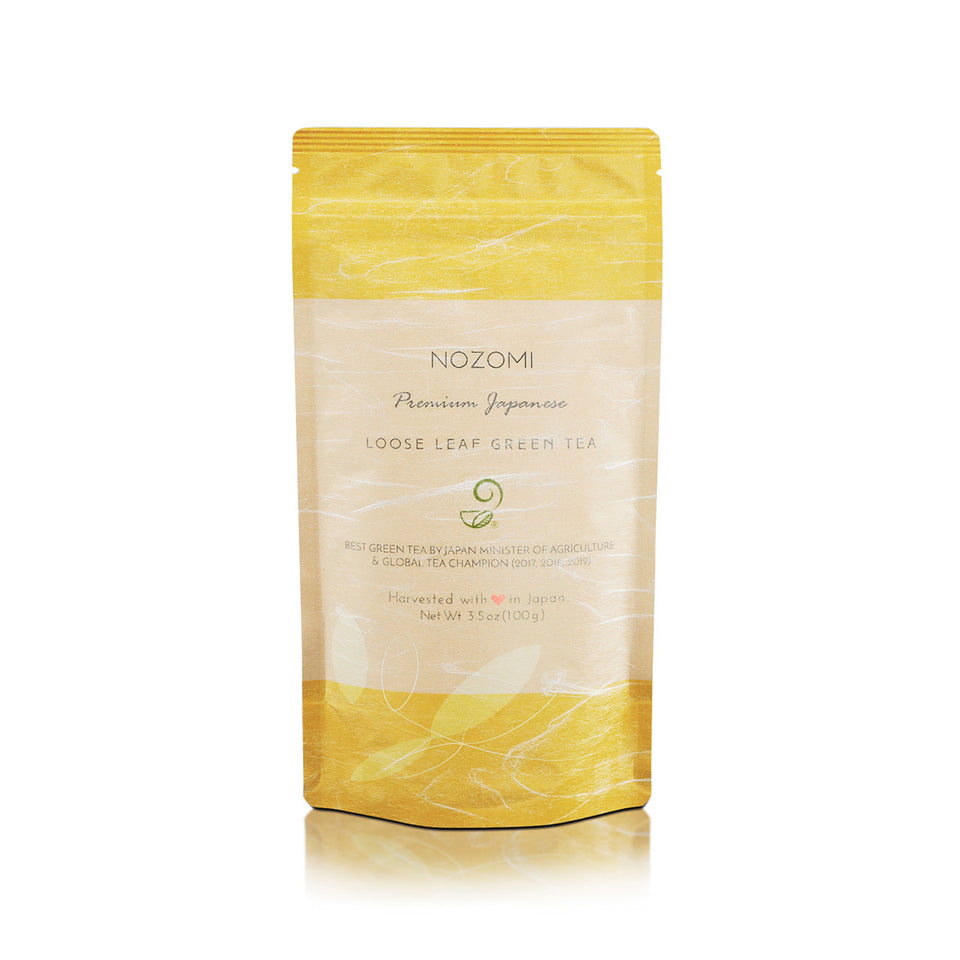
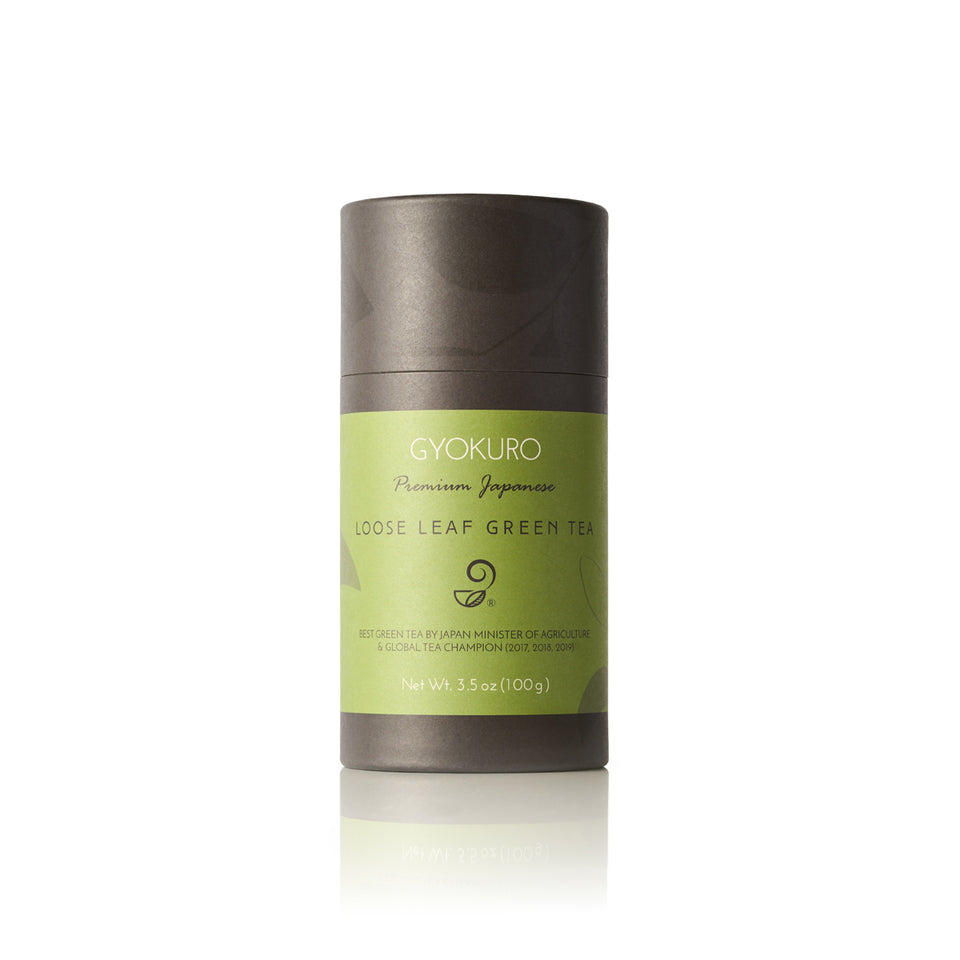
We are happy to let you know that the Nozomi package that you helped us design is finally done, and our first batch arrived last week with the new crop of tea.

Here are some photos; we will be taking more photos soon.

Nozomi Japanese Green Tea

We have created a brand new 1-minute video about this product. Please see: 

Click to Subscribe to my YouTube Channel

Buy Nozomi Tea (Be the first one to try our new package!)

FAQs about Tea Package Design Contests and Brand Engagement

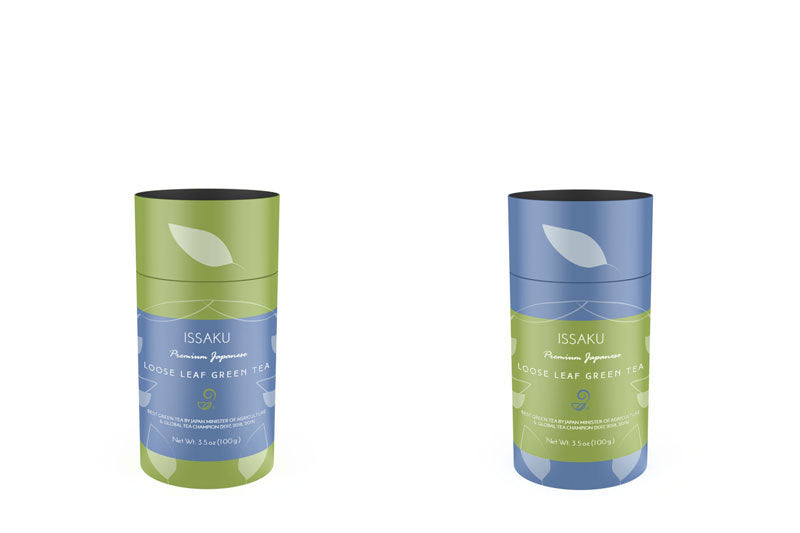
Press features signal industry recognition and broader cultural relevance beyond the brand's core customers. JPCo and other Japanese specialty brands occasionally run customer-driven design contests for special-edition tea packaging — Nozomi tea, Issaku tea, Matcha box, and Gyokuro have all had customer design competitions. The contests engage customers creatively while producing fresh design perspectives that internal teams might not generate alone. For specialty tea brands specifically, third-party press coverage helps build credibility with audiences who don't yet know the brand directly — newspapers, magazines, and trade publications carry editorial weight that direct-marketing doesn't.

That said, press coverage isn't the same as quality. Some heavily-covered tea brands produce mediocre tea; some excellent specialty tea brands have minimal press presence because they prioritize product over PR. Press coverage is one signal among many, not a substitute for direct evaluation.

For customers, press features can be a useful discovery mechanism — articles reviewing or featuring tea brands often introduce readers to specialty brands they wouldn't have found through other channels. The discovery value works in both directions; consumers find brands, brands find new audiences.

Where can I find independent reviews of Japanese tea brands beyond press features?

Steepster is the largest user-driven tea review platform — thousands of teas rated by drinkers. Reddit's r/tea community discusses brands at length. Specialty tea publications (Tea Magazine, World Tea News, T Magazine) provide more in-depth editorial review.

Specialty importer blogs (Yunomi, Hibiki-an, Senbird) often include detailed tasting notes for each tea they carry — these are essentially marketing but written by people who genuinely understand the products. Cross-checking a tea's description across multiple retailers' reviews of the same tea gives you a realistic picture of quality.

YouTube tea reviews from established channels (Mei Leaf, Yunomi, Per Oscar Brekell) are increasingly the reliable format — you can see and hear the reviewer's actual experience with the tea, which catches nuance that text reviews miss.

Why do Japanese tea companies prioritize media presence in addition to direct sales?

Three reasons. First, customer acquisition: media coverage reaches audiences that direct-marketing channels miss — readers of general-interest publications don't see specialty-tea ads but may read editorial coverage. Second, brand authority: third-party coverage carries weight that self-promotional content doesn't, which builds credibility for customers researching the brand.

Third, cultural representation: for Japanese tea companies operating internationally, media coverage helps explain Japanese tea culture to Western audiences. This educational role is valuable for the broader specialty tea category, not just any single brand. Companies that participate in cultural education benefit from category growth even when individual articles don't directly drive sales.

This is also why Japanese tea companies often participate in tea festivals, give presentations at industry events, and produce educational content. The category-building work pays off over years rather than weeks.

How do specialty tea brands like JPCo build long-term reputation?
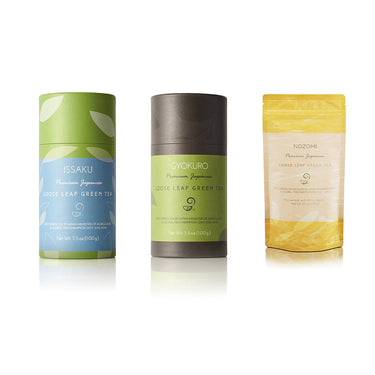
Through consistency over years. Specialty tea reputation isn't built through marketing campaigns; it's built through sustained product quality, transparent supply chains, customer service, and credible cultural authority. Brands that maintain these standards over a decade end up with reputations that newer brands can't easily match. The Sencha Lover Gift Set is from a brand operating on this long-term reputation logic — the gift set quality is calibrated against years of customer feedback rather than just marketing-launch needs.

Press coverage, awards, and industry recognition follow from sustained quality rather than producing it. Brands that try to build reputation through PR alone tend to fade quickly when product reality doesn't match the marketing.

For customers, this means: brands with long histories of consistent quality are usually safer bets than buzzy newcomers, even if the newcomers have better-looking websites. Track records matter for tea brand selection.

Are press features and awards reliable indicators of which Japanese tea to buy?

Partially reliable, with caveats. Awards from credible tea-industry organizations (Global Tea Championship, World Tea Awards, regional Japanese tea competitions) reflect actual quality assessment by trained tasters — meaningful signal of tea quality. Press features in established publications also tend to be earned rather than purchased.

Less reliable: "as featured in" claims that don't specify which publication or what kind of feature, generic "award-winning" claims without specifying the award. These can be marketing dressing rather than actual recognition.

Practical: use press features and awards as one input among several when researching a tea brand. Combine with direct customer reviews, sample purchases, and your own taste preferences. No single signal (including awards) replaces actual experience with the tea.

Related products

114 reviews

Nozomi - Covered Kabusecha Green Tea

$39.00
Quick view

Nozomi is a premium kabuse-cha, or "Covered Green Tea," shaded by a special net for about 7 to 10 days before the new sprouts emerge, creating a balance of flavors that is milder and more accessible than gyokuro, which undergoes a longer shading period. This shorter covering time increases the chlorophyll content and reduces bitterness, resulting in a tea with a mild, slightly sweet taste and a refreshing aftertaste. Cultivated using the Chagusaba method in nutrient-rich sugarcane soil and made from the Yabukita cultivar, Nozomi offers a subtle richness that makes it an ideal choice for everyday enjoyment. Available in a 3.5 oz (100g) eco-friendly resealable package that steeps 30–40 cups or as a convenient 0.3 oz (10g) single-serve sample, Nozomi brings a refined yet approachable green tea experience.

8 reviews

The Sencha Lover Gift Set - Premium Japanese Green Tea Set Package
$179.00 $159.99
Quick view

This tea set features three exceptional Japanese green teas, each crafted with care and traditional techniques. Issaku Reserve, a Global Tea Champion winner in 2017 and 2019, is a rare masterpiece created by Farm Master Mr. Arahata at Arahataen Green Tea Farm. Handpicked once a year from the first flush and processed with advanced methods, Issaku represents the highest-grade deep-steamed green tea, available only in limited quantities even in Japan.

The set also includes Gyokuro, a premium shaded green tea known for its rich, sweet flavor and deep mossy green color. Grown under special mats for 20 days to increase caffeine and amino acid levels, Gyokuro offers a layered, smooth taste unlike any other. Completing the collection is Nozomi, a fine Kabuse-cha, or "Covered Green Tea," carefully grown under nets to gently shade the leaves just before new sprouts emerge, resulting in a soft, rich, and refined flavor profile.

97 reviews

Gyokuro - Shaded Imperial Premium Green Tea

$65.00
Quick view

Gyokuro, also known as "jade dew" or "jewel dew tea," is a premium Japanese green tea shaded from the sun for 20 days using specially made mats, a method that boosts caffeine levels and strengthens amino acids to create a sweeter, richer flavor. This extended shading process results in dark, mossy green leaves with an unmistakable aroma and a complex taste that is layered yet balanced. Cultivated by the Chagusaba method in nutrient-rich sugarcane soil and made from the Yabukita cultivar, this loose-leaf authentic Gyokuro is offered in a high-quality, air-tight paper tube canister (chyazutsu) to preserve its exceptional freshness and flavor. Each 3.5 oz (100g) full-size package steeps 30–40 cups, and a convenient single-serve sample is also available.

45 reviews

Hojicha - Roasted Green Tea

$25.00
Quick view

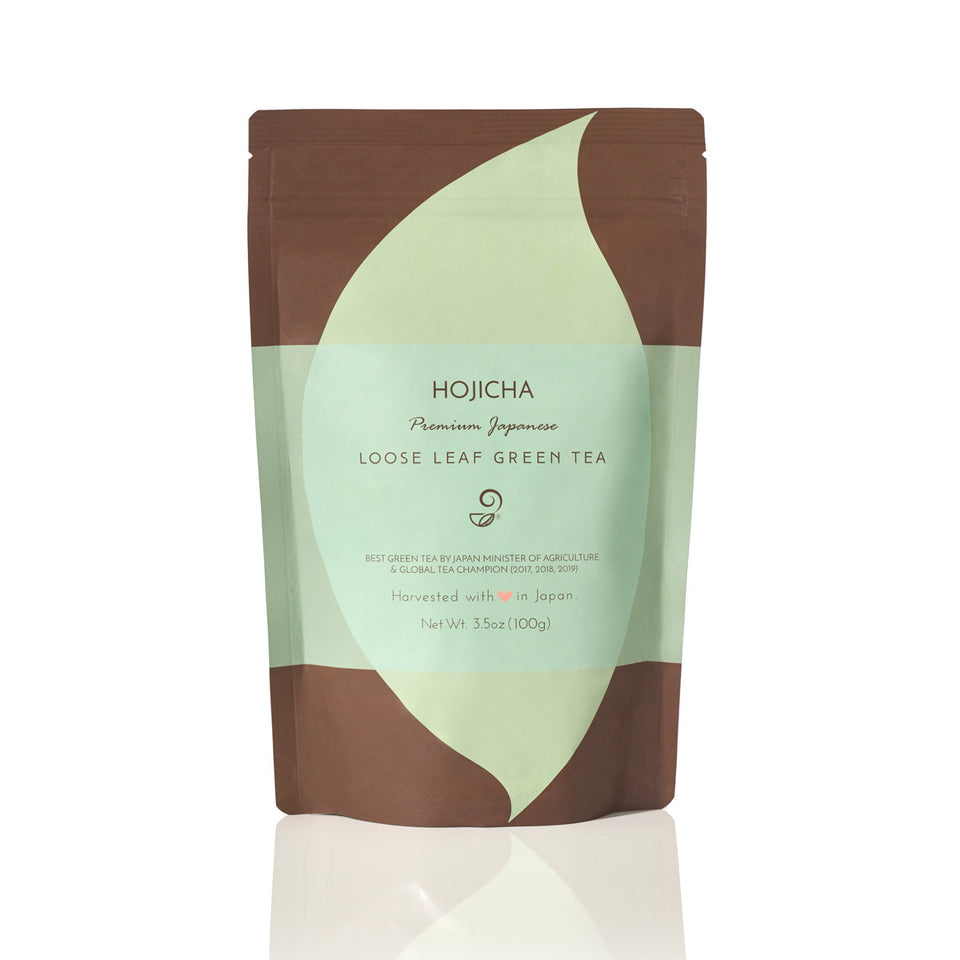
Our roasted green tea, known as hojicha (ほうじ茶), is crafted from freshly harvested premium green tea carefully roasted in porcelain over charcoal to maximize flavor while retaining more catechins than typical hojicha on the market. With lower caffeine and a smoother, less bitter taste compared to steamed green tea, it is an ideal choice for evening relaxation and is gentle enough for kids and pregnant women. Cultivated using the Chagusaba method in nutrient-rich sugarcane soil, this loose-leaf authentic Japanese roasted green tea, made from the Yabukita cultivar, also pairs beautifully with oily foods. Each eco-friendly resealable package contains 3.5 oz (100g) of tea, enough to steep 30–40 comforting cups.

80 reviews

Matcha - Ceremonial Japanese Powdered Green Tea

$39.00
Quick view

This ceremonial matcha is crafted from the finest Japanese green tea, grown in nutrient-rich soil enhanced with compostable grasses and sugarcane through the Chagusaba method, which gives the tea a natural sweetness and exceptional flavor. In collaboration with researchers from Shizuoka University, farmers ensure that the soil quality consistently produces tea of the highest standard.

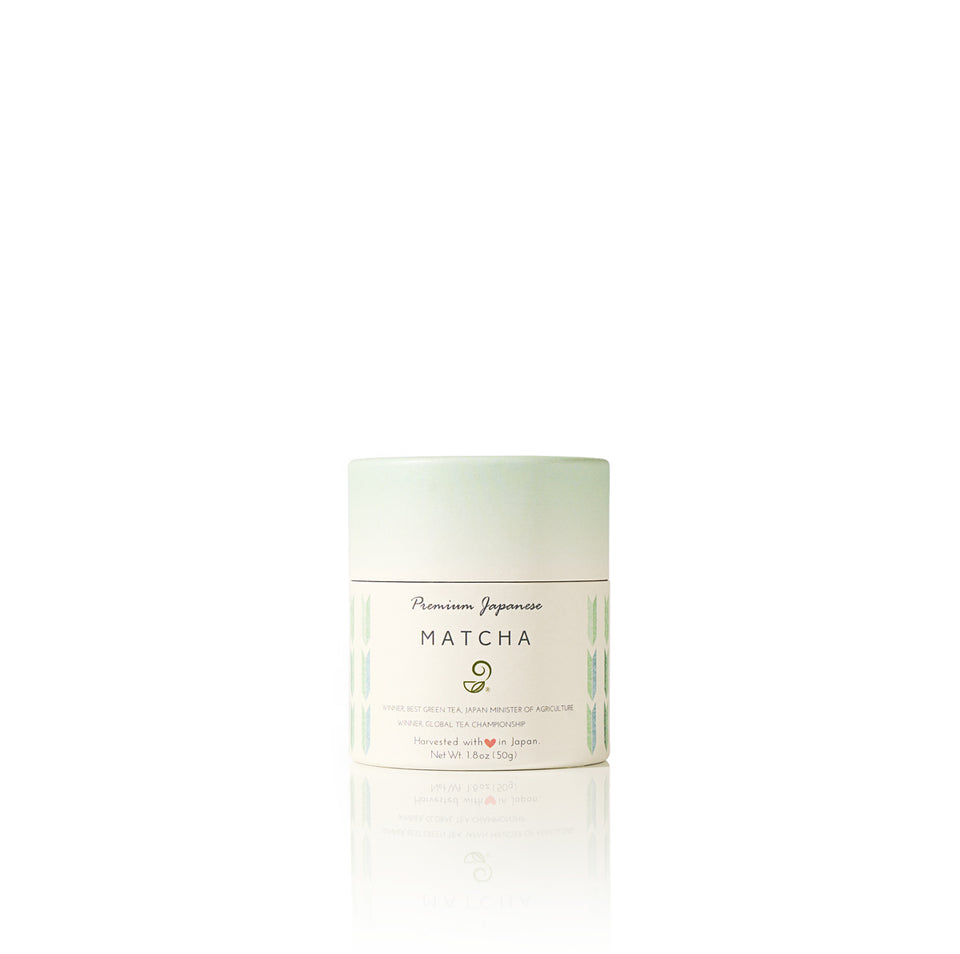
Renowned among top Japanese chefs for its unmatched aroma, this matcha is made by carefully shading the plants before harvest to boost caffeine and amino acids, then meticulously drying, de-stemming, and grinding the leaves into a fine powder. Made from the Yabukita cultivar, this 1.8 oz (50g) matcha comes in a high-quality, air-tight paper tube canister, providing a luxurious and authentic Japanese tea experience.


Related Articles You May Be Interested

Japanese Green Tea Co.'s Nozomi - Covered Tea is on Amazon Now
Everything You Need to Know about Covering Process for Matcha and Gyokuro
Matcha Box Design Contest Result
Gyokuro Package Design Contest Result
9 Most Popular Japanese Tea Types - Which tea is good for me?
Issaku Tea Package Design Contest Result

Get Free Bonus Books

Join Green Tea Club

Sign up for free to the Green Tea Club to get advice and exclusive articles about how to choose Japanese Tea, and tips, tricks, and recipes for enjoying Japanese tea.

Unsubscribe anytime. It’s free!

About the author

Kei Nishida

Kei Nishida

Author, CEO Dream of Japan

info@japanesegreenteain.com

Certification: PMP, BS in Computer Science

Education: Western Washington University

Kei Nishida is a passionate Japanese green tea connoisseur, writer, and the founder and CEO of Japanese Green Tea Co., a Dream of Japan Company.

Driven by a deep desire to share the rich flavors of his homeland, he established the only company that sources premium tea grown in nutrient-rich sugarcane soil—earning multiple Global Tea Champion awards.

Expanding his mission of introducing Japan’s finest to the world, Kei pioneered the launch of the first-ever Sumiyaki charcoal-roasted coffee through Japanese Coffee Co. He also brought the artistry of traditional Japanese craftsmanship to the global market by making katana-style handmade knives—crafted by a renowned katana maker—available outside Japan for the first time through Japanese Knife Co.

Kei’s journey continues as he uncovers and shares Japan’s hidden treasures with the world.

Learn more about Kei Nishida

Related Posts

Meet Eijiro Tsukada (塚田英次郎): The Charismatic Businessman Behind Cuzen Matcha — Now Available at Japanese Green Tea Co.

Meet Eijiro Tsukada — the man behind Cuzen Matcha. Full guide to the award-winning Matcha Maker, the Pro, and why we're

Read More
Behold: Balmuda's "The MoonKettle" — Where Boiling Water Becomes Art

We were privileged to be invited by Balmuda's Private MoonKettle Launch Event. Here are videos of it and everything you

Read More
OC Japan Fair April 2026 — Visit Us at Booth #A8!
OC Japan Fair Spring 2026 Recap (April 3 - 5 2026)

We were at OC Japan Fair again! April 3-5 2026 with new products, Miki Pon's art debut and more. Here is a recap video f

Read More
Leave a comment

Your email address will not be published..

Cart

Your cart is currently empty.

Start Shopping

Select options