

Depression is incredibly common, yet it is a serious condition that can affect all aspects of your life, including your mental, physical, and emotional health.
There are, however, a number of different strategies for overcoming or managing depression, including lifestyle changes or medication. For those suffering from depression, increasing the intake of vitamin-rich foods can also be beneficial. Foods rich in antioxidants, such as green tea, can play an important role in improving your condition and helping you lead a healthier and better life.
On that note, let's talk more about green tea vs. depression and how it can help. Depression doesn’t look the same for everyone, which is why a single solution rarely works. Some people struggle with constant fatigue, while others battle persistent sadness, anxiety, or a loss of interest in activities they once enjoyed. Because of this wide range of symptoms, experts often recommend a holistic approach—one that supports not only the mind but the entire body. This is where nutrition comes in. What you consume daily can influence your brain chemistry, hormone balance, and stress response. Among the many natural options available, green tea stands out as a powerful, science-backed beverage that supports emotional well-being. Its unique blend of antioxidants, amino acids, and plant compounds makes it a promising addition to your mental health toolkit.
Green Tea, Antioxidants & Depression
Green tea is rich in antioxidants that strengthen the immune system and help fight diseases. It can also help reduce cell damage from free radicals. Interestingly, this tea is among the most researched teas in existence.
Green tea has a unique amino acid called L-theanine. Researchers have found it to be a key player in helping fight depression. Beyond L-theanine, green tea contains a powerful group of antioxidants known as catechins—especially EGCG (epigallocatechin gallate)—which have been widely studied for their neuroprotective effects. These compounds help reduce inflammation in the brain, support healthy neurotransmitter activity, and may even protect nerve cells from oxidative stress, a factor often linked to depression and other mood disorders. Together, L-theanine and catechins create a synergistic effect that promotes calmness, stabilizes mood, and supports overall mental clarity, making green tea a natural ally in managing depressive symptoms.
- L-theanine has a natural calming or soothing effect.
- It also slows down caffeine absorption.
- Research studies have also indicated natural anti-anxiety properties.
- Studies show green tea has a direct influence on the nervous system, inducing and promoting calmness.
It's capable of inhibiting a-amylase activity, an activity that has been associated with stress.
Feeling depressed? Consider Trading Your Coffee for Green Tea.

If you think your morning cup of coffee is giving you a great start to the day, you should consider switching to premium green tea for greater and healthier reasons. A research study covered by the American Journal of Clinical Nutrition found that regularly drinking this tea can reduce the symptoms of depression in older adults.
What makes this finding especially important is that many older adults already face higher risks of depression due to factors like isolation, chronic illness, and changes in brain chemistry. The study highlighted that green tea’s unique blend of amino acids and antioxidants works gently with the body, offering mood support without the jittery spikes and crashes often caused by coffee. By promoting steady energy, sharper focus, and a calmer nervous system, green tea provides a more balanced start to the day—one that supports mental health rather than overwhelming it.
Some of the findings related to the study are as follows:
- The participants' average age was 76 years.
- Those who took higher levels of green tea showed a tendency to be nonsmokers and highly socially active.
- The difference in impact on mild and severe depressive symptoms was significant between those taking less than one cup and four or more cups of green tea with lemon per day.
- Taking high amounts of green tea reduced reliance on antidepressants and the risk of depression.
- The antidepressant benefits of premium green tea were the same for both genders.
- The same level of association could not be found when green tea was replaced with other forms of tea and coffee.
New studies have concluded that the benefits eventually trickle down to the presence of L-theanine. It has also been found to help fight off stress and anxiety in people suffering from these conditions. Stress, anxiety, and feelings of depression commonly occur in older adults.
However, the symptoms are now also common among younger adults due to changing lifestyles.
Green Tea & Korean Survey
There is also a Korean survey involving over 9,500 subjects that reports the antidepressant benefits of drinking green tea. This study used the Korean National Health and Nutrition Examination Survey as the data source.
The subjects included men and women aged 19 and older. Those who took more than three cups of tea experienced 21% lower levels of depression. The findings were dramatic even when the amount of tea taken was far less compared to the dose given in the study published in the American Journal of Clinical Nutrition. What makes the Korean survey even more compelling is the diversity of its participants. Because the sample included a wide range of ages, lifestyles, and health backgrounds, the results suggest that green tea’s mood-supporting benefits may apply across the general population—not just specific groups. Researchers believe that even moderate green tea consumption can help regulate stress hormones, improve resilience to daily stressors, and support healthier brain function. The consistency of these findings across different studies indicates that green tea may play a valuable role as a simple, accessible dietary habit for reducing depressive symptoms in everyday life.

Improvement in Depression & Learning Abilities
There is another noteworthy 2013 study published in the Journal of the American Botanical Council that demonstrates the benefits of drinking green tea for fighting depression. This study also showed how consuming green tea also improved the subject's learning abilities. The focus of this study was to see if the tea helped restore the reward system in the brain and cure anhedonia.
The reward system plays a crucial role in how we experience motivation, pleasure, and emotional balance—areas that are often disrupted in people with depression. By examining whether green tea could positively influence this system, researchers uncovered a connection between its bioactive compounds and improved neural activity. The study suggested that regular green tea consumption may help normalize dopamine pathways responsible for reward processing, making it easier for individuals to feel pleasure and respond positively to everyday experiences. This dual effect—reducing depressive symptoms while enhancing cognitive and learning functions—highlights green tea’s broader impact on brain health.
Anhedonia is the root cause of the issue. Depression causes the patient's inability to experience pleasure. This has been connected to the dysfunction of the reward system. Some of the interesting findings of this study were as follows:
- One set of participants was given green tea three times daily for five weeks.
- Another set was given a placebo, a cellulose
- The subjects had to play a game that offered a small financial reward.
- The green tea group showed a dramatic increase in reward learning.
The researchers concluded that drinking the tea helped repair the reward system and cured depression and anhedonia.
Adding lemon to green tea can help with anxiety

While green tea is an 'elixir' in itself, when taken with lemon, the health benefits become even more profound.
Drinking green tea with lemon helps bring out more of the antioxidants present in the tea. This was published in the November 2014 edition of the Journal of Food Processing and Technology. The lemon also makes the antioxidants readily absorbable by your body. The citrus juice works by increasing the extraction of catechins present in green tea.
In fact, the increase is up to six times greater compared to drinking tea without lemon. According to one study, an increased presence of catechins in the body has been found to decrease both depression and anxiety.
(Learn more about catechins here.)
Studies involving oil extracted from a lemon show that it has powerful antidepressant properties. So, when you drink green tea with lemon, the combination of the two elements significantly increases its benefits against depression. Lemon works by modulating the levels of various hormones in the body. Most notably, serotonin, dopamine, and norepinephrine
This synergy between green tea and lemon makes the beverage far more than just a refreshing drink—it becomes a potent natural mood-supporting tonic. By helping the body absorb higher levels of catechins and enhancing neurotransmitter balance, the combination may provide a gentle yet noticeable lift in mood, energy, and mental clarity. The added vitamin C from lemon further supports the immune system and reduces inflammation, both of which are linked to mental well-being. For individuals seeking a simple daily habit that supports emotional health, green tea with lemon offers a convenient and scientifically backed option with cumulative benefits over time.
Research Study Findings
There are many studies showing the benefits of inhaling the oil for depression. Then, there are a few sets of studies that have shown its benefits when taken orally as well. These findings highlight the versatility of lemon-derived compounds and how they interact with the brain’s chemical pathways. Researchers believe that both inhaled and orally consumed lemon oil can influence the limbic system—the part of the brain responsible for emotions, memory, and motivation. By stimulating this area, lemon oil may help regulate stress responses, reduce anxious thoughts, and support a more stable mood. Although more human studies are needed, the existing evidence suggests that incorporating lemon—whether through aroma or consumption—may enhance the overall antidepressant effects of green tea and contribute to better emotional balance.
One such study involved animal subjects using the Tail Suspension Test (TST). Researchers studied the effect of the oil on monoamines present in the brain. The study found that the subjects who received the lemon-extracted oil showed a significant increase in the concentration of serotonin, dopamine, and norepinephrine in the following parts of the brain:
- Striatum
- Prefrontal cortex
- Hippocampus
These findings have been associated with the antidepressant benefits of lemon. Thus, drinking premium green tea along with lemon can further enhance the antidepressant benefits of the beverage.
Thus, there are clear scientific reasons for drinking green tea with lemon to achieve optimal antidepressant benefits. Drinking the beverage regularly can bring about significant improvements in your health and life.
If you find that you are still struggling with depression, consider reaching out to a licensed mental health professional at BetterHelp.
Conclusion
Green tea isn’t a cure for depression, but the growing body of scientific research makes one thing clear: it can be a valuable, natural support for emotional well-being. Its unique combination of L-theanine, catechins, and antioxidants helps calm the nervous system, protect the brain from oxidative stress, and regulate important neurotransmitters tied to mood. When paired with lemon, these benefits become even more powerful, thanks to enhanced nutrient absorption and additional mood-boosting properties. As part of a balanced lifestyle, drinking green tea regularly may promote greater calmness, sharper cognitive function, and more resilience against daily stressors. If depressive symptoms persist, it’s always important to seek guidance from a licensed mental health professional—but adding green tea to your routine can be a simple, enjoyable step toward better mental health.
Did you learn a lot from this post about green tea vs. depression?
Here are three more posts to read next:
- DOES ROASTING GREEN TEA (HOJICHA) MAKE IT LESS HEALTHY?
- IS IT OKAY TO DRINK GREEN TEA ON AN EMPTY STOMACH?
- IS GREEN TEA BAD FOR THE LIVER? - GREEN TEA QUIZ
Buy Premium Green Tea


8 reviews
$179.00
$159.99
/
Quick view
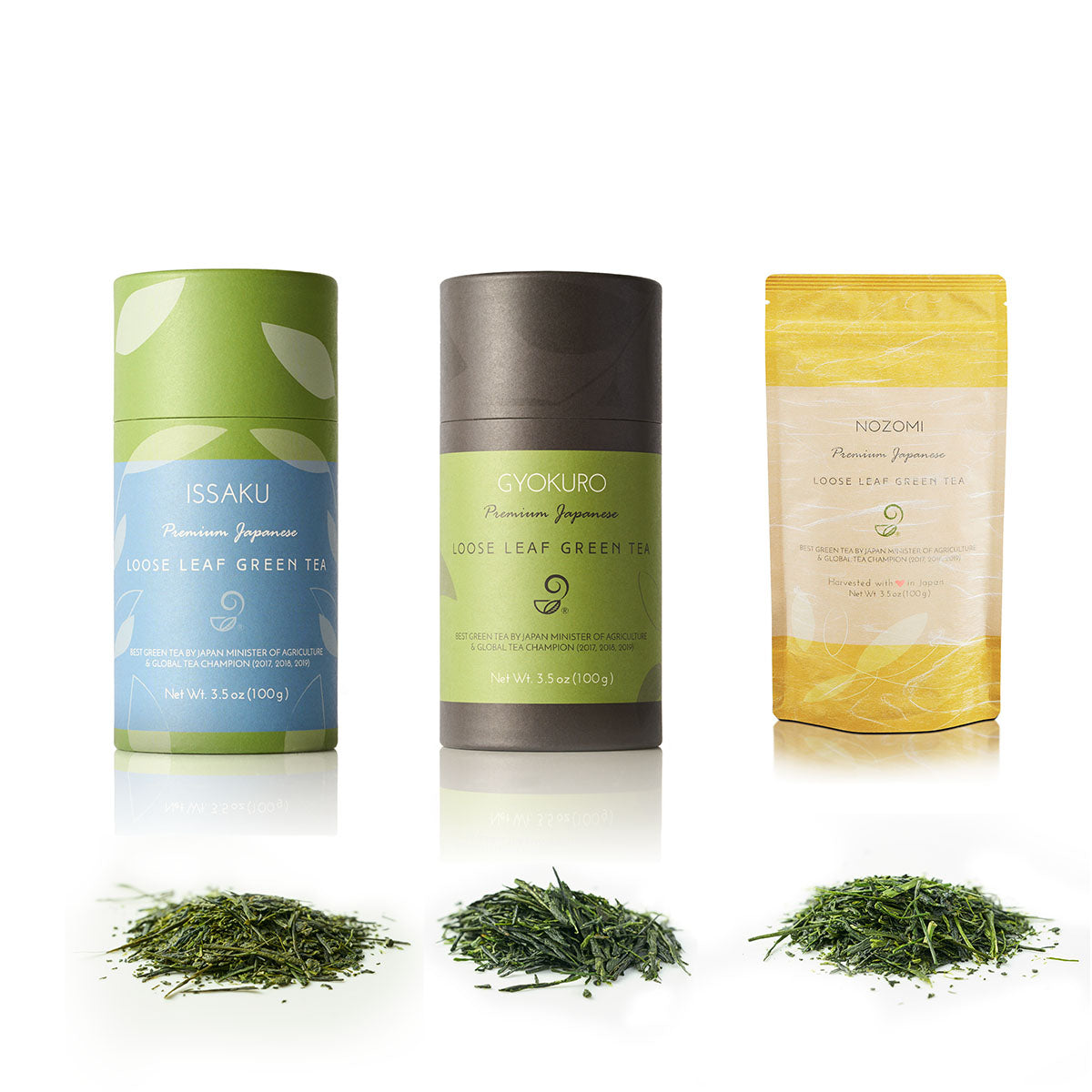
The Sencha Lover Gift Set - Premium Japanese Green Tea Set Package



Get Free Bonus Books

Sign up for free to the Green Tea Club to get advice and exclusive articles about how to choose Japanese Tea, and tips, tricks, and recipes for enjoying Japanese tea.
About the author

Kei Nishida
Author, CEO Dream of Japan
Certification: PMP, BS in Computer Science
Education: Western Washington University


