Skip to content

Is Green Tea Bad for the Liver? - Green Tea Quiz

The general idea of green tea is that it's healthy for you. For example, when choosing between your average soda and green tea, chances are you will think of green tea as the healthier option. This is for good reason, as there is a significant amount of evidence highlighting various green tea health benefits. However, there is much to dive into when it comes to the data, research, and specific impacts tea has on our bodies. Do you know whether green tea is healthy for your liver? What impact does green tea have on my liver, if any?

Chances are you have not received the answer to these questions, among others, from school or your peers. Perhaps you do not know the answer at all. Let us take a look at green tea’s impact on your liver and find out if it is a health benefit or a cost.

What do you know about your liver?

The liver is a large, triangular-shaped organ that fits in your upper right abdomen behind the ribs and right below the diaphragm. It is, in fact, the largest organ in your body, supplied with two blood supplies: the hepatic artery and the hepatic portal vein. The hepatic artery brings blood from the heart, and the hepatic portal vein brings blood from the intestines. This organ is quite impressive in terms of its functions. It assists in the digestion and absorption of vitamins. It stores glucose derived from carbohydrates when it is abundant in the body and releases it when needed in order to maintain energy for the body. The liver converts fats into energy sources as well. Further, the liver breaks proteins down into amino acids and converts amino acids to glucose, fats, and proteins. It also helps synthesize cholesterol and regulate cholesterol levels.

green tea benefits

The liver and spleen degrade old red blood cells into breakdown parts. For example, the liver cuts these products out of the blood and eliminates them via urine. It also helps remove toxic poisons, alcohol, drugs, etc. But it is much more than this; the liver contains 300 billion specialized cells, can filter about 1.7 liters of blood per minute, and can regenerate itself as long as at least 25% of the healthy liver remains. It can become whole again. There are many more interesting elements to the liver, but this gives you a good idea of its importance!

Therefore, taking care of your liver is very important to prevent the onset of liver diseases such as non-alcoholic fatty liver disease or alcoholic liver disease. As these diseases are asymptomatic until the later stages of the disease, it is vital that you check the health of your liver. You can do so via an alcohol liver test that will determine the level of fibrosis or steatosis in the liver.

Therefore, taking care of your liver is very important to prevent the onset of liver diseases such as non-alcoholic fatty liver disease or alcoholic liver disease. As these diseases are asymptomatic until the later stages of the disease, it is vital that you check the health of your liver. You can do so via an alcohol liver test that will determine the level of fibrosis or steatosis in the liver.

Green tea and your liver

The liver does the heavy lifting when it comes to detoxifying the body, but this isn’t to say that green tea can't help! How exactly does it help? Green tea contains a whole host of elements, but one of those is natural polyphenols. Polyphenols are found in a whole host of plant-based foods as well as in green tea, and for you chocolate lovers, yes, they are even found in chocolate! In effect, they are powerful micronutrients that our body needs.

But what of the health benefits related to these unique micronutrients? There are many links to note: They can act as antioxidants, neutralizing free radicals that damage your cells and increase the risk of cancer, diabetes, and heart disease. Polyphenols also reportedly help reduce inflammation. Studies have shown that polyphenols may also lower blood sugar levels, prevent blood clots, and help with overall brain functionality.

drinking green tea matcha

The antioxidants known as catechins in tea work to lower cholesterol (green tea can significantly reduce LDL cholesterol specifically as well as serum cholesterol while increasing HDL, or good cholesterol) and blood pressure, and they also help protect your liver. While hepatotoxicity refers to chemical-driven damage to your liver, chemicals such as green tea and its contents protect your liver. In other words, green tea is antihepatotoxic.

The caffeine in green tea has also been linked to antitumor properties, and green tea actually boosts the immune system. The caffeine in green tea can also support the liver by acting as a diuretic, thus eliminating toxins.

Can Green Tea Damage My Liver?

It can, yes. However, it is a matter of amounts rather than absolutes. In recent years, green tea extract supplements, which effectively include concentrated doses of catechins, have made international news. The European Food Safety Authority stated that these supplements were generally safe, but a dose of over 800 milligrams per day may pose health concerns. The danger is whether it becomes toxic for your system or your liver. If you develop yellowing of the skin and eyes, nausea, dark urine, and unusual tiredness, then you need to stop using them and talk to your doctor. In part, Paracelsus was right: "All things are poisons, for there is nothing without poisonous qualities. It is only the dose that makes a thing poison." But I am not taking supplements; do I need to worry? According to Chemical Biology and Pharmacognosy Professor Chung Yan, up to 10 small cups of green tea are likely fine.

japanese green tea health benefits

Thankfully, this is a fair bit of tea for most people, and you likely will not have to worry, but it is nonetheless helpful to us tea lovers! Please note that for pregnant and breastfeeding mothers, the average amount of green tea is approximately 100 mg of caffeine, and it is recommended that drinking more than 2 cups a day of green tea is potentially unsafe. If you are unsure about green tea amounts and their effects on your body, it's best to speak with your doctor.

FAQs about Green Tea and Liver Health

Mostly supplement-related, not tea-related. The European Food Safety Authority's 2018 review flagged EGCG intakes above 800 mg/day from supplements as a liver-stress risk. To hit that threshold from tea alone, you'd need 25-30 cups of strong sencha daily — functionally impossible. Realistic tea consumption (3-8 cups) puts you at 50-200 mg of EGCG, well below the threshold.

The supplement risk is concentrated for two reasons. First, the dose is much higher per serving (a 500mg EGCG capsule has more than 5 cups of tea). Second, supplements are usually taken on an empty stomach, which produces a sharper absorption spike that may stress the liver more than spread-across-the-day tea consumption.

Bottom line: if you drink tea, the liver-risk concern is essentially zero. If you take EGCG capsules, especially high-dose ones on an empty stomach, the concern is real.

Does green tea actually support liver health when consumed in normal amounts?

Yes, modestly. Daily green tea consumption (3-5 cups) has been associated with reduced fatty liver markers (ALT, AST), improved liver enzyme profiles, and lower rates of non-alcoholic fatty liver disease (NAFLD) progression in observational studies. The mechanism appears to involve EGCG's anti-inflammatory and antioxidant action on hepatocytes (liver cells).

This is the same EGCG that becomes problematic at supplement doses — at tea-realistic intake, it's net-protective for liver function rather than stressful. The dose-response relationship is U-shaped: too little does nothing, moderate amounts protect, very high amounts harm.

For people with existing liver concerns (NAFLD, hepatitis, elevated enzymes), daily green tea at moderate intake is generally supportive. People with active liver disease should still discuss with their doctor; individual cases vary, especially when medications are involved.

What signs would I look for if green tea were affecting my liver?

Real liver stress signs are systemic and clear: persistent fatigue, abdominal discomfort (especially upper right), yellowing of skin or eyes (jaundice), dark urine, pale stools, unexplained nausea. These don't show up from normal tea drinking. If they appear, the cause is something else — see a doctor.

From green tea specifically, you might notice mild stomach discomfort or acid reflux at high intakes; those aren't liver issues. Fatigue from drinking too much tea is usually caffeine-related (sleep disruption from too much caffeine), not liver-related.

If you've been on high-dose EGCG supplements (not tea) and notice any of the systemic signs above, stop the supplements and see a doctor. The liver risk in supplement form is real even if rare.

Are there specific people who should avoid daily green tea for liver reasons?

Few. People with active hepatitis, advanced cirrhosis, or liver failure should discuss with their hepatologist before adding daily green tea — not because tea is dangerous, but because their liver function is compromised enough that any new variable should be coordinated with treatment.

People taking medications metabolized through the same liver pathways green tea uses (CYP3A4) — including certain statins, some immunosuppressants, and a few psychiatric drugs — should mention green tea consumption to their prescriber. The interaction is usually small but worth coordinating dosing around.

People with diagnosed Gilbert's syndrome (a benign liver enzyme variant) sometimes notice that catechin-rich foods produce slightly elevated bilirubin readings on routine bloodwork. Not dangerous, just worth knowing if your numbers look unusual.

If my liver enzymes are elevated, should I stop drinking green tea?
Probably not, but discuss with your doctor first. Mild liver enzyme elevation is common and usually unrelated to tea drinking — common causes include medication effects, fatty liver from diet, viral illness recovery, or recent vigorous exercise. Stopping green tea won't fix the underlying issue.

If your doctor suspects EGCG-related liver stress (uncommon at tea drinking levels but theoretically possible), they may suggest reducing intake to confirm. Going from 5 cups daily to 2 cups daily for a few weeks would resolve the issue if tea were the cause; if enzymes don't improve, the cause is elsewhere.

More commonly, the right move is identifying the actual cause (often medication or diet) rather than focusing on tea. Daily green tea at moderate intake is one of the few daily-habit variables that consistently supports rather than stresses liver function. The Sencha Lover Gift Set at 3-5 cups daily is in the protective dose range for most people.

Related products

8 reviews

The Sencha Lover Gift Set - Premium Japanese Green Tea Set Package
$179.00 $159.99
Quick view

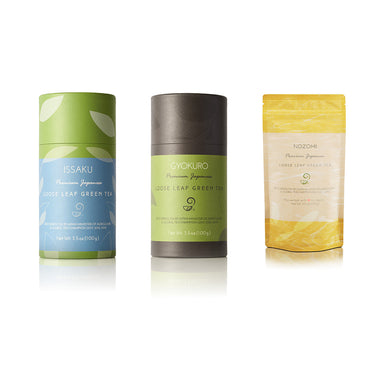
This tea set features three exceptional Japanese green teas, each crafted with care and traditional techniques. Issaku Reserve, a Global Tea Champion winner in 2017 and 2019, is a rare masterpiece created by Farm Master Mr. Arahata at Arahataen Green Tea Farm. Handpicked once a year from the first flush and processed with advanced methods, Issaku represents the highest-grade deep-steamed green tea, available only in limited quantities even in Japan.

The set also includes Gyokuro, a premium shaded green tea known for its rich, sweet flavor and deep mossy green color. Grown under special mats for 20 days to increase caffeine and amino acid levels, Gyokuro offers a layered, smooth taste unlike any other. Completing the collection is Nozomi, a fine Kabuse-cha, or "Covered Green Tea," carefully grown under nets to gently shade the leaves just before new sprouts emerge, resulting in a soft, rich, and refined flavor profile.

97 reviews

Gyokuro - Shaded Imperial Premium Green Tea

$65.00
Quick view

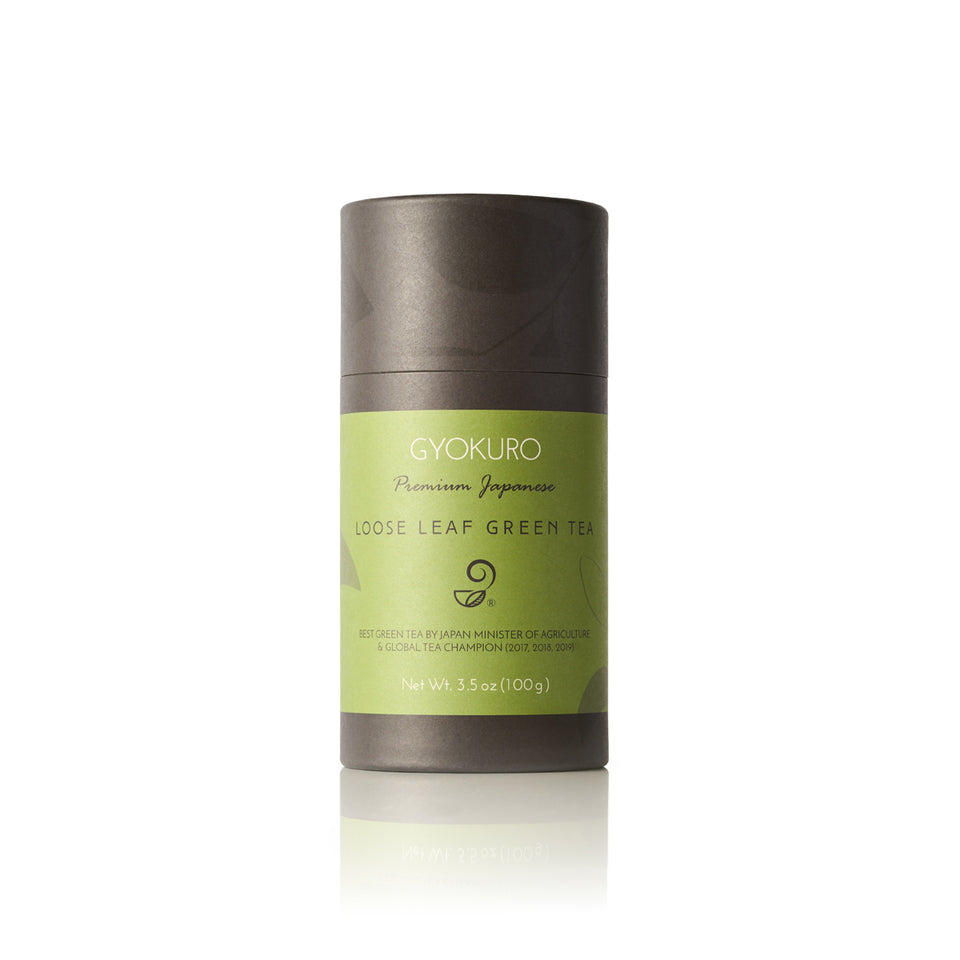
Gyokuro, also known as "jade dew" or "jewel dew tea," is a premium Japanese green tea shaded from the sun for 20 days using specially made mats, a method that boosts caffeine levels and strengthens amino acids to create a sweeter, richer flavor. This extended shading process results in dark, mossy green leaves with an unmistakable aroma and a complex taste that is layered yet balanced. Cultivated by the Chagusaba method in nutrient-rich sugarcane soil and made from the Yabukita cultivar, this loose-leaf authentic Gyokuro is offered in a high-quality, air-tight paper tube canister (chyazutsu) to preserve its exceptional freshness and flavor. Each 3.5 oz (100g) full-size package steeps 30–40 cups, and a convenient single-serve sample is also available.

45 reviews

Hojicha - Roasted Green Tea

$25.00
Quick view

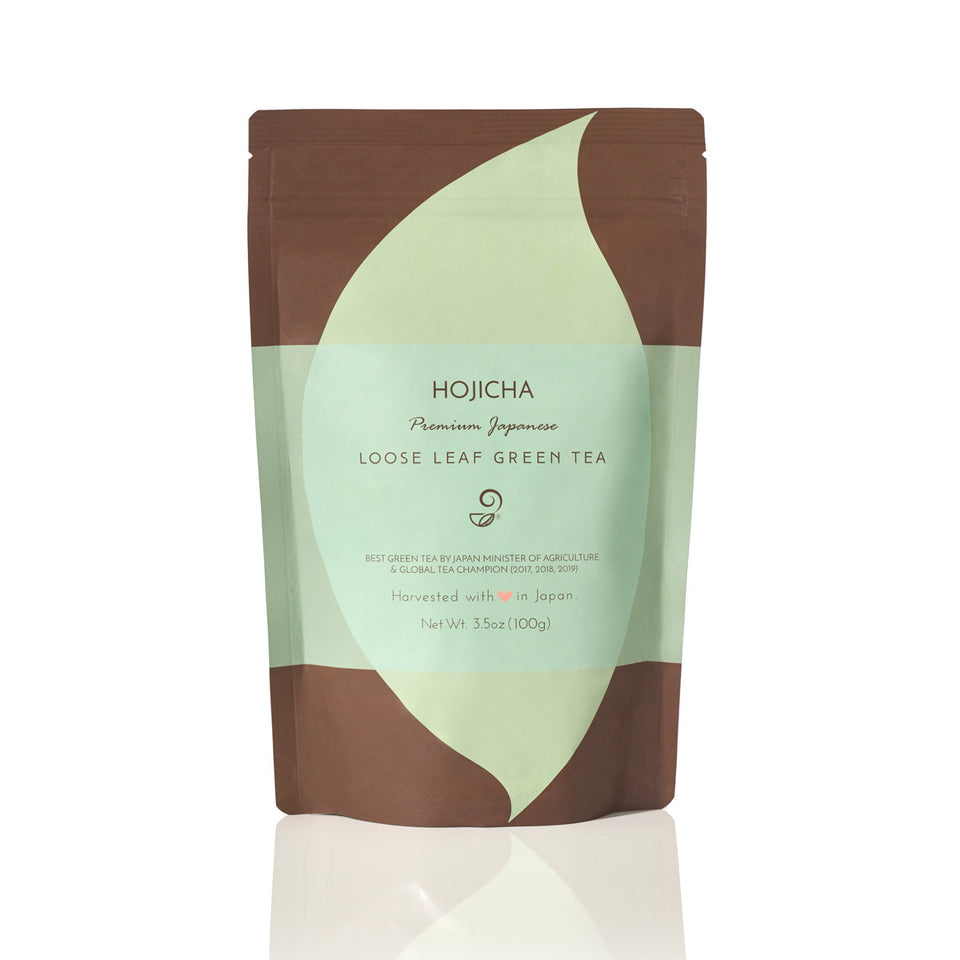
Our roasted green tea, known as hojicha (ほうじ茶), is crafted from freshly harvested premium green tea carefully roasted in porcelain over charcoal to maximize flavor while retaining more catechins than typical hojicha on the market. With lower caffeine and a smoother, less bitter taste compared to steamed green tea, it is an ideal choice for evening relaxation and is gentle enough for kids and pregnant women. Cultivated using the Chagusaba method in nutrient-rich sugarcane soil, this loose-leaf authentic Japanese roasted green tea, made from the Yabukita cultivar, also pairs beautifully with oily foods. Each eco-friendly resealable package contains 3.5 oz (100g) of tea, enough to steep 30–40 comforting cups.

80 reviews

Matcha - Ceremonial Japanese Powdered Green Tea

$39.00
Quick view

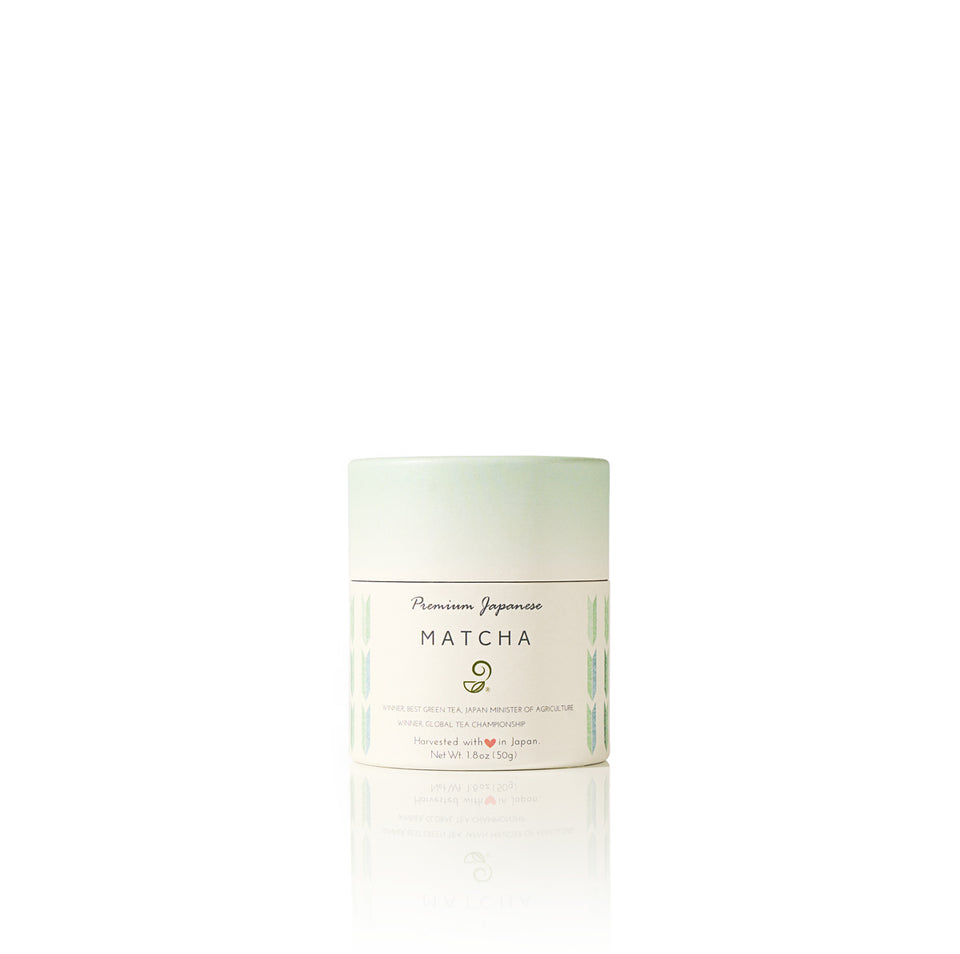
This ceremonial matcha is crafted from the finest Japanese green tea, grown in nutrient-rich soil enhanced with compostable grasses and sugarcane through the Chagusaba method, which gives the tea a natural sweetness and exceptional flavor. In collaboration with researchers from Shizuoka University, farmers ensure that the soil quality consistently produces tea of the highest standard.

Renowned among top Japanese chefs for its unmatched aroma, this matcha is made by carefully shading the plants before harvest to boost caffeine and amino acids, then meticulously drying, de-stemming, and grinding the leaves into a fine powder. Made from the Yabukita cultivar, this 1.8 oz (50g) matcha comes in a high-quality, air-tight paper tube canister, providing a luxurious and authentic Japanese tea experience.

42 reviews

Genmaicha - Green Tea with Roasted Brown Rice

$30.00
Quick view

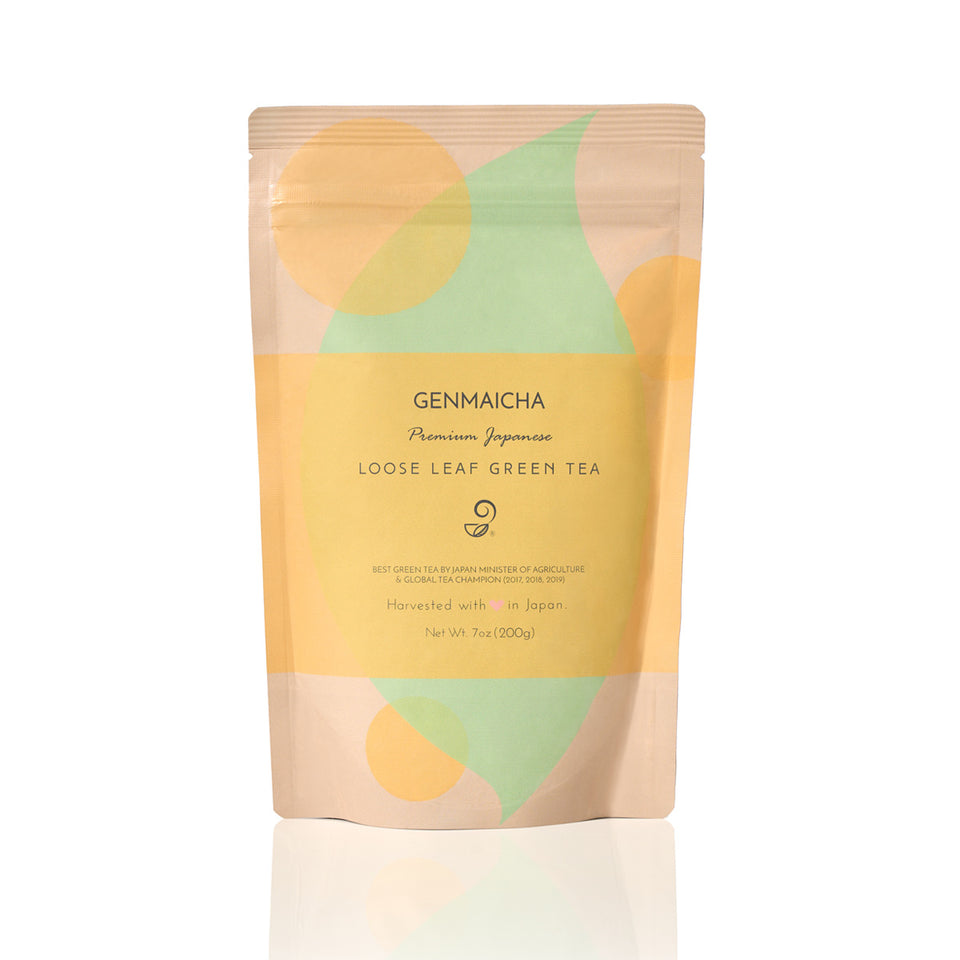
Our premium Japanese Genmaicha blends high-quality green tea with roasted popped brown rice (genmai 玄米), often nicknamed "popcorn tea" because the roasting process sounds like popcorn popping. Popular especially among the older generation in Japan for its mild flavor and lower caffeine content, this tea is easier on the stomach while still offering a rich, comforting taste. The brown rice used is premium Japanese mochi-gome (もち米) sticky rice, enhancing the tea’s nutty, aromatic profile. Made from Fukamushi Sencha and cultivated using the Chagusaba method in nutrient-rich sugarcane soil, this Genmaicha features the Yabukita cultivar and comes in a 7.0 oz (200g) eco-friendly resealable package, enough to steep 50–60 cups.


Related Articles You May Be Interested

Is It Safe to Consume Grapefruit and Green Tea Together? – Green Tea Quiz
Green Tea for Digestion: Does it Help?
Green Tea Health Benefits: Understanding Its Role in Cancer Prevention
Is Green Tea Bad for your Kidney(s)?
The Hidden Benefits of Green Tea on Your Skin
Why Is Green Tea Good For Your Immune System?

Get Free Bonus Books

Join Green Tea Club

Sign up for free to the Green Tea Club to get advice and exclusive articles about how to choose Japanese Tea, and tips, tricks, and recipes for enjoying Japanese tea.

Unsubscribe anytime. It’s free!

About the author

Kei Nishida

Kei Nishida

Author, CEO Dream of Japan

info@japanesegreenteain.com

Certification: PMP, BS in Computer Science

Education: Western Washington University
Kei Nishida is a passionate Japanese green tea connoisseur, writer, and the founder and CEO of Japanese Green Tea Co., a Dream of Japan Company.

Driven by a deep desire to share the rich flavors of his homeland, he established the only company that sources premium tea grown in nutrient-rich sugarcane soil—earning multiple Global Tea Champion awards.

Expanding his mission of introducing Japan’s finest to the world, Kei pioneered the launch of the first-ever Sumiyaki charcoal-roasted coffee through Japanese Coffee Co. He also brought the artistry of traditional Japanese craftsmanship to the global market by making katana-style handmade knives—crafted by a renowned katana maker—available outside Japan for the first time through Japanese Knife Co.

Kei’s journey continues as he uncovers and shares Japan’s hidden treasures with the world.

Learn more about Kei Nishida

Related Posts

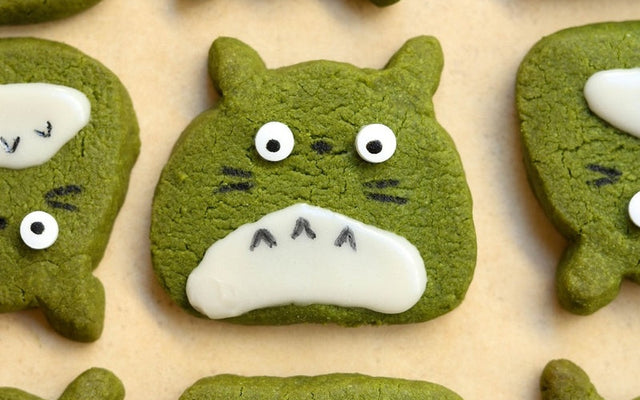
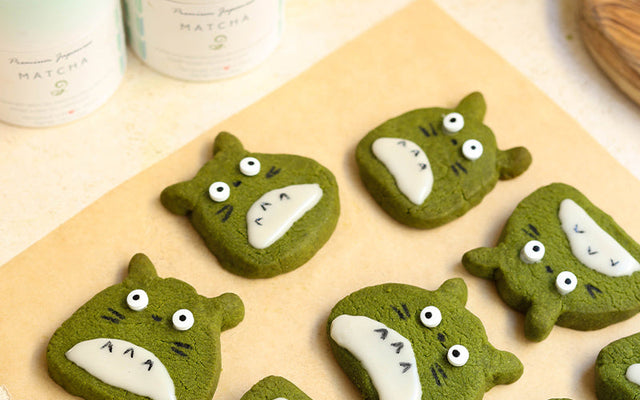
Totoro Matcha Shortbread Cookies

These are matcha shortbread — buttery, a little crumbly, with that gentle grassy matcha flavor — shaped into a plump, ro

Read More
Kawaii Meets Matcha: Japan's Cute Tea Boom + Recipe

Matcha is everywhere, and so is "cute." Here's how kawaii culture, real science, and Gen Z turned green tea into a globa

Read More
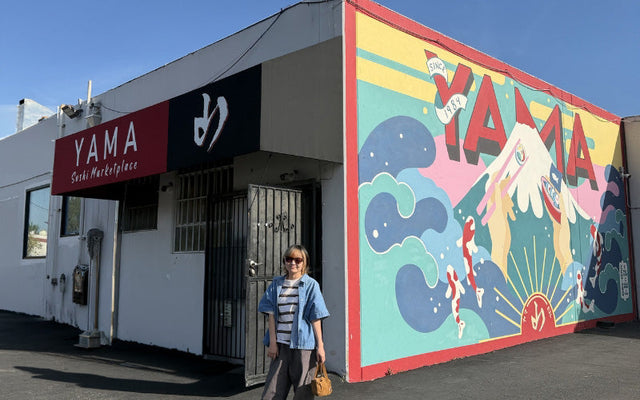
Our Products are Now at Yama Sushi Marketplace — One of LA's Most Trusted Japanese Markets Since 1984!

Yama Sushi Marketplace is now carrying our products! Plus the full story of LA's beloved Japanese market — California Ro

Read More
Leave a comment

Your email address will not be published..

Cart

Your cart is currently empty.

Start Shopping

Select options