Skip to content

How Tea Helps With Mental Health

If you know anything about tea at all, you may be aware that it has many potential curative properties. In addition to this, it is a healthy drink, which might be able to benefit your health in a number of different ways. This article will look at how tea might help with mental health issues.

Tea And Mental Health

There is a possible benefit when it comes to drinking tea and seeing an improvement in your mental health. This can be something as simple as tea elevating your mood. There are many articles that discuss drinking certain teas, such as green tea, and how it can keep your mood up and also help you stay more alert. Science is currently studying which ingredient in tea may be responsible for these effects, but there are no conclusive results yet. However, many people feel like it helps them psychologically when they drink tea, including when it comes to feeling less anxious and in the decision-making process. These ideas were published in a study in phytomedicine.

Additionally, some people who drink tea feel that it allows them to relax and also perks them up, as discussed in a BMC Geriatrics study. This might be because drinking a hot beverage can calm you, and if you also enjoy tea, this might be something enjoyable for you. Doing things that you like tends to make you feel better, therefore keeping your mood upbeat. The caffeine in certain types of teas may also cause an energy boost, which can allow you to get tasks done throughout the day. This may even allow for better moods since you are able to meet your goals.

Mental Health Conditions

If you experience mental health concerns or think that you might, it is imperative that you get the support that you need. One way to do this is to work with a therapist, so they can determine what should be evaluated in your life. You can check out this article for information on therapy and how it may help you. It is important to remember that there is support out there for you when you need it.

Other Ways To Improve Mental Health

In addition to drinking tea, there are other ways you can improve your mental health. Here is a look at a few of them:

  1. Get some sleep. When you get adequate sleep at night, this can go a long way toward improving your mood, which may also help with your mental health. Sleeping well might help you have the energy to make decisions, handle important things, and feel better overall.

  2. Eat the proper number of calories. Another thing that you may not reflect on when you are thinking about your mental health is what you are ingesting. If you are eating unhealthy meals more often than you are putting healthy foods on your plate, this may be causing you to feel bad for a few different reasons. It is important to provide yourself with the best nutrition that you can, as it may be able to keep your immune system working properly and might even prevent you from feeling run down since you will be eating a variety of vitamins that your body needs.

  3. Relax often. You should take the time to relax as often as possible. For instance, after you finish your work for the day, you may want to take a few minutes to yourself to do something that you enjoy or that relaxes you. This is something that can improve your mood and leave you feeling better.

  4. Move your body. Exercise might also be an important part of taking care of your body. When you are feeling low on energy or upset, consider taking a walk to the end of your block or doing a few jumping jacks in your living room. If you get your body moving, this may be able to give you a little recharge so you can face the next thing you have to do for the day. Additionally, if you work out regularly, this might be able to help you sleep better at night, which is generally a good thing.

  5. Go to the doctor. Anytime you aren’t feeling your best, you should think about going to the doctor. If you are experiencing symptoms, they will be able to diagnose precisely what is going on and talk to you about how to treat it. It is possible that you have symptoms of mental health conditions that are caused by physical or chronic health conditions, so they need to be ruled out. After they have been eliminated, you can decide for yourself if you want to reach out for mental health help. Counseling can be beneficial for individuals who are interested.

  6. Talk to loved ones. Having a support system can make a big difference when it comes to being able to feel better when you are feeling down or upset. If there are people that you trust, consider talking to them about the things that are bothering you. They may be able to offer you a different point of view, help you with decisions that you need to make, or offer you advice based on things they have experienced.

  7. Lower stress. Removing stress from your life can be difficult, but it is possible to lower stress where you can. If you find yourself worried when you look at your social media accounts or when watching the news, think about staying away from them or limiting your time with these types of media. Besides that, you may want to find a hobby or something to do that you like. If you enjoy putting together puzzles, you might want to purchase one and have it waiting for you on a table so you can put it together when you are feeling stressed or upset. This could improve your mood and help you feel better.

    About the Author

    Marie Miguel 

    Marie Miguel

    Marie Miguel has been a writing and research expert for nearly a decade, covering a variety of health-related topics. Currently, she is contributing to the expansion and growth of a free online mental health resource with BetterHelp.com. With an interest in and dedication to addressing stigmas associated with mental health, she continues to specifically target subjects related to anxiety and depression.

    FAQs about Tea and Mental Health

    What's the most direct way tea supports mental health?
    L-theanine reducing baseline stress reactivity. The amino acid uniquely abundant in shaded Japanese teas like matcha and gyokuro produces measurable changes in alpha brain wave activity within 30-60 minutes of consumption — the same brain-state pattern that experienced meditators produce. Daily L-theanine intake over weeks reduces self-reported stress and anxiety in clinical studies. The effect is real, gentle, and doesn't substitute for clinical care when conditions warrant treatment.

    Beyond chemistry: the ritual side of daily tea practice provides structure that supports mental health independently. The pause to brew, the warm cup, the deliberate slowing of pace — all contribute to nervous system regulation that complements the chemical effect. Both layers reinforce each other.

    For everyday low-grade stress and mild anxiety, daily green tea is one of the most-supported low-cost interventions available. Effect size is small but reliable across studies. Stack with other mental-health basics (sleep, exercise, social connection, sunlight) for compounding benefit.

    Does tea help with depression specifically, or just general stress?

    Stress and anxiety more than depression. The L-theanine effect on alpha brain waves and GABA modulation is more directly relevant to anxiety reduction than to depression treatment. Some indirect depression support exists — caffeine modestly improves mood for many people, the daily ritual provides structure that helps with depression-related routine breakdown — but the depression-specific evidence is weaker.

    Multiple large epidemiological studies show that daily green tea drinkers have lower rates of depression compared to non-drinkers. Effect size is small and the studies have many confounding variables; daily tea drinkers often have other healthy habits that contribute to lower depression rates.

    People with diagnosed depression should continue prescribed treatment. Daily green tea can be a supportive addition that may modestly improve outcomes; it's not a substitute for SSRIs, therapy, or other evidence-based treatment. Frame tea as wellness practice, not medical intervention.

    Are there interactions between tea and mental health medications?

    Some, generally manageable. Caffeine can interact with certain psychiatric medications (notably MAOIs, less commonly with some SSRIs). Green tea catechins can compete with some medications for the same liver metabolism pathway (CYP3A4). For most antidepressants and anxiolytics, the interactions are mild at typical tea drinking volumes (3-5 cups daily).

    The conservative protocol: maintain consistent daily tea intake (rather than dramatic shifts in consumption) so dosing of any sensitive medications can be calibrated to your tea pattern. If you're starting a new psychiatric medication, mention your tea consumption to the prescriber so they can factor it in.

    Specific cautions: high-dose green tea extract supplements (not tea) plus psychiatric medications can produce more significant interactions than tea drinking does. The supplement form is the higher-risk version. Stick to drinking the tea if you're managing mental health conditions with medications.

    How long until I notice mental health benefits from daily tea drinking?

    Acute effects within 30-60 minutes after a cup; sustained baseline shift within 4-8 weeks of daily intake.

    The acute effect is the calm-focus state that L-theanine produces. Most people notice this from the first cup if they're paying attention — slightly settled feeling, less mental noise, mild stress reduction lasting 2-3 hours.

    The sustained baseline shift is the more meaningful change. Drinking 3-5 cups daily over 6-8 weeks tends to produce a measurable shift in how stress feels day-to-day — same external stressors, slightly less reactive internal response. This is the change that most regular tea drinkers report as the most valuable mental-health benefit. Track it with a brief daily mood/stress journal during the first month if you want the change to be visible.

    Are there specific Japanese teas best for mental health support?

    Shaded teas (matcha, gyokuro, kabusecha) deliver the highest L-theanine concentrations. For evening mental-health support specifically, hojicha (ほうじ茶) with its lower caffeine doesn't disrupt the sleep that's critical for mental health. The combination of morning matcha + afternoon sencha + evening hojicha covers different windows with different intensity levels.

    Avoid: very strong tea or matcha late in the day if sleep matters (sleep disruption undermines daytime mental health). Heavy daily intake (8+ cups) for caffeine-sensitive individuals can compound anxiety rather than reducing it. The sweet spot for most adults managing mental health is 3-5 cups daily, mostly before mid-afternoon.

    Personalize based on your specific symptom pattern. For anxiety-prone mornings, more matcha or gyokuro for the L-theanine peak. For evening unwind, more hojicha. For general baseline support, sencha works fine. Match the tea to what your nervous system needs in different windows.

    Related products

    8 reviews

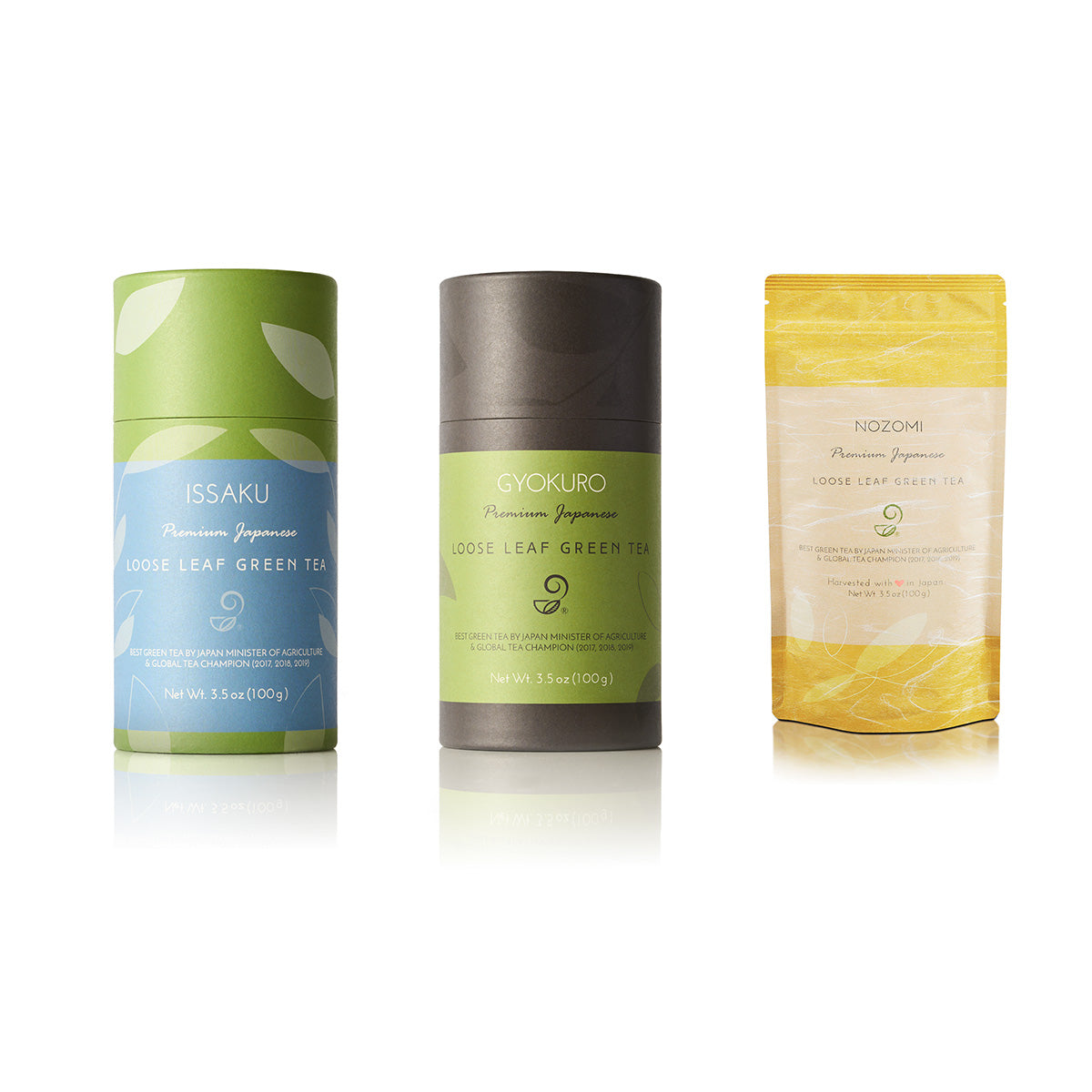
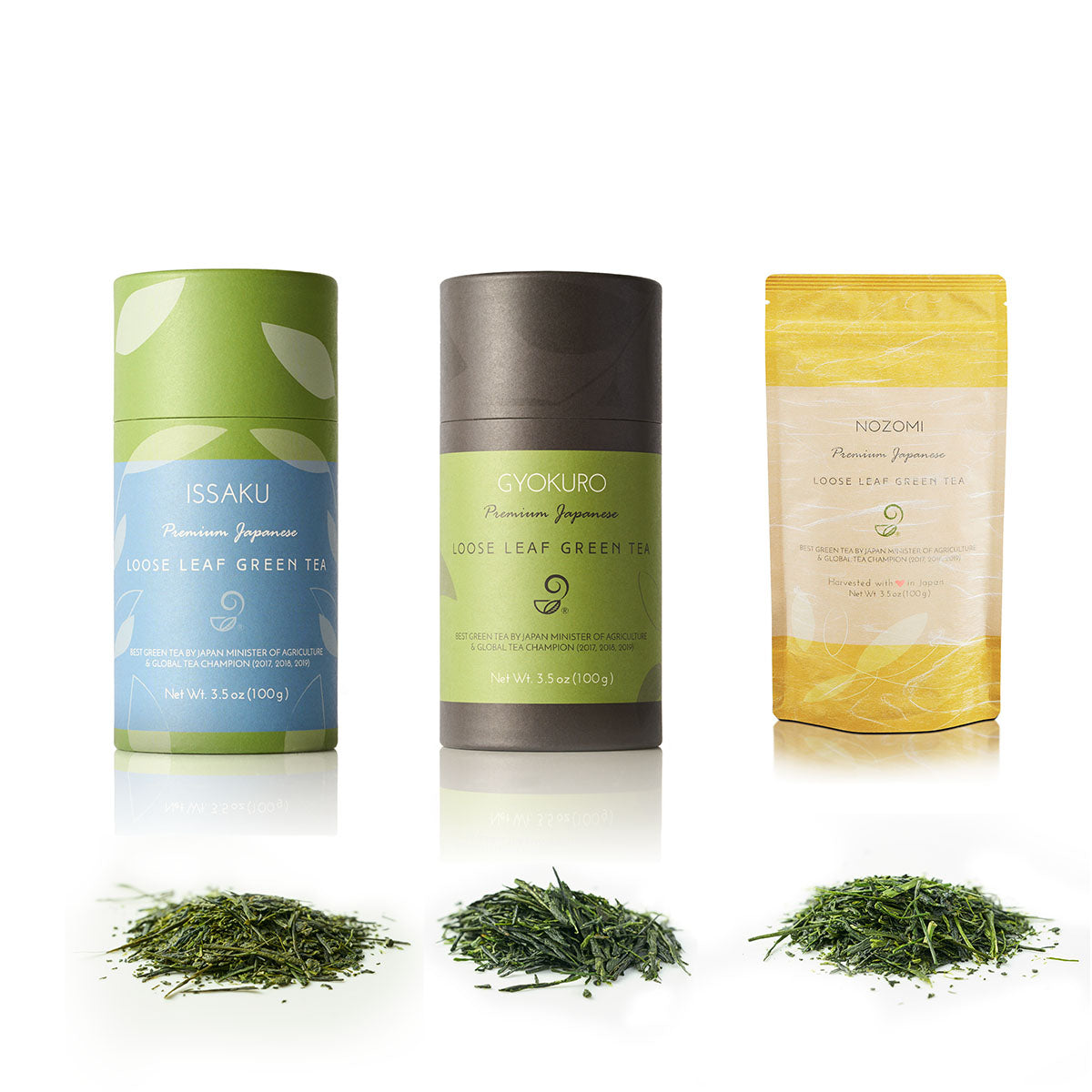
    The Sencha Lover Gift Set - Premium Japanese Green Tea Set Package
    $179.00 $159.99
    Quick view

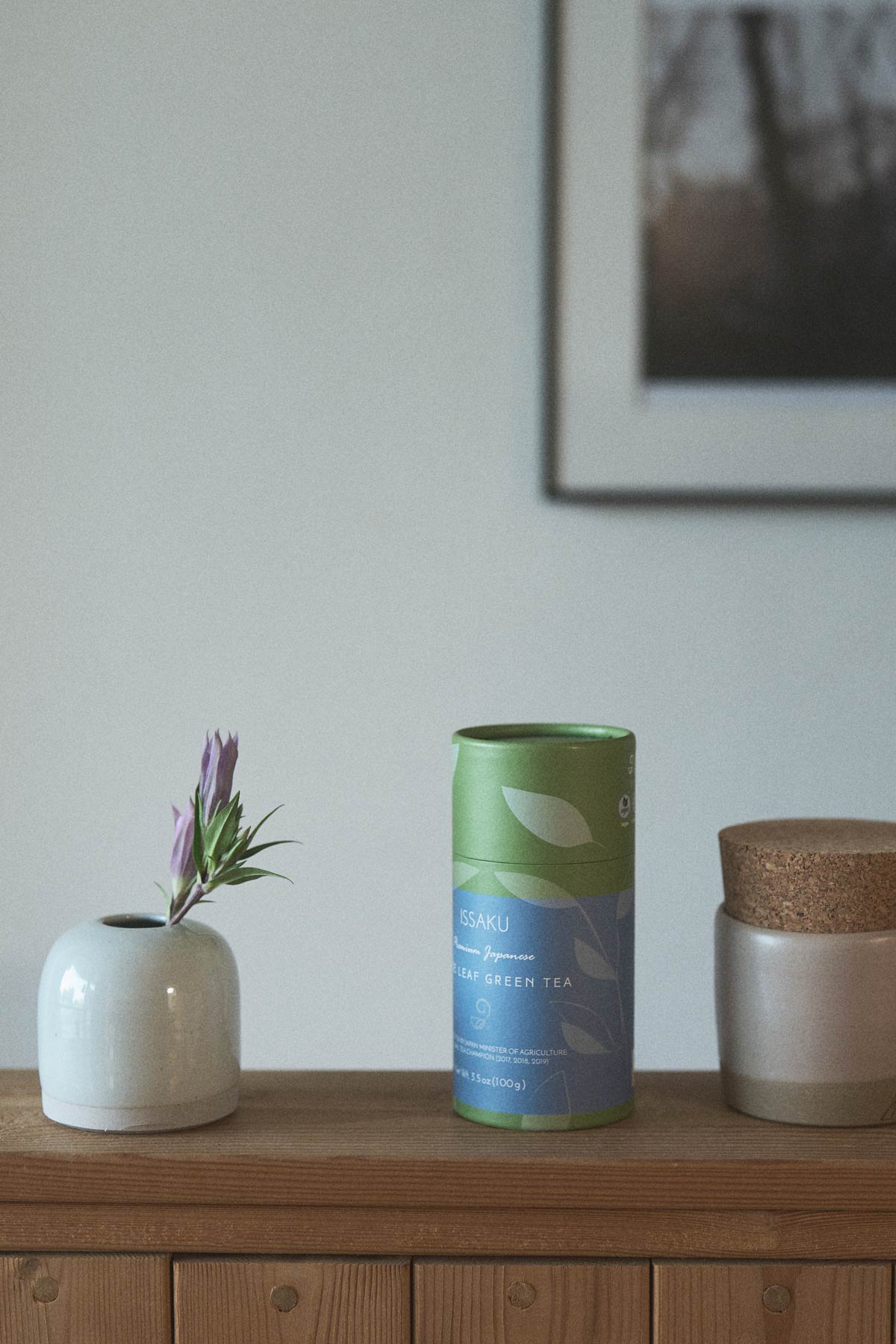
    This tea set features three exceptional Japanese green teas, each crafted with care and traditional techniques. Issaku Reserve, a Global Tea Champion winner in 2017 and 2019, is a rare masterpiece created by Farm Master Mr. Arahata at Arahataen Green Tea Farm. Handpicked once a year from the first flush and processed with advanced methods, Issaku represents the highest-grade deep-steamed green tea, available only in limited quantities even in Japan.

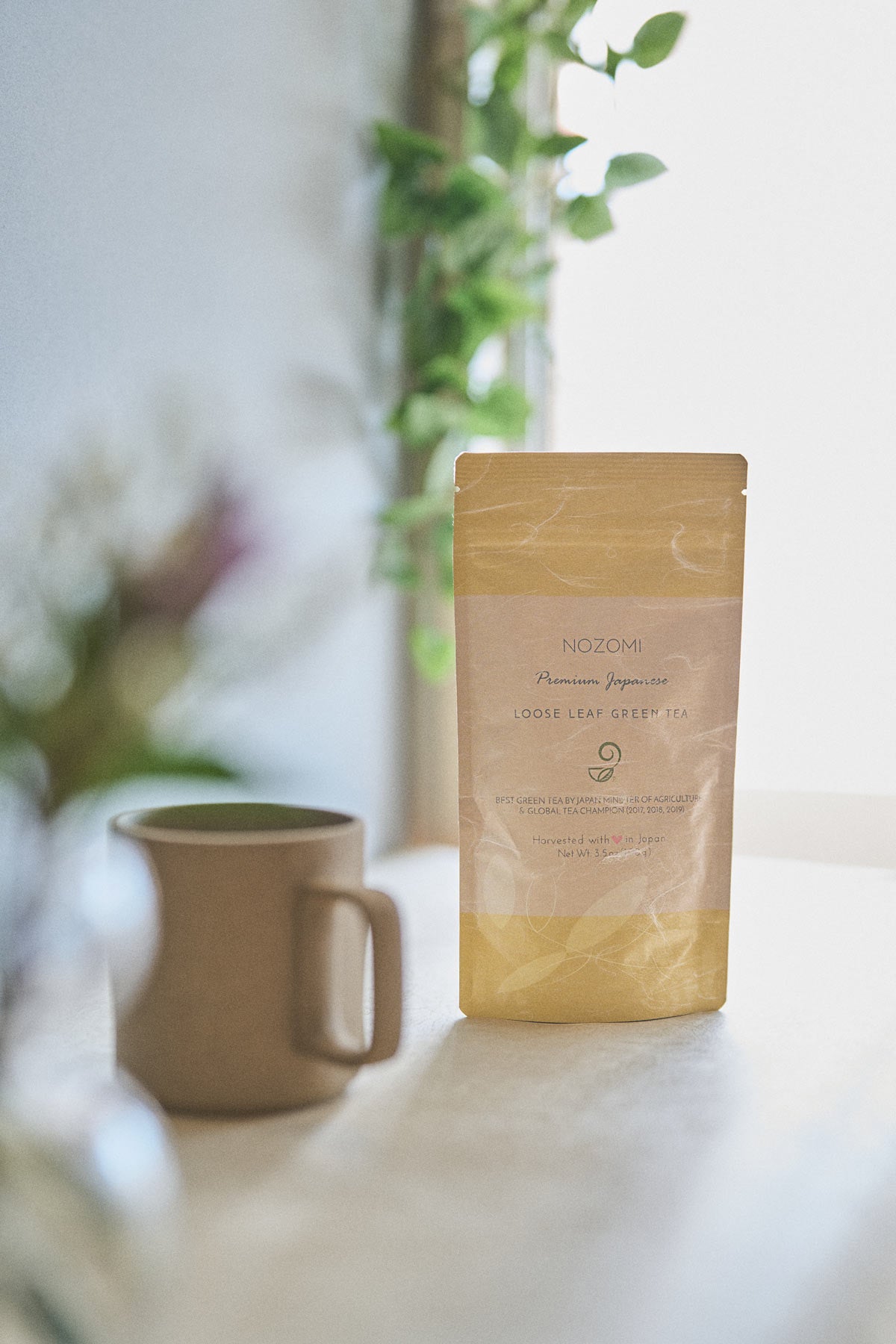
    The set also includes Gyokuro, a premium shaded green tea known for its rich, sweet flavor and deep mossy green color. Grown under special mats for 20 days to increase caffeine and amino acid levels, Gyokuro offers a layered, smooth taste unlike any other. Completing the collection is Nozomi, a fine Kabuse-cha, or "Covered Green Tea," carefully grown under nets to gently shade the leaves just before new sprouts emerge, resulting in a soft, rich, and refined flavor profile.

    97 reviews

    Gyokuro - Shaded Imperial Premium Green Tea

    $65.00
    Quick view

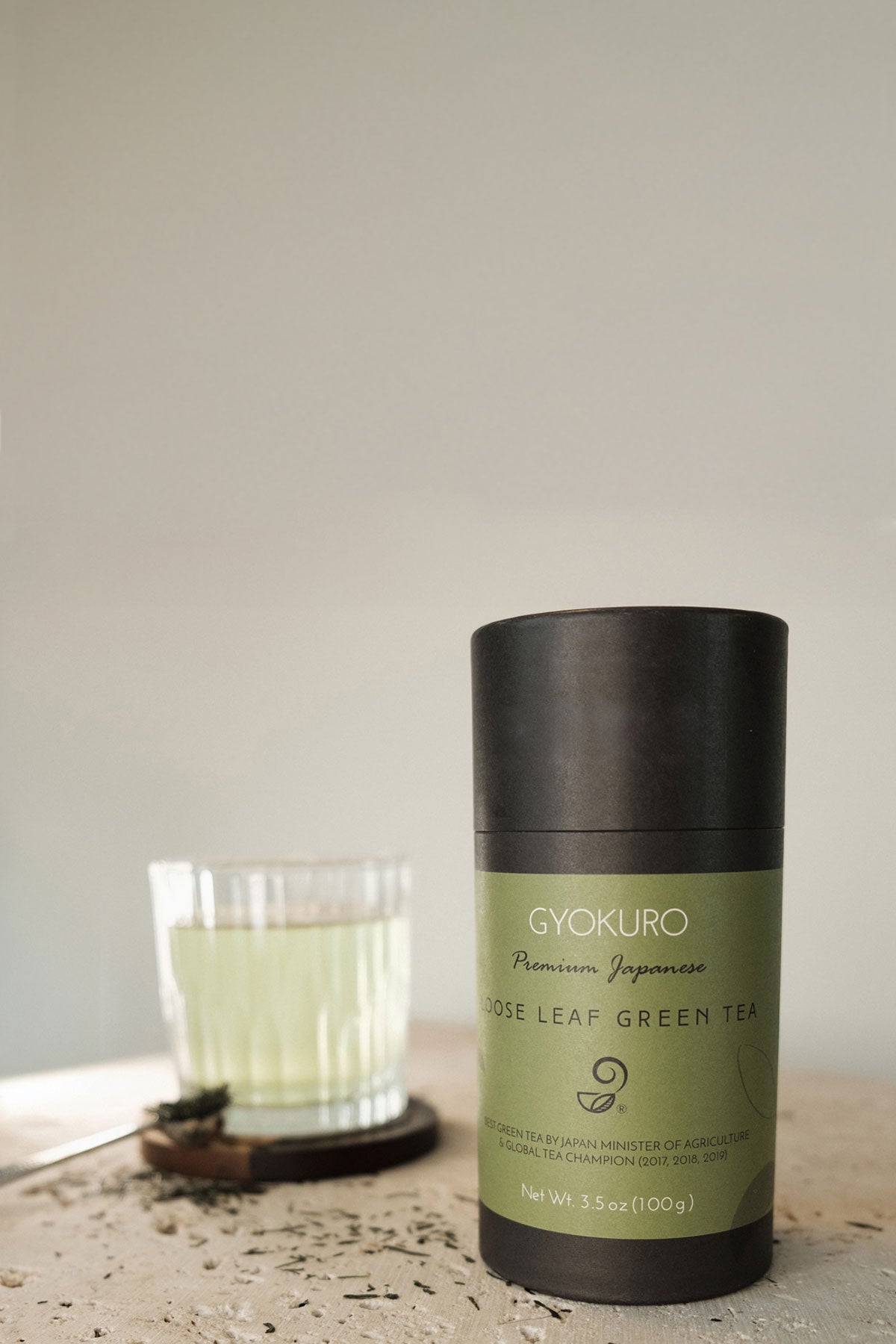
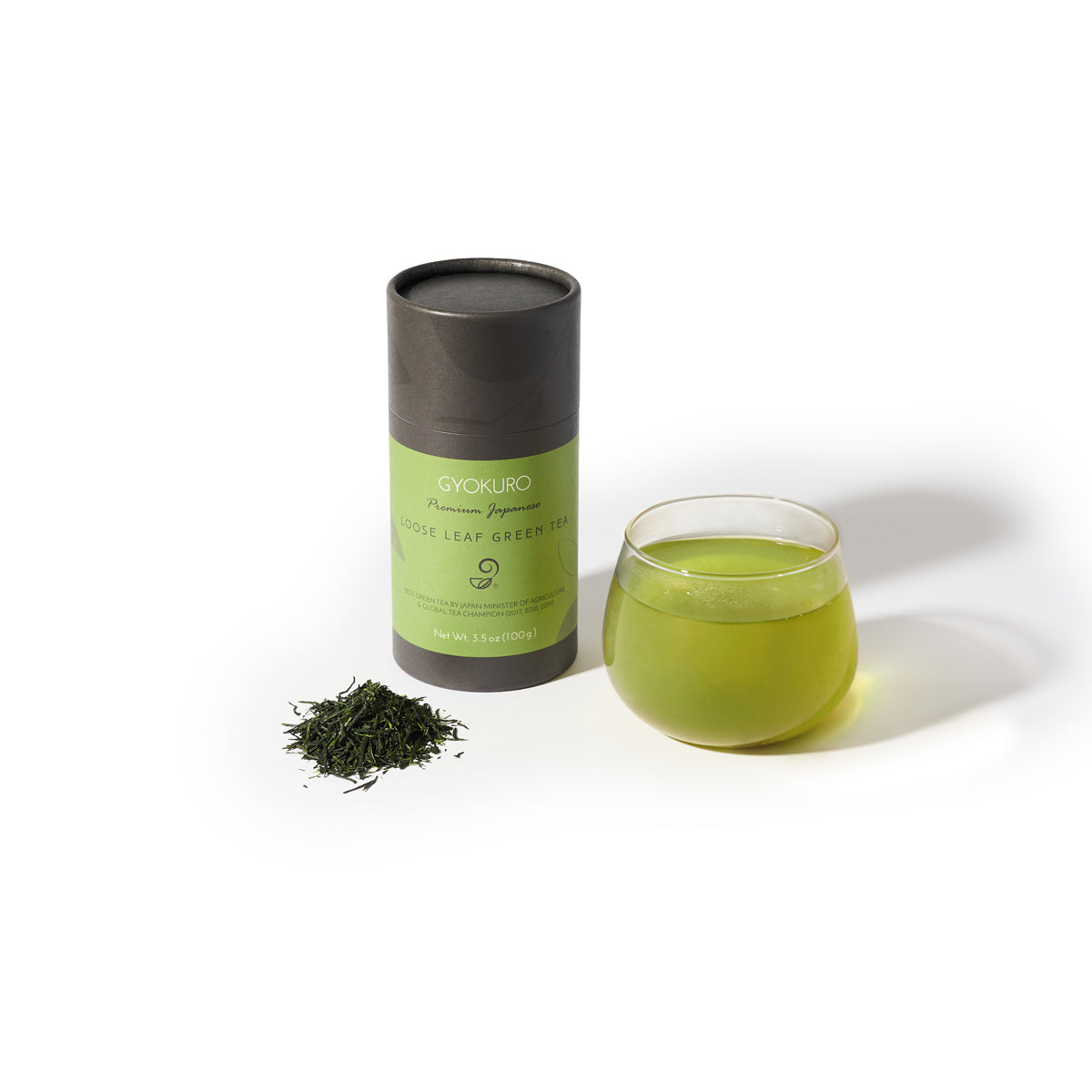
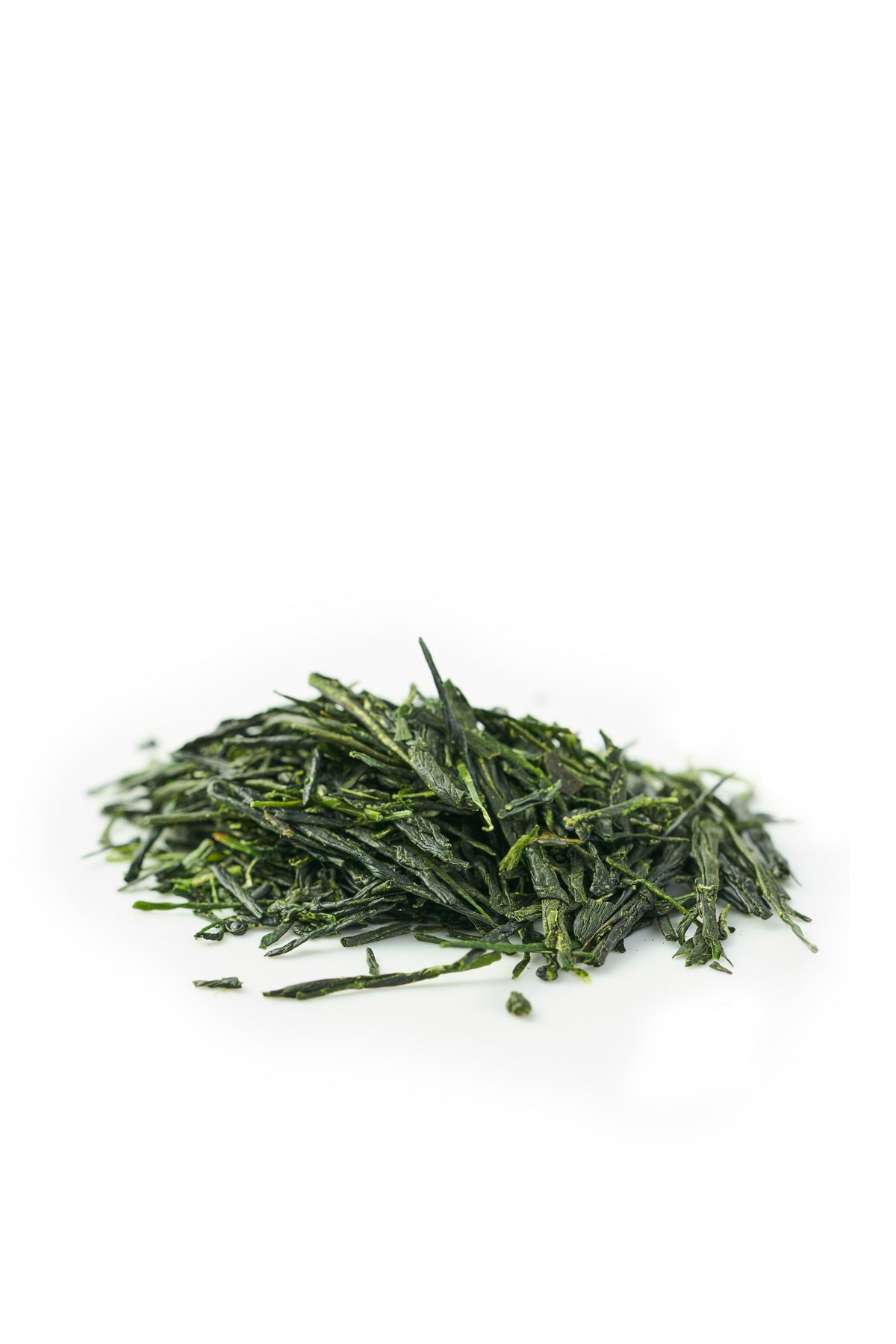
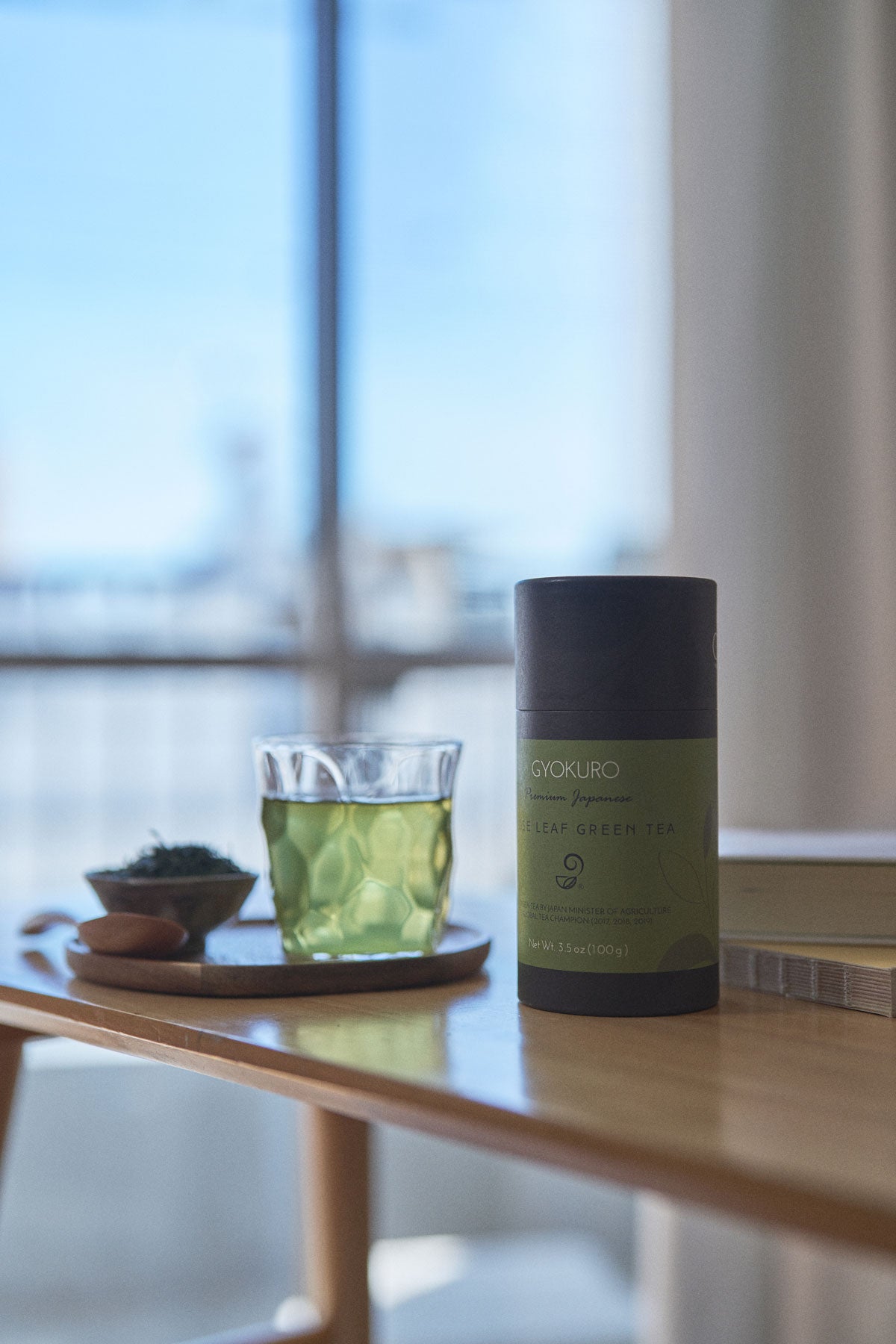
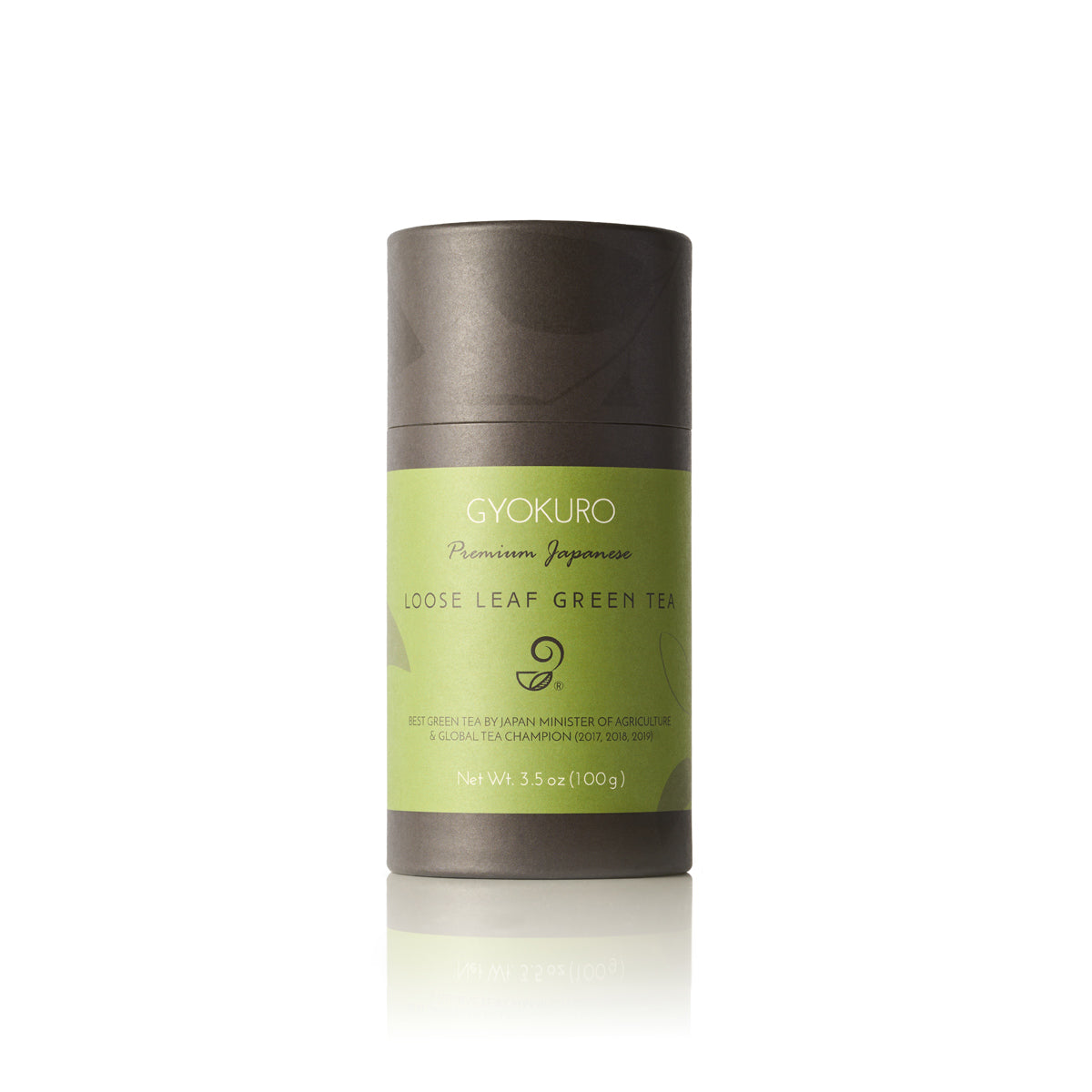
    Gyokuro, also known as "jade dew" or "jewel dew tea," is a premium Japanese green tea shaded from the sun for 20 days using specially made mats, a method that boosts caffeine levels and strengthens amino acids to create a sweeter, richer flavor. This extended shading process results in dark, mossy green leaves with an unmistakable aroma and a complex taste that is layered yet balanced. Cultivated by the Chagusaba method in nutrient-rich sugarcane soil and made from the Yabukita cultivar, this loose-leaf authentic Gyokuro is offered in a high-quality, air-tight paper tube canister (chyazutsu) to preserve its exceptional freshness and flavor. Each 3.5 oz (100g) full-size package steeps 30–40 cups, and a convenient single-serve sample is also available.

    45 reviews

    Hojicha - Roasted Green Tea

    $25.00
    Quick view

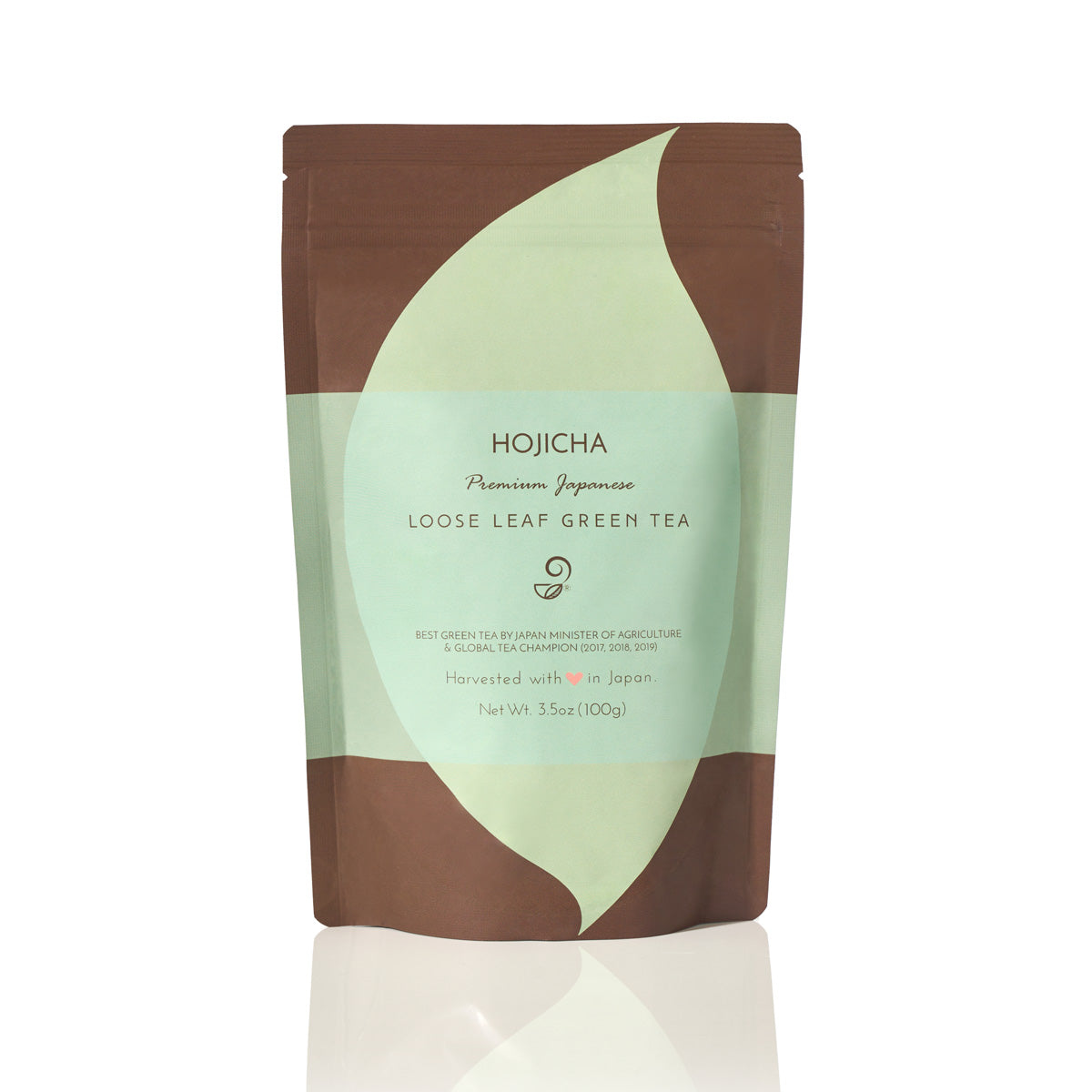
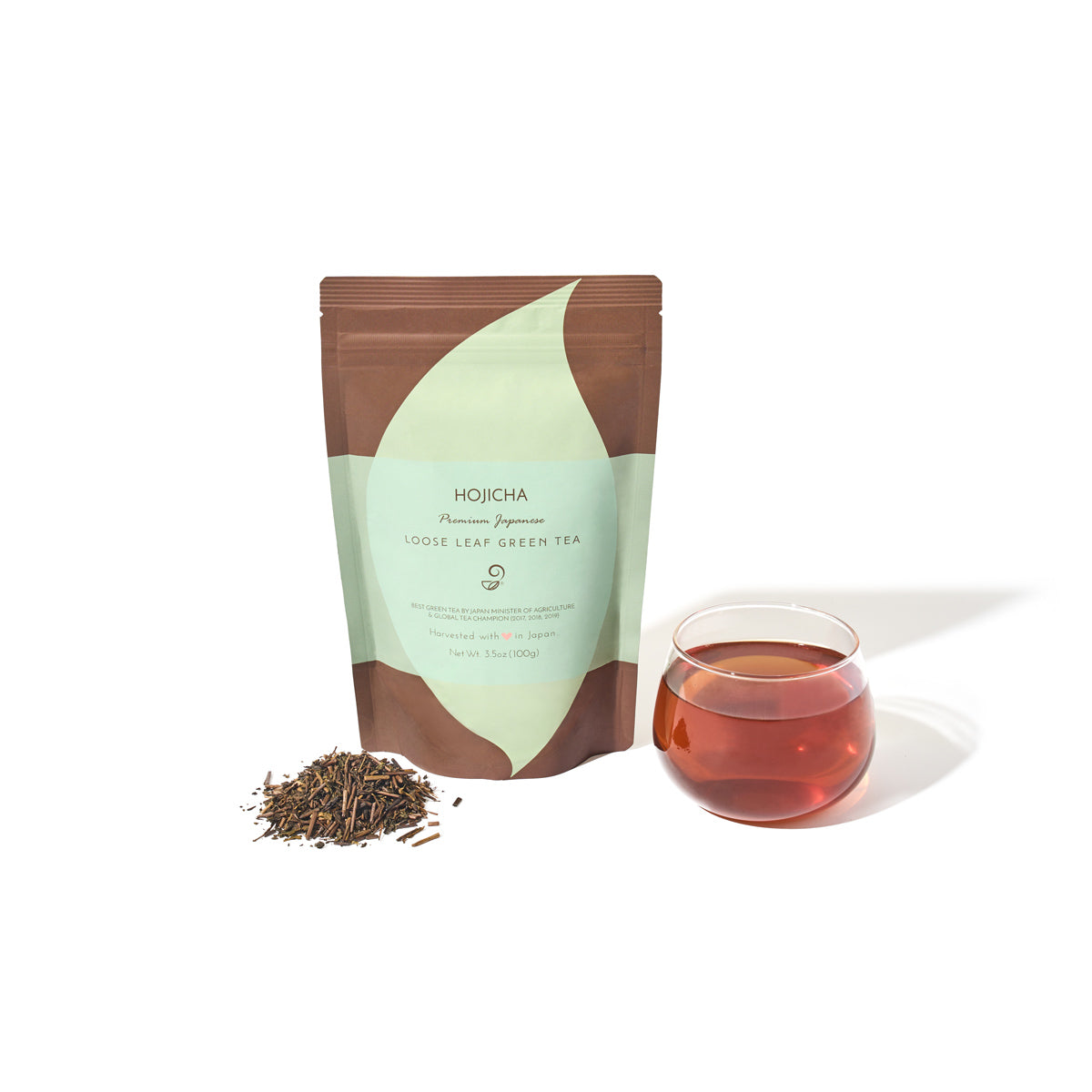
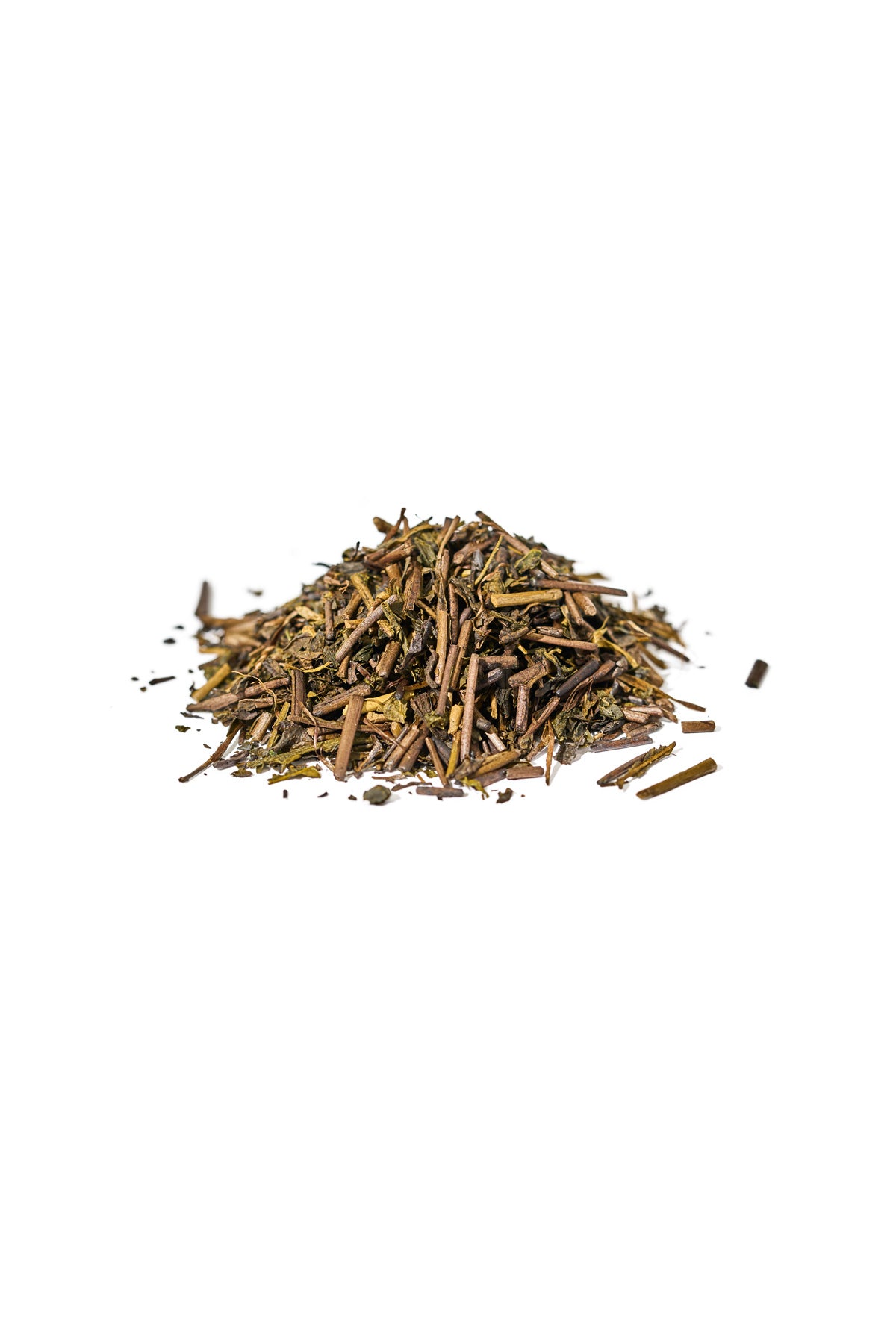
    Our roasted green tea, known as hojicha (ほうじ茶), is crafted from freshly harvested premium green tea carefully roasted in porcelain over charcoal to maximize flavor while retaining more catechins than typical hojicha on the market. With lower caffeine and a smoother, less bitter taste compared to steamed green tea, it is an ideal choice for evening relaxation and is gentle enough for kids and pregnant women. Cultivated using the Chagusaba method in nutrient-rich sugarcane soil, this loose-leaf authentic Japanese roasted green tea, made from the Yabukita cultivar, also pairs beautifully with oily foods. Each eco-friendly resealable package contains 3.5 oz (100g) of tea, enough to steep 30–40 comforting cups.

    80 reviews

    Matcha - Ceremonial Japanese Powdered Green Tea

    $39.00
    Quick view

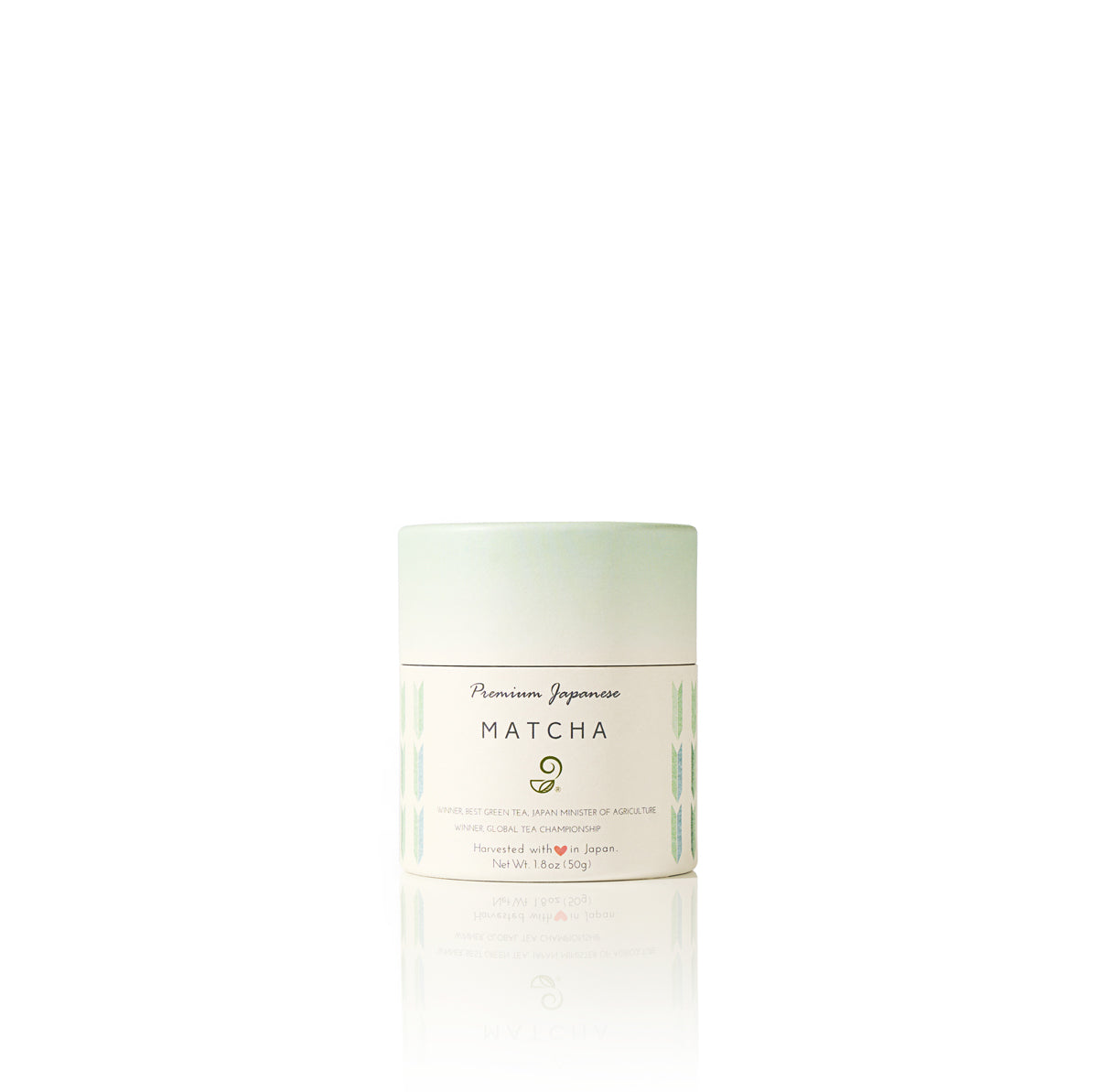
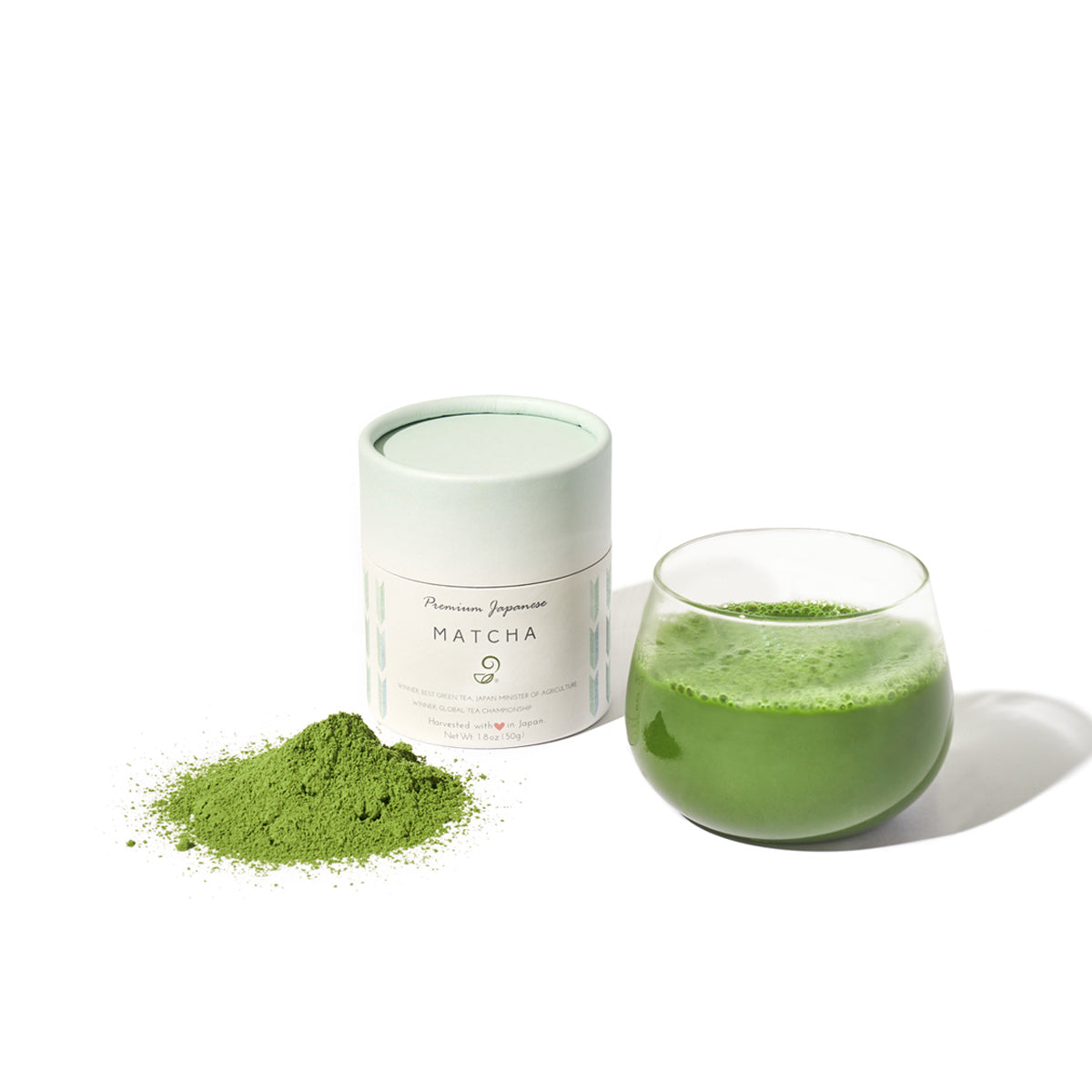
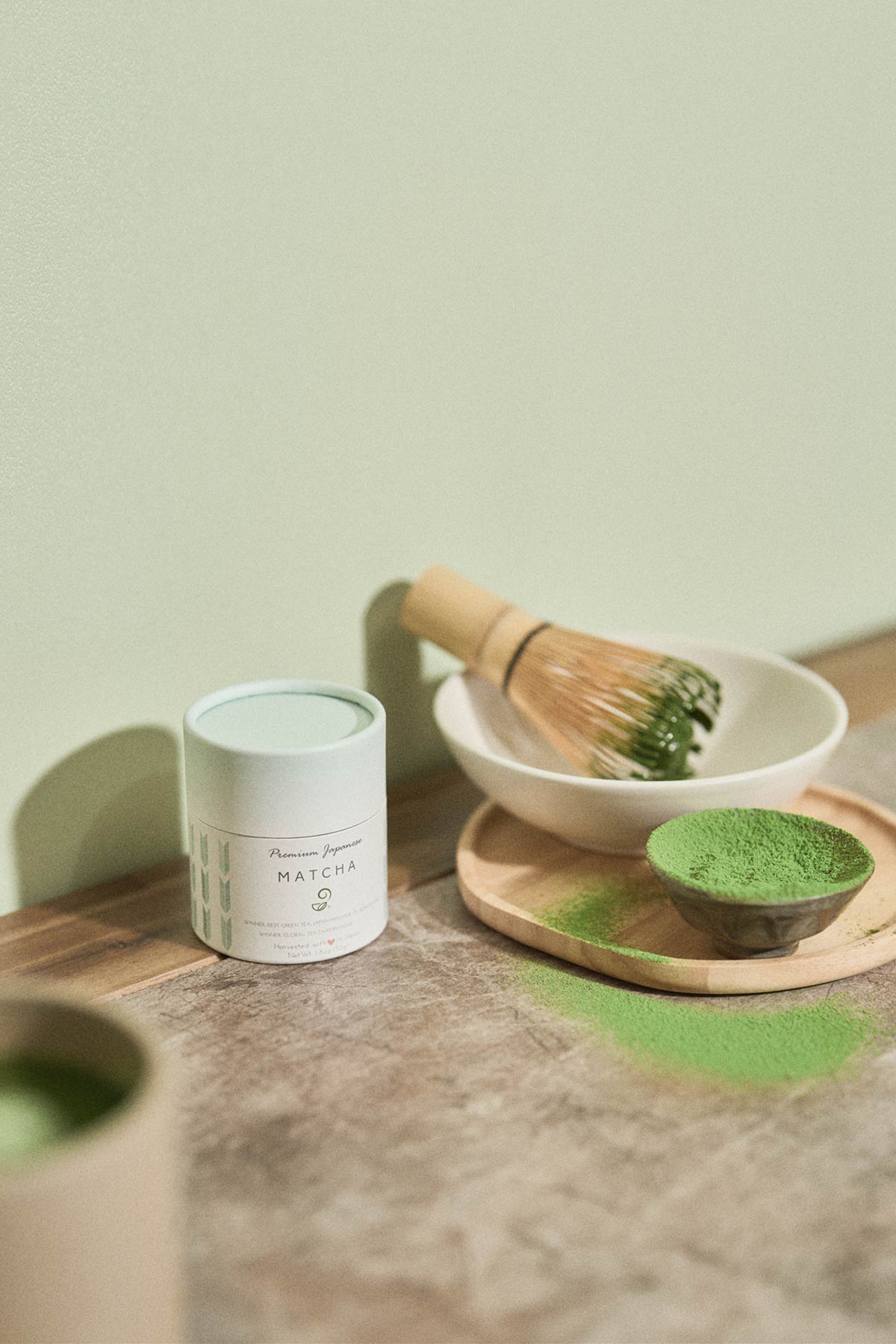
    This ceremonial matcha is crafted from the finest Japanese green tea, grown in nutrient-rich soil enhanced with compostable grasses and sugarcane through the Chagusaba method, which gives the tea a natural sweetness and exceptional flavor. In collaboration with researchers from Shizuoka University, farmers ensure that the soil quality consistently produces tea of the highest standard.

    Renowned among top Japanese chefs for its unmatched aroma, this matcha is made by carefully shading the plants before harvest to boost caffeine and amino acids, then meticulously drying, de-stemming, and grinding the leaves into a fine powder. Made from the Yabukita cultivar, this 1.8 oz (50g) matcha comes in a high-quality, air-tight paper tube canister, providing a luxurious and authentic Japanese tea experience.

    42 reviews

    Genmaicha - Green Tea with Roasted Brown Rice

    $30.00
    Quick view

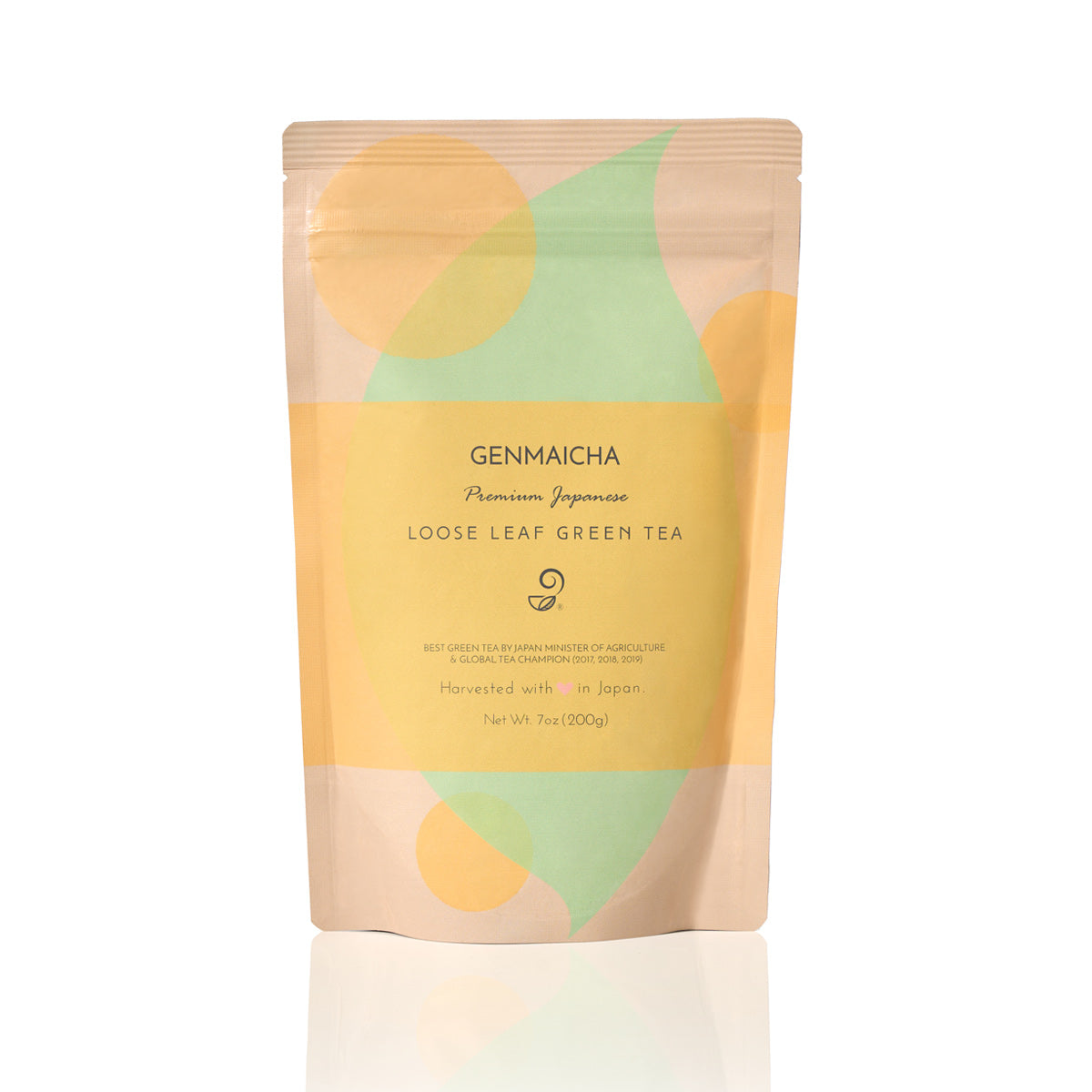
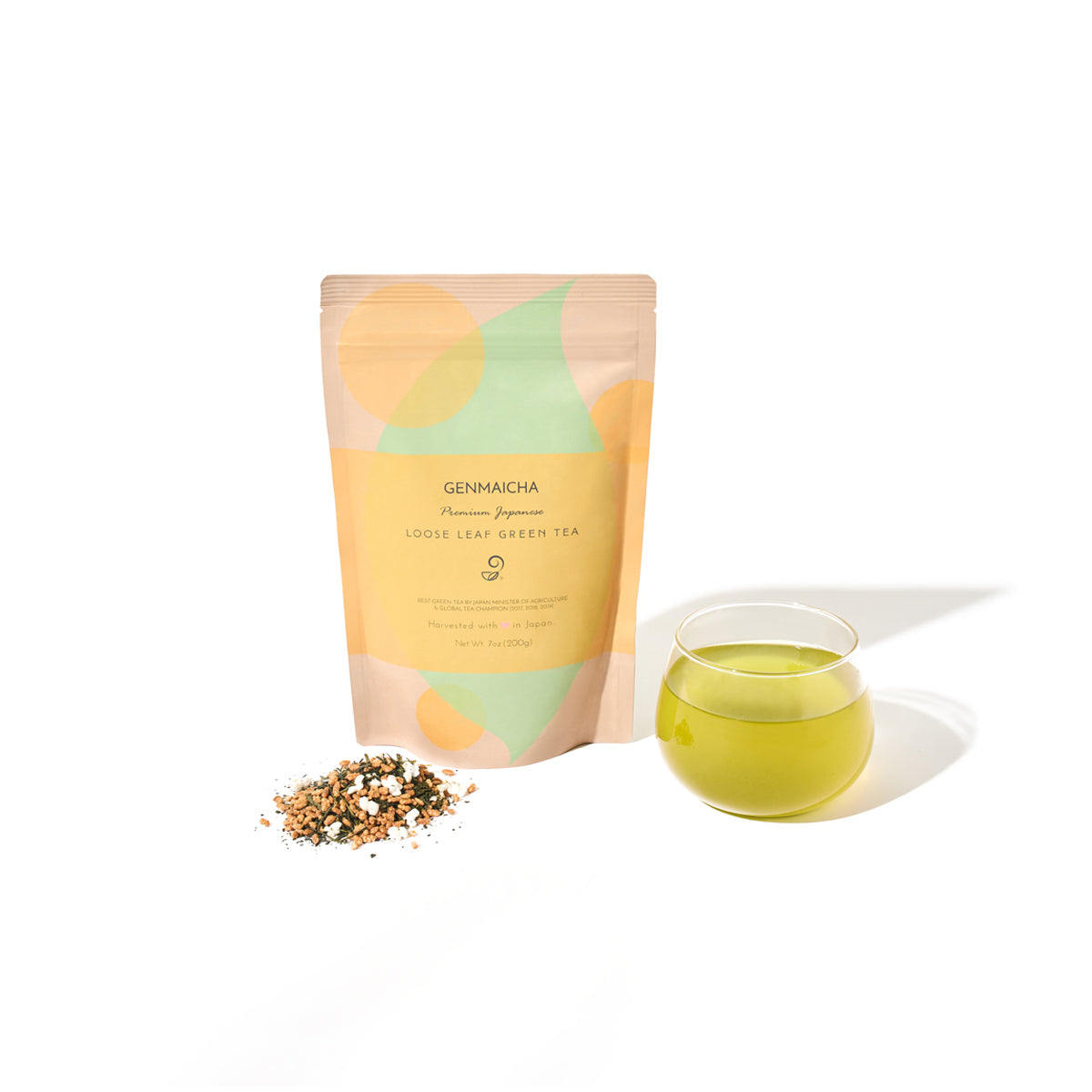
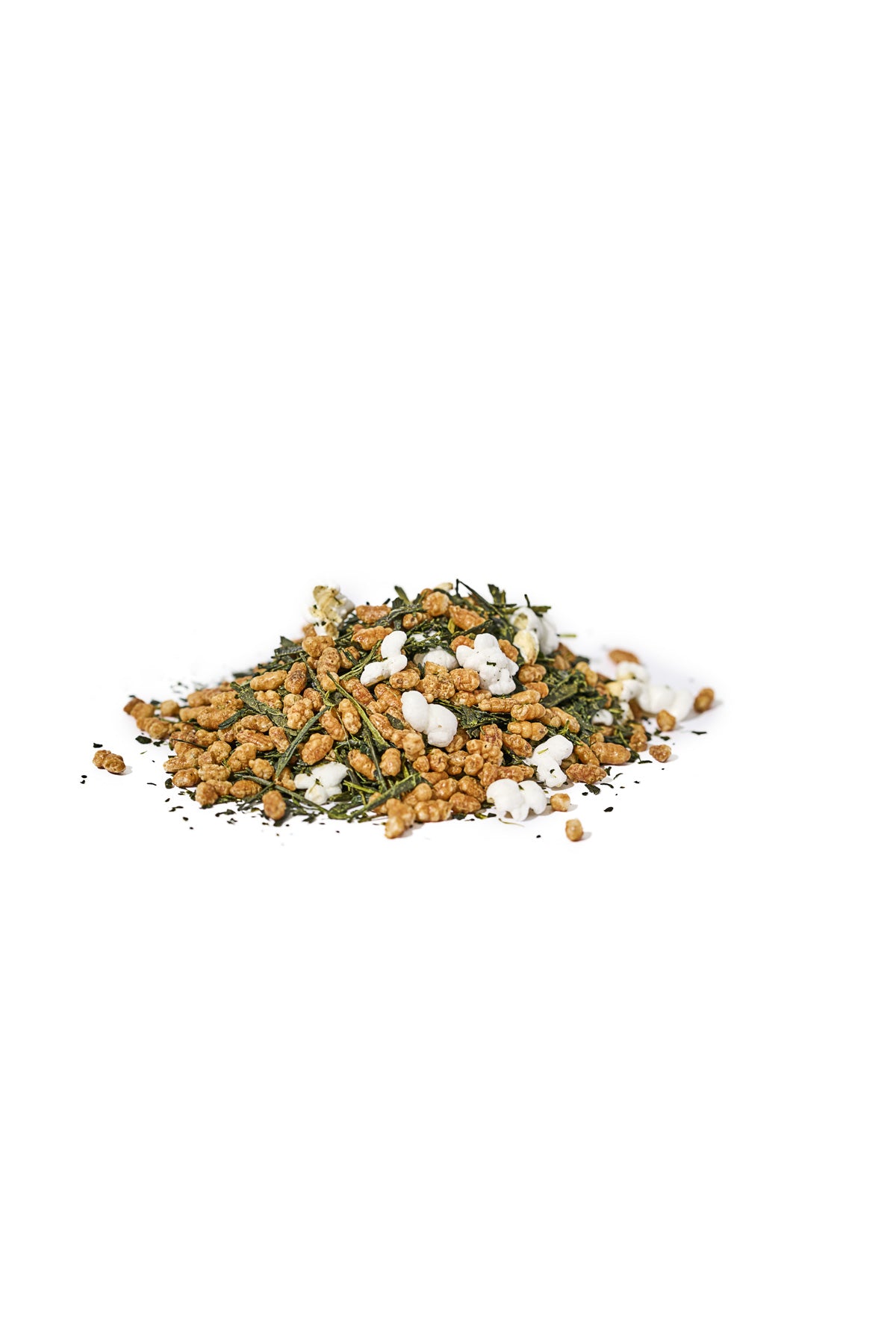
    Our premium Japanese Genmaicha blends high-quality green tea with roasted popped brown rice (genmai 玄米), often nicknamed "popcorn tea" because the roasting process sounds like popcorn popping. Popular especially among the older generation in Japan for its mild flavor and lower caffeine content, this tea is easier on the stomach while still offering a rich, comforting taste. The brown rice used is premium Japanese mochi-gome (もち米) sticky rice, enhancing the tea’s nutty, aromatic profile. Made from Fukamushi Sencha and cultivated using the Chagusaba method in nutrient-rich sugarcane soil, this Genmaicha features the Yabukita cultivar and comes in a 7.0 oz (200g) eco-friendly resealable package, enough to steep 50–60 cups.


    Related Articles You May Be Interested

    Does Green Tea Calm You Down?
    Does Green Tea Calm You Down?
    Does Green Tea Help With Fatigue?
    Does Green Tea Help With Fatigue?
    Is Green Tea Psychoactive As a Beverage?
    Is Green Tea Psychoactive As a Beverage?
    How Tea Improves Memory and Concentration
    How Tea Improves Memory and Concentration
    Can Green Tea Ease OCD Symptoms?
    Can Green Tea Ease OCD Symptoms?

    Get Free Bonus Books

    Join Green Tea Club

    Sign up for free to the Green Tea Club to get advice and exclusive articles about how to choose Japanese Tea, and tips, tricks, and recipes for enjoying Japanese tea.

    Unsubscribe anytime. It’s free!

    Related Posts

    OC Japan Fair April 2026 — Visit Us at Booth #A8!
    OC Japan Fair Spring 2026 Recap (April 3 - 5 2026)

    We were at OC Japan Fair again! April 3-5 2026 with new products, Miki Pon's art debut and more. Here is a recap video f

    Read More
    Super Mario and Japanese Green Tea
    Super Mario and Japanese Green Tea

    Super Mario and green tea share a hometown! Watch our Yoshi Matcha Cookies video recipe + discover how Nintendo and matc

    Read More
    Our Matcha Is Now at Pillow Talk Cafe in Pasadena — Master Japanese-Inspired Cake Makers
    Our Matcha Is Now at Pillow Talk Cafe in Pasadena — Master Japanese-Inspired Cake Makers

    Our matcha is now at Pillow Talk Cafe Pasadena! Meet the cafe, try the Egg Heaven sando & Matchamisu, and see how th

    Read More
    Leave a comment

    Your email address will not be published..

    Cart

    Your cart is currently empty.

    Start Shopping

    Select options