Skip to content

Can Green Tea Ease OCD Symptoms?

The typical treatments for OCD involve a combination of Cognitive Behavioral Therapy and appropriate medication.

But in addition to medical treatments, other resources can also supplement your ongoing treatment and make it a little easier.

One of these options that the OCD community swears by is the consumption of green tea. But is green tea really going to help ease OCD symptoms?

The short answer is no, but the long answer is a little more promising. But before we get to that, you must first understand what OCD actually is and how it manifests.

OCD Definition and Symptoms

OCD is a chronic anxiety disorder involving obsessive and intrusive thinking patterns and compulsive behaviors. These obsessions and compulsions can take different forms, giving rise to different types of OCD: checking, contamination, symmetry and order, relationship, false memory, and many more. Moreover, it is common for these forms to overlap. 

While extremely debilitating by itself, OCD commonly co-occurs with other mental health disorders, including anxiety, addiction, and eating disorders. 

There are three elements of OCD manifesting as different symptoms:

  1. Obsessions in OCD are intrusive and distressing thoughts that repeatedly and relentlessly pop up in your mind. For example, if you have contamination OCD, the worry of contracting a disease will constantly plague your mind, so much so that you might refuse to leave your house or have anyone else over.
  2. Emotional states of anxiety, self-doubt, depression, and fear are comorbid with OCD.
  3. Compulsions in OCD are repetitive and often destructive behaviors driven by a person’s obsessions and emotional state. These compulsive behaviors provide temporary relief but will ultimately wear you down and wreck your relationships, job, and day-to-day life.

If you’re still unsure whether or not you have OCD, you can start by taking a reliable OCD test. However, given the various forms and comorbidities of OCD, a proper medical diagnosis is crucial.

How Diet Affects OCD

We all know that diet plays an integral role in your physical wellbeing. However, many people overlook just how important diet is for their mental wellbeing as well. For decades, the idea that what you eat somehow affects your mental health was dismissed as pseudoscience.

But luckily, recent research corroborating the undeniable link between diet and mental health silences the naysayers. After all, your brain is an organ that, like other organs in your body, reacts differently to different foods.

When it comes to OCD, the nutrients you put in your body have the potential to worsen or improve your condition. They don’t directly cause or cure your OCD but instead affect the extent to which your brain can handle the symptoms of OCD.

Although limited, various studies identify certain nutritional deficiencies that could worsen OCD:

  • Vitamin D
  • Vitamin B12
  • Omega-3s
  • Probiotics
  • Beta-carotene

Recently, another indispensable nutrient with the potential to supplement OCD treatment has been identified: L-theanine, a major constituent in green tea.

japanese green tea ease OCD symptoms

The Effects of Green Tea on Brain Chemistry

Green tea is an age-old health-promoting elixir and an integral dietary supplement in countless cultures across the world. It has a range of scientifically proven health benefits, from aiding digestion to preventing cardiovascular diseases.

Most importantly, green tea has been shown to improve brain function.

This property of green tea intrigued scientists, who wondered whether this refreshing and nutritious drink could help alleviate OCD symptoms. The results of this research showed the potential of green tea to help with the following neurochemical factors most commonly associated with OCD:

1. Cognitive functions

Cognitive function refers to an array of mental abilities, including memory, attention, thinking, language, reasoning and decision-making, problem-solving, and so on. If you suffer from OCD, you’ve probably experienced great difficulty in these realms, especially decision-making, thinking, memory, and attention.

One of the most destructive things for your cognitive function is extracellular glutamate, a naturally produced and potent neurotoxin that can cause irreparable damage to your brain cells (neurons).

However, L-theanine acts as a neuroprotector and prevents brain injury from glutamate buildup. Various other studies have identified the role of L-theanine in offsetting or even preventing cognitive dysfunctions, such as Alzheimer’s disease and dementia.

2. Memory

Almost all forms of OCD involve a lapse in memory, which can lead to repetitive behaviors. Problems with memory are most pronounced in people with OCD, which could make you check things like whether you locked your front door or switched off your hair straightener multiple times.

In this regard, L-theanine has shown great potential for improving one’s memory by preventing neural degeneration.

However, it is important to note that underlying anxiety is the leading cause of OCD behaviors. In other words, it’s not that OCD patients have a bad memory, but rather that their anxiety convinces them they do.

drinking matcha green tea

3. Anxiety and Depression

OCD is typically categorized as an anxiety disorder. The constant flood of distressing thoughts will inevitably create a lot of anxiety. This is why mental health providers often prescribe anxiety medication for people with severe OCD.

At the same time, OCD is most commonly comorbid with depression. Hence, depression medications are also commonly prescribed for OCD patients under treatment.

This fatal combination of OCD, anxiety, and depression can and does severely impair people suffering from OCD. But frequent consumption of green tea might offer a little release.

While the research on this is still preliminary, long-term administration of L-theanine reduces heart rate, psychological stress, sleep disorders, serotonin deficiency, and other symptoms of anxiety and depression.

The Final Verdict — Does Green Tea Help With OCD?

The research surrounding the alleviating effects of green tea for OCD patients is severely limited yet promising.

Various studies have begun to focus on the potential of L-theanine, a principal constituent of green tea, to alleviate the symptoms of OCD. However, there simply isn’t enough scientific evidence to conclusively say whether green tea can actually help.

Moreover, the existing studies show that only long-term and high-dose administration of L-theanine can ease OCD symptoms. But there’s no harm in trying.

If you do decide to go the green tea route, you’ll have to give it a few months before you can start seeing effects. Moreover, try to go for green tea with high concentrations of theanine, such as Matcha tea.

But the most important thing to remember is not to forgo therapy and medication. Green tea alone cannot help you overcome OCD and reclaim your life, but a combination of therapy, medication, and a high-theanine diet certainly can.

FAQs about Green Tea and OCD Symptoms

Is there real evidence that green tea helps with OCD, or is it speculation?

Modest emerging evidence, mostly indirect. There's no large clinical trial showing green tea treats OCD specifically, but several lines of research suggest the L-theanine + EGCG combination may modulate the same neurotransmitter systems (serotonin, dopamine, glutamate) that OCD medications target. Small studies on L-theanine alone show reduction in anxiety symptoms in OCD-adjacent conditions, and EGCG has been shown to mildly increase BDNF (brain-derived neurotrophic factor) which is implicated in obsessive-compulsive symptom relief.

Practically, green tea is unlikely to substitute for clinical OCD treatment (SSRIs, ERP therapy, sometimes CBT) but may stack as a supportive tool. Some OCD patients report that daily matcha or gyokuro reduces baseline anxiety enough that their compulsive symptoms feel slightly less urgent. That's anecdotal but consistent with the L-theanine mechanism.

If you have diagnosed OCD, the right framing is: continue your prescribed treatment, and consider green tea as a daily wellness practice that may add modest support. Don't view it as a replacement.

Which compound in green tea is most relevant for anxiety and OCD-type symptoms?
L-theanine. The amino acid uniquely abundant in shaded Japanese teas like gyokuro (玉露) and matcha (抹茶) reduces stress reactivity by increasing alpha brain wave activity (the calm-but-alert state) and modestly elevating GABA, the brain's primary inhibitory neurotransmitter. Both effects align with what's targeted in anxiety treatment.

EGCG and other catechins contribute too — they cross the blood-brain barrier and have demonstrated mild anxiolytic effects in animal models, though the human evidence is weaker than for L-theanine specifically. The full benefit comes from drinking the whole leaf in a way that delivers both compounds simultaneously, which is why shaded tea (with its high L-theanine plus moderate catechin profile) is the ideal pick.

Sun-grown green tea has less L-theanine and won't deliver the same calm-focus effect as shaded tea. If you're drinking green tea specifically for anxiety/OCD support, prioritize gyokuro, kabusecha, or matcha over standard sencha.

Does the caffeine in green tea make OCD worse — should I avoid it?

Caffeine generally worsens anxiety in OCD patients, but the L-theanine in green tea modulates the caffeine effect in a way that's significantly gentler than coffee or other caffeine sources. Many OCD patients who can't tolerate coffee at all find that green tea is fine — the calm-focus profile differs meaningfully from the jittery-anxious profile of pure caffeine.

That said, individual responses vary. If you have severe anxiety or panic-prone OCD, it's worth experimenting carefully — start with a small amount of low-caffeine tea like hojicha (ほうじ茶) and see how your body responds. Hojicha has roughly a third the caffeine of standard sencha, plus the same L-theanine benefit, so it's the safer entry point. Our hojicha loose leaf is a clean test for caffeine sensitivity.

Decaf green tea is another option but loses some of the catechin and L-theanine concentration. Hojicha is usually a better caffeine-conscious choice than decaf because nothing has been removed — the lower caffeine is structural to the roasting process, not a stripping operation.

How much green tea should I drink daily for any potential OCD benefit?

If the benefit is real, it appears to scale with consistent daily L-theanine intake — somewhere in the 200-400 mg range, which corresponds to 1-2 cups of gyokuro or 1 bowl of matcha plus 2-3 cups of sencha daily. That's similar to the dose used in anxiety-related L-theanine research, achieved through tea rather than supplements.

Spread the intake across the day rather than concentrating it. The L-theanine half-life is about 2-3 hours, so morning + afternoon dosing maintains more even levels than a single large morning dose would. Most OCD-adjacent benefits seem to come from sustained level in the bloodstream rather than peak doses.

Give it 4-8 weeks before judging whether it helps. Like SSRIs, the cumulative effect builds slowly — week 1 won't tell you anything, week 6 might. If you don't notice anything by 8 weeks, it's probably not the tool you needed.

Is matcha better than tea for anxiety because it's more concentrated?

For pure compound delivery, yes — one bowl of matcha provides more L-theanine and EGCG than 3 cups of steeped sencha would. So if maximum daily compound load is the goal, matcha is the most efficient delivery system.

The trade-off is the caffeine concentration that comes with it. A single bowl of matcha has roughly the caffeine of a small cup of coffee, which can be too much for caffeine-sensitive OCD patients. Spreading the intake across multiple cups of lower-caffeine tea (sencha or hojicha) is gentler on the nervous system, even if the total compound load is similar.

The middle path: morning matcha for the focus + L-theanine boost, afternoon hojicha or sencha for sustained but lower-caffeine support. The ceremonial-grade matcha delivers the cleanest profile for the morning bowl. Most OCD-conscious daily drinkers I know settle into something like this rhythm — covers the calming effect across the whole day without overdosing the caffeine in any single window.

Related products

8 reviews

The Sencha Lover Gift Set - Premium Japanese Green Tea Set Package
$179.00 $159.99
Quick view

This tea set features three exceptional Japanese green teas, each crafted with care and traditional techniques. Issaku Reserve, a Global Tea Champion winner in 2017 and 2019, is a rare masterpiece created by Farm Master Mr. Arahata at Arahataen Green Tea Farm. Handpicked once a year from the first flush and processed with advanced methods, Issaku represents the highest-grade deep-steamed green tea, available only in limited quantities even in Japan.

The set also includes Gyokuro, a premium shaded green tea known for its rich, sweet flavor and deep mossy green color. Grown under special mats for 20 days to increase caffeine and amino acid levels, Gyokuro offers a layered, smooth taste unlike any other. Completing the collection is Nozomi, a fine Kabuse-cha, or "Covered Green Tea," carefully grown under nets to gently shade the leaves just before new sprouts emerge, resulting in a soft, rich, and refined flavor profile.

97 reviews

Gyokuro - Shaded Imperial Premium Green Tea

$65.00
Quick view

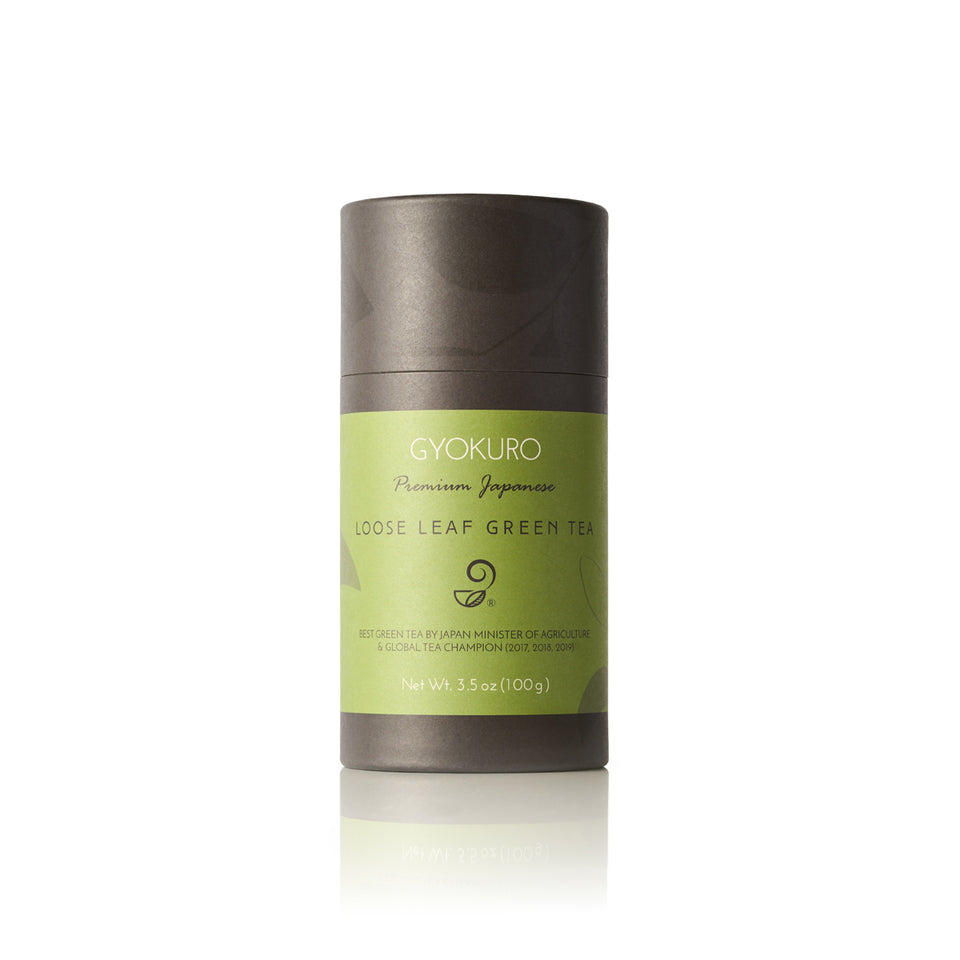
Gyokuro, also known as "jade dew" or "jewel dew tea," is a premium Japanese green tea shaded from the sun for 20 days using specially made mats, a method that boosts caffeine levels and strengthens amino acids to create a sweeter, richer flavor. This extended shading process results in dark, mossy green leaves with an unmistakable aroma and a complex taste that is layered yet balanced. Cultivated by the Chagusaba method in nutrient-rich sugarcane soil and made from the Yabukita cultivar, this loose-leaf authentic Gyokuro is offered in a high-quality, air-tight paper tube canister (chyazutsu) to preserve its exceptional freshness and flavor. Each 3.5 oz (100g) full-size package steeps 30–40 cups, and a convenient single-serve sample is also available.

45 reviews

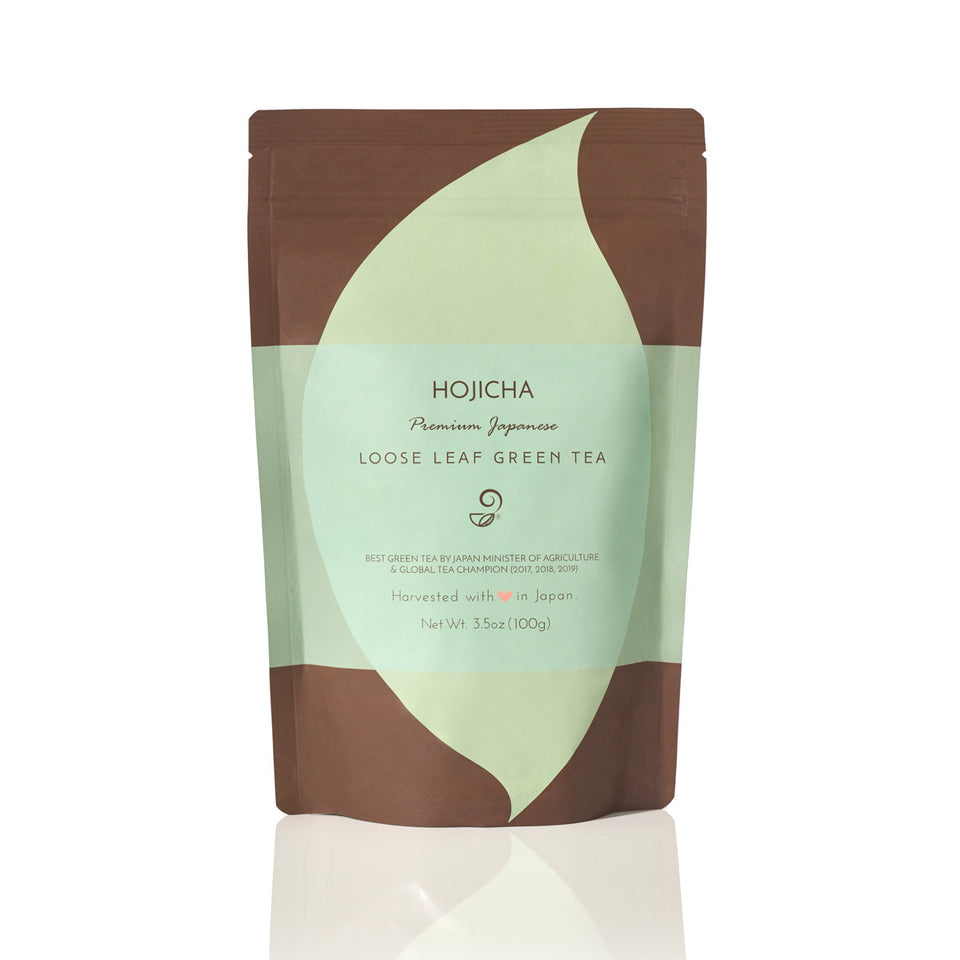
Hojicha - Roasted Green Tea

$25.00
Quick view

Our roasted green tea, known as hojicha (ほうじ茶), is crafted from freshly harvested premium green tea carefully roasted in porcelain over charcoal to maximize flavor while retaining more catechins than typical hojicha on the market. With lower caffeine and a smoother, less bitter taste compared to steamed green tea, it is an ideal choice for evening relaxation and is gentle enough for kids and pregnant women. Cultivated using the Chagusaba method in nutrient-rich sugarcane soil, this loose-leaf authentic Japanese roasted green tea, made from the Yabukita cultivar, also pairs beautifully with oily foods. Each eco-friendly resealable package contains 3.5 oz (100g) of tea, enough to steep 30–40 comforting cups.

80 reviews

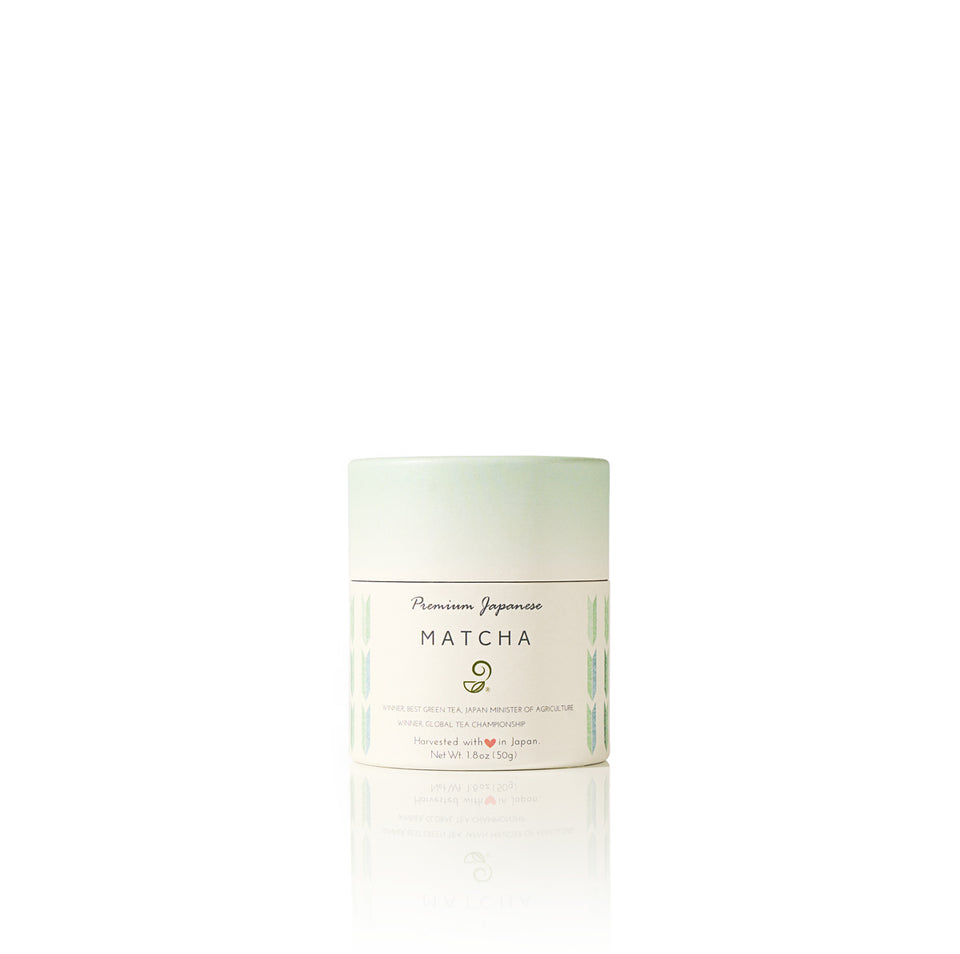
Matcha - Ceremonial Japanese Powdered Green Tea

$39.00
Quick view

This ceremonial matcha is crafted from the finest Japanese green tea, grown in nutrient-rich soil enhanced with compostable grasses and sugarcane through the Chagusaba method, which gives the tea a natural sweetness and exceptional flavor. In collaboration with researchers from Shizuoka University, farmers ensure that the soil quality consistently produces tea of the highest standard.

Renowned among top Japanese chefs for its unmatched aroma, this matcha is made by carefully shading the plants before harvest to boost caffeine and amino acids, then meticulously drying, de-stemming, and grinding the leaves into a fine powder. Made from the Yabukita cultivar, this 1.8 oz (50g) matcha comes in a high-quality, air-tight paper tube canister, providing a luxurious and authentic Japanese tea experience.

42 reviews

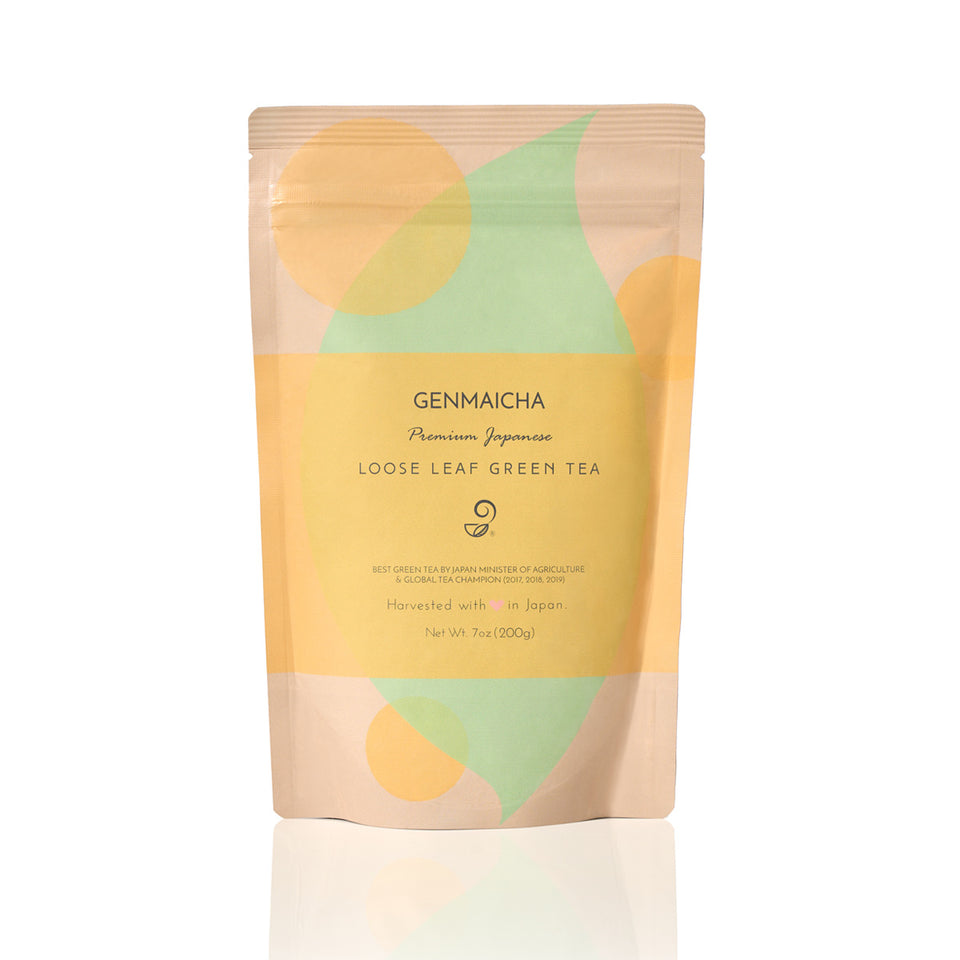
Genmaicha - Green Tea with Roasted Brown Rice

$30.00
Quick view

Our premium Japanese Genmaicha blends high-quality green tea with roasted popped brown rice (genmai 玄米), often nicknamed "popcorn tea" because the roasting process sounds like popcorn popping. Popular especially among the older generation in Japan for its mild flavor and lower caffeine content, this tea is easier on the stomach while still offering a rich, comforting taste. The brown rice used is premium Japanese mochi-gome (もち米) sticky rice, enhancing the tea’s nutty, aromatic profile. Made from Fukamushi Sencha and cultivated using the Chagusaba method in nutrient-rich sugarcane soil, this Genmaicha features the Yabukita cultivar and comes in a 7.0 oz (200g) eco-friendly resealable package, enough to steep 50–60 cups.


Related Articles You May Be Interested

How Tea Helps With Mental Health
Is Green Tea a Natural Antihistamine? – Green Tea Quiz
Is Green Tea Good Against Depression?
Can Green Tea Reduce Stress?
10 Reasons Why Green Tea Extract is Bad for You

Get Free Bonus Books

Join Green Tea Club

Sign up for free to the Green Tea Club to get advice and exclusive articles about how to choose Japanese Tea, and tips, tricks, and recipes for enjoying Japanese tea.

Unsubscribe anytime. It’s free!

About the author

Kei Nishida

Kei Nishida

Author, CEO Dream of Japan

info@japanesegreenteain.com

Certification: PMP, BS in Computer Science

Education: Western Washington University

Kei Nishida is a passionate Japanese green tea connoisseur, writer, and the founder and CEO of Japanese Green Tea Co., a Dream of Japan Company.

Driven by a deep desire to share the rich flavors of his homeland, he established the only company that sources premium tea grown in nutrient-rich sugarcane soil—earning multiple Global Tea Champion awards.

Expanding his mission of introducing Japan’s finest to the world, Kei pioneered the launch of the first-ever Sumiyaki charcoal-roasted coffee through Japanese Coffee Co. He also brought the artistry of traditional Japanese craftsmanship to the global market by making katana-style handmade knives—crafted by a renowned katana maker—available outside Japan for the first time through Japanese Knife Co.

Kei’s journey continues as he uncovers and shares Japan’s hidden treasures with the world.

Learn more about Kei Nishida

Related Posts

Introducing New Product - Meet Hojicha Powder
Introducing A New Product - Meet Hojicha Powder

Discover the game-changing Hojicha powder your kitchen has been waiting for — richer flavor, easier recipes, and surpris

Read More
Yokohama Peach is offered as a regular menu at Okayama Kobo Cafe!
Yokohama Peach is offered as a regular menu at Okayama Kobo Cafe! + Recap Video of Pop-up on 2/8/2026 at Anaheim, CA

We are excited to announce that our Yokohama Peach is now available on the regular menu at the popular Japanese Bakery,

Read More
The Story Behind Our Booth Backdrop: Craftsmanship, Engineering, and Sacred Wood
Behind the Scenes – How We Made the Event Booth & Backdrop Using Sacred Wood

Discover how our one-of-a-kind event booth came to life—from Japanese Kōshi (格子) design and rare Port Orford Cedar to mo

Read More
Leave a comment

Your email address will not be published..

Cart

Your cart is currently empty.

Start Shopping

Select options