Skip to content

Is Benifuuki Tea The Same As Matcha?

Is Benifuuki Tea The Same As Matcha?

Matcha is increasingly becoming a favorite in the world of tea for many. Without question, part of its attraction is the myriad of use cases. However, matcha’s flavor and overall distinction from other teas such as sencha or gyokuro help further separate it as a unique and favorite tea. Many of you may already know some additional differences between matcha and other teas, but more specifically, what separates Benifuuki tea from matcha? Are there similarities? What are the differences? I want to spend a few minutes talking about these two teas. In part, this is an educational exercise, but more importantly, it may also help you see the value of these teas in a different way.

Tea: A Background

What exactly is tea? You may be surprised to know that chamomile or soba cha (buckwheat tea) is not actually tea. In fact, these two "teas" are infusions and not officially teas. All tea comes from a single plant. Odd, I know, but the plant we are talking about is called Camellia sinensis. While you may see Japanese fields of tea in neatly arranged rows, this plant grows like a mounded bush. Yes, it can develop flowers, and yes, it’s hard to imagine both matcha and gyokuro coming from this naturally brighter green-leafed plant.

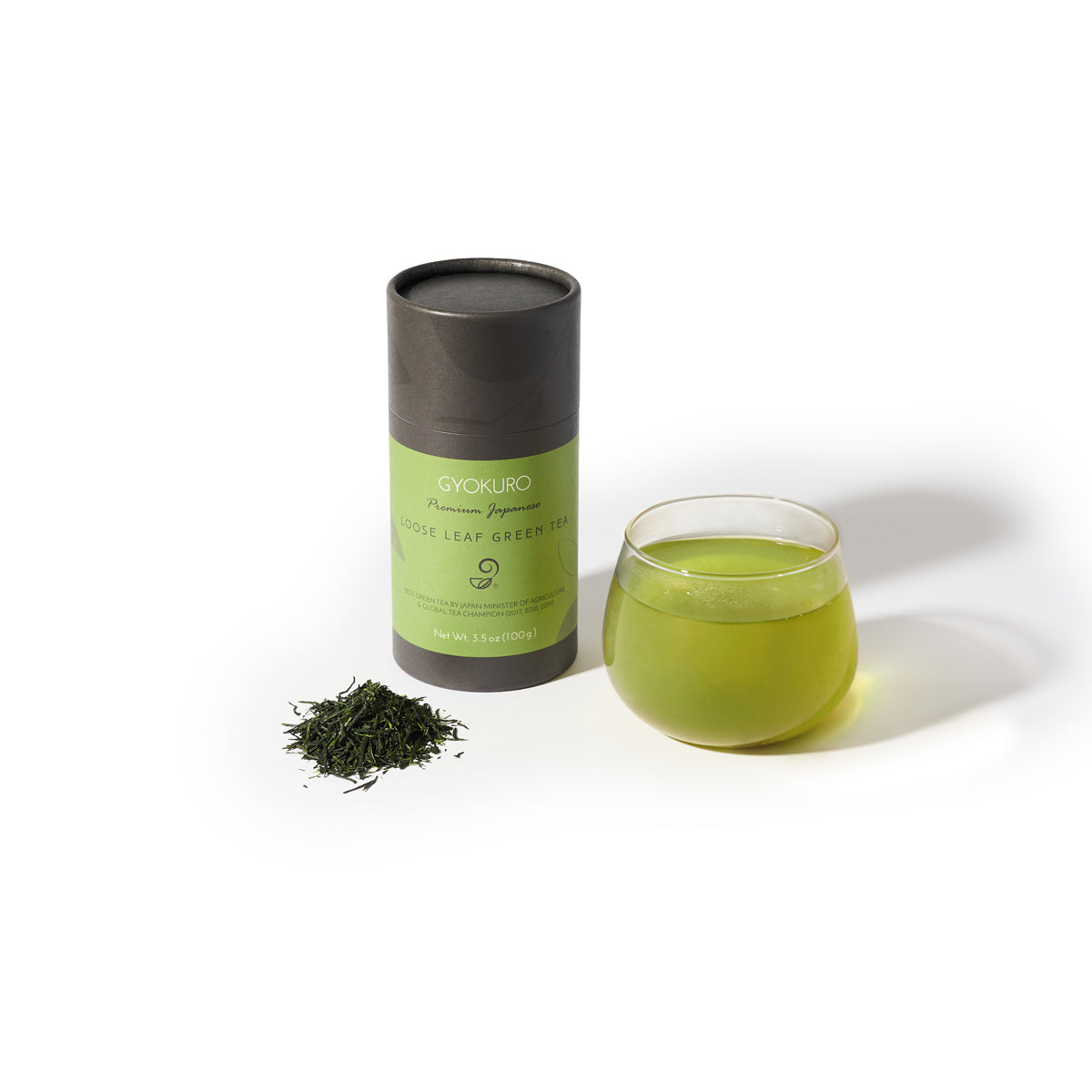
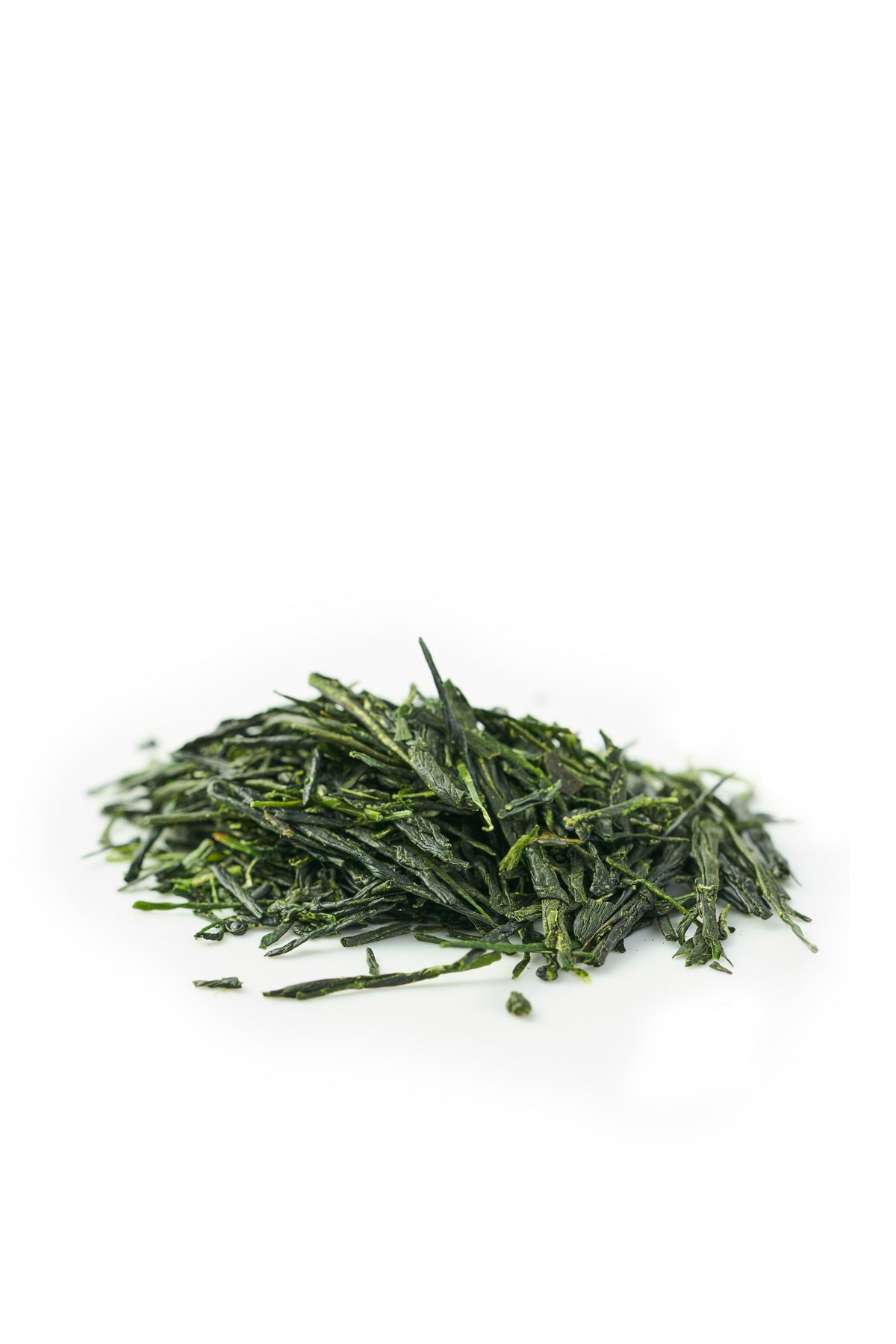
The management and post-processing of leaves help define many of the teas you drink at your table. For example, Gyokuro gets its unique flavor profile and look from farmers shading the leaves for several weeks before harvest. Matcha, as you may well imagine, is the ground-up leaf of the plant. While both Gyokuro and matcha processes are more complicated than noted, the differences outlined here give you a glimpse into the flexibility of the "tea plant".

When we talk about Camellia sinensis, it's common to bring up different kinds of cultivars. A cultivar refers to a plant variety that has been produced by selective and purposeful breeding. Horticulturalists seek out various qualities in plants, in this case, Camellia sinensis, and seek to replicate those qualities through reproduction. In fact, cultivation techniques have been used to create all kinds of cultivars you may recognize, including the wheat and rice you find at the store.

What is Benifuuki tea?

Benifuuki, meaning "red riches and honor", is a cultivar of Camellia sinensis. Introduced to Japanese farmers in 1993, this cultivar has larger flowers and leaves than the most common Japanese cultivar, Yabukita. Further, it generally has a higher yield and is not shaded like Gyokuro mentioned above. The chemical makeup and sunlight allow for a higher catechin count. While slightly more bitter than its Japanese tea counterparts, it's possible to attain a balance in flavor with each drink. From a health perspective, however, the more bitter, the better.

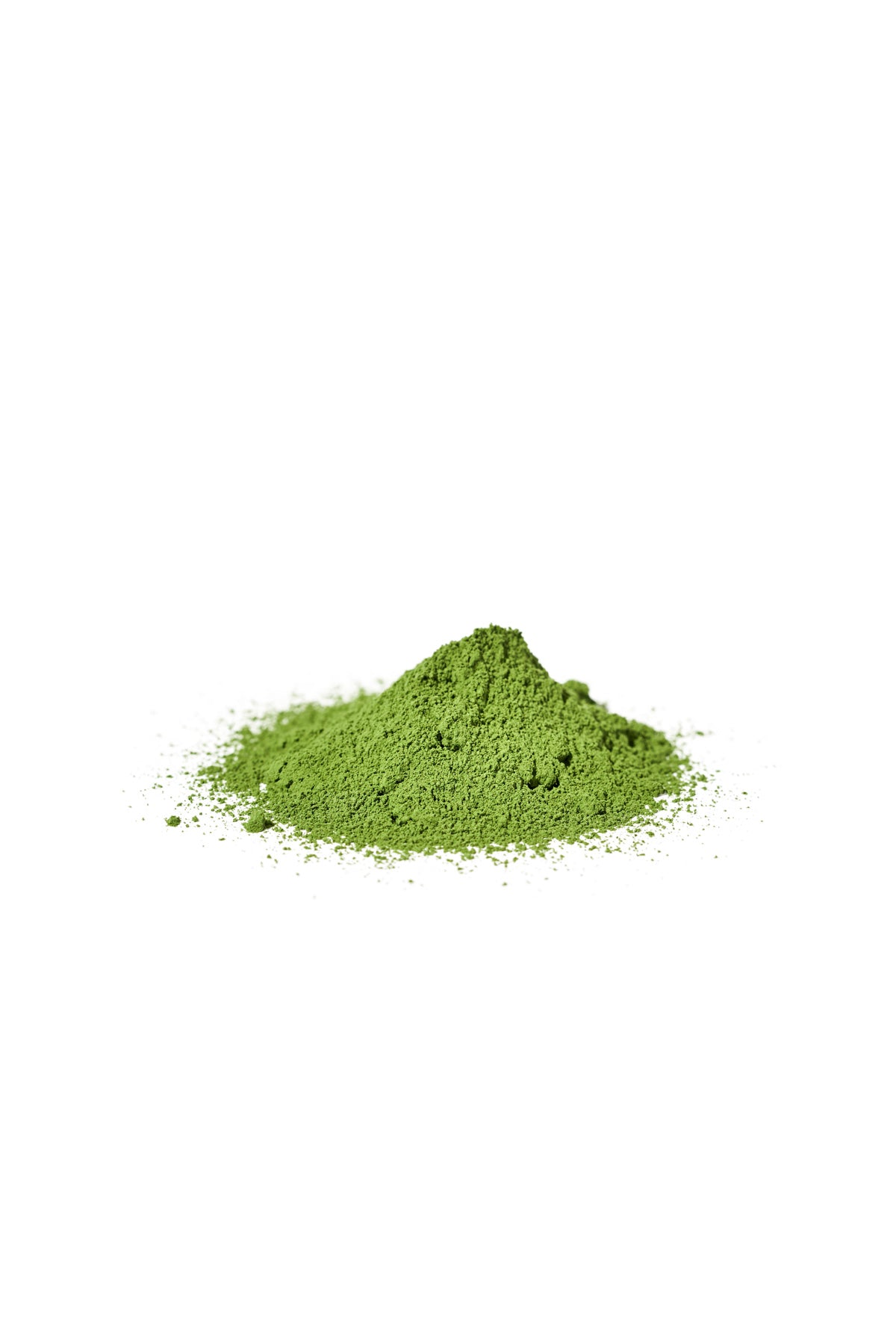
Benifuuki tea, like many other Japanese green teas, is harvested and picked. The leaves are similar to those of many other cultivars at first glance. However, Benifuuki tea leaves are often stored for several months, which increases their catechin content (see below). The tea is fermented at lower temperatures. The tea is then steamed, rolled, and pressed, and then gently ground into a fine, matcha-looking powder.

Its biochemical makeup includes unique benefits. There are several types of catechins: the more common and the rarer. The more common catechins are found in many green teas and include (-)-epicatechin (EC), (-)-epigallocatechin (EGC), (-)-epicatechin-3-gallate (ECG), and (-)-epigallocatechin-3-gallate (EGCG). The most abundant is that of EGCG (approx. 60%), then EGC (approx. 20%), then ECG (approx. 14%), and lastly EC (6%). Benifuuki, for example, contains the highest concentrated amount of EGCG, averaging approx. 10.1% EGCG, while the most common cultivar in Japan, Yabukita, averages approx. 7.7% EGCG. But what does this mean for my health? EGCG, for example, and its specific, unique application to green teas have been shown to help alleviate allergies as well as support the prevention of infections.

I have also mentioned "rarer" catechins. These catechins are methylated catechins. Benifuuki contains epigallocatechin-3-O-(3-O-methyl) gallate, or EGCG3 "Me," and epigallocatechin-3-O-(4-O-methyl) gallate, or EGCG4 "Me," catechins. But what makes these catechins stand out? They’re more potent, and higher levels of these catechins are found in Benifuuki. These catechins have been shown to be more potent than the catechins noted above. If you are looking for the perfect allergy tea, it’s hard to miss the health benefits of Benifuuki. In fact, the greatest concentration of EGCG3 "me" is found in the fall and winter harvests.

In combination with its unique catechin makeup, Benifuuki tea also includes hydrolyzable tannins. This helps solidify the tea as an anti-allergic tea to help with hay fever, dermatitis, histamine reduction, etc.

What is matcha?

Yes, we all know the beautiful powder that is matcha. Let’s take a few minutes to understand where matcha comes from and how it differs from Benifuuki.

Tencha is the leaf used to make matcha. Ten means "mortar," and cha, of course, refers to "tea" (genmaicha, sencha, etc.). In terms of growing, tencha is also shaded for approximately 3 weeks, and then harvested. Once harvested, tencha leaves are stemmed. The leaves are then dried. Unlike other teas, such as gyokuro, the leaves are not kneaded. This is primarily to ease the removal of steam and to help attain a flat leaf for matcha production. If one were to make matcha out of the recently picked tencha leaves, the tencha would then be de-stemmed and graded. This process includes deveining and destemming the leaves in order to ensure quality. The remaining leaves are graded and grounded slowly.

While both Benifuuki and matcha are derived from Camellia sinensis, matcha is not produced from Benifuuki’s cultivar. In regards to taste, higher-grade matcha is often smoother and easier to drink. Benifuuki isn’t often applied to the world of baking or added as a latte ingredient. It’s known more as a "support" tea than an all-purpose tea.

Matcha does, however, include a number of notable health benefits. One of the missing components of Benifuuki tea is the absence of a variety of nutrients you can find in other Japanese green teas. Matcha, on the other hand, contains many of the catechins discussed above, but not all of them. It contains a majority of EGCG, L-theanine, fiber, vitamins C and A, potassium, and amino acids. L-Theanine is unique in some respects due to its ability to promote relaxation and improve brain functioning. While it's relatively common in tea, this amino acid may be several times more concentrated in matcha. In other words, matcha is healthy for slightly different reasons.

Should I compliment these two teas?

Hopefully, the health benefits discussed today have provided a snapshot into the world of matcha and Benifuuki. They complement each other, depending on your needs. As you can guess, teas have all kinds of added benefits and unique properties. Part of exploring the world of tea is understanding the research behind it all. While this article doesn’t provide every detail relating to catechins or L-theanine, the conclusions should help. Keep this in mind the next time you’re shopping for tea; who knows, maybe a couple of drinks of Benifuuki and/or matcha will help stave off those allergies that don’t seem to go away.

What is Benifuki Tea? Explained in One Minute

videoid="0zOwiVQbP9E"

Click here to jump to the Youtube Video

FAQs about Benifuuki vs Matcha

Are benifuuki and matcha the same thing — they're both green powders?

They're related but very different. Both come from Camellia sinensis (the tea plant) and both can be processed into powder, but the cultivars are different and the purpose is different. Matcha (抹茶) is shade-grown tencha milled into ultra-fine powder for whisking — it's a tea-ceremony beverage. Benifuuki (べにふうき) is a specific cultivar selected for its unusually high methylated catechin content — it's grown for its medicinal properties, particularly for allergy relief.

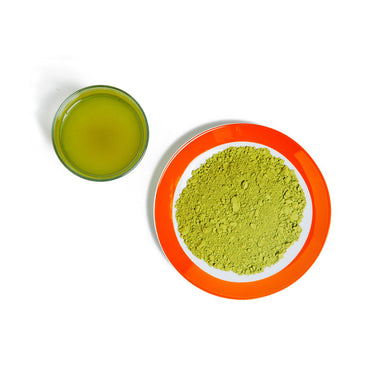
Visually, benifuuki powder is greener-leaning-yellow rather than matcha's vibrant emerald green. The flavor is more bitter and assertive than matcha — benifuuki is meant to be functional rather than ceremonial. People drink it to manage allergy symptoms or histamine response, not for the umami experience matcha delivers.

If you've tried benifuuki and didn't enjoy the taste, that's expected — it wasn't bred for flavor. Matcha is bred for taste; benifuuki is bred for biochemistry. Different goals, different drinks.

Why was benifuuki specifically developed — what's its origin?

Benifuuki was developed by the Japanese National Institute of Vegetable and Tea Science, registered as cultivar #44 in 1993. It's a hybrid of the Indian Assam tea plant (Camellia sinensis var. assamica) and a Japanese cultivar (Benihomare). It was originally bred for black tea production — the assamica genetics were supposed to give it bolder flavor and faster oxidation.

The discovery that it had unusually high methylated catechin content (especially EGCG3″Me) came later, when researchers at the University of Shizuoka started studying its anti-allergic properties. By the early 2000s, benifuuki had pivoted from "experimental black tea cultivar" to "functional green tea for allergy relief" — most modern benifuuki is processed as green tea (steamed) rather than black tea (oxidized) to preserve the methylated catechins.

Today benifuuki is grown commercially in small quantities in Shizuoka, Kagoshima, and a few other prefectures. It's still niche — most Japanese tea drinkers don't drink it daily — but it has a steady following among allergy sufferers in Japan and increasingly abroad.

Can I drink benifuuki the way I drink matcha — whisked with hot water?

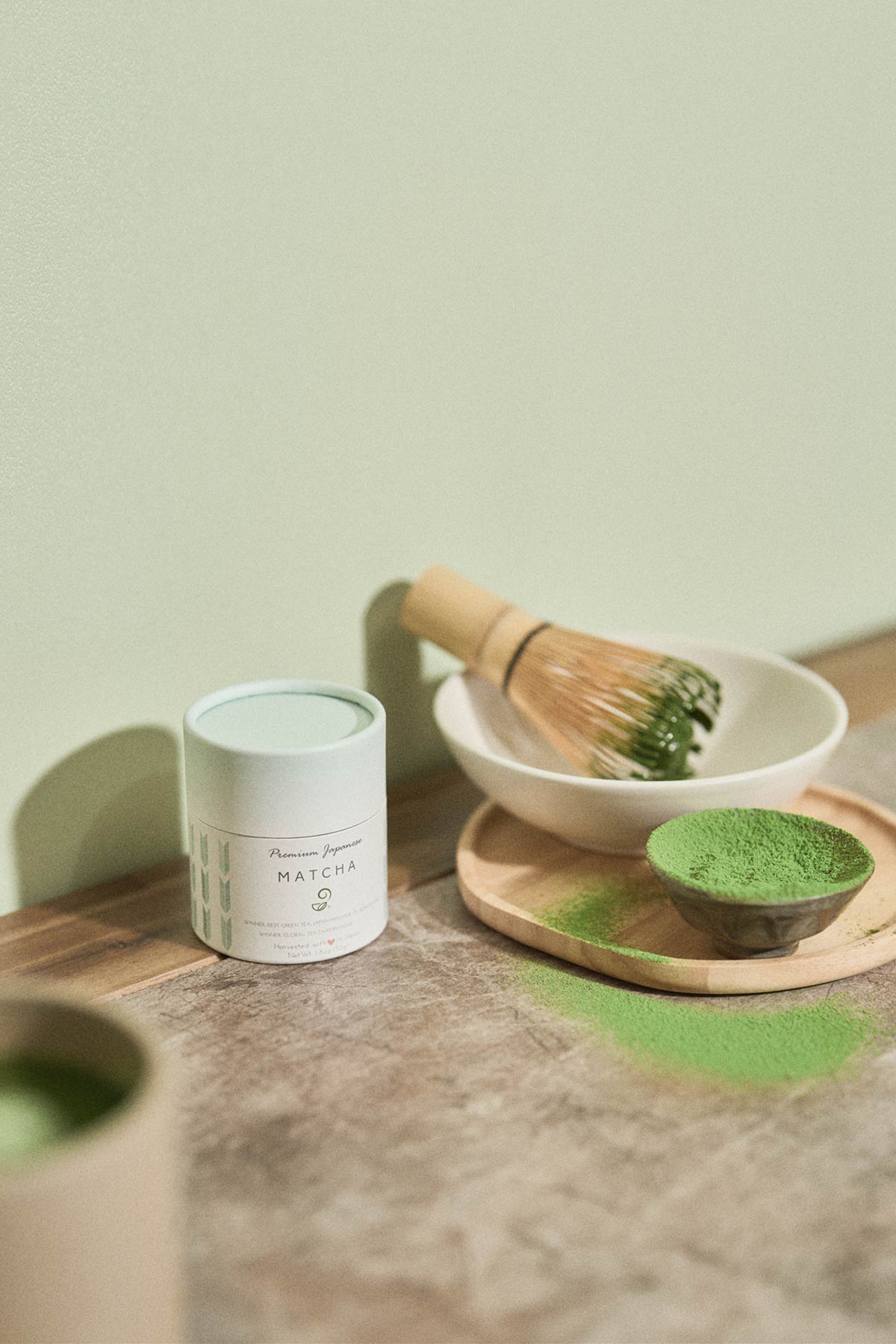
You can, and that's actually how the powdered form is intended to be drunk. Whisk a teaspoon of benifuuki powder with about 60ml of warm water (around 175°F / 80°C) in a bowl, similar to matcha preparation. The drink is denser and more bitter than matcha, but the whole-leaf consumption is what delivers the methylated catechin dose effectively.

Some people find benifuuki too bitter to drink straight and dilute it more — adding a teaspoon of powder to a full mug of warm water with a splash of milk and honey makes a more palatable allergy-day drink. The chasen (茶筅) works for whisking benifuuki the same way it works for matcha; the powder is similarly fine.

The teabag form (also available) is more convenient for daily use and steeps like regular tea. The powder form delivers a higher dose per serving but has the bitter-flavor cost. For most allergy sufferers, the teabag is the easier daily ritual; the powder is the higher-yield option for serious flares.

Does matcha have any of the allergy-relief benefits benifuuki has?

Matcha contains regular EGCG and other catechins that have mild antioxidant and anti-inflammatory effects, but it doesn't have the methylated catechins (specifically EGCG3″Me) that make benifuuki uniquely effective for allergies. So matcha is mildly anti-inflammatory at the systemic level but doesn't deliver the targeted mast-cell-stabilizing effect benifuuki does.

Some studies have shown that combining matcha and benifuuki produces additive benefits for general wellness, but if your specific goal is allergy or histamine management, benifuuki on its own is the more direct tool. Drinking matcha as your daily ritual and benifuuki as your allergy-management beverage is the cleanest split.

Practical advice: if you have seasonal allergies and you're already a daily matcha drinker, adding benifuuki during allergy season (or daily as a baseline if you have year-round symptoms) is more effective than just increasing matcha intake. The two teas serve different functional roles.

Where do I buy real benifuuki — is it widely available?
Outside Japan, it's a niche product but increasingly available. JPCo carries benifuuki powder, benifuuki teabags, and benifuuki candy — three forms for different use cases. Other reputable importers (Yunomi, Hibiki-an, Senbird) carry it too.

The product to avoid: "benifuuki-flavored" or "allergy tea" blends from non-specialty brands that may not actually use benifuuki cultivar leaf or may dilute it heavily with other green tea. Read the label — it should say "benifuuki" or "べにふうき" as the primary ingredient, not just imply allergy benefits.

Pricing: legitimate benifuuki powder runs $20-40 for 30-50 grams. Teabags run cheaper per dose. If a benifuuki product is dramatically cheaper than that range, it's probably either old stock or not actually pure benifuuki.

Related products
56 reviews

Benifuuki - Allergy Relief Japanese Green Tea Bags (30 tea bags)

$30.00
Quick view

Benifuuki green tea is highly regarded in Japan for its natural allergy-relief properties, helping with seasonal allergies, cedar allergies, hay fever, and even Mast Cell Activation Syndrome (MCAD). It is rich in Methylated Catechins, a potent form of EGCG that supports the inhibition of mast cell responses and reduces allergy symptoms.

This convenient teabag version uses an eco-friendly pyramid sachet and is made from authentic Japanese green tea cultivated by the Chagusaba method in nutrient-rich sugarcane soil. Featuring the Benifuki cultivar, each resealable aluminum package contains 30 tea bags, with each bag holding 3g of tea for a total of 90g (3.2 oz). A powder and candy version are also available.

38 reviews

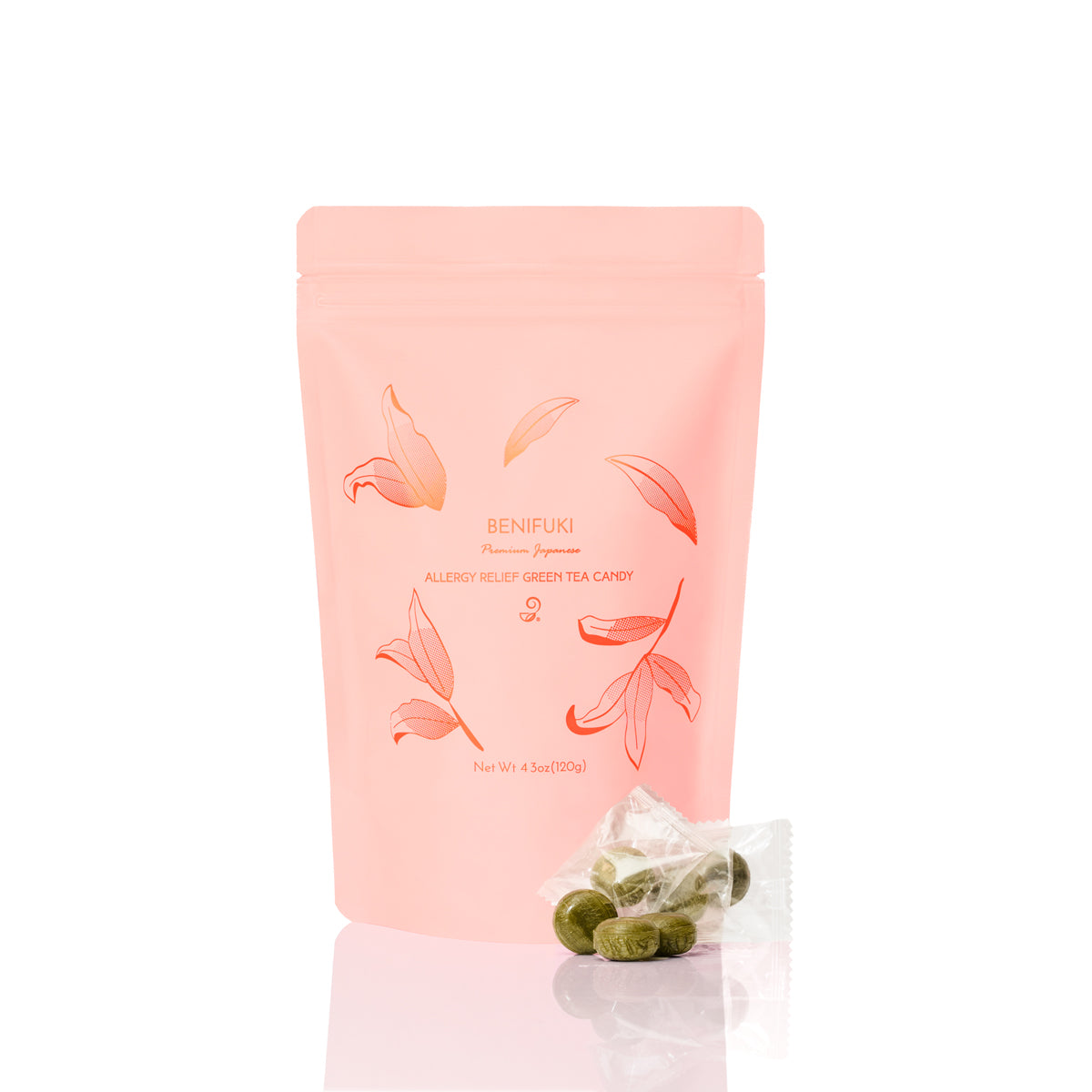
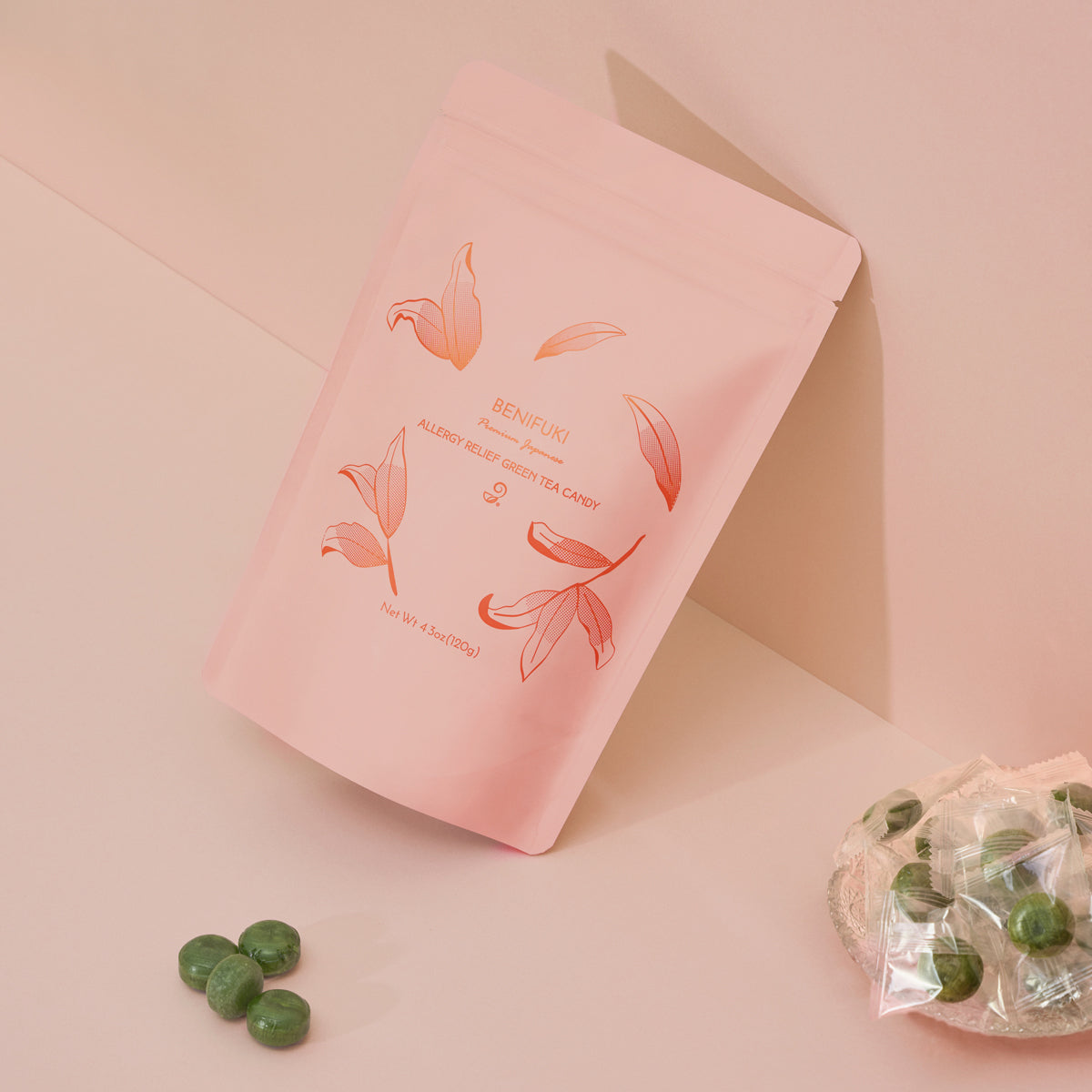
Benifuuki - Allergy Relief Japanese Green Tea Candy (30 Candies)

$17.00
Quick view

Benifuuki green tea is well-known in Japan for its natural allergy-relief benefits, helping with seasonal allergies, cedar allergies, hay fever, and even Mast Cell Activation Syndrome (MCAD). Rich in Methylated Catechins, a potent form of EGCG, it works to inhibit mast cell responses and ease allergy symptoms.

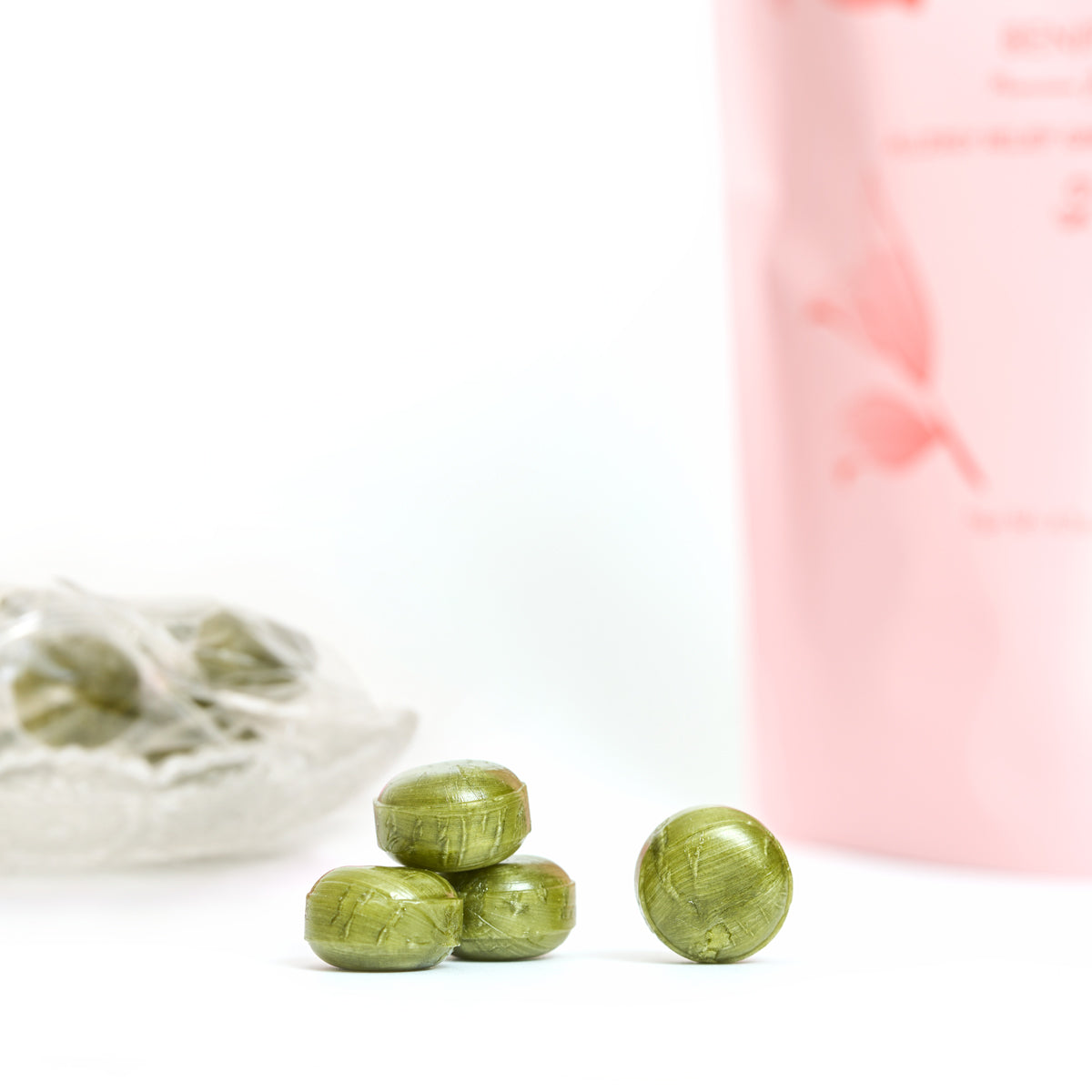
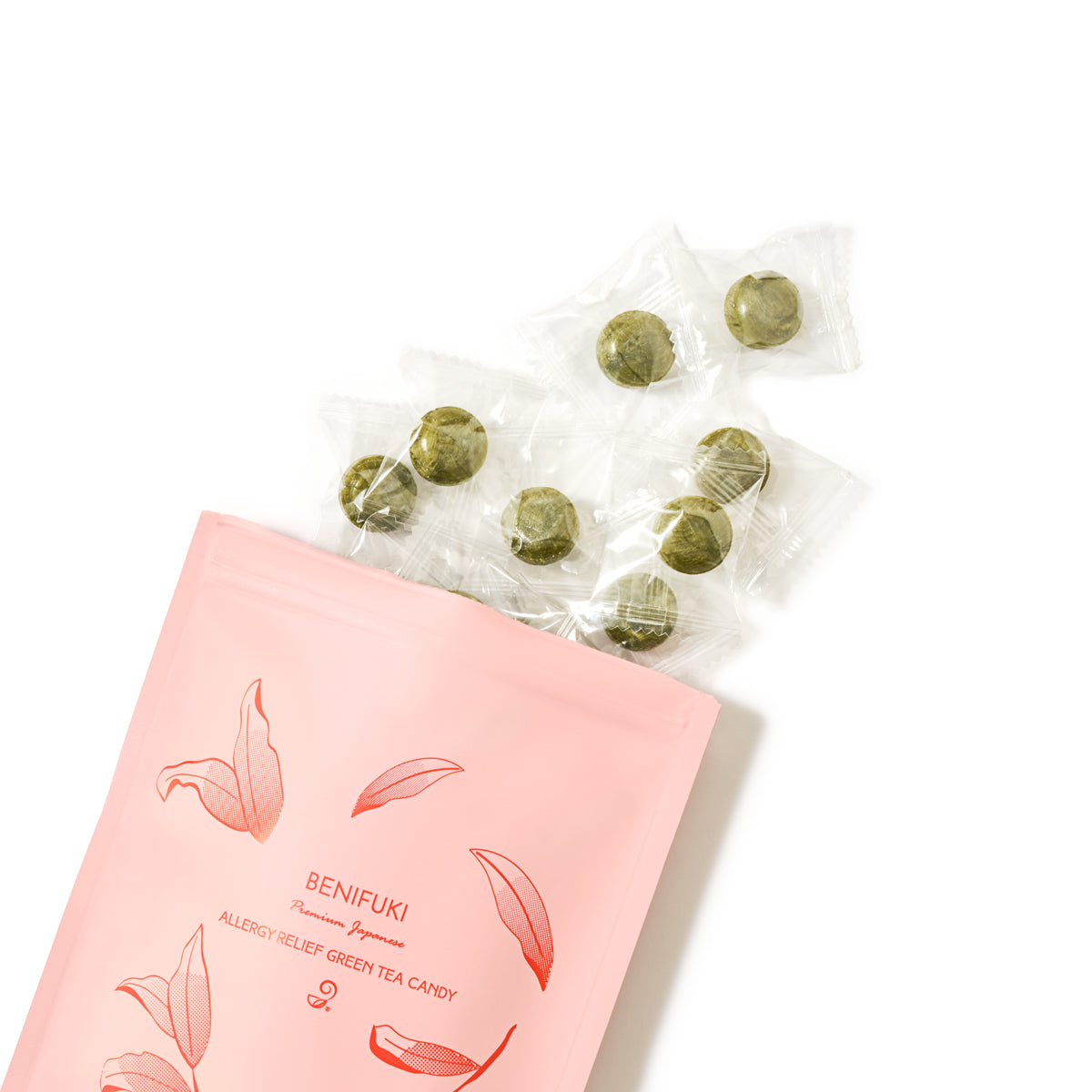
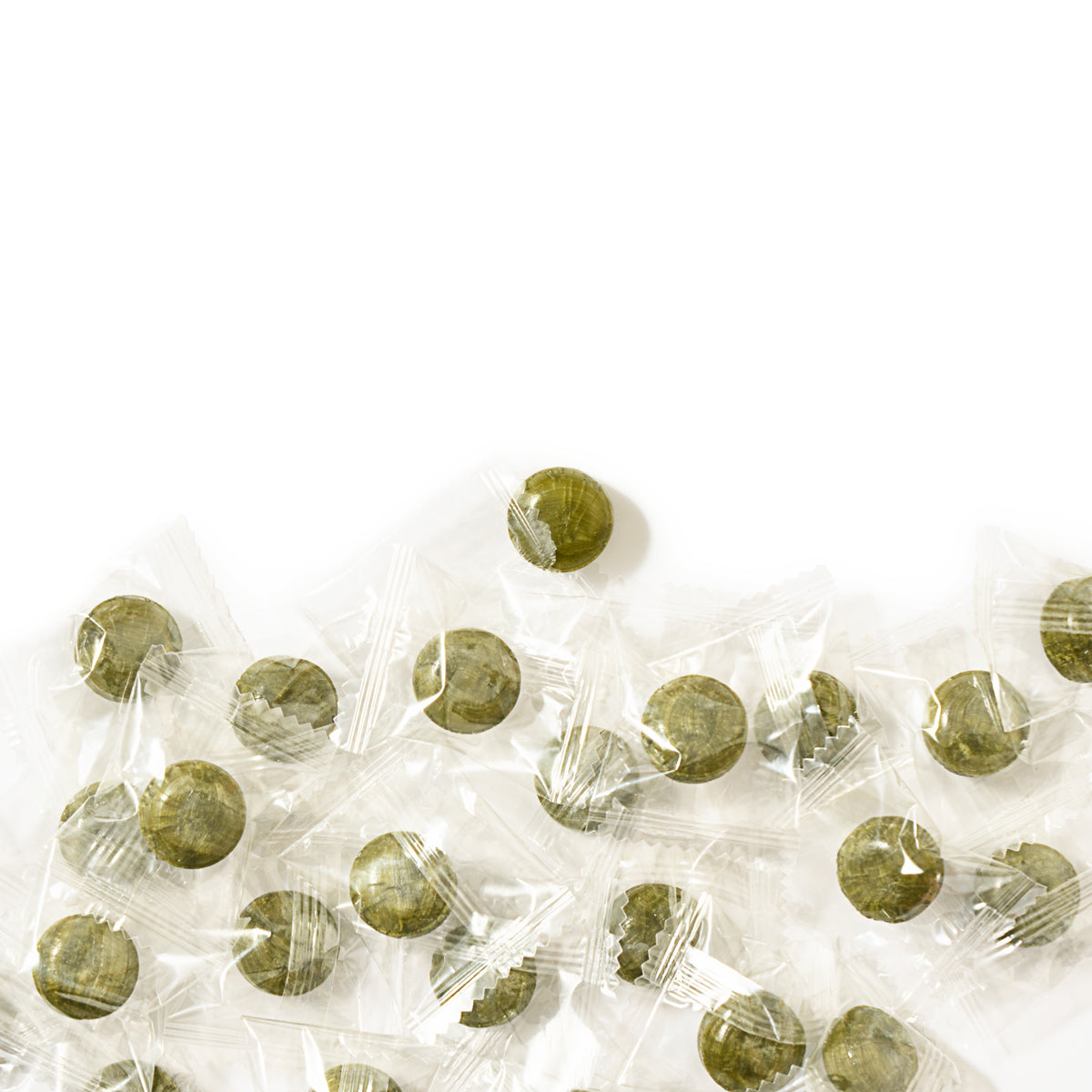
This premium candy, made from Benifuuki tea and menthol, offers a convenient, low-calorie way to enjoy these benefits on the go. Thanks to a special soil cultivation method developed by the Arahataen research team, the candy preserves the tea’s smooth, aromatic flavor while maintaining its powerful health properties. Each piece is individually wrapped for easy use.

22 reviews

Matcha - Japanese Limited Reserve Ceremonial Green Tea - (Global Tea Champion 2018, 2025)

$300.00
Quick view

This Premium Ceremonial Grade Matcha is one of the most luxurious matcha teas available, crafted from carefully cultivated Japanese green tea grown in nutrient-rich sugarcane soil using the Chagusaba method. Traditionally reserved for high-end tea ceremonies in Japan and loved by many tea masters, this matcha was once unavailable outside of Japan and is now finally accessible to U.S. consumers. Every step of its production, from shading the tea plants to increase caffeine and amino acid levels to the meticulous removal of stems and veins before grinding into a fine powder, is handled with a blend of advanced technology and time-honored tradition. Made from the Yabukita cultivar, this 30g (1.05 oz) ceremonial matcha offers a vivid color, unforgettable aroma, and the highest standard of flavor, earning recognition as a Global Tea Champion in 2018 and 2025.

80 reviews

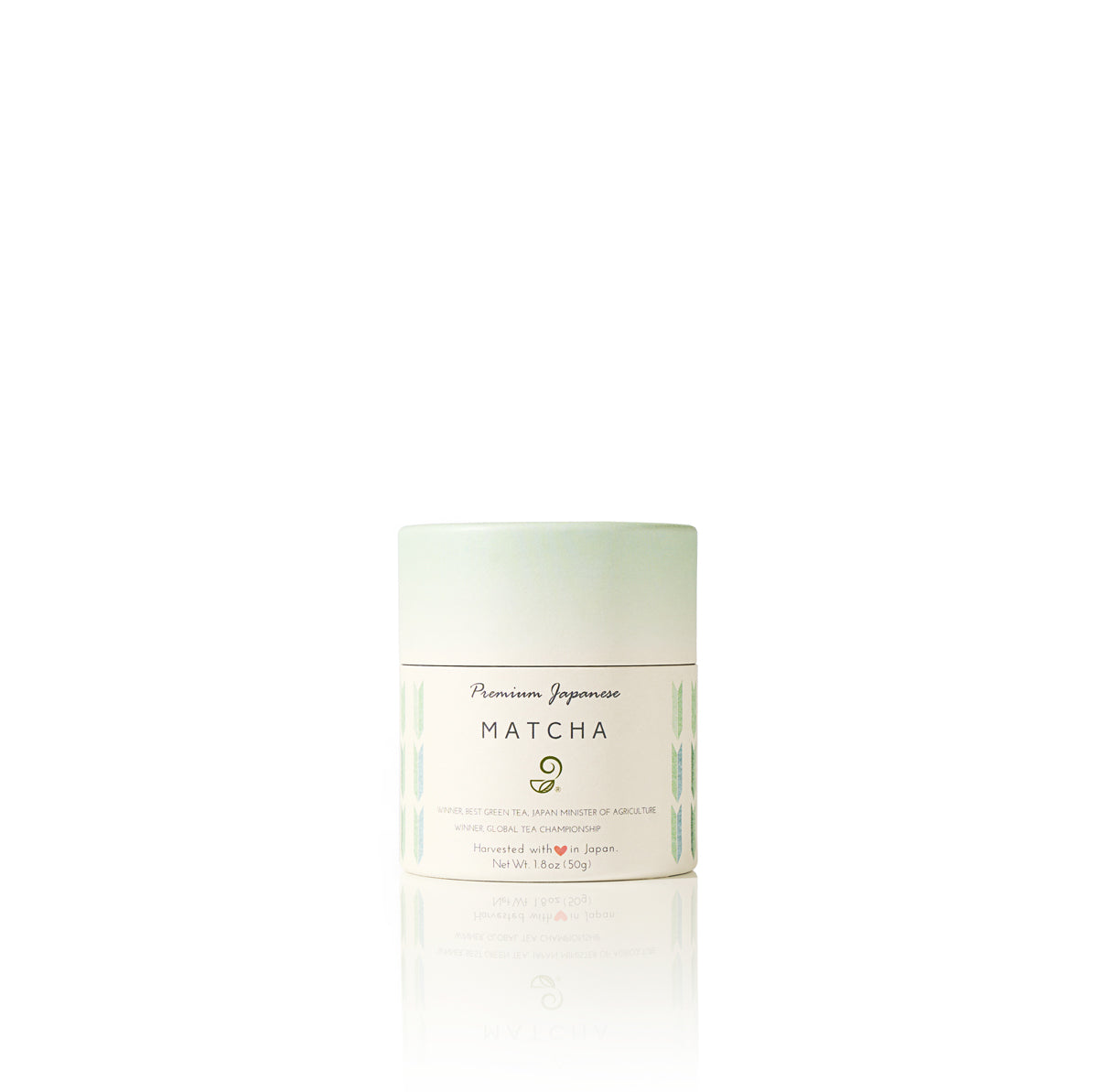
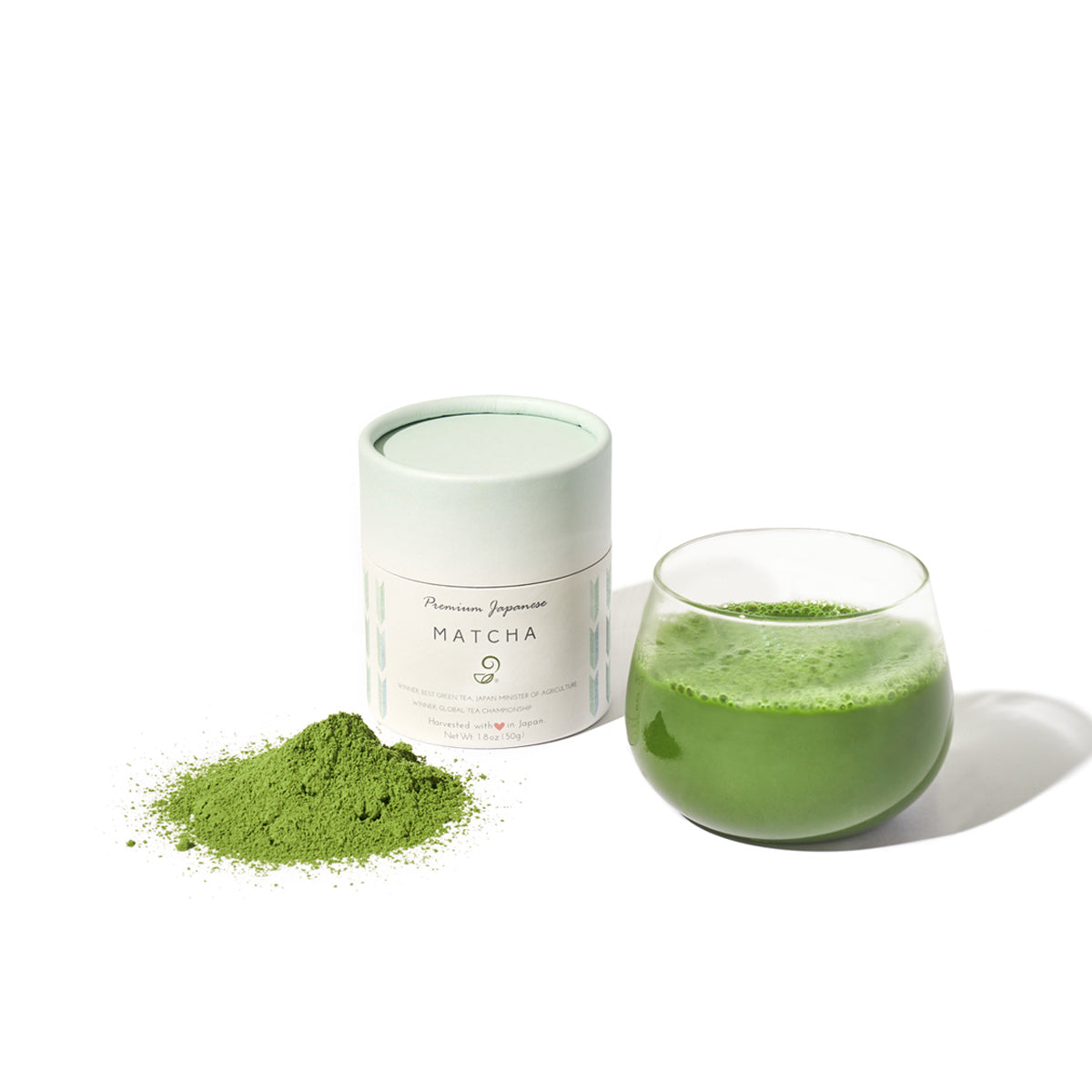
Matcha - Ceremonial Japanese Powdered Green Tea

$39.00
Quick view

This ceremonial matcha is crafted from the finest Japanese green tea, grown in nutrient-rich soil enhanced with compostable grasses and sugarcane through the Chagusaba method, which gives the tea a natural sweetness and exceptional flavor. In collaboration with researchers from Shizuoka University, farmers ensure that the soil quality consistently produces tea of the highest standard.

Renowned among top Japanese chefs for its unmatched aroma, this matcha is made by carefully shading the plants before harvest to boost caffeine and amino acids, then meticulously drying, de-stemming, and grinding the leaves into a fine powder. Made from the Yabukita cultivar, this 1.8 oz (50g) matcha comes in a high-quality, air-tight paper tube canister, providing a luxurious and authentic Japanese tea experience.

97 reviews

Gyokuro - Shaded Imperial Premium Green Tea

$65.00
Quick view

Gyokuro, also known as "jade dew" or "jewel dew tea," is a premium Japanese green tea shaded from the sun for 20 days using specially made mats, a method that boosts caffeine levels and strengthens amino acids to create a sweeter, richer flavor. This extended shading process results in dark, mossy green leaves with an unmistakable aroma and a complex taste that is layered yet balanced. Cultivated by the Chagusaba method in nutrient-rich sugarcane soil and made from the Yabukita cultivar, this loose-leaf authentic Gyokuro is offered in a high-quality, air-tight paper tube canister (chyazutsu) to preserve its exceptional freshness and flavor. Each 3.5 oz (100g) full-size package steeps 30–40 cups, and a convenient single-serve sample is also available.


Related Articles You May Be Interested

Is Green Tea a Natural Antihistamine? – Green Tea Quiz
Throat Lozenge vs Benifuuki
Benifuuki Japanese Green Tea Naturally Heals MCAD (Mast Cell Activation Syndrome)
The Best Way to Keep Matcha & Green Tea is to Freeze - Green Tea Quiz
What Flavors Go Well With Matcha? A Guide For The Tastebuds

Get Free Bonus Books
Join Green Tea Club

Sign up for free to the Green Tea Club to get advice and exclusive articles about how to choose Japanese Tea, and tips, tricks, and recipes for enjoying Japanese tea.

Unsubscribe anytime. It’s free!

About the author

Kei Nishida

Kei Nishida

Author, CEO Dream of Japan

info@japanesegreenteain.com

Certification: PMP, BS in Computer Science

Education: Western Washington University

Kei Nishida is a passionate Japanese green tea connoisseur, writer, and the founder and CEO of Japanese Green Tea Co., a Dream of Japan Company.

Driven by a deep desire to share the rich flavors of his homeland, he established the only company that sources premium tea grown in nutrient-rich sugarcane soil—earning multiple Global Tea Champion awards.

Expanding his mission of introducing Japan’s finest to the world, Kei pioneered the launch of the first-ever Sumiyaki charcoal-roasted coffee through Japanese Coffee Co. He also brought the artistry of traditional Japanese craftsmanship to the global market by making katana-style handmade knives—crafted by a renowned katana maker—available outside Japan for the first time through Japanese Knife Co.

Kei’s journey continues as he uncovers and shares Japan’s hidden treasures with the world.

Learn more about Kei Nishida

Related Posts

Behold: Balmuda's "The MoonKettle" — Where Boiling Water Becomes Art

We were privileged to be invited by Balmuda's Private MoonKettle Launch Event. Here are videos of it and everything you

Read More
OC Japan Fair April 2026 — Visit Us at Booth #A8!
OC Japan Fair Spring 2026 Recap (April 3 - 5 2026)

We were at OC Japan Fair again! April 3-5 2026 with new products, Miki Pon's art debut and more. Here is a recap video f

Read More
Super Mario and Japanese Green Tea

Super Mario and green tea share a hometown! Watch our Yoshi Matcha Cookies video recipe + discover how Nintendo and matc

Read More
Leave a comment

Your email address will not be published..

Cart

Your cart is currently empty.

Start Shopping

Select options