Skip to content

The Best Way to Keep Matcha & Green Tea is to Freeze - Green Tea Quiz

When you invest in high-quality Japanese green tea, whether it's vibrant, finely-milled matcha or delicate, shade-grown gyokuro, you are purchasing a product of immense care and craftsmanship. From the farmer's meticulous cultivation to the complex processing, every step is designed to create a perfect sensory experience. However, all that hard work can be undone in a matter of days or weeks if the tea is not stored properly. One of the most common questions from tea lovers is about the best way to preserve that "fresh-from-the-farm" flavor. This brings us to a crucial, and often misunderstood, topic.

To freeze or not to freeze matcha and green tea? This is a question I often get from customers. 

Answer: False!

Please, do not freeze matcha and Japanese green tea.

While the intention behind freezing—to preserve freshness—is a good one, it is unfortunately one of the most damaging things you can do to your delicate tea. The extreme cold and unique environment of a freezer introduce several risks that will permanently degrade the quality, taste, and aroma of your tea. Let's explore exactly what happens when you freeze it.

While it’s OK to refrigerate them, freezing will make them not taste as well. The reason is that tea leaves contain moisture which is a very important part in terms of the taste and nutrients.

By freezing tea, the moisture crystalizes and breaks the structure of the leaf cells, changing the taste. Additionally, low temperatures reduce the aroma of tea.

Freezing can also cause freezer burns, something we have all experienced before with our food. A freezer burn occurs when food is damaged by dehydration and oxidation; this happens more frequently when items are stored without good sealing. Thus, tea can also be damaged the same way by freezing.

A Deeper Look: What Happens When You Freeze Tea?

To truly understand why you should never freeze your tea, we need to look at four destructive processes that occur at freezing temperatures:

  1. Cellular Damage from Ice Crystals: The small amount of natural moisture within each tea leaf or particle of matcha is crucial for its flavor. When you freeze it, this moisture forms sharp ice crystals that puncture and shred the cell walls of the tea. When the tea thaws, these damaged cells release their contents improperly, leading to a harsh, unbalanced, and often bitter taste.
  2. The Condensation Catastrophe: This is perhaps the most significant risk. When you remove a frozen package of tea into a room-temperature environment, condensation will instantly form on the cold surface. Moisture is the number one enemy of green tea. Even a tiny amount can ruin the texture of matcha, causing it to clump irreversibly and develop a musty, moldy taste.
  3. Aroma Degradation: The wonderful, fresh, and grassy aroma of Japanese green tea comes from delicate, volatile organic compounds. Extreme cold permanently damages these compounds, significantly dulling the tea's fragrance. A large part of the tea experience is its aroma, and freezing effectively destroys it.

Odor Absorption: Tea leaves are highly porous and will act like a sponge for any ambient smells in your freezer. No matter how well you think it's sealed, there's a high risk that your delicate matcha will end up with the faint but permanent aroma of frozen fish, garlic, or leftovers, completely tainting its pure flavor.

So, what is the best way to store matcha and green tea?

The Golden Rules of Tea Storage

In short, you want to store them in cool, dark spaces away from oxygen. To do this effectively, you must protect your tea from its five mortal enemies:

  • Light: UV light causes photochemical damage to tea, degrading chlorophyll and catechins. This will quickly make the flavor flat and lifeless and can fade the vibrant green color of high-quality matcha.
  • Heat: Heat acts as a catalyst, speeding up the process of oxidation and causing the delicate flavors in your tea to break down and disappear. Never store your tea near a stove, on top of a refrigerator, or in direct sunlight.
  • Oxygen: Tea's exposure to oxygen leads to oxidation, the same process that turns a cut apple brown. This makes the tea taste stale and diminishes its fresh, vibrant character.
  • Moisture: As mentioned, humidity is devastating. It degrades the flavor, causes clumping in matcha, and can lead to the growth of mold and mildew.
  • Odors: Always keep your tea stored far away from strong-smelling items like coffee, spices, or fragrant pantry goods.

Practical Storage Solutions: From Pantry to Fridge

Knowing the enemies is half the battle. Here is how to apply that knowledge to the question of how to store green tea and matcha in your home.

For Unopened Tea:

For a factory-sealed, airtight package of high-grade matcha or gyokuro that you do not plan on opening for several months, the refrigerator (NEVER the freezer) can be an acceptable place to prolong its shelf life. Allow the package to come to room temperature for a full 24 hours before opening it to prevent condensation.

For Opened Tea:

Once a package of tea is opened, it should ideally be consumed within 1-3 months for peak freshness. The absolute best place to store your opened tea is in a cool, dark, and dry pantry, away from the items listed above. Avoid putting an opened container back into the refrigerator, as the daily temperature changes from taking it in and out will introduce condensation and moisture, doing more harm than good.

Choosing the Right Container:

The original packaging is often not suitable for long-term storage after being opened. The best way to store loose leaf tea and matcha is to transfer it to a proper storage vessel. Look for a matcha storage container that is opaque (to block light) and has an airtight seal (to block oxygen, moisture, and odors). A traditional Japanese chazutsu (tea caddy), often made of stainless steel with an inner lid, is specifically designed for this purpose and is an excellent choice.

Your Green Tea Storage Questions Answered

So you're saying I should never freeze my green tea?

That's correct. The combined risks of cellular damage from ice crystals, condensation upon removal, aroma degradation, and odor absorption far outweigh any perceived benefits. It is the fastest way to ruin good tea.

How long does green tea and matcha last? Does green tea go bad?

While tea doesn't "go bad" in a way that will make you sick, it does lose its freshness and flavor. An unopened package of matcha or green tea is best used within a year of its harvest date. Once opened, its peak flavor window is much shorter—ideally, you should aim to consume it within 1 to 3 months for the best experience.

Is it okay to keep my matcha in the foil bag it came in?

The resealable foil bags are great for protecting the tea during shipping, but they are not ideal for daily use after being opened. Every time you open and close the bag, you risk introducing air and moisture. It is highly recommended to transfer the tea to a proper, rigid, airtight canister for daily storage.

Is storing matcha different from storing loose-leaf tea like sencha?

The storage principles (avoiding light, heat, oxygen, moisture, and odors) are exactly the same. However, matcha is even more sensitive to these elements because it is a fine powder. Its massive surface area means it will oxidize and absorb moisture and odors much faster than whole-leaf tea, making proper, airtight storage even more critical.

What's the best place to store matcha and green tea — fridge, counter, or pantry?
The pantry, almost always. A cool, dark, dry cupboard at room temperature (60-70°F / 15-21°C) is the textbook storage condition for Japanese green tea. The fridge sounds safer but introduces three problems: condensation when you take the tin out, odor absorption from food, and freeze-style cell damage if your fridge runs cold. Counter is fine if it's away from sunlight, the stove, and any heat source — but a closed cupboard is better.

If you do refrigerate (some people swear by it for unopened tea you'll keep longer than 2 months), keep the tea in its original sealed pouch inside a second airtight container, and let it come fully to room temperature before opening — 30 minutes on the counter does it. Opening cold tea exposes the leaves to condensation that ruins flavor.

For tea you're actively drinking from, just buy smaller quantities more often rather than stockpiling. A 1-ounce tin of premium matcha you finish in 3-4 weeks tastes far better than a 4-ounce bag you stretch over 4 months in any storage condition. Freshness beats storage strategy.

I have written an entire article about this with recommended storage devices.  

Click below to read on about proper storage method for matcha and Japanese Green tea. 

Related products
80 reviews

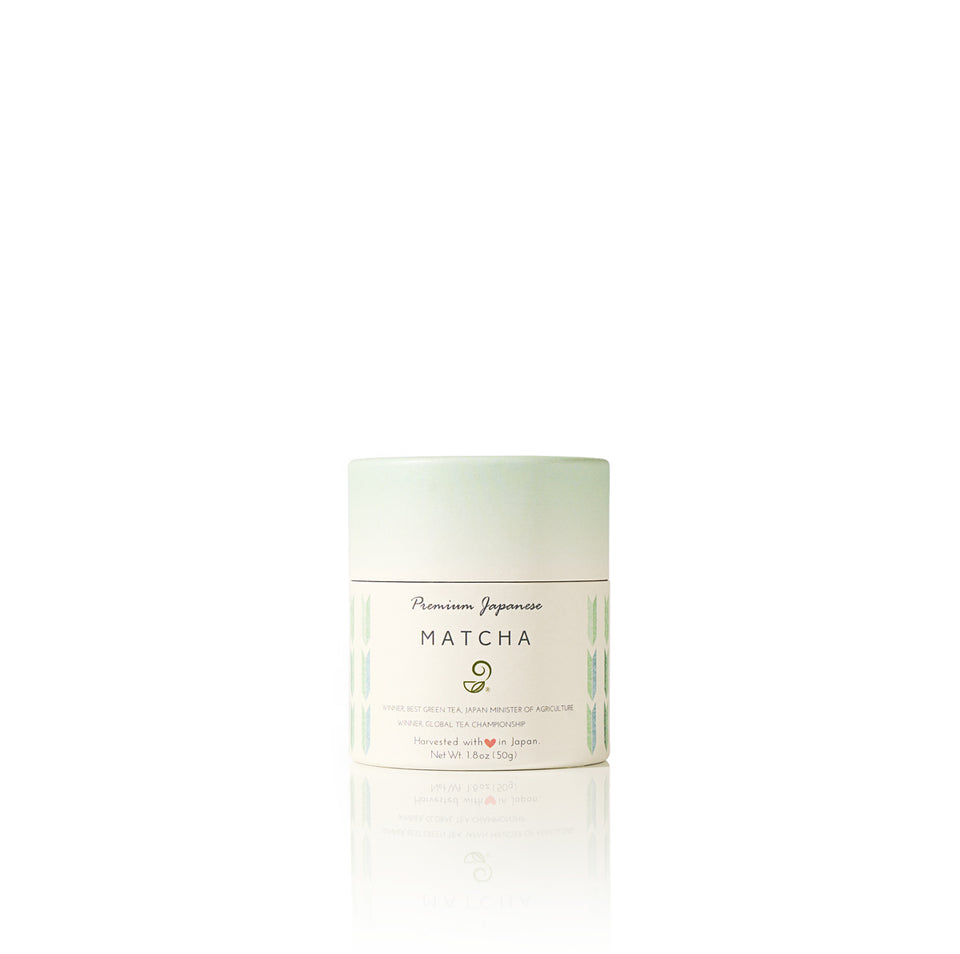
Matcha - Ceremonial Japanese Powdered Green Tea

$39.00
Quick view

This ceremonial matcha is crafted from the finest Japanese green tea, grown in nutrient-rich soil enhanced with compostable grasses and sugarcane through the Chagusaba method, which gives the tea a natural sweetness and exceptional flavor. In collaboration with researchers from Shizuoka University, farmers ensure that the soil quality consistently produces tea of the highest standard.

Renowned among top Japanese chefs for its unmatched aroma, this matcha is made by carefully shading the plants before harvest to boost caffeine and amino acids, then meticulously drying, de-stemming, and grinding the leaves into a fine powder. Made from the Yabukita cultivar, this 1.8 oz (50g) matcha comes in a high-quality, air-tight paper tube canister, providing a luxurious and authentic Japanese tea experience.

97 reviews

Gyokuro - Shaded Imperial Premium Green Tea

$65.00
Quick view

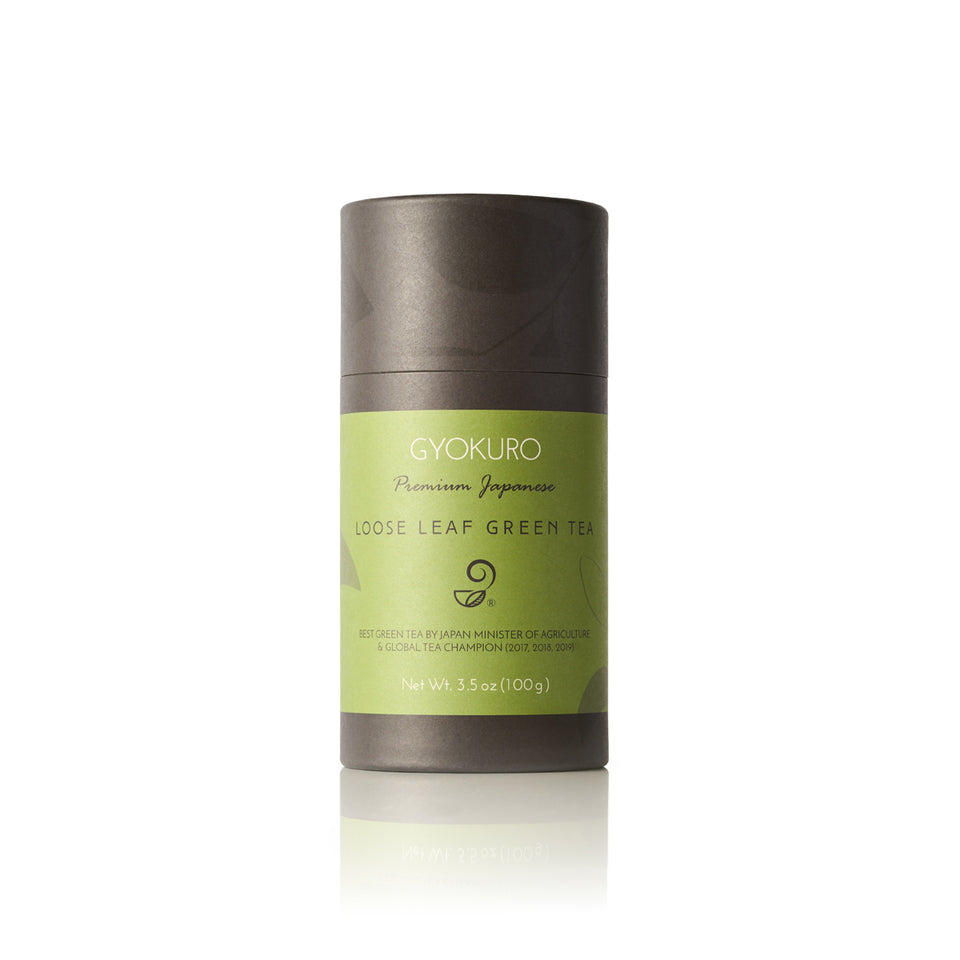
Gyokuro, also known as "jade dew" or "jewel dew tea," is a premium Japanese green tea shaded from the sun for 20 days using specially made mats, a method that boosts caffeine levels and strengthens amino acids to create a sweeter, richer flavor. This extended shading process results in dark, mossy green leaves with an unmistakable aroma and a complex taste that is layered yet balanced. Cultivated by the Chagusaba method in nutrient-rich sugarcane soil and made from the Yabukita cultivar, this loose-leaf authentic Gyokuro is offered in a high-quality, air-tight paper tube canister (chyazutsu) to preserve its exceptional freshness and flavor. Each 3.5 oz (100g) full-size package steeps 30–40 cups, and a convenient single-serve sample is also available.

8 reviews

The Sencha Lover Gift Set - Premium Japanese Green Tea Set Package
$179.00 $159.99
Quick view

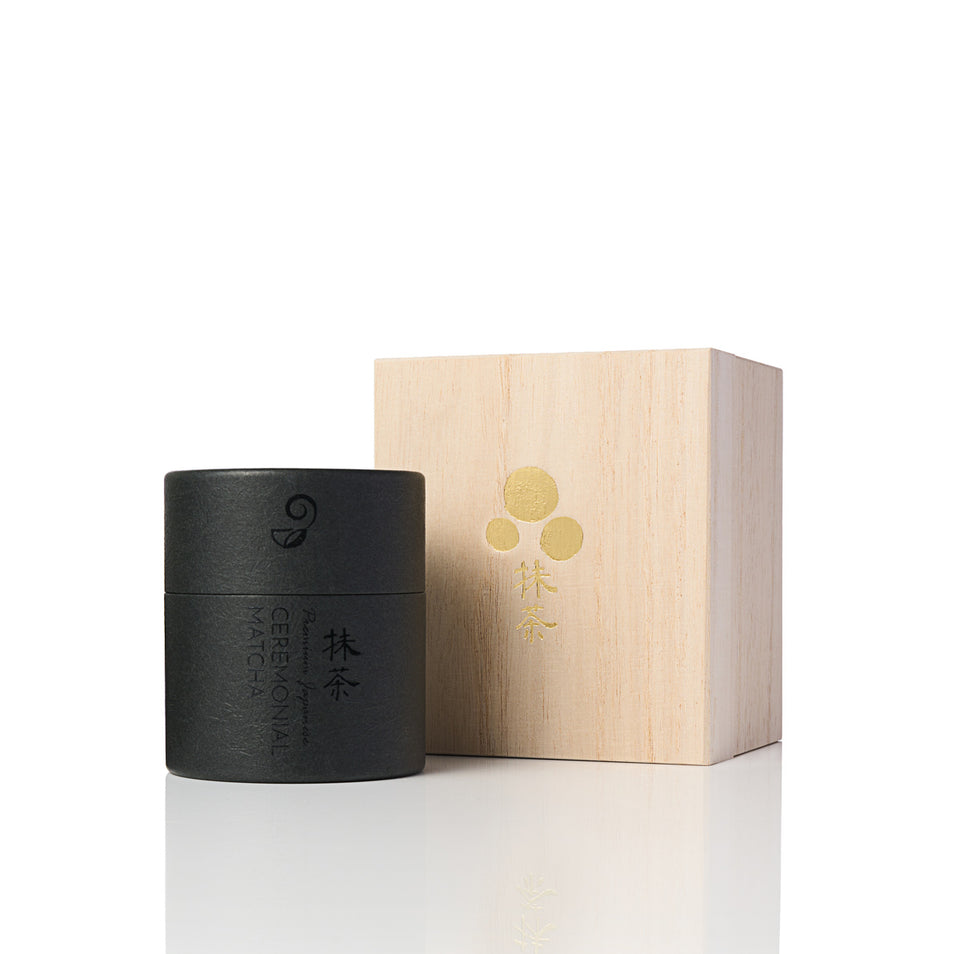
This tea set features three exceptional Japanese green teas, each crafted with care and traditional techniques. Issaku Reserve, a Global Tea Champion winner in 2017 and 2019, is a rare masterpiece created by Farm Master Mr. Arahata at Arahataen Green Tea Farm. Handpicked once a year from the first flush and processed with advanced methods, Issaku represents the highest-grade deep-steamed green tea, available only in limited quantities even in Japan.

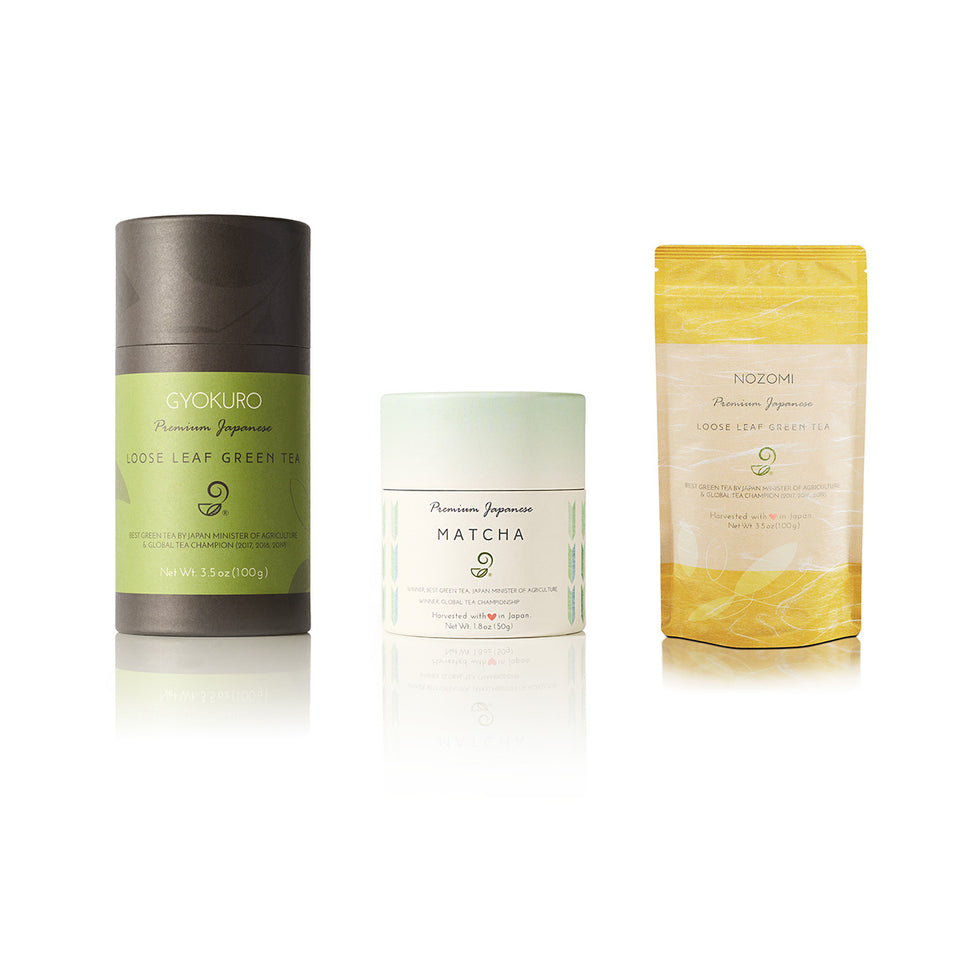
The set also includes Gyokuro, a premium shaded green tea known for its rich, sweet flavor and deep mossy green color. Grown under special mats for 20 days to increase caffeine and amino acid levels, Gyokuro offers a layered, smooth taste unlike any other. Completing the collection is Nozomi, a fine Kabuse-cha, or "Covered Green Tea," carefully grown under nets to gently shade the leaves just before new sprouts emerge, resulting in a soft, rich, and refined flavor profile.

22 reviews

Matcha - Japanese Limited Reserve Ceremonial Green Tea - (Global Tea Champion 2018, 2025)

$300.00
Quick view

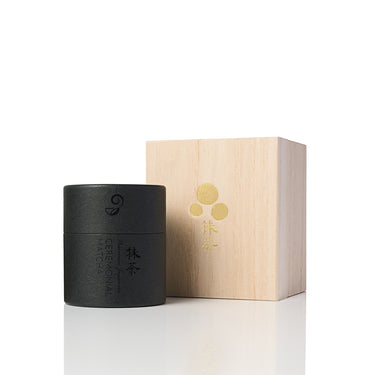
This Premium Ceremonial Grade Matcha is one of the most luxurious matcha teas available, crafted from carefully cultivated Japanese green tea grown in nutrient-rich sugarcane soil using the Chagusaba method. Traditionally reserved for high-end tea ceremonies in Japan and loved by many tea masters, this matcha was once unavailable outside of Japan and is now finally accessible to U.S. consumers. Every step of its production, from shading the tea plants to increase caffeine and amino acid levels to the meticulous removal of stems and veins before grinding into a fine powder, is handled with a blend of advanced technology and time-honored tradition. Made from the Yabukita cultivar, this 30g (1.05 oz) ceremonial matcha offers a vivid color, unforgettable aroma, and the highest standard of flavor, earning recognition as a Global Tea Champion in 2018 and 2025.

4 reviews

The Covered Trio Gift Set - Ceremonial Matcha, Gyokuro, and Nozomi Japanese Green Tea Set Package

$143.00 $128.00
Quick view

This tea set features three premium Japanese green teas, all cultivated in nutrient-rich sugarcane soil to enhance their flavor and natural sweetness. Gyokuro, a prized shaded green tea, is grown under special mats for 20 days to increase caffeine and amino acid levels, resulting in a rich, sweet taste and deep mossy green color. The set also includes a luxurious matcha, crafted from carefully shaded, hand-processed leaves and renowned for its smooth, aromatic flavor, developed in collaboration with researchers from Shizuoka University to maximize the benefits of the enriched soil. Completing the collection is Nozomi, a fine Kabuse-cha or "Covered Green Tea," where young tea leaves are gently shaded just before sprouting, producing a soft, refined flavor perfect for tea enthusiasts.


Related Articles You May Be Interested

Is Matcha originally invented in China or Japan? - Green Tea Quiz
20 Yummy And Healthy Green Tea Smoothie Recipes
Is Drinking Green Tea with Milk Bad For You? - Green Tea Quiz
Matcha vs Sencha (Loose-leaf) Green Tea: What Are the Differences?
Our Matcha Wins the Global Tea Champion 2025 and Video Recaps from the World Tea Expo 2025

Get Free Bonus Books

Join Green Tea Club

Sign up for free to the Green Tea Club to get advice and exclusive articles about how to choose Japanese Tea, and tips, tricks, and recipes for enjoying Japanese tea.

Unsubscribe anytime. It’s free!

About the author

Kei Nishida

Kei Nishida

Author, CEO Dream of Japan

info@japanesegreenteain.com

Certification: PMP, BS in Computer Science

Education: Western Washington University
Kei Nishida is a passionate Japanese green tea connoisseur, writer, and the founder and CEO of Japanese Green Tea Co., a Dream of Japan Company.

Driven by a deep desire to share the rich flavors of his homeland, he established the only company that sources premium tea grown in nutrient-rich sugarcane soil—earning multiple Global Tea Champion awards.

Expanding his mission of introducing Japan’s finest to the world, Kei pioneered the launch of the first-ever Sumiyaki charcoal-roasted coffee through Japanese Coffee Co. He also brought the artistry of traditional Japanese craftsmanship to the global market by making katana-style handmade knives—crafted by a renowned katana maker—available outside Japan for the first time through Japanese Knife Co.

Kei’s journey continues as he uncovers and shares Japan’s hidden treasures with the world.

Learn more about Kei Nishida

Related Posts

Simply Donabe — New Cookbook from TOIRO's Naoko-san Is Out!

Simply Donabe is here! We celebrated TOIRO's Naoko-san's new cookbook at a special dinner at Camélia in DTLA — see our p

Read More
Introducing New Product - Meet Hojicha Powder
Introducing A New Product - Meet Hojicha Powder

Discover the game-changing Hojicha powder your kitchen has been waiting for — richer flavor, easier recipes, and surpris

Read More
Yokohama Peach is offered as a regular menu at Okayama Kobo Cafe!
Yokohama Peach is offered as a regular menu at Okayama Kobo Cafe! + Recap Video of Pop-up on 2/8/2026 at Anaheim, CA

We are excited to announce that our Yokohama Peach is now available on the regular menu at the popular Japanese Bakery,

Read More
Leave a comment

Your email address will not be published..

Cart

Your cart is currently empty.

Start Shopping

Select options