Table of contents
videoid="L99O09p6V-4", cover="https://cdn.shopify.com/s/files/1/1423/7286/files/Super_Mario_and_Japanese_Green_-_Blog_Title_-_No_Text.jpg?v=1769419955"
Download Printable Recipe PDF Now
Have you watched The Super Mario Galaxy Movie, which just came out on April 1, 2026?
On 3/31/2026, the Dodgers' game was giving out Yoshi's Bubble Head, so as a Yoshi fan, I had to go get the Bubble Head and watch the movie on the first day. (too nerdy?)
Unfortunately, we were too late to get the bubble head, but it was fun watching so many people wearing Yoshi at the game.

In time for this, we prepared this Yoshi Matcha Cookie!
What do you think?
Scroll below the recipe, as I had so much fun writing about how Mario and Nintendo cross over matcha culture.
Have some cookies and hope you enjoy reading this (^^).
YOSHI MATCHA COOKIES
Yields: 10 servings
Calories: 179 kcal/serving
Prep time: 20 minutes
Cook time: 13 minutes
INGREDIENTS
Yoshi Matcha Cookies
- 1 ¼ cups all-purpose flour
- ½ teaspoon baking soda
- ½ teaspoon salt
- ½ cup unsalted butter, melted
- ¼ cup granulated sugar
- ¼ cup light brown sugar
- 1 teaspoon vanilla extract
- 1 tablespoon matcha powder, sifted
- 2-4 tablespoons milk
Yoshi Face
INSTRUCTIONS
- In a medium bowl, whisk together the all-purpose flour, baking soda, and salt.
- In a separate bowl, whisk the melted butter, granulated sugar, and brown sugar until well combined.
- Add the sifted matcha and vanilla extract and whisk again.
- Add the dry ingredients to the wet ingredient mix and combine with a spatula. Add 2-4 tbsp of milk if the dough becomes too dry. It should be thick and slightly sticky.
- Preheat the oven to 350°F.
- Roll the dough into small 1-inch balls and coat them in granulated sugar. Slightly flatten and place them on a baking sheet lined with parchment paper. Take a small pinch of dough and roll it into a triangle shape for the spikes. Place three spikes on the side of the cookie.
- Bake the cookies for 10-13 minutes, until cookies are slightly puffy. Allow them to cool before decorating.
- Draw the pupils on the candy eyeballs with the edible marker. Draw the nose and mouth on the matcha cookie with the same edible marker.
- Using a decorating piping bag, pipe the red icing on the spikes and in the mouth. Pipe white icing to cover the area under the mouth and two dots on top of the nose to stick the candy eyeballs. Stick the candy eyeballs on and serve!

Download Printable Recipe PDF Now
NINTENDO AND GREEN TEA
Nintendo’s most famous hero, Super Mario, actually began life in Kyoto (京都), Japan – home to the original Nintendo factory. And you know Kyoto’s Uji (宇治) region is world-renowned as the birthplace of high-quality green tea (緑茶, ryokucha).
In other words, Mario and matcha literally share a hometown!
As we touched on in our earlier article about Kawaii (可愛い) and Japanese green tea, Japan has a special way of blending playfulness with tradition. (Kawaii means cute)
Cute characters, pop culture, and the quiet ritual of tea may seem very different at first, but in Japan, they often come together in ways that feel completely natural.
That same feeling shows up at the Nintendo Museum (ニンテンドーミュージアム) in Uji, which opened on the site of Nintendo’s former Uji Ogura Plant, originally built in 1969. It is a place where gaming history meets local culture—and in a city known for green tea, that combination feels especially fitting.

Nintendo Museum
[Photo: Wikimedia Commons, CC BY-SA 4.0]
NINTENDO MUSEUM AND GREEN TEA
The new Nintendo Museum in Uji (Kyoto) stands on the site of a former Nintendo factory built in 1969, blending gaming history with local culture.
Inside the museum’s Hatena Burger Café, you’ll find Mario-themed decor (brick-wall booths, question-block lamps, etc.) right next to Kyoto-style treats.
Even the menu nods to tradition: there’s a Green Tea Float (matcha float with soft ice cream and warabi-mochi) as a specialty drink.
The matcha in that float comes from Horii Shichimeien (堀井七茗園), a Uji tea shop established in 1879, which means the tea shop is actually ten years older than Nintendo itself (founded 1889).
Hatena Burger Café also serves a soft bread filled with matcha cream — so the tea connection goes beyond just drinks.
Imagine powering up with a Mario burger and ending with a creamy Uji matcha dessert – it’s pop culture and tea ceremony all in one place!
Kyoto’s Nintendo Roots and Uji Tea Heritage
Nintendo was actually founded way back in 1889 — as a handmade playing card company in Kyoto. The Uji Ogura Factory came later, established in 1969 on what is now the site of the Nintendo Museum.
Uji sits just south of Kyoto and has been famous for centuries for green tea production. In fact, Uji is often called the “birthplace of matcha”. (If you haven't, we wrote 10 Must-See Places in Uji, Kyoto for Tea Lovers earlier)
So when Mario was born (in a sense) in Kyoto’s Nintendo workshops, he was already surrounded by tea culture.
Today, visitors to Uji can sip 抹茶 (matcha) at historic tea houses or stroll through tea fields, and also dive into Nintendo’s world at the museum on the same grounds.
It’s a fun coincidence of history – Nintendo innovating cutting-edge games in a town known for time-honored teas.
Japanese green tea itself has deep cultural roots. The contrast is delightful: Mario’s colorful, playful design and kawaii (かわいい) style on one hand, and the serene, earthy tradition of matcha ceremonies on the other.

In fact, thinking of kawaii might bring cute characters to mind, while thinking of Japanese green tea, especially 抹茶, conjures calm tea ceremony scenes.
Super Mario straddles that line – he’s a cheerful icon, but made in Kyoto where age-old tea customs live on.
Today’s Japanese culture loves to blend the two: many teas and sweets come in adorable character packaging, and you’ll even find matcha-flavored snacks adorned with video game motifs.
Kyoto: Where Tea Ceremony and Game Design Share the Same Philosophy
This is the part where I might get a little philosophical — but stay with me, because I think it's actually one of the coolest connections in this whole article.
Nintendo and Japanese green tea both come from Kyoto. We've established that. But the more I think about it, the more I realize it goes deeper than just geography.
Shigeru Miyamoto (宮本 茂) — the man who created Mario, Zelda, Donkey Kong, and Pikmin — grew up in Sonobe (園部), a rural town northwest of Kyoto. As a kid, he spent his time exploring caves, wandering through rice fields, and poking around the countryside. Those childhood adventures in the Kyoto countryside literally became the inspiration for his games. The caves became the dungeons in Zelda. The gardens became the worlds in Pikmin.
And here's where it connects to tea.
Miyamoto's design philosophy can be summed up in one word: simplicity.
He's said over and over that game design is not about adding more — it's about finding the one interesting idea and building around it.
He tells new Nintendo employees: "Game design is not about making a fancier version of the last game you played. It's about looking at the things around you and putting together the aspects that you think would be interesting."
That's basically the philosophy of Japanese tea ceremony (chadō, 茶道) too.
If you've ever watched a tea ceremony, you know it doesn't look like much at first.
Someone whisks matcha in a bowl, turns the bowl, and offers it to a guest. That's it.
But every single movement is intentional.
The temperature of the water, the angle of the whisk, the placement of the bowl, the season's scroll on the wall — everything has been considered. Simplicity on the surface, but incredible depth underneath.
That's exactly how Nintendo designs games.
Mario looks simple — you run and jump. But the timing, the physics, the level design — people have written entire books about why the first level of Super Mario Bros. is one of the most perfectly designed experiences in gaming history.
And the whole game teaches you how to play without ever giving you a tutorial, just through how the world is arranged.
Miyamoto himself said: "The important thing is that it feels good when you're playing it."
There's actually a concept in the tea ceremony called ichigo ichie (一期一会) — it means "one time, one meeting." The idea is that every tea gathering is unique and can never be exactly replicated, so you should be fully present for it. (Check out our video we made about tea ceremony and ichigo ichie here)
I think Nintendo games have that same feeling. Every time you play, the experience is a little different. And the best moments — that first time you discover a secret room in Zelda, or clear a level in Mario by the skin of your teeth — those are ichigo ichie moments. They only happen once, and you remember them forever.
Both tea and Nintendo understand something that sounds simple but is actually really hard to pull off: make something look effortless, but put extraordinary care into every detail.
And both of them started in Kyoto.
Maybe there's something in the water there. (Or the matcha.)


Mario at the Airport: Japan's Unofficial Welcome Ambassador
If you've ever flown into Japan through Narita Airport, you know exactly what I'm talking about.
Right as you step off the plane and walk through the arrival passageway in Terminal 1, there's this huge red wall with Mario holding a sign that says "Welcome to Japan." It's one of the first things you see when you land — and honestly, it puts a smile on your face every time.
 Mario "Welcome to Japan" wall at Narita Airport
Nintendo has had this display up since 2019, and similar ones at Haneda and Kansai airports as well. There are also Nintendo Switch demo stations you can play for free, a Mario and Toad statue for photos, and even gachapon machines with Nintendo keychains.
It's called the "Nintendo Check In," and it's become kind of a landmark for travelers arriving in Japan.

And when you think about it, it makes total sense that Mario is the one greeting you at the airport.
Back at the 2016 Rio Olympics closing ceremony, then-Prime Minister Abe Shinzo appeared on stage — dressed as Super Mario.
It was the official handover moment from Rio to Tokyo for the 2020 Games.
A video played showing Abe running late, then transforming into Mario and jumping into one of those classic green warp pipes to travel from Tokyo's Shibuya Crossing all the way to Rio's Maracanã Stadium. He popped out of the pipe on stage wearing a Mario hat and the crowd went wild.
It was such a big deal that afterward, at international conferences, world leaders would tell Abe: "I saw you dressed as Mario!"
That moment really said it all — Mario isn't just a video game character. He's one of Japan's most recognizable cultural ambassadors to the world.
And the fact that Japan chose Mario (not any athlete, not any politician) to represent the country on the biggest global stage? That tells you everything about how deeply Nintendo is woven into Japanese culture.
And here's what I think is kind of beautiful about it: if you ask someone outside Japan to name two things they associate with the country, there's a good chance they'll say Mario and green tea.
One is colorful, playful, and loud. The other is calm, earthy, and centuries old. But they're both unmistakably Japanese — both born in Kyoto, both loved worldwide, and both waiting for you when you land.
Mario greets you on the wall. And the matcha? That's in the vending machine about 30 seconds later.

Super Nintendo World: The Mushroom Kingdom Comes to Life (Osaka & LA)
If all the Nintendo history and museum talk has you wanting to actually step inside a Mario game — you can.
Super Nintendo World at Universal Studios Japan (USJ) in Osaka opened on March 18, 2021, and it just celebrated its 5th anniversary in March 2026.
It is, without exaggeration, like walking into a video game.
You've got the Mario Kart ride, Yoshi's Adventure, coin blocks you can actually punch, and Kinopio's Cafe (that's Toad's restaurant — "Kinopio" (キノピオ) is Toad's name in Japanese) serving Mario-themed food inside a giant mushroom.
But here's what caught my attention at USJ: over at Yoshi's Snack Island, they sell Yoshi's Hot Apple Tea — served with a Yoshi-themed coffee sleeve.
It's a sweet apple tea with dried strawberry and apple pieces, topped with whipped cream and marshmallows. There's also shell-shaped calzones filled with yakisoba (fried noodles) and cheese. Only in Japan would a Mario-themed snack stand serve yakisoba inside a Koopa shell!
And here's a fun thing to keep in mind if you visit the Osaka park: Uji — the matcha capital we talked about earlier, and where the Nintendo Museum is — is only about 30 minutes from Osaka by train. So you could literally do Super Nintendo World in the morning and be sipping matcha at a 600-year-old tea garden in Uji by the afternoon. That's a pretty incredible day trip.
Super Nintendo World in Hollywood (Right Here in LA!)
For those of us in Southern California, we don't have to fly to Japan — Super Nintendo World opened at Universal Studios Hollywood in February 2023, and it's amazing.

The Hollywood version has its own Toadstool Cafe (the American name for Kinopio's Cafe), a Power-Up Cafe on the Upper Lot with mushroom-shaped calzones and Fire Flower pretzels, and the same Mario Kart: Koopa's Challenge ride.
I have to say — when I visited, the experience was incredible. You really do feel like you're inside the Mushroom Kingdom.
Now, the Hollywood park doesn't serve Japanese tea (it's more calzones and cream sodas here), but honestly? Next time I go, I'm bringing a bottle of our cold brew green tea with me. : )
A matcha in one hand and a Power-Up Band on the other — that's my kind of power-up.
If you've been to either park (Japan or LA),
I'd love to hear about your experience!

Mario Is Everywhere (And So Is Green Tea)
I was walking around LA the other day and spotted something that made me stop: a Mario figure, just casually sitting in the front section of an American Apparel store.

Mario at American Apparel in LA
Not a gaming store. Not a toy shop. A clothing store. And honestly? It didn't even seem out of place.
That's when it hit me — Mario has completely taken over the world.
Think about where Mario is right now, in 2026.

Mario at Venice Festival in LA
The Super Mario Galaxy Movie just came out (I went on opening day — as I mentioned at the top, I'm that kind of nerd). The first Mario movie in 2023 made over $1.3 billion worldwide.
UNIQLO just dropped a whole Mario clothing line.
Lush released a Super Mario Galaxy skin care collection.
There's a 65-tonne Mario sand sculpture in Australia.
There was a Mario balloon in the 2025 Macy's Thanksgiving Day Parade.
The Dodgers are giving out Yoshi Bobble Heads.
We were there on 3/31 — the night before the movie came out. We got there too late for the bobble head (still sad about it!), but the stadium was packed with Yoshi fans and it was such a fun night.
videoid="gwITCYhp0FA"
And earlier this year, Nintendo launched "My Mario" — a product line of wooden toys, board books, and clothes designed for babies and toddlers.
They're getting them young!
The franchise has sold over 950 million games.
In 1990, a survey found that American kids recognized Mario more than Mickey Mouse.
In 2010, Guinness World Records gave him the title "Godfather of Gaming."
He has appeared in over 200 games, two Hollywood movies, theme parks on three continents, and apparently... American Apparel in Los Angeles.
Here's the thing that amazes me, though.
Mario was created in 1981 by a guy from a small town outside Kyoto who spent his childhood exploring caves and rice fields. The character was designed around the limitations of 8-bit pixel art — the mustache was there because you couldn't draw a mouth with so few pixels, the hat was there because hair was too hard to animate, and his red overalls were just to make his arms visible when he moved.
He was originally named "Jumpman" and didn't even have a real name until Nintendo's American office noticed their landlord — a guy named Mario Segale — looked a bit like the character.
[Side Note: And here's the wildest part: do you know that the entire original Super Mario Bros. game was 40kb. :0 Well, get this! My designer scolded me when I reduced an image on my blog too small to 150kb. ]
From those tiny beginnings in Kyoto, he became arguably the most recognizable fictional character on the planet.
And you know what? Green tea has a very similar story.
Matcha started as a regional specialty in Uji, Kyoto — a powdered tea prepared in quiet rooms for a small number of practitioners. For centuries, it stayed mostly in Japan. Most people outside Asia had never heard of it.
Now? Matcha is everywhere. Matcha lattes at every coffee shop. Matcha ice cream. Matcha cookies (hello, Yoshi Matcha Cookies!). Matcha skin care. Matcha everything. It went from Kyoto tea rooms to a global phenomenon — just like Mario went from a Kyoto arcade cabinet to a global icon.
Both started small, in the same corner of Japan. Both were built on simplicity and quality. And both quietly took over the world without anyone really noticing until it had already happened.
So the next time you see Mario staring at you from a store window, or take a sip of your matcha latte, just remember — they're both from Kyoto. They're both Japanese exports that became universal. And if you ask me, they go together a lot better than you'd think.
Grab a matcha, bake some Yoshi cookies, and enjoy the movie. That's a pretty good day. (^^)


FAQs about Super Mario and Japanese Green Tea
Why does the recipe call for matcha specifically, and can I use other green teas?
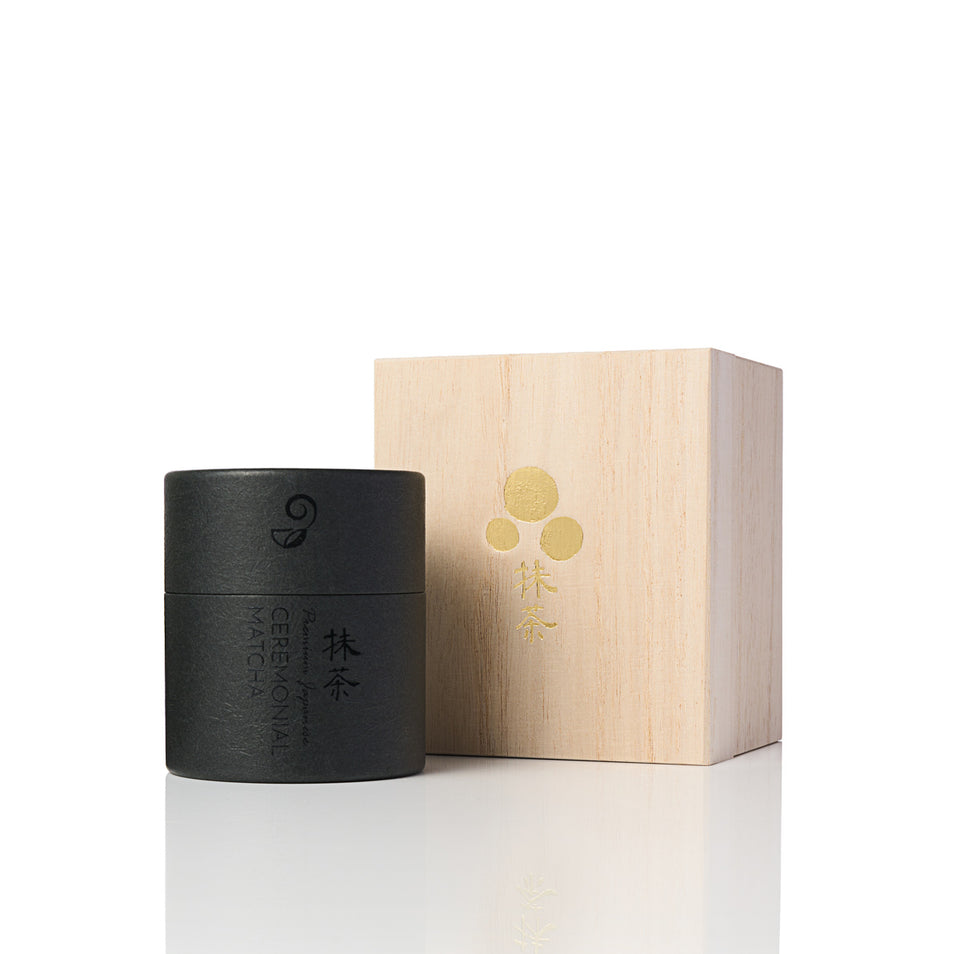
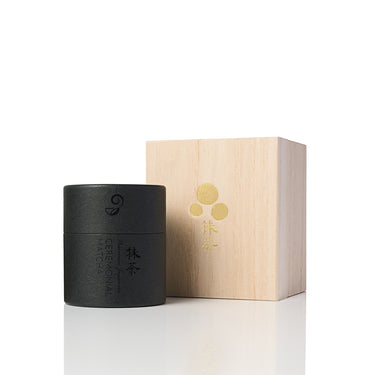 Matcha - Japanese Limited Reserve Ceremonial Green Tea - (Global Tea Champion 2018, 2025)
From $250.00 USD
USD
/
Matcha - Japanese Limited Reserve Ceremonial Green Tea - (Global Tea Champion 2018, 2025)
From $250.00 USD
USD
/
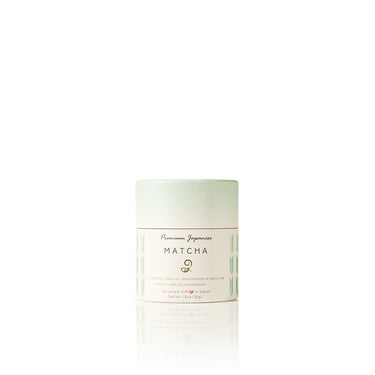
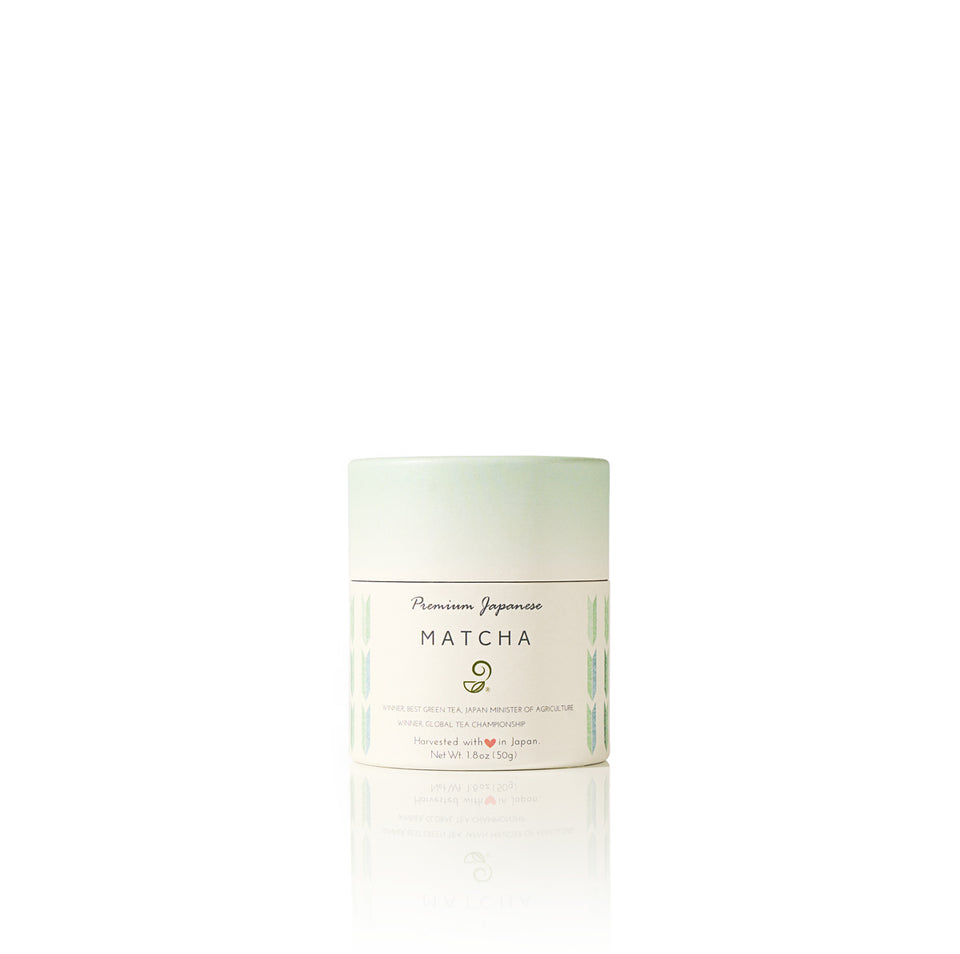
What kind of matcha works best for baking these cookies?
COOK WITH OUR PREMIUM MATCHA TODAY!


10 reviews
$179.00 USD
$159.99 USD
USD
/
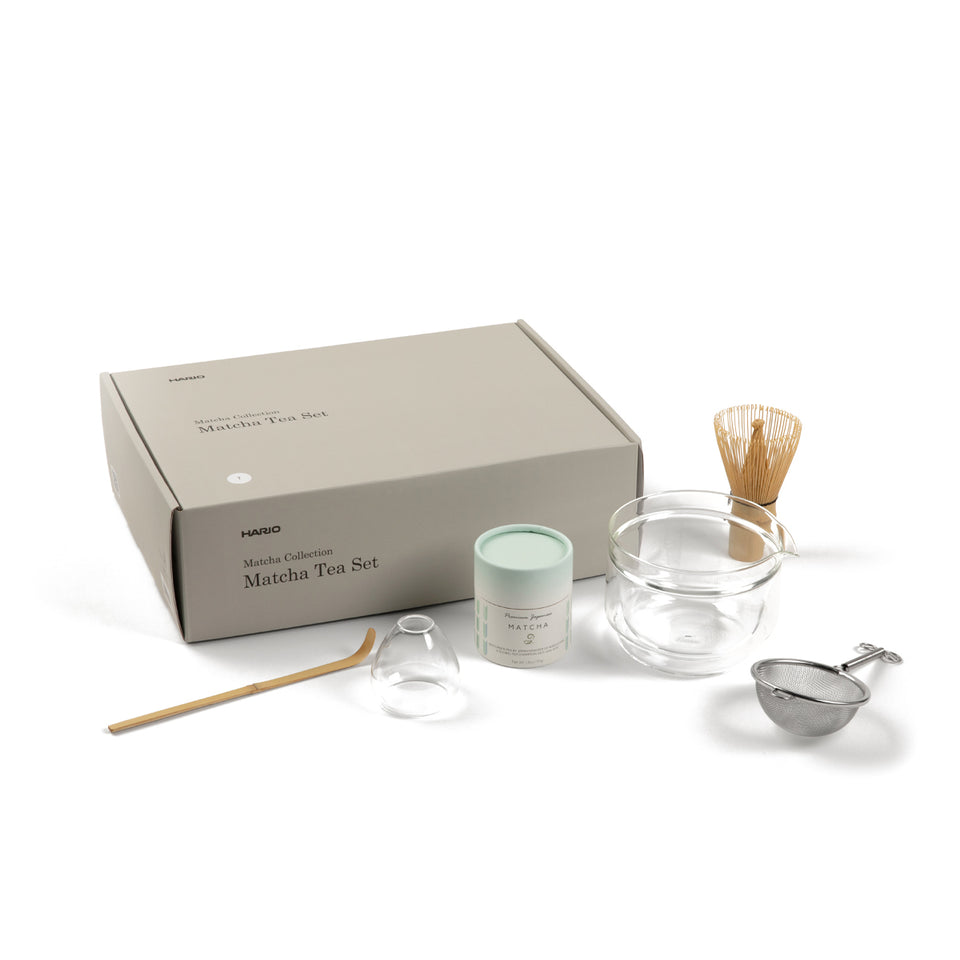
The Sencha Lover Gift Set - Premium Japanese Green Tea Set Package
• Disclosure: I only recommend products I would use myself, and all opinions expressed here are my
own. This post may contain affiliate links that I may earn a small commission at no additional cost to you.
The commission also supports us in producing better content when you buy through our site links.
Thanks for your support.
- Kei and Team at Japanese Green Tea Co.


Get Free Bonus Books

Sign up for free to the Green Tea Club to get advice and exclusive articles about how to choose Japanese Tea, and tips, tricks, and recipes for enjoying Japanese tea.
About the author
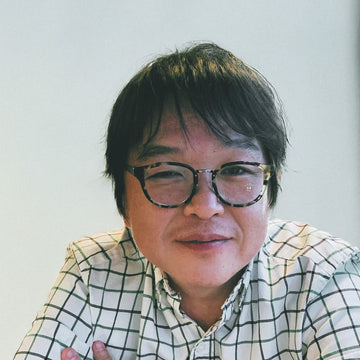
Kei Nishida
Author, CEO Dream of Japan
Certification: PMP, BS in Computer Science
Education: Western Washington University