Skip to content

Is Green Tea a Natural Antihistamine? – Green Tea Quiz

If you have allergies, you may consider starting a green tea drinking habit. Evidence suggests that the healthy brew may also provide relief from allergies. Epigallocatechin gallate (EGCG), a compound in green tea, has been found to be capable of blocking an important cell receptor that contributes to the allergic response.

In past studies, other compounds in green tea also demonstrated anti-allergenic properties, but EGCG seems to be the strongest thus far. This compound is the primary source of various teas health benefits, but green tea has it in higher concentrations. Further research is necessary to establish green tea as an effective source of antihistamines. Still, it’s very promising, and it very likely wouldn’t hurt to get started on a green tea drinking habit now.

Is green tea a traditional allergy remedy?

This is undoubtedly the case. People have always believed green tea to have good stuff that fights off cold and allergy symptoms such as sneezing, coughing, watery eyes, etc. This belief in the therapeutic effect of green tea, once based merely on anecdotal evidence gathered through generations of green tea drinkers, has now been substantiated by scientific evidence.

Japanese Green Tea

Nonetheless, when it comes to being recognized as a legitimate natural antihistamine, green tea still needs further study. For instance, it’s not known yet how much green tea should be ingested for its therapeutic effect to be accessed. Besides this, scientists should also look for other possible anti-allergenic compounds in the tea.

Another possible concentration of study is determining which green tea variety would be most effective. Thus far, a 2013 study has indicated that Benifuuki green tea contains a high amount of methylated catechins and EGCG. In a double-blind clinical trial, study participants who were allergic to Japanese cedar pollinosis drank this green tea. By the eleventh week, when cedar pollen season was at its peak, the participants had demonstrated reduced symptoms.

How do green tea’s anti-allergenic properties work?

EGCG, the most abundant and active antioxidant in it, has already been shown to be capable of fighting allergic reactions in mice. Researchers learned that it works by blocking histamine and immunoglobulin E production. These two compounds in the body are what trigger and sustain allergic reactions.

Studies also show that a methylated form of the antioxidant can block the IgE receptor, which is mainly responsible for an allergic reaction. It brings forth a more potent anti-allergenic response than regular EGCG. This would make methylated EGCG green tea’s strongest anti-allergenic compound.

What other kind of tea is a good antihistamine?

Why look to tea for an allergy solution? Alternative therapies like herbal remedies are often cheaper and kinder to the organs. It’s essential, however, to ensure that you’re not taking anything, mainly medications, with which natural solutions like herbs and teas may interact.

Green tea may be one of the most popular teas with antihistamine properties, but other kinds of tea are also frequently recommended. You can make tea from the following elements:

Stinging Nettle

This is considered a weed, but it is actually a highly medicinal plant, like most weeds. It has antioxidant and anti-inflammatory properties that can help reduce allergy symptoms. Homeopaths are convinced of its efficacy, but scientific researchers have yet to find something more conclusive because, while stinging nettle extract has shown positive effects in a study, the placebo also achieved the same.

Ginger

Known as a popular cooking spice, ginger is said to produce an extract that is just as good as loratadine, an allergy medicine, in improving nasal symptoms associated with allergic rhinitis. What makes it better is that ginger extract has fewer side effects than expected.

green tea with lemon and ginger

Licorice root

This is said to have significant anti-inflammatory properties and is often used to reduce allergy symptoms. Laboratory studies with rodents already showed excellent results in just three days, but studies involving humans still need to be conducted.

Rosemary

A popular culinary herb, rosemary also has excellent antioxidant and anti-inflammatory properties, particularly effective for respiratory issues. In addition, scientific studies actually support the use of rosemary in treating and preventing asthma and allergy attacks.

Turmeric

Again, animal studies showed that this has anti-allergenic properties that block histamine release from mast cells, reducing the subjects’ allergic response. Nonetheless, human research is still necessary to recognize it as a legitimate natural antihistamine.

Final Thoughts

Green tea is reported to be the second-most consumed drink on the planet after water. Researchers are already determining how effective it is in fighting diseases like cancer, cardiovascular ailments, arthritis, and even tooth decay. Different allergies have now been added to the list.

The placebo effect is something to consider, of course, but, thanks to research efforts, green tea’s antihistamine effects can be explained scientifically with proper identification of the responsible components. Further studies are necessary, but many believe it’s only a matter of time before its antihistamine effect can be officially added to green tea’s considerable list of health benefits. You can read about them here.

While drinking green tea is healthy and most people can safely start a daily drinking habit if they choose to, it’s always best to consult your physician if you want to change anything in your diet, especially if you already have a condition. If you’re particularly after something that will help with your allergies, it’s also recommended that you see your doctor for a prescribed treatment option.

FAQs about Green Tea as a Natural Antihistamine

Is green tea actually a natural antihistamine?

Mildly, but with a much weaker effect than benifuuki specifically. Standard green tea (sencha, matcha, hojicha) contains catechins that have some mast-cell-stabilizing activity, but the methylated catechins (EGCG3″Me) responsible for the strongest antihistamine effect are concentrated in the benifuuki cultivar specifically. Generic green tea has trace amounts; benifuuki has 5-10x more.

So the framing matters. Daily green tea consumption may produce modest reduction in baseline histamine response over weeks of intake — but if you have meaningful seasonal allergies or histamine intolerance, benifuuki (べにふうき) is the right tool, not standard green tea.

For people without serious allergy issues who just want general wellness support, daily green tea provides background antihistamine activity alongside other benefits. For people specifically targeting allergy management, the cultivar matters and you'd want benifuuki.

How does green tea compare to OTC antihistamines like Claritin or Zyrtec?

Different mechanisms, different intensities. OTC antihistamines (Claritin, Zyrtec, Allegra) directly block histamine receptors — they're fast-acting, strong, and target acute allergic symptoms. Green tea (and especially benifuuki) works upstream by stabilizing mast cells so they release less histamine in the first place — slower-acting, gentler, and works prophylactically rather than reactively.

Practical: OTC antihistamines remain the right tool for an active allergic reaction or for daily symptom management during severe allergy season. Green tea/benifuuki is the supportive daily-habit layer that may reduce baseline reactivity over months. Combining both produces better outcomes than either alone for serious sufferers.

Don't substitute green tea for OTC antihistamines if you have meaningful allergy symptoms. Use both. Green tea contributes; it doesn't replace.

How long would I need to drink green tea before seeing antihistamine benefits?

4-8 weeks for measurable changes. The mast-cell stabilization effect builds gradually with consistent daily intake — week 1 won't show anything, week 4 might, week 8 typically does for people responsive to the mechanism. Some people don't respond at all; the effect varies by individual histamine biology.

Benifuuki specifically tends to show effects faster than standard green tea — many users report noticeable allergy symptom reduction within 2-3 weeks of daily intake. The higher methylated catechin concentration means the steady-state therapeutic level builds faster.

Track symptoms with a brief daily journal during pollen season. Without tracking, the effect is small enough that day-to-day variation can mask real improvements. Comparing symptom severity at week 1 vs week 6 in writing makes the change visible.

Can I use green tea topically for allergic skin reactions?

Yes, modest help for mild reactions. Cooled green tea applied as a compress to allergic skin (mild itching, contact dermatitis, post-bug-bite swelling) provides anti-inflammatory and mild antihistamine effects topically. The same catechins that help orally also work transdermally.

Used green tea bags refrigerated for 20 minutes then placed on affected skin work as a quick at-home remedy. Brewed strong green tea cooled in the fridge, applied with a cotton ball, also works. The effect is real but mild — useful for minor reactions, not for serious allergic skin events that need prescription antihistamines or steroids.

For chronic conditions like eczema or persistent contact dermatitis, topical green tea can be a daily supportive practice but isn't a treatment. Standard medical care (prescribed creams, allergen identification) does the actual heavy lifting; green tea is supplementary.

What about green tea for food allergies — does it help with histamine intolerance?
More relevant for histamine intolerance than for true food allergies. True food allergies (the IgE-mediated kind that can cause anaphylaxis) are not meaningfully helped by green tea — the response is too acute and severe for tea-strength intervention. Histamine intolerance (sensitivity to high-histamine foods like aged cheese, fermented foods, alcohol) is more responsive because the underlying mechanism (DAO enzyme bottleneck or excess mast cell activity) is the same one mast-cell stabilizers help.

For histamine intolerance specifically, daily benifuuki is the strongest tea-based approach. Some users report being able to expand their food range modestly while on daily benifuuki. The benifuuki teabags form is convenient for daily routine.

True food allergies need the standard medical approach: avoidance, EpiPen for severe reactions, allergist consultation. Tea has nothing to offer at that severity level.

Related products

8 reviews

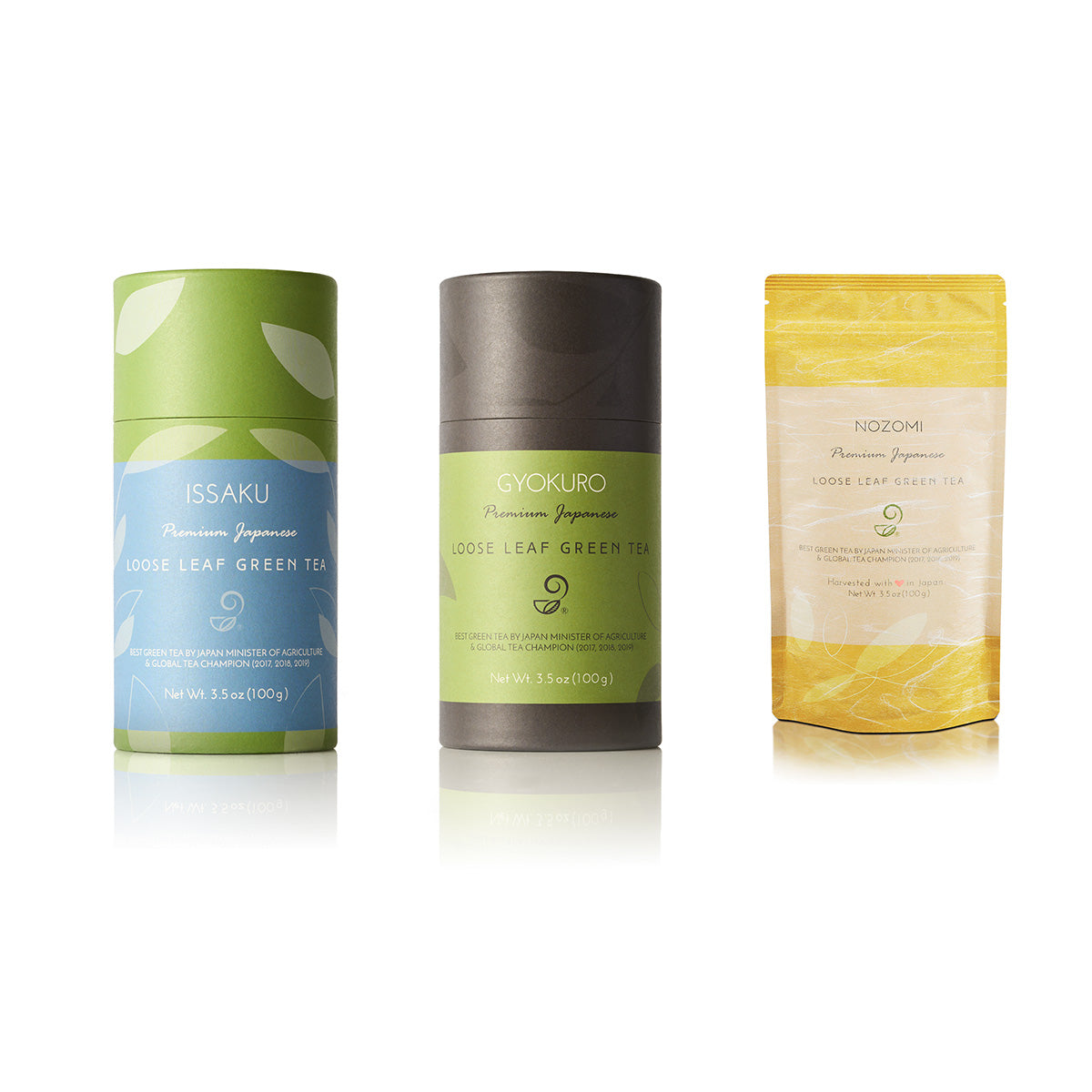
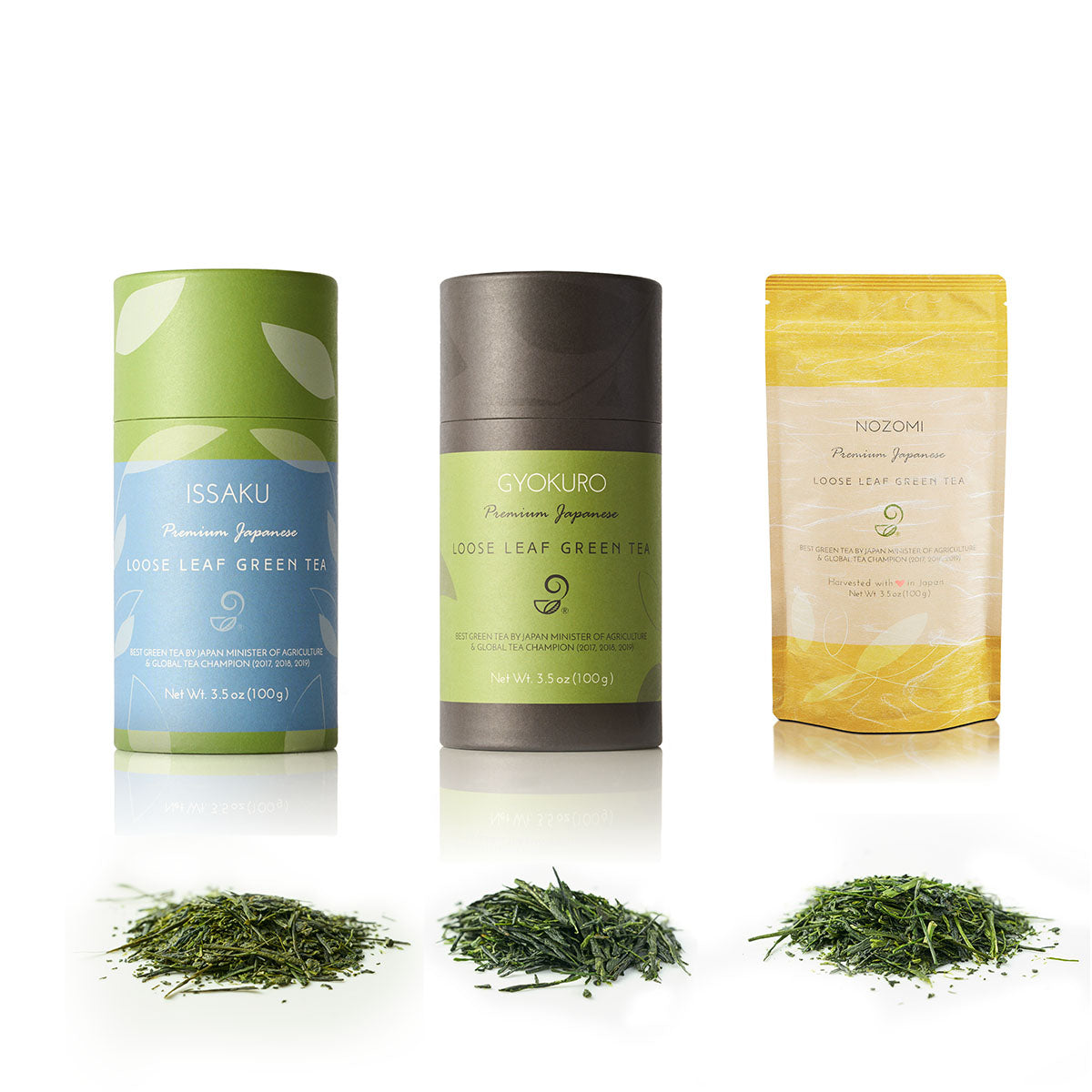
The Sencha Lover Gift Set - Premium Japanese Green Tea Set Package
$179.00 $159.99
Quick view

This tea set features three exceptional Japanese green teas, each crafted with care and traditional techniques. Issaku Reserve, a Global Tea Champion winner in 2017 and 2019, is a rare masterpiece created by Farm Master Mr. Arahata at Arahataen Green Tea Farm. Handpicked once a year from the first flush and processed with advanced methods, Issaku represents the highest-grade deep-steamed green tea, available only in limited quantities even in Japan.

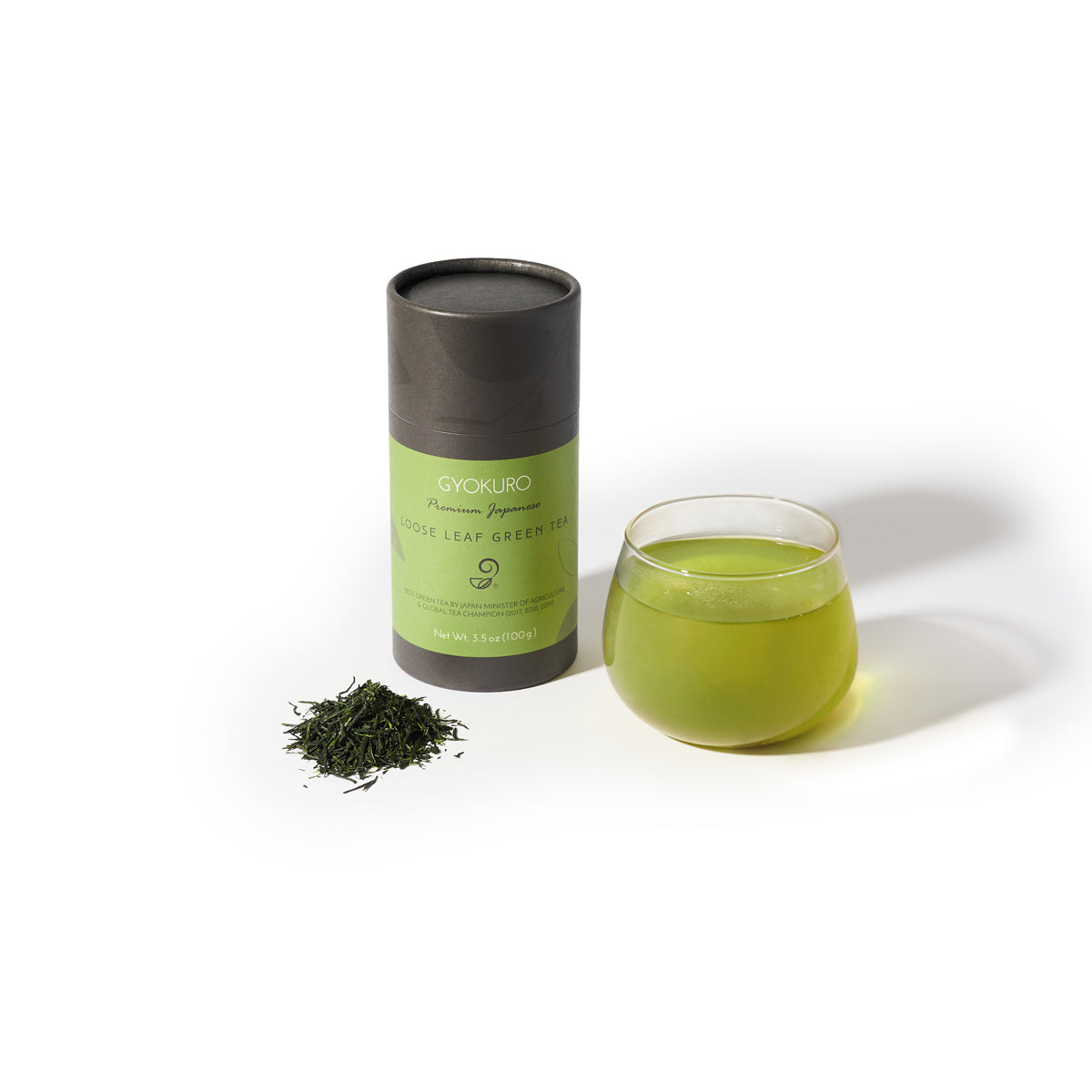
The set also includes Gyokuro, a premium shaded green tea known for its rich, sweet flavor and deep mossy green color. Grown under special mats for 20 days to increase caffeine and amino acid levels, Gyokuro offers a layered, smooth taste unlike any other. Completing the collection is Nozomi, a fine Kabuse-cha, or "Covered Green Tea," carefully grown under nets to gently shade the leaves just before new sprouts emerge, resulting in a soft, rich, and refined flavor profile.

97 reviews

Gyokuro - Shaded Imperial Premium Green Tea

$65.00
Quick view

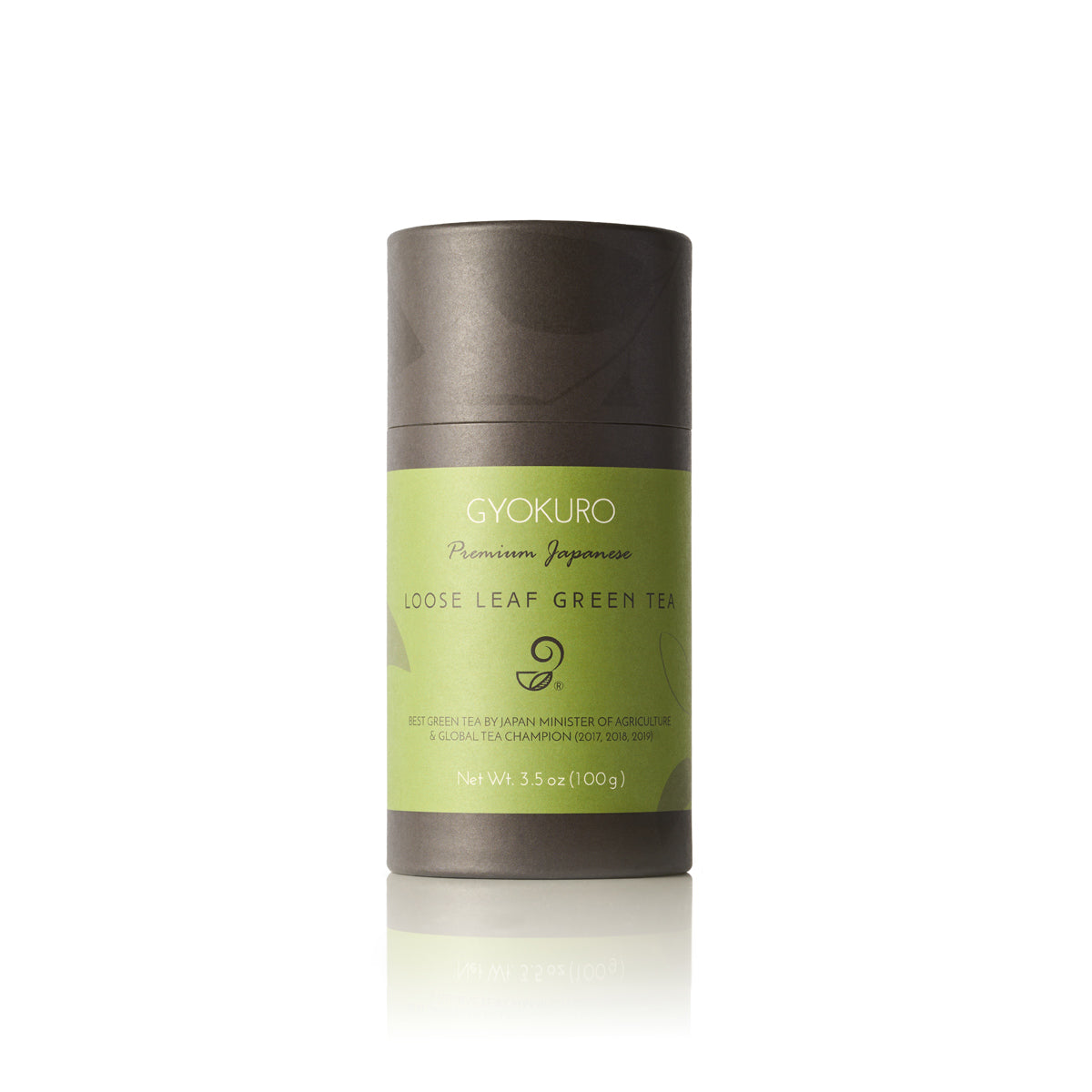
Gyokuro, also known as "jade dew" or "jewel dew tea," is a premium Japanese green tea shaded from the sun for 20 days using specially made mats, a method that boosts caffeine levels and strengthens amino acids to create a sweeter, richer flavor. This extended shading process results in dark, mossy green leaves with an unmistakable aroma and a complex taste that is layered yet balanced. Cultivated by the Chagusaba method in nutrient-rich sugarcane soil and made from the Yabukita cultivar, this loose-leaf authentic Gyokuro is offered in a high-quality, air-tight paper tube canister (chyazutsu) to preserve its exceptional freshness and flavor. Each 3.5 oz (100g) full-size package steeps 30–40 cups, and a convenient single-serve sample is also available.

45 reviews

Hojicha - Roasted Green Tea

$25.00
Quick view

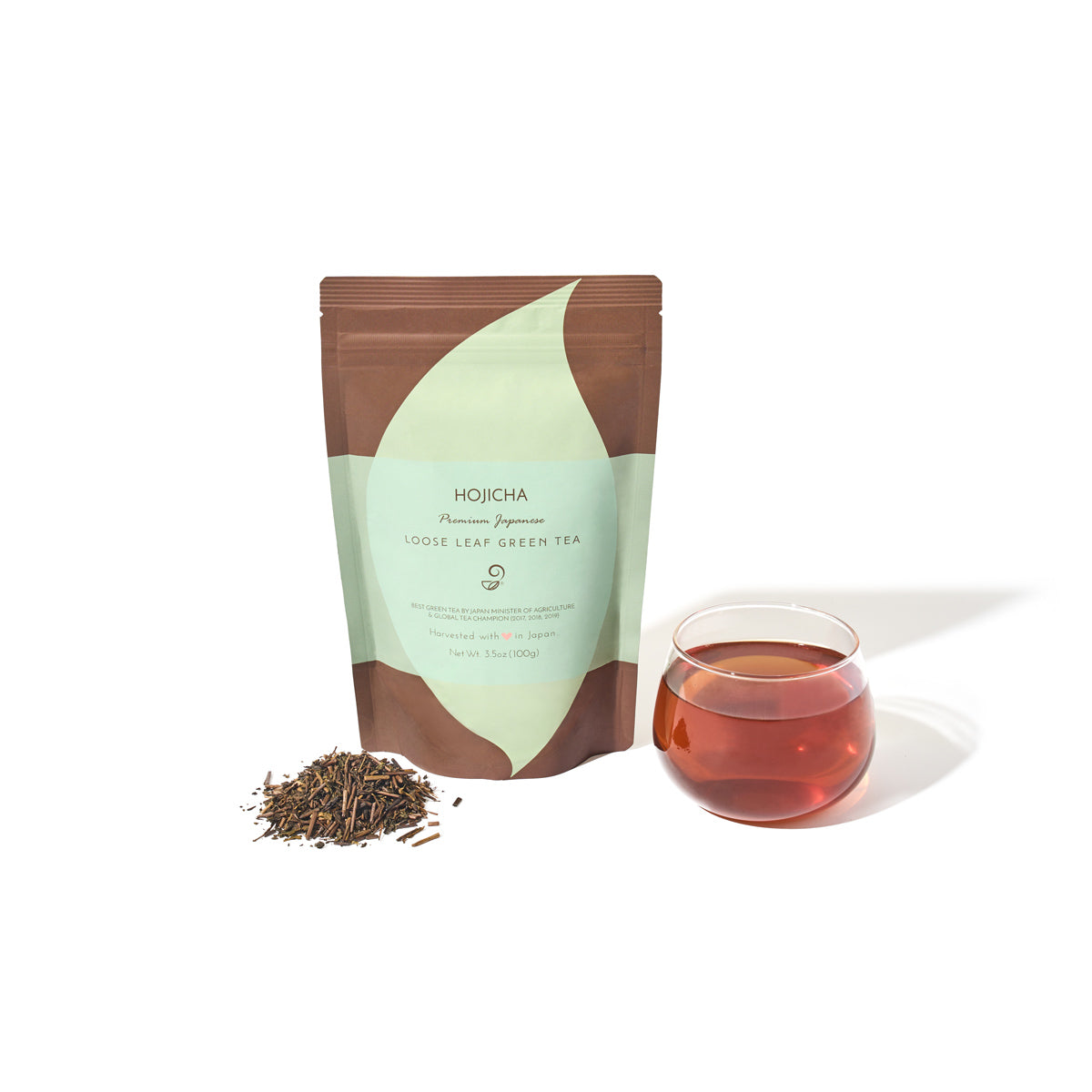
Our roasted green tea, known as hojicha (ほうじ茶), is crafted from freshly harvested premium green tea carefully roasted in porcelain over charcoal to maximize flavor while retaining more catechins than typical hojicha on the market. With lower caffeine and a smoother, less bitter taste compared to steamed green tea, it is an ideal choice for evening relaxation and is gentle enough for kids and pregnant women. Cultivated using the Chagusaba method in nutrient-rich sugarcane soil, this loose-leaf authentic Japanese roasted green tea, made from the Yabukita cultivar, also pairs beautifully with oily foods. Each eco-friendly resealable package contains 3.5 oz (100g) of tea, enough to steep 30–40 comforting cups.

80 reviews

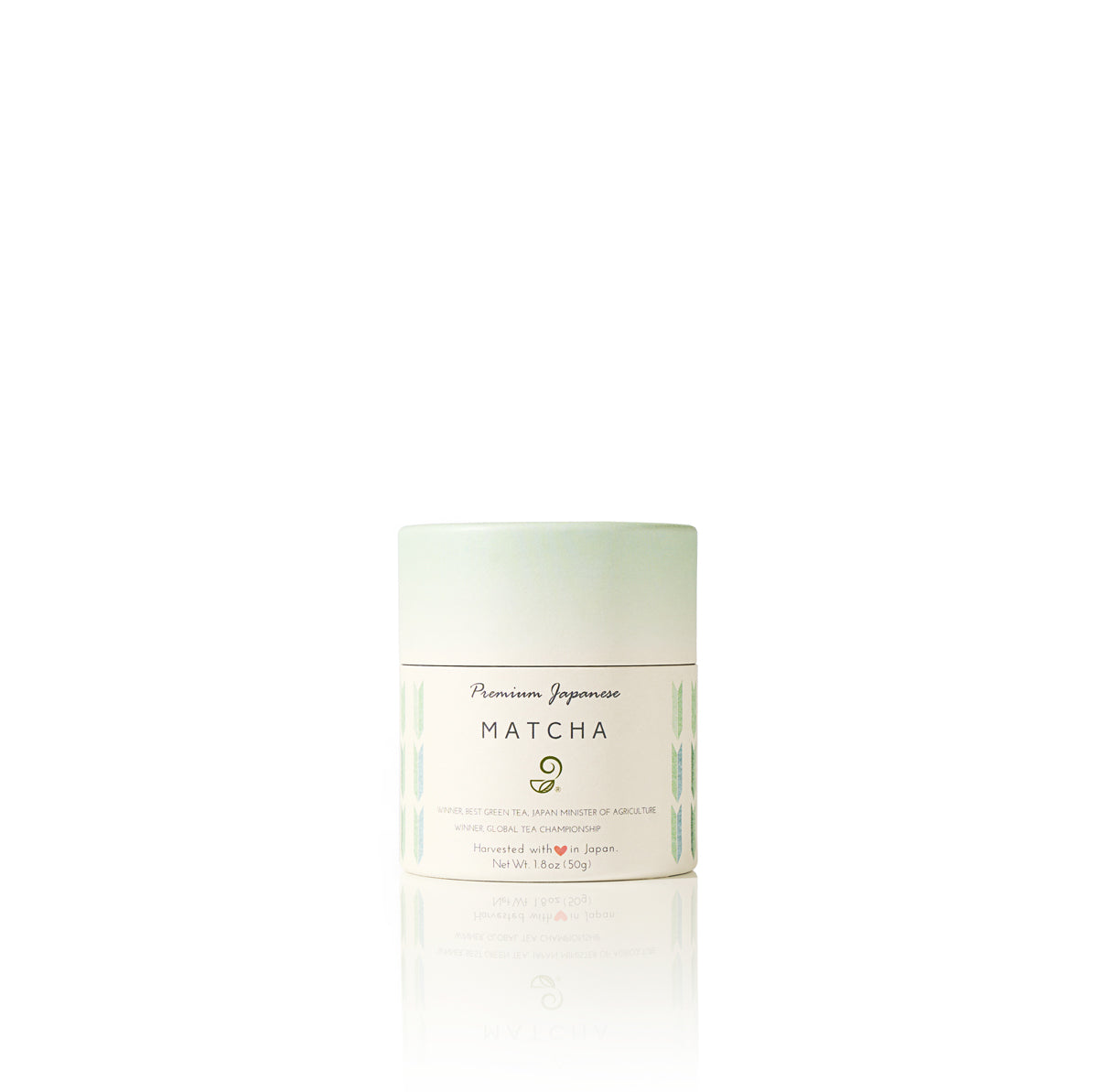
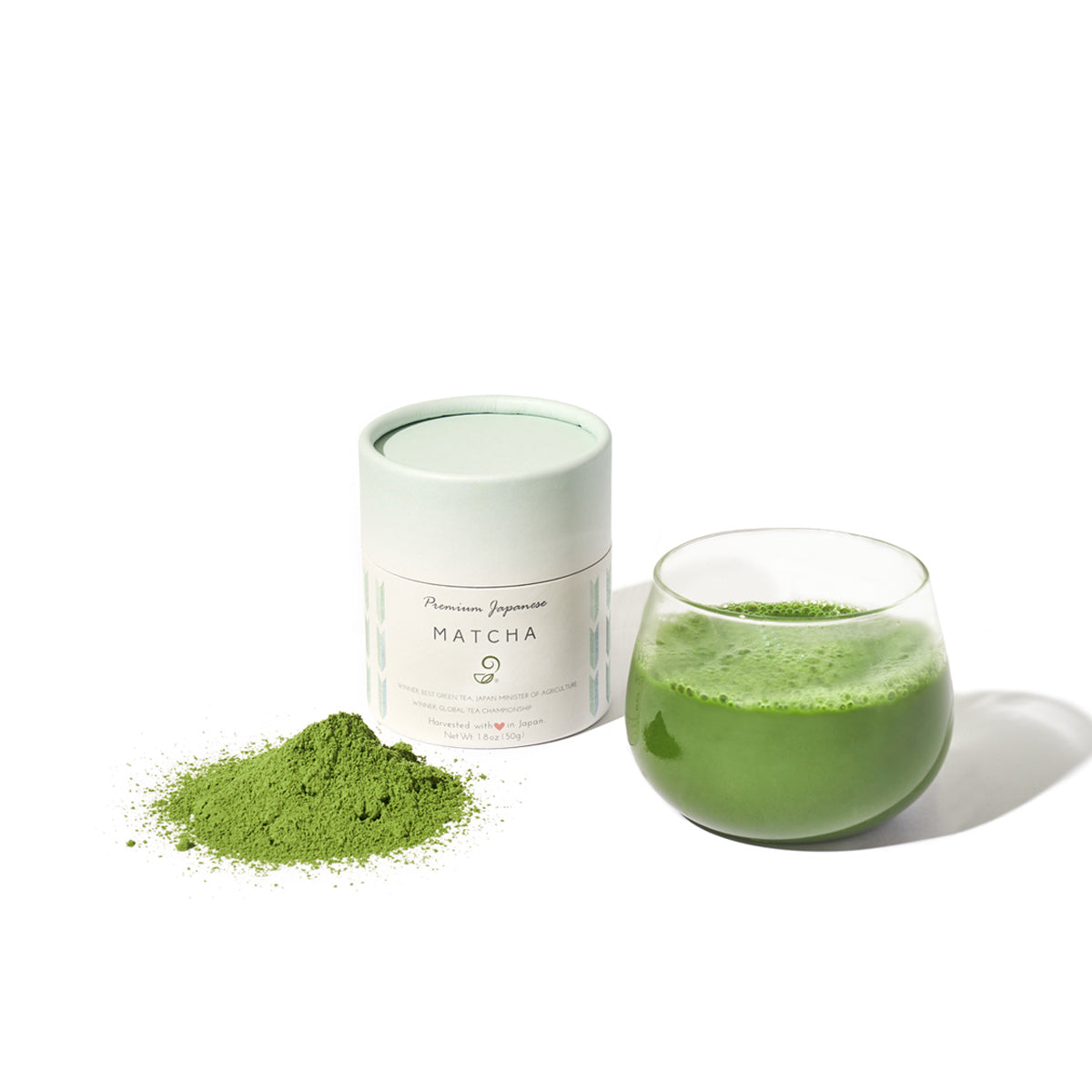
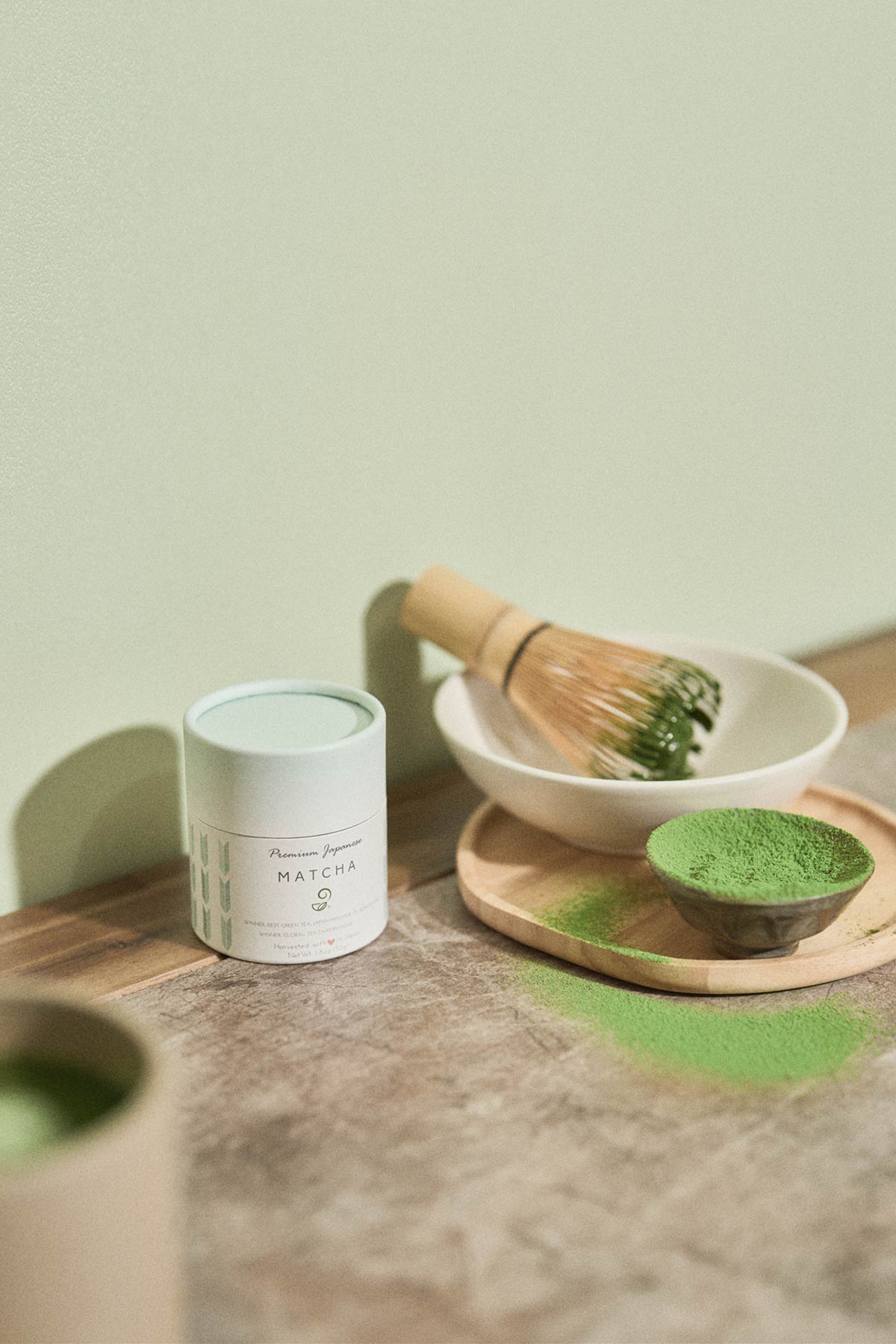
Matcha - Ceremonial Japanese Powdered Green Tea

$39.00
Quick view

This ceremonial matcha is crafted from the finest Japanese green tea, grown in nutrient-rich soil enhanced with compostable grasses and sugarcane through the Chagusaba method, which gives the tea a natural sweetness and exceptional flavor. In collaboration with researchers from Shizuoka University, farmers ensure that the soil quality consistently produces tea of the highest standard.

Renowned among top Japanese chefs for its unmatched aroma, this matcha is made by carefully shading the plants before harvest to boost caffeine and amino acids, then meticulously drying, de-stemming, and grinding the leaves into a fine powder. Made from the Yabukita cultivar, this 1.8 oz (50g) matcha comes in a high-quality, air-tight paper tube canister, providing a luxurious and authentic Japanese tea experience.

42 reviews

Genmaicha - Green Tea with Roasted Brown Rice

$30.00
Quick view

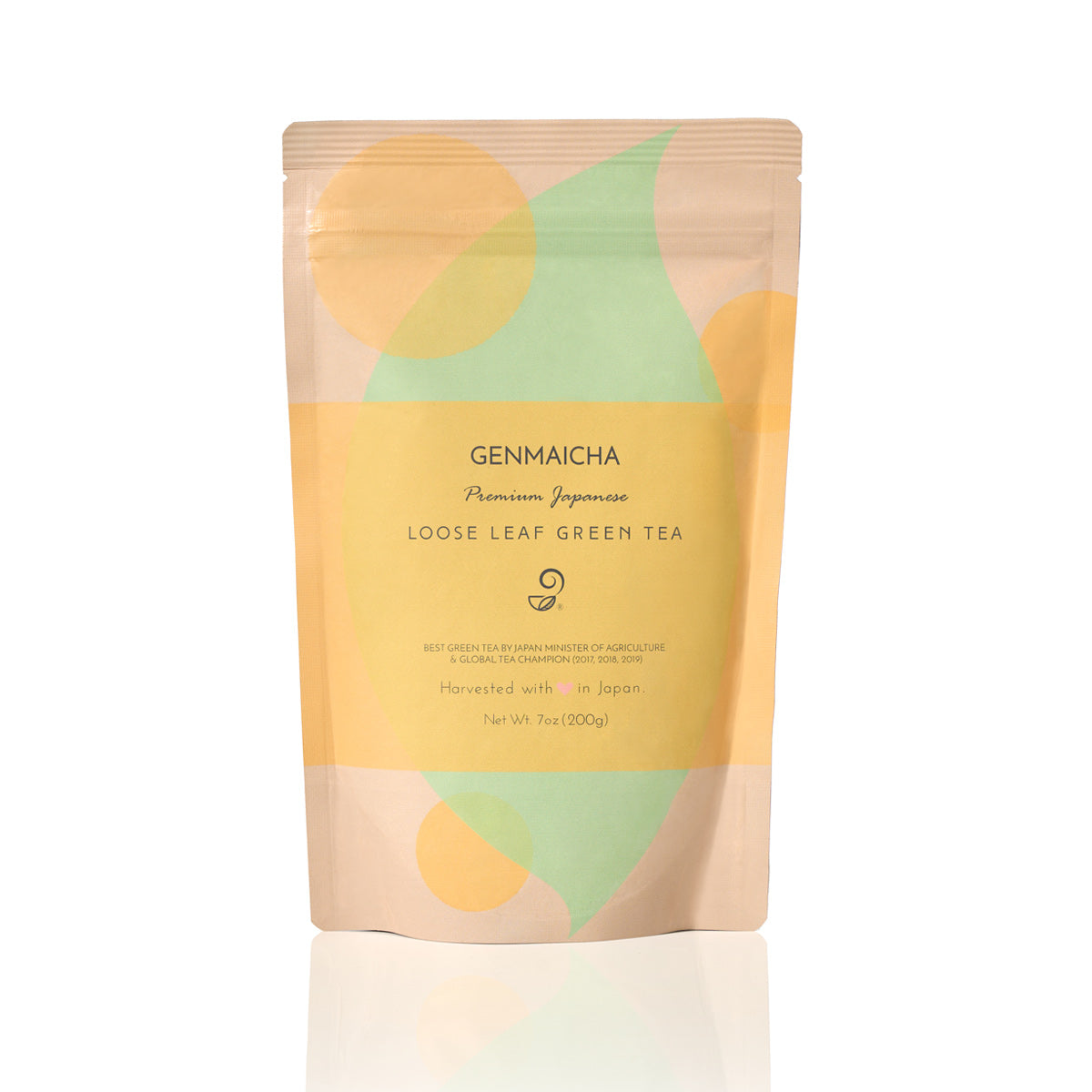
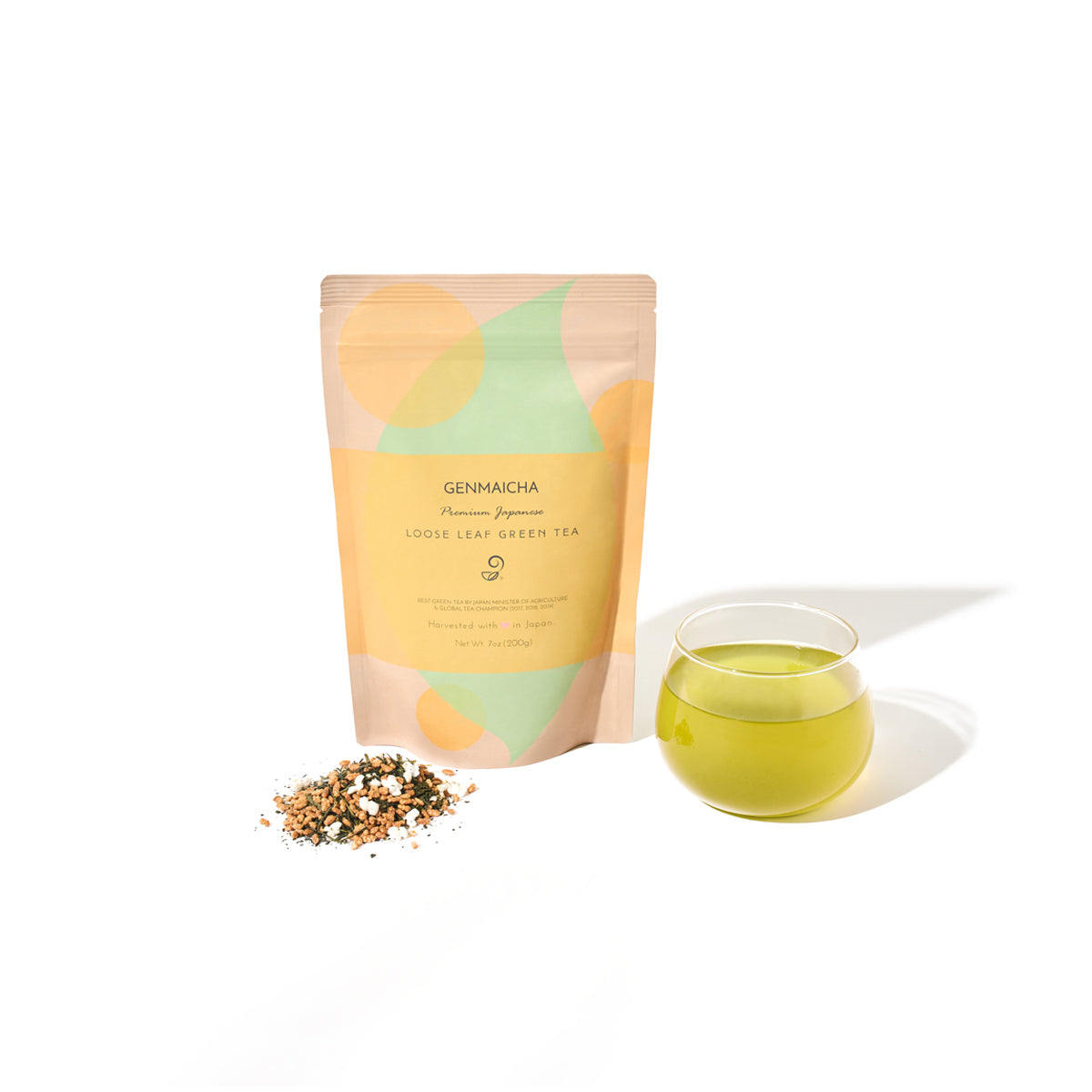
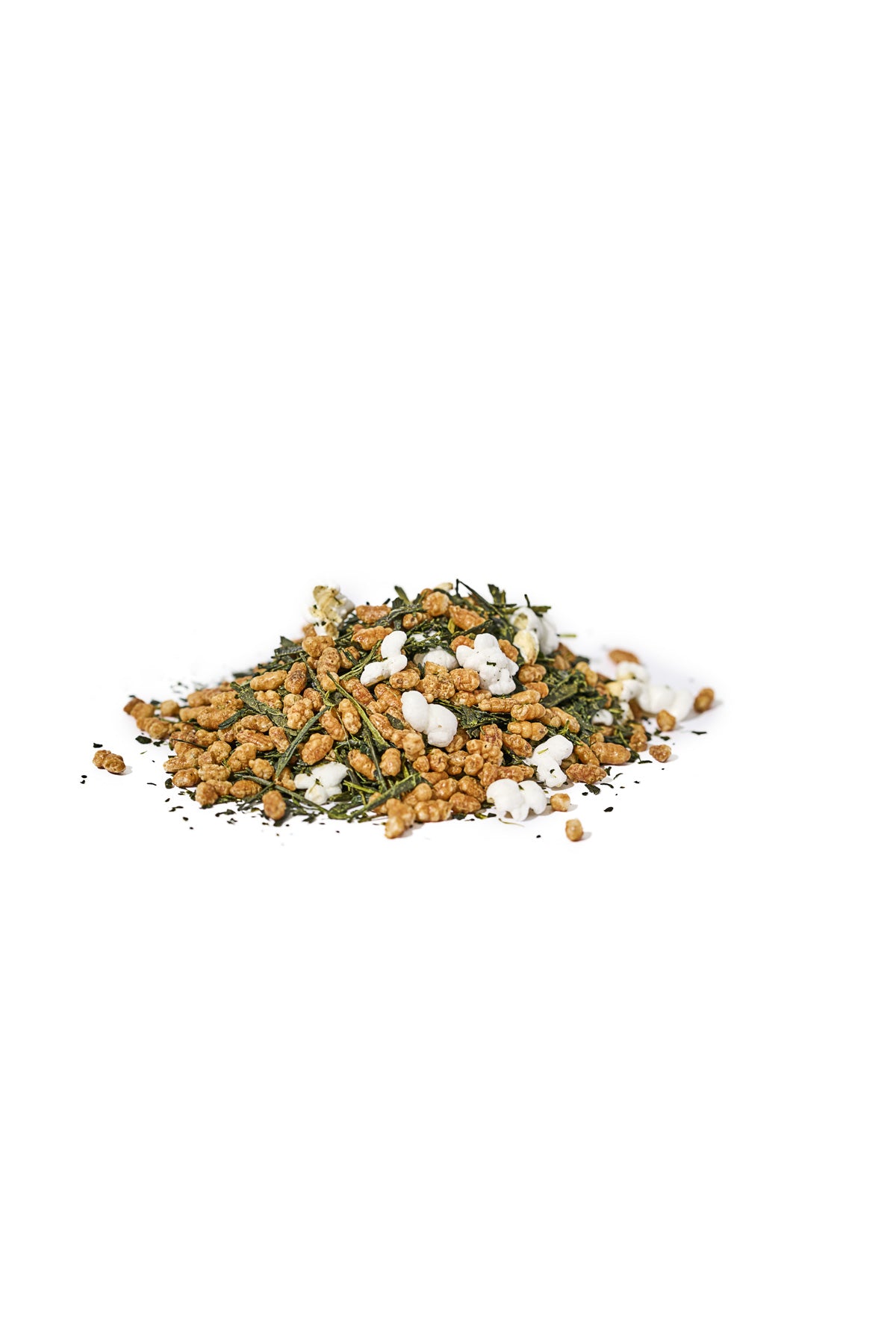
Our premium Japanese Genmaicha blends high-quality green tea with roasted popped brown rice (genmai 玄米), often nicknamed "popcorn tea" because the roasting process sounds like popcorn popping. Popular especially among the older generation in Japan for its mild flavor and lower caffeine content, this tea is easier on the stomach while still offering a rich, comforting taste. The brown rice used is premium Japanese mochi-gome (もち米) sticky rice, enhancing the tea’s nutty, aromatic profile. Made from Fukamushi Sencha and cultivated using the Chagusaba method in nutrient-rich sugarcane soil, this Genmaicha features the Yabukita cultivar and comes in a 7.0 oz (200g) eco-friendly resealable package, enough to steep 50–60 cups.


Related Articles You May Be Interested

Can Green Tea Ease OCD Symptoms?
The Power of Benifuuki Green Tea for Allergies & More
Benifuuki Japanese Green Tea Naturally Heals MCAD (Mast Cell Activation Syndrome)
Tea for Allergies?! What is Benifuki Tea? - ChaCha's GreenTea Room Video
Why Is Green Tea Good For Your Immune System?
What is Benifuki Tea? Explained in One Minute

Get Free Bonus Books

Join Green Tea Club

Sign up for free to the Green Tea Club to get advice and exclusive articles about how to choose Japanese Tea, and tips, tricks, and recipes for enjoying Japanese tea.

Unsubscribe anytime. It’s free!

About the author

Kei Nishida

Kei Nishida

Author, CEO Dream of Japan

info@japanesegreenteain.com

Certification: PMP, BS in Computer Science

Education: Western Washington University

Kei Nishida is a passionate Japanese green tea connoisseur, writer, and the founder and CEO of Japanese Green Tea Co., a Dream of Japan Company.

Driven by a deep desire to share the rich flavors of his homeland, he established the only company that sources premium tea grown in nutrient-rich sugarcane soil—earning multiple Global Tea Champion awards.

Expanding his mission of introducing Japan’s finest to the world, Kei pioneered the launch of the first-ever Sumiyaki charcoal-roasted coffee through Japanese Coffee Co. He also brought the artistry of traditional Japanese craftsmanship to the global market by making katana-style handmade knives—crafted by a renowned katana maker—available outside Japan for the first time through Japanese Knife Co.

Kei’s journey continues as he uncovers and shares Japan’s hidden treasures with the world.

Learn more about Kei Nishida

Related Posts

Introducing New Product - Meet Hojicha Powder
Introducing A New Product - Meet Hojicha Powder

Discover the game-changing Hojicha powder your kitchen has been waiting for — richer flavor, easier recipes, and surpris

Read More
Yokohama Peach is offered as a regular menu at Okayama Kobo Cafe!
Yokohama Peach is offered as a regular menu at Okayama Kobo Cafe! + Recap Video of Pop-up on 2/8/2026 at Anaheim, CA

We are excited to announce that our Yokohama Peach is now available on the regular menu at the popular Japanese Bakery,

Read More
The Story Behind Our Booth Backdrop: Craftsmanship, Engineering, and Sacred Wood
Behind the Scenes – How We Made the Event Booth & Backdrop Using Sacred Wood

Discover how our one-of-a-kind event booth came to life—from Japanese Kōshi (格子) design and rare Port Orford Cedar to mo

Read More
Leave a comment

Your email address will not be published..

Cart

Your cart is currently empty.

Start Shopping

Select options