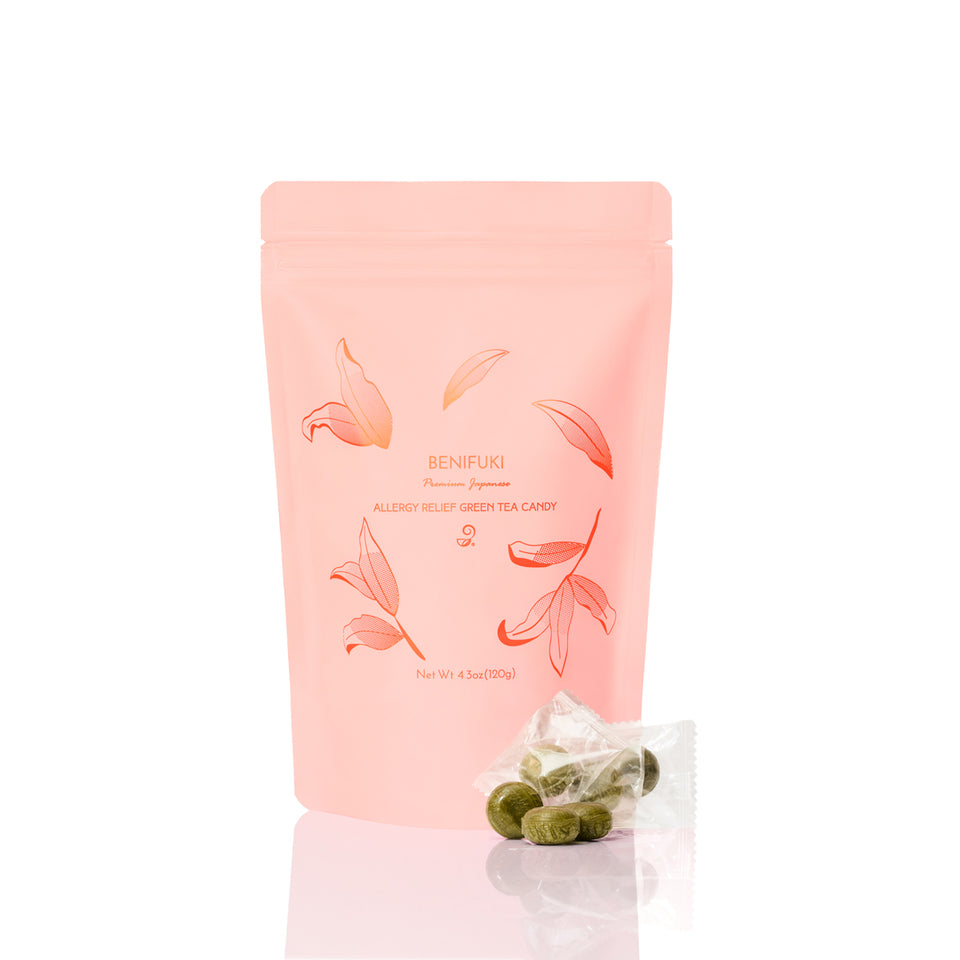
We are happy to introduce a new package for our popular Benifuki Allergy Relief Candy. The candy inside is the same as what has been loved by you and other customers for years. It is just the package that we renewed.
Isn't this cute? What do you think?

Why did we use pink in the package, even though the tea is green in color?
Benifuki is a cultivar named by researchers at the National Institute of Vegetable and Tea Science (NIVTS) (日本の農業・食品産業技術総合研究機構(現在の名称)に属する野菜茶業研究所) when they registered the cultivar in 1993.
Benifuki is written 紅富貴 in Japanese kanji. The first character means red. (The second character, "富," means wealth or richness, and "貴" signifies honor, nobility, or preciousness.)
The name refers to the distinct characteristics of the Benifuuki cultivar. It's known for its reddish young leaves, which influenced the "Beni" part of the name, symbolizing the unique coloration of the leaves. The "Fuki" part connects it to its lineage and suggests that it is a variation or improvement upon the existing, well-established Yabukita cultivar. (You can read more about Yabukita cultivar here)
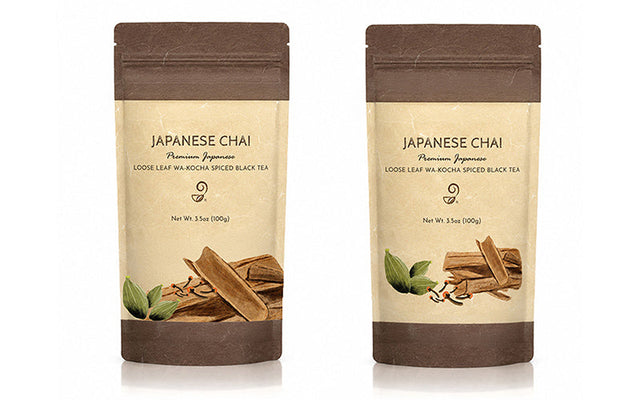
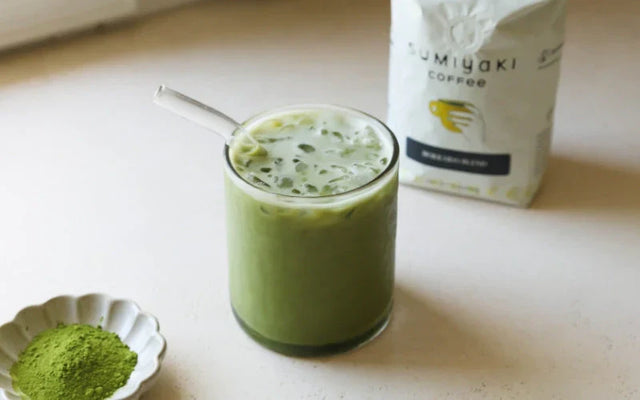
Some more images of the New Packages
Here are some more images of our new packages. I hope you like them!
FAQs about Our Benifuki Allergy Relief Candy
What is benifuki (べにふうき) tea, and what makes it special?
Benifuki (べにふうき) is a specific cultivar of Japanese tea that was originally developed in the 1960s as a candidate for black tea production. It turned out to be unusually high in methylated catechins — specifically EGCG3''Me, which is much rarer than the regular EGCG found in most green teas. That methylated catechin is what gives benifuki its reputation as an allergy-relief tea.
Methylated catechins survive digestion better than regular catechins, meaning more of the compound actually reaches your bloodstream after you drink it. Several Japanese clinical studies in the early 2000s showed measurable improvement in seasonal allergy symptoms (sneezing, itchy eyes, runny nose) when participants drank benifuki daily during pollen season.
The taste is distinctive — slightly more astringent than a typical sencha (煎茶), with a clean herbal finish. Some people drink it for the flavor alone. Most people drink it because it actually works for hay fever and similar mild allergies.
How does benifuki actually help with allergies?
The active compound is methylated catechin (EGCG3''Me). When you have a seasonal allergy reaction, your body releases histamine, which causes the familiar symptoms — sneezing, itchy eyes, congestion. Methylated catechin appears to inhibit the release of histamine and the inflammation cascade that follows.
In the Japanese trials, participants drank benifuki tea (or took a benifuki extract) starting a few weeks before their typical allergy season, and continued daily through the season. Most reported a noticeable reduction in symptoms compared to placebo. The effect isn't as dramatic as a strong antihistamine medication, but it's real and consistent.
Worth knowing: benifuki works best as a preventive habit rather than as a same-day rescue. Drink it daily for two to three weeks before pollen kicks in, and you'll get the most benefit. Once you're already sneezing, it'll still help, but the effect is more gradual.
What's new about the package design for the benifuki allergy relief candy?
The new package was redesigned to make the product more accessible to non-Japanese readers and to better signal what's actually inside. The previous package was visually beautiful but didn't communicate quickly that this is allergy-relief candy with benifuki tea built in. The new version keeps the Japanese aesthetic but adds clearer English-language messaging on the front about the function.
It also has a more durable structure — the candy itself is a soft lozenge with concentrated benifuki extract, and the previous packaging let in a bit of moisture during humid summer months, which softened the candies before they were eaten. The new package has a better moisture barrier.
Same product, same recipe inside. Just easier to understand at a glance and better protected for travel.
How is the candy different from drinking benifuki tea directly?
The candy is essentially a concentrated, portable, drinkable-anywhere version. One candy contains roughly the active methylated catechin content of a strong cup of benifuki tea, but you can carry a tin in your bag and pop one when you're at a desk, in a meeting, on a plane — anywhere brewing tea isn't practical.
The flavor is also smoother. Benifuki tea, brewed strong enough to be effective, can be quite astringent and not everyone enjoys the taste. The candy uses honey and natural sweeteners to round off the bitterness, so it tastes more like a slightly herbal lozenge than concentrated green tea.
The trade-off is it's slightly more expensive per serving than home-brewed tea. If you have the time and inclination to brew benifuki daily during allergy season, that's still the most economical path. If you don't, the candy is a real-world friendly alternative.
Can kids take the benifuki allergy relief candy?
Generally yes, though it depends on the child's age and whether they have any sensitivity to caffeine. Benifuki contains caffeine — less than coffee, but more than negligible — so for very young children (under 6 or so) we'd hold off, the same way you'd hold off on giving them green tea. For school-age kids and older, the dose in one candy is small enough that most parents are comfortable with it.
Honestly, talk to your pediatrician if your child has chronic allergies and you're considering benifuki as part of their routine. There aren't a lot of clinical studies specifically on children, so most of the published research is on adults.
If your child enjoys the candy and has noticeable allergy symptoms during pollen season, one or two candies a day is a reasonable starting point. Watch for any unusual reactions (most kids tolerate it well, but every kid is different).
Buy Benifuki Products
Benifuuki - Allergy Relief Japanese Green Tea Candy (30 Candies)
Benifuuki green tea is well-known in Japan for its natural allergy-relief benefits, helping with seasonal allergies, cedar allergies, hay fever, and even Mast Cell Activation Syndrome (MCAD). Rich in Methylated Catechins, a potent form of EGCG, it works to inhibit mast cell responses and ease allergy symptoms.
This premium candy, made from Benifuuki tea and menthol, offers a convenient, low-calorie way to enjoy these benefits on the go. Thanks to a special soil cultivation method developed by the Arahataen research team, the candy preserves the tea’s smooth, aromatic flavor while maintaining its powerful health properties. Each piece is individually wrapped for easy use.
Benifuuki - Allergy Relief Japanese Green Tea Bags (30 tea bags)
Benifuuki green tea is highly regarded in Japan for its natural allergy-relief properties, helping with seasonal allergies, cedar allergies, hay fever, and even Mast Cell Activation Syndrome (MCAD). It is rich in Methylated Catechins, a potent form of EGCG that supports the inhibition of mast cell responses and reduces allergy symptoms.
This convenient teabag version uses an eco-friendly pyramid sachet and is made from authentic Japanese green tea cultivated by the Chagusaba method in nutrient-rich sugarcane soil. Featuring the Benifuki cultivar, each resealable aluminum package contains 30 tea bags, with each bag holding 3g of tea for a total of 90g (3.2 oz). A powder and candy version are also available.
Benifuuki - Allergy Relief Japanese Green Tea Powder (14 Stick Packs)
Benifuuki green tea, sometimes written as Benifuki, is a popular tea in Japan celebrated for its natural ability to help relieve seasonal allergies, cedar allergies, hay fever, and even Mast Cell Activation Syndrome (MCAD). Rich in Methylated Catechins, a powerful form of EGCG known to inhibit mast cell responses, Benifuuki offers strong support against allergy symptoms. Typically associated with bitterness, the Arahataen research team developed a special nutrient-rich soil, enhanced with sugarcane, to cultivate Benifuuki with high levels of Methylated Catechins while maintaining a smooth aroma and reduced bitterness. This powdered tea, made from the Benifuki cultivar and grown using the Chagusaba method, comes in a resealable aluminum bag containing 14 single-serve stick packs (0.6g each). Simply mix one stick with hot or cold water or milk to enjoy an easy, flavorful cup without the need for a strainer or teapot.
The Sencha Lover Gift Set - Premium Japanese Green Tea Set Package
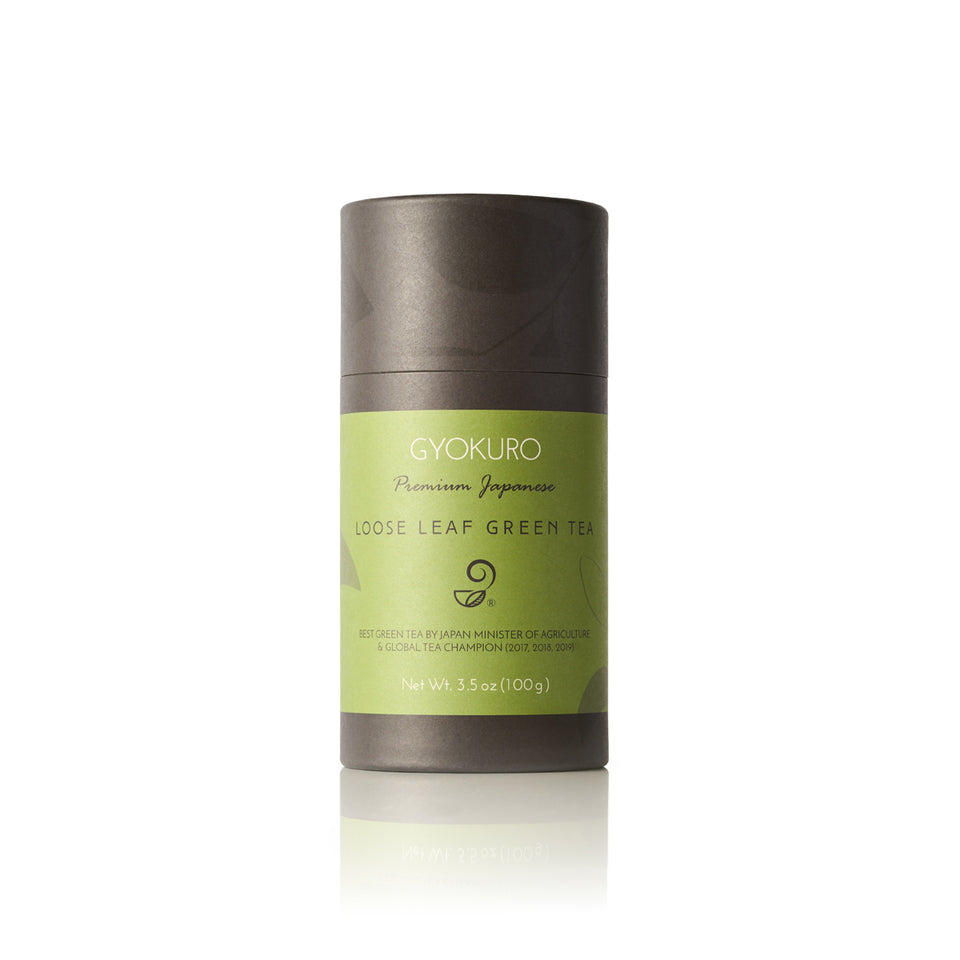
This tea set features three exceptional Japanese green teas, each crafted with care and traditional techniques. Issaku Reserve, a Global Tea Champion winner in 2017 and 2019, is a rare masterpiece created by Farm Master Mr. Arahata at Arahataen Green Tea Farm. Handpicked once a year from the first flush and processed with advanced methods, Issaku represents the highest-grade deep-steamed green tea, available only in limited quantities even in Japan.
The set also includes Gyokuro, a premium shaded green tea known for its rich, sweet flavor and deep mossy green color. Grown under special mats for 20 days to increase caffeine and amino acid levels, Gyokuro offers a layered, smooth taste unlike any other. Completing the collection is Nozomi, a fine Kabuse-cha, or "Covered Green Tea," carefully grown under nets to gently shade the leaves just before new sprouts emerge, resulting in a soft, rich, and refined flavor profile.
Gyokuro - Shaded Imperial Premium Green Tea
Gyokuro, also known as "jade dew" or "jewel dew tea," is a premium Japanese green tea shaded from the sun for 20 days using specially made mats, a method that boosts caffeine levels and strengthens amino acids to create a sweeter, richer flavor. This extended shading process results in dark, mossy green leaves with an unmistakable aroma and a complex taste that is layered yet balanced. Cultivated by the Chagusaba method in nutrient-rich sugarcane soil and made from the Yabukita cultivar, this loose-leaf authentic Gyokuro is offered in a high-quality, air-tight paper tube canister (chyazutsu) to preserve its exceptional freshness and flavor. Each 3.5 oz (100g) full-size package steeps 30–40 cups, and a convenient single-serve sample is also available.
Related Articles You May Be Interested
Get Free Bonus Books
Sign up for free to the Green Tea Club to get advice and exclusive articles about how to choose Japanese Tea, and tips, tricks, and recipes for enjoying Japanese tea.
Unsubscribe anytime. It’s free!
About the author
Kei Nishida
Author, CEO Dream of Japan
Certification: PMP, BS in Computer Science
Education: Western Washington University
Kei Nishida is a passionate Japanese green tea connoisseur, writer, and the founder and CEO of Japanese Green Tea Co., a Dream of Japan Company.
Driven by a deep desire to share the rich flavors of his homeland, he established the only company that sources premium tea grown in nutrient-rich sugarcane soil—earning multiple Global Tea Champion awards.
Expanding his mission of introducing Japan’s finest to the world, Kei pioneered the launch of the first-ever Sumiyaki charcoal-roasted coffee through Japanese Coffee Co. He also brought the artistry of traditional Japanese craftsmanship to the global market by making katana-style handmade knives—crafted by a renowned katana maker—available outside Japan for the first time through Japanese Knife Co.
Kei’s journey continues as he uncovers and shares Japan’s hidden treasures with the world.