Table of contents

We’re excited to announce that our friends at TOIRO will now be offering a selection of our tea and coffee in their beautiful store in West Hollywood!
They are the very first shop in the Los Angeles area to carry our products, and we couldn’t be happier to partner with such a thoughtful and inspiring team.
Here’s a little more about TOIRO and why we’re honored to be on their shelves.
Meet TOIRO — The Donabe Specialists of Los Angeles
TOIRO is a one-of-a-kind Japanese kitchenware store dedicated to the art of donabe—traditional Japanese clay pot cooking.

TOIRO Shop in West Hollywood, all items are beautifully presented
Founded by our friend Naoko-san (Naoko Takei Moore), also known as “Mrs. Donabe,” TOIRO has introduced countless home cooks and chefs in the U.S. to this centuries-old cooking tradition.
Located in the heart of West Hollywood, TOIRO offers a curated collection of handcrafted donabe made in Iga, Japan, an area known for its highly porous clay and deep ceramic heritage.
Each donabe they carry is made by Nagatani-en, a historic family-run workshop dating back to 1832.
But TOIRO is more than just cookware.
They’ve created a space that celebrates the soul of Japanese cooking, offering beautifully crafted tools, unique pantry items, and now—carefully selected Japanese tea and coffee from us!

Nanako-san is a visionary behind TOIRO and the bestselling author of Donabe: Classic and Modern Japanese Clay Pot Cooking, awarded as Top Cookbooks of 2015 by the San Francisco Chronicle, and Simply Donabe released in 2026 (See more about this book below)
Naoko-san's New Book: Simply Donabe (2026)
If you've been following TOIRO for a while, you already know that Naoko-san is the author of the beloved Donabe: Classic and Modern Japanese Clay Pot Cooking (Ten Speed Press, 2015) — named one of the Top Cookbooks of 2015 by the San Francisco Chronicle, and a book that introduced so many home cooks in the US to the world of donabe.
Well, she's done it again!
Her brand-new cookbook, Simply Donabe: Japanese One-Pot Recipes, was published on February 10, 2026, by Quadrille (Penguin Random House).

Naoko-san, Miki at her signing event
I haven't tried the recipes yet — but I absolutely will soon!
Honestly, just flipping through the pages is enough to make you want to drop everything and start cooking. The photography in the book has a very elegant, stunning look, and every dish looks so inviting.
Signing Event Dinner at Camélia — February 19, 2026
To celebrate the new cookbook, we attended a very special one-night dinner event on February 19th with Naoko-san at Camélia, a beautiful French-Japanese bistro located at 1850 Industrial St in Downtown Los Angeles.

Naoko-san collaborated with Camélia's chefs to prepare select dishes from Simply Donabe — available either à la carte alongside their classic dinner menu, or as a full donabe-inspired tasting. It was such a lovely way to experience the book come to life.
We had two dishes from the book, and both were wonderful.
The Hakko Otsumami Trio (発酵おつまみ三種, page 42) was a beautiful way to start — probiotic small bites featuring miso-marinated tofu served with yuzu miso and sake-kasu shio-koji dipping sauces.
"Hakko" (発酵) means fermented, and you could really taste how much depth those fermented ingredients add. Light, elegant, and so interesting.
But the real showstopper was the Ishikari Nabe (石狩鍋, page 118) — a miso butter hotpot with salmon and scallops, finished with butter melted right into the broth and topped with beautiful ikura (salmon roe). It's a traditional dish from Hokkaido (北海道), and it was so, so good. I honestly can't stop thinking about it. That is going to be the first recipe I try at home!

Ishikari-nabe in her book - Simply Donabe (Page 118)
Here is a short video of the Ishikari-nabe being served and Naoko-san signing the book for us!
videoid="9oQKynyc_Kg"
If you ever get the chance to attend one of Naoko-san's events, please go. She brings so much warmth and knowledge to everything she does.

Miki reading Simply Donabe
Listen: Naoko-san on The Dinner Plan Podcast
If you want to get a feel for the book before cooking from it, Naoko-san was featured on The Dinner Plan podcast on February 16, 2026 (Episode 84, about 51 minutes). Host Maggie Hoffman talks with her about the advantages of donabe cooking, the best things to make in one, and how Naoko-san chooses between the many types of miso she keeps on hand. It's a really lovely listen — warm, practical, and it'll make you want to go pick up a donabe right away!
Watch: Naoko-san on FOX 11 Los Angeles
And then in May, Naoko-san was on TV. She appeared on FOX 11 Los Angeles on May 11, 2026 to demonstrate one of the standout recipes from Simply Donabe — the Corn Shio-Kombu Gohan (a sweet-summer corn rice cooked in the donabe). It's a short segment, but you really get a sense of how warm and generous Naoko-san is when she's cooking — and the rice itself looks incredible.
FOX 11 Los Angeles — May 11, 2026
"LA chef shares donabe cooking tradition"
Why This Partnership Means So Much
TOIRO’s philosophy deeply resonates with us: slow living, appreciation for craftsmanship, and a deep respect for tradition.
Their attention to detail and love for Japanese culinary culture is something we admire greatly. To have our tea and coffee featured among their offerings is both humbling and exciting.
So next time you’re in West Hollywood, be sure to visit TOIRO at 1257 N. La Brea Avenue.
Whether you're picking up a new donabe or just browsing their incredible Japanese collection, we invite you to enjoy a moment with our tea and coffee, now available in-store.
Visit TOIRO
TOIRO
1257 N La Brea Ave
West Hollywood, CA 90038
1-323-380-5052

What is Donabe? (土鍋)
Donabe is a versatile cooking vessel made from porous clay, translating to "clay pot" in Japanese. Originating from the Iga (伊賀) region of Japan in Mie (三重) Prefecture dates back to the Jomon (縄文時代) period (14,000-300 BC), these pots are renowned for their ability to retain and evenly distribute heat, making them ideal for various dishes—from soups and stews to rice and even smoked delicacies.
The Iga-yaki (伊賀焼) style of pottery, used in TOIRO's donabe, dates back to the 7th century and is crafted by the esteemed Nagatani-en (長谷園), a family-owned workshop established in 1832.
Donabe and Japanese Green Tea — A Shared Philosophy
At first glance, a handcrafted donabe and a cup of freshly brewed Japanese green tea might seem unrelated—but they share a deep, soulful connection rooted in intention, tradition, and simplicity.
Just as donabe cooking encourages slow, thoughtful preparation and communal enjoyment, Japanese green tea offers a moment of quiet reflection and sensory richness. Both are steeped in centuries-old practices and reflect a deep reverence for nature and seasonal ingredients.
When brewed properly, Japanese green tea—whether it's a vibrant sencha, a savory gyokuro, or a rich ceremonial matcha—delivers nuanced flavors that speak of the terroir and the care of the farmers. Similarly, a donabe dish simmers with layers of umami, drawing flavor from both its contents and the vessel itself.
It’s this shared ethos that makes our partnership with TOIRO feel so natural. We believe that enjoying a cup of tea alongside a warming donabe meal is one of life’s simple but profound pleasures.
So whether you’re new to donabe cooking or a longtime enthusiast, we invite you to explore TOIRO’s beautiful world—and while you're there, take home a taste of Japan through our tea and coffee selection now in store.

Inside the TOIRO shop, offers a variety of donabe
A Few Truly Unique Things You Might Not Know About Donabe
Even if you’re familiar with donabe cooking, there are still stories, traditions, and uses that don’t often make it into the spotlight. Here are a few insights you might not find elsewhere:
1. Donabe as a Family Heirloom with a ‘Memory’ of Flavors
In Japan, it’s not uncommon for a donabe to be passed down from one generation to the next—especially for families that cook with them regularly. The porous clay subtly absorbs traces of seasoning and umami over the years, developing what some refer to as a kind of flavor memory. Similar to a well-seasoned cast iron pan, this memory adds invisible depth to each new dish.
2. Some Artisans Hide a Signature Mark Under the Base
While many donabe feature a visible brand or stamp, certain master artisans discreetly carve a personal mark or family crest under the glaze, near the base—meant to be discovered only by the owner after years of use. It’s a quiet, almost poetic signature of pride and legacy.
3. Donabe Was Once Used as a Natural Humidifier
Before modern humidifiers, Japanese homes would sometimes keep a small donabe filled with warm water near a hearth or stove in winter to naturally add moisture to the air. The porous clay helped retain warmth and release steam slowly, creating a comfortable atmosphere—especially in traditional wooden homes.
4. Some Restaurants Use “Sacrificial Donabe” for Testing New Ingredients
In high-end kitchens in Kyoto and Tokyo, chefs may have a dedicated donabe they use only for experimenting with new ingredients or preparation styles. This avoids "cross-contaminating" the flavor memory of their primary donabe with unfamiliar or untested profiles—almost like a controlled lab tool.
5. Donabe + Tea Leaves = Natural Deodorizer
This one’s a bit of a secret trick from Japanese grandmothers: if your donabe starts to take on an odor (especially after cooking seafood), a gentle simmer with used green tea leaves and water can help neutralize the scent naturally. The tannins in the tea gently refresh the clay without chemicals—just another way tea plays a role in everyday life.
Got Tea and Donabe?
Recipe Where Donabe Meets Japanese Tea
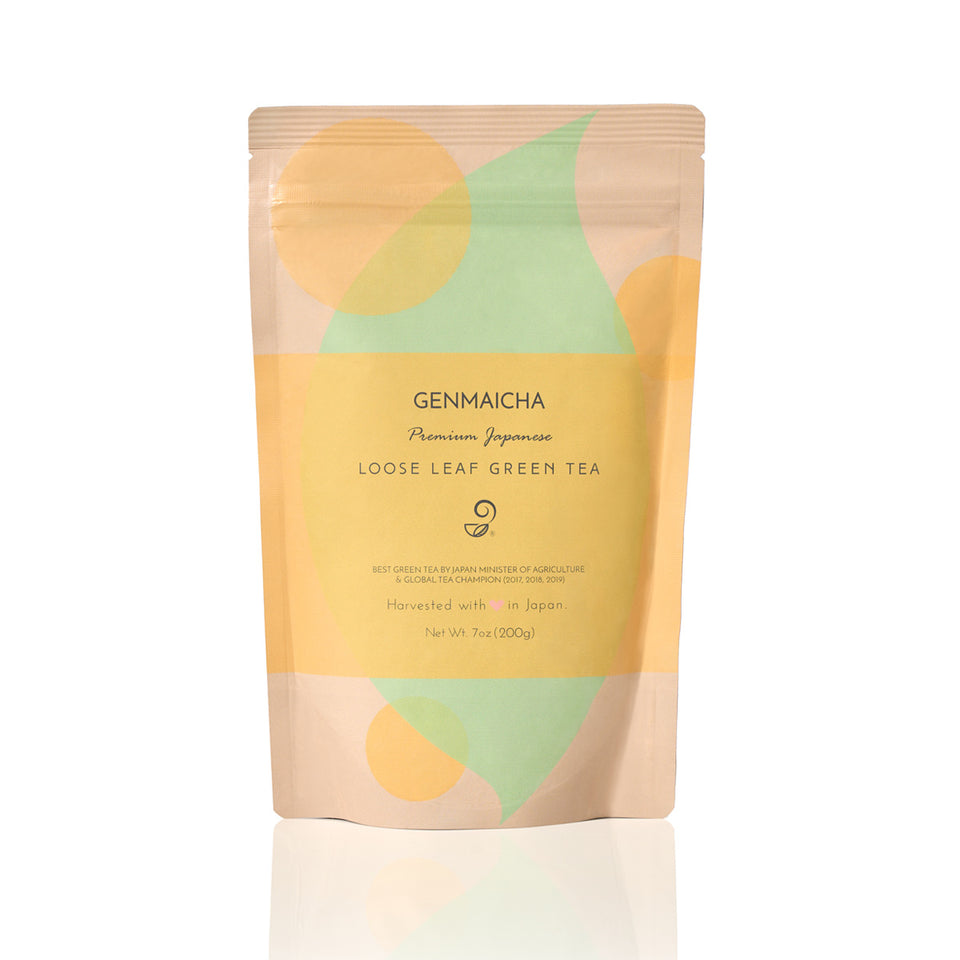
Genmaicha Chazuke with Grilled Salmon (Donabe Style)
We wanted to create a recipe that goes well with tea and donabe.
How about a comforting, umami-rich dish perfect for lunch, a light dinner, or even a restorative breakfast?

Genmaicha Chazuke with Grilled Salmon (Donabe Style)
Serves: 2
Cooking Vessel: Donabe (any style with a lid, such as a classic hot pot or soup pot)
🛒 Ingredients:
For the rice & toppings:
-
2 servings of cooked Japanese short-grain rice (fresh or day-old is fine)
-
1 small salmon fillet (about 150g), grilled and flaked
-
1 tablespoon sesame seeds
-
1 sheet nori (海苔), cut into thin strips
-
Finely chopped scallions
-
Wasabi (わさび) or yuzu kosho (柚子胡椒) (optional, for extra kick)
-
Pickled plum (umeboshi 梅干し) or takuan 沢庵 (pickled daikon), optional garnish
For the broth:
-
2 teaspoons loose-leaf genmaicha 玄米茶(green tea with roasted brown rice)
-
1.5 cups hot water (about 80°C / 175°F)
-
1 teaspoon soy sauce
-
1/2 teaspoon mirin (optional)
-
Small pinch of salt, to taste
🍲 Instructions:
-
Prepare the broth:
-
In a small donabe, bring water to a gentle simmer (don’t boil).
-
Add genmaicha tea leaves and steep gently for 2–3 minutes.
-
Strain out the tea leaves (or leave them in for rustic texture), then stir in soy sauce, mirin (if using), and a pinch of salt. Turn off heat and cover to keep warm.
-
-
Assemble the rice bowls:
-
In warmed serving bowls, add a scoop of rice.
-
Top with flaked grilled salmon, sesame seeds, scallions, and nori.
-
Add a small dab of wasabi or yuzu kosho if you like a bit of heat.
-
-
Pour the tea broth:
-
Gently ladle the hot genmaicha broth from the donabe over each bowl. Let the flavors soak into the rice.
-
-
Serve immediately:
Enjoy while steaming hot. It’s a deeply soothing and satisfying meal that highlights the warmth of donabe cooking and the nutty aroma of roasted tea.
Pro Tip: Use Donabe from TOIRO, please! (^^)
Download Printable One-Page Recipe PDF Now
Visit TOIRO
TOIRO
1257 N La Brea Ave
West Hollywood, CA 90038
1-323-380-5052
Related products

10 reviews
$179.00 USD
$159.99 USD
USD
/
The Sencha Lover Gift Set - Premium Japanese Green Tea Set Package
• Disclosure: I only recommend products I would use myself, and all opinions expressed here are my
own. This post may contain affiliate links that I may earn a small commission at no additional cost to you.
The commission also supports us in producing better content when you buy through our site links.
Thanks for your support.
- Kei and Team at Japanese Green Tea Co.


Get Free Bonus Books

Sign up for free to the Green Tea Club to get advice and exclusive articles about how to choose Japanese Tea, and tips, tricks, and recipes for enjoying Japanese tea.
About the author

Kei Nishida
Author, CEO Dream of Japan
Certification: PMP, BS in Computer Science
Education: Western Washington University