Skip to content

What is Benifuki Tea? Explained in One Minute

Subscribe to Youtube See all videos

Did you know that there is a tea that is good for allergies? This video explains Benifuuki green tea in one minute. This is a type of green tea that is booming in Japan due to its effectiveness in relieving allergies such as seasonal allergies, cedar allergies, and hay fever. The study has also shown that benifuki is good for MCAD (Mast Cell Activation Syndrome).

Video Transcript

Did you know that there’s a tea that’s good for allergies and MCAD?

Benifuuki green tea is a type of Japanese tea that is good for seasonal allergies, cedar allergies, and hay fever.

It was first created in 1965 by crossbreeding the tea cultivars Assamica and Sinensis and has recently been categorized as one of the most effective green teas for fighting allergens.

Studies show that Benifuuki is also good for MCAD, also known as Mast Cell Activation Syndrome.

While methylated catechins, which are the chemical elements that fight allergies, are known to be bitter, Benifuuki is grown in special sugarcane soil that reduces bitterness and maintains the tea’s flavor and aroma.

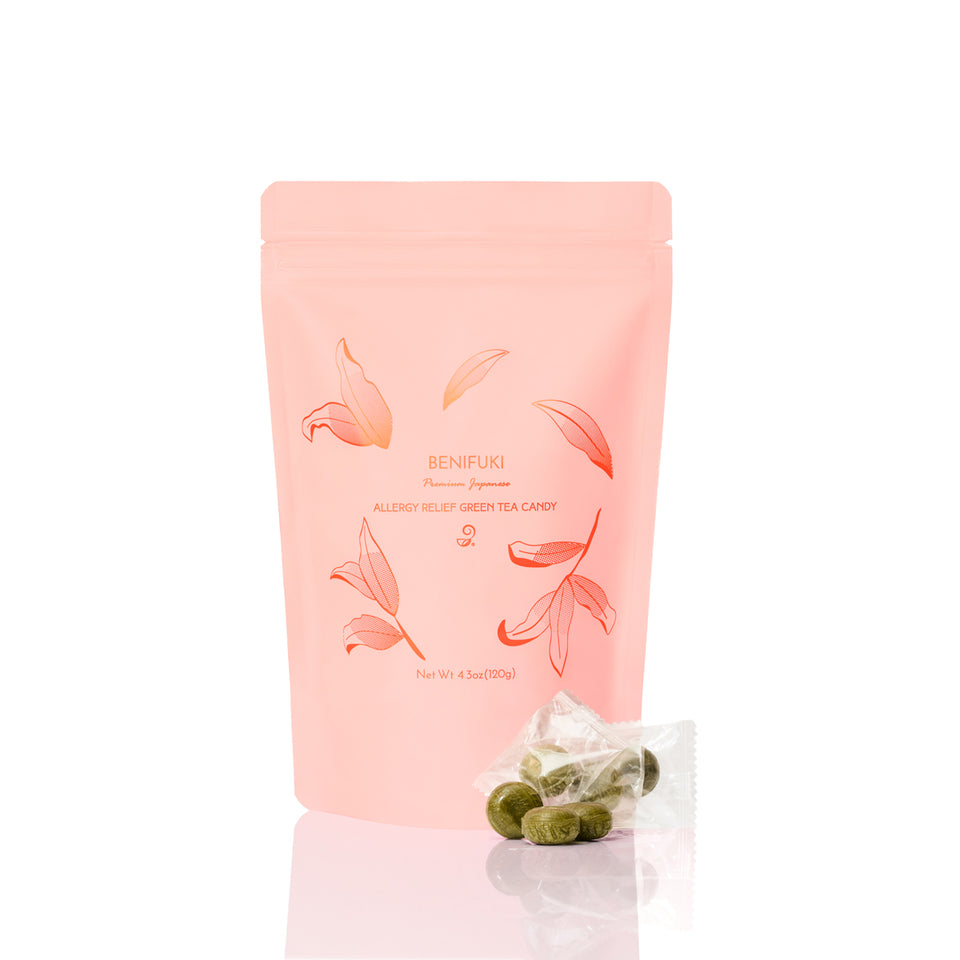
You can get Benifuuki in powder form, tea bags, or as a green tea candy. All-natural, with no chemicals added.

Just choose your favorite form of Benifuuki and enjoy reduced allergies and delicious Japanese Green Tea!

Get Benifuki Green Tea (Natural, no added chemical)

Powder Version: https://www.japanesegreenteain.com/products/benifuuki-1-8-oz-premium-powdered-green-tea
Tea Bag Version: https://www.japanesegreenteain.com/pages/buy-benifuki-allergy-relief-tea-bags-30-tea-bags
Candy Version: https://www.japanesegreenteain.com/pages/buy-benifuki-allergy-relief-candy-30-pieces

Learn More About Benifuki Green Tea

Learn More About Benifuki: https://www.japanesegreenteain.com/blogs/green-tea-and-health/allergy-hay-fever-check-out-benifuuki-5-reasons-why-this-green-tea-variety-is-booming-in-japan

Learn More About Benifuki and MCAD: https://www.japanesegreenteain.com/blogs/green-tea-and-health/benifuuki-japanese-green-tea-naturally-heals-mast-cell-activation-syndrome-mcad

Watch Me Explain More About Benifuki

videoid="vIaKclTXR54"

Click here to jump to the Youtube Video

Buy Benifuki Japanese Green Tea

FAQs about Benifuki Tea

What exactly is Benifuki tea, and why is it different from regular green tea?

Benifuki (べにふうき, sometimes Benifuuki) is a specific cultivar of Camellia sinensis originally bred in Japan in the 1990s as a black tea cultivar. What makes it unique is that it produces unusually high levels of methylated catechins — specifically EGCG-3-methyl ester. When processed as a green tea (steamed and dried like sencha), Benifuki retains those methylated catechins, which the body absorbs and uses differently than the standard catechins in regular green tea.

The methylated catechin profile is what's responsible for Benifuki's reputation in Japan as an allergy-relief tea. That doesn't mean every Benifuki product works miracles, but it does mean the cultivar has measurable chemical differences that aren't present in Yabukita or Saemidori in any meaningful concentration.

Visually and on the palate, Benifuki tea looks and tastes a lot like a slightly more astringent sencha. The difference is in the chemistry, not in the cup experience.

Does Benifuki tea actually help with allergies, or is that a marketing claim?

There's reasonable Japanese clinical research suggesting Benifuki's methylated catechins reduce the histamine response in some people with seasonal pollen allergies (especially Japanese cedar pollen, which Benifuki was specifically studied against). Several studies show measurable reductions in nasal symptoms when participants drank powdered Benifuki daily for several weeks before pollen season. So it's not pure marketing — there's real research behind the positioning.

That said, the effect size is modest, individual response varies a lot, and the studies were on Japanese populations and Japanese pollens. Whether Benifuki helps with American ragweed or Texas cedar fever isn't well-studied. Some users see clear benefit; some see nothing. The honest answer is that it's worth trying for 4-6 weeks before allergy season if you're curious, but don't expect a substitute for prescribed antihistamines if your allergies are severe.

Also: the studies generally use the powdered form (whole leaf consumed) rather than steeped tea. If allergy relief is the specific goal, the powder is the more effective format.

What's the difference between Benifuki leaf tea and Benifuki powder?
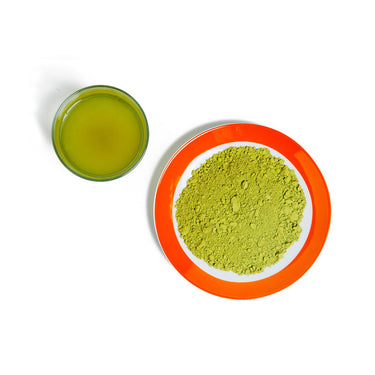
Roughly the same difference as steeped sencha vs matcha. The leaf form is brewed in a kyusu like ordinary sencha, and you consume the extracted compounds — flavor and a fraction of the catechins. The powder form, like our Benifuuki powdered green tea, is made by stone-grinding (or fine-grinding) Benifuki leaves and is consumed whole — water mixed with powder, drunk down. You get significantly more of the methylated catechins per serving from the powder because you're ingesting the entire leaf.

For flavor and casual drinking, leaf form is better — it's a more pleasant cup. For the allergy-relief use case, powder is more efficient. Many people who use Benifuki for allergies start the powder regimen 4-6 weeks before pollen season and stop after the season ends.

The powder is more bitter than steeped Benifuki because of the higher catechin density. Most people mix it with water and drink quickly rather than sip — it's medicine more than ritual. Card below.

How much Benifuki should I drink daily for the allergy benefit?

The studies that show measurable effect typically use 1.5 to 2 grams of Benifuki powder per day, taken consistently for several weeks before allergy season starts. That's roughly one heaping teaspoon mixed into water, taken once a day. More than that doesn't seem to help further; less than that is likely below the threshold for the methylated-catechin effect.

The timing matters as much as the dose. Benifuki seems to work prophylactically — it reduces histamine response when taken before exposure, more than when taken reactively after symptoms start. So the regimen is: start drinking it 4-6 weeks before your allergy season, continue daily through the season, stop when the season ends. Treating it like a one-time dose when symptoms hit doesn't replicate the study results.

If you're using leaf-form Benifuki instead of powder, you'd need significantly more (maybe 4-5 cups per day) to get a comparable methylated-catechin dose. Most users find that impractical, which is why the powder form became the standard for allergy use.

Are there any side effects or downsides to drinking Benifuki regularly?

Mostly the same considerations as any green tea — caffeine accumulation if you drink large amounts, possible iron absorption interference if you drink it with iron-rich meals, occasional stomach irritation on an empty stomach. Benifuki isn't significantly different from sencha in these respects.

Specific to Benifuki, the higher catechin concentration makes it more astringent and slightly more aggressive on the stomach than gentler teas like gyokuro. Some users with reflux notice it more than they would with sencha. If that's you, take it with food rather than first thing in the morning.

And — the obvious one — it's caffeinated. The powdered form has more caffeine per serving than steeped sencha because you're consuming the whole leaf. People sensitive to caffeine should drink Benifuki earlier in the day rather than evening.

Related products

33 reviews

Benifuuki - Allergy Relief Japanese Green Tea Powder (14 Stick Packs)

$17.00
Quick view

Benifuuki green tea, sometimes written as Benifuki, is a popular tea in Japan celebrated for its natural ability to help relieve seasonal allergies, cedar allergies, hay fever, and even Mast Cell Activation Syndrome (MCAD). Rich in Methylated Catechins, a powerful form of EGCG known to inhibit mast cell responses, Benifuuki offers strong support against allergy symptoms. Typically associated with bitterness, the Arahataen research team developed a special nutrient-rich soil, enhanced with sugarcane, to cultivate Benifuuki with high levels of Methylated Catechins while maintaining a smooth aroma and reduced bitterness. This powdered tea, made from the Benifuki cultivar and grown using the Chagusaba method, comes in a resealable aluminum bag containing 14 single-serve stick packs (0.6g each). Simply mix one stick with hot or cold water or milk to enjoy an easy, flavorful cup without the need for a strainer or teapot.

56 reviews

Benifuuki - Allergy Relief Japanese Green Tea Bags (30 tea bags)

$30.00
Quick view

Benifuuki green tea is highly regarded in Japan for its natural allergy-relief properties, helping with seasonal allergies, cedar allergies, hay fever, and even Mast Cell Activation Syndrome (MCAD). It is rich in Methylated Catechins, a potent form of EGCG that supports the inhibition of mast cell responses and reduces allergy symptoms.

This convenient teabag version uses an eco-friendly pyramid sachet and is made from authentic Japanese green tea cultivated by the Chagusaba method in nutrient-rich sugarcane soil. Featuring the Benifuki cultivar, each resealable aluminum package contains 30 tea bags, with each bag holding 3g of tea for a total of 90g (3.2 oz). A powder and candy version are also available.

38 reviews

Benifuuki - Allergy Relief Japanese Green Tea Candy (30 Candies)

$17.00
Quick view

Benifuuki green tea is well-known in Japan for its natural allergy-relief benefits, helping with seasonal allergies, cedar allergies, hay fever, and even Mast Cell Activation Syndrome (MCAD). Rich in Methylated Catechins, a potent form of EGCG, it works to inhibit mast cell responses and ease allergy symptoms.

This premium candy, made from Benifuuki tea and menthol, offers a convenient, low-calorie way to enjoy these benefits on the go. Thanks to a special soil cultivation method developed by the Arahataen research team, the candy preserves the tea’s smooth, aromatic flavor while maintaining its powerful health properties. Each piece is individually wrapped for easy use.

8 reviews

The Sencha Lover Gift Set - Premium Japanese Green Tea Set Package
$179.00 $159.99
Quick view

This tea set features three exceptional Japanese green teas, each crafted with care and traditional techniques. Issaku Reserve, a Global Tea Champion winner in 2017 and 2019, is a rare masterpiece created by Farm Master Mr. Arahata at Arahataen Green Tea Farm. Handpicked once a year from the first flush and processed with advanced methods, Issaku represents the highest-grade deep-steamed green tea, available only in limited quantities even in Japan.

The set also includes Gyokuro, a premium shaded green tea known for its rich, sweet flavor and deep mossy green color. Grown under special mats for 20 days to increase caffeine and amino acid levels, Gyokuro offers a layered, smooth taste unlike any other. Completing the collection is Nozomi, a fine Kabuse-cha, or "Covered Green Tea," carefully grown under nets to gently shade the leaves just before new sprouts emerge, resulting in a soft, rich, and refined flavor profile.

97 reviews

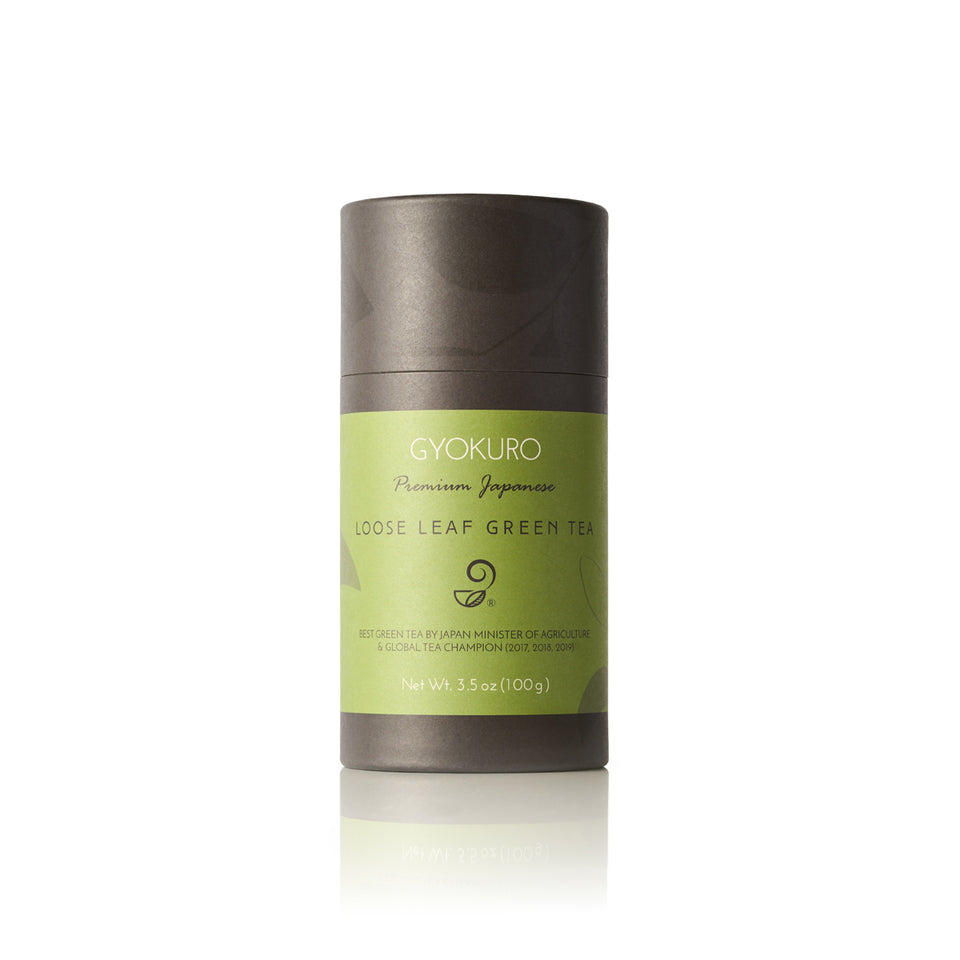
Gyokuro - Shaded Imperial Premium Green Tea

$65.00
Quick view

Gyokuro, also known as "jade dew" or "jewel dew tea," is a premium Japanese green tea shaded from the sun for 20 days using specially made mats, a method that boosts caffeine levels and strengthens amino acids to create a sweeter, richer flavor. This extended shading process results in dark, mossy green leaves with an unmistakable aroma and a complex taste that is layered yet balanced. Cultivated by the Chagusaba method in nutrient-rich sugarcane soil and made from the Yabukita cultivar, this loose-leaf authentic Gyokuro is offered in a high-quality, air-tight paper tube canister (chyazutsu) to preserve its exceptional freshness and flavor. Each 3.5 oz (100g) full-size package steeps 30–40 cups, and a convenient single-serve sample is also available.


Related Articles You May Be Interested

Benifuuki Japanese Green Tea Naturally Heals MCAD (Mast Cell Activation Syndrome)
Throat Lozenge vs Benifuuki
Is Green Tea a Natural Antihistamine? – Green Tea Quiz
The Power of Benifuuki Green Tea for Allergies & More
Is Benifuuki Tea The Same As Matcha?

Get Free Bonus Books

Join Green Tea Club

Sign up for free to the Green Tea Club to get advice and exclusive articles about how to choose Japanese Tea, and tips, tricks, and recipes for enjoying Japanese tea.

Unsubscribe anytime. It’s free!

About the author

Kei Nishida

Kei Nishida

Author, CEO Dream of Japan

info@japanesegreenteain.com

Certification: PMP, BS in Computer Science

Education: Western Washington University
Kei Nishida is a passionate Japanese green tea connoisseur, writer, and the founder and CEO of Japanese Green Tea Co., a Dream of Japan Company.

Driven by a deep desire to share the rich flavors of his homeland, he established the only company that sources premium tea grown in nutrient-rich sugarcane soil—earning multiple Global Tea Champion awards.

Expanding his mission of introducing Japan’s finest to the world, Kei pioneered the launch of the first-ever Sumiyaki charcoal-roasted coffee through Japanese Coffee Co. He also brought the artistry of traditional Japanese craftsmanship to the global market by making katana-style handmade knives—crafted by a renowned katana maker—available outside Japan for the first time through Japanese Knife Co.

Kei’s journey continues as he uncovers and shares Japan’s hidden treasures with the world.

Learn more about Kei Nishida

Related Posts

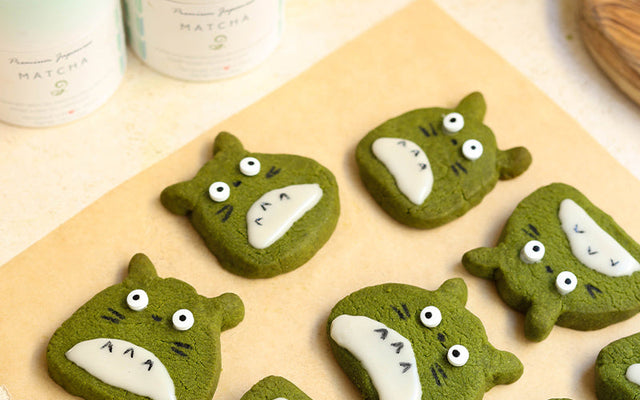
Totoro Matcha Shortbread Cookies

These are matcha shortbread — buttery, a little crumbly, with that gentle grassy matcha flavor — shaped into a plump, ro

Read More
Kawaii Meets Matcha: Japan's Cute Tea Boom + Recipe

Matcha is everywhere, and so is "cute." Here's how kawaii culture, real science, and Gen Z turned green tea into a globa

Read More
Our Products are Now at Yama Sushi Marketplace — One of LA's Most Trusted Japanese Markets Since 1984!

Yama Sushi Marketplace is now carrying our products! Plus the full story of LA's beloved Japanese market — California Ro

Read More
Leave a comment

Your email address will not be published..

Cart

Your cart is currently empty.

Start Shopping

Select options