Skip to content

Interesting Facts About Green Tea Allergy and its alternatives: Carqueja (South America), Mayweed, and Lindens (Bulgaria)

Green tea is one of the most well-known drinks in the world. It is made from Camellia sinensis leaves that are fermented and then dried—sometimes powdered too, like Matcha. Green tea has many antioxidants and many health benefits. Millions of people enjoy it for its flavor and health benefits. However, some people cannot drink green tea because they are allergic to it.

How do you get allergic to green tea?

Green tea is a remedy for allergies, but there are a few cases where people can get allergic to it due to its grassy flavor component and epigallocatechin gallate (EGCG). When someone is allergic to EGCG, they will experience symptoms after drinking green tea. These symptoms can range from mild to severe and include a rash, itching, asthma attacks, and even anaphylaxis. In addition, green tea contains tannins and a little caffeine, and some people are hypersensitive to those two components.

drinking Japanese green tea

The Closest Green Tea Alternatives

Carqueja (South America), Mayweed, and Lindens (Bulgaria) are other green tea alternatives. Carqueja is a type of tea from South America. It is made from the leaves of a shrub that grows in the Andes. Mayweed is a flowering plant that is found in Europe and Asia. The flowers are used to make tea, and the leaves can be brewed. Finally, Linden (Bulgaria) is a tree that grows in cold climates worldwide.

What is Carqueja Tea?

The Carqueja tree is a green herb with white-yellow flowers endemic to south-central South America. The tree is used as medicine and produces a type of green tea.

Carqueja Tea has a strong flavor and a slightly sweet taste and is used differently. It can be brewed as tea, added to coffee, or used as an ingredient in recipes. Carqueja Tea has been around for centuries and is still popular today.

Health Benefits of Carqueja Tea

According to some studies, Carqueja tea is one of the healthiest teas available. This tea has improved cardiovascular health, alleviated stress, and boosted energy. In addition, several studies have shown that Carqueja has antioxidant activities.

happily drinking tea

Some other benefits of Carqueja tea include reducing the risk of cancer and diabetes, reducing inflammation, improving cognitive function and memory recall, improving skin quality and reducing wrinkles, and aiding weight loss.

Carqueja is also a medication used to treat pain, gastroenteritis, liver diseases, diarrhea, swelling, water retention, and constipation. In addition, it can help to cleanse the liver and improve blood circulation.

What is Mayweed Tea?

Mayweed tea is a type of herbal tea made from the leaves and flowers of mayweed, a common wildflower in North America. The tea has a sweet flavor and is used as an alternative to green tea. Mayweed is a perennial herb in the family Asteraceae. It is native to North America but can be found in other parts of the world, including Europe, Asia, and South America. Mayweed can be used as a substitute for green tea in recipes. In particular, mayweed has been used as an herbal tea for its purported health benefits, such as aiding weight loss or reducing inflammation. The common name for Mayweed is Chamomile.

Health Benefits of Mayweed Tea

Mayweed has been used as an herbal medication for centuries in North America. The health benefits of mayweed tea include reducing inflammation, improving cardiovascular health, and helping to detoxify the body. Some research suggests that mayweed may also help prevent cancer.
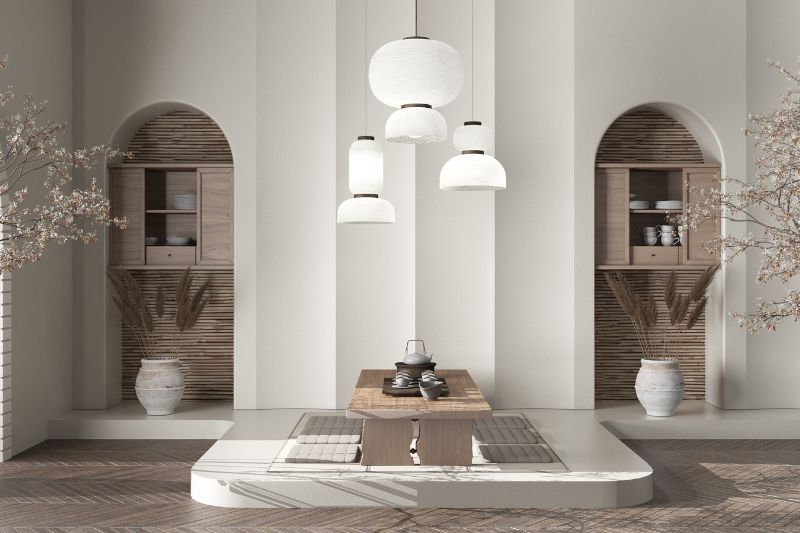
japanese tea room

What is Linden Tea?

The Linden tree is part of the Tilia genus, native to the Northern Hemisphere. It is called Linden when the tree is grown in Europe, while it is called basswood when grown in North America. There are also many Linden Trees in Sofia, the capital city of Bulgaria. The Linden trees there exude a sweet scent because of their small yellow flowers. Linden tea is made by brewing its dried flowers, leaves, and bark.

There are many ways to make tea from the linden tree. One way is to use a teabag. Another way is to fill a pot with fresh, cold water and add about one teaspoon of loose-leaf linden tea per cup. Bring the water to a boil, cool a bit, and then pour it over the desired amount of linden leaves. Steep for about 2–3 minutes, or until the leaves are fully brewed.

Health benefits of Linden Tea

Since ancient times, people have been drinking Linden tea for its health benefits. The essential oils and vitamins found in Linden tea can reduce fever. Linden tea also has several sedative properties that can assist with falling asleep, reducing anxiety, and calming restless nerves. Also, Linden tea has the antioxidant Quercetin, which fights inflammation.

Linden tea has been shown to effectively relieve pain, mainly pain related to heat, skin irritations, menstrual cramps, and muscle and joint spasms. Another benefit is that its bud extracts can help reduce anxiety and stress. It can also lower blood pressure and prevent hypertension.

Japanese green Tea

What are Some Other Tea Alternatives?

Many different types of tea can be substituted for one another in various recipes or drinks. Some popular alternatives to tea include oolong and pu-erh. Each has its own unique flavor and health benefits that may be appealing to some drinkers. Coffee is a natural substitute for black tea since it has caffeine, but coffee can also be made with various flavors such as chocolate, caramel, and hazelnut. Pu-erh can be a good substitute for either coffee or black tea, depending on what type of pu-erh they are drinking. Black and White Tea also came from Camellia Sinensis, as did green tea, so it is not recommended unless the person is not allergic to these teas.

While green tea is an excellent choice for many people, it may not be suitable for everyone. Several other teas offer similar health benefits and taste great too. What is important is to drink and eat moderately. If rashes appear or you feel unwell, stop and see a physician. Enjoy your tea, and it will surely make you healthier and feel better.

FAQs about Green Tea Allergy and Alternatives

Can people actually be allergic to green tea?

Yes, though it's rare. True green tea allergy is uncommon but documented — symptoms can include hives, swelling, breathing difficulties, or anaphylaxis in severe cases. Most reactions are mild (skin irritation, GI discomfort, headaches) rather than acute. The compound responsible is usually a specific protein in the tea leaf rather than caffeine or catechins.

More common than true allergy is caffeine sensitivity, which can cause symptoms (rapid heart rate, anxiety, headaches) that look like allergy but are dose-dependent. Distinguishing the two matters for treatment — caffeine sensitivity requires reducing intake; true allergy requires avoidance. An allergist can do specific testing if you're unsure.

Cross-reactivity with other plants in the Camellia family or with certain pollens (especially spring tree pollens) can also produce green-tea-like reactions in some people during specific seasons. The symptoms are real but the trigger is the cross-reactive allergen, not the green tea itself.

What are the alternatives if I'm allergic to green tea but want similar benefits?

Several options at different overlap levels with green tea's effects. Rooibos tea provides antioxidants without caffeine and isn't related to Camellia sinensis (so unlikely to cross-react). Yerba mate provides caffeine and antioxidants from a different plant family. Pure L-theanine supplements provide the calm-focus effect without any tea protein.

If your allergy is specifically to a green tea protein but you tolerate other Camellia teas, white tea or oolong from non-allergen-presenting cultivars might work. Allergist testing can determine which specific compounds you react to and which alternatives are safe.

Cocoa-based drinks (drinking chocolate, cacao tea) provide flavanols and antioxidants similar in profile to tea catechins, plus theobromine that produces a milder version of caffeine's stimulant effect. For people who can't tolerate green tea but want the antioxidant beverage role, cocoa is the closest match in flavor and benefit profile.

Are there specific Japanese green teas more likely to trigger allergies?

Less-processed teas (gyokuro, matcha, ceremonial-grade sencha) retain more of the natural leaf proteins than highly-processed teas. So if your allergy is to a specific leaf protein, you might tolerate hojicha (highly roasted) better than ceremonial matcha (minimally processed, whole leaf consumed).

That said, the protein concentrations are not dramatically different across green tea types — if you're truly allergic to green tea, no specific Japanese variety is likely to be safe. The roasting in hojicha doesn't reliably destroy the allergenic proteins; some people with green tea allergy still react to hojicha.

If you want to test tolerance, work with an allergist for a controlled food challenge. Don't experiment unsupervised — even with mild reactions, repeated exposure can sometimes worsen sensitivity over time. Professional testing is safer and more informative than DIY trial-and-error.

Can green tea help with other food allergies, even if you don't drink it daily?
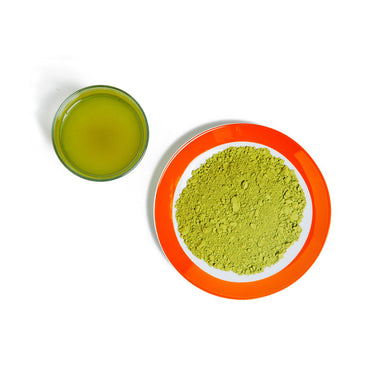
Yes, specifically through benifuuki (べにふうき) cultivar's mast-cell-stabilizing effect. Daily benifuuki tea can modestly reduce histamine response to various allergic triggers — seasonal pollen, certain food triggers in histamine-sensitive individuals, environmental allergens like dust and dander. The effect builds over 4-8 weeks of consistent intake. The benifuuki powder delivers the highest concentration of methylated catechins responsible for the effect.

This isn't a treatment for serious food allergies (peanut, shellfish, etc.). True severe food allergies require strict avoidance and EpiPen for emergencies — no tea is appropriate as a substitute. Histamine intolerance and minor environmental allergies are where benifuuki has its place.

Talk to your allergist before adding daily benifuuki tea if you have serious food or drug allergies — there's no contraindication but the supportive effect is small and shouldn't substitute for proper allergy management.

What should I do if I think I'm having an allergic reaction to green tea?

Stop drinking it immediately and observe symptoms. Mild reactions (slight itching, mild stomach upset, transient flushing) usually resolve within hours of stopping. Document what tea you drank, how much, and what symptoms developed — this information is useful if you see an allergist later.

For severe reactions (difficulty breathing, throat swelling, dizziness, hives spreading rapidly), seek immediate medical care. Severe allergic reactions can escalate quickly; don't wait to see if symptoms improve. EpiPen if you have one prescribed; emergency room or 911 if you don't.

After recovery, see an allergist for testing rather than continuing to experiment. Allergic reactions sometimes get worse with repeated exposure (sensitization), so determining whether you have a true tea allergy vs. an unrelated coincident reaction matters for safe future tea drinking. Allergists can test specific tea compounds and identify exactly what to avoid.

Related products

33 reviews

Benifuuki - Allergy Relief Japanese Green Tea Powder (14 Stick Packs)

$17.00
Quick view

Benifuuki green tea, sometimes written as Benifuki, is a popular tea in Japan celebrated for its natural ability to help relieve seasonal allergies, cedar allergies, hay fever, and even Mast Cell Activation Syndrome (MCAD). Rich in Methylated Catechins, a powerful form of EGCG known to inhibit mast cell responses, Benifuuki offers strong support against allergy symptoms. Typically associated with bitterness, the Arahataen research team developed a special nutrient-rich soil, enhanced with sugarcane, to cultivate Benifuuki with high levels of Methylated Catechins while maintaining a smooth aroma and reduced bitterness. This powdered tea, made from the Benifuki cultivar and grown using the Chagusaba method, comes in a resealable aluminum bag containing 14 single-serve stick packs (0.6g each). Simply mix one stick with hot or cold water or milk to enjoy an easy, flavorful cup without the need for a strainer or teapot.

56 reviews

Benifuuki - Allergy Relief Japanese Green Tea Bags (30 tea bags)

$30.00
Quick view

Benifuuki green tea is highly regarded in Japan for its natural allergy-relief properties, helping with seasonal allergies, cedar allergies, hay fever, and even Mast Cell Activation Syndrome (MCAD). It is rich in Methylated Catechins, a potent form of EGCG that supports the inhibition of mast cell responses and reduces allergy symptoms.

This convenient teabag version uses an eco-friendly pyramid sachet and is made from authentic Japanese green tea cultivated by the Chagusaba method in nutrient-rich sugarcane soil. Featuring the Benifuki cultivar, each resealable aluminum package contains 30 tea bags, with each bag holding 3g of tea for a total of 90g (3.2 oz). A powder and candy version are also available.

38 reviews

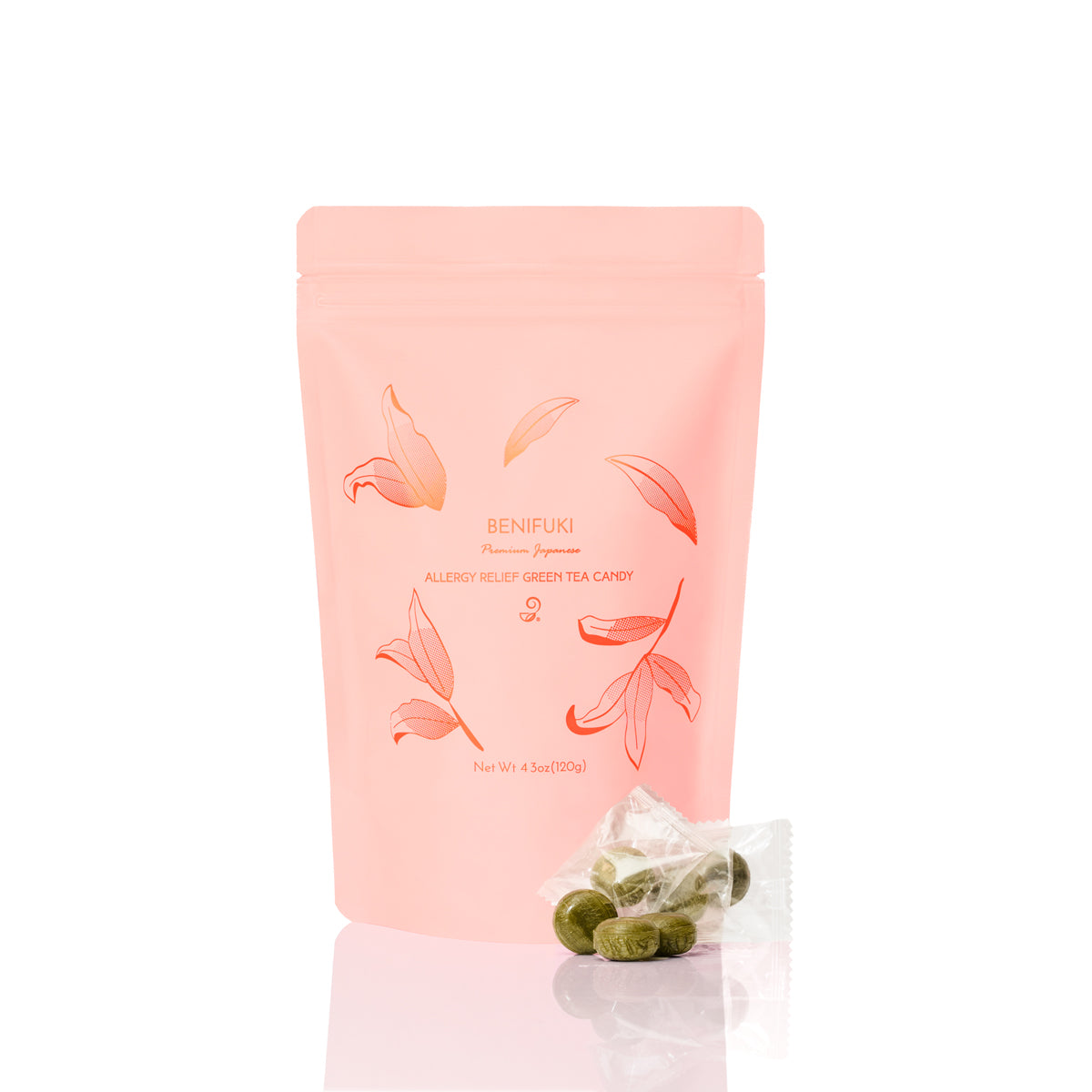
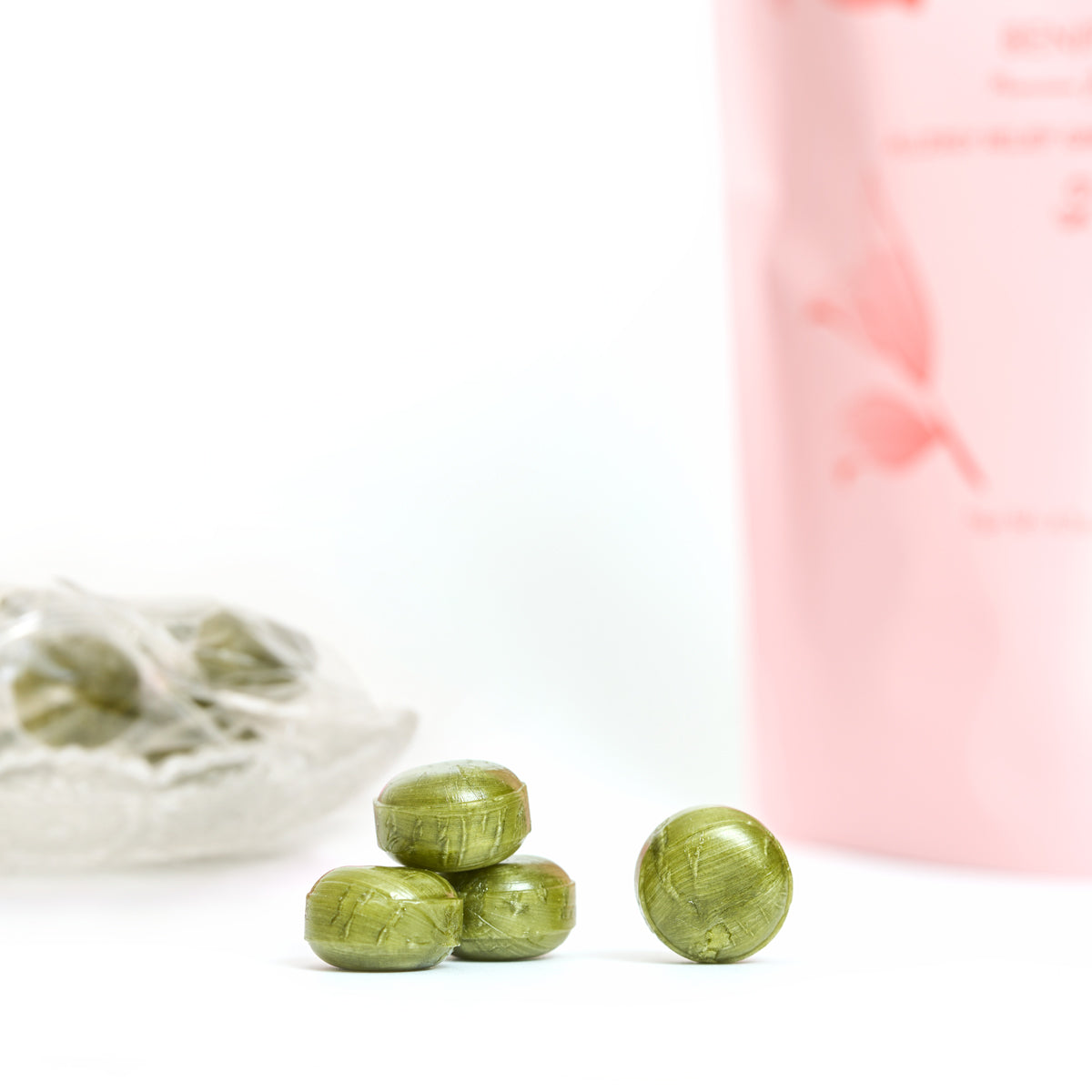
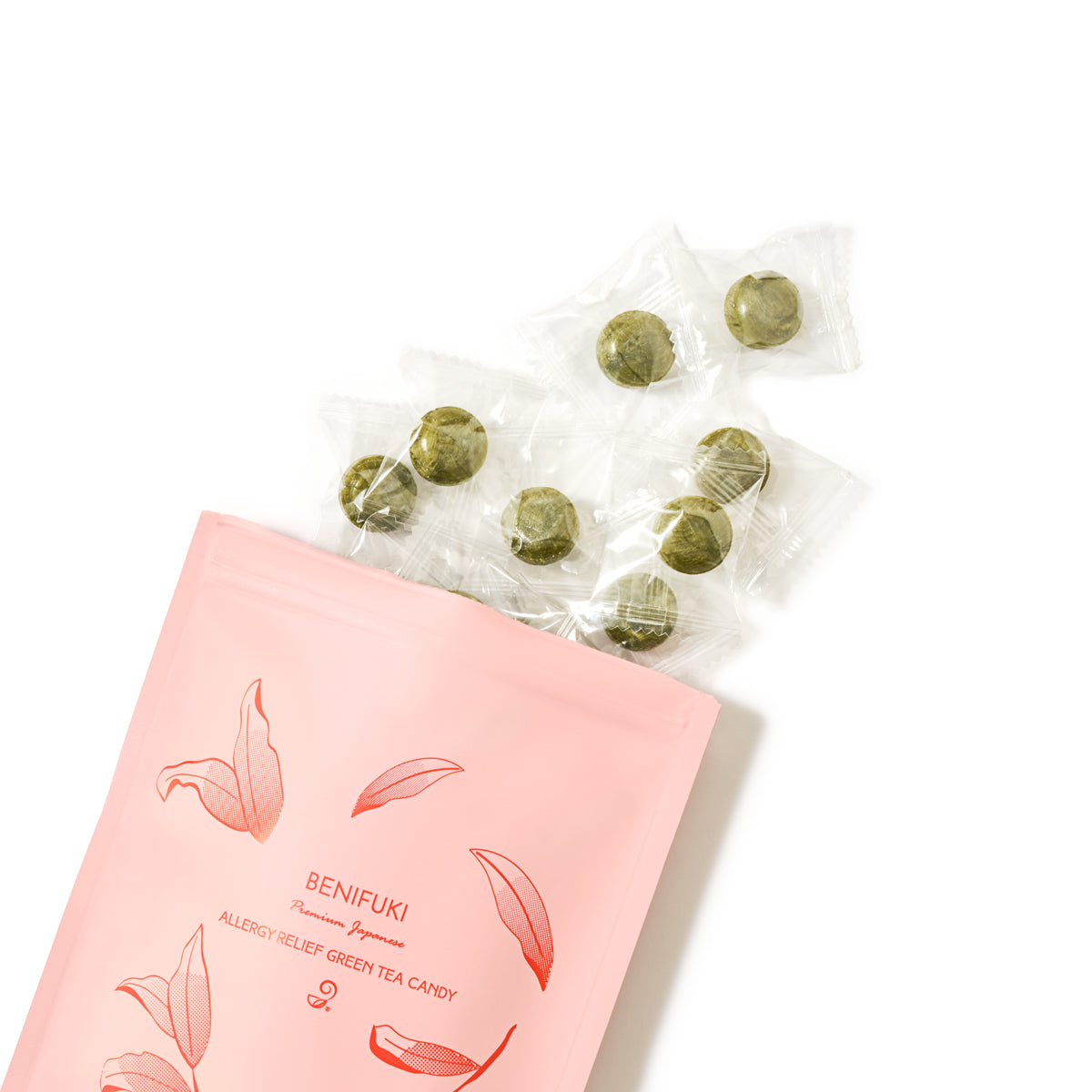
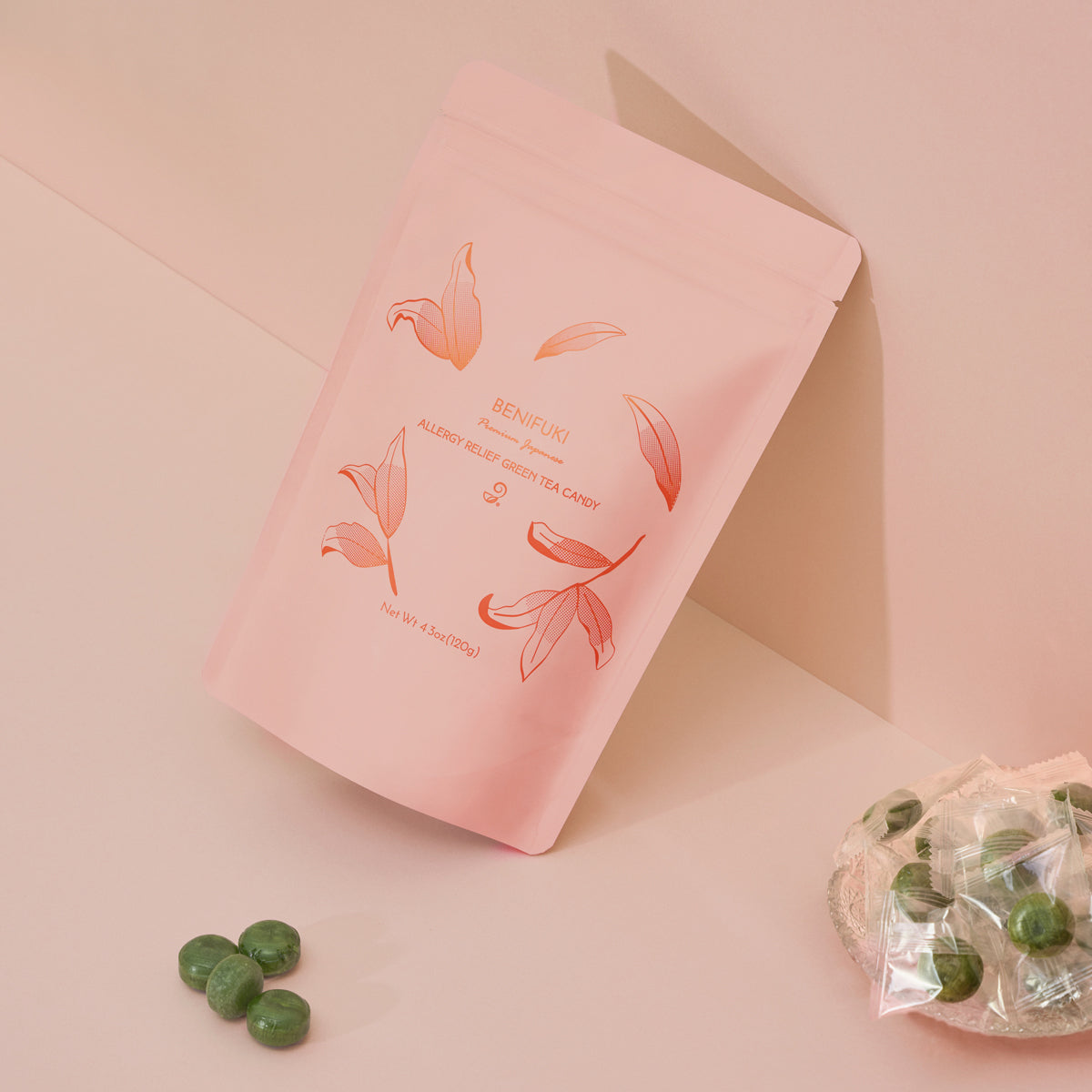
Benifuuki - Allergy Relief Japanese Green Tea Candy (30 Candies)

$17.00
Quick view

Benifuuki green tea is well-known in Japan for its natural allergy-relief benefits, helping with seasonal allergies, cedar allergies, hay fever, and even Mast Cell Activation Syndrome (MCAD). Rich in Methylated Catechins, a potent form of EGCG, it works to inhibit mast cell responses and ease allergy symptoms.

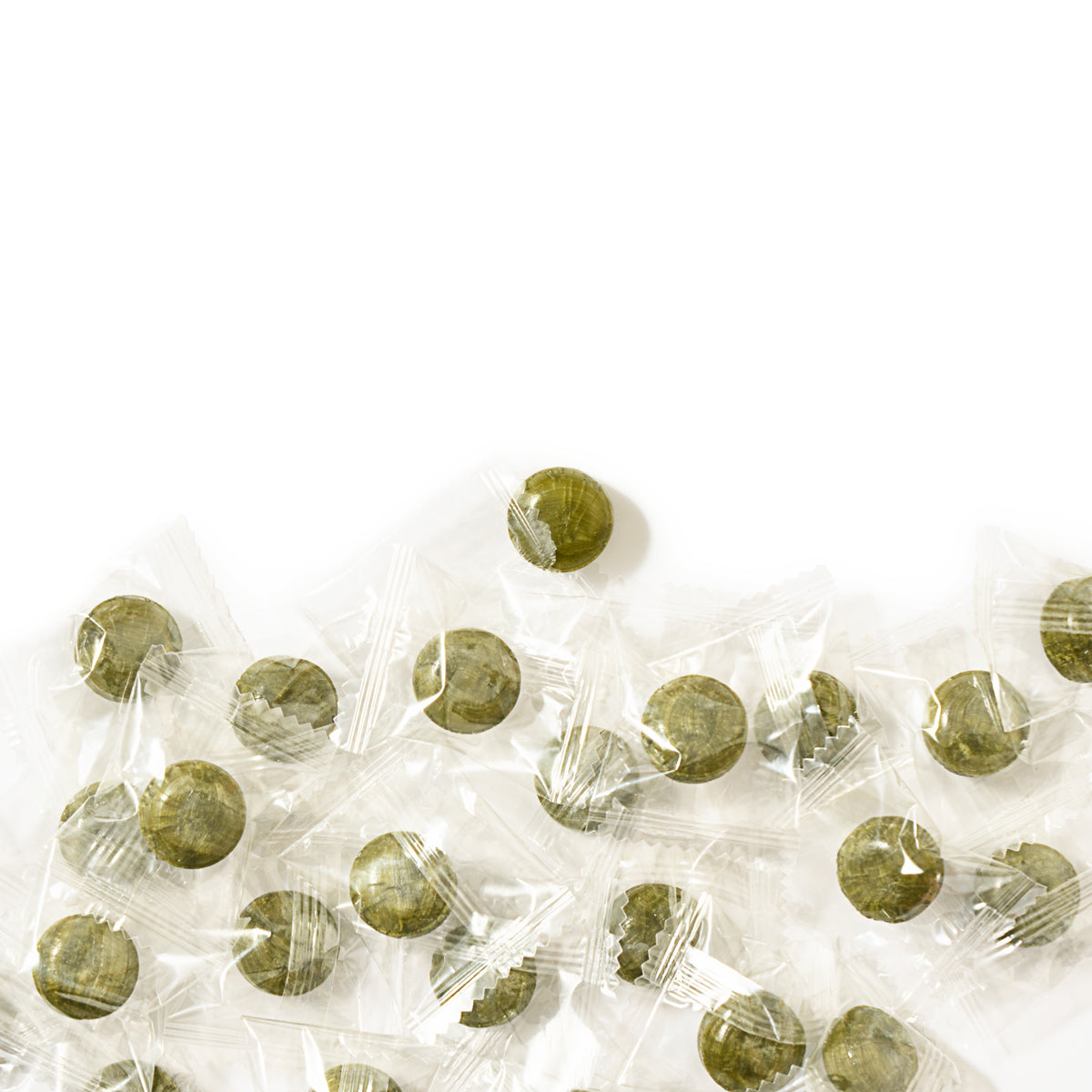
This premium candy, made from Benifuuki tea and menthol, offers a convenient, low-calorie way to enjoy these benefits on the go. Thanks to a special soil cultivation method developed by the Arahataen research team, the candy preserves the tea’s smooth, aromatic flavor while maintaining its powerful health properties. Each piece is individually wrapped for easy use.

8 reviews

The Sencha Lover Gift Set - Premium Japanese Green Tea Set Package
$179.00 $159.99
Quick view

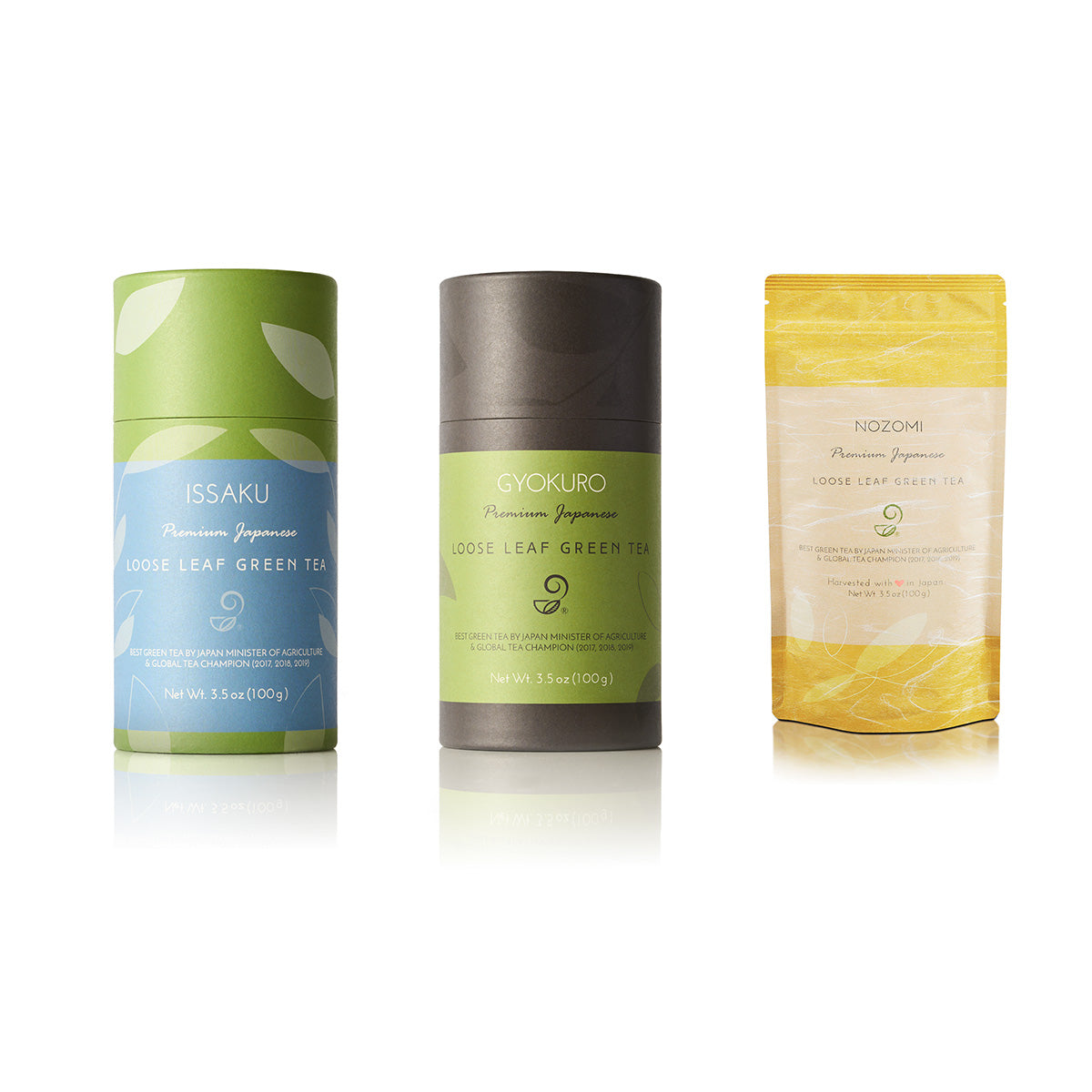
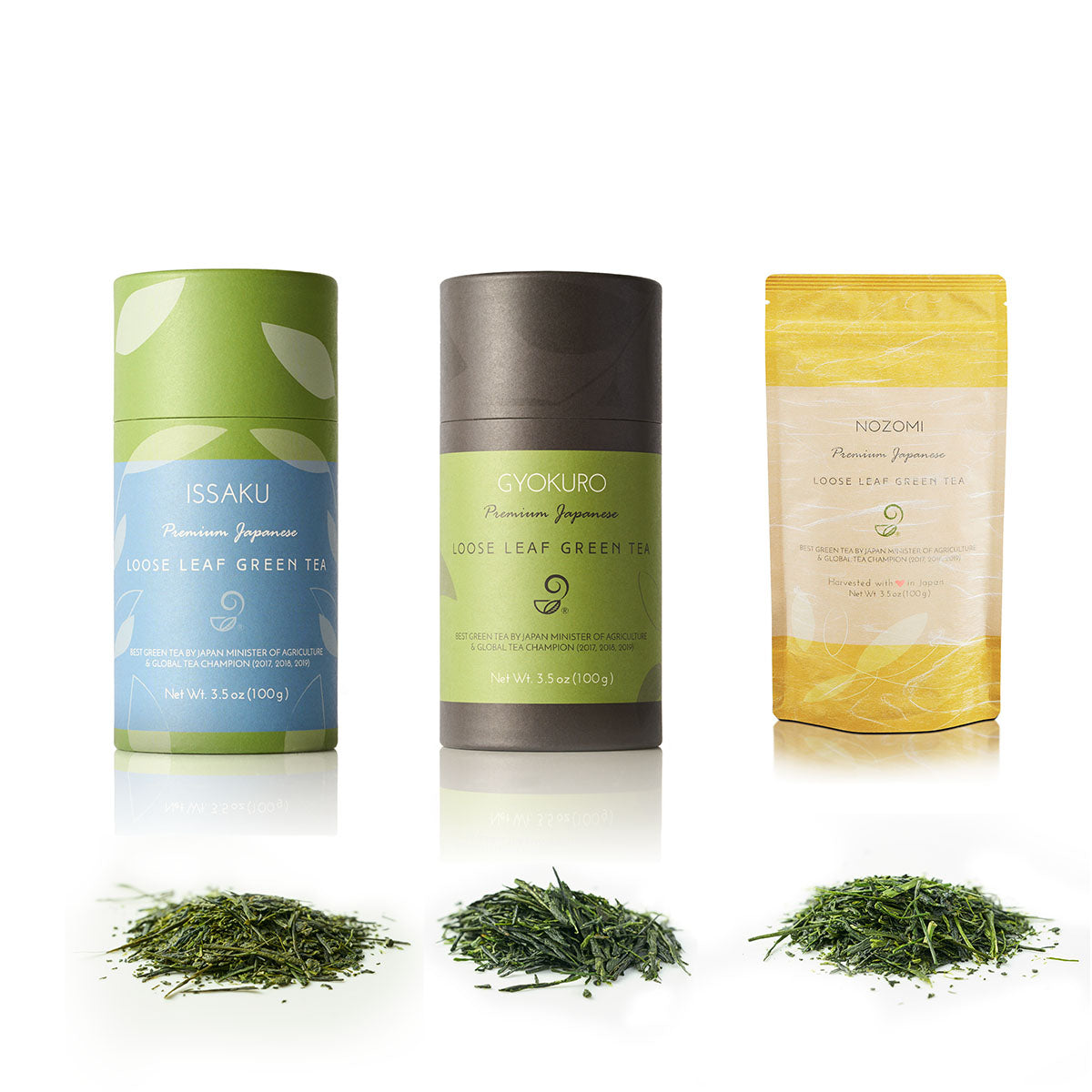
This tea set features three exceptional Japanese green teas, each crafted with care and traditional techniques. Issaku Reserve, a Global Tea Champion winner in 2017 and 2019, is a rare masterpiece created by Farm Master Mr. Arahata at Arahataen Green Tea Farm. Handpicked once a year from the first flush and processed with advanced methods, Issaku represents the highest-grade deep-steamed green tea, available only in limited quantities even in Japan.

The set also includes Gyokuro, a premium shaded green tea known for its rich, sweet flavor and deep mossy green color. Grown under special mats for 20 days to increase caffeine and amino acid levels, Gyokuro offers a layered, smooth taste unlike any other. Completing the collection is Nozomi, a fine Kabuse-cha, or "Covered Green Tea," carefully grown under nets to gently shade the leaves just before new sprouts emerge, resulting in a soft, rich, and refined flavor profile.

97 reviews

Gyokuro - Shaded Imperial Premium Green Tea

$65.00
Quick view

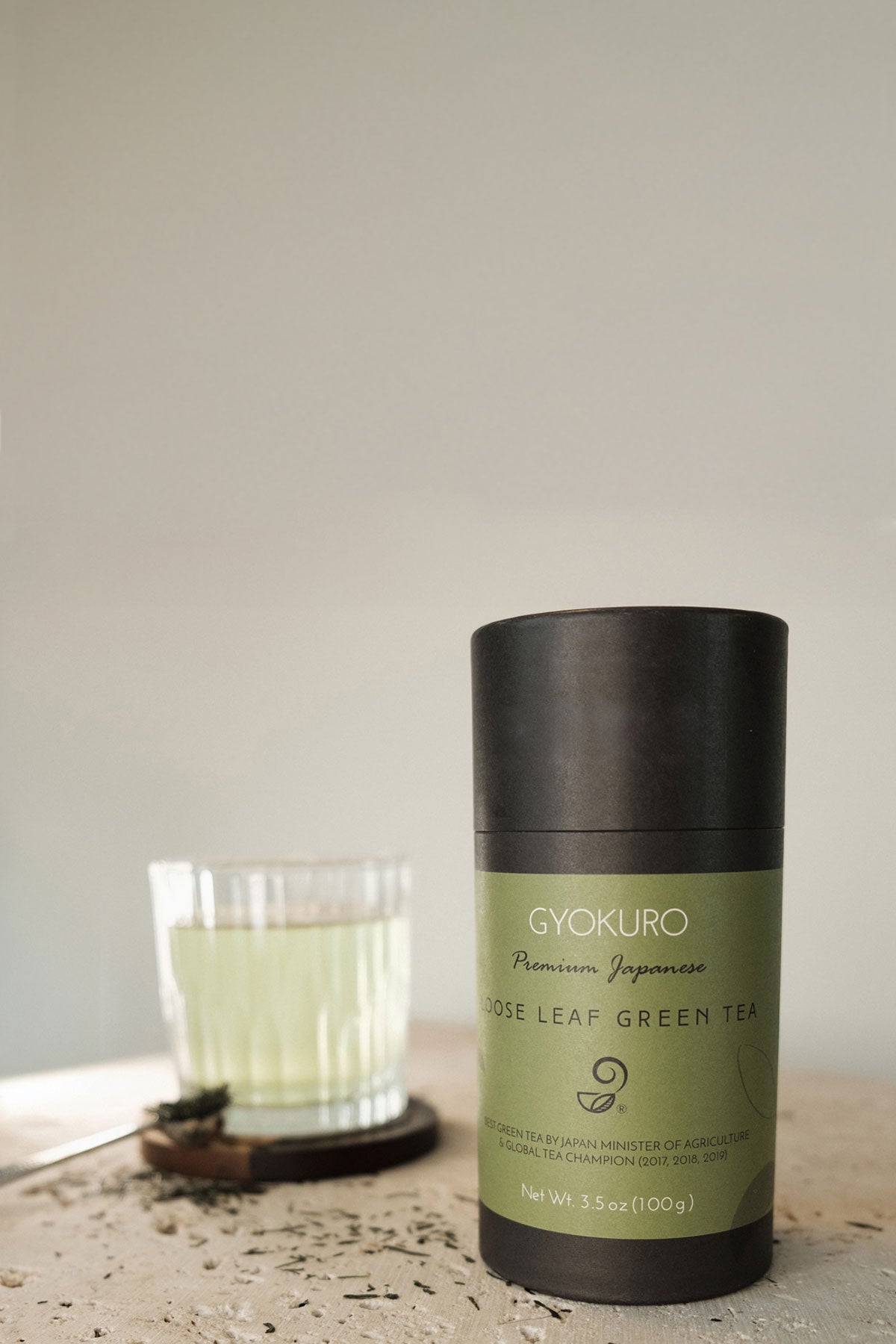
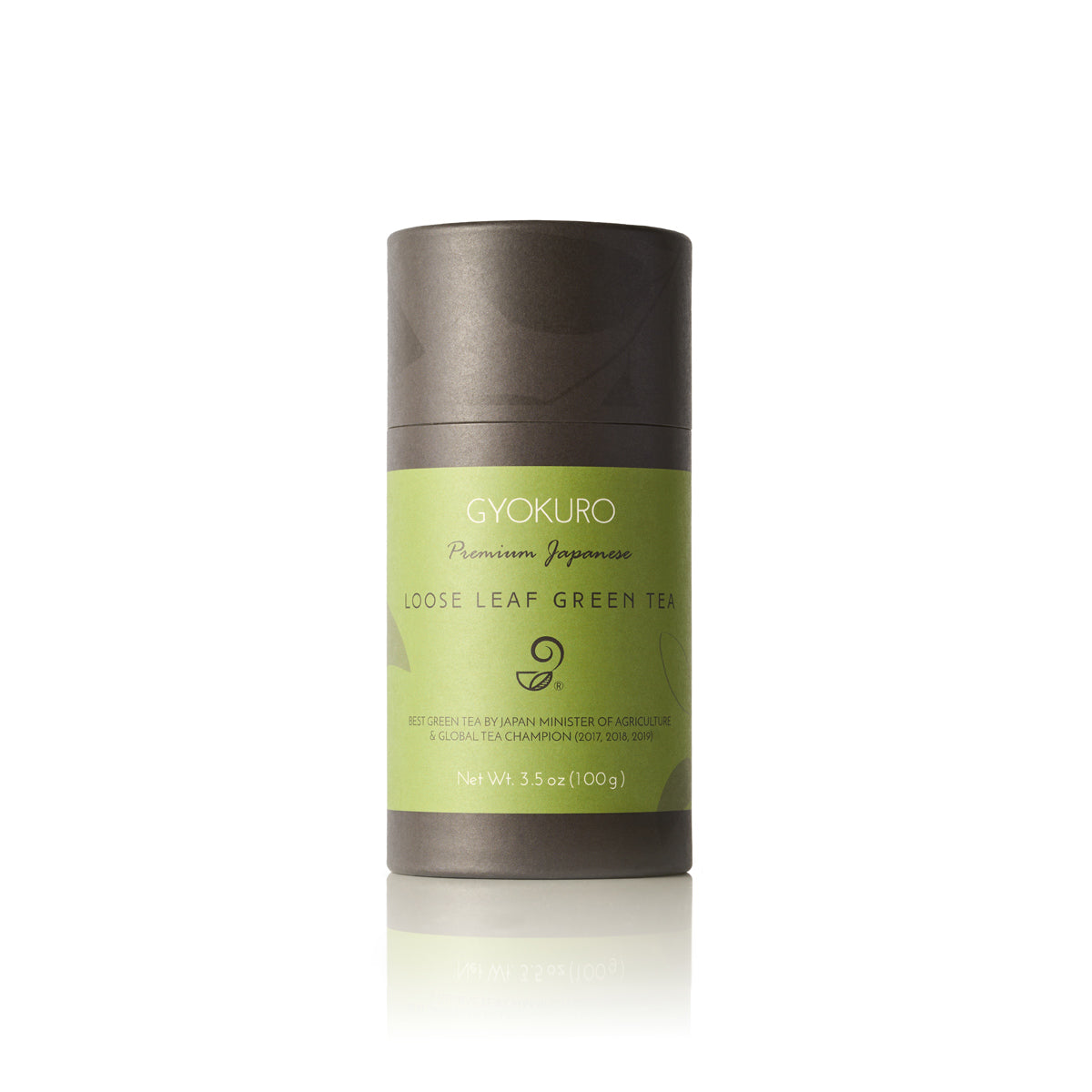
Gyokuro, also known as "jade dew" or "jewel dew tea," is a premium Japanese green tea shaded from the sun for 20 days using specially made mats, a method that boosts caffeine levels and strengthens amino acids to create a sweeter, richer flavor. This extended shading process results in dark, mossy green leaves with an unmistakable aroma and a complex taste that is layered yet balanced. Cultivated by the Chagusaba method in nutrient-rich sugarcane soil and made from the Yabukita cultivar, this loose-leaf authentic Gyokuro is offered in a high-quality, air-tight paper tube canister (chyazutsu) to preserve its exceptional freshness and flavor. Each 3.5 oz (100g) full-size package steeps 30–40 cups, and a convenient single-serve sample is also available.


Related Articles You May Be Interested

Is Green Tea a Natural Antihistamine? – Green Tea Quiz
The Power of Benifuuki Green Tea for Allergies & More
Tea for Allergies?! What is Benifuki Tea? - ChaCha's GreenTea Room Video
What is Benifuki Tea? Explained in One Minute
Is Green Tea Bad for your Kidney(s)?

Get Free Bonus Books

Join Green Tea Club

Sign up for free to the Green Tea Club to get advice and exclusive articles about how to choose Japanese Tea, and tips, tricks, and recipes for enjoying Japanese tea.

Unsubscribe anytime. It’s free!

About the author

Kei Nishida

Kei Nishida

Author, CEO Dream of Japan

info@japanesegreenteain.com

Certification: PMP, BS in Computer Science

Education: Western Washington University

Kei Nishida is a passionate Japanese green tea connoisseur, writer, and the founder and CEO of Japanese Green Tea Co., a Dream of Japan Company.

Driven by a deep desire to share the rich flavors of his homeland, he established the only company that sources premium tea grown in nutrient-rich sugarcane soil—earning multiple Global Tea Champion awards.

Expanding his mission of introducing Japan’s finest to the world, Kei pioneered the launch of the first-ever Sumiyaki charcoal-roasted coffee through Japanese Coffee Co. He also brought the artistry of traditional Japanese craftsmanship to the global market by making katana-style handmade knives—crafted by a renowned katana maker—available outside Japan for the first time through Japanese Knife Co.

Kei’s journey continues as he uncovers and shares Japan’s hidden treasures with the world.

Learn more about Kei Nishida

Related Posts

Super Mario and Japanese Green Tea

Super Mario and green tea share a hometown! Watch our Yoshi Matcha Cookies video recipe + discover how Nintendo and matc

Read More
Our Matcha Is Now at Pillow Talk Cafe in Pasadena — Master Japanese-Inspired Cake Makers

Our matcha is now at Pillow Talk Cafe Pasadena! Meet the cafe, try the Egg Heaven sando & Matchamisu, and see how th

Read More
Simply Donabe — New Cookbook from TOIRO's Naoko-san Is Out!

Simply Donabe is here! We celebrated TOIRO's Naoko-san's new cookbook at a special dinner at Camélia in DTLA — see our p

Read More
Leave a comment

Your email address will not be published..

Cart

Your cart is currently empty.

Start Shopping

Select options