Skip to content

Tea for Allergies?! What is Benifuki Tea? - ChaCha's GreenTea Room Video

Subscribe to Youtube See all videos

Video Summary 

Did you know that there is a tea that is good for allergies? Benifuuki green tea is a type of green tea that is booming in Japan due to its ability to relieve allergies such as seasonal allergies, cedar allergies, and hay fever. The study has also shown that benifuki is good for MCAD (Mast Cell Activation Syndrome).

Get Benifuki Green Tea (Natural, no added chemical)

Powder Version: https://www.japanesegreenteain.com/products/benifuuki-1-8-oz-premium-powdered-green-tea
Tea Bag Version: https://www.japanesegreenteain.com/pages/buy-benifuki-allergy-relief-tea-bags-30-tea-bags
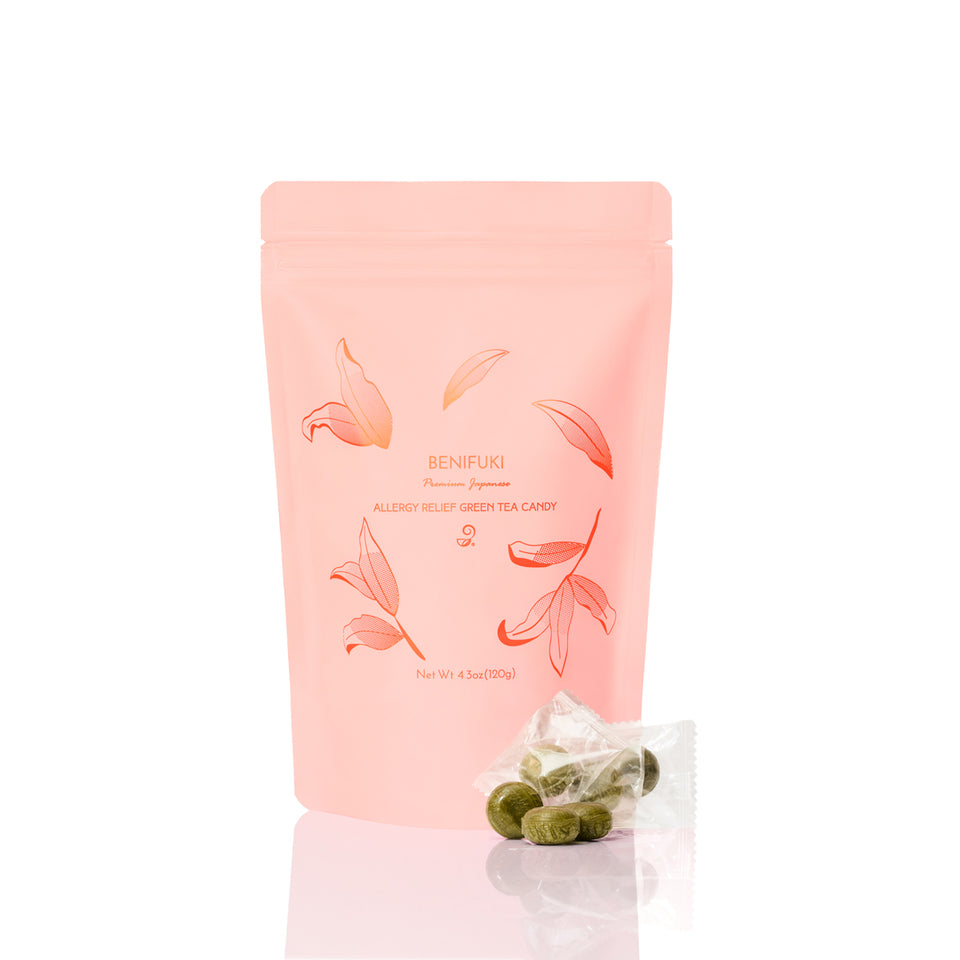
Candy Version: https://www.japanesegreenteain.com/pages/buy-benifuki-allergy-relief-candy-30-pieces

Learn More About Benifuki Green Tea

Learn More About Benifuki: https://www.japanesegreenteain.com/blogs/green-tea-and-health/allergy-hay-fever-check-out-benifuuki-5-reasons-why-this-green-tea-variety-is-booming-in-japan

Learn More About Benifuki and MCAD: https://www.japanesegreenteain.com/blogs/green-tea-and-health/benifuuki-japanese-green-tea-naturally-heals-mast-cell-activation-syndrome-mcad

Video Transcript

Transcript in different languages:

Transcript in English:

ChaCha:
Achoo.

Kei:
Bless you.

ChaCha:
Hi Mr. Kei

Kei:
Hi ChaCha

ChaCha:
Japanese people don’t say “bless you”.

Kei:
I know. I’m Japanese, but I live in the United States.

You are sneezing.

Did you know that there is tea good for allergies?

ChaCha:
No Way!

Kei:
This is Benifuki green tea.

Benifuuki is a type of green tea that is booming in Japan.

It is good for relieving allergies and hay fever.

ChaCha:
I have hay fever. Every spring is a nightmare.

This tea was the result of crossbreeding between Indian assamica tea and Japanese tea.

Crossbreeding happened in Kagoshima Japan in 1965 but wasn't really sold until very recently.

It is also good for people with MCAD or Mast Cell Activation Syndrome.

ChaCha:
Mast Cell Acti...? Syndrome?

Kei:
Mast Cell Activation Syndrome

ChaCha:
Say that three times fast!

Kei:
Mast Cell Activation Syndrome.... Mast Cell Activation Syndrome... Mast Cell Activation Syndrome...

ChaCha:
Why is Benifuki good for them?

Kei:
Benifuuki contains high levels of Methylated Catechins.

ChaCha:
Methylated Catechins?

Kei:
I’m not saying that three times fast.

Methylated Catechins are chemical elements known to inhibit the mast cell response.

Because of it, the tea can prevent allergies, hay fever, and MCAD.

ChaCha:
Ah...

Kei:
This chemical is usually very bitter in taste

but this particular tea is grown in sugarcane soil and it doesn't taste that bitter.

ChaCha:
Too Much Information My Head Hurts.

Kei:
Do you want to try it out?

ChaCha:
Sure

Kei:
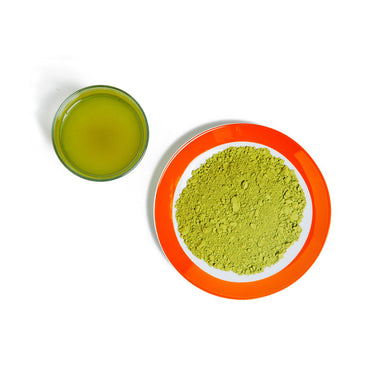
It is a powder form like this.

There is also a tea bag and candy version too
but the powder one is my favorite.

All you need to do is to mix this with hot or cold water.

I use one cup of water and one 5g package.

I can also use milk instead of water.

When I use milk, I add honey or agave syrup.

ChaCha:
Ahhh… tastes good.

Kei:
Achoo

ChaCha:
You need one too.

Watch the Video

Click to Subscribe to my YouTube Channel

What is Benifuki Tea? Explained in One Minute


Buy Benifuki Japanese Green Tea


Watch More ChaCha's Green Tea Room Videos


Click to Subscribe to my YouTube Channel

FAQs about Benifuki Tea for Allergies

What makes benifuki green tea work for allergies when other green teas don't?
It comes down to one specific compound: methylated catechin (specifically EGCG3″Me). Benifuki (べにふうき) was crossbred in Kagoshima in 1965 — Japanese tea (camellia sinensis) crossed with Indian assam tea — and the resulting cultivar produces unusually high levels of this methylated form of catechin. Methylated catechins are stable in the gut, which means they survive digestion and reach mast cells. Once there, they help inhibit the histamine release that drives sneezing, itchy eyes, and runny noses.

Most green teas — sencha (煎茶), matcha (抹茶), gyokuro — contain regular EGCG, which is a great antioxidant but breaks down quickly in the gut and doesn't reach mast cells in usable amounts. So they're wonderful for general health, but they won't help with allergies the way benifuki does. The cultivar is the difference, not the brewing.

If you've never had benifuki, the fastest way in is our powdered version — single-serve sticks where you just stir into hot or cold water. The methylated catechins are concentrated in the leaf, so powder (where you drink the whole leaf) delivers more than steeping leaves. More on form differences below.

How much benifuki should I drink daily for allergy relief?

Japanese clinical studies on benifuki and seasonal allergies usually use about 1.5 grams of powdered benifuki per day, taken twice — once in the morning, once in the evening. Most people see noticeable relief at that dose. Our single-serve sticks are 5 grams each, which is more generous than the study dose but works well in practice — most customers do one stick a day during peak allergy season, or split one stick across two cups of water.

Tea bags and candies deliver less methylated catechin per serving than powder because you're not consuming the leaf itself. If you're using tea bags, 2 to 3 cups a day during allergy season is the typical recommendation. If you're using candies, several throughout the day rather than one at a time. The powder is the most efficient form, but consistency matters more than form — drinking benifuki every day at any dose beats drinking it sporadically at a higher one.

One note: benifuki is preventive more than acute. It works by lowering your baseline mast cell reactivity over weeks, not by stopping a sneezing fit in the moment. That's why timing matters, which is the next question.

When should I start drinking benifuki before allergy season hits?

The Japanese clinical research is clear on this: start about 1 to 2 months before your symptoms usually begin. The mechanism is cumulative — methylated catechins gradually reduce mast cell reactivity, so you want a baseline built up by the time pollen counts spike. Starting the week your eyes start watering will help, but you'll get noticeably better results from starting earlier.

Practically, that means if your hay fever season is March-April, start drinking benifuki in January or early February. If you react to ragweed in late summer/fall, start in early-to-mid summer. For year-round allergy sufferers (dust, pet dander, mold), there's no season to time around — just drink it daily and the effect compounds.

If you forget and miss the runway window, just start now. Some relief is better than none, and you'll be ahead of next year's curve already.

Powder vs. tea bag vs. candy — which form of benifuki actually works best?

Ranked by methylated catechin delivery, powder is the strongest, tea bags are middle ground, and candies are the gentlest. Powder wins because you're consuming the entire leaf, so all the methylated catechins end up in your cup. Tea bags only deliver what infuses out of the leaf during steeping — typically 60-70% of the active compound. Candies deliver less still, since they're flavored with benifuki extract rather than concentrated leaf.

That said, the best form is the one you'll actually drink consistently. Powder is most effective but a little fussy. Tea bags are easy and travel well — toss in a thermos in the morning. Candies are perfect for kids, for the office, or for anyone who doesn't drink tea regularly. We have customers who do all three: powder at home in the morning, tea bag at work, candy mid-afternoon when allergies flare.

If you want to test which works for you, the candy version is the easiest entry point — you don't need to commit to a brewing routine and you find out fast whether benifuki helps you specifically before scaling up to powder.

Are there any side effects or reasons not to drink benifuki?

Benifuki is just a green tea cultivar — no synthetic compounds, no added chemicals — so for most people it's as safe as any other green tea. But there are a few things worth knowing.

It contains caffeine (about 30-40mg per cup, which is roughly half of regular green tea), so people sensitive to caffeine should drink earlier in the day. Pregnant or nursing people should check with their doctor first — this is standard caffeine guidance, not specific to benifuki. If you're on warfarin or other blood thinners, large amounts of any green tea can interact with the medication because of the vitamin K content; talk to your doctor about your overall green tea intake.

Benifuki is a complement to allergy treatment, not a replacement. If you rely on prescription antihistamines or have severe asthma, keep using what your doctor prescribes. Plenty of customers stack benifuki with their existing allergy meds and find they need lower doses of the prescription stuff over time, but that conversation should happen with your doctor, not a tea company.

Related products

56 reviews

Benifuuki - Allergy Relief Japanese Green Tea Bags (30 tea bags)

$30.00
Quick view

Benifuuki green tea is highly regarded in Japan for its natural allergy-relief properties, helping with seasonal allergies, cedar allergies, hay fever, and even Mast Cell Activation Syndrome (MCAD). It is rich in Methylated Catechins, a potent form of EGCG that supports the inhibition of mast cell responses and reduces allergy symptoms.

This convenient teabag version uses an eco-friendly pyramid sachet and is made from authentic Japanese green tea cultivated by the Chagusaba method in nutrient-rich sugarcane soil. Featuring the Benifuki cultivar, each resealable aluminum package contains 30 tea bags, with each bag holding 3g of tea for a total of 90g (3.2 oz). A powder and candy version are also available.

38 reviews

Benifuuki - Allergy Relief Japanese Green Tea Candy (30 Candies)

$17.00
Quick view

Benifuuki green tea is well-known in Japan for its natural allergy-relief benefits, helping with seasonal allergies, cedar allergies, hay fever, and even Mast Cell Activation Syndrome (MCAD). Rich in Methylated Catechins, a potent form of EGCG, it works to inhibit mast cell responses and ease allergy symptoms.

This premium candy, made from Benifuuki tea and menthol, offers a convenient, low-calorie way to enjoy these benefits on the go. Thanks to a special soil cultivation method developed by the Arahataen research team, the candy preserves the tea’s smooth, aromatic flavor while maintaining its powerful health properties. Each piece is individually wrapped for easy use.

33 reviews

Benifuuki - Allergy Relief Japanese Green Tea Powder (14 Stick Packs)

$17.00
Quick view

Benifuuki green tea, sometimes written as Benifuki, is a popular tea in Japan celebrated for its natural ability to help relieve seasonal allergies, cedar allergies, hay fever, and even Mast Cell Activation Syndrome (MCAD). Rich in Methylated Catechins, a powerful form of EGCG known to inhibit mast cell responses, Benifuuki offers strong support against allergy symptoms. Typically associated with bitterness, the Arahataen research team developed a special nutrient-rich soil, enhanced with sugarcane, to cultivate Benifuuki with high levels of Methylated Catechins while maintaining a smooth aroma and reduced bitterness. This powdered tea, made from the Benifuki cultivar and grown using the Chagusaba method, comes in a resealable aluminum bag containing 14 single-serve stick packs (0.6g each). Simply mix one stick with hot or cold water or milk to enjoy an easy, flavorful cup without the need for a strainer or teapot.

8 reviews

The Sencha Lover Gift Set - Premium Japanese Green Tea Set Package
$179.00 $159.99
Quick view

This tea set features three exceptional Japanese green teas, each crafted with care and traditional techniques. Issaku Reserve, a Global Tea Champion winner in 2017 and 2019, is a rare masterpiece created by Farm Master Mr. Arahata at Arahataen Green Tea Farm. Handpicked once a year from the first flush and processed with advanced methods, Issaku represents the highest-grade deep-steamed green tea, available only in limited quantities even in Japan.

The set also includes Gyokuro, a premium shaded green tea known for its rich, sweet flavor and deep mossy green color. Grown under special mats for 20 days to increase caffeine and amino acid levels, Gyokuro offers a layered, smooth taste unlike any other. Completing the collection is Nozomi, a fine Kabuse-cha, or "Covered Green Tea," carefully grown under nets to gently shade the leaves just before new sprouts emerge, resulting in a soft, rich, and refined flavor profile.

97 reviews

Gyokuro - Shaded Imperial Premium Green Tea

$65.00
Quick view

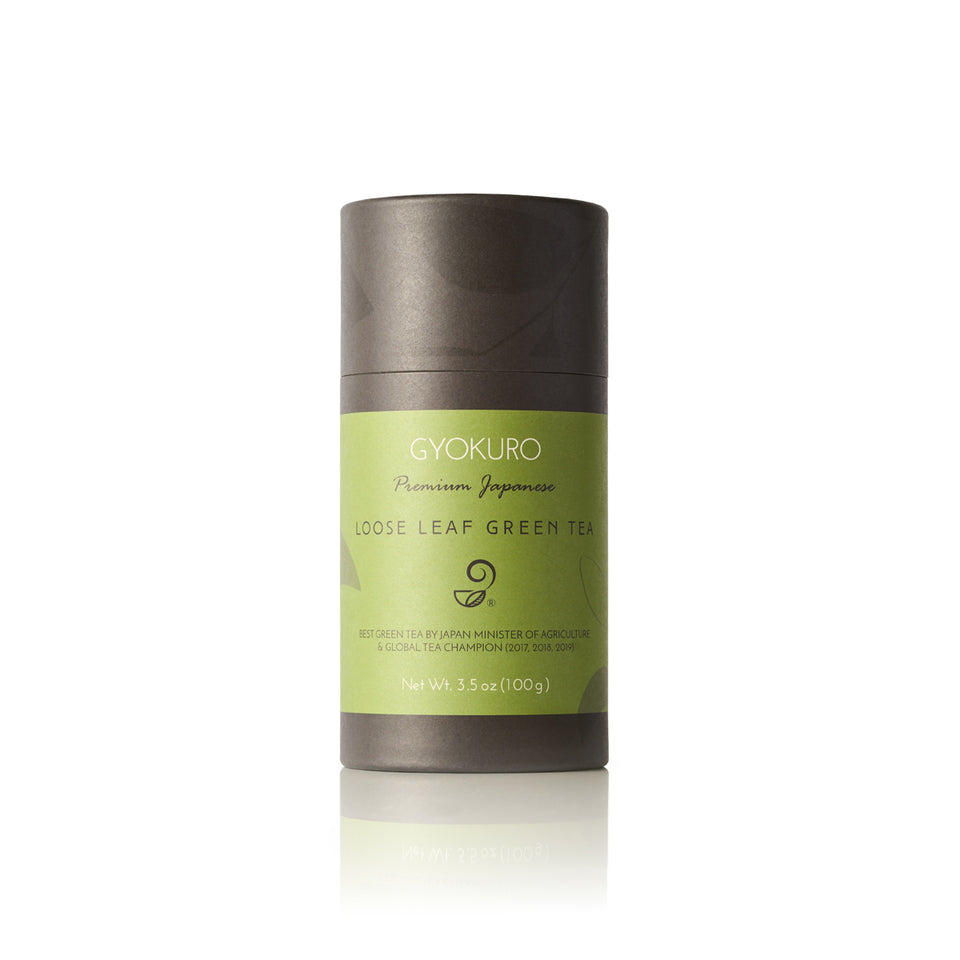
Gyokuro, also known as "jade dew" or "jewel dew tea," is a premium Japanese green tea shaded from the sun for 20 days using specially made mats, a method that boosts caffeine levels and strengthens amino acids to create a sweeter, richer flavor. This extended shading process results in dark, mossy green leaves with an unmistakable aroma and a complex taste that is layered yet balanced. Cultivated by the Chagusaba method in nutrient-rich sugarcane soil and made from the Yabukita cultivar, this loose-leaf authentic Gyokuro is offered in a high-quality, air-tight paper tube canister (chyazutsu) to preserve its exceptional freshness and flavor. Each 3.5 oz (100g) full-size package steeps 30–40 cups, and a convenient single-serve sample is also available.


Related Articles You May Be Interested

Benifuuki Japanese Green Tea Naturally Heals MCAD (Mast Cell Activation Syndrome)
Is Green Tea a Natural Antihistamine? – Green Tea Quiz
Is Benifuuki Tea The Same As Matcha?
Japanese Green Tea and Skin Health
How Does Green Tea Help Control Cholesterol Ratio?

Get Free Bonus Books

Join Green Tea Club

Sign up for free to the Green Tea Club to get advice and exclusive articles about how to choose Japanese Tea, and tips, tricks, and recipes for enjoying Japanese tea.

Unsubscribe anytime. It’s free!

About the author

Kei Nishida

Kei Nishida

Author, CEO Dream of Japan

info@japanesegreenteain.com

Certification: PMP, BS in Computer Science

Education: Western Washington University

Kei Nishida is a passionate Japanese green tea connoisseur, writer, and the founder and CEO of Japanese Green Tea Co., a Dream of Japan Company.

Driven by a deep desire to share the rich flavors of his homeland, he established the only company that sources premium tea grown in nutrient-rich sugarcane soil—earning multiple Global Tea Champion awards.

Expanding his mission of introducing Japan’s finest to the world, Kei pioneered the launch of the first-ever Sumiyaki charcoal-roasted coffee through Japanese Coffee Co. He also brought the artistry of traditional Japanese craftsmanship to the global market by making katana-style handmade knives—crafted by a renowned katana maker—available outside Japan for the first time through Japanese Knife Co.

Kei’s journey continues as he uncovers and shares Japan’s hidden treasures with the world.

Learn more about Kei Nishida

Related Posts

Our Matcha Is Now at Pillow Talk Cafe in Pasadena — Master Japanese-Inspired Cake Makers

Our matcha is now at Pillow Talk Cafe Pasadena! Meet the cafe, try the Egg Heaven sando & Matchamisu, and see how th

Read More
Simply Donabe — New Cookbook from TOIRO's Naoko-san Is Out!

Simply Donabe is here! We celebrated TOIRO's Naoko-san's new cookbook at a special dinner at Camélia in DTLA — see our p

Read More
Introducing New Product - Meet Hojicha Powder
Introducing A New Product - Meet Hojicha Powder

Discover the game-changing Hojicha powder your kitchen has been waiting for — richer flavor, easier recipes, and surpris

Read More
Leave a comment

Your email address will not be published..

Cart

Your cart is currently empty.

Start Shopping

Select options