

For years, premium Japanese Roasted Green Tea (ほうじ茶, Hōjicha) in its traditional loose leaf form has been one of our best sellers.

Many of our customers have been asking about the powder version, especially since we have been introducing many recipes using hojicha, but we have asked people to grind the loose-leaf tea. (You can see all the hojicha recipe videos here: "Everything You Need to Know about Japanese Hojicha Tea".)
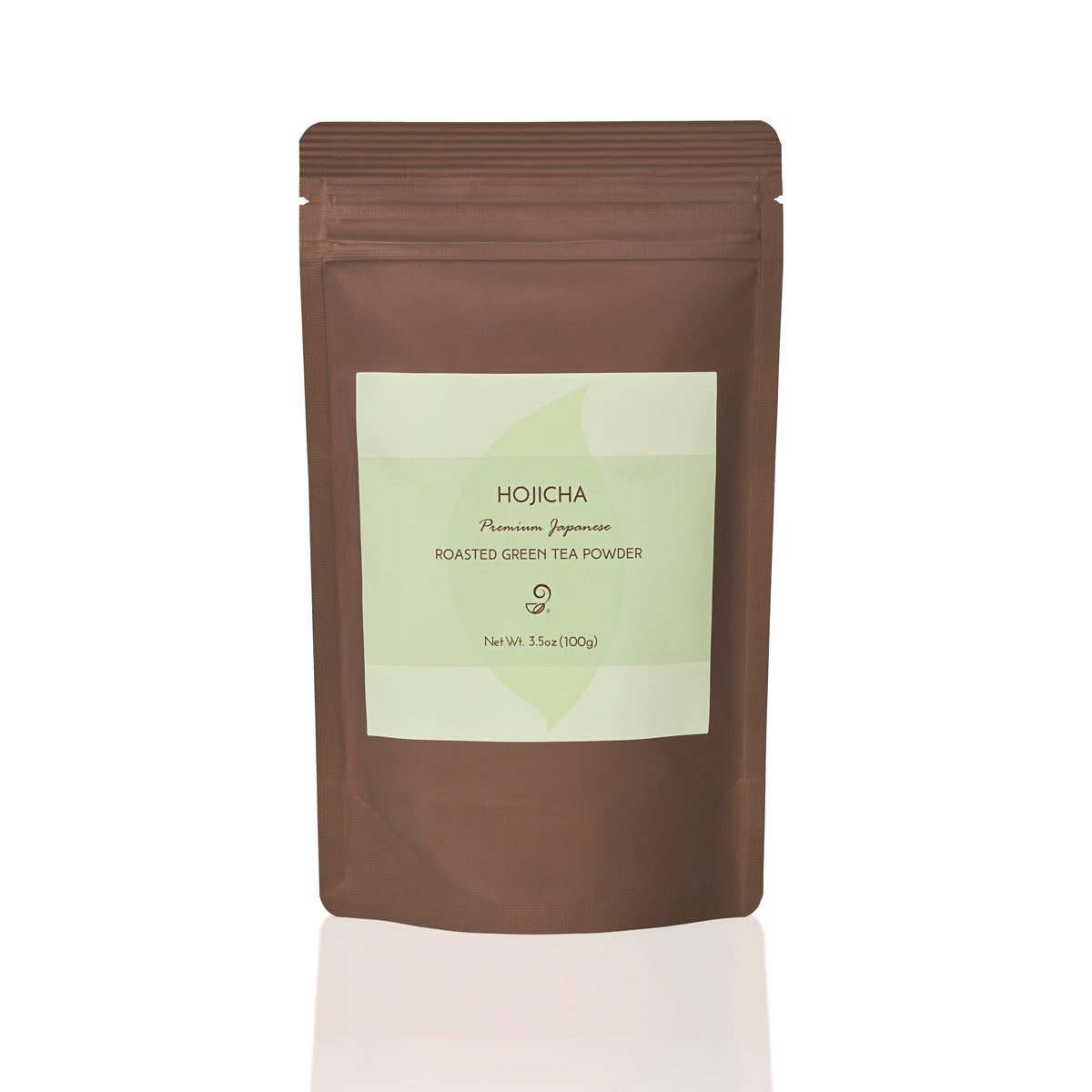
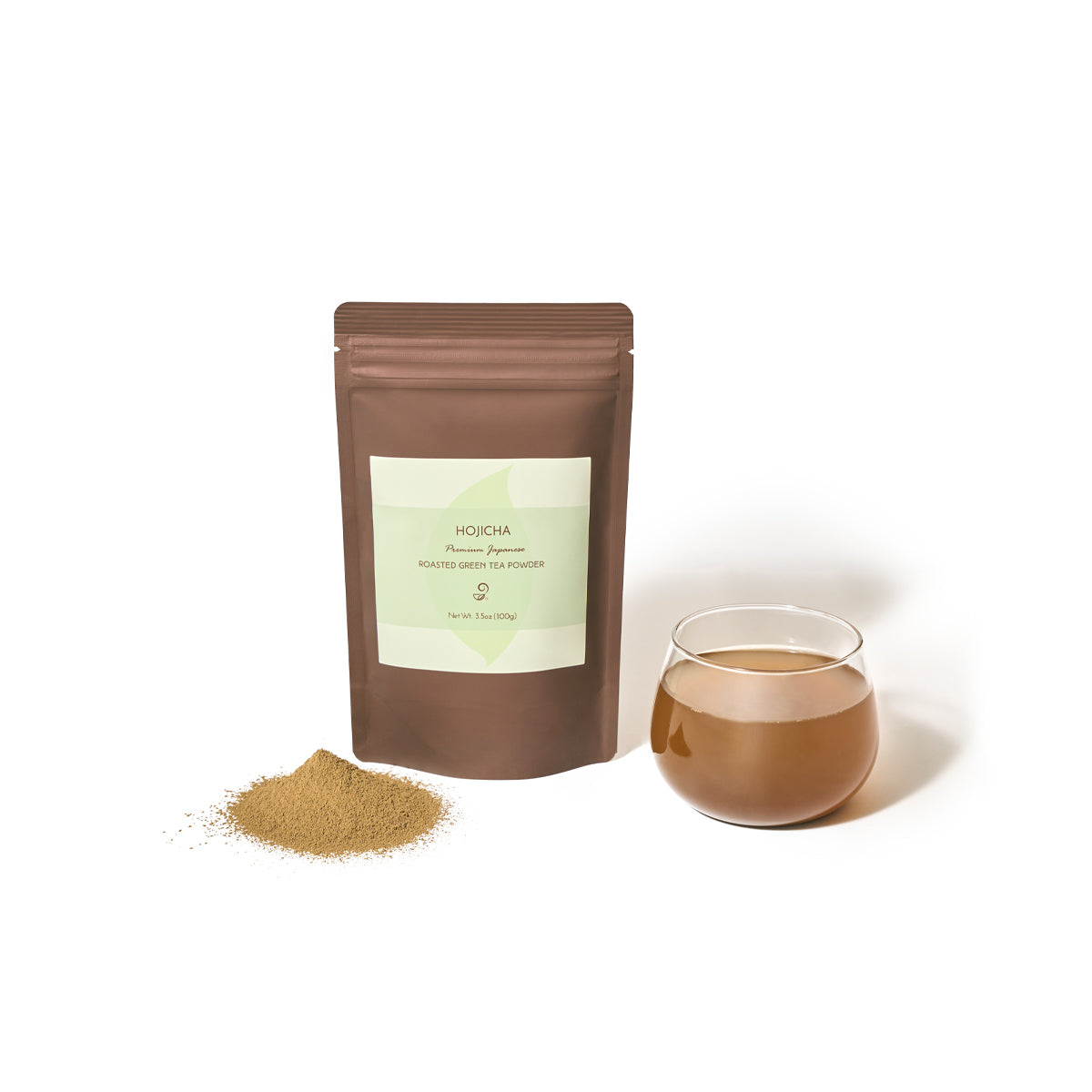
Today, we are thrilled to announce that Hojicha Powder is now on our store!

You Can Finally Stop Grinding Your Loose-Leaf Tea
Okay, real talk.
If you've ever tried to make a hojicha latte at home starting from loose-leaf tea, you know what step one actually is: grinding.
And if you've ever done that — pulled out a spice grinder, measured the leaves, tried to get a fine enough powder — you know it's kind of a project.
And that's just for a latte.
If you want to bake with it — cookies, cakes, mochi, brownies — the bar gets even higher.
The powder needs to be ultra-fine to dissolve smoothly into butter or milk, and a spice grinder at home almost never gets you quite there. You end up with uneven texture, and the flavor doesn't distribute as you'd like.
That's exactly the problem our Hojicha Powder solves.

Here's the thing — when the grind isn't fine enough, you feel it. There's a gritty, grainy texture in your latte that just shouldn't be there. Same with baking. You want your hojicha cookies or pumpkin bread to have that smooth, even hojicha flavor running through every bite — not little flecks of tea leaf that didn't quite make it.
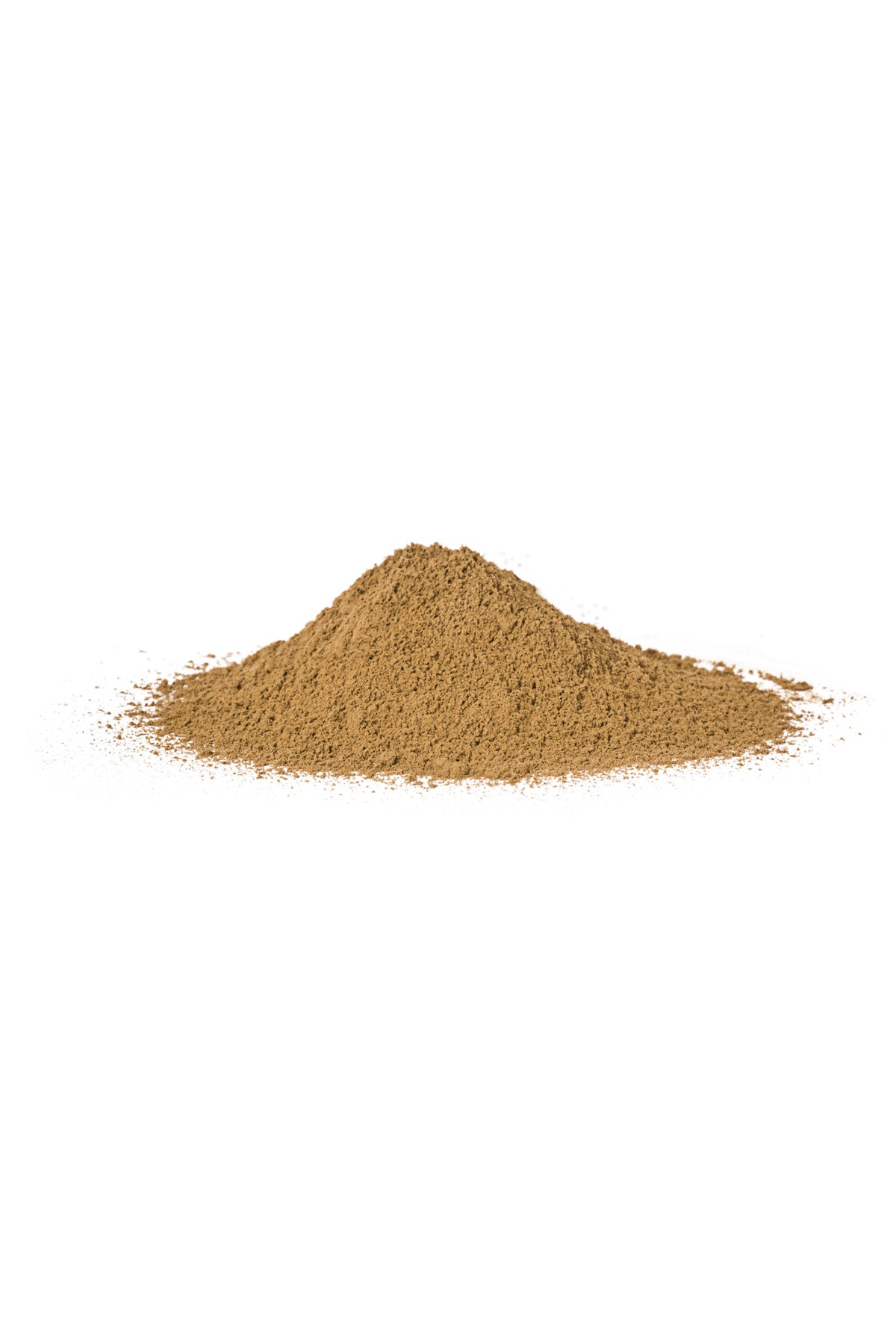
Our Hojicha Powder is milled to a superfine consistency, so it's ready to go the moment you open the bag.
No grinder. No mess. No extra steps. Just scoop and use.

Your Favorite Hojicha Recipes Just Got a Lot Easier
And there's so much you can make with it. We have recipes for a silky hojicha oat milk latte, brownies, banana cake, pudding, gingerbread muffins, cookie dough bites, and even hanabira mochi. Almost all of them call for powder — and now you're already set before you've even started.

What Actually Makes Hojicha Different?
Let me explain!
Hojicha (ほうじ茶) literally means "roasted tea." And that one extra step—the roasting—is what makes it so different from nearly every other Japanese green tea (Nihoncha, 日本茶) on the market.
Most Japanese teas, such as Sencha (煎茶) or Gyokuro (玉露), are steamed after harvest to preserve the fresh, grassy, vegetal flavor you likely associate with green tea.
Hojicha gets steamed too — but then it goes one step further.
The leaves are roasted at high heat, and that's where everything changes. The color, the aroma, the flavor — all of it transforms.

This roasting tradition actually started in Kyoto (京都) in the 1920s — which makes it one of the newer Japanese teas, historically speaking.
The leaves are roasted at high temperatures, traditionally over charcoal, and that heat turns them from green to the beautiful, deep reddish-brown color that hojicha is known for.
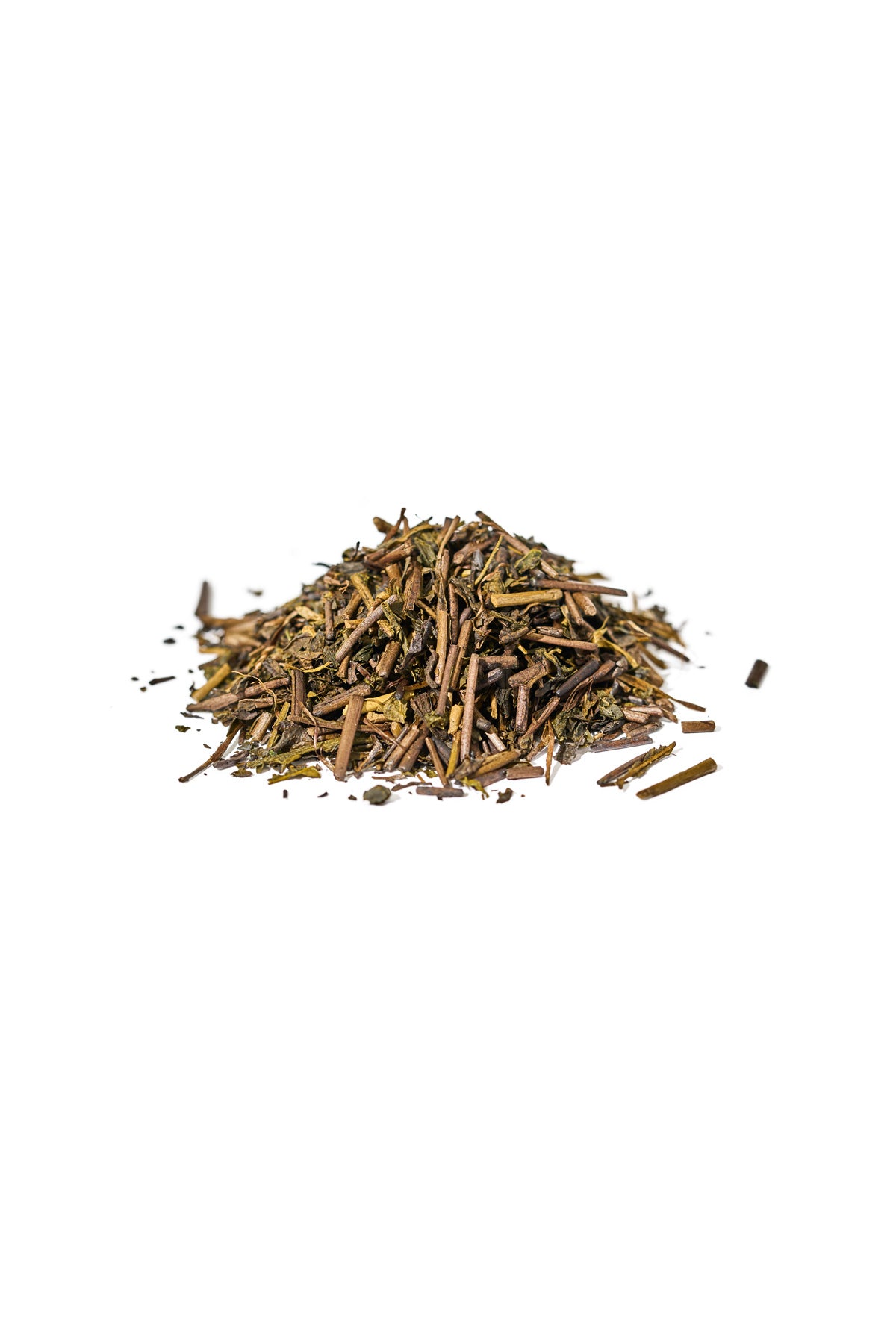
Most hojicha is made from later harvest leaves — Bancha (番茶) or Kukicha (茎茶, made from stems and twigs). But ours is different. We use the highest-quality plant parts, which is a key reason our hojicha tastes noticeably smoother and richer than what you'd typically find.
So What Does It Actually Taste Like?
Here's what surprises most people the first time they try hojicha — there's no bitterness. None.
That's not an accident.
The high heat of roasting breaks down the catechins and tannins that give regular green tea its astringency.
What's left is something completely different — smooth, mellow, and naturally sweet, with warm nutty notes and a gentle hint of caramel and dark chocolate.
It tastes more like a cozy roasted grain drink than anything you'd expect from a green tea.
And honestly? That's exactly what makes it so approachable for people who don't usually love tea.

The signature aroma comes from a compound called pyrazine, which is also found in roasted coffee, contributing to the tea's uniquely satisfying and relaxing fragrance.
Perfect for Evenings — and Anyone Sensitive to Caffeine
Here's another reason hojicha has become such a staple in Japanese households: it's incredibly low in caffeine.
The roasting process reduces the amount of naturally occurring caffeine in tea leaves.
The result is a drink with only about 7.7mg of caffeine per cup — compared to roughly 95mg in a typical cup of coffee.
That's a big difference.
It's why hojicha is commonly served to children and the elderly in Japan, and why it makes such a perfect evening drink.
If you've been looking for something warm and satisfying to wind down with at night — without the risk of lying awake staring at the ceiling — a hojicha latte might be exactly what you've been missing.

How Is Hojicha Powder Different From Matcha?
Great question — and the easiest way to explain it is to just look at them side by side.
Matcha (抹茶) is that bright, almost fluorescent green you've seen everywhere. That color comes from the leaves being shade-grown and never roasted — all that chlorophyll stays intact.
Hojicha powder is the opposite.
It's a deep, warm reddish-brown — think roasted cocoa or coffee grounds. And just like with matcha, that color tells you everything about the flavor before you even taste it.
What I love about cooking and baking with hojicha powder is how different it looks from everything else.
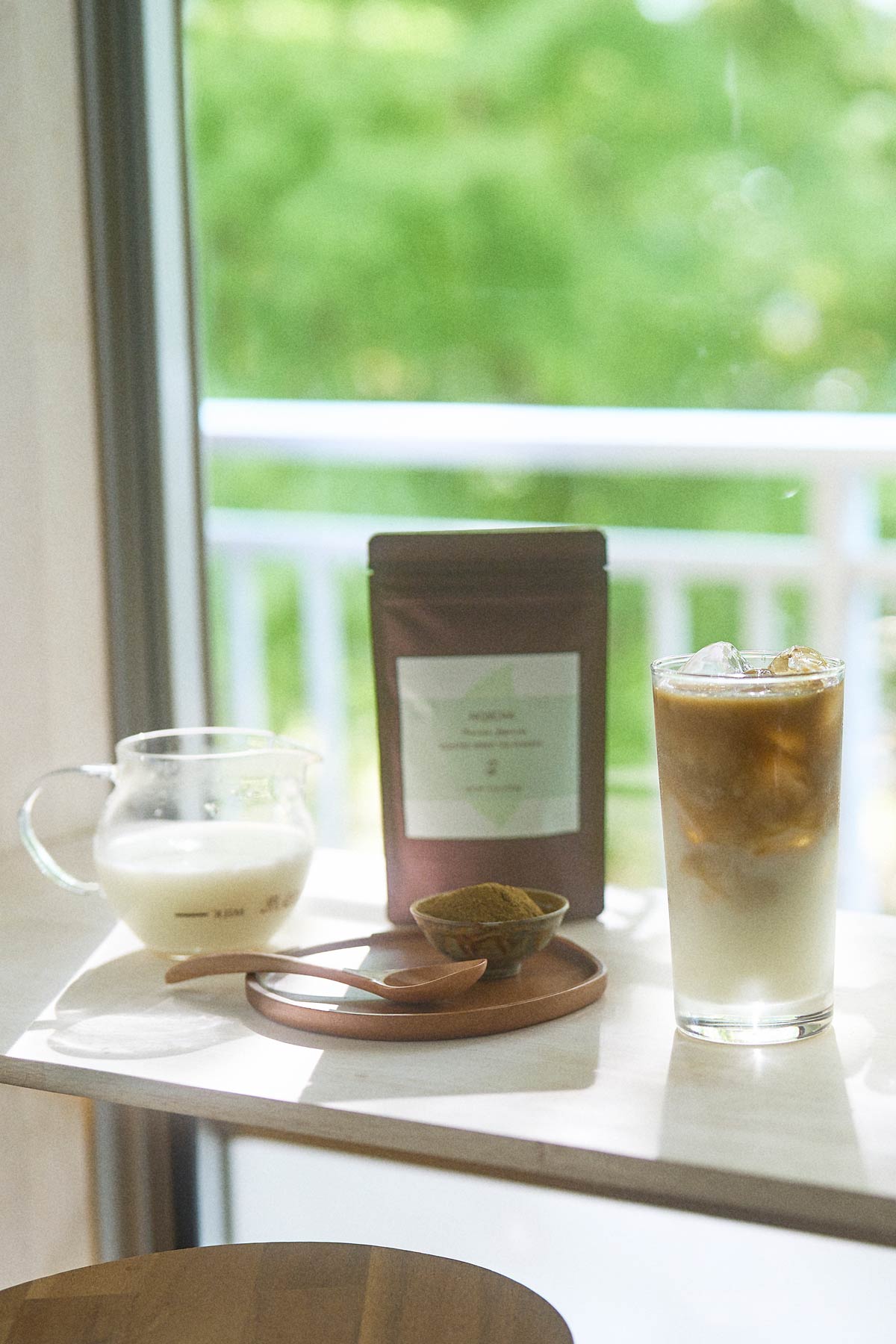
A hojicha latte has this beautiful, earthy, caramel-brown tone.
A hojicha cheesecake or cookie looks rich and sophisticated in a way that's totally its own. It's not trying to be matcha — and that's exactly the point.

The visual appeal of Hojicha Powder is a major reason why it has become so popular in gourmet cafes and bakeries globally.
The Flavor Difference Is Just as Big as the Color Difference
The flavor difference is just as dramatic as the color difference—and it's worth understanding if you want to use them appropriately.
Matcha has that deep, grassy, vegetal flavor with a strong umami (うま味) backbone.
That's what makes matcha matcha. It's bold, sometimes a little bitter, and it commands attention in whatever you put it in. Some people love that. But it can also be excessive—especially in more delicate recipes where you want something subtler.
Hojicha is the opposite.
No grassiness, no astringency, no strong umami. Just that smooth, toasty, slightly sweet warmth we talked about earlier. It complements other ingredients rather than overpowering them.

That's what makes hojicha powder so versatile in the kitchen.
With no astringency to worry about, it plays beautifully with creamy, sweet, and rich ingredients — milk, butter, chocolate, cream cheese. If matcha is the bold, assertive one, hojicha is the easy-going one that makes everything around it taste better.
And if you love the ritual of a powdered tea but matcha's intensity isn't quite your thing — this is it.

The Health Benefits Are Real — and the Powder Form Makes Them Even Better
Despite being roasted, Hojicha remains a green tea and retains many of the powerful health benefits associated with its parent leaf.
Crucially, Hojicha Powder is rich in antioxidants, compounds that help your body combat oxidative stress and reduce inflammation.
These antioxidants, including catechins, play a vital role in strengthening your immune system and protecting cells from damage caused by free radicals.
Furthermore, the anti-inflammatory and antioxidant properties in Hojicha can help protect your skin from oxidative stress, potentially reducing visible signs of aging and promoting a healthy, natural glow.

L-Theanine: The Reason Hojicha Makes You Feel Calm Without Making You Sleepy
Here's something most people don't realize about Japanese green tea — it contains an amino acid called L-Theanine (L-テアニン), and it's kind of amazing.
L-Theanine promotes alpha brain wave activity, which puts your brain into a state of relaxed alertness.
Not sleepy. Not jittery. Just calm and focused.
If you've ever wondered why a cup of tea feels so different from a cup of coffee, even when both have caffeine, this is a big part of why.
And with hojicha's caffeine already so low, there's no spike, no crash. Just a gentle, steady feeling of being okay. Which, after a long day, is honestly exactly what you want.
The Smoothness of Hojicha Powder Is Gentle on Your Stomach and Can Help Support Healthy Digestion
Another key benefit of Hojicha’s low tannin content is its exceptional gentleness on the stomach.
Tannins give tea its astringent mouthfeel and can sometimes cause stomach irritation in sensitive individuals.
Because the roasting process significantly reduces the tannin content, our Hojicha Powder is remarkably smooth and easy to digest.
As a natural detoxifier, it can also support healthy digestion and gut health, making it an excellent accompaniment to meals or a soothing way to end a large dinner.

The Tea Used for Our Hojicha Powder Is Made from the Highly Respected Yabukita (やぶきた) Cultivar
The cultivar (品種, hinshu) of tea leaf matters more than most people realize. And ours is made from Yabukita (やぶきた) — the most celebrated tea cultivar in Japan.
Yabukita is the most popular and celebrated tea cultivar in Japan, known for its well-balanced flavor profile and rich, smooth characteristics.
While the roasting process alters the tea’s final presentation, starting with a premium base like Yabukita ensures that the Hojicha's underlying sweetness and complexity are maximized.

Let's Start With the Most Popular One: The Hojicha Latte
The hojicha oat milk latte is probably the number one reason people get excited about hojicha powder — and honestly, making one at home is so much easier than you'd think.
Sift a teaspoon of hojicha powder into your cup, add a small splash of hot water, and whisk until it forms a smooth paste. That's your flavor base. Then pour in your milk of choice — hot or cold, dairy or non-dairy — and that's it. The powder dissolves completely, no grit, no lumps, just a silky, smoky-sweet latte that genuinely rivals what you'd get at a specialty café.
No grinder. No steeping. No straining. Just a really good drink in about two minutes.

Baking With Hojicha Powder? The Possibilities Are Pretty Incredible.
Hojicha powder is a dream ingredient for baking.
That toasty, slightly sweet flavor pairs beautifully with rich, creamy things — butter, cream, chocolate — in a way that matcha just doesn't.
We have a bunch of recipes to get you started.
The hojicha brownie is one of my favorites — the roasted notes and dark chocolate are such a natural combination. The hojicha pudding is silky and elegant. And the hojicha banana cake and pumpkin bread are the kind of thing you make once and then can't stop thinking about.
If you're into Japanese-style sweets, the hanabira mochi, almond daifuku, and banana daifuku are absolutely worth trying too.

Even simpler bakes like the hojicha gingerbread muffins or hojicha cookie dough bites get a whole upgrade from the powder.
That nutty, roasted note turns something everyday into something you actually want to share with people. And because it's superfine, it blends evenly into your dry ingredients — no uneven pockets of flavor, just consistent hojicha throughout.

Explore New Drinks with Hojicha Powder Like Smoothies, Cocktails, and Refreshing Jellies
Beyond lattes and baking, the versatility of our Hojicha Powder invites experimentation with a myriad of other drinks and culinary ideas.
For a healthy morning boost, try blending it into a smoothie with banana and a dash of sweetener; the roasted flavor adds a depth that standard green tea cannot.
For a unique twist on a nightcap, it can be used to create sophisticated Hojicha cocktails, mixing beautifully with spirits like rum or Irish cream liqueur.
In the Japanese dessert tradition, it can even be incorporated into refreshing, chilled treats like Hojicha Jelly (ほうじ茶ゼリー).
The ease of dissolving the powder means you no longer have to brew a strong liquid base for your recipes; you simply measure, mix, and marvel at the delicious results.
Conclusion: Ready to Start?
We've been so excited to bring this to you — and we know a lot of you have been waiting for it.
Skip the grinder. Skip the mess. Just open the bag, scoop, and make something delicious. Whether that's a silky latte on a weekday morning, a batch of hojicha brownies for the weekend, or something totally new you come up with on your own — that's exactly what this powder is for.
Our Hojicha Powder is made from Yabukita cultivar tea — low caffeine, no bitterness, and that warm, toasty flavor that makes hojicha so special.
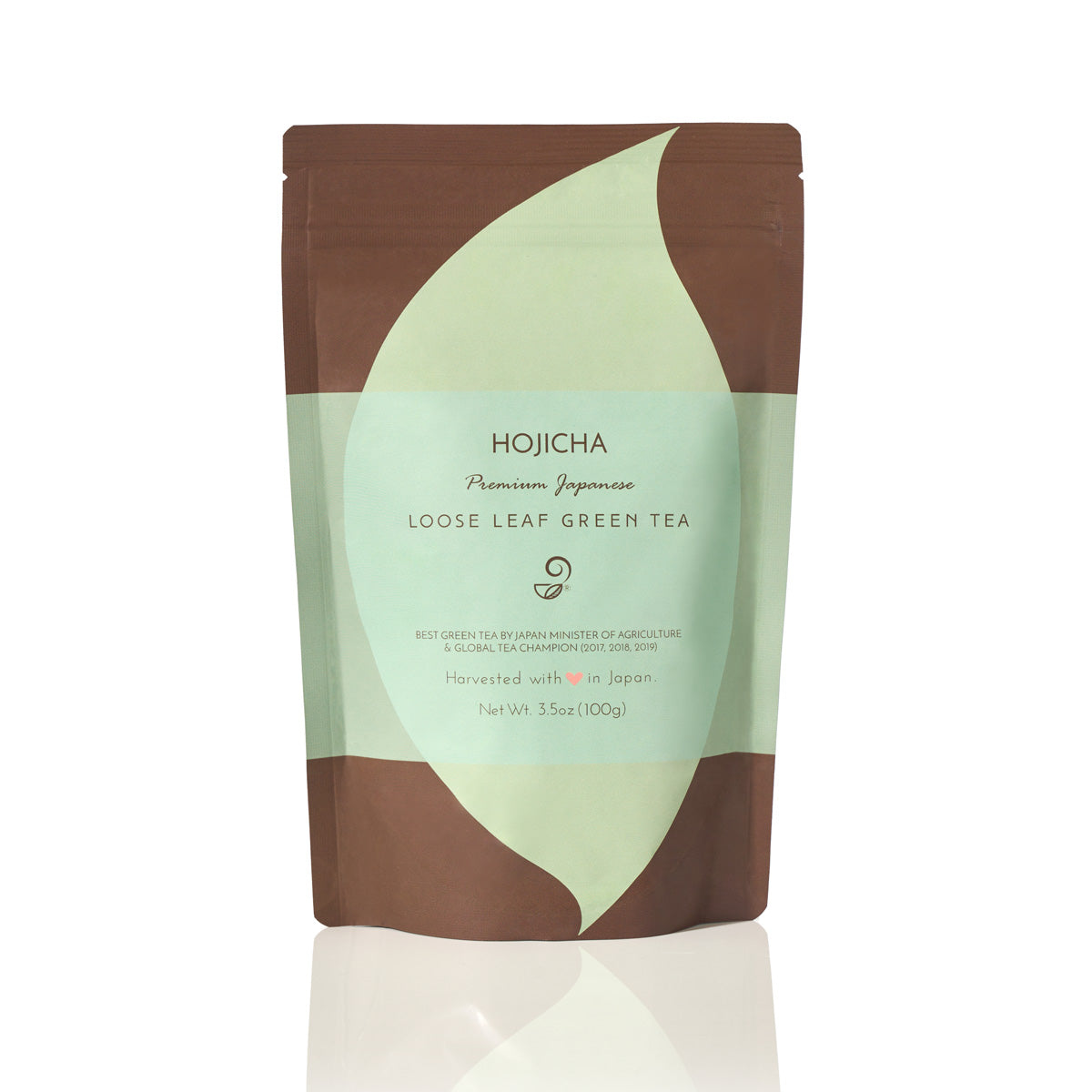
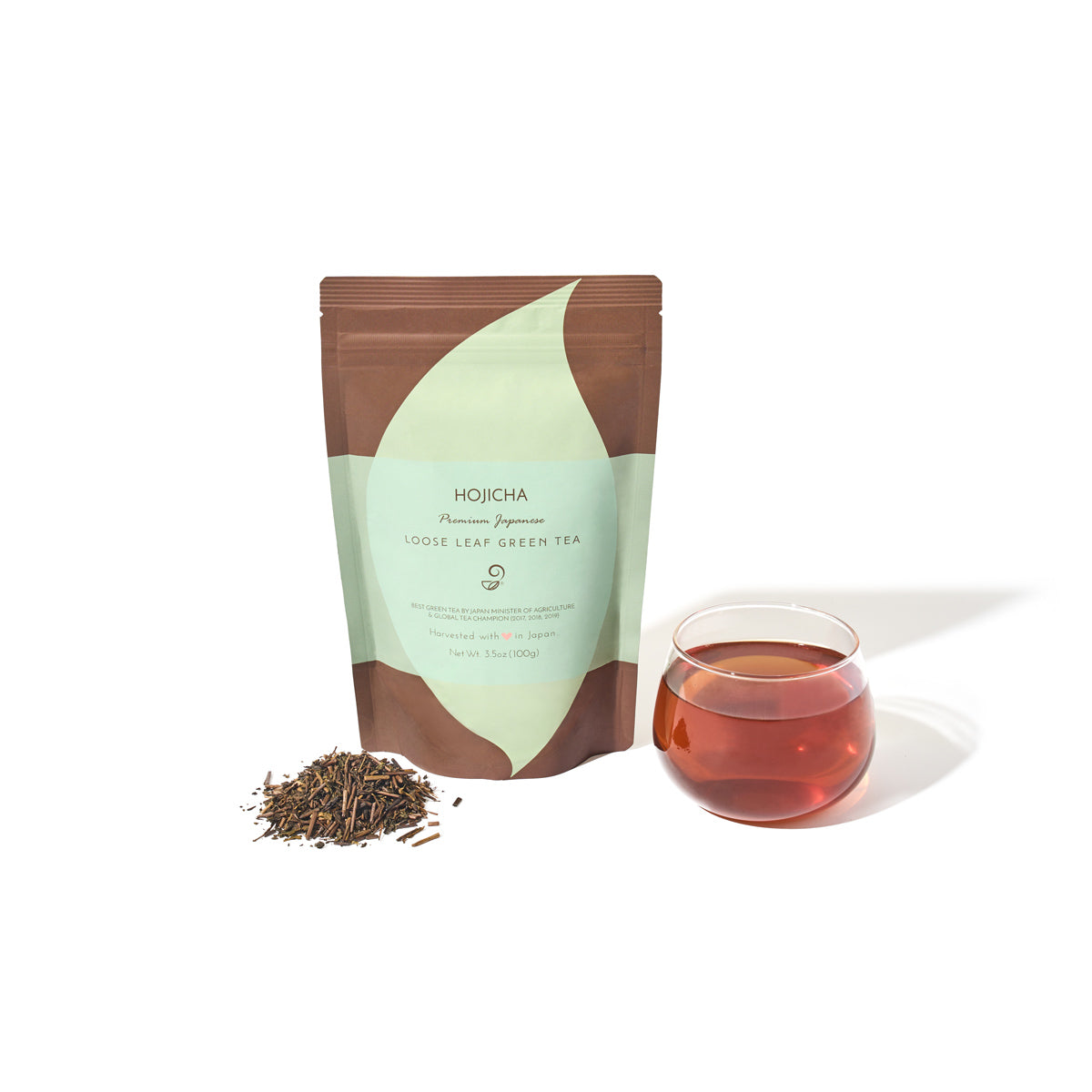
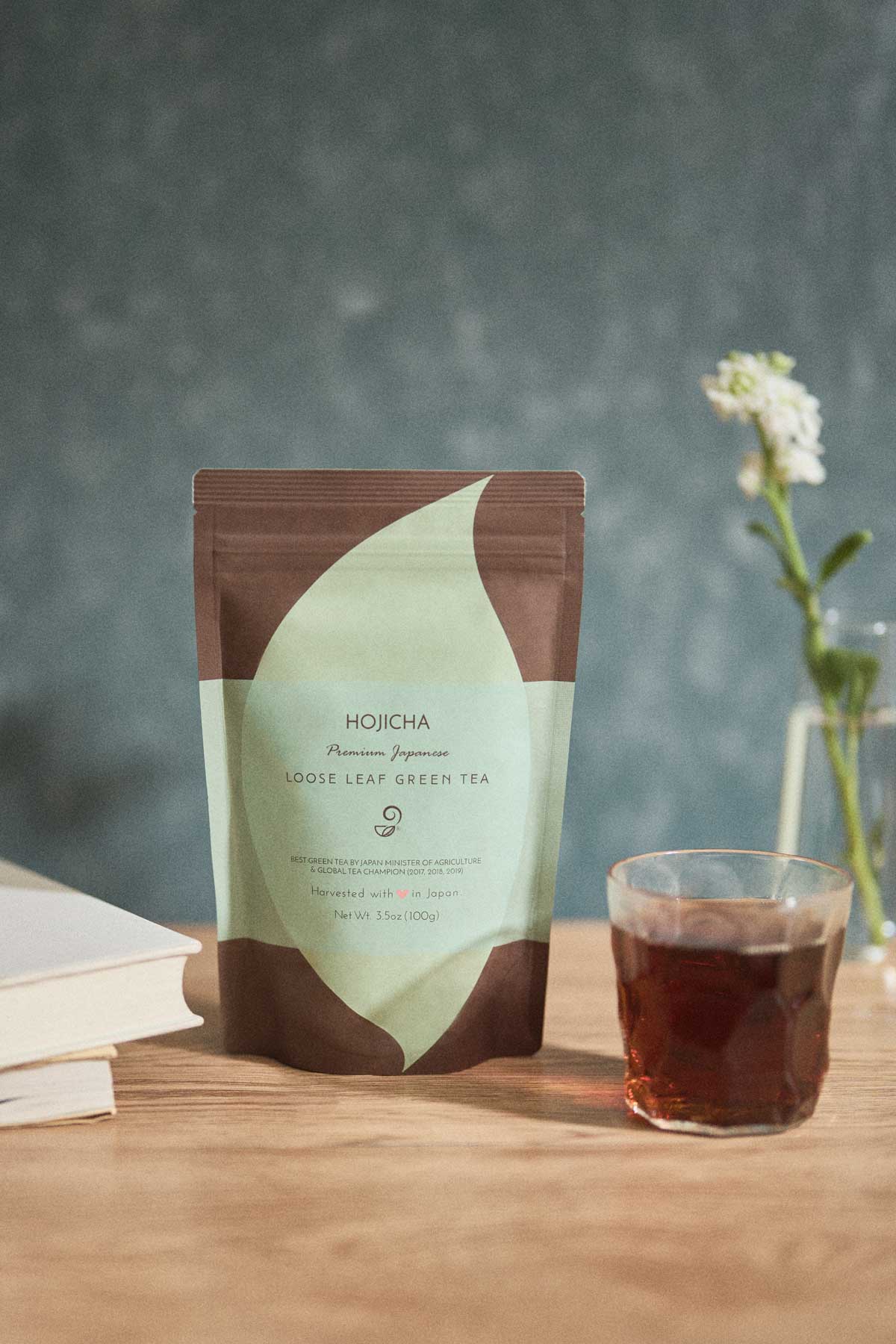
And if you're someone who still loves the ritual of brewing loose-leaf, don't worry — our original Hojicha Loose Leaf isn't going anywhere. Some things don't need to be fixed!
And for continuous inspiration on how to use both our loose leaf and new powder, don’t forget to visit our recipe guide: Everything You Need to Know about Japanese Hojicha Tea.
FAQs about Hojicha Powder
Can I substitute hojicha powder for matcha in recipes?

TRY OUR PREMIUM HOJICHA SELECTION NOW
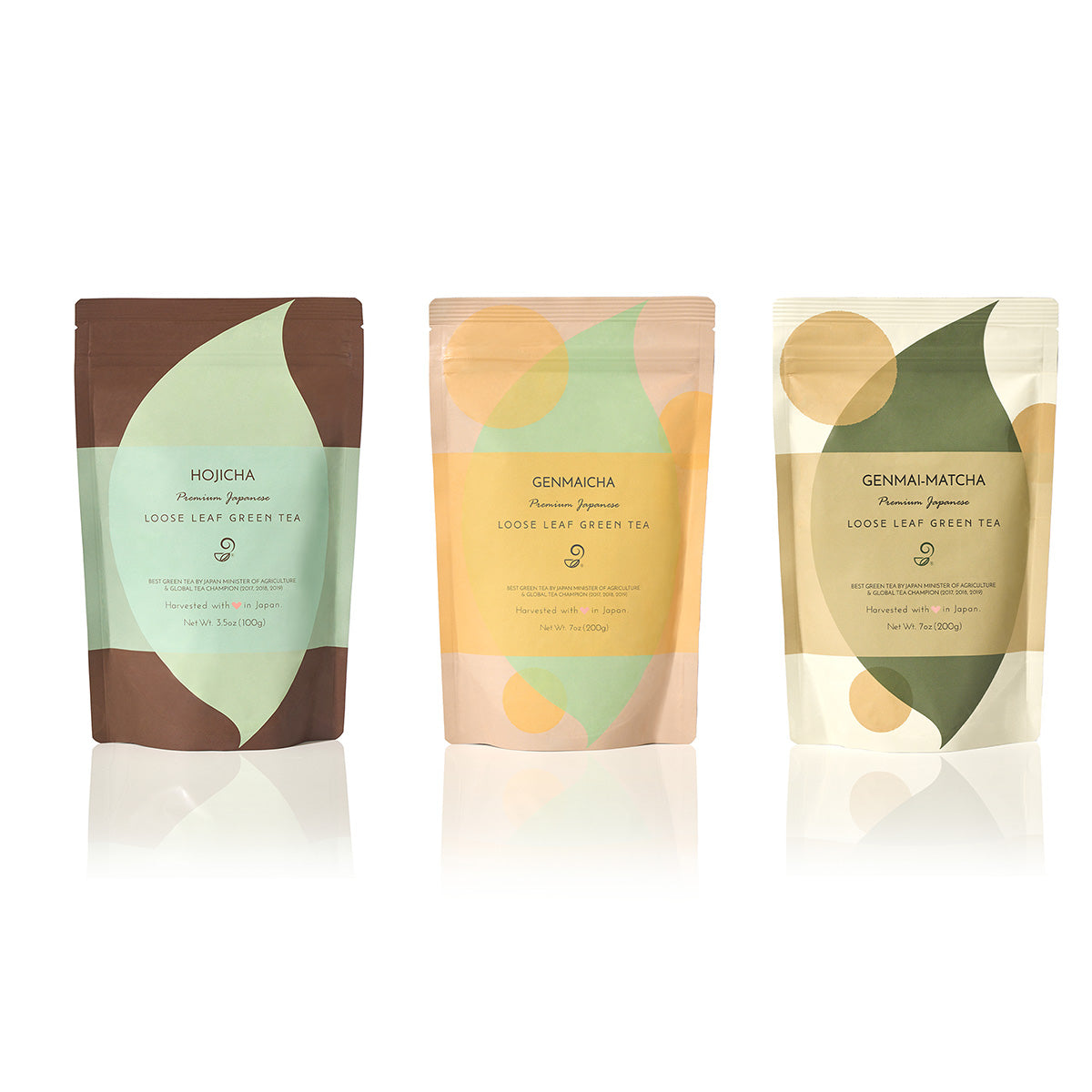
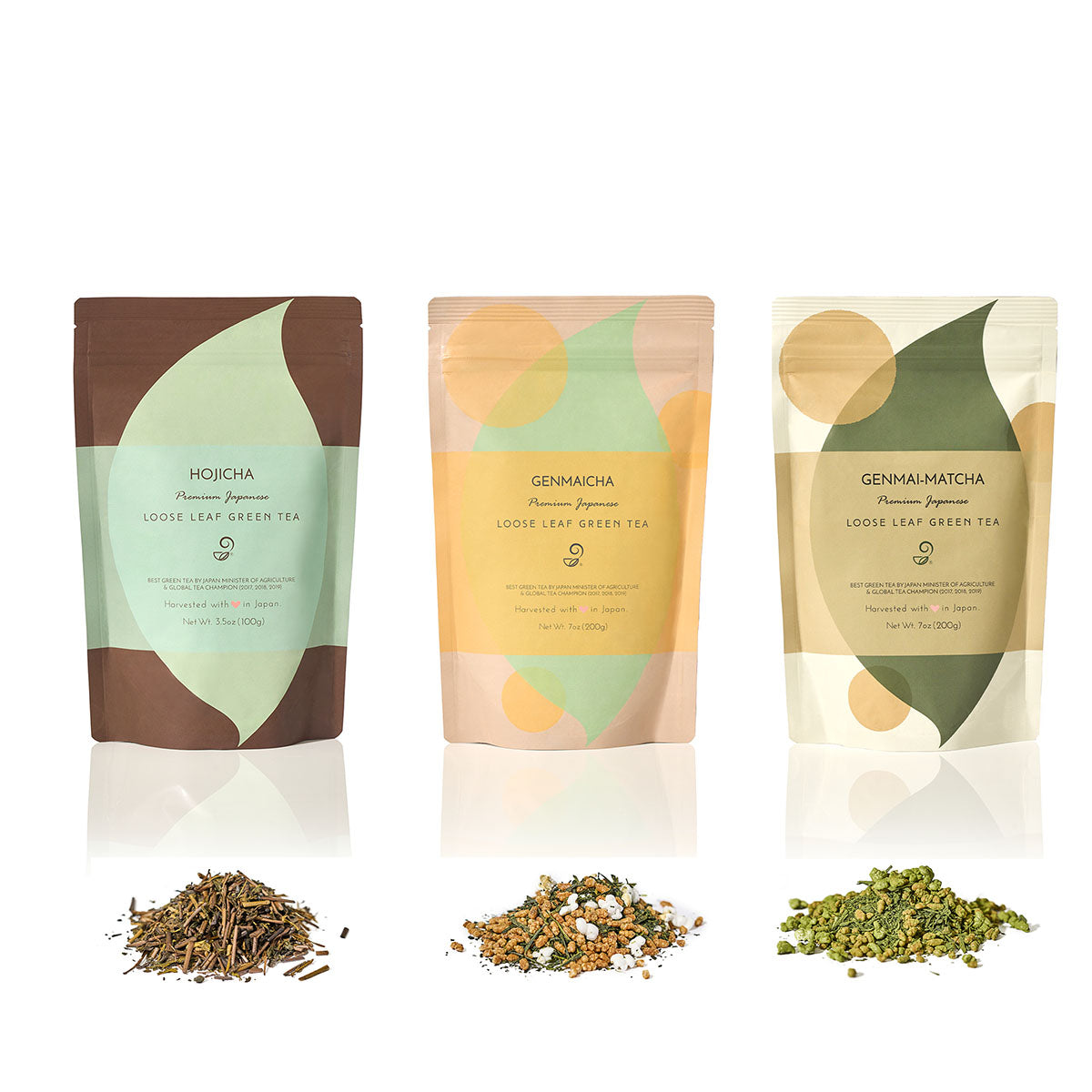
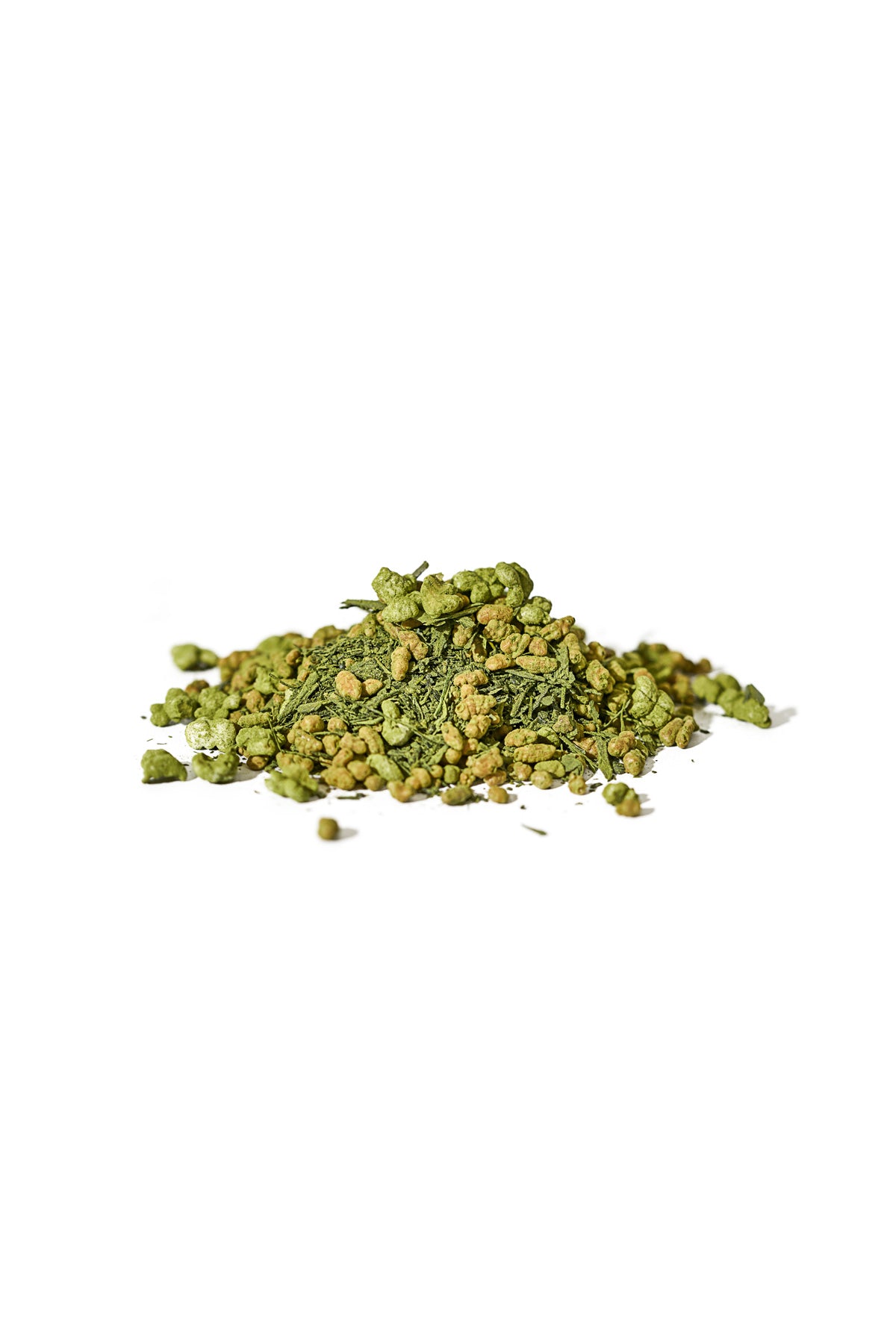
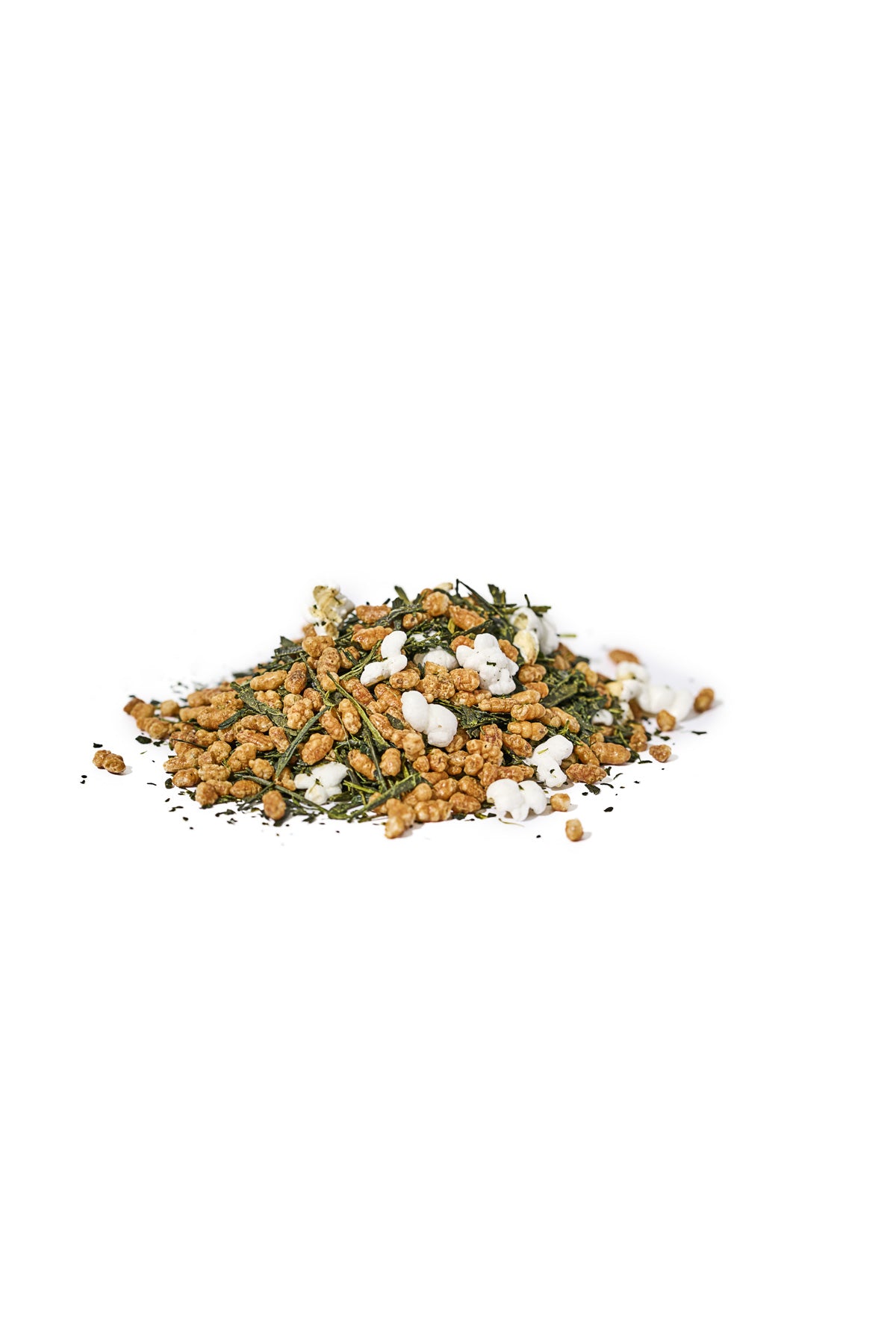
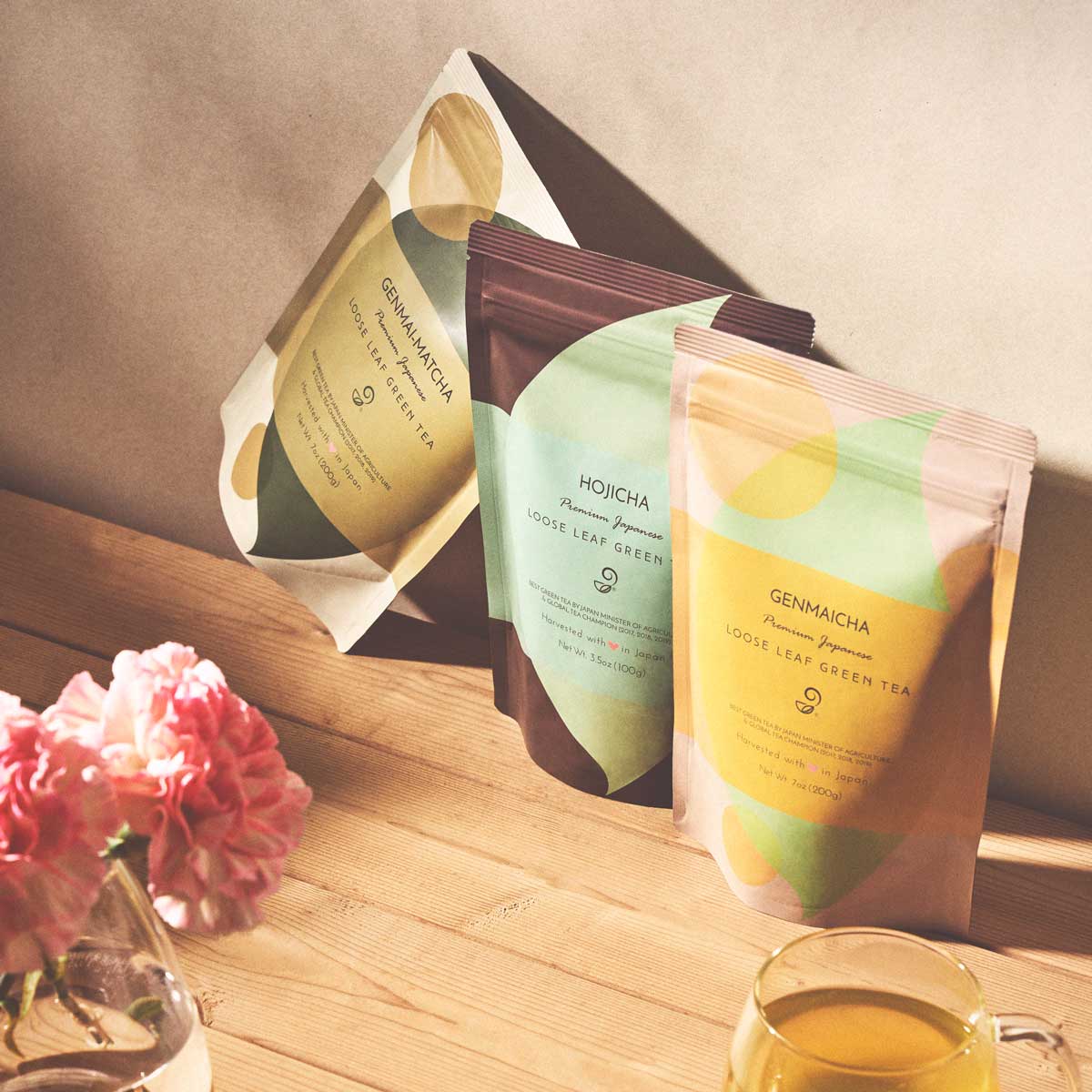
1 review
$90.00
$72.00
/
Quick view
Hojicha Genmaicha Trio Gift Set - Premium Japanese Green Tea Set Package
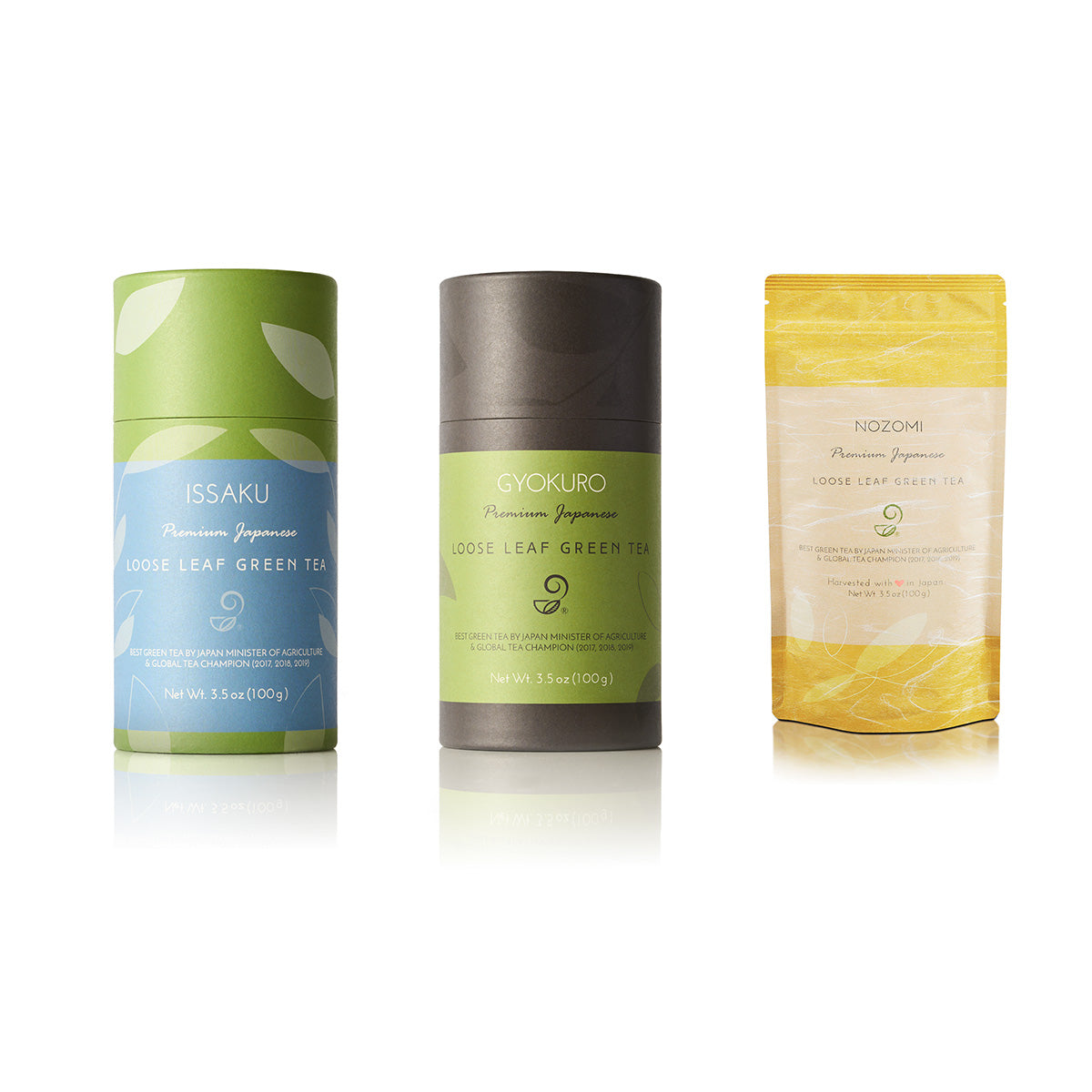
8 reviews
$179.00
$159.99
/
Quick view
The Sencha Lover Gift Set - Premium Japanese Green Tea Set Package


Get Free Bonus Books
Sign up for free to the Green Tea Club to get advice and exclusive articles about how to choose Japanese Tea, and tips, tricks, and recipes for enjoying Japanese tea.
About the author
Kei Nishida
Author, CEO Dream of Japan
Certification: PMP, BS in Computer Science
Education: Western Washington University


