Skip to content

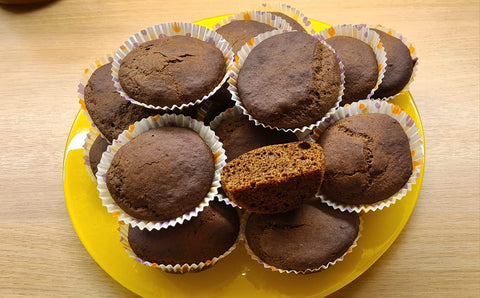
Hojicha Gingerbread Muffins

Subscribe to Youtube See all videos


Download Printable One-Page Recipe PDF Now

Sign up for the free Green Tea Club (unsubscribe anytime) to download the printable PDF of this recipe now.


Ingredients

  • 1 1/2 cups whole wheat pastry flour 
  • 1 tbsp Hojicha Powder(or grounded Hojicha Loose Leaf)
  • 1 teaspoon baking soda
  • 1 teaspoons cinnamon
  • 1 teaspoon ground ginger
  • 1/4 teaspoon ground allspice or cloves
  • 1/4 teaspoon salt
  • 1/4 cup pure maple syrup
  • 1/4 cup blackstrap molasses
  • 1 egg, at room temperature
  • 1 teaspoon vanilla
  • 1/3 cup nonfat plain greek yogurt
  • 1/2 cup unsweetened almond milk (any milk works)
  • ½  cup coconut oil, melted and cooled to warm
  • Optional: Coarse sugar for sprinkling on top (or grounded Hojicha Loose Leaf)

Instructions

  1. Preheat oven to 350° F. Line a 12-count muffin tray with muffin liners.
  2. In a large bowl, whisk together flour, baking soda, Hojicha Powder, cinnamon, ginger, cloves and salt. Set aside.
  3. In a separate bowl, add the maple syrup, molasses, egg, vanilla, yogurt, and almond milk. Whisk together until smooth and well combined. Add dry ingredients and mix until just combined. 
  4. Add the melted coconut oil and mix again.
  5. Divide the batter evenly between muffin liners, filling about 1/2 of the way full. Sprinkle coarse sugar on top of each muffin and and bake for 15-18 minutes until a toothpick comes out clean.
  6. Serve warm and enjoy with a Hojicha latte!

From the Community

Heli Nõmm made this muffin with a gluten-free version. She put raspberry jam on top, and she also added cardamom.

She says, "Gluten free doesn't rise as well. But they still taste good! 🙂 And mine are made without a muffin tin since I don't have one yet."

Here are her pictures. Thank you, Heli, for sharing this!   

Join the conversation with us on Facebook here. 
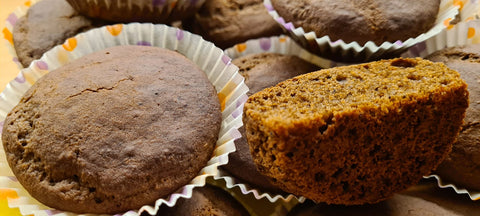
Gluten free Hojicha Gingerbread Muffin


Gluten free Hojicha Gingerbread Muffin


FAQs about Hojicha Gingerbread Muffins

Why pair hojicha with gingerbread spices specifically?

Hojicha (ほうじ茶) and gingerbread share warm-roasted notes that layer rather than compete. The roasting that gives hojicha its caramel character also pairs naturally with the molasses, ginger, and cinnamon of classic gingerbread. The result is a baked good that tastes more complex than either gingerbread or hojicha alone — neither flavor dominates; they reinforce each other. The hojicha powder form is what works for incorporation into the batter.

Compare to matcha + gingerbread: matcha's vegetal-grassy notes fight the warm-spice profile of gingerbread, producing a muddy result. Hojicha's roasted notes harmonize with the same spices instead.

This combo is particularly good for autumn and winter baking. The warming feel of hojicha + ginger + cinnamon + molasses + clove makes for a cold-weather muffin that pairs with a cup of hot hojicha or coffee.

What's the right amount of hojicha powder for a gingerbread muffin recipe?

1.5-2 tablespoons of hojicha powder for a standard 12-muffin batch. The gingerbread spices (ginger, cinnamon, clove) are themselves intense, so the hojicha needs to be present enough to register. Less than 1.5 tablespoons gets buried; more than 2 tablespoons starts overwhelming the spice profile.

Sift the hojicha through a fine mesh before adding to the dry ingredients. The powder clumps slightly more than cocoa, and undissolved clumps in muffin batter create dense, off-flavored bites. Combining sifted hojicha with the flour and spices ensures even distribution.

Don't substitute matcha for hojicha in this recipe even though the technique is similar — see the previous answer about flavor clash. If you have only matcha and want a tea-flavored gingerbread muffin, drop the spices to a minimum (no clove, halve the ginger and cinnamon) and accept that you're making a different recipe.

Can hojicha gingerbread muffins be made vegan or gluten-free?

Both, with modest adjustments. For vegan: replace eggs with flax eggs (1 tablespoon ground flax + 3 tablespoons water per egg), use plant-based butter or coconut oil instead of dairy butter, use plant milk (oat milk works best with the spice profile). The texture is slightly different — denser than egg-based versions — but the flavor is intact.

For gluten-free: a 1-to-1 GF flour blend with xanthan gum works in this recipe with no other modifications. Almond flour as a partial substitute (replace 25-30% of the flour) makes the muffins more tender. Pure rice-flour blends produce a slightly grainy texture that works for gingerbread but not for finer baked goods.

For vegan AND gluten-free, both modifications stack but the texture changes more — the muffins are denser and slightly less risen than wheat-and-egg versions. Compensate with extra leavening (1.5x the baking soda and powder) and a tablespoon of vinegar to activate.

What's the right tea or drink to pair with hojicha gingerbread muffins?

More hojicha — same-flavor matching intensifies the experience. A warm cup of loose-leaf hojicha alongside a fresh muffin amplifies the roasted-spice profile. This is the matched pairing most cafés use when serving hojicha-flavored baked goods.

If you want contrast: black coffee or espresso pairs cleanly because the bitter coffee balances the muffin's sweetness. A latte with milk competes with the muffin texture; better to keep the coffee unmilked.

Avoid: matcha (the vegetal umami clashes with the gingerbread spices), strong fruit teas (compete with the molasses), heavy black teas with milk and sugar (compound the sweetness without adding contrast). Hojicha or unmilked coffee is the right pairing.

Are these muffins actually breakfast or more of a dessert?

Depends on the sugar level. A standard hojicha gingerbread muffin recipe runs around 15-20g of added sugar per muffin — enough to count as dessert if you're counting sugar carefully, light enough to function as a sweetened breakfast pastry. Reducing the sugar to 10g per muffin makes them genuinely breakfast-friendly without losing the gingerbread character.

To make them more breakfast-appropriate: reduce sugar by 25%, replace some flour with whole wheat or oat flour (adds fiber and lowers glycemic impact), include nuts or seeds for protein and healthy fats. Hojicha gingerbread muffins with walnuts and reduced sugar work as a real breakfast option.

As traditional dessert muffins, they pair beautifully with a scoop of vanilla ice cream — the cold dairy and warm spice contrast works the same way matcha + ice cream does. For dinner-party purposes, serve warm with ice cream and a small dusting of extra hojicha powder on top.

Buy Premium Japanese Hojicha

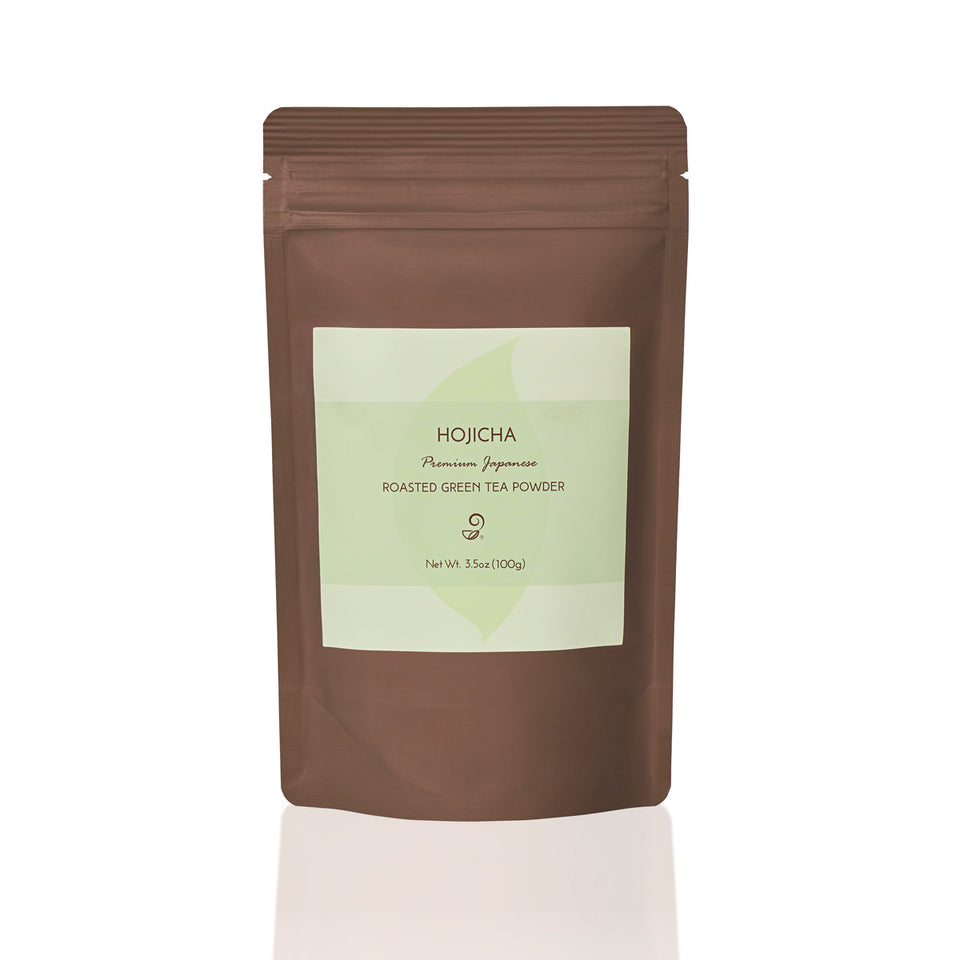
Hojicha Powder - Roasted Green Tea Powder

$25.00
Quick view

Our roasted green tea, known as hojicha (ほうじ茶), is crafted from freshly harvested premium green tea carefully roasted in porcelain over charcoal to maximize flavor while retaining more catechins than typical hojicha on the market. With lower caffeine and a smoother, less bitter taste compared to steamed green tea, it is an ideal choice for evening relaxation and is gentle enough for kids and pregnant women. Cultivated using the Chagusaba method in nutrient-rich sugarcane soil, this loose-leaf authentic Japanese roasted green tea, made from the Yabukita cultivar, also pairs beautifully with oily foods. Each eco-friendly resealable package contains 3.5 oz (100g) of tea, enough to steep 30–40 comforting cups.

45 reviews

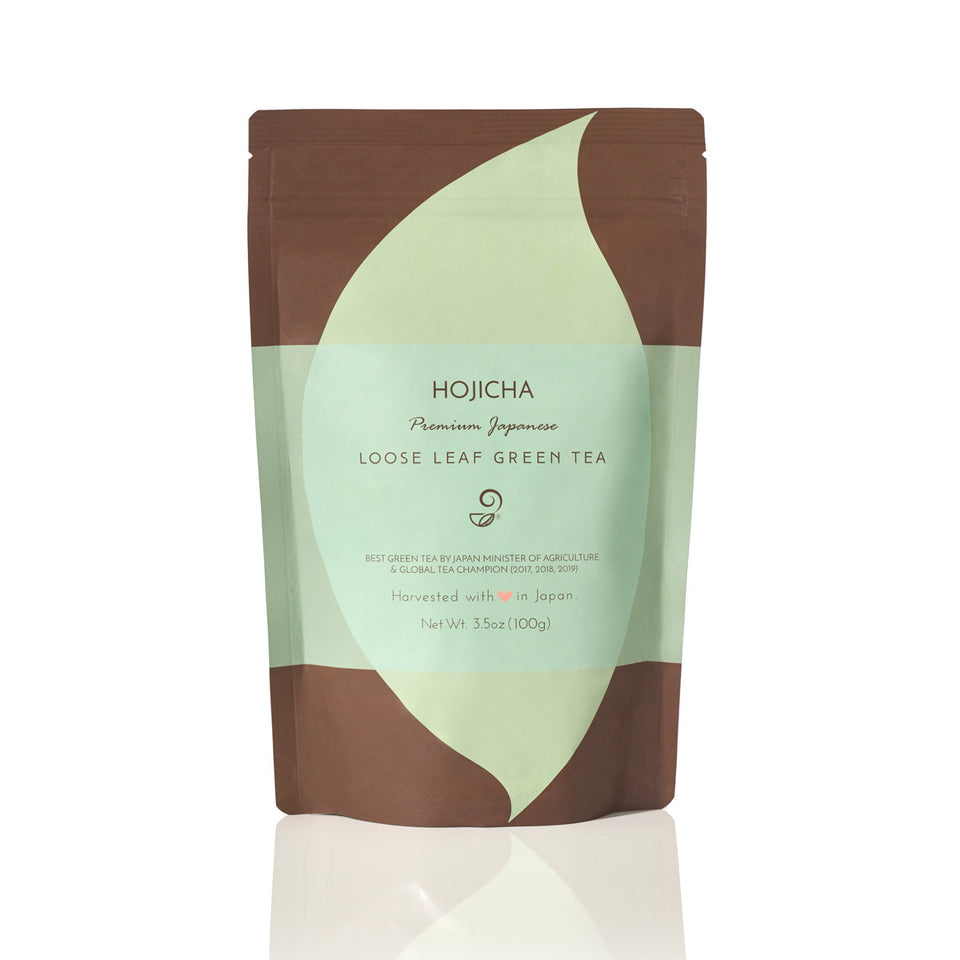
Hojicha - Roasted Green Tea

$25.00
Quick view

Our roasted green tea, known as hojicha (ほうじ茶), is crafted from freshly harvested premium green tea carefully roasted in porcelain over charcoal to maximize flavor while retaining more catechins than typical hojicha on the market. With lower caffeine and a smoother, less bitter taste compared to steamed green tea, it is an ideal choice for evening relaxation and is gentle enough for kids and pregnant women. Cultivated using the Chagusaba method in nutrient-rich sugarcane soil, this loose-leaf authentic Japanese roasted green tea, made from the Yabukita cultivar, also pairs beautifully with oily foods. Each eco-friendly resealable package contains 3.5 oz (100g) of tea, enough to steep 30–40 comforting cups.

1 review

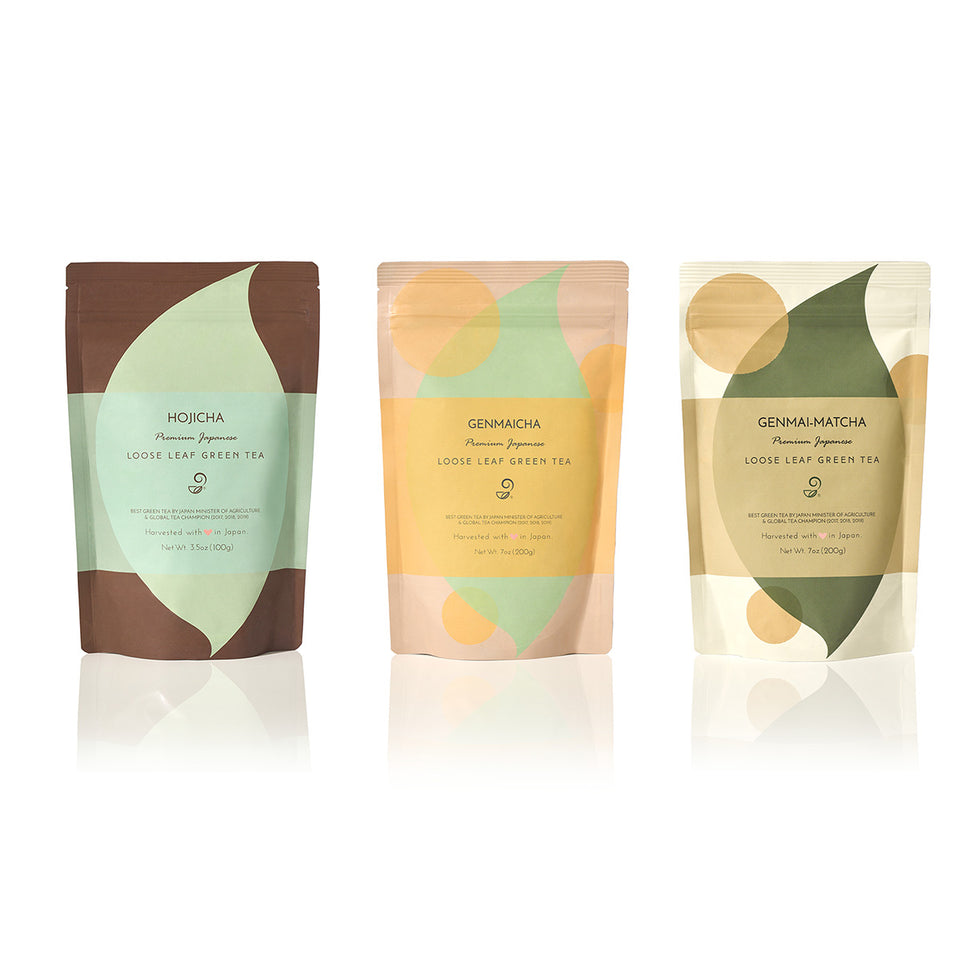
Hojicha Genmaicha Trio Gift Set - Premium Japanese Green Tea Set Package

$90.00 $72.00
Quick view

This special tea set features three traditional Japanese teas, each offering a unique and satisfying experience. Hojicha is made by roasting Bancha leaves at high temperatures, resulting in a reddish-brown tea with a rich umami flavor and a warm, toasty aroma. Genmaicha combines green tea with roasted brown rice, creating a nutty, aromatic flavor that is both comforting and ideal for enjoying between meals.

The set also includes Genmai Matcha, crafted using premium green tea grown in nutrient-rich sugarcane soil in Japan. Thanks to this special soil, the tea offers an award-winning aroma, a smooth and gentle flavor, and significantly less bitterness and astringency, providing a refreshing and healthful drinking experience.

8 reviews

The Sencha Lover Gift Set - Premium Japanese Green Tea Set Package
$179.00 $159.99
Quick view

This tea set features three exceptional Japanese green teas, each crafted with care and traditional techniques. Issaku Reserve, a Global Tea Champion winner in 2017 and 2019, is a rare masterpiece created by Farm Master Mr. Arahata at Arahataen Green Tea Farm. Handpicked once a year from the first flush and processed with advanced methods, Issaku represents the highest-grade deep-steamed green tea, available only in limited quantities even in Japan.

The set also includes Gyokuro, a premium shaded green tea known for its rich, sweet flavor and deep mossy green color. Grown under special mats for 20 days to increase caffeine and amino acid levels, Gyokuro offers a layered, smooth taste unlike any other. Completing the collection is Nozomi, a fine Kabuse-cha, or "Covered Green Tea," carefully grown under nets to gently shade the leaves just before new sprouts emerge, resulting in a soft, rich, and refined flavor profile.

97 reviews

Gyokuro - Shaded Imperial Premium Green Tea

$65.00
Quick view

Gyokuro, also known as "jade dew" or "jewel dew tea," is a premium Japanese green tea shaded from the sun for 20 days using specially made mats, a method that boosts caffeine levels and strengthens amino acids to create a sweeter, richer flavor. This extended shading process results in dark, mossy green leaves with an unmistakable aroma and a complex taste that is layered yet balanced. Cultivated by the Chagusaba method in nutrient-rich sugarcane soil and made from the Yabukita cultivar, this loose-leaf authentic Gyokuro is offered in a high-quality, air-tight paper tube canister (chyazutsu) to preserve its exceptional freshness and flavor. Each 3.5 oz (100g) full-size package steeps 30–40 cups, and a convenient single-serve sample is also available.


Related Articles You May Be Interested

Everything You Need To Know About Japanese Hojicha Tea
Hojicha Craze Goes Global
Delicious Chocolate Hojicha Pumpkin Bread Recipe | Easy Fall Baking Ideas
How to Make Hojicha Syrup
Hojicha Pudding (Video Recipe) & Learn about Pudding and Japan プリン
Hojicha Pudding (Video Recipe) and Everything You Need to Know about Pudding プリン and Japan

Get Free Bonus Books

Join Green Tea Club

Sign up for free to the Green Tea Club to get advice and exclusive articles about how to choose Japanese Tea, and tips, tricks, and recipes for enjoying Japanese tea.

Unsubscribe anytime. It’s free!

About the author

Kei Nishida

Kei Nishida

Author, CEO Dream of Japan

info@japanesegreenteain.com

Certification: PMP, BS in Computer Science

Education: Western Washington University

Kei Nishida is a passionate Japanese green tea connoisseur, writer, and the founder and CEO of Japanese Green Tea Co., a Dream of Japan Company.

Driven by a deep desire to share the rich flavors of his homeland, he established the only company that sources premium tea grown in nutrient-rich sugarcane soil—earning multiple Global Tea Champion awards.

Expanding his mission of introducing Japan’s finest to the world, Kei pioneered the launch of the first-ever Sumiyaki charcoal-roasted coffee through Japanese Coffee Co. He also brought the artistry of traditional Japanese craftsmanship to the global market by making katana-style handmade knives—crafted by a renowned katana maker—available outside Japan for the first time through Japanese Knife Co.

Kei’s journey continues as he uncovers and shares Japan’s hidden treasures with the world.

Learn more about Kei Nishida

Related Posts

Simply Donabe — New Cookbook from TOIRO's Naoko-san Is Out!

Simply Donabe is here! We celebrated TOIRO's Naoko-san's new cookbook at a special dinner at Camélia in DTLA — see our p

Read More
Introducing New Product - Meet Hojicha Powder
Introducing A New Product - Meet Hojicha Powder

Discover the game-changing Hojicha powder your kitchen has been waiting for — richer flavor, easier recipes, and surpris

Read More
Yokohama Peach is offered as a regular menu at Okayama Kobo Cafe!
Yokohama Peach is offered as a regular menu at Okayama Kobo Cafe! + Recap Video of Pop-up on 2/8/2026 at Anaheim, CA

We are excited to announce that our Yokohama Peach is now available on the regular menu at the popular Japanese Bakery,

Read More
Leave a comment

Your email address will not be published..

Cart

Your cart is currently empty.

Start Shopping

Select options