


We're all looking for ways to reduce stress, and now more than ever, it's important to keep a handle on our stress levels so we can live our best, healthiest lives. But when it comes to the many different ways to reduce stress, one of the options you'll certainly want to learn more about is drinking green tea.
Asian countries have used green tea for centuries to treat emotional issues such as depression. But recent studies in 2017 and 2018 have revealed that consuming green tea and matcha may also remedy symptoms of stress and anxiety. So, the answer to that common question is yes: green tea can help reduce stress. Let's explore some of the research that proves it. But before we get into the topic, one popular and fast-acting stress relief strategy for you as a student is allocating your work to a research paper service. Use your free time to read on and learn more about why green tea is beneficial for you.
Green tea’s calming influence goes beyond just its chemistry—it’s also about the ritual. The simple act of preparing and slowly sipping a warm cup of tea can itself trigger a relaxation response in the body. This mindful routine encourages slower breathing, lowers the heart rate, and provides a quiet moment of focus away from digital distractions. Across cultures, tea drinking has long been linked with meditation and mindfulness practices, helping people anchor their thoughts and restore emotional balance. Combining this soothing ritual with the natural stress-reducing compounds in green tea makes it one of the most holistic and accessible ways to calm both the body and mind.
What Makes Green Tea Effective Against Stress? L-Theanine
Green tea is a great source of vitamins and antioxidants. But green tea is also rich in essential amino acids. Studies have found that the amino acid L-theanine and, to a lesser extent, arginine, can help diminish stress and anxiety. It appears that the main factor is L-theanine’s ability to reduce blood pressure and relax muscle tension.
Green tea appears to be one of the highest sources of L-theanine compared to any other food or beverage tested by science. Drinking green tea can thus provide incredible anti-stress and anti-anxiety effects when consumed daily.
One clinical study on humans in 2017 found a significant and consistent reduction in stress after consuming 15mg/d of L-theanine in green tea for ten days.
Beyond its physiological effects, L-theanine also influences brain activity by promoting alpha brain waves—patterns typically associated with a relaxed yet alert mental state. This means that drinking green tea doesn’t make you drowsy; rather, it helps you stay calm and focused at the same time. Regular consumption can improve attention span, reduce mental fatigue, and enhance overall mood stability. That’s why many people find green tea an ideal beverage for studying, meditation, or creative work—it sharpens the mind while gently soothing the nerves.
(If you're interested in whether green tea can reduce stress, you'll also enjoy this article: Does Green Tea Make You Dehydrated.)

Does Matcha have the Same Effect in Stress?
Matcha, as we know, has a concentrated amount of all the chemical compounds in green tea. That’s because it contains not just the green tea leaves but the stems and veins as well. It follows that green tea matcha does contain higher levels of the amino acid L-theanine than those found in sencha green tea.
So, you would expect that matcha would be even more capable of controlling the symptoms of L-theanine. Right? Not so fast.
However, another study published on October 10, 2018, suggests that caffeine blocks the body’s absorption of L-theanine. At least, that is what research confirms. So, matcha, which has a much higher level of caffeine than sencha (about 72 mg versus 30 mg), can block much of the stress-reducing absorption of L-theanine.
The best technique to gain the benefits of L-theanine in matcha is to reduce its caffeine. In the same 2018 study, stress and anxiety reduction were shown from drinking L-theanine-rich matcha when caffeine and ECGC were reduced.
Still, matcha remains one of the most balanced natural drinks for both mental clarity and calmness when consumed correctly. The synergy between caffeine and L-theanine in smaller doses can produce what researchers call a “state of relaxed alertness.” This means matcha can keep you focused and energized without the jittery side effects commonly linked to coffee. That’s why many wellness experts recommend drinking matcha before meditation, yoga, or study sessions—it sharpens concentration while maintaining a smooth, centered calm.
Another factor that influences matcha’s stress-relieving potential is its preparation method. Whisking matcha in slightly cooler water (around 70–80°C or 160–175°F) helps preserve delicate amino acids like L-theanine while moderating caffeine extraction. Choosing high-quality, shade-grown ceremonial-grade matcha also increases the L-theanine-to-caffeine ratio, making it more soothing and less stimulating. In this way, both the quality of the powder and the brewing technique determine how much of matcha’s true calming potential you experience in every cup.

Can I Reduce the Caffeine Levels in my Japanese Green Tea?
I did some in-depth research on recent studies addressing the effects of using a microwave to brew green tea.
What I found in the studies is that using the microwave to brew your Japanese green tea extracts about 92% of the caffeine level found in Japanese green tea.
By removing the high levels of caffeine by heating the tea in the microwave, your body will be able to absorb higher levels of L-theanine as well as other beneficial compounds you want from green tea.
Another simple method to lower caffeine content naturally is by using cooler water during brewing. Caffeine is highly water-soluble at high temperatures, so steeping your tea at around 70°C (160°F) instead of boiling can significantly reduce caffeine extraction. Shortening the steeping time to about one minute can also help preserve delicate amino acids like L-theanine while minimizing stimulant effects—making your cup smoother, milder, and more relaxing.
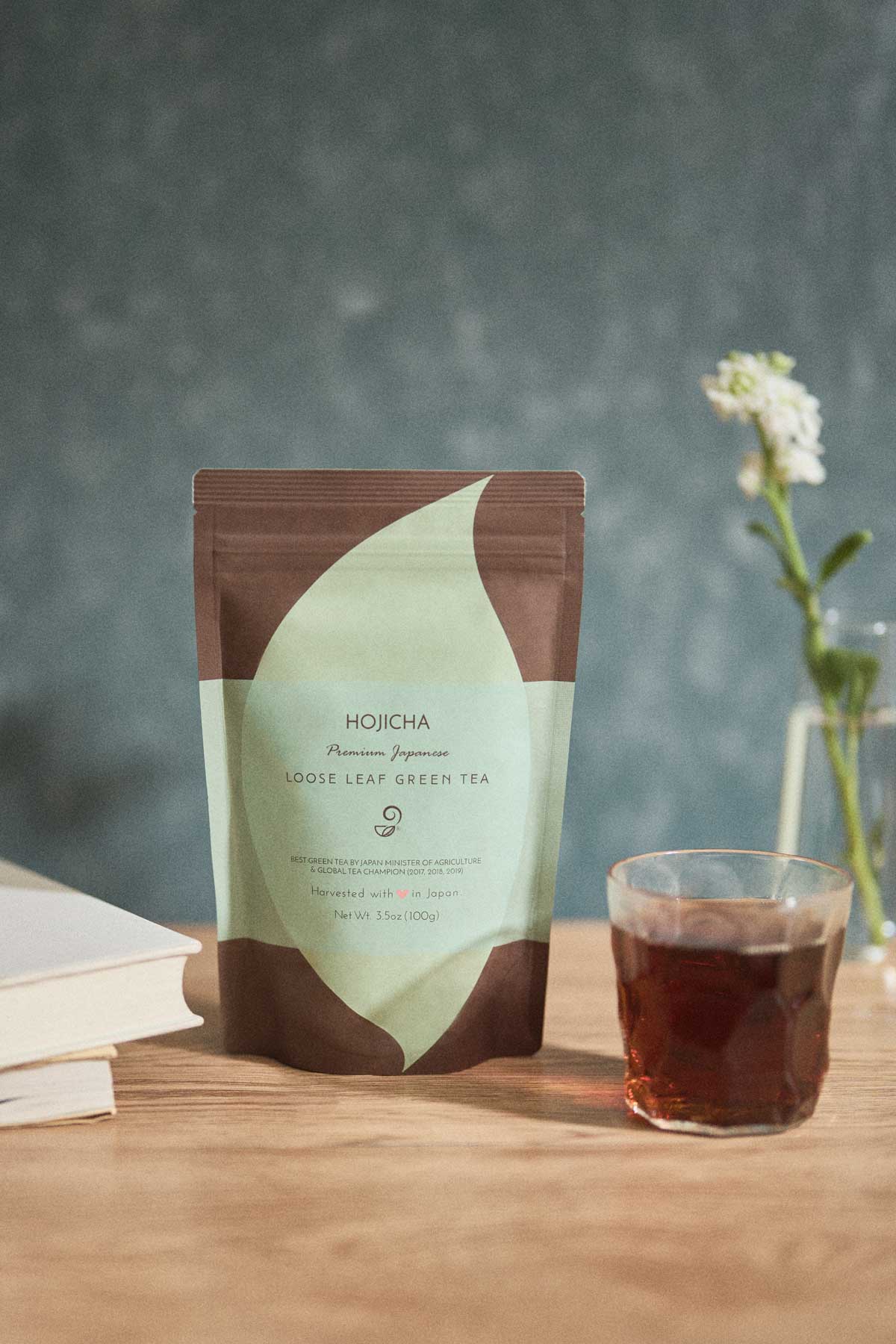
You can also opt for specific Japanese green tea varieties that are naturally lower in caffeine. For instance, bancha, genmaicha, and hojicha are excellent options with gentle flavors and less caffeine compared to sencha or matcha. These teas are often enjoyed in the evening in Japan for their soothing qualities and digestive benefits. Experimenting with these varieties allows you to enjoy green tea’s calming effects without compromising sleep or increasing anxiety levels.
(Are you also curious about the role green tea could play in cancer prevention? Read more about it here.)

Quiz Answer Confirmed
So, if you answered "Yes" to our Quiz Question, you were absolutely correct! By drinking Japanese green tea and matcha—especially if you prepare them by reducing their caffeine content—you can positively affect symptoms of stress and anxiety in your life.
Although you know what an advocate I am for the daily consumption of Japanese green tea, it never ceases to amaze and thrill me when science confirms my promotion of green tea’s healthful benefits.
Let me know how Japanese green tea affects you in positive ways. Until next time, I hope Japanese green tea is part of your healthy daily lifestyle.
Conclusion: A Calmer Mind, One Cup at a Time
Modern life may never be free from stress, but simple, time-tested habits can make a world of difference—and drinking green tea is one of them. Backed by both ancient wisdom and modern science, green tea’s unique combination of L-theanine and antioxidants helps calm the mind, regulate stress hormones, and support focus without fatigue. Whether you prefer a light cup of sencha or the rich smoothness of matcha, incorporating green tea into your daily routine can become a powerful ritual for balance and well-being.
So, the next time you feel overwhelmed, take a mindful moment to brew your tea, breathe in its soothing aroma, and let every sip remind you that peace and clarity are just a cup away.
Related products
8 reviews
$179.00
$159.99
/
Quick view
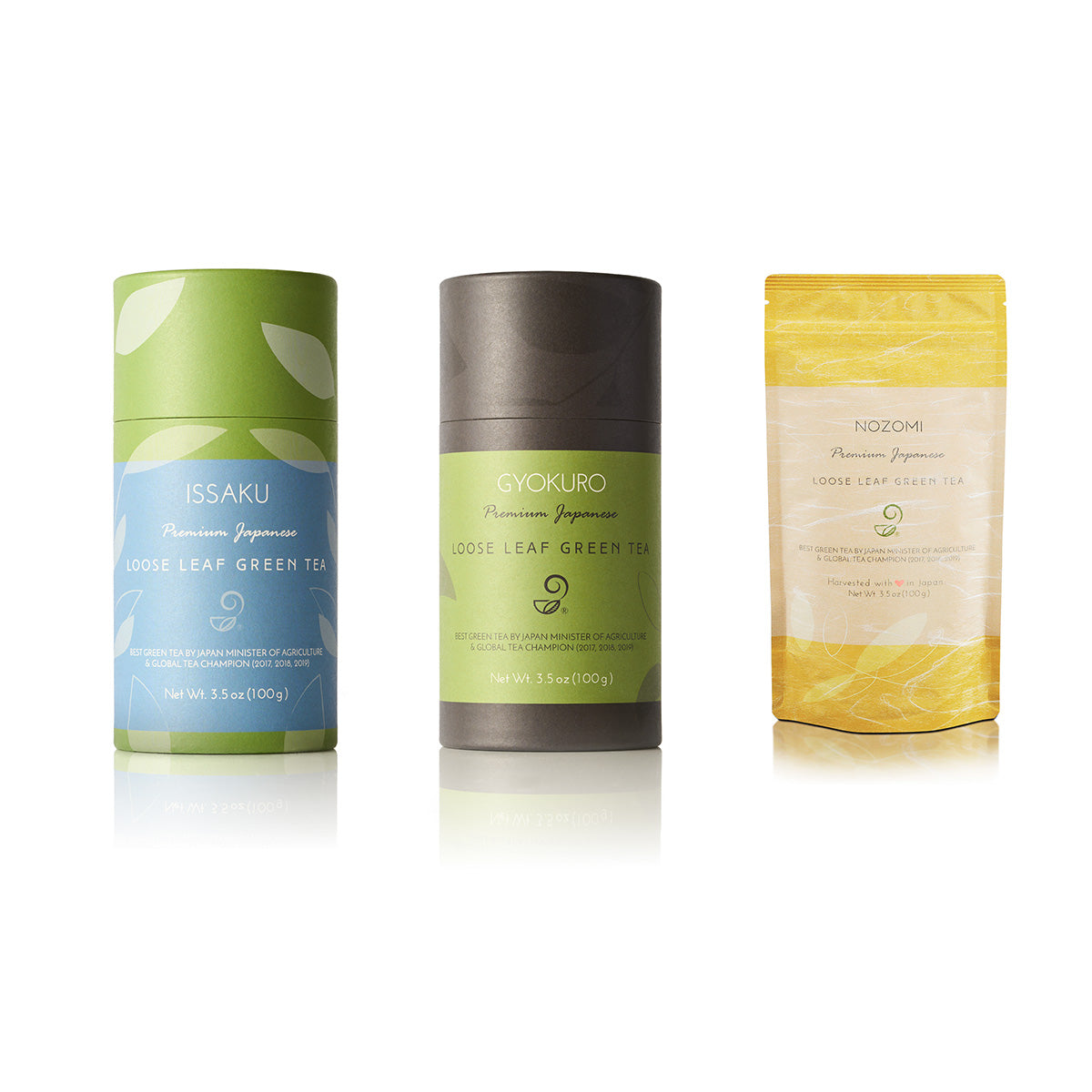
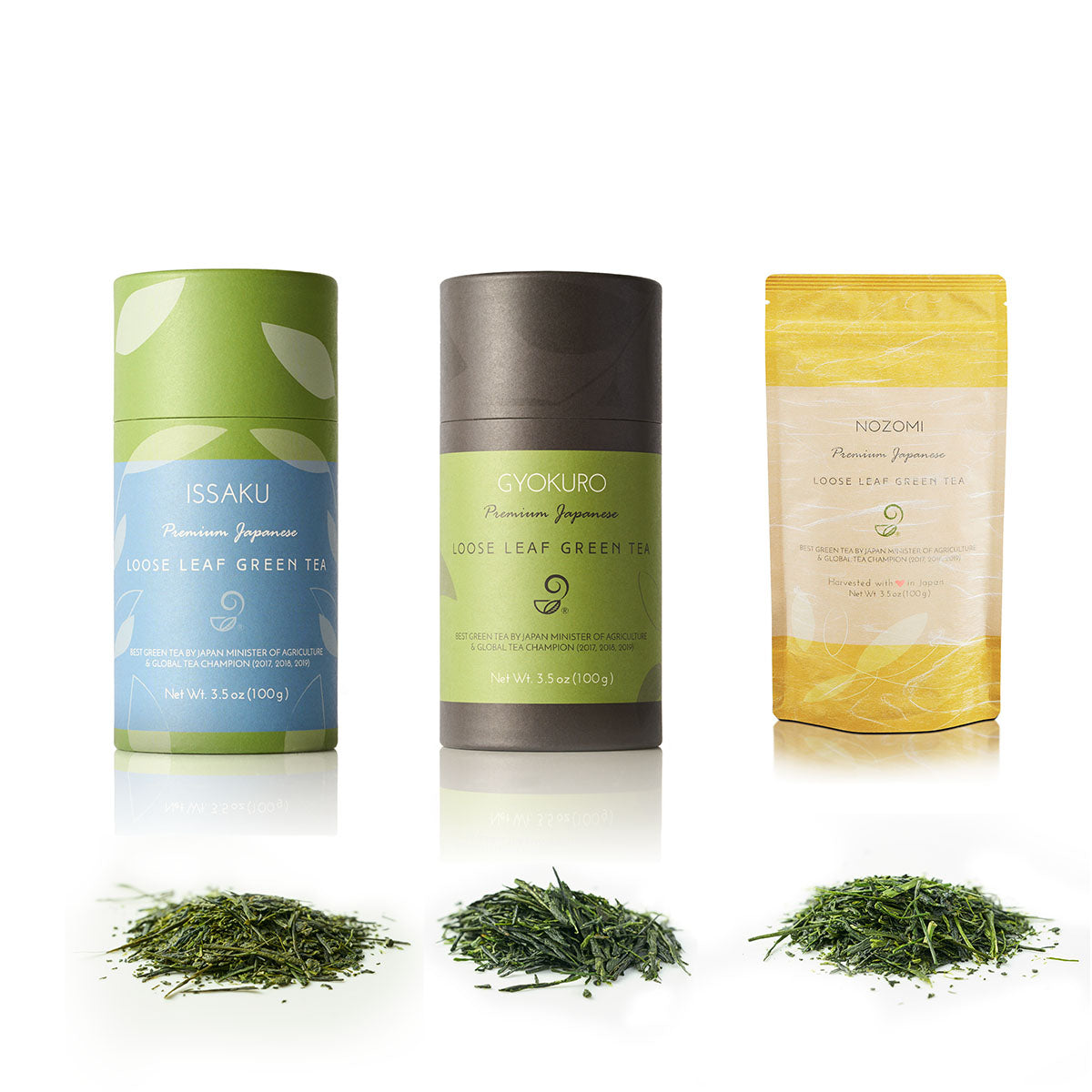
The Sencha Lover Gift Set - Premium Japanese Green Tea Set Package


Get Free Bonus Books

Sign up for free to the Green Tea Club to get advice and exclusive articles about how to choose Japanese Tea, and tips, tricks, and recipes for enjoying Japanese tea.
About the author

Kei Nishida
Author, CEO Dream of Japan
Certification: PMP, BS in Computer Science
Education: Western Washington University


