Skip to content

5 Japanese Green Tea Recipes to Make with Your Family and Strengthen Relationships

Japanese green tea, or matcha, has a characteristic flavor that is not only popular in Japan but all over the world.

It is traditionally brewed in tea ceremonies; however, many people also brew it to drink at home on a regular basis.

The slightly sweet, bitter, and earthy flavor incorporates well into desserts and other recipes beyond just the tea itself, and making these recipes with your family can be a fun and engaging way to strengthen your relationships.

If you would like to learn more about ways to strengthen your relationships, consider visiting BetterHelp, an online therapy resource.

5 matcha recipes to try with your family

Matcha cakes

Any of your favorite cake recipes can be livened up with the bright and refreshing flavor of matcha green tea.

matcha cake

Simply add some matcha powder to your dry ingredients before incorporating the wet ingredients. Here is one great recipe, but don’t be afraid to experiment with your own favorites.

Matcha ice cream

Matcha ice cream is a perfectly refreshing end to your meal, and this easy recipe is a great way to incorporate your children into the process.

matcha ice cream

Simply make a paste out of your matcha powder to add to your sweetened cream mixture and pour it into an ice cream maker. Kids will love to see the liquid turn into ice cream in just a couple of hours.

Matcha infused rice

Not all matcha-infused recipes have to be desserts. This rice recipe takes advantage of the more savory notes that matcha tea has to offer.

Cooking sushi rice with matcha powder will infuse the earthy flavor into the fragrant rice, making a nutritious meal that kids will love because of the fun green color.

Add veggies, fish, or meat, or simply garnish with nori and scallions.

Matcha madeleines

Matcha madeleines are the perfect cross between a crisp cookie and a soft cake.

These treats for children and adults alike get their shapes from a specialized baking tray, but you can make this recipe in a small muffin tin or any kind of small mold.

Matcha mochi

Mochi is a classic Japanese rice flour cake that pairs perfectly with the flavor of matcha tea.

matcha mochi

The rice flour creates the classic bounce, while coconut milk and matcha powder sweeten the delicious dessert. Kids will love the chewy texture, and adults will enjoy this simple process.

Strengthening your relationships

Making time for your family can be difficult when you are busy or have many other things going on. Many families struggle to bond because they are so busy with work, school, or household chores.

This is why creating delicious recipes together can be a great way to strengthen your relationships. Not only are you spending quality time together, but you are also teaching your children about Japanese culture, helping them learn important skills, and using the time wisely to create a meal.

Incorporating a new or unique ingredient like matcha tea can make the cooking or baking process more engaging for everyone involved and bring the family together in a wonderful way.

About the Author

Marie Miguel

Marie Miguel has been a writing and research expert for nearly a decade, covering a variety of health-related topics. Currently, she is contributing to the expansion and growth of a free online mental health resource with BetterHelp.com. With an interest in and dedication to addressing stigmas associated with mental health, she continues to specifically target subjects related to anxiety and depression.

FAQs about Japanese Green Tea Family Recipes

What Japanese green tea recipes work best for cooking with kids?
Matcha cookies, matcha mochi, matcha muffins, matcha smoothies, matcha milk tea (warmed, with honey). All are forgiving recipes where kids can measure, mix, and decorate without precision-sensitive steps that require adult skill. The culinary-grade matcha works for all of these — no need for ceremonial-grade for cooking.

Avoid: anything requiring careful temperature control (yokan, custard-based desserts), fragile-fold techniques (souffle, meringue with matcha), or fast-moving stovetop work that's dangerous for kids (matcha caramel, hot matcha simmering).

Cookies are usually the right starting point. The recipe is forgiving, the kids can roll dough and decorate, and the results are reliably edible. Once kids have positive experience with one matcha recipe, branching out to mochi or muffins is easier.

Are there green tea recipes safe for very young children?

Yes — matcha-flavored snacks where the matcha is spread across many servings have very low caffeine per serving. A matcha cookie at typical recipe ratios contains 3-5 mg of caffeine — about as much as a piece of dark chocolate, well within safe ranges for kids over 5.

Hojicha-based recipes are even safer for younger kids — much lower caffeine to begin with. Hojicha cookies, hojicha milk warmed for cold afternoons, hojicha rice porridge are all appropriate for kids 3+. Avoid concentrated matcha drinks (matcha lattes with multiple grams of matcha) for the youngest kids; those have caffeine doses worth being cautious about.

For toddlers under 3, skip caffeinated tea recipes entirely. The marginal benefit isn't worth the caffeine cost at very small body weights. Save tea-flavored cooking for older kids or use it as a parent-only activity until kids age into appropriate caffeine tolerance.

How do I get kids interested in cooking with tea?

Visual appeal first. Matcha's vibrant green color is genuinely engaging for kids — green pancakes, green ice cream, green frosting. The visual fun gets buy-in before anyone has to discuss flavor. Once kids enjoy the matcha-colored food, the tea-flavored aspect becomes interesting on its own.

Make it a recurring family activity rather than a one-off. "Saturday morning matcha pancakes" becomes part of the routine. Kids develop relationships with foods through repetition; one matcha recipe doesn't build interest the way ten do over months.

Connect to wider Japanese culture. Watching anime that features tea ceremony, reading kids' books about Japan, visiting Japanese cultural events — these contextualize tea as part of a culture that's interesting beyond just drinking. Many kids who become tea-curious adults trace it back to childhood Japan-cultural exposure.

What's a beginner-friendly Japanese tea recipe to start with?

Matcha-and-white-chocolate truffles. Three ingredients (white chocolate, cream, culinary matcha), no baking, fail-safe technique. Melt white chocolate with cream, whisk in matcha, chill until firm, roll into balls, dust with more matcha. Total active time: 20 minutes; total time including chilling: 2 hours.

Second option: matcha mug cake. 5 minutes prep + 90 seconds in microwave + cool slightly = warm matcha cake. Flour, sugar, milk, oil, baking powder, matcha, vanilla. Mixed in the mug, microwaved in the mug, eaten from the mug. Foolproof.

Once you've succeeded at one recipe, expand. Matcha cookies, matcha banana bread, matcha cheesecake bars all become accessible after the basic technique is dialed in. Don't start with elaborate recipes; build skill on simple foundations.

What are common mistakes when cooking with matcha?

Not sifting the matcha. Lumps don't dissolve evenly into batter, leaving green pockets and grainy texture. Always sift through a fine mesh before adding to dry ingredients.

Using ceremonial-grade matcha in cooking. The subtle aromatic differences that make ceremonial matcha worth $50/30g disappear once mixed with butter, sugar, and other ingredients. Use culinary-grade matcha for cooking; save ceremonial for whisked drinking.

Overheating matcha. Long bakes at high temperatures (above 350°F for 30+ minutes) destroy matcha's volatile aromatics. The matcha you carefully sifted into the batter becomes flavorless after over-baking. For best flavor, keep bake times moderate and consider adding matcha at the end of long-cook recipes rather than at the beginning.

Related products

8 reviews

The Sencha Lover Gift Set - Premium Japanese Green Tea Set Package
$179.00 $159.99
Quick view

This tea set features three exceptional Japanese green teas, each crafted with care and traditional techniques. Issaku Reserve, a Global Tea Champion winner in 2017 and 2019, is a rare masterpiece created by Farm Master Mr. Arahata at Arahataen Green Tea Farm. Handpicked once a year from the first flush and processed with advanced methods, Issaku represents the highest-grade deep-steamed green tea, available only in limited quantities even in Japan.

The set also includes Gyokuro, a premium shaded green tea known for its rich, sweet flavor and deep mossy green color. Grown under special mats for 20 days to increase caffeine and amino acid levels, Gyokuro offers a layered, smooth taste unlike any other. Completing the collection is Nozomi, a fine Kabuse-cha, or "Covered Green Tea," carefully grown under nets to gently shade the leaves just before new sprouts emerge, resulting in a soft, rich, and refined flavor profile.

97 reviews

Gyokuro - Shaded Imperial Premium Green Tea

$65.00
Quick view

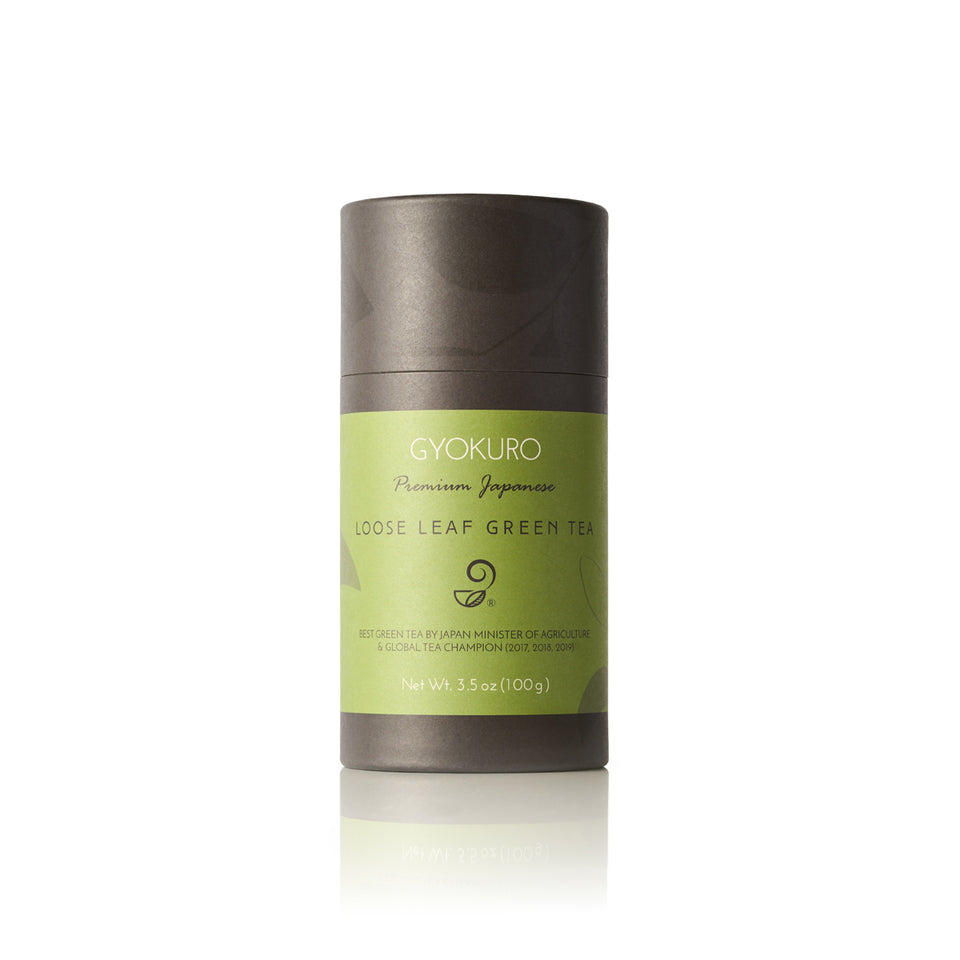
Gyokuro, also known as "jade dew" or "jewel dew tea," is a premium Japanese green tea shaded from the sun for 20 days using specially made mats, a method that boosts caffeine levels and strengthens amino acids to create a sweeter, richer flavor. This extended shading process results in dark, mossy green leaves with an unmistakable aroma and a complex taste that is layered yet balanced. Cultivated by the Chagusaba method in nutrient-rich sugarcane soil and made from the Yabukita cultivar, this loose-leaf authentic Gyokuro is offered in a high-quality, air-tight paper tube canister (chyazutsu) to preserve its exceptional freshness and flavor. Each 3.5 oz (100g) full-size package steeps 30–40 cups, and a convenient single-serve sample is also available.

45 reviews

Hojicha - Roasted Green Tea

$25.00
Quick view

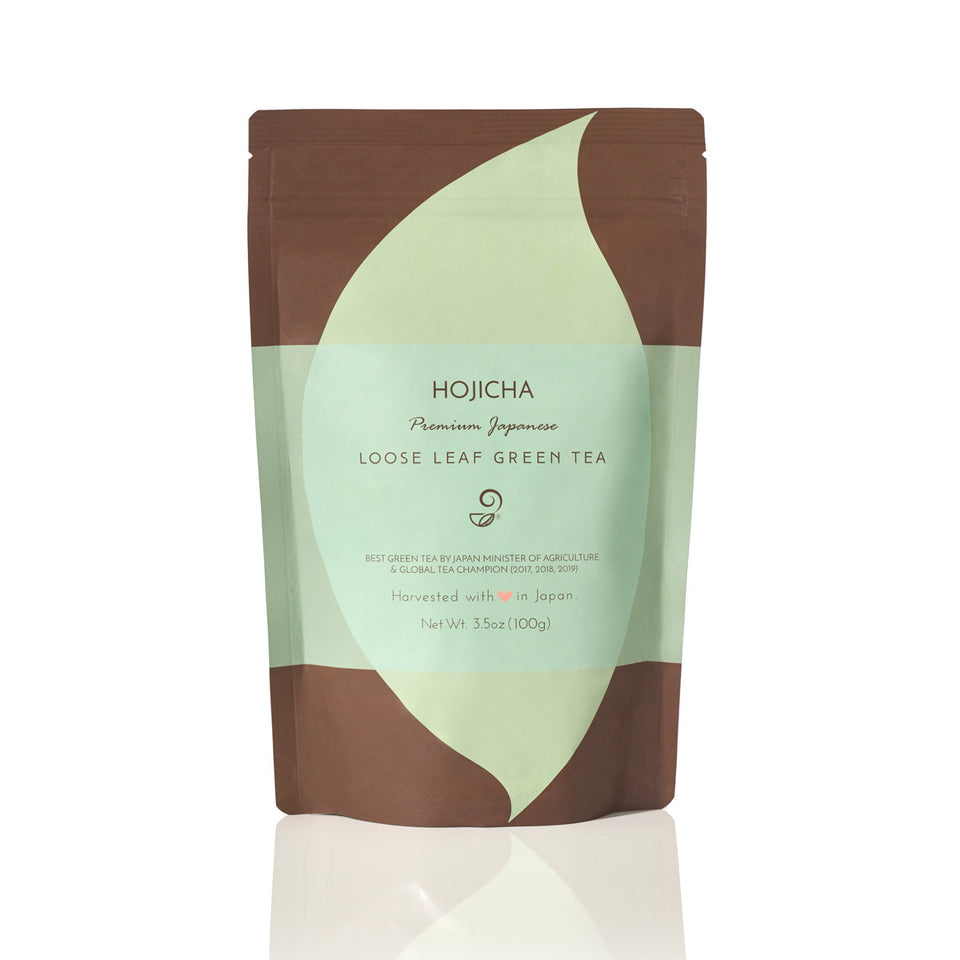
Our roasted green tea, known as hojicha (ほうじ茶), is crafted from freshly harvested premium green tea carefully roasted in porcelain over charcoal to maximize flavor while retaining more catechins than typical hojicha on the market. With lower caffeine and a smoother, less bitter taste compared to steamed green tea, it is an ideal choice for evening relaxation and is gentle enough for kids and pregnant women. Cultivated using the Chagusaba method in nutrient-rich sugarcane soil, this loose-leaf authentic Japanese roasted green tea, made from the Yabukita cultivar, also pairs beautifully with oily foods. Each eco-friendly resealable package contains 3.5 oz (100g) of tea, enough to steep 30–40 comforting cups.

80 reviews

Matcha - Ceremonial Japanese Powdered Green Tea

$39.00
Quick view

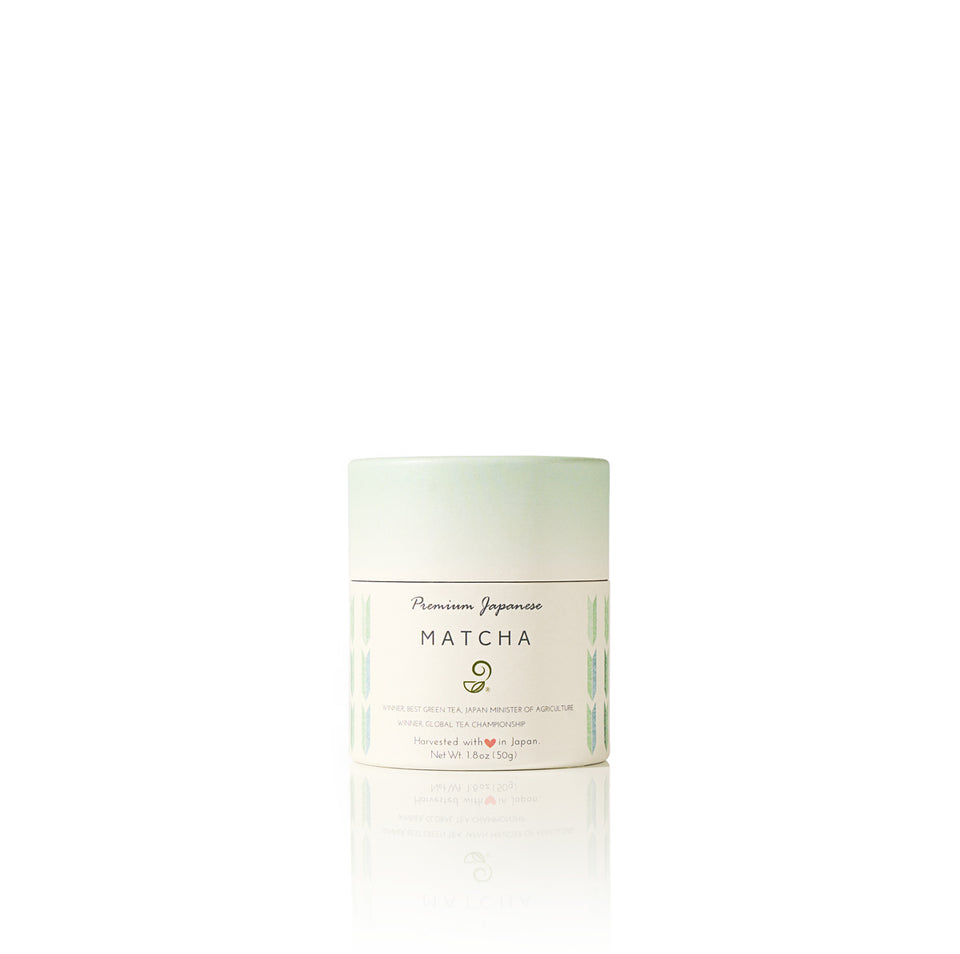
This ceremonial matcha is crafted from the finest Japanese green tea, grown in nutrient-rich soil enhanced with compostable grasses and sugarcane through the Chagusaba method, which gives the tea a natural sweetness and exceptional flavor. In collaboration with researchers from Shizuoka University, farmers ensure that the soil quality consistently produces tea of the highest standard.

Renowned among top Japanese chefs for its unmatched aroma, this matcha is made by carefully shading the plants before harvest to boost caffeine and amino acids, then meticulously drying, de-stemming, and grinding the leaves into a fine powder. Made from the Yabukita cultivar, this 1.8 oz (50g) matcha comes in a high-quality, air-tight paper tube canister, providing a luxurious and authentic Japanese tea experience.

42 reviews

Genmaicha - Green Tea with Roasted Brown Rice

$30.00
Quick view

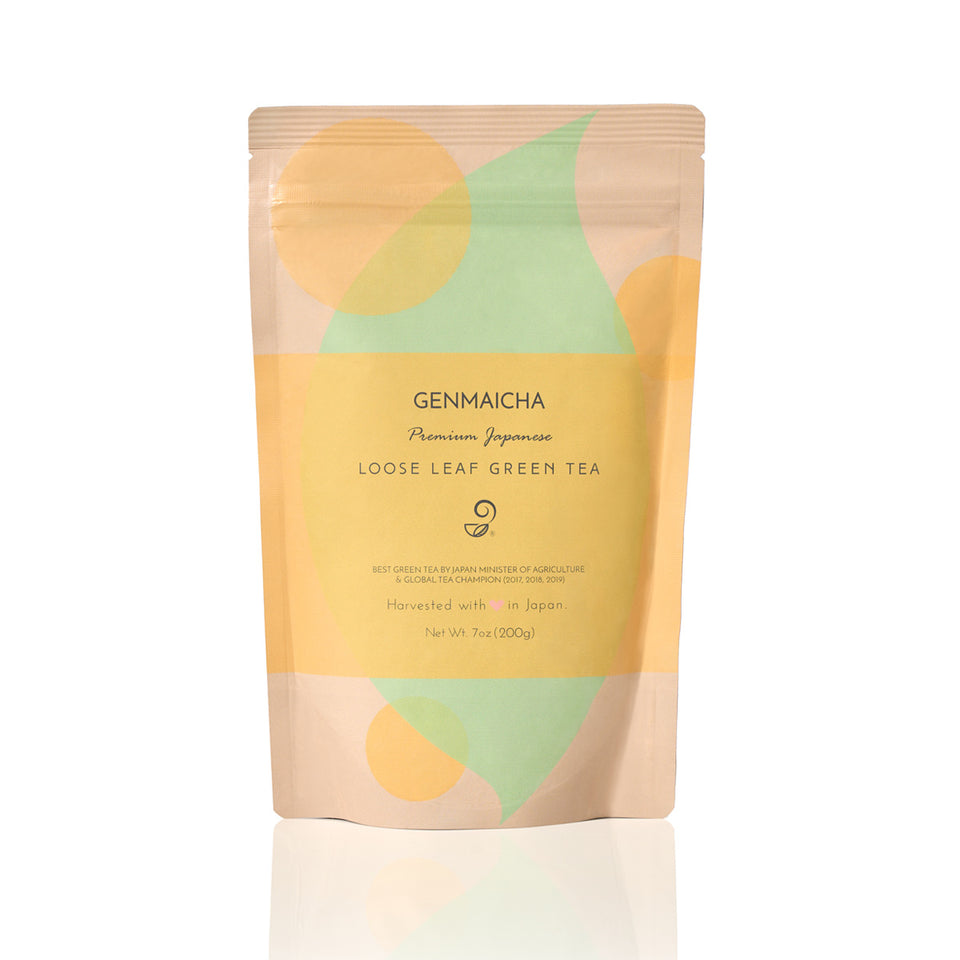
Our premium Japanese Genmaicha blends high-quality green tea with roasted popped brown rice (genmai 玄米), often nicknamed "popcorn tea" because the roasting process sounds like popcorn popping. Popular especially among the older generation in Japan for its mild flavor and lower caffeine content, this tea is easier on the stomach while still offering a rich, comforting taste. The brown rice used is premium Japanese mochi-gome (もち米) sticky rice, enhancing the tea’s nutty, aromatic profile. Made from Fukamushi Sencha and cultivated using the Chagusaba method in nutrient-rich sugarcane soil, this Genmaicha features the Yabukita cultivar and comes in a 7.0 oz (200g) eco-friendly resealable package, enough to steep 50–60 cups.


Related Articles You May Be Interested

How Tea Helps With Mental Health
20 Yummy And Healthy Green Tea Smoothie Recipes
How to Make Matcha Chocolate Bars & Matcha Dry Cake
Matcha Banana Smoothie – How Matcha is Used in the Trendy Beverage in Japan
How to Make Matcha Okara Cookies

Get Free Bonus Books

Join Green Tea Club

Sign up for free to the Green Tea Club to get advice and exclusive articles about how to choose Japanese Tea, and tips, tricks, and recipes for enjoying Japanese tea.

Unsubscribe anytime. It’s free!

Related Posts

Super Mario and Japanese Green Tea

Super Mario and green tea share a hometown! Watch our Yoshi Matcha Cookies video recipe + discover how Nintendo and matc

Read More
Our Matcha Is Now at Pillow Talk Cafe in Pasadena — Master Japanese-Inspired Cake Makers

Our matcha is now at Pillow Talk Cafe Pasadena! Meet the cafe, try the Egg Heaven sando & Matchamisu, and see how th

Read More
Simply Donabe — New Cookbook from TOIRO's Naoko-san Is Out!

Simply Donabe is here! We celebrated TOIRO's Naoko-san's new cookbook at a special dinner at Camélia in DTLA — see our p

Read More
Leave a comment

Your email address will not be published..

Cart

Your cart is currently empty.

Start Shopping

Select options