Skip to content

3 Must-Try Green Tea Desserts

Japanese green tea has a host of proven health benefits, such as weight loss aid, added protection for our immune system, increased energy, and improved cognitive function. But did you know that Japanese green tea isn't just for drinking? You can make several delicious desserts with it while reaping these very same benefits.

Let's look at three must-try green tea desserts that you may not be familiar with.

1. Japanese Green Tea Ice Cream (brain-friendly!)

This recipe is a modern, creamy equivalent of what used to be shaved ice made from Japanese green tea. This dessert often found its way onto royal tables as early as the 1800s.

Today, you can make delicious ice cream from brewed Sencha green tea that tastes every bit as gorgeous as anything you'd find in an ice cream parlor.

sencha ice cream

Ingredients (This recipe serves 4 people.)

  • 2 cups heavy cream
  • 1 cup whole milk
  • 2/3 cup sugar
  • 8 Japanese green tea bags
  • 1/4 teaspoon salt
  • 4 large egg yolks

 Method

  1. Put the cream, whole milk, sugar, tea bags, and salt in a medium saucepan. Over medium-low heat, bring the milk mixture to a light simmer.
  2. Remove the pan from the heat and let the tea steep for about 30 minutes (cover it if you wish). Squeeze the tea bags (you'll want to extract as much flavor as possible) and discard them.
  3. Bring the milk mixture back to a light simmer while you beat the egg yolks in a separate bowl. Remove the milk mixture from the heat.
  4. While whisking the egg yolks, add one-quarter of the milk mixture to the bowl (you want to temper the eggs to prevent them from cooking). Now add in the rest of the milk mixture very slowly, continuing to whisk.
  5. Once you've added all of the milk mixture to the eggs, pour everything back into your saucepan.
  6. Now heat the pan, constantly stirring, for 5 to 10 minutes (over medium-low heat). You'll know the mixture has thickened enough (like a custard) when it coats the back of your spoon. Alternatively, check the temperature; when it reaches 170 degrees, it's done. Be careful not to overcook the mixture, as the milk will curdle, in which case you'll need to strain it before the next step.
  7. Pour the custard into a bowl and cover. Let the custard reach room temperature before placing it in the fridge overnight (or for at least 6 hours).
  8. Once the custard has cooled, put it into your ice cream maker and freeze according to the instructions. Alternatively, place the container in the freezer, stirring occasionally. Make sure your ice cream has firmed up to your desired texture, then serve.
Matcha Ice cream

2. Immune-boosting Panna Cotta

This panna cotta is packed with antioxidants that can support your immune system while providing an incredible finish to any dinner.

Ingredients (This recipe serves 6 people.)

  • 2 tablespoons of cold water
  • 1 envelope of unflavored gelatin (2 teaspoons)
  • 2 cups of heavy cream
  • 1/2 cup milk
  • 1/4 cup sugar
  • 2 tablespoons Sencha green tea leaves (or use Sencha green tea bags)
  • 1 teaspoon of vanilla extract
  • Pinch of salt
  • Blueberries or raspberries; fresh mint leaves (optional, for serving)

 Method

  1. Put the water into a small bowl and sprinkle the gelatin over the top. Let it stand for 5 to 10 minutes so that the gelatin absorbs the water.
  2. Meanwhile, put the cream, milk, sugar, Japanese green tea leaves (or tea bags), and salt into a small saucepan.
  3. Bring your milk mixture to a boil, and then reduce the heat. Let it simmer for one minute, stirring constantly. You don't want your milk to boil over.
  4. Remove the milk mixture from the heat and mix in the gelatin, stirring well for one minute. Cover your pan and let it sit for 5 to 10 minutes so that the tea steeps. Then, if using tea bags, squeeze them and discard them. If using loose tea leaves, pour the mixture through a fine-mesh strainer to remove the leaves.
  5. Pour the milk mixture into six ramekins and put them in the fridge. Let them chill for at least 5 hours, or till the panna cotta has set.
  6. To remove the panna cotta just before serving, run a knife around the side of each ramekin and then dip them into boiling water for just a second. Lift out each ramekin and invert your panna cotta onto serving plates, topping with berries and garnishing with fresh mint leaves, if desired.

     3. Energy-boosting Green Tea Cake 

    Traditional pound cake just got a makeover! This fabulous recipe serves six people.

    green tea cake

    Ingredients (This recipe serves 6 people.)

    • 1 cup of granulated sugar
    • 1/2 cup butter (unsalted), softened at room temperature
    • 2 large eggs
    • 3 tablespoons of Sencha green tea powder
    • 1 1/2 cups all-purpose flour
    • 1 3/4 teaspoons baking powder
    • 1/2 cup milk (either dairy or plant-based)
    • 1 teaspoon spirulina (optional, or 2 drops green food coloring)
    • 1/3 cup powdered sugar

     Method

    1. Preheat the oven to 350°F. Grease and flour a cake pan (9-inch circular), or use a Dutch oven.
    2. Cream together both butter and sugar in a large bowl with a wooden spoon, then beat the eggs in one at a time. Add the Japanese green tea powder and stir well.
    3. Combine the flour and baking powder in a separate bowl, then add them to the butter and sugar mixture. Mix well.
    4. Now stir in the milk and beat till the batter has no lumps. Add the green food coloring, if using, or the teaspoon of spirulina, and stir well.
    5. Pour your green tea cake batter into your pan or Dutch oven, and bake at 350 F for 30 to 40 minutes (it will bake faster in a Dutch oven). Test by inserting a fork into the center of the cake; it should come out clean.
    6. Let your pretty cake cool inside the pan for about 10 minutes before removing it to a cake rack. Allow your fresh cake to cool on a rack for another 30 minutes.
    7. Once the cake has cooled, sprinkle it with the confectioner's sugar and serve.


    FAQs about Green Tea Desserts

    What's the best green tea dessert for absolute beginners?
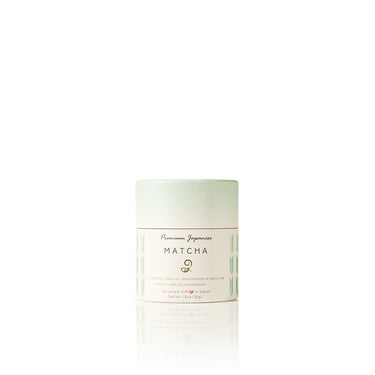
    Matcha-and-white-chocolate truffles. Three ingredients (white chocolate, cream, culinary matcha (抹茶)), no baking required, fail-safe technique. Melt white chocolate with cream, whisk in matcha, chill until firm, roll into balls, dust with more matcha. Total active time: 20 minutes; total time including chilling: 2 hours.

    The recipe scales easily and the result is genuinely impressive — the combination of dense white-chocolate ganache and bright matcha looks like a high-end Japanese patisserie product. Use mid-quality culinary matcha and the cup-forming step doesn't need precision; ceremonial matcha is wasted in this application.

    Variation: roll the truffles in cocoa powder instead of matcha for a striking visual contrast (green interior, brown exterior). Or in graham cracker crumbs for a casual mochi-feeling texture. Same base recipe, different finished products.

    What's a green tea dessert that genuinely impresses?

    Matcha tiramisu. Substituting matcha-soaked ladyfingers for coffee-soaked ones changes the entire flavor profile while keeping the structural mascarpone-and-cream framework. The umami of matcha pairs surprisingly well with mascarpone, and the visual presentation (green-and-white layered) is striking.

    Method: brew strong matcha (1 tablespoon culinary matcha + 200ml hot water + 2 tablespoons sugar), let cool, dip ladyfingers briefly. Layer with sweetened whipped mascarpone (250g mascarpone + 100g cream + 2 tablespoons matcha + sugar to taste). Repeat. Chill overnight. Dust with extra matcha before serving.

    This works for dinner parties, bridal showers, anywhere you want a visually-striking Japanese-fusion dessert. Gauge your audience — matcha tiramisu sells some people instantly and bewilders others. Skip it for guests who don't enjoy bitter or earthy desserts.

    What's a no-bake green tea dessert for hot weather?

    Matcha panna cotta. Pure protein-and-cream texture with matcha's distinctive flavor, served cold from the fridge. The traditional Italian dessert adapts perfectly to matcha — the cream base lets matcha's umami come through cleanly without the heat-degradation issues that some matcha-baked-good recipes face.

    Method: bloom 2 sheets gelatin in cold water; warm 250ml cream + 100ml milk + 60g sugar to just under simmering; whisk in 1.5 tablespoons matcha and the bloomed gelatin; pour into ramekins or molds; chill 4+ hours. Garnish with red bean paste, fresh strawberries, or candied yuzu peel.

    Matcha panna cotta is also one of the cleanest demonstration desserts to test matcha quality. The flavor is so prominent and the recipe so simple that the difference between cheap and good matcha is immediately tasteable. Use the best matcha you have for this; it's where it matters.

    Can I make traditional Japanese sweets like matcha mochi at home?

    Yes, but it's a learning-curve project. Mochi technique requires getting the gyūhi (sweet rice flour) cooked to the right texture — soft, smooth, not sticky-tough. Daifuku (filled mochi) adds the bean paste filling step. The first attempts usually have texture issues; by the third or fourth attempt, the technique becomes reliable. The culinary matcha works for the matcha version (mix into the gyūhi or dust the finished mochi).

    Easier traditional alternative: matcha kuzumochi. Uses kuzu starch (or arrowroot as substitute) and produces a translucent, jelly-like texture that doesn't require the gyūhi technique. Mix kuzu + water + sugar + matcha, cook until thick, chill, cut into squares. Serve with kinako (roasted soy flour) and brown sugar syrup.

    Most accessible Japanese-confectionery starting point: matcha-flavored simple recipes like matcha shortbread cookies (1 dough recipe with butter, sugar, flour, matcha, salt) — produces a familiar texture with distinctly Japanese flavor.

    What's the worst green tea dessert combination — what shouldn't I make?

    Anything with strong fruit acidity. Matcha + lemon, matcha + lime, matcha + raspberry, matcha + pineapple — all produce bitter, off-color results because the acid breaks down catechins and turns matcha brown and astringent. Skip these combinations entirely.

    Matcha + dark chocolate (above 70% cacao) competes flavor-wise; both have bitter notes that compound rather than balance. Light or milk chocolate works much better. Matcha + heavy spices (clove, allspice, smoked paprika) dominate the matcha and waste the matcha cost.

    Be careful with matcha + alcohol drinks too — matcha cocktails can be wonderful but most matcha-vodka or matcha-rum experiments don't work. The solution: use matcha + cream-based liqueurs (Bailey's, RumChata) or matcha + soft sake. Hard liquor + matcha rarely tastes good.

    Related products

    8 reviews

    The Sencha Lover Gift Set - Premium Japanese Green Tea Set Package
    $179.00 $159.99
    Quick view

    This tea set features three exceptional Japanese green teas, each crafted with care and traditional techniques. Issaku Reserve, a Global Tea Champion winner in 2017 and 2019, is a rare masterpiece created by Farm Master Mr. Arahata at Arahataen Green Tea Farm. Handpicked once a year from the first flush and processed with advanced methods, Issaku represents the highest-grade deep-steamed green tea, available only in limited quantities even in Japan.

    The set also includes Gyokuro, a premium shaded green tea known for its rich, sweet flavor and deep mossy green color. Grown under special mats for 20 days to increase caffeine and amino acid levels, Gyokuro offers a layered, smooth taste unlike any other. Completing the collection is Nozomi, a fine Kabuse-cha, or "Covered Green Tea," carefully grown under nets to gently shade the leaves just before new sprouts emerge, resulting in a soft, rich, and refined flavor profile.

    97 reviews

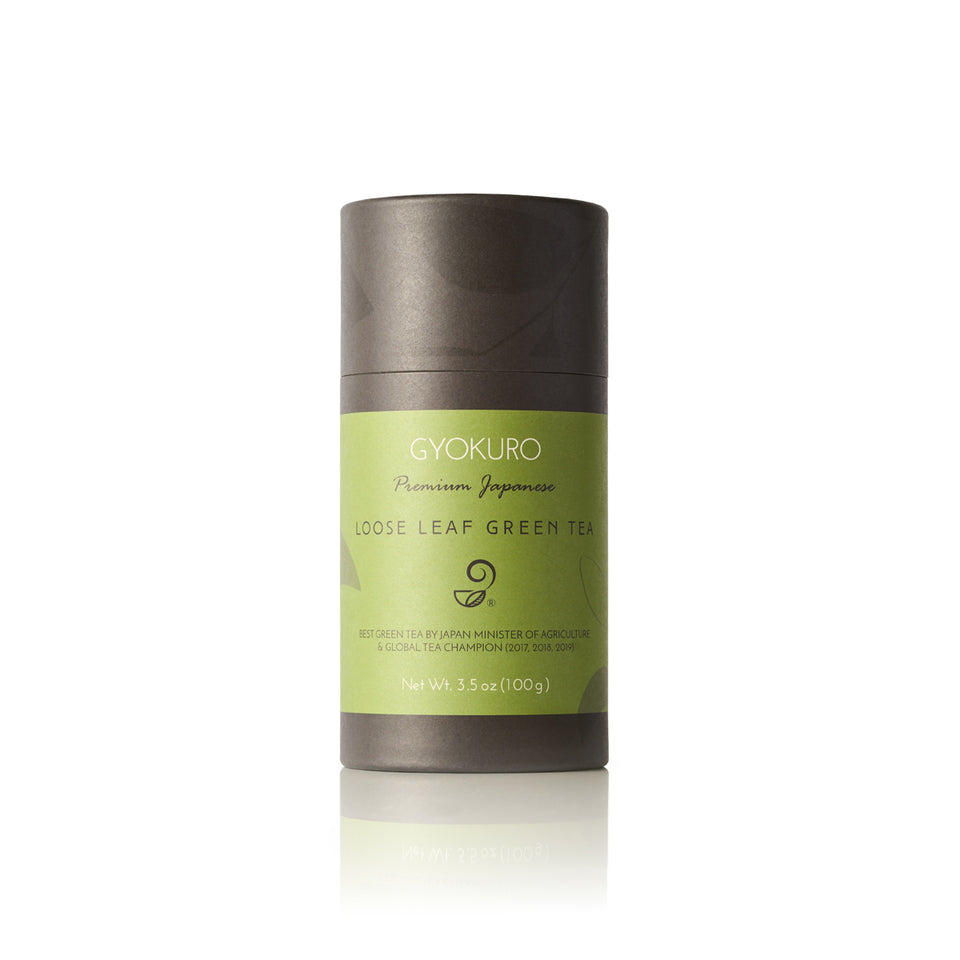
    Gyokuro - Shaded Imperial Premium Green Tea

    $65.00
    Quick view

    Gyokuro, also known as "jade dew" or "jewel dew tea," is a premium Japanese green tea shaded from the sun for 20 days using specially made mats, a method that boosts caffeine levels and strengthens amino acids to create a sweeter, richer flavor. This extended shading process results in dark, mossy green leaves with an unmistakable aroma and a complex taste that is layered yet balanced. Cultivated by the Chagusaba method in nutrient-rich sugarcane soil and made from the Yabukita cultivar, this loose-leaf authentic Gyokuro is offered in a high-quality, air-tight paper tube canister (chyazutsu) to preserve its exceptional freshness and flavor. Each 3.5 oz (100g) full-size package steeps 30–40 cups, and a convenient single-serve sample is also available.

    45 reviews

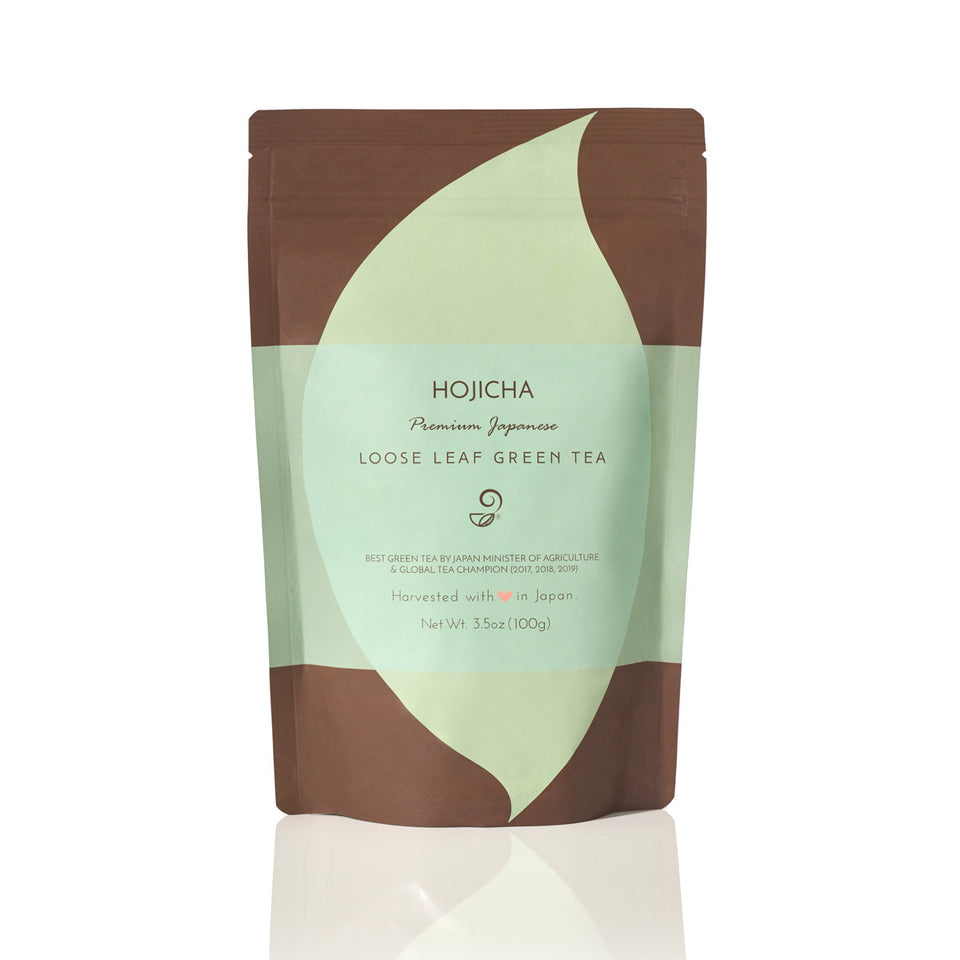
    Hojicha - Roasted Green Tea

    $25.00
    Quick view

    Our roasted green tea, known as hojicha (ほうじ茶), is crafted from freshly harvested premium green tea carefully roasted in porcelain over charcoal to maximize flavor while retaining more catechins than typical hojicha on the market. With lower caffeine and a smoother, less bitter taste compared to steamed green tea, it is an ideal choice for evening relaxation and is gentle enough for kids and pregnant women. Cultivated using the Chagusaba method in nutrient-rich sugarcane soil, this loose-leaf authentic Japanese roasted green tea, made from the Yabukita cultivar, also pairs beautifully with oily foods. Each eco-friendly resealable package contains 3.5 oz (100g) of tea, enough to steep 30–40 comforting cups.

    80 reviews

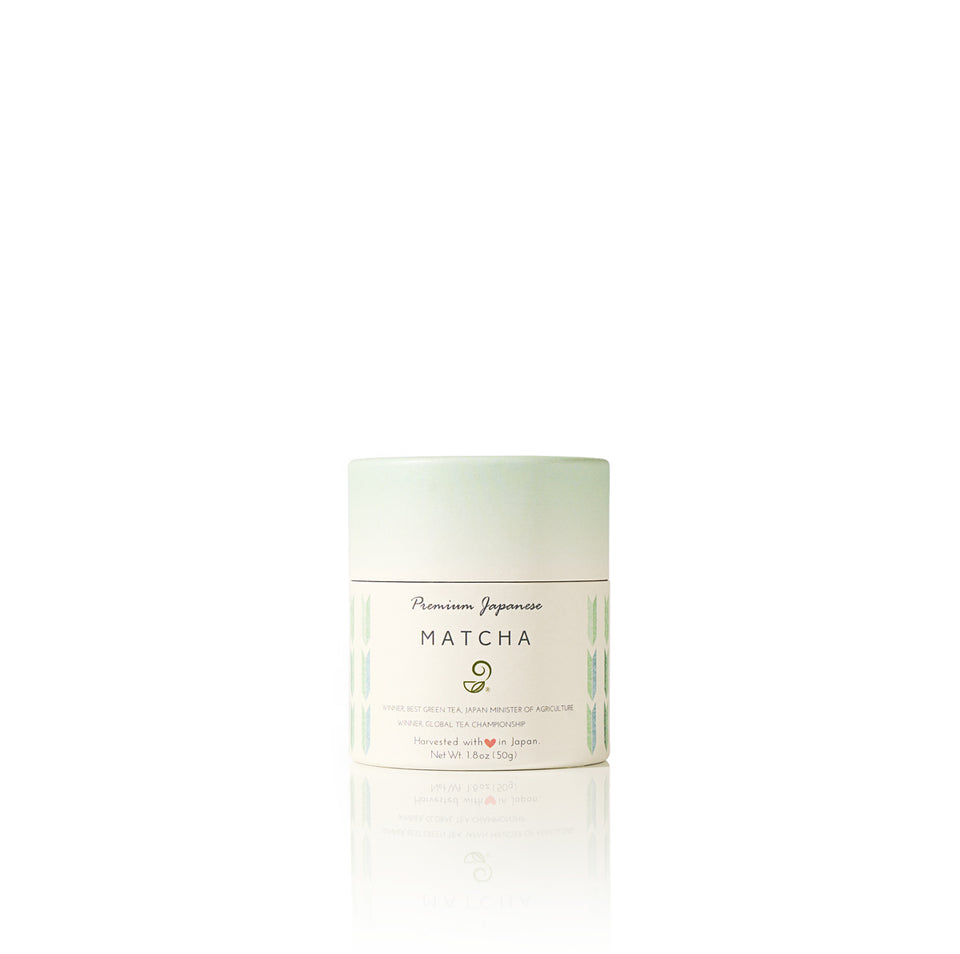
    Matcha - Ceremonial Japanese Powdered Green Tea

    $39.00
    Quick view

    This ceremonial matcha is crafted from the finest Japanese green tea, grown in nutrient-rich soil enhanced with compostable grasses and sugarcane through the Chagusaba method, which gives the tea a natural sweetness and exceptional flavor. In collaboration with researchers from Shizuoka University, farmers ensure that the soil quality consistently produces tea of the highest standard.

    Renowned among top Japanese chefs for its unmatched aroma, this matcha is made by carefully shading the plants before harvest to boost caffeine and amino acids, then meticulously drying, de-stemming, and grinding the leaves into a fine powder. Made from the Yabukita cultivar, this 1.8 oz (50g) matcha comes in a high-quality, air-tight paper tube canister, providing a luxurious and authentic Japanese tea experience.

    42 reviews

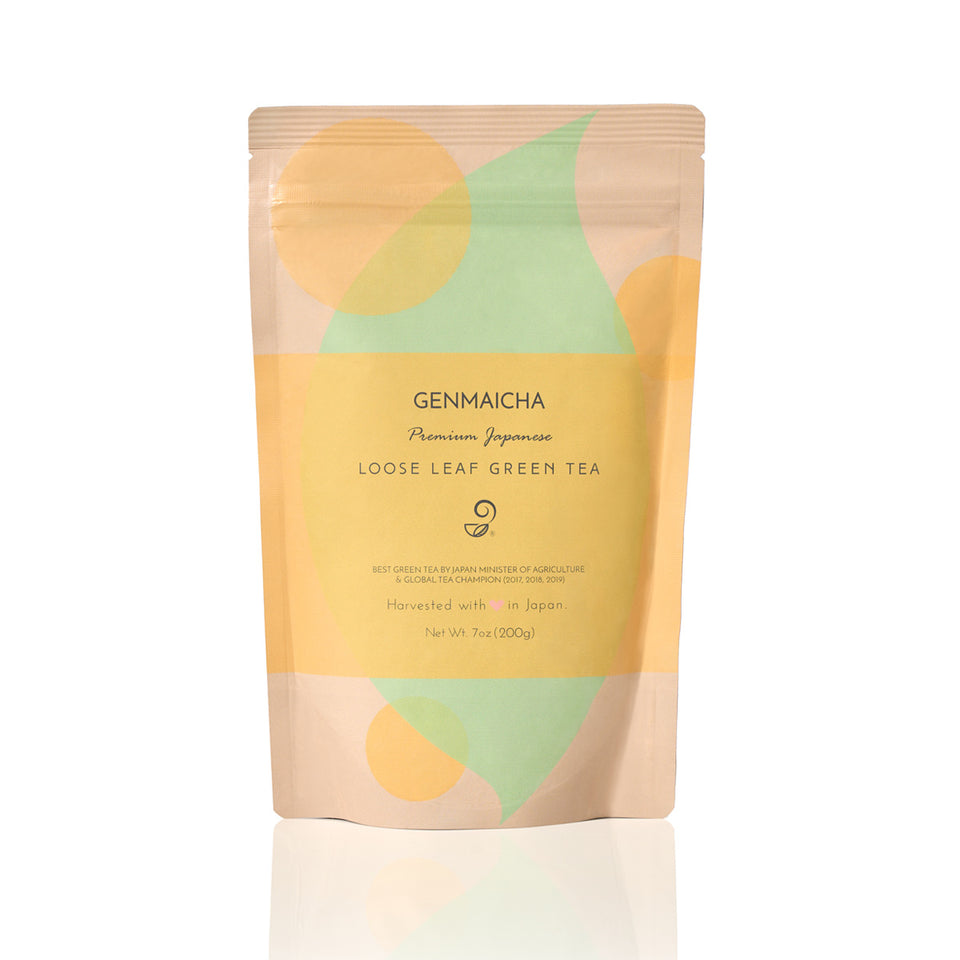
    Genmaicha - Green Tea with Roasted Brown Rice

    $30.00
    Quick view

    Our premium Japanese Genmaicha blends high-quality green tea with roasted popped brown rice (genmai 玄米), often nicknamed "popcorn tea" because the roasting process sounds like popcorn popping. Popular especially among the older generation in Japan for its mild flavor and lower caffeine content, this tea is easier on the stomach while still offering a rich, comforting taste. The brown rice used is premium Japanese mochi-gome (もち米) sticky rice, enhancing the tea’s nutty, aromatic profile. Made from Fukamushi Sencha and cultivated using the Chagusaba method in nutrient-rich sugarcane soil, this Genmaicha features the Yabukita cultivar and comes in a 7.0 oz (200g) eco-friendly resealable package, enough to steep 50–60 cups.


    Related Articles You May Be Interested

    Matcha Banana Smoothie – How Matcha is Used in the Trendy Beverage in Japan
    Matcha Banana Smoothie – How Matcha is Used in the Trendy Beverage in Japan
    How to Make Matcha Chocolate Bars & Matcha Dry Cake
    How to Make Matcha Chocolate Bars & Matcha Dry Cake
    4 Ways To Add Green Tea To Your Recipes
    4 Ways To Add Green Tea To Your Recipes
    How to Make Matcha Macarons
    How to Make Matcha Macarons
    Is it Safe to Eat Green Tea Leaves?
    Is it Safe to Eat Green Tea Leaves?

    Get Free Bonus Books

    Join Green Tea Club

    Sign up for free to the Green Tea Club to get advice and exclusive articles about how to choose Japanese Tea, and tips, tricks, and recipes for enjoying Japanese tea.

    Unsubscribe anytime. It’s free!

    About the author

    Kei Nishida

    Kei Nishida

    Author, CEO Dream of Japan

    info@japanesegreenteain.com

    Certification: PMP, BS in Computer Science

    Education: Western Washington University
    Kei Nishida is a passionate Japanese green tea connoisseur, writer, and the founder and CEO of Japanese Green Tea Co., a Dream of Japan Company.

    Driven by a deep desire to share the rich flavors of his homeland, he established the only company that sources premium tea grown in nutrient-rich sugarcane soil—earning multiple Global Tea Champion awards.

    Expanding his mission of introducing Japan’s finest to the world, Kei pioneered the launch of the first-ever Sumiyaki charcoal-roasted coffee through Japanese Coffee Co. He also brought the artistry of traditional Japanese craftsmanship to the global market by making katana-style handmade knives—crafted by a renowned katana maker—available outside Japan for the first time through Japanese Knife Co.

    Kei’s journey continues as he uncovers and shares Japan’s hidden treasures with the world.

    Learn more about Kei Nishida

    Related Posts

    Simply Donabe — New Cookbook from TOIRO's Naoko-san Is Out!
    Simply Donabe — New Cookbook from TOIRO's Naoko-san Is Out!

    Simply Donabe is here! We celebrated TOIRO's Naoko-san's new cookbook at a special dinner at Camélia in DTLA — see our p

    Read More
    Introducing New Product - Meet Hojicha Powder
    Introducing A New Product - Meet Hojicha Powder

    Discover the game-changing Hojicha powder your kitchen has been waiting for — richer flavor, easier recipes, and surpris

    Read More
    Yokohama Peach is offered as a regular menu at Okayama Kobo Cafe!
    Yokohama Peach is offered as a regular menu at Okayama Kobo Cafe! + Recap Video of Pop-up on 2/8/2026 at Anaheim, CA

    We are excited to announce that our Yokohama Peach is now available on the regular menu at the popular Japanese Bakery,

    Read More
    Leave a comment

    Your email address will not be published..

    Cart

    Your cart is currently empty.

    Start Shopping

    Select options