Skip to content

How to Make Matcha Chocolate Bars & Matcha Dry Cake

Matcha tea has many takers, mostly for the numerous health benefits offered by this brightly colored variety of tea!

From beverages to many fancy-looking desserts and even soups, for that matter, matcha tea is very popular in the food world. This variety of tea boasts an amazing nutritional profile and has a very high antioxidant content that helps reduce cell damage and prevent several chronic degenerative diseases. Apart from that, matcha prevents liver damage, boosts brain function, inhibits the growth of cancer cells, decreases the risk of heart disease, and assists in weight loss.

With such impressive health benefits, why should we all deprive ourselves of this gift of nature?

Here we are sharing with you some of the easiest and drool-worthy matcha-based preparations that you all must try.

Just a quick note for these recipes: we made our own matcha from green tea using a mortar and pestle. This is a pretty essential inventory to have in your kitchen; check out this tool guide on TDK.

Matcha Chocolate Bars
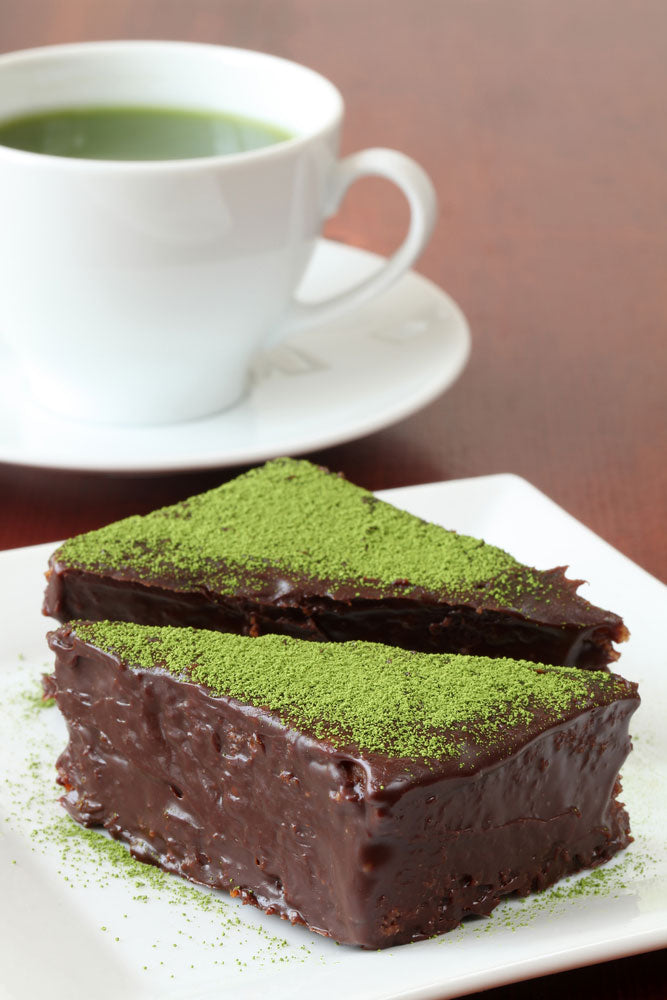
Matcha Chocolate Bar

This is undoubtedly the most popular way people prefer to enjoy matcha! The sweetness of the chocolate is the perfect way to disguise the bitterness of this tea while you continue to savor its numerous health benefits. To prepare this, heat half a cup of heavy whipping cream until bubbles start to appear in the pan. Remove the pan from the heat. Now stir in finely chopped 400g of white chocolate and two tablespoons of chopped unsalted butter. Stir the mixture well until smooth and both butter and chocolate are thoroughly melted in the warm cream. Sieve about 1½ tablespoons of matcha into the chocolate mixture and stir it well so that no lumps are formed. Transfer the chocolate mixture into a lined baking dish and refrigerate the chocolate overnight or until it sets well. Cut chocolate into even-sized bars and enjoy!

Matcha Dry Cake

Matcha Dry Cake

In a bowl, beat the yolks of 2 small eggs with ½ a cup of powdered sugar until the mixture is well blended. Now whisk in two tablespoons each of any vegetable oil and water. Sieve ½ cup of all-purpose flour, ½ teaspoon of baking powder, and ¾ tablespoon of matcha into the mixture. Whisk it all well and keep it aside. Now, gently fold the well-beaten whites of three small eggs into the matcha blend. Transfer the cake batter into a greased baking dish and bake it at 170 degrees C until the cake is cooked from the inside. Slice and enjoy!

About the Author

LIGIA LUGO

Ligia Lugo from The Daring Kitchen

I love experiencing new cultures through food, and it shows in my travels. When I'm at home, I try to cook healthy, but I love blending dishes I've learned with fresh local ingredients.

Visit her blog at: https://thedaringkitchen.com

How to Make Matcha Chocolate Bars & Matcha Dry Cake


Buy Matcha Used In Recipe

Buy Matcha Whisk 

FAQs about Matcha Chocolate Bars and Matcha Dry Cake

What grade of matcha should I use for baking — ceremonial or culinary?
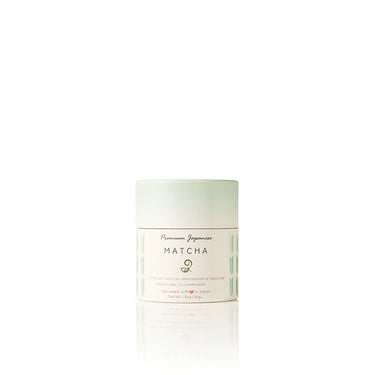
Culinary grade. Ceremonial matcha is wasted on baking — its delicate umami and fine grind get overwhelmed by sugar, butter, and heat, and you'd be paying premium prices for nuance you can't taste in the finished dessert. Our culinary matcha is bolder, more astringent, and holds its character through the cooking process where ceremonial matcha would fade.

That said, not all culinary matcha is created equal. Some "culinary" labels are really just lower-grade matcha with worse flavor and grayish color, which translates to dull-tasting and dull-looking baked goods. A reasonable mid-grade culinary matcha is what you want — bright green, bold flavor, sturdy enough to survive heat. Card below.

If you're making chocolate bars where the matcha is mixed with cocoa butter and not baked, you can sometimes get away with ceremonial matcha because there's no heat to destroy the flavor. But for cakes, cookies, and anything baked at 350°F+, culinary is the right choice.

What's the right ratio of matcha to flour or chocolate?

For chocolate bars, the standard ratio is about 5-8g of matcha per 100g of chocolate (white chocolate base works best — the dairy and sugar carry matcha's flavor without competing). Less than 5g and the matcha barely shows; more than 10g and it goes bitter. The sweet spot is around 6g per 100g of finished bar.

For cakes and dry cakes, about 10-15g of matcha per 200g of flour gives you a clearly green, clearly matcha-flavored cake without crossing into bitterness. Sift the matcha with the flour to distribute evenly — clumps of matcha hidden in batter create concentrated bitter spots in the finished cake.

If you're making matcha cookies or shortbread, scale down — about 5-8g per 200g of flour is enough because the smaller serving size concentrates the flavor naturally. More than that and the cookies taste medicinal.

Why does matcha sometimes lose its bright green color when baking?

Two main causes: heat and time. Above about 320°F (160°C), matcha's chlorophyll starts breaking down, and the bright green shifts toward a duller olive or yellow-green. The longer you bake, the more pronounced the shift. So a chocolate bar made at room temperature stays vivid; a long-baked cake goes muted.

The fix isn't to use more matcha (that just makes the dull color darker). The fix is to bake at lower temperatures (300-325°F) for slightly longer when possible, or to add the matcha at a stage where it sees less heat. For cakes, mixing matcha into a frosting or glaze applied after baking preserves color much better than mixing it into the batter itself.

Matcha grade also matters. Higher-grade matcha holds its color longer because the chlorophyll concentration is higher to begin with. Cheap matcha goes from olive to brown faster than premium matcha when heated.

Do the antioxidants in matcha survive baking, or am I just adding flavor and color?

Most antioxidants survive baking — but with reductions. Catechins (especially EGCG) are heat-sensitive but most of the dose remains after 30-45 minutes at 350°F. Studies on green tea extract in baked goods typically show 50-70% catechin retention after baking. So you're getting reduced but real antioxidant content.

L-theanine is more heat-stable than catechins and survives baking better — most of it carries through. Vitamin K and chlorophyll also largely survive. Vitamin C is the casualty (it's the most heat-sensitive).

If antioxidant load is your main reason for baking with matcha, recipes with shorter bake times and lower temperatures (cookies, dry cakes, no-bake bars) preserve more than long-baked cakes. But even a long-baked matcha cake still has substantially more catechins than a non-tea cake. The marketing claim that matcha desserts are health food is overstated; the claim that they're zero-benefit is also wrong. Reality is in between.

How do you balance the bitterness when using matcha in desserts?

Three approaches. First, match the grade to the role: culinary matcha for baking, ceremonial for plain whisking. The bitter astringency that's a problem in a plain bowl is appropriate in a sweet, fatty matrix where it cuts through richness.

Second, balance with fat and sweetness. Heavy cream, butter, white chocolate, and white sugar all blunt matcha's bitterness. Less-fatty matrices (sponge cakes, low-fat cookies) leave matcha feeling harsher. Most successful matcha desserts use richer bases for a reason.

Third, dial the dose. If your first attempt at a matcha recipe tastes too bitter, reduce by 25%. If it doesn't taste like matcha enough, increase by 20%. Calibrate to your own matcha and your own palate over a few iterations rather than trusting any single recipe ratio. Matcha potency varies more than most ingredients between batches and brands.

Related products

80 reviews

Matcha - Ceremonial Japanese Powdered Green Tea

$39.00
Quick view

This ceremonial matcha is crafted from the finest Japanese green tea, grown in nutrient-rich soil enhanced with compostable grasses and sugarcane through the Chagusaba method, which gives the tea a natural sweetness and exceptional flavor. In collaboration with researchers from Shizuoka University, farmers ensure that the soil quality consistently produces tea of the highest standard.

Renowned among top Japanese chefs for its unmatched aroma, this matcha is made by carefully shading the plants before harvest to boost caffeine and amino acids, then meticulously drying, de-stemming, and grinding the leaves into a fine powder. Made from the Yabukita cultivar, this 1.8 oz (50g) matcha comes in a high-quality, air-tight paper tube canister, providing a luxurious and authentic Japanese tea experience.

22 reviews

Matcha - Japanese Limited Reserve Ceremonial Green Tea - (Global Tea Champion 2018, 2025)

$300.00
Quick view

This Premium Ceremonial Grade Matcha is one of the most luxurious matcha teas available, crafted from carefully cultivated Japanese green tea grown in nutrient-rich sugarcane soil using the Chagusaba method. Traditionally reserved for high-end tea ceremonies in Japan and loved by many tea masters, this matcha was once unavailable outside of Japan and is now finally accessible to U.S. consumers. Every step of its production, from shading the tea plants to increase caffeine and amino acid levels to the meticulous removal of stems and veins before grinding into a fine powder, is handled with a blend of advanced technology and time-honored tradition. Made from the Yabukita cultivar, this 30g (1.05 oz) ceremonial matcha offers a vivid color, unforgettable aroma, and the highest standard of flavor, earning recognition as a Global Tea Champion in 2018 and 2025.

4 reviews

The Covered Trio Gift Set - Ceremonial Matcha, Gyokuro, and Nozomi Japanese Green Tea Set Package

$143.00 $128.00
Quick view

This tea set features three premium Japanese green teas, all cultivated in nutrient-rich sugarcane soil to enhance their flavor and natural sweetness. Gyokuro, a prized shaded green tea, is grown under special mats for 20 days to increase caffeine and amino acid levels, resulting in a rich, sweet taste and deep mossy green color. The set also includes a luxurious matcha, crafted from carefully shaded, hand-processed leaves and renowned for its smooth, aromatic flavor, developed in collaboration with researchers from Shizuoka University to maximize the benefits of the enriched soil. Completing the collection is Nozomi, a fine Kabuse-cha or "Covered Green Tea," where young tea leaves are gently shaded just before sprouting, producing a soft, refined flavor perfect for tea enthusiasts.

2 reviews

Matcha and Chasen Whisk Gift Set

$74.00 $54.99
Quick view

This set features a premium matcha made from the finest Japanese green tea, cultivated in soil enriched with compostable grasses and sugarcane to bring out a natural sweetness. In collaboration with researchers from Shizuoka University, farmers carefully study soil conditions to enhance flavor quality. The tea plants are shaded before harvest to increase caffeine and amino acid content, then skillfully dried, de-stemmed, and ground into a fine powder, creating a matcha with a luxurious aroma and taste highly regarded by top Japanese chefs.

Paired with the matcha is a traditional 100-prong bamboo chasen whisk, considered the highest-grade among matcha tools. Unlike common 40-60 prong versions, this finely crafted whisk is widely used in high-end tea ceremonies in Japan. Its balanced dimensions offer the perfect design for preparing a smooth and frothy bowl of authentic matcha.

Ceremonial Japanese Powdered Green Tea and Electric Matcha Whisk

$56.99 $45.60
Quick view

This starter gift set brings together premium ceremonial Japanese matcha and the Elementi electric matcha whisk, giving you everything you need to prepare smooth, authentic matcha at home. The matcha is 100% made in Japan, produced from carefully shaded green tea leaves that are stone-ground into a vibrant, fine powder prized for its rich umami, natural caffeine, and amino acid content.

Paired with the matcha is the Elementi electric whisk, designed for quick and effortless preparation. Its powerful motor creates a smooth, frothy cup in seconds, while the ergonomic, soft-touch grip ensures comfortable handling. This item ships within the USA only (excluding HI and AK).


Related Articles You May Be Interested

Virtual Japanese Cooking Class - What is it? How to Make the Perfect Cup of Matcha - Video Recipe
Chasen - The Japanese Matcha Whisk
Why Is Matcha More Expensive Than Other Types Of Tea?
Coffee Creamer: The Secret to Making Matcha Drinks Taste Amazing?

Get Free Bonus Books

Join Green Tea Club

Sign up for free to the Green Tea Club to get advice and exclusive articles about how to choose Japanese Tea, and tips, tricks, and recipes for enjoying Japanese tea.

Unsubscribe anytime. It’s free!

Related Posts

Meet Eijiro Tsukada (塚田英次郎): The Charismatic Businessman Behind Cuzen Matcha — Now Available at Japanese Green Tea Co.

Meet Eijiro Tsukada — the man behind Cuzen Matcha. Full guide to the award-winning Matcha Maker, the Pro, and why we're

Read More
Behold: Balmuda's "The MoonKettle" — Where Boiling Water Becomes Art

We were privileged to be invited by Balmuda's Private MoonKettle Launch Event. Here are videos of it and everything you

Read More
OC Japan Fair April 2026 — Visit Us at Booth #A8!
OC Japan Fair Spring 2026 Recap (April 3 - 5 2026)

We were at OC Japan Fair again! April 3-5 2026 with new products, Miki Pon's art debut and more. Here is a recap video f

Read More
Leave a comment

Your email address will not be published..

Cart

Your cart is currently empty.

Start Shopping

Select options