Skip to content

Tea Lover Tours in Japan

Now that COVID is becoming a thing of the past, Japan has finally opened up to the world for the tour.

Here are the latest tours in 2023, specifically targeting people who love tea, hosted by Arigato Japan, the pioneer for English-speaking Japanese tours for many years and featured by the New York Times Travel Shows, CNN Travel, and more.

During COVID, I enjoyed their virtual tea tour online, but now that they are busy with the physical tour, they stopped the virtual tour. I hope they will bring the virtual tour back in the future, as it was even featured by Forbes here, but I am happy to hear that they are back doing physical tours.

Here are their latest tours in Japan for tea lovers:

Read on and watch this amazing experience for tea lovers and "Japan lovers" worldwide. Before you go, make sure to prepare for a smooth trip. Consider getting a Journey Japan eSIM for seamless connectivity—no need to fuss with physical SIM cards!

About Arigato Food Tour

Arigato Food Tours has been providing all kinds of tours throughout parts of Japan and has a wealth of knowledge and expertise for those curious about learning more about what Japan has to offer.

Arigato Food Tours was featured by:

  • New York Times Travel Shows
  • U.S. News & World Report Travel Weekly
  • Travel with Darley (a popular TV show—do you know this show?)
  • Forbes and Newsweek
  • CNN Travel

The tour I joined in the past (virtual) was hosted by Lauren.

Lauren - Arigato Food Tour

Lauren is one of the partners at Arigato Japan. From Pennsylvania, Lauren considers Japan her second or, perhaps, her first home. Having lived there for multiple decades, Lauren has a deep passion for Japan, its history, culture, food, and the world of Japanese tea. She shares the world of Japan through her organization’s many offerings.

Lauren Arigato Japan


Back to top

Kyoto Matcha

kyoto japan

The city of Uji in Kyoto is known as the home of Matcha, and they not only produce matcha but also make premium ones. Green Tea lovers all over the world enjoy Uji Matcha. On this tour, you will learn about the meticulous production of the world's best Matcha. The tour includes the preparation, and you can imagine the taste of the Uji matcha.

grinding green tea leaves using stone

While having the tour, you will know the tea goodness as the Matcha will be shown as it can be paired up with a delicious lunch set, meaning they will show you what kind of foods will make an excellent Matcha meal. After strolling and seeing local tea shops, the fun never stops, as while touring, you can see a UNESCO world heritage site, the Byodoin temple.

Kyoto Matcha tour

Tokyo Yanaka

Tokyo Yanaka

The nostalgia and rustic charm of classic Tokyo are within our reach. This tour is unique as you can explore Shitamachi, meaning Downtown, and not the modern and high-tech places.

Tokyo YanakaTokyo Yanaka

Yanaka is rich in history, art, and snacks. First, visit local temples and shrines. The shops there have been standing for over 100 years, and you will appreciate the 10–12 dishes that locals really like the most. Next, see Kyushu's special regional lunch. Then, before the end of the tour, you will experience the traditional tea ceremony in a hidden antique shop.

Flavors of Japan 

Flavors Japan

Flavors Japan

Japanese cuisine is pleasing inside and out. We will learn and deeply understand how unique and aesthetically pleasing Japanese cuisine is in different regions. With seven shops and more than 13 snacks, including sweet potatoes, fish cakes, and many more, you can be sure what food you will try on your next trip.

Flavors Japan

A high-quality Matcha tea is only complete with the Wagashi (small Japanese desserts) experience. This tour is a chance to learn about seasonal teas in a wonderful tea shop.

Back to top

Asakusa

Tea Lover Tours in Japan

Aside from Buddhist temples, Asakusa is known for its sashimi, tea, and souvenirs. You will often see the side streets and alleyways full of traditional snack shops and fish markets.

Tea Lover Tours in Japan Tea Lover Tours in Japan

One of the places to visit is this well-known pastry shop that has served Matcha and baked goods since 1945. You can enjoy the Matcha experience in this shop. Aside from tea, you can take a look and feel at home with regional snacks like rice crackers and plums, depending on the change of season. With the famous melon pan or melon bread, the tour will now be complete.

FAQs about Tea Lover Tours in Japan

Where should a tea-curious traveler go in Japan — what's the must-see itinerary?

Three regions cover most of what serious tea travelers want. Uji (south of Kyoto) for matcha and gyokuro heritage — the most traditional, most prestigious tea-cultivation region with 700+ years of continuous practice. Shizuoka prefecture for sencha production at scale, with multiple farms offering visits and tasting. Kagoshima (Kyushu) for the warmer-climate styles, sometimes earlier harvests, and a different tea-region character.

Most tea-tourism trips are based out of Kyoto for the Uji day-trip, then extend either north (Shizuoka) or south (Kagoshima) for a second tea region. Trying to fit all three into a single trip is usually too much; pick two and do them properly.

Tokyo has serious tea shops and tea-ceremony venues but isn't a production region. Useful for buying premium tea at brick-and-mortar specialty stores (Lupicia, Ippodo, Maeda-en) and attending hotel-based tea ceremony demonstrations, but not for farm visits.

Can I actually visit a Japanese tea farm as a tourist?

Yes, increasingly. Several Shizuoka farms run organized farm visits that include cultivation tours, harvest demonstrations (in season), processing facility walk-throughs, and tasting sessions. Wazuka (Kyoto prefecture) is the most-visited small tea-farming village for tourists and has multiple farm-experience programs. Kakegawa (Shizuoka) has chagusaba-method farms that run educational tours.

Most farm visits require advance booking — these are working farms, not theme-park-style attractions. Some require Japanese language ability; others run English-language tours seasonally. Specialty travel companies (InsideJapan Tours, Boutique Japan) can organize farm visits as part of broader itineraries.

Visits during harvest season (late April-early May for most regions) are the most rewarding but also the most-booked. Off-season visits give you the quiet farm experience without the active harvest spectacle. Both have their value.

What's the best way to attend a real Japanese tea ceremony as a foreign tourist?

Several reliable options. The Urasenke Foundation in Kyoto runs regular public tea ceremonies for visitors — beginner-friendly, English-language explanations, authentic practice. Tokyo's Hamarikyu Gardens has a beautiful tea house (Nakajima no Ochaya) that serves matcha to visitors. Hotel-based ceremonies (the Setai, Mandarin Oriental, several Kyoto ryokans) are tourist-friendly versions that introduce the basics without the full formal protocol. Our six-step intro to the Japanese tea ceremony walks through what to expect and how to prepare.

More immersive: stay at a temple lodging (shukubo) at a Buddhist monastery — many include morning tea practice as part of the stay. The Koyasan area near Osaka and several Kyoto temples have shukubo programs that provide deeper tea-ceremony exposure than public demonstrations.

Skip: tourist-trap "tea ceremony experiences" near major attractions that charge premium prices for 30-minute superficial demonstrations. They exist; they're not worth the money. The legitimate options are usually slightly less convenient but dramatically better.

What is Tea Ceremony?

When's the best time of year to take a tea-focused trip to Japan?

April-May for ichiban-cha (first flush) season — the most exciting time to visit if you want to see active harvest. Most southern regions (Kagoshima, parts of Shizuoka) start late April; northern regions extend into mid-May. Cherry blossom season overlaps the early end of this window and adds tourism crowding.

June-July for niban-cha (second flush) and quieter touring. Less harvest spectacle but easier to book farm visits, fewer crowds at major tea shops, generally better weather for travel. Many serious tea travelers prefer this window for the depth-over-spectacle experience.

Avoid: August (extremely hot and humid, uncomfortable for tea-ceremony events), late November-February (most tea farms are dormant; though winter tea shops in Kyoto have their own appeal). October has nice weather but is past harvest season.

How much should I budget for a tea-focused trip to Japan?

$3,000-$8,000 for a 10-day trip from the US, depending on style. Budget end: hostels and capsule hotels in cities, train passes for transportation, self-organized farm visits, drugstore-grade meals plus a few notable tea-experience splurges. Mid-range: business hotels, JR Pass for trains, organized tea-tour day trips, regular sit-down meals, several premium tea-shop visits. Premium: ryokan stays in Kyoto, private guides, custom farm visits, kaiseki dining, top-tier tea shops.

Tea-specific budget items: matcha purchases ($30-100+ for a single tin of premium tea), tea utensils (a hand-thrown chawan can run $50-500+), specialty tea workshops or ceremonies ($30-100 each), maybe a private tea-school session ($100-500 for visiting students). Plan to bring tea home in your luggage.

If you want to make the trip economical, structure it around a 2-week visit (better train pass economics), pick one or two tea regions instead of three, do organized day-trips instead of full guided tours, and stay at business hotels instead of ryokan. Cuts the budget meaningfully without sacrificing core tea experiences.

Related products

149 reviews

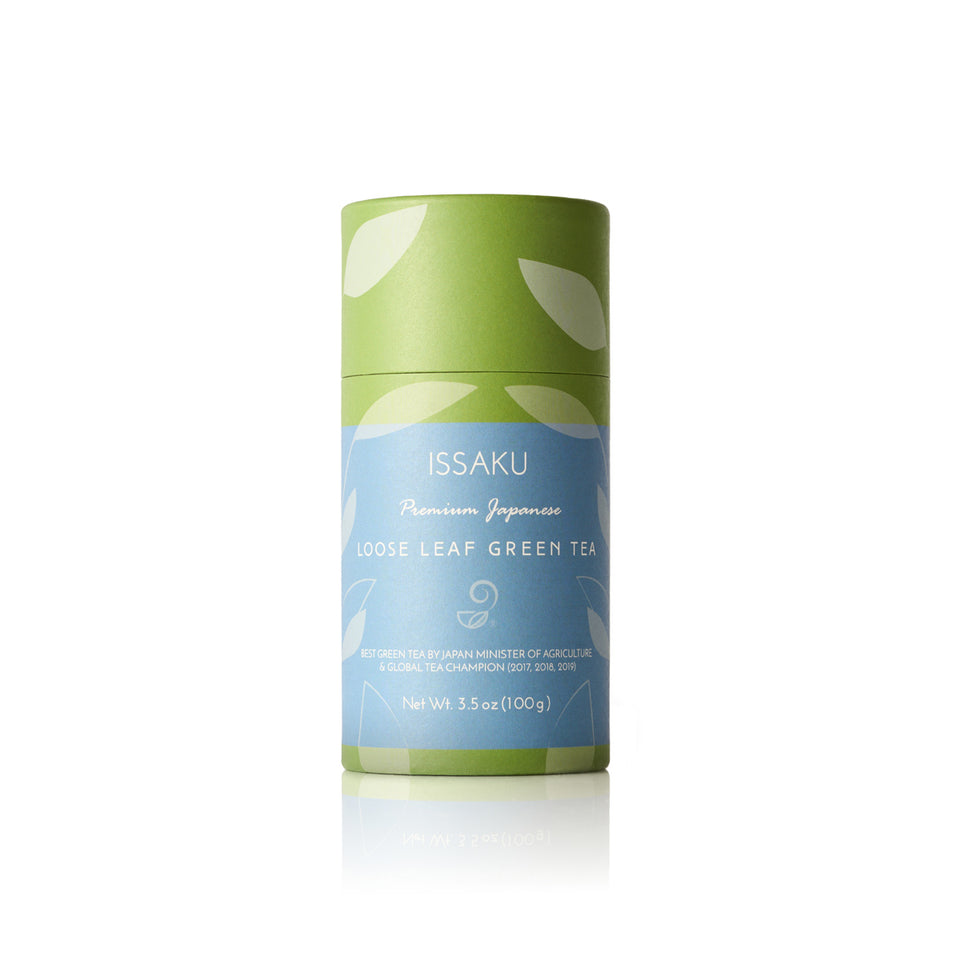
Issaku Reserve - Limited Premium Green Tea (Global Tea Champion 2017, 2019)

$80.00
Quick view

Issaku Reserve is a premium green tea masterpiece created by Mr. Arahata at Arahataen Green Tea Farm, offering a truly authentic and traditional Japanese tea experience. Handpicked once a year from new crops and crafted through a meticulous, complex process, Issaku Reserve is the farm’s highest-grade tea, produced in limited quantities and prized even in Japan. Winner of the Global Tea Championship in 2017 and 2019, this exceptional tea is made from the Yabukita cultivar and cultivated using the Chagusaba method in nutrient-rich sugarcane soil. It comes in a high-quality, air-tight paper tube canister containing 3.5 oz (100g), enough to steep 30–40 cups, with a single-serve 0.3 oz (10g) sample also available to preserve its rich flavor and outstanding freshness.

56 reviews

Benifuuki - Allergy Relief Japanese Green Tea Bags (30 tea bags)

$30.00
Quick view

Benifuuki green tea is highly regarded in Japan for its natural allergy-relief properties, helping with seasonal allergies, cedar allergies, hay fever, and even Mast Cell Activation Syndrome (MCAD). It is rich in Methylated Catechins, a potent form of EGCG that supports the inhibition of mast cell responses and reduces allergy symptoms.

This convenient teabag version uses an eco-friendly pyramid sachet and is made from authentic Japanese green tea cultivated by the Chagusaba method in nutrient-rich sugarcane soil. Featuring the Benifuki cultivar, each resealable aluminum package contains 30 tea bags, with each bag holding 3g of tea for a total of 90g (3.2 oz). A powder and candy version are also available.

8 reviews

The Sencha Lover Gift Set - Premium Japanese Green Tea Set Package
$179.00 $159.99
Quick view

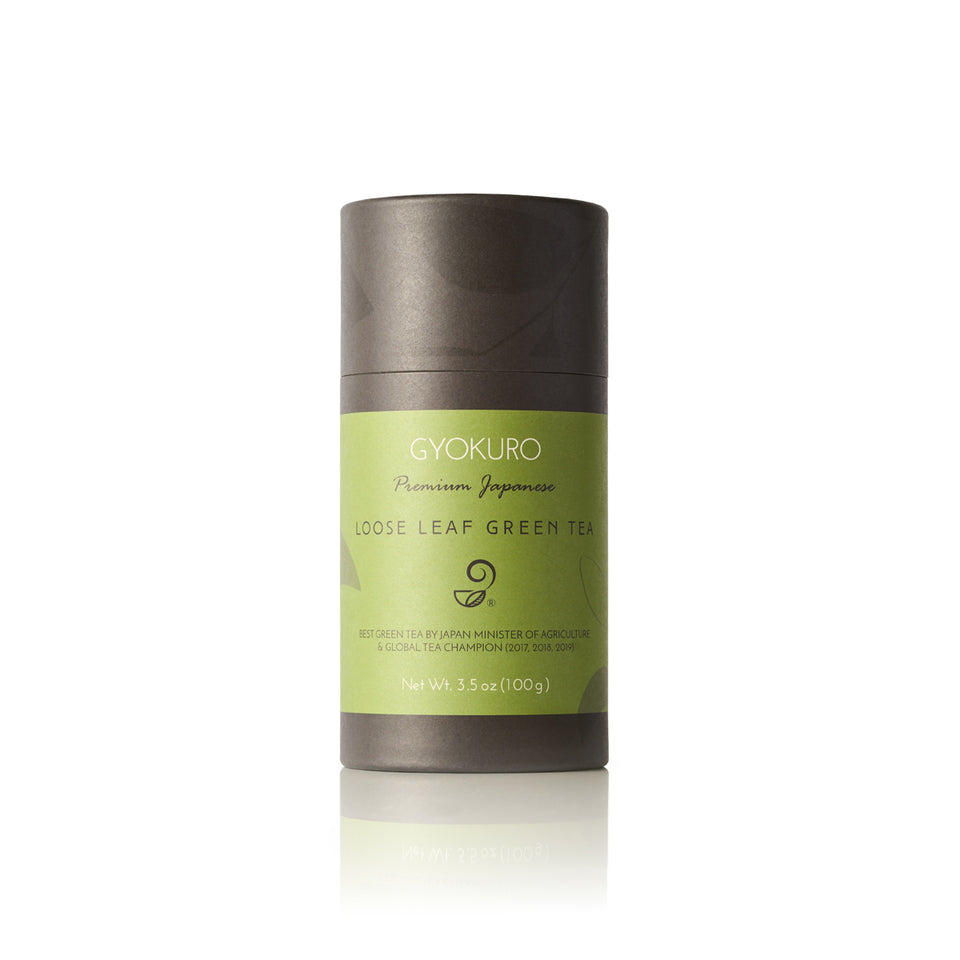
This tea set features three exceptional Japanese green teas, each crafted with care and traditional techniques. Issaku Reserve, a Global Tea Champion winner in 2017 and 2019, is a rare masterpiece created by Farm Master Mr. Arahata at Arahataen Green Tea Farm. Handpicked once a year from the first flush and processed with advanced methods, Issaku represents the highest-grade deep-steamed green tea, available only in limited quantities even in Japan.

The set also includes Gyokuro, a premium shaded green tea known for its rich, sweet flavor and deep mossy green color. Grown under special mats for 20 days to increase caffeine and amino acid levels, Gyokuro offers a layered, smooth taste unlike any other. Completing the collection is Nozomi, a fine Kabuse-cha, or "Covered Green Tea," carefully grown under nets to gently shade the leaves just before new sprouts emerge, resulting in a soft, rich, and refined flavor profile.

97 reviews

Gyokuro - Shaded Imperial Premium Green Tea

$65.00
Quick view

Gyokuro, also known as "jade dew" or "jewel dew tea," is a premium Japanese green tea shaded from the sun for 20 days using specially made mats, a method that boosts caffeine levels and strengthens amino acids to create a sweeter, richer flavor. This extended shading process results in dark, mossy green leaves with an unmistakable aroma and a complex taste that is layered yet balanced. Cultivated by the Chagusaba method in nutrient-rich sugarcane soil and made from the Yabukita cultivar, this loose-leaf authentic Gyokuro is offered in a high-quality, air-tight paper tube canister (chyazutsu) to preserve its exceptional freshness and flavor. Each 3.5 oz (100g) full-size package steeps 30–40 cups, and a convenient single-serve sample is also available.

45 reviews

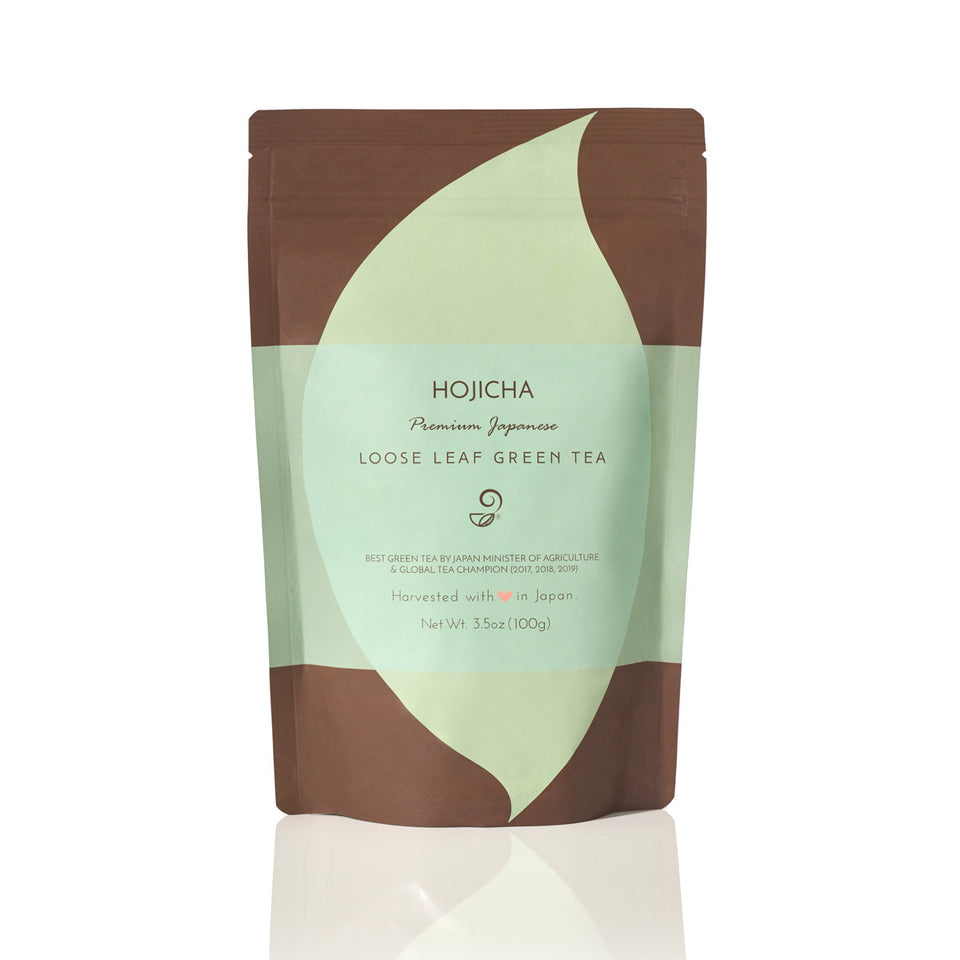
Hojicha - Roasted Green Tea

$25.00
Quick view

Our roasted green tea, known as hojicha (ほうじ茶), is crafted from freshly harvested premium green tea carefully roasted in porcelain over charcoal to maximize flavor while retaining more catechins than typical hojicha on the market. With lower caffeine and a smoother, less bitter taste compared to steamed green tea, it is an ideal choice for evening relaxation and is gentle enough for kids and pregnant women. Cultivated using the Chagusaba method in nutrient-rich sugarcane soil, this loose-leaf authentic Japanese roasted green tea, made from the Yabukita cultivar, also pairs beautifully with oily foods. Each eco-friendly resealable package contains 3.5 oz (100g) of tea, enough to steep 30–40 comforting cups.

• Disclosure: I only recommend products I would use myself, and all opinions expressed here are my own. This post may contain affiliate links that I may earn a small commission at no additional cost to you.
The commission also supports us in producing better content when you buy through our site links.
Thanks for your support.
- Kei and Team at Japanese Green Tea Co.


Related Articles You May Be Interested

Virtual Japanese Cooking Class - What is it? What is Tokoname Japanese Teapot? 🍵 Yunomi Kyusu Made of Clay to Enhance the Taste of Japanese Green Tea First-Ever Virtual Tea Festival - Japanese Green Tea Co. at International Virtual Tea Festival 2020
10 Must-See Places in Uji, Kyoto for Tea Lovers
6 Tea Shops In Tokyo You Don’t Want To Miss

Get Free Bonus Books

Join Green Tea Club

Sign up for free to the Green Tea Club to get advice and exclusive articles about how to choose Japanese Tea, and tips, tricks, and recipes for enjoying Japanese tea.

Unsubscribe anytime. It’s free!

About the author

Kei Nishida

Kei Nishida

Author, CEO Dream of Japan

info@japanesegreenteain.com

Certification: PMP, BS in Computer Science

Education: Western Washington University
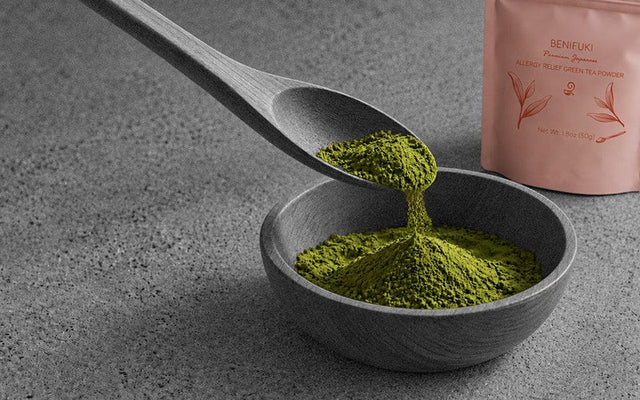
Kei Nishida is a passionate Japanese green tea connoisseur, writer, and the founder and CEO of Japanese Green Tea Co., a Dream of Japan Company.

Driven by a deep desire to share the rich flavors of his homeland, he established the only company that sources premium tea grown in nutrient-rich sugarcane soil—earning multiple Global Tea Champion awards.

Expanding his mission of introducing Japan’s finest to the world, Kei pioneered the launch of the first-ever Sumiyaki charcoal-roasted coffee through Japanese Coffee Co. He also brought the artistry of traditional Japanese craftsmanship to the global market by making katana-style handmade knives—crafted by a renowned katana maker—available outside Japan for the first time through Japanese Knife Co.

Kei’s journey continues as he uncovers and shares Japan’s hidden treasures with the world.

Learn more about Kei Nishida

Related Posts

Our Products are Now at Yama Sushi Marketplace — One of LA's Most Trusted Japanese Markets Since 1984!

Yama Sushi Marketplace is now carrying our products! Plus the full story of LA's beloved Japanese market — California Ro

Read More
What is Shincha - New Crop Tea and What Makes them Unique?
What is Shincha Tea and What Makes It Unique?

Discover the secrets of Shincha, Japan's acclaimed new crop tea. Explore its distinct features, flavors, and traditions.

Read More
Meet Eijiro Tsukada (塚田英次郎): The Charismatic Businessman Behind Cuzen Matcha — Now Available at Japanese Green Tea Co.

Meet Eijiro Tsukada — the man behind Cuzen Matcha. Full guide to the award-winning Matcha Maker, the Pro, and why we're

Read More
Leave a comment

Your email address will not be published..

Cart

Your cart is currently empty.

Start Shopping

Select options