Skip to content

Virtual Japanese Cooking Class - What is it?

I am happy to share about my good "Green Tea Friend," who has been hosting a Japanese cooking class in Japan, starting an online virtual cooking class, which has been a huge success. It was a privilege for tourists who visit Tokyo to take her class before (3000+ people have attended), but now her class is available online, so I thought that I had to share this news.

I thought of introducing her to you since you love Japan and green tea.

What is Mayuko's Little Kitchen

Mayuko’s Little Kitchen is a cooking service nestled near Shinjuku Gyoen National Park. If you’re planning on visiting Harajuku, Meiji Shrine, or wandering around Shinjuku, a reservation at her kitchen may fit nicely into your schedule. She offers all kinds of cooking classes, including matcha making for tea lovers, Panda Bento Boxes for the creative types, and perhaps a few options you’ve never experienced before! Her services have also been featured on Japanese TV shows.

Mayuko's Little Kitchen virtual Japanese cooking class

Mayuko teaching a virtual Japanese cooking class on Zoom

Mayuko's Little Kitchen Go Virtual 

Mayuko uses Zoom to teach her popular classes online now. She focuses on using ingredients that can be easily found in the kitchen or supermarket outside of Japan.

The class runs for 1.5–2 hours each, and she teaches you thoroughly how to cook popular Japanese dishes.

Here are her current classes that she is offering (Looking at her images makes me feel hungry!):

Sushi 101 - Amazon Virtual Class!

Chicken Nanban Class

This succulent chicken dish originated in Miyazaki Prefecture, in the far south of Japan. In making Chicken Nanban, we marinate the chicken in a soy sauce-based sweet vinegar sauce before deep frying and top it off with a rich tartar sauce. I have never seen anyone who does not get excited about this dish.

We will also make a suitable side dish, crispy shiitake tofu (or you can use tomato instead of tofu), which will be your lifelong dish!

You can book her classes at this link:

Here is a nice video of her using this tenugui to gift-wrap a sake bottle. How nice!


You can book her classes from this link here

FAQs about Virtual Japanese Cooking Classes

What does a virtual Japanese cooking class actually look like — what's the format?

Most virtual Japanese cooking classes run as live Zoom sessions where an instructor (usually based in Japan) walks participants through a recipe in real time. You receive an ingredient list a few days ahead, prep your ingredients before the class, and cook along during the session. Sessions usually run 90 minutes to 2 hours, with the instructor demonstrating technique, answering questions, and waiting for participants to catch up at key steps.

Some classes are pre-recorded video courses you watch on your own schedule — these are cheaper but less interactive. Live classes are more expensive but you can ask questions, get real-time feedback, and the instructor can adjust pace if students are struggling.

The good ones include cultural context too — not just "chop the onion this way" but "this is why miso varies regionally" or "here's the seasonal logic behind kaiseki structure." That cultural framing is what distinguishes a Japanese cooking class from a generic recipe demonstration.

What level of cooking skill do these classes assume — are they for beginners?

It depends on the class. Most virtual Japanese cooking classes are pitched at "interested home cook with basic kitchen skills" — you should be comfortable using a knife, you should know what "sauté" means, you should have a stocked pantry. Beyond that, instructors usually adjust to the room.

Some classes target true beginners (e.g., "How to make your first dashi" or "Onigiri basics"). Others target more experienced cooks (e.g., "Multi-course kaiseki" or "Fugu and seasonal sashimi prep"). Read the class description carefully and look for indicators like "no experience needed" vs. "intermediate skills required."

If you're new to Japanese cuisine specifically but experienced in cooking generally, a beginner-level Japanese class is the right entry point — the kitchen skills transfer, but the ingredient knowledge and technique conventions are different from Western cooking.

What equipment do I need for a virtual Japanese cooking class?

Standard cooking equipment plus a few Japanese-specific items the class will tell you about in advance. Most classes require: a sharp knife, a cutting board, a saucepan, a frying pan, basic measuring cups and spoons. Japanese-specific equipment that may be required: a rice cooker (or a pot with tight lid), a sushi rolling mat (for sushi classes), a fine-mesh strainer (for dashi), a drop-lid (otoshibuta) for simmering dishes.

For tea classes specifically (matcha, sencha, gyokuro brewing), you'd need a chasen whisk, a kyusu, possibly a chawan (matcha bowl). Most tea classes accept substitutions — a small kitchen whisk for chasen, a French press for kyusu — though the instructor may flag where the substitution affects the result.

Higher-end classes sometimes ship a kit with specialized ingredients and equipment beforehand. That's a good signal of seriousness — it means the instructor has thought through the at-home experience rather than assuming you have access to a Japanese grocer.

Are tea-focused virtual classes worth it, or can I learn from YouTube?
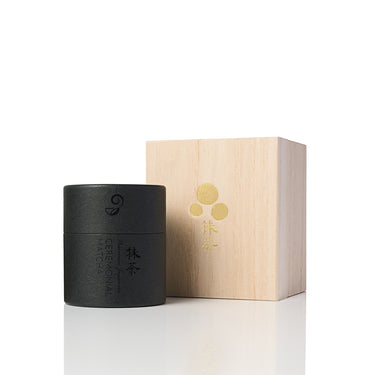
It depends on the depth you want. YouTube is excellent for visual technique (how to whisk matcha, what an asamushi sencha looks like) and you can rewatch as much as you want. Where YouTube falls short is on Q&A — you can't ask why your specific matcha is bitter or why your kyusu pour came out cloudy. A live tea class gives you that real-time troubleshooting access. The ceremonial matcha you brew during the class with instructor guidance is a completely different learning experience than just watching videos.

Live classes also tend to deliver more cultural context than YouTube videos do. A 5-minute YouTube video on how to whisk matcha shows you the motions; a 90-minute class shows you the motions plus explains why matcha is whisked in a W pattern, what the foam means, what proper bitterness should taste like.

If you're a casual learner, YouTube is fine. If you're trying to develop tea drinking as a serious practice, one live class with a good instructor is worth multiple hours of video. Card below is the matcha to use with class instruction.

How do I find a good virtual Japanese cooking class?

Look for instructors who: are based in Japan or trained in Japan (this matters more than language fluency), have specific expertise rather than generic "all of Japanese cuisine" claims, run smaller classes (8-15 students rather than 50+), include some cultural context in the curriculum, and have repeat customers (testimonials and reviews matter).

Avoid: generic cooking platforms that bundle Japanese classes with everything else without specialist instructors, pre-recorded video courses sold as "masterclasses" (these are usually shallow), and instructors who promise to teach "all of Japanese cuisine" in one short course (the topic is too vast).

Some good aggregators: Airbnb Experiences (live host-led classes), specialty Japanese cooking schools that have moved online, and chef-led Patreon or Substack offerings. Smaller, more specialized classes tend to be higher quality than larger generic ones.

Related products

8 reviews

The Sencha Lover Gift Set - Premium Japanese Green Tea Set Package
$179.00 $159.99
Quick view

This tea set features three exceptional Japanese green teas, each crafted with care and traditional techniques. Issaku Reserve, a Global Tea Champion winner in 2017 and 2019, is a rare masterpiece created by Farm Master Mr. Arahata at Arahataen Green Tea Farm. Handpicked once a year from the first flush and processed with advanced methods, Issaku represents the highest-grade deep-steamed green tea, available only in limited quantities even in Japan.

The set also includes Gyokuro, a premium shaded green tea known for its rich, sweet flavor and deep mossy green color. Grown under special mats for 20 days to increase caffeine and amino acid levels, Gyokuro offers a layered, smooth taste unlike any other. Completing the collection is Nozomi, a fine Kabuse-cha, or "Covered Green Tea," carefully grown under nets to gently shade the leaves just before new sprouts emerge, resulting in a soft, rich, and refined flavor profile.

97 reviews

Gyokuro - Shaded Imperial Premium Green Tea

$65.00
Quick view

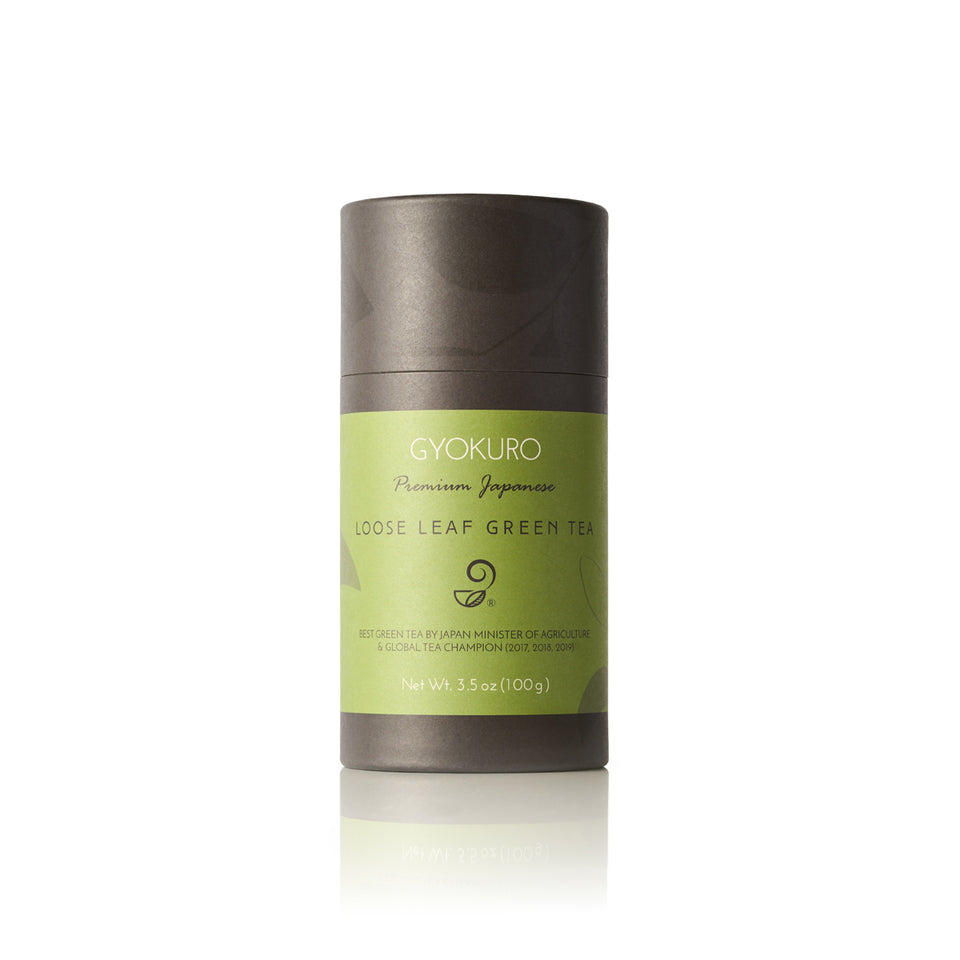
Gyokuro, also known as "jade dew" or "jewel dew tea," is a premium Japanese green tea shaded from the sun for 20 days using specially made mats, a method that boosts caffeine levels and strengthens amino acids to create a sweeter, richer flavor. This extended shading process results in dark, mossy green leaves with an unmistakable aroma and a complex taste that is layered yet balanced. Cultivated by the Chagusaba method in nutrient-rich sugarcane soil and made from the Yabukita cultivar, this loose-leaf authentic Gyokuro is offered in a high-quality, air-tight paper tube canister (chyazutsu) to preserve its exceptional freshness and flavor. Each 3.5 oz (100g) full-size package steeps 30–40 cups, and a convenient single-serve sample is also available.

45 reviews

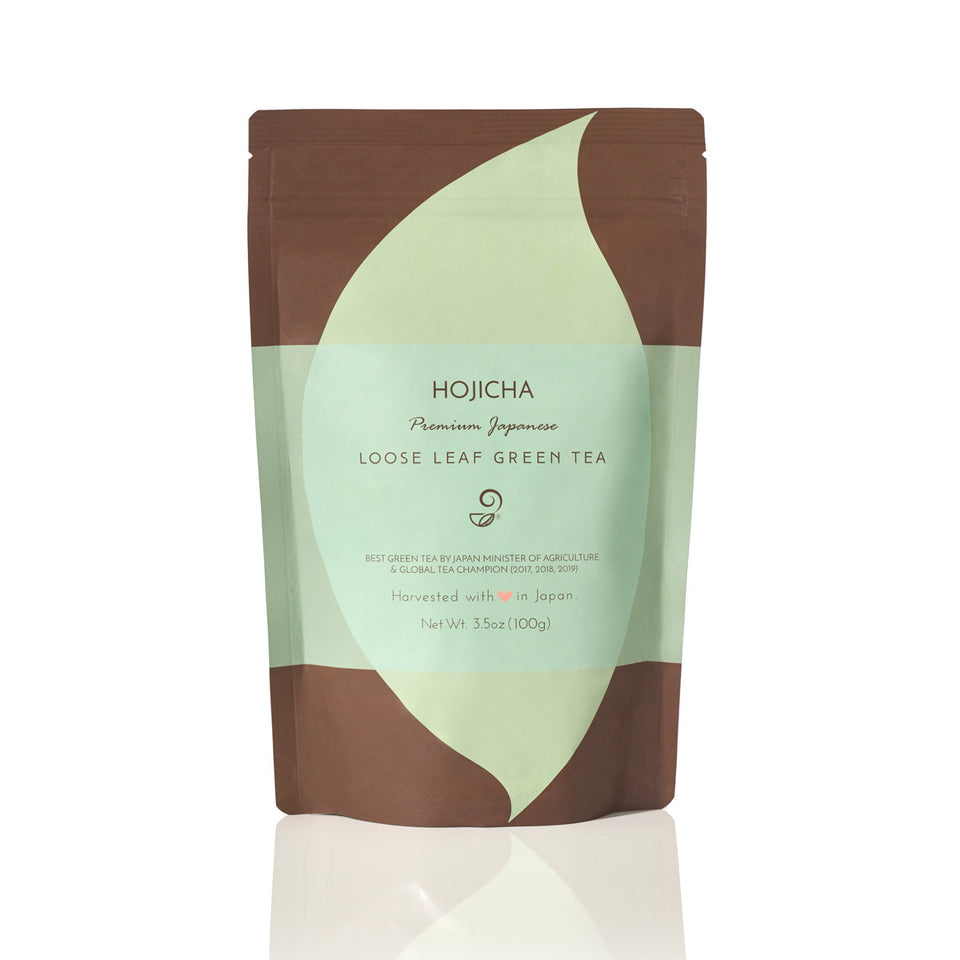
Hojicha - Roasted Green Tea

$25.00
Quick view

Our roasted green tea, known as hojicha (ほうじ茶), is crafted from freshly harvested premium green tea carefully roasted in porcelain over charcoal to maximize flavor while retaining more catechins than typical hojicha on the market. With lower caffeine and a smoother, less bitter taste compared to steamed green tea, it is an ideal choice for evening relaxation and is gentle enough for kids and pregnant women. Cultivated using the Chagusaba method in nutrient-rich sugarcane soil, this loose-leaf authentic Japanese roasted green tea, made from the Yabukita cultivar, also pairs beautifully with oily foods. Each eco-friendly resealable package contains 3.5 oz (100g) of tea, enough to steep 30–40 comforting cups.

80 reviews

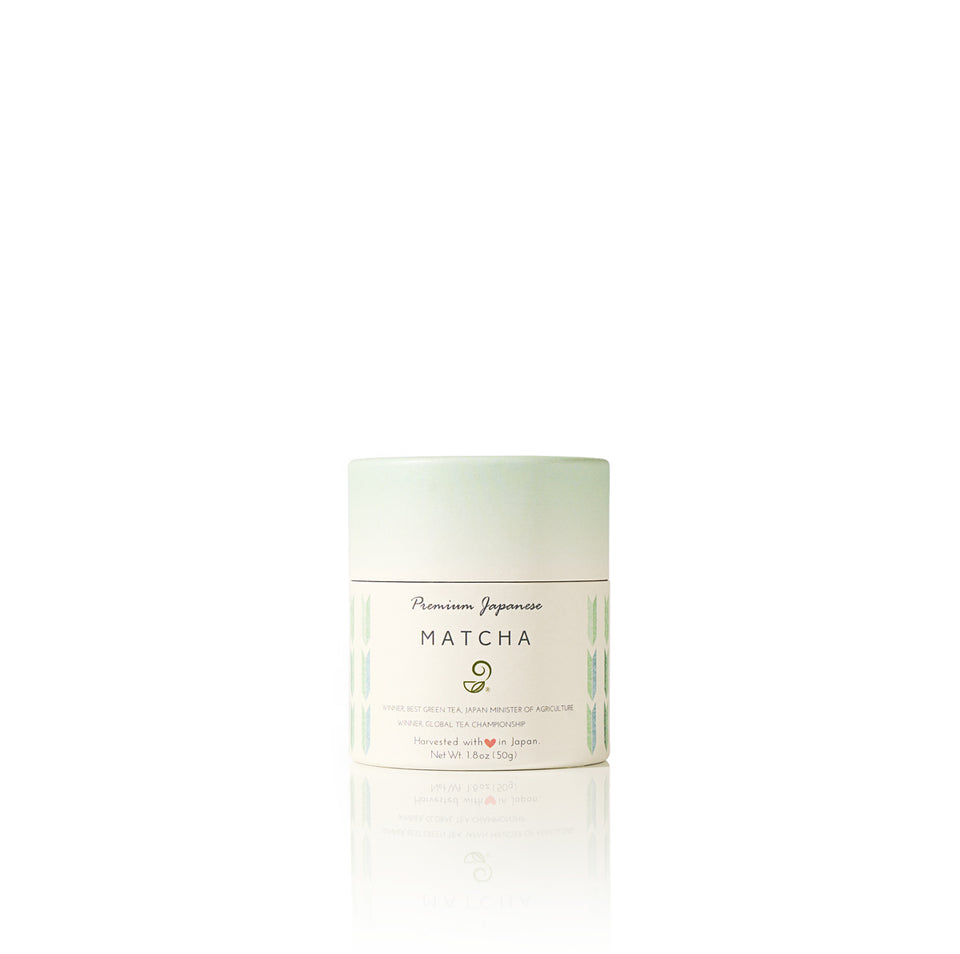
Matcha - Ceremonial Japanese Powdered Green Tea

$39.00
Quick view

This ceremonial matcha is crafted from the finest Japanese green tea, grown in nutrient-rich soil enhanced with compostable grasses and sugarcane through the Chagusaba method, which gives the tea a natural sweetness and exceptional flavor. In collaboration with researchers from Shizuoka University, farmers ensure that the soil quality consistently produces tea of the highest standard.

Renowned among top Japanese chefs for its unmatched aroma, this matcha is made by carefully shading the plants before harvest to boost caffeine and amino acids, then meticulously drying, de-stemming, and grinding the leaves into a fine powder. Made from the Yabukita cultivar, this 1.8 oz (50g) matcha comes in a high-quality, air-tight paper tube canister, providing a luxurious and authentic Japanese tea experience.

42 reviews

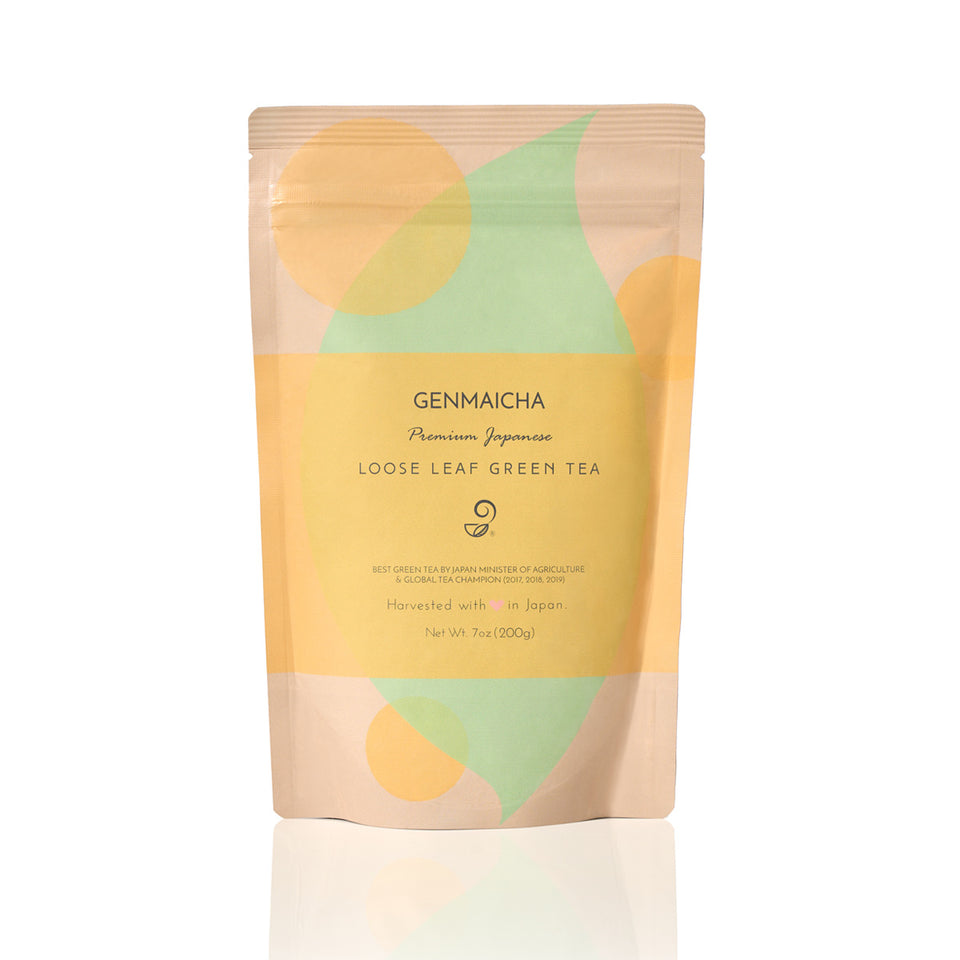
Genmaicha - Green Tea with Roasted Brown Rice

$30.00
Quick view

Our premium Japanese Genmaicha blends high-quality green tea with roasted popped brown rice (genmai 玄米), often nicknamed "popcorn tea" because the roasting process sounds like popcorn popping. Popular especially among the older generation in Japan for its mild flavor and lower caffeine content, this tea is easier on the stomach while still offering a rich, comforting taste. The brown rice used is premium Japanese mochi-gome (もち米) sticky rice, enhancing the tea’s nutty, aromatic profile. Made from Fukamushi Sencha and cultivated using the Chagusaba method in nutrient-rich sugarcane soil, this Genmaicha features the Yabukita cultivar and comes in a 7.0 oz (200g) eco-friendly resealable package, enough to steep 50–60 cups.


Related Articles You May Be Interested

Tea Lover Tours in Japan
About Our Japanese Green Tea Farm - Presentation at International Virtual Tea Festival 2020 Costco's Green Teabags vs Japanese Greentea Co's Teabags - What are the differences? Q&A
Totoro & Japanese Green Tea + Our Secret Edible Makkuro Kurosuke Recipe!
Hojicha Pudding (Video Recipe) & Learn about Pudding and Japan プリン
Hojicha Pudding (Video Recipe) and Everything You Need to Know about Pudding プリン and Japan

Get Free Bonus Books

Join Green Tea Club

Sign up for free to the Green Tea Club to get advice and exclusive articles about how to choose Japanese Tea, and tips, tricks, and recipes for enjoying Japanese tea.

Unsubscribe anytime. It’s free!

About the author

Kei Nishida

Kei Nishida

Author, CEO Dream of Japan

info@japanesegreenteain.com

Certification: PMP, BS in Computer Science

Education: Western Washington University
Kei Nishida is a passionate Japanese green tea connoisseur, writer, and the founder and CEO of Japanese Green Tea Co., a Dream of Japan Company.

Driven by a deep desire to share the rich flavors of his homeland, he established the only company that sources premium tea grown in nutrient-rich sugarcane soil—earning multiple Global Tea Champion awards.

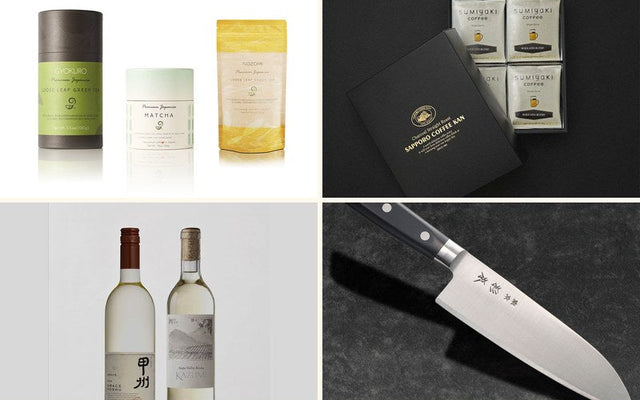
Expanding his mission of introducing Japan’s finest to the world, Kei pioneered the launch of the first-ever Sumiyaki charcoal-roasted coffee through Japanese Coffee Co. He also brought the artistry of traditional Japanese craftsmanship to the global market by making katana-style handmade knives—crafted by a renowned katana maker—available outside Japan for the first time through Japanese Knife Co.

Kei’s journey continues as he uncovers and shares Japan’s hidden treasures with the world.

Learn more about Kei Nishida

Related Posts

OC Japan Fair April 2026 — Visit Us at Booth #A8!
OC Japan Fair Spring 2026 Recap (April 3 - 5 2026)

We were at OC Japan Fair again! April 3-5 2026 with new products, Miki Pon's art debut and more. Here is a recap video f

Read More
Super Mario and Japanese Green Tea

Super Mario and green tea share a hometown! Watch our Yoshi Matcha Cookies video recipe + discover how Nintendo and matc

Read More
Our Matcha Is Now at Pillow Talk Cafe in Pasadena — Master Japanese-Inspired Cake Makers

Our matcha is now at Pillow Talk Cafe Pasadena! Meet the cafe, try the Egg Heaven sando & Matchamisu, and see how th

Read More
Leave a comment

Your email address will not be published..

Cart

Your cart is currently empty.

Start Shopping

Select options