Skip to content

A Guide to a Healthier You During a Pandemic With Tea #QuaranTEAning

We certainly live in a very uncertain time due to the novel Coronavirus (COVID-19) pandemic that affected nations all over the world. My heart goes out to all the victims and their families, and to all the frontlines who are risking their lives to help and save us during this horrible time. This is why it is very important that we do our part as citizens and stay at home and be with our loved ones.

The coronavirus is spreading through every country like wildfire, and it is terrifying. But, through this quarantine period, we should also make it a point to keep ourselves healthy. Whether you’re taking vitamins, eating healthy, working out, or drinking green tea, all these things factor in to help boost our immune system.

We already know all the health benefits of green tea, which is why I will not discuss it further. And if you’re new to my blog and do not know much about green tea, click this link. In this blog, I will be talking about how drinking green tea will help during quarantine,or shall I say, quaranTEAn? 


Stress Free While in Covid

Green Tea Helps Relieve Stress and Anxiety

It is a well-known fact that green tea is high in L-Theanine, an amino acid that may help reduce anxiety. In a very uncertain time where people are living in fear and are losing their jobs due to COVID-19, a lot of people are anxious and stressed, especially since most people cannot go to their jobs to work and earn money. Companies, on the other hand, are filing for bankruptcy.

Which is why it is very important to stay level-headed while we are experiencing this unfortunate situation. But stressing over something that we all have no control over will take a toll on our mental and emotional health. According to a recent study, stress also affects our immune system.

Spike Your Energy Levels Up!

According to research, tea is the second most consumed beverage in the world, next to water. And maybe it’s for a great reason! Tea contains caffeine, just like coffee. But the main difference between a good ‘ole cup of joe and tea is that you will NEVER experience a sudden energy crush or jitters.

Green tea is also an excellent drink if you want to spike up your metabolism, while matcha is a great post-workout morning drink. And good news for people who love to work out in the morning! An eight-ounce serving of matcha tea has about 70 milligrams of caffeine.

Get Fit and Healthy During Quarantine

You might find it odd to drink matcha as your post-workout beverage; however, matcha is rich in inflammation-fighting antioxidants. Matcha is made from ground whole green tea leaves mixed with water to make brewed tea.

On its own, matcha has a bitter and earthy taste that is definitely not for everyone. Because it’s made with the whole leaves of the tea plant, matcha contains more antioxidants than any traditional green tea. It also has a compound called ECGC, which may contribute to fat oxidation during exercise.

Want to boost your metabolism? Green tea has you covered! Green tea is popular for its metabolism-boosting benefits. A meta-analysis claims that drinking green tea in addition to a proper and healthy diet will result in weight loss.

People who drink a cup of green tea a day are more likely to burn 30 calories more than non-green tea drinkers. Adding a mug won’t cause the pounds to fall off, but sipping green tea at night is a great strategy to reduce cravings and prevent you from compulsively eating.

Stay home and drink tea

Boost Your Immune System

We live in a world where health is wealth, especially when the world is at a standstill due to the COVID-19 pandemic, which affected the lives of many. It is very important that we take good care of ourselves and not let our immune system be vulnerable.

Several studies have also shown that green tea has antimicrobial properties that inhibit the growth of bacteria and viruses. Two particular polyphenol catechins, epigallocatechin gallate( EGCG) and epicatechin gallate (ECG), have the ability to suppress the activities of bacterial and viral factors and can even reverse the resistance of tough pathogens, such as methicillin-resistant Staphylococcus Aureus (MRSA).

ECG and EGCG have the ability to penetrate through phospholipid layers. As a result, these two catechins alter the functions of bacteria and viruses by disrupting their cytoplasmic membrane, making them vulnerable to antibiotics. Pieces of evidence suggest that the two catechin molecules can be used to effectively control various oral infections, such as dental caries, periodontal disease, tooth decay, and bad breath.

Cup of Green Tea During QuaranTEAn

Keep Your Glow Even in QuaranTEAn

Green tea contains antioxidants called catechins. These antioxidants have anti-bacterial properties, which help improve the immune system’s capabilities. Bacterial infections, including skin infections, are healed. This means you will have healthy-looking and pimple-free skin, which is always nice to know!

These same antioxidants also help with inflammation reduction. The skin won’t be as red, and various ailments will improve faster. Acne is improved and reduced, while scars heal much quicker.

In addition, you can also use your recently used green tea bags to de-puff your "designer" eyebags! All you have to do is carefully remove your tea bags from the boiling teapot, let it cool, and pop it in the fridge for two hours. Then you can now use it! You can finally say goodbye to tired-looking eyes and dark circles, too.

There are also compounds that help with the rejuvenation of the skin. The compounds reactivate the skin cells, helping to promote healing and softness. Not only will you have better-looking skin, but you can also help to limit and reverse some of the damage caused by pollution and the sun. It could also be possible to reduce the risk of skin cancer.

I know that we are living under uncertainty, and I personally just want to help by giving informative tips to keep your mind and body healthy through drinking tea. We offer affordable and high-quality green tea that you will surely love. Stay safe, everyone!

FAQs about Tea During Pandemic and Recovery

Did green tea actually help during the COVID pandemic?

Modestly. Multiple lab studies during 2020-2022 showed that green tea catechins (especially EGCG) inhibit SARS-CoV-2 replication in cell cultures. A few small clinical studies suggested daily green tea consumption might reduce symptom severity or shorten recovery in mild cases. The evidence is preliminary and didn't translate into formal medical recommendations, but the lab signal was real.

More established: green tea's general anti-inflammatory and antioxidant effects support immune function, which matters for any viral illness. Daily green tea drinkers tend to have somewhat better baseline immune markers than non-drinkers, though the effect size is small.

This isn't a recommendation to use green tea instead of vaccines, antivirals, or other established interventions. Tea is supportive at best; serious illness requires medical care.

What's the best tea for recovery from any respiratory illness?
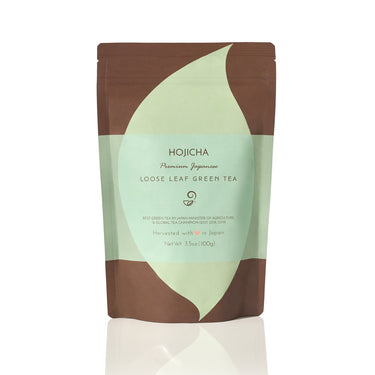
Hojicha (ほうじ茶) is the gentlest and most-soothing during recovery. The lower caffeine doesn't disrupt sleep that's critical for healing; the warm liquid soothes the throat; the catechins provide background antimicrobial support. The hojicha loose leaf is what most committed daily-tea drinkers reach for when sick.

Adding honey and lemon to brewed hojicha (or any green tea) creates the canonical warm-drink-during-illness combo. The honey coats and soothes the throat; lemon adds vitamin C and brightens the flavor; the tea provides hydration and antioxidant support. Drink slowly while still warm.

Standard sencha works for daytime drinking when alertness is welcome; matcha is too caffeinated for active illness — disrupts the rest you need. Match the tea to the recovery phase; gentler teas during acute illness, fuller-strength teas during late recovery and back-to-baseline.

Should I drink more green tea during stressful periods?

Within reason, yes. Increased L-theanine intake during high-stress periods provides additional support for stress reactivity. Going from 3 cups daily to 4-5 cups daily during a particularly stressful week is reasonable.

Don't push beyond 6-7 cups daily. Above that, you start running into caffeine over-stimulation that compounds rather than reduces stress. The L-theanine modulation has limits; very high caffeine levels still produce jitters and sleep disruption regardless of how much L-theanine is along for the ride.

Quality of the practice matters more than quantity. Drinking 4 cups slowly, with attention, in a calm setting produces more stress-reduction benefit than drinking 6 cups rushed while working. Don't just increase volume; increase deliberate practice during stressful periods.

Are there longer-term wellness lessons from pandemic tea drinking?

Several worth carrying forward. First, daily ritual matters — the structured pause for tea provided more value during stressful months than at baseline; many tea drinkers who maintained the practice through pandemic kept it after as a daily wellness anchor. Second, hydration matters — frequent illness recovery underscored that adequate fluid intake is foundational to most wellness goals.

Third, modest interventions stack — daily tea, daily sunlight, daily exercise, adequate sleep, and good diet together produce more wellness benefit than any single dramatic intervention. Many people built sustainable health habits during pandemic that they kept after.

Fourth, mental health matters as much as physical health — the L-theanine and tea-ritual benefit for stress and anxiety became more obvious during high-stress months. Daily tea practice as mental-health support is one of the most-replicated lessons from the period.

How does daily green tea practice support general immune function?

Through anti-inflammatory action and antioxidant support. Chronic low-grade inflammation suppresses immune function over time; daily green tea modestly reduces inflammation markers, which may translate to slightly better baseline immune readiness. Effect size is small but real over years of consistent intake.

EGCG also has direct antimicrobial properties — it inhibits various bacteria and viruses in lab studies. Realistic daily tea consumption doesn't deliver therapeutic doses, but the cumulative low-level antimicrobial exposure may support immune function as one input among many.

The bigger immune-support contributions come from sleep, stress management, exercise, and nutrition. Tea contributes alongside these basics rather than replacing them. Stack the foundations, add tea as a small reliable layer, and the cumulative effect is meaningful for general wellness.

Related products

8 reviews

The Sencha Lover Gift Set - Premium Japanese Green Tea Set Package
$179.00 $159.99
Quick view

This tea set features three exceptional Japanese green teas, each crafted with care and traditional techniques. Issaku Reserve, a Global Tea Champion winner in 2017 and 2019, is a rare masterpiece created by Farm Master Mr. Arahata at Arahataen Green Tea Farm. Handpicked once a year from the first flush and processed with advanced methods, Issaku represents the highest-grade deep-steamed green tea, available only in limited quantities even in Japan.

The set also includes Gyokuro, a premium shaded green tea known for its rich, sweet flavor and deep mossy green color. Grown under special mats for 20 days to increase caffeine and amino acid levels, Gyokuro offers a layered, smooth taste unlike any other. Completing the collection is Nozomi, a fine Kabuse-cha, or "Covered Green Tea," carefully grown under nets to gently shade the leaves just before new sprouts emerge, resulting in a soft, rich, and refined flavor profile.

97 reviews

Gyokuro - Shaded Imperial Premium Green Tea

$65.00
Quick view

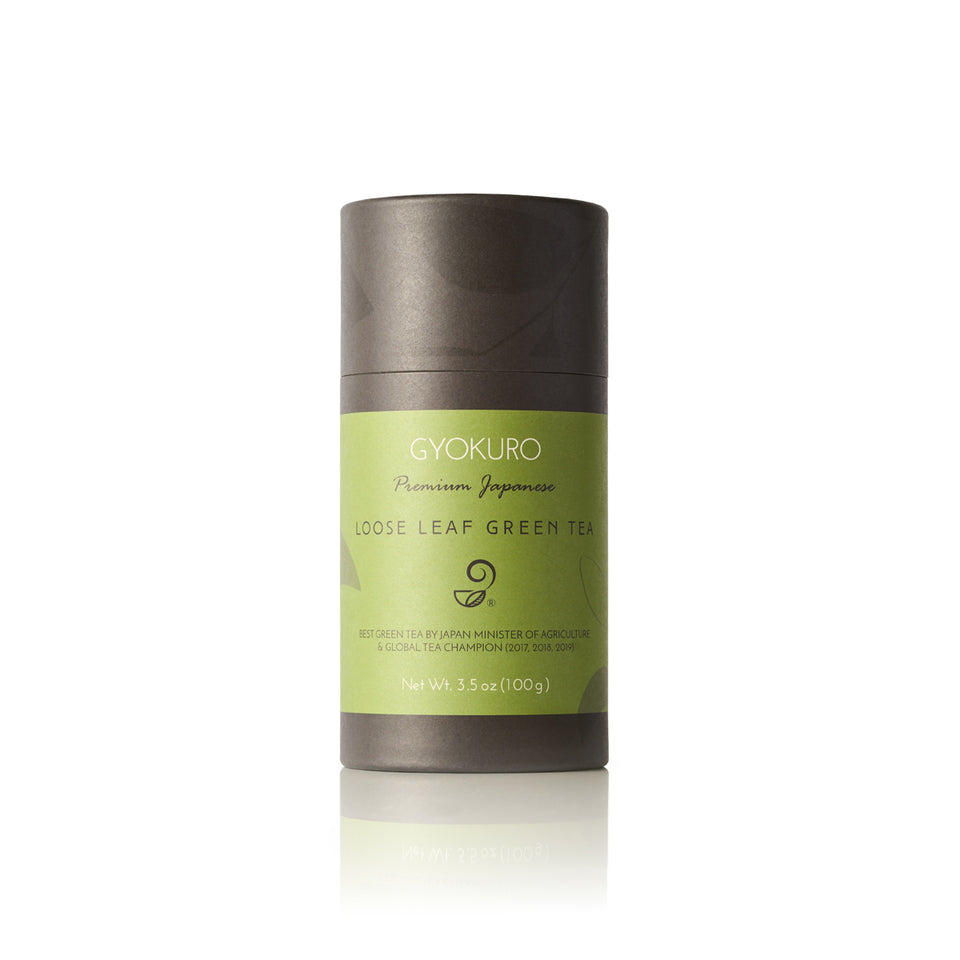
Gyokuro, also known as "jade dew" or "jewel dew tea," is a premium Japanese green tea shaded from the sun for 20 days using specially made mats, a method that boosts caffeine levels and strengthens amino acids to create a sweeter, richer flavor. This extended shading process results in dark, mossy green leaves with an unmistakable aroma and a complex taste that is layered yet balanced. Cultivated by the Chagusaba method in nutrient-rich sugarcane soil and made from the Yabukita cultivar, this loose-leaf authentic Gyokuro is offered in a high-quality, air-tight paper tube canister (chyazutsu) to preserve its exceptional freshness and flavor. Each 3.5 oz (100g) full-size package steeps 30–40 cups, and a convenient single-serve sample is also available.

45 reviews

Hojicha - Roasted Green Tea

$25.00
Quick view

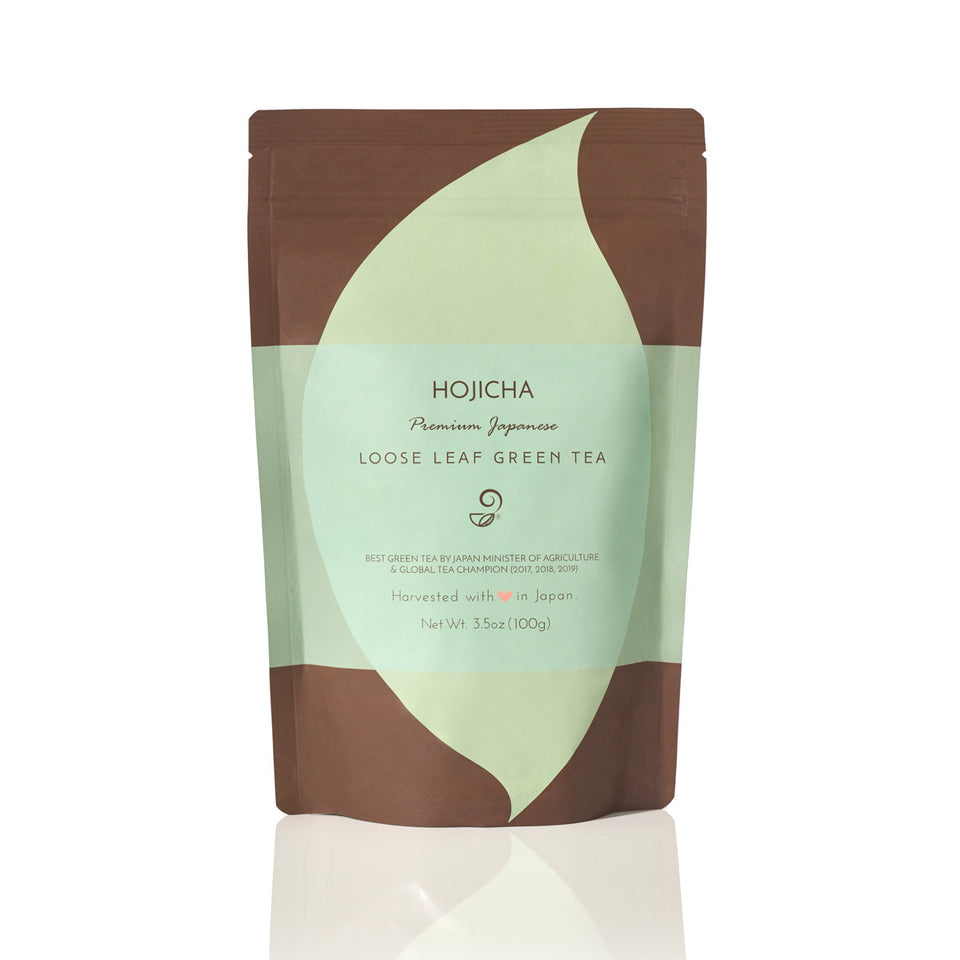
Our roasted green tea, known as hojicha (ほうじ茶), is crafted from freshly harvested premium green tea carefully roasted in porcelain over charcoal to maximize flavor while retaining more catechins than typical hojicha on the market. With lower caffeine and a smoother, less bitter taste compared to steamed green tea, it is an ideal choice for evening relaxation and is gentle enough for kids and pregnant women. Cultivated using the Chagusaba method in nutrient-rich sugarcane soil, this loose-leaf authentic Japanese roasted green tea, made from the Yabukita cultivar, also pairs beautifully with oily foods. Each eco-friendly resealable package contains 3.5 oz (100g) of tea, enough to steep 30–40 comforting cups.

80 reviews

Matcha - Ceremonial Japanese Powdered Green Tea

$39.00
Quick view

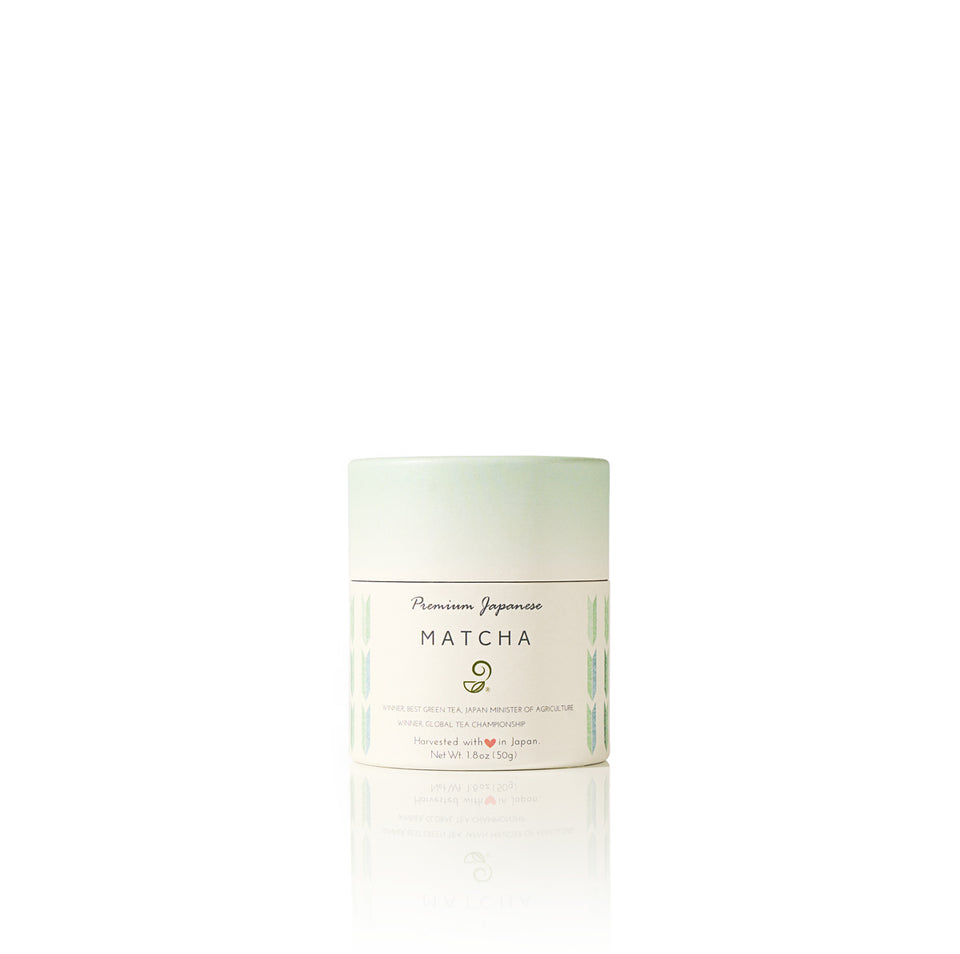
This ceremonial matcha is crafted from the finest Japanese green tea, grown in nutrient-rich soil enhanced with compostable grasses and sugarcane through the Chagusaba method, which gives the tea a natural sweetness and exceptional flavor. In collaboration with researchers from Shizuoka University, farmers ensure that the soil quality consistently produces tea of the highest standard.

Renowned among top Japanese chefs for its unmatched aroma, this matcha is made by carefully shading the plants before harvest to boost caffeine and amino acids, then meticulously drying, de-stemming, and grinding the leaves into a fine powder. Made from the Yabukita cultivar, this 1.8 oz (50g) matcha comes in a high-quality, air-tight paper tube canister, providing a luxurious and authentic Japanese tea experience.

42 reviews

Genmaicha - Green Tea with Roasted Brown Rice

$30.00
Quick view

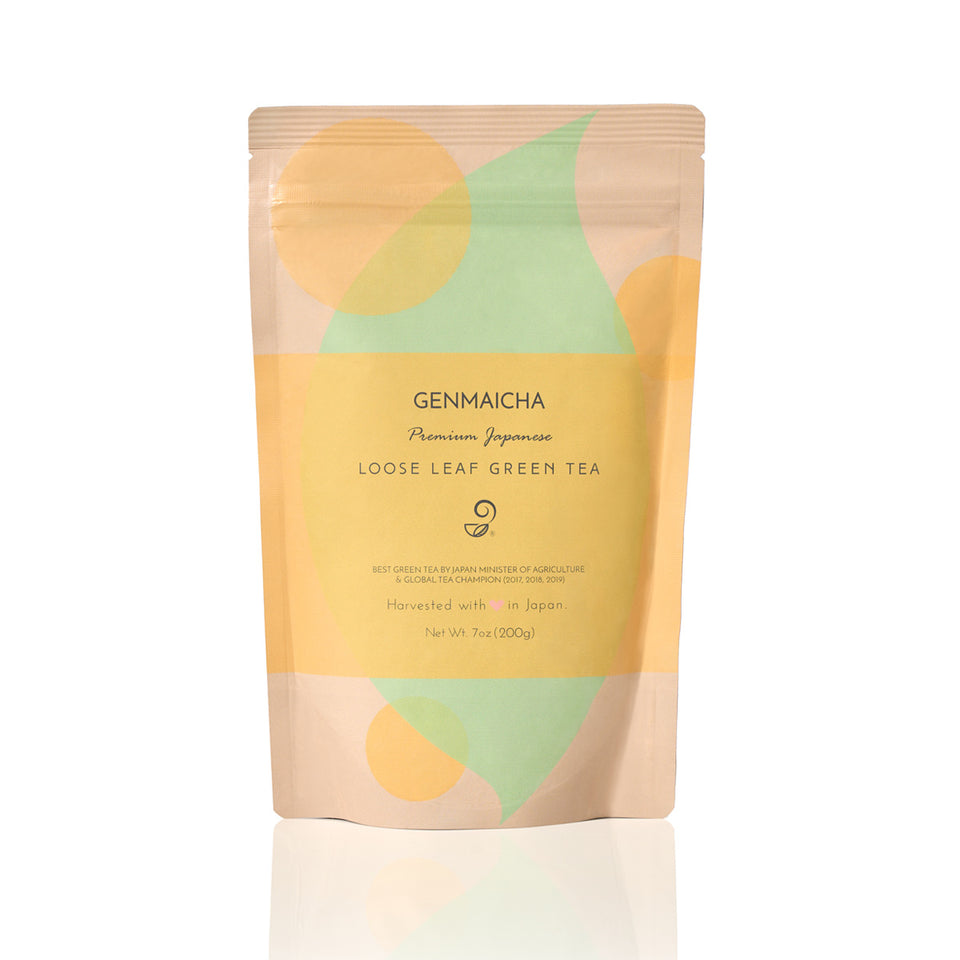
Our premium Japanese Genmaicha blends high-quality green tea with roasted popped brown rice (genmai 玄米), often nicknamed "popcorn tea" because the roasting process sounds like popcorn popping. Popular especially among the older generation in Japan for its mild flavor and lower caffeine content, this tea is easier on the stomach while still offering a rich, comforting taste. The brown rice used is premium Japanese mochi-gome (もち米) sticky rice, enhancing the tea’s nutty, aromatic profile. Made from Fukamushi Sencha and cultivated using the Chagusaba method in nutrient-rich sugarcane soil, this Genmaicha features the Yabukita cultivar and comes in a 7.0 oz (200g) eco-friendly resealable package, enough to steep 50–60 cups.


Related Articles You May Be Interested

10 Top Health Benefits Of Drinking Green Tea
Why Japanese Green Tea is Perfect for Intermittent Fasting + How to Guide, What to do & What not to do
Is it Okay to Drink Green Tea on an Empty Stomach?
Enhancing Your Mental Well-being with Tea: Advantages and Suggestions
Which beverage contains more fat, tea or coffee?

Get Free Bonus Books

Join Green Tea Club

Sign up for free to the Green Tea Club to get advice and exclusive articles about how to choose Japanese Tea, and tips, tricks, and recipes for enjoying Japanese tea.

Unsubscribe anytime. It’s free!

About the author

Kei Nishida

Kei Nishida

Author, CEO Dream of Japan

info@japanesegreenteain.com

Certification: PMP, BS in Computer Science

Education: Western Washington University

Kei Nishida is a passionate Japanese green tea connoisseur, writer, and the founder and CEO of Japanese Green Tea Co., a Dream of Japan Company.

Driven by a deep desire to share the rich flavors of his homeland, he established the only company that sources premium tea grown in nutrient-rich sugarcane soil—earning multiple Global Tea Champion awards.

Expanding his mission of introducing Japan’s finest to the world, Kei pioneered the launch of the first-ever Sumiyaki charcoal-roasted coffee through Japanese Coffee Co. He also brought the artistry of traditional Japanese craftsmanship to the global market by making katana-style handmade knives—crafted by a renowned katana maker—available outside Japan for the first time through Japanese Knife Co.

Kei’s journey continues as he uncovers and shares Japan’s hidden treasures with the world.

Learn more about Kei Nishida

Related Posts

What is Shincha - New Crop Tea and What Makes them Unique?
What is Shincha Tea and What Makes It Unique?

Discover the secrets of Shincha, Japan's acclaimed new crop tea. Explore its distinct features, flavors, and traditions.

Read More
Meet Eijiro Tsukada (塚田英次郎): The Charismatic Businessman Behind Cuzen Matcha — Now Available at Japanese Green Tea Co.

Meet Eijiro Tsukada — the man behind Cuzen Matcha. Full guide to the award-winning Matcha Maker, the Pro, and why we're

Read More
Behold: Balmuda's "The MoonKettle" — Where Boiling Water Becomes Art

We were privileged to be invited by Balmuda's Private MoonKettle Launch Event. Here are videos of it and everything you

Read More
Leave a comment

Your email address will not be published..

Cart

Your cart is currently empty.

Start Shopping

Select options