Skip to content

Enhancing Your Mental Well-being with Tea: Advantages and Suggestions


Tea is rich in substances like caffeine, theanine, and polyphenols, which are believed to have positive effects on mental health. Caffeine enhances alertness and cognitive function, theanine promotes relaxation and reduces anxiety, and polyphenols act as antioxidants that may help alleviate symptoms of depression and anxiety.


The Benefits of Tea for Mental Health:


Reducing stress and anxiety: Studies have shown that theanine, an amino acid found in tea, can provide calming effects and reduce anxiety by modulating the body's stress response. Enjoying tea and participating in the ritual of brewing can also offer a calming experience that promotes mindfulness and tranquility, making it an ideal complement to the best psychic readings.

Improving sleep quality: Several varieties of tea, including chamomile and valerian root tea, have been proven to possess calming properties that can enhance the overall quality of sleep. Consuming tea before bedtime can aid in inducing relaxation and enhancing both the depth and length of sleep, which can be particularly beneficial for individuals struggling with insomnia or other sleep-related issues.

Boosting mood: Research has indicated that consuming tea can improve mood and alleviate symptoms of depression. The polyphenols in tea have been associated with higher levels of dopamine and serotonin, which are responsible for regulating mood. Furthermore, the act of preparing and drinking tea can create a soothing and enjoyable experience that enhances overall well-being.

Lowering the likelihood of developing depression and anxiety disorders: Drinking tea frequently has been associated with a lower chance of developing depression and anxiety disorders. Research published in the Journal of Affective Disorders revealed that individuals who consumed tea regularly were less likely to suffer from symptoms of depression and anxiety compared to non-tea drinkers. Furthermore, other studies have indicated that drinking tea may also help alleviate symptoms of mental health issues that are already present.

Suggestions for Including Tea in Your Self-Care Regimen:

To reap the mental health advantages of tea, it is essential to make it a part of your daily habits. Here are some suggestions on how to achieve this.
● Try out various kinds of tea to discover which ones are most effective for your preferences. Green tea, white tea, black tea, and herbal tea are all good options.
● Allocate some time every day to savor a cup of tea in a calm and serene setting. This can serve as a wonderful method to de-stress and unwind following a busy day.
● Consider adding tea to your nightly routine before bed to enhance the quality of your sleep. Chamomile this sensation is excellent for inducing relaxation and promoting better sleep.
● Think about swapping out sugary drinks or alcohol with tea to promote positive mental health.

Conclusion

In summary, adding tea to your self-care routine is an uncomplicated and natural method to enhance mental health and overall wellness. Whether you are managing anxiety, depression or simply aiming to uplift your mood, incorporating tea into your daily routine can provide numerous advantages. Begin exploring various tea options and experience the mental health benefits firsthand!

FAQs about Tea for Mental Well-being

What's the simplest tea-based mental wellness practice?

One cup, fully attended, daily. Pick a tea you enjoy. Pick a consistent time (morning is easiest to maintain). Brew with full attention. Drink with full attention. That's it. The practice doesn't need to be elaborate; the consistency is what produces the wellness benefit.

The chemistry side: L-theanine in green tea produces measurable alpha-wave brain activity within 30-60 minutes of consumption — same brain state experienced meditators produce. The ritual side: dedicated attention to a brief task is itself a mindfulness practice. Both layers reinforce each other.

Most people who maintain this practice for 4-8 weeks report noticeable baseline mood improvement, slightly better sleep, less reactivity to small daily stresses. None of these are dramatic; they accumulate into a meaningful shift over months.

How is tea-based wellness different from medication or therapy for mental health?

Different scale and different role. Tea provides modest wellness support that's appropriate for everyday low-grade stress and mild anxiety. It's not a treatment for clinical depression, severe anxiety, bipolar disorder, PTSD, or other conditions that need professional treatment.

Medication and therapy work at therapeutic-intervention level — the doses and structured psychological support are designed to produce significant change in serious conditions. Daily tea practice works at wellness-habit level — small consistent input that compounds over time for general mental health.

These aren't competing categories. People with diagnosed mental health conditions can benefit from daily tea practice as supportive wellness alongside their professional treatment. Tea isn't a substitute for treatment when treatment is warranted; it's an adjunct that may modestly improve outcomes.

What if I don't really like tea — are there alternatives?

The wellness benefit is partly chemical (L-theanine + caffeine for tea) and partly ritual (structured pause, single-task attention). For people who don't enjoy tea, other ritualized warm drinks work for the ritual side: warm lemon water, hot cocoa, herbal tisanes, golden milk, bone broth.

The chemical side specific to green tea (L-theanine) can be replicated through L-theanine supplements (100-200 mg pills). Combining a non-tea warm-drink ritual with an L-theanine supplement produces approximate equivalent effect to daily green tea practice for someone who doesn't enjoy the drink itself.

Honest framing: if you've tried multiple Japanese green teas and consistently dislike them, daily tea practice probably isn't the right wellness tool for you. Many other contemplative-pause practices serve the same function. The point is the daily structured attention to wellness, not specifically tea.

How much daily time investment does the practice need?
5-10 minutes minimum for the practice to register as ritual. Less than 5 minutes is essentially just drinking tea while doing other things — provides the chemical benefit but not the ritual benefit. 5-10 minutes is the sweet spot for most people; the brief structured pause produces mental shift without taking significant time from the day.

More elaborate versions (formal tea ceremony, multi-tea daily rotations) take 15-30 minutes and provide more layered experience. Whether the additional time is worth the additional benefit depends on your situation. For most working adults, 5-10 minutes daily is sustainable; longer practices often get squeezed out of busy schedules.

The investment compounds. After 4-8 weeks, the daily 10 minutes becomes the most valuable 10 minutes of your day. Many practitioners find themselves protecting that time more carefully than they protect other supposedly-important time blocks. The matcha (抹茶) + chasen morning practice in particular tends to become a non-negotiable daily anchor for committed practitioners.

Can I combine tea with other wellness practices for compounding effect?

Yes, and stacking is more effective than single practices. Daily tea practice + daily walking + adequate sleep + minimal social media + occasional therapy or counseling all compound. None alone is dramatic; all together is meaningful for general mental wellness.

Specific stacks that work well: tea + meditation (the brain-state effect of L-theanine supports the meditation session); tea + journaling (the structured pause for tea is a natural moment to write); tea + reading (the cup of tea makes a 30-minute reading session feel deliberately spent rather than just time-spent); tea + outdoor walking (especially with cold-brewed tea in a thermos for warm-weather walks).

Don't try to stack everything at once. Add one practice at a time, let it become habit, then add the next. Over 6-12 months, you can build a 5-practice daily wellness routine that produces compounded benefit. Trying to start everything in one week usually produces failure within 2 weeks.

Related products

8 reviews

The Sencha Lover Gift Set - Premium Japanese Green Tea Set Package
$179.00 $159.99
Quick view

This tea set features three exceptional Japanese green teas, each crafted with care and traditional techniques. Issaku Reserve, a Global Tea Champion winner in 2017 and 2019, is a rare masterpiece created by Farm Master Mr. Arahata at Arahataen Green Tea Farm. Handpicked once a year from the first flush and processed with advanced methods, Issaku represents the highest-grade deep-steamed green tea, available only in limited quantities even in Japan.

The set also includes Gyokuro, a premium shaded green tea known for its rich, sweet flavor and deep mossy green color. Grown under special mats for 20 days to increase caffeine and amino acid levels, Gyokuro offers a layered, smooth taste unlike any other. Completing the collection is Nozomi, a fine Kabuse-cha, or "Covered Green Tea," carefully grown under nets to gently shade the leaves just before new sprouts emerge, resulting in a soft, rich, and refined flavor profile.

97 reviews

Gyokuro - Shaded Imperial Premium Green Tea

$65.00
Quick view

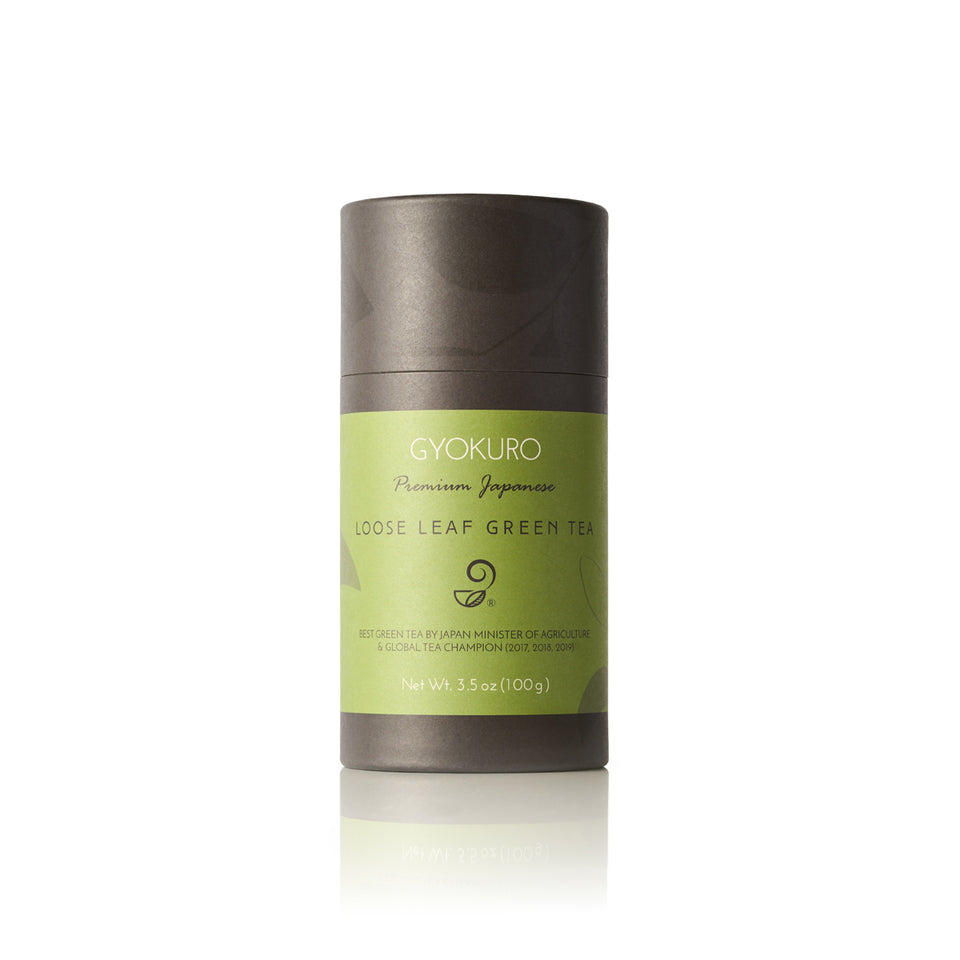
Gyokuro, also known as "jade dew" or "jewel dew tea," is a premium Japanese green tea shaded from the sun for 20 days using specially made mats, a method that boosts caffeine levels and strengthens amino acids to create a sweeter, richer flavor. This extended shading process results in dark, mossy green leaves with an unmistakable aroma and a complex taste that is layered yet balanced. Cultivated by the Chagusaba method in nutrient-rich sugarcane soil and made from the Yabukita cultivar, this loose-leaf authentic Gyokuro is offered in a high-quality, air-tight paper tube canister (chyazutsu) to preserve its exceptional freshness and flavor. Each 3.5 oz (100g) full-size package steeps 30–40 cups, and a convenient single-serve sample is also available.

45 reviews

Hojicha - Roasted Green Tea

$25.00
Quick view

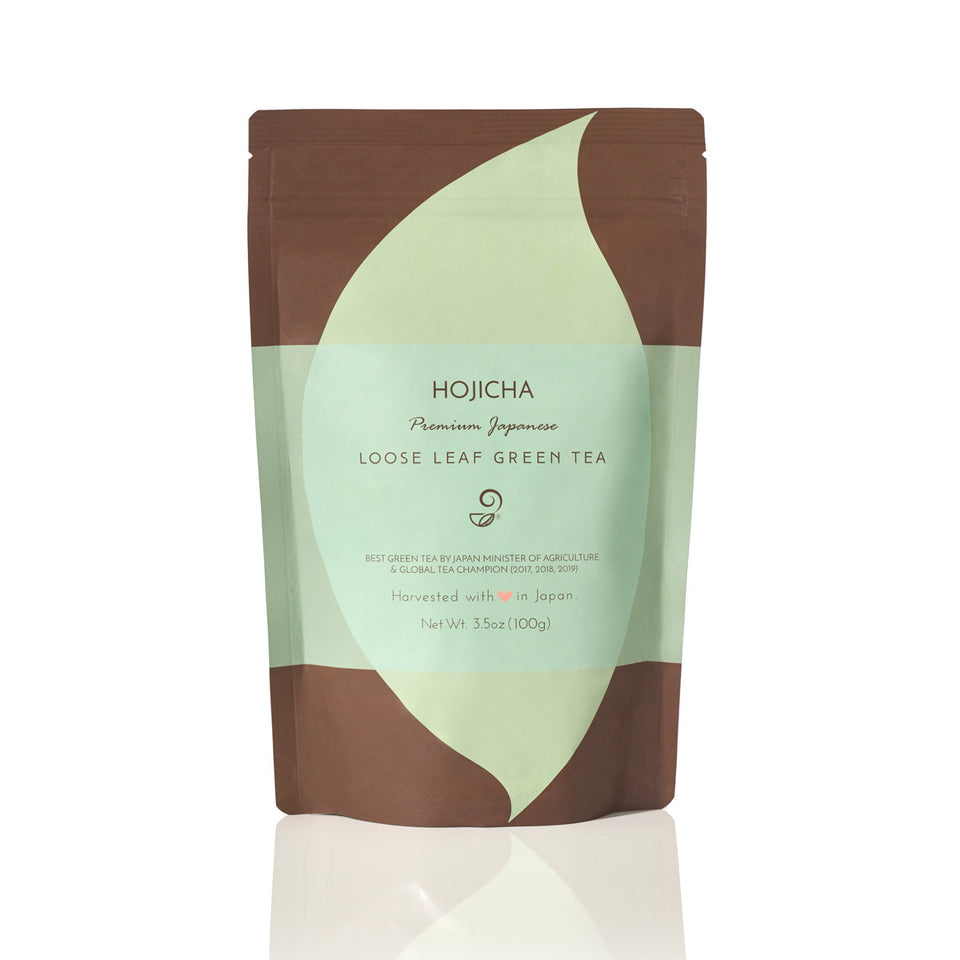
Our roasted green tea, known as hojicha (ほうじ茶), is crafted from freshly harvested premium green tea carefully roasted in porcelain over charcoal to maximize flavor while retaining more catechins than typical hojicha on the market. With lower caffeine and a smoother, less bitter taste compared to steamed green tea, it is an ideal choice for evening relaxation and is gentle enough for kids and pregnant women. Cultivated using the Chagusaba method in nutrient-rich sugarcane soil, this loose-leaf authentic Japanese roasted green tea, made from the Yabukita cultivar, also pairs beautifully with oily foods. Each eco-friendly resealable package contains 3.5 oz (100g) of tea, enough to steep 30–40 comforting cups.

80 reviews

Matcha - Ceremonial Japanese Powdered Green Tea

$39.00
Quick view

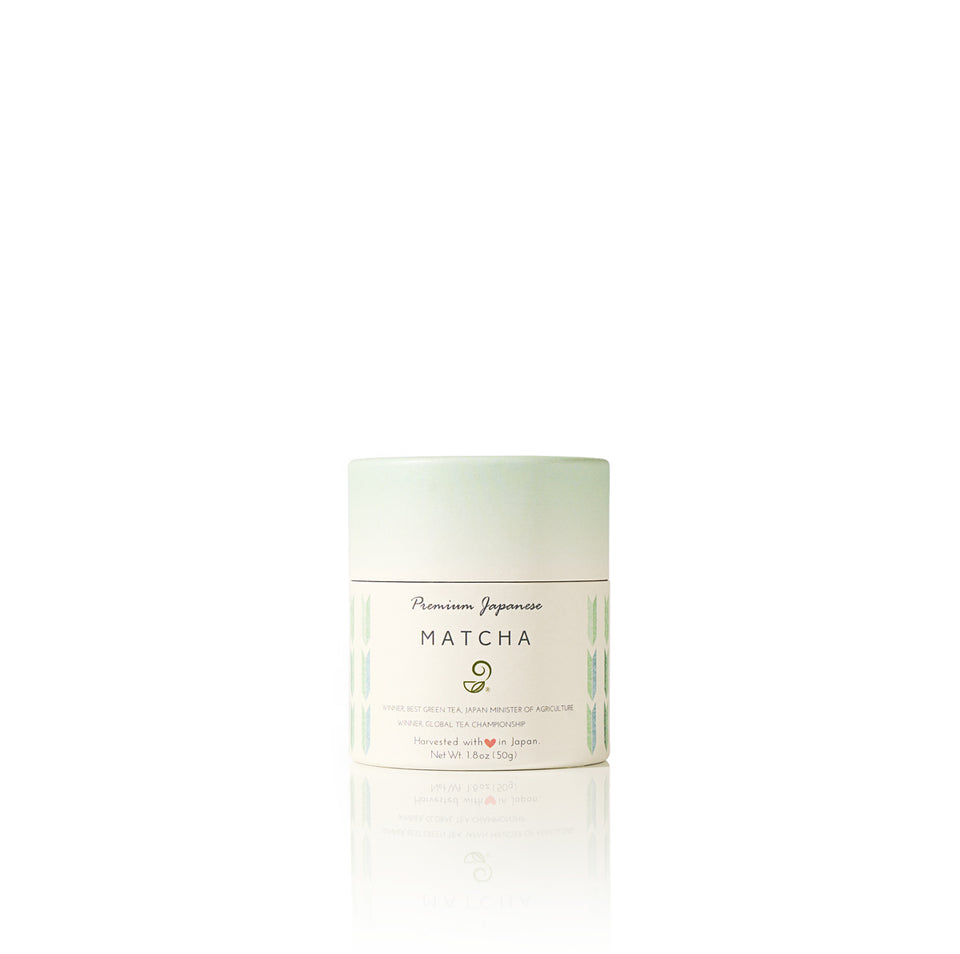
This ceremonial matcha is crafted from the finest Japanese green tea, grown in nutrient-rich soil enhanced with compostable grasses and sugarcane through the Chagusaba method, which gives the tea a natural sweetness and exceptional flavor. In collaboration with researchers from Shizuoka University, farmers ensure that the soil quality consistently produces tea of the highest standard.

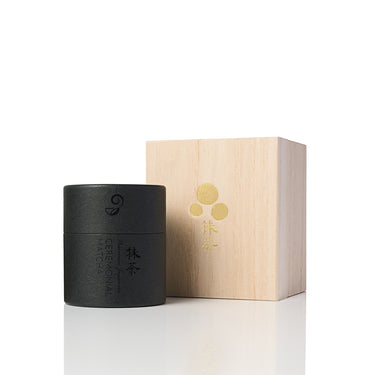
Renowned among top Japanese chefs for its unmatched aroma, this matcha is made by carefully shading the plants before harvest to boost caffeine and amino acids, then meticulously drying, de-stemming, and grinding the leaves into a fine powder. Made from the Yabukita cultivar, this 1.8 oz (50g) matcha comes in a high-quality, air-tight paper tube canister, providing a luxurious and authentic Japanese tea experience.

42 reviews

Genmaicha - Green Tea with Roasted Brown Rice

$30.00
Quick view

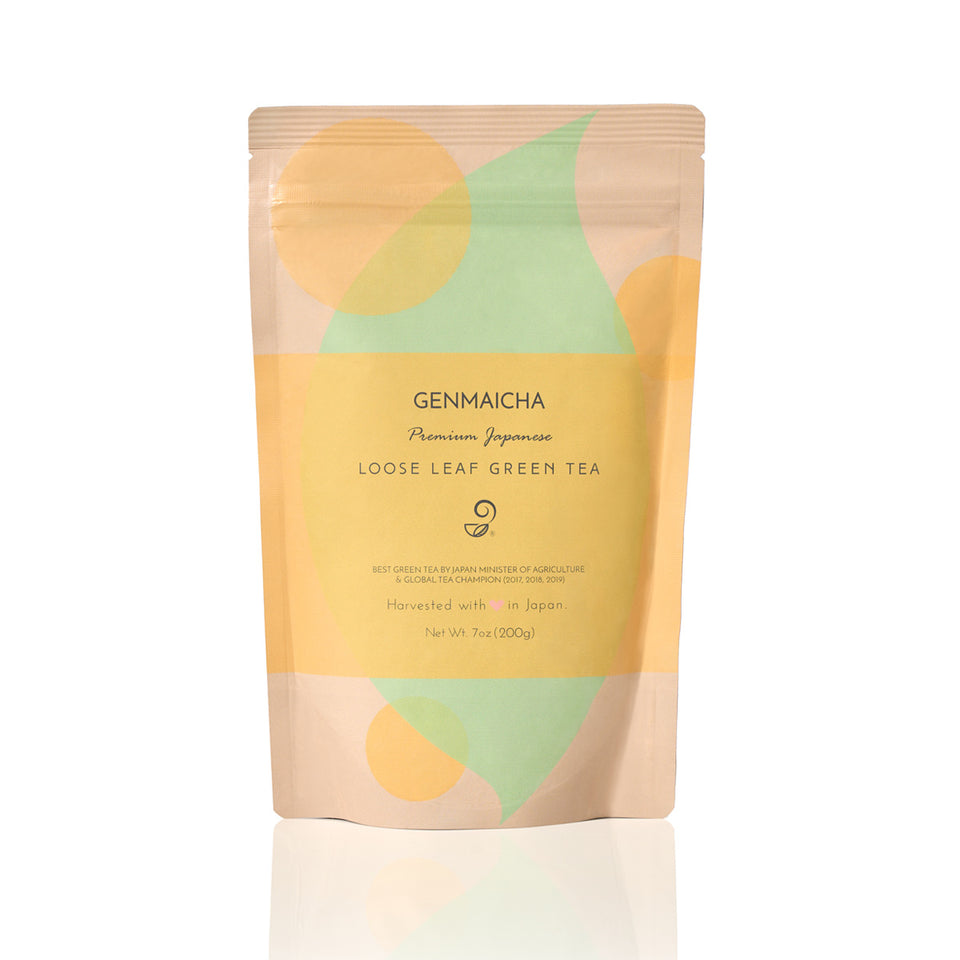
Our premium Japanese Genmaicha blends high-quality green tea with roasted popped brown rice (genmai 玄米), often nicknamed "popcorn tea" because the roasting process sounds like popcorn popping. Popular especially among the older generation in Japan for its mild flavor and lower caffeine content, this tea is easier on the stomach while still offering a rich, comforting taste. The brown rice used is premium Japanese mochi-gome (もち米) sticky rice, enhancing the tea’s nutty, aromatic profile. Made from Fukamushi Sencha and cultivated using the Chagusaba method in nutrient-rich sugarcane soil, this Genmaicha features the Yabukita cultivar and comes in a 7.0 oz (200g) eco-friendly resealable package, enough to steep 50–60 cups.


Related Articles You May Be Interested

From Ceremonies to Everyday Life: Incorporating Mindfulness and Appreciation into Your Cooking and Tea-Drinking
Does green tea reduce stress?
How Much L-Theanine Is in Green Tea?
Can Green Tea Ease OCD Symptoms?
Japanese Green Tea and Meditation
Can Green Tea Reduce Stress?

Get Free Bonus Books

Join Green Tea Club

Sign up for free to the Green Tea Club to get advice and exclusive articles about how to choose Japanese Tea, and tips, tricks, and recipes for enjoying Japanese tea.

Unsubscribe anytime. It’s free!

About the author

Kei Nishida

Kei Nishida

Author, CEO Dream of Japan

info@japanesegreenteain.com

Certification: PMP, BS in Computer Science

Education: Western Washington University

Kei Nishida is a passionate Japanese green tea connoisseur, writer, and the founder and CEO of Japanese Green Tea Co., a Dream of Japan Company.

Driven by a deep desire to share the rich flavors of his homeland, he established the only company that sources premium tea grown in nutrient-rich sugarcane soil—earning multiple Global Tea Champion awards.

Expanding his mission of introducing Japan’s finest to the world, Kei pioneered the launch of the first-ever Sumiyaki charcoal-roasted coffee through Japanese Coffee Co. He also brought the artistry of traditional Japanese craftsmanship to the global market by making katana-style handmade knives—crafted by a renowned katana maker—available outside Japan for the first time through Japanese Knife Co.

Kei’s journey continues as he uncovers and shares Japan’s hidden treasures with the world.

Learn more about Kei Nishida

Related Posts

Super Mario and Japanese Green Tea

Super Mario and green tea share a hometown! Watch our Yoshi Matcha Cookies video recipe + discover how Nintendo and matc

Read More
Our Matcha Is Now at Pillow Talk Cafe in Pasadena — Master Japanese-Inspired Cake Makers

Our matcha is now at Pillow Talk Cafe Pasadena! Meet the cafe, try the Egg Heaven sando & Matchamisu, and see how th

Read More
Simply Donabe — New Cookbook from TOIRO's Naoko-san Is Out!

Simply Donabe is here! We celebrated TOIRO's Naoko-san's new cookbook at a special dinner at Camélia in DTLA — see our p

Read More
Leave a comment

Your email address will not be published..

Cart

Your cart is currently empty.

Start Shopping

Select options