Skip to content

Which beverage contains more fat, tea or coffee?

Green tea is very popular when it comes to organic health drinks. It aids in proper digestion, cancer prevention, weight loss, stress relief, and allergy relief. It is also associated with relaxation. Coffee also has great health benefits and aids in weight loss, as does tea.

Green tea catches a lot of hype online for its antioxidants—specifically EGCG, which is basically a compound that helps clean up cellular damage. If you ignore the wilder health blogs and just look at the actual clinical studies, the data on how those compounds support your heart and metabolism over the long term is genuinely interesting. And even if you don't care about the science at all, it's simply an easy, calorie-free way to trick yourself into drinking more water during the day.

Coffee is almost entirely about the caffeine payload. You drink it to jump-start your brain, force yourself to focus, or get moving before hitting the gym. There is actually plenty of hard data showing that a daily coffee habit correlates with a lower risk of several long-term diseases. The catch is that not everyone handles the drug the exact same way. Depending on your personal tolerance and how the beans are brewed, that "healthy daily habit" can very easily turn into three hours of anxious, jittery sweating at your desk.

Green Tea, Coffee, and Fat

Imagine seeing café vlogs, and then you want to get some milk, ice, and whipping cream to quench your taste of green tea or coffee frappe, and then you snap back to reality and remember that you can still enjoy the delicious and calming green tea and coffee without the extra calories, whether served hot or cold. For a great-tasting and sweeter green tea, drizzle a little honey or milk on it.

Any tea or coffee itself does not make a person fat unless a combination or any of whipping cream, sugar, milk, especially powdered and full creamed ones, pudding, and sugar are used. As a result, this drink will surely turn people fat. With overeating and not doing exercise or having a sedentary lifestyle, your unused energy will become fat, you might become overweight, and you will have a higher chance of getting diseases, especially cardiovascular and digestive diseases.

According to the US National Institutes of Health's 2011 meta-analysis, green tea helps moderately reduce bad cholesterol (LDL-cholesterol). You cannot exercise and burn the bad cholesterol off; that is why green tea comes to the rescue.

According to the 2001 meta-analysis of the American Journal of Epidemiology, diterpenes in coffee, also known as coffee oils, increase bad cholesterol. The reason for this is the raising effect of coffee oils, which leads to decreasing bile acids and neutral sterols.

Even though green tea is a water-based drink, it is amazing that this low-calorie drink contains many nutrients and benefits. Since it is unsweetened and aids in weight loss, many are wondering which drink has more fat: coffee or green tea?

The answer is either Both coffee and tea contain 0g of fat, but which of the two aids in fat loss and weight loss better?

How you actually brew the coffee definitely changes what you're putting into your body. If you use a French press or pull uncut espresso shots, you aren't filtering out any of the natural oils from the grounds. Those specific oils are exactly what can spike your cholesterol if you drink a lot of it. Just switching to a standard drip machine or a pour-over with a paper filter catches almost all of those oily compounds. It's a ridiculously easy hack to keep your bloodwork in check without having to actually quit drinking coffee.

Green tea functions completely differently. Because the caffeine is naturally mixed with catechins, drinking a hot cup right before you hit the gym—or even just before a brisk walk—makes your body burn through fat slightly faster than it otherwise would. But honestly, even beyond the complex chemistry, it's just a warm, savory drink with literally zero calories. You can nurse a cup for twenty minutes when you get bored and want a heavy snack in the middle of the afternoon. Black coffee is perfect for jump-starting the morning, but keeping a pot of green tea on the desk is simply a highly effective way to kill idle cravings.

Enjoying tea while aiming for fat loss

EGCG (a unique plant compound called catechin) found in green tea boosts some fat-burning hormones, shrinking down fat in the cell and then moving it into the bloodstream to make muscles more active. Since coffee does not have EGCG, green tea wins in this round.

Consuming tea makes you relax and calm. If you already ate your dinner and you still crave a midnight snack, tea will help you make your tummy full and suppress your appetite.

To improve your digestive system and boost your metabolism, it is best to drink after eating a meal. Eating a healthy diet, plenty of vegetables, and regular exercise are still the most effective ways to have a successful fat and weight loss journey.

Timing actually plays a massive role if you are relying on the tea specifically for weight loss. If you make a point to drink a hot cup about half an hour before you step into the gym, you get an entirely different biological reaction. The caffeine wakes up your nervous system, while the catechins actively trigger your body to start digging into stored fat for fuel while you sweat. Just remember that it is still a caffeinated drink—if you make a pot at 9 PM, you're just going to spend the entire night staring at your ceiling.

You also have to be highly realistic about how this stuff works. Forcing down one cup is not going to magically melt off five pounds by Tuesday afternoon. The chemistry works very slowly, and it only really pays off if you drink it consistently over weeks or months. Honestly, the smartest way to use it is to just aggressively swap out whatever sugary sodas or heavy energy drinks you usually buy in the afternoon for a plain, unsweetened cup of green tea. If you pair that one tiny habit with getting off the couch a few times a week and eating semi-decently, you'll naturally start watching the weight fall off.

Bonus: Poll at Green Tea Club Facebook Group

We did a poll in our Green Tea Club Private Facebook Group, and here are snapshots of what people think. Join our Private Facebook Group to participate in the future poll; it is fun. Click here to join.

Facebook group poll

These polls also give us valuable real-world insights into how people actually consume tea and coffee in their daily lives. From preferences in flavors to habits like adding milk or drinking tea for relaxation, the responses help us understand what works best for different individuals. It’s a great way to learn from others, share your own experiences, and discover new tips that can support your health and wellness journey.

FAQs about Fat Content in Tea vs Coffee

Does plain tea or coffee contain any fat?

Essentially zero, both. Brewed tea (green, black, oolong) and brewed coffee both contain trace amounts of lipids that are negligible in dietary terms — well under 0.1g of fat per cup. As beverages on their own, they're effectively fat-free. Calorie content is similar (around 0-2 calories per cup of unsweetened brewed tea or coffee).

Where fat shows up is in additions. Whole milk in coffee adds 8g of fat per cup if you fill the whole cup with milk; lighter pours add proportionally less. Cream is much higher (40g+ per cup of pure cream). Tea + dairy follows the same math — the tea contributes zero fat; the milk does all the work.

Matcha is slightly different because you ingest the whole leaf rather than steeping it out. A bowl of matcha contains about 0.3-0.5g of total fat from the leaf material itself. Still very low, but slightly more than steeped green tea. For practical dietary tracking, matcha can be considered effectively fat-free.

How much fat does a typical coffee shop drink contain?

Significant, though varies wildly by drink. A 16oz Starbucks Caffè Latte with whole milk has 14g of fat. The same drink with skim milk drops to under 1g. A 16oz Frappuccino can range from 12-22g of fat depending on flavor and add-ins (whipped cream alone adds 7-9g).

Espresso-based drinks scale with milk content. Cappuccino has less milk than latte (so less fat). Macchiato has minimal milk (so very low fat). Mocha and white mocha add chocolate-derived fat on top of milk fat.

For tea-based coffee shop drinks: a 16oz matcha latte with whole milk runs 8-12g of fat (less than coffee latte because matcha lattes use less milk traditionally). Chai latte similar. The general rule: coffee shop drink fat content is mostly about the milk and any whipped cream, not about whether it's tea-based or coffee-based.

If I drink black coffee or plain green tea, am I getting any fat at all?

Functionally none. The trace fats present in plain brewed tea and coffee don't register in dietary terms — you'd need to drink dozens of cups daily to even add up to 1 gram. So if you're tracking fat intake (low-fat diet, calorie counting), unsweetened brewed tea and black coffee can both be considered fat-free.

This is part of why tea is positioned as a healthy beverage choice — drinking 5 cups of green tea daily adds essentially zero calories and zero fat to your day. Replacing higher-calorie drinks (juice, soda, sweetened lattes) with plain green tea is one of the cleanest beverage substitutions available for weight management.

If you do add fat (cream, milk, butter for bulletproof-coffee-style drinks), then the fat content matters. The fat isn't bad — fats provide satiety and energy — but if you're choosing tea or coffee specifically as a low-calorie beverage, additions defeat that purpose.

What about "butter coffee" or matcha lattes with coconut oil — is that healthy?

Depends on your dietary framework. Bulletproof-style coffee (coffee + grass-fed butter + MCT oil) became popular in keto and biohacker communities for combining caffeine with sustained energy from the high-fat content. Within a ketogenic diet, this works as designed — sustained energy without carbs, mental clarity from the combination.

For most people not on a specific high-fat diet, adding 30-50g of fat to a beverage is calorie-dense without being particularly nutritious. The same fat from food (avocado, nuts, fish) provides additional nutrients beyond just the energy.

Matcha latte versions (matcha + coconut milk + MCT oil + coconut butter, for example) have similar logic. Within a ketogenic context, useful. Outside it, you're adding hundreds of calories of fat to a drink that provided nutritional value at much lower calorie cost.

If I want a creamy tea drink without too much fat, what's the best option?
Oat milk is the sweet spot — meaningful body and mouthfeel, lower fat than dairy whole milk (typically 5g per cup vs 8g for whole milk), naturally sweet without added sugar. Oat barista blends are formulated for hot drink applications and don't split when added to hot tea.

Skim milk works for genuinely low-fat preparations but loses most of the mouthfeel that makes a creamy drink feel creamy. Skim matcha latte tastes thin compared to oat or whole-milk versions; the fat is doing real work for the texture.

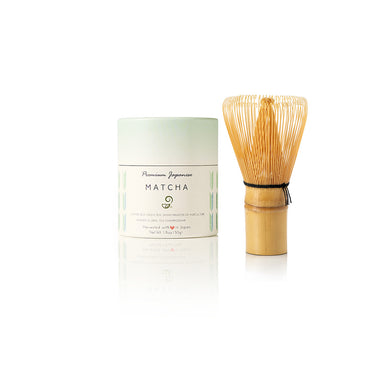
For ultra-low-fat: cold-brewed sencha with a splash of unsweetened almond milk produces a refreshing iced drink with under 2g of fat per cup. The matcha-with-water (no milk) version is even lower, but the bowl-of-pure-matcha experience is different from a latte experience. The matcha + chasen whisk set supports the latter; oat milk + matcha is the higher-fat hot-drink alternative.

Does adding milk or cream ruin it?

It doesn't wipe out the antioxidants, but it completely changes the math if you're drinking it to lose weight. A splash of skim milk won't kill you, but pouring in heavy cream and sugar literally turns a zero-calorie functional drink into a dessert. If your goal is weight loss, you really need to just train yourself to drink it plain.

Are coffee oils actually bad for you?

Only if your cholesterol is already a problem. The oils (cafestol and kahweol) are totally natural. The only catch is that if you drink a ton of unfiltered coffee—like espresso or French press—those oils can actively spike your LDL levels. If your doctor is already warning you about your cholesterol, just switch to a paper filter. The paper catches almost all of the oil before it hits your mug.

Which one is actually better for weight loss?

Green tea. Coffee is an incredible stimulant if you need to survive a brutal morning workout, but it doesn't actively change how your body processes fat. Green tea contains EGCG, which is a compound that actively nudges your metabolism to run faster and burn through stored fat.

Can I drink them on an empty stomach?

You can certainly try, but black coffee on an empty stomach is famously brutal on the digestive tract. A lot of people just end up vibrating with anxiety and dealing with severe acid reflux by 10 AM. Green tea is significantly gentler, but if either drink makes you feel sick before you've eaten breakfast, just eat something first.

How much should I drink?

Most clinical studies look at people drinking two or three cups a day. If you try to push past that just to speed up the weight loss, it usually backfires. Chugging five cups of coffee or tea isn't going to make you skinny faster—it's just going to entirely wreck your sleep cycle and leave you dealing with stomach cramps all afternoon.

Conclusion

If you look strictly at the raw beans or leaves, there is exactly zero fat in either drink. The only reason anyone actually gains weight from their morning coffee or tea is because they inevitably drown the cup in heavy cream and massive pumps of flavored sugar syrup. As long as you drink them black or completely plain, you aren't adding a single empty calorie to your day.

If your primary goal is specifically to drop weight, green tea is almost certainly the smarter play. The specific chemistry of the EGCG compounds actively nudges your metabolism to run slightly faster. Coffee is mostly just there as a blunt instrument to snap your nervous system awake, and depending on how you brew it, those unfiltered bean oils can actively hurt your bloodwork anyway. Obviously, neither drink is going to magically fix a terrible diet. You still have to get off the couch and eat decently if you actually want the scale to move. But if you're already doing the work, keeping a pot of plain green tea on your desk is easily one of the lowest-effort tricks to push the daily math in your favor.

Related products
31 reviews

Diet Green Tea Bags – Tappuri Catechin (30 tea bags)

$25.00
Quick view

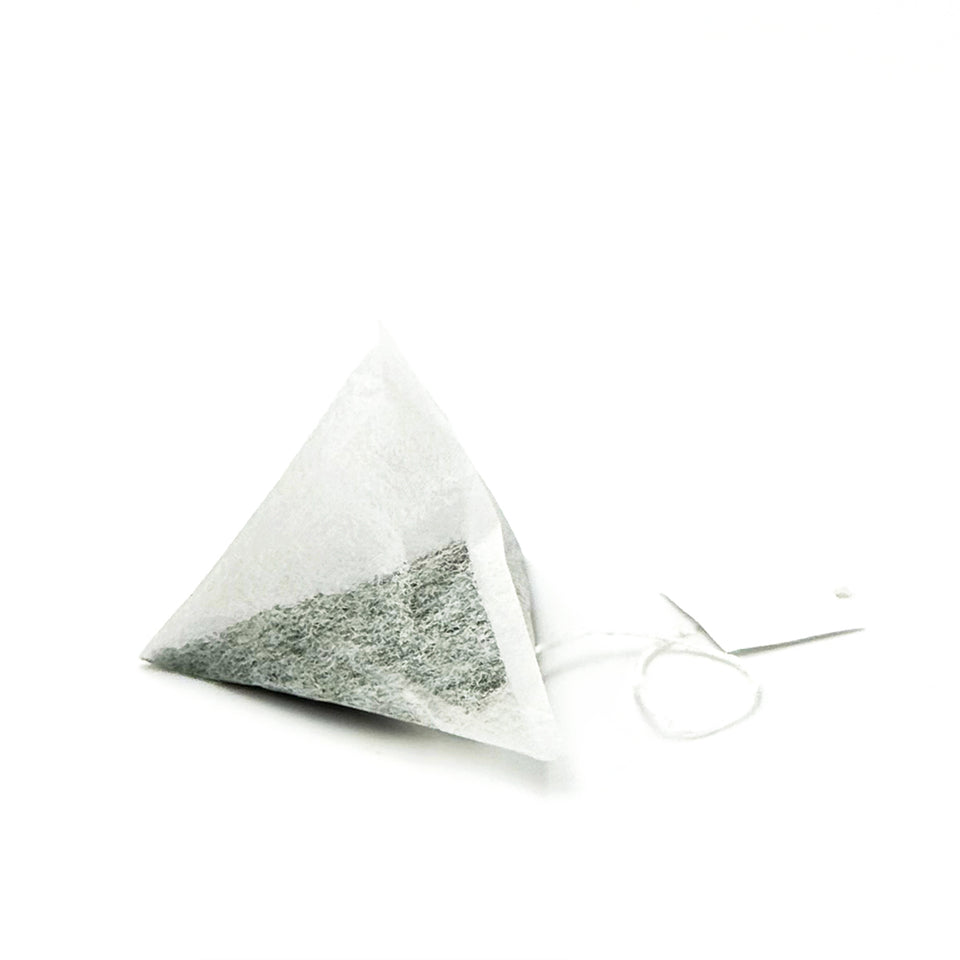
Support your weight loss journey with Tappuri Catechin (たっぷりカテキン), our award-winning green tea packed with 400mg of catechins per cup—over three times more than traditional green tea. These powerful, all-natural antioxidants are known to aid in weight management, protect cells from damage, and promote longevity. Combined with L-theanine, which enhances focus, energy, and brain function, this tea helps boost metabolism and energy burn naturally.

Tappuri Catechin is a loose-leaf authentic Japanese green tea teabag, made from deep-steamed Fukamushi Sencha cultivated using the Chagusaba method in nutrient-rich sugarcane soil. Featuring the Yabukita cultivar, each resealable aluminum bag includes 30 pyramid-shaped tea bags (2g each), offering a convenient and refreshing way to support your health goals.

8 reviews

The Sencha Lover Gift Set - Premium Japanese Green Tea Set Package
$179.00 $159.99
Quick view

This tea set features three exceptional Japanese green teas, each crafted with care and traditional techniques. Issaku Reserve, a Global Tea Champion winner in 2017 and 2019, is a rare masterpiece created by Farm Master Mr. Arahata at Arahataen Green Tea Farm. Handpicked once a year from the first flush and processed with advanced methods, Issaku represents the highest-grade deep-steamed green tea, available only in limited quantities even in Japan.

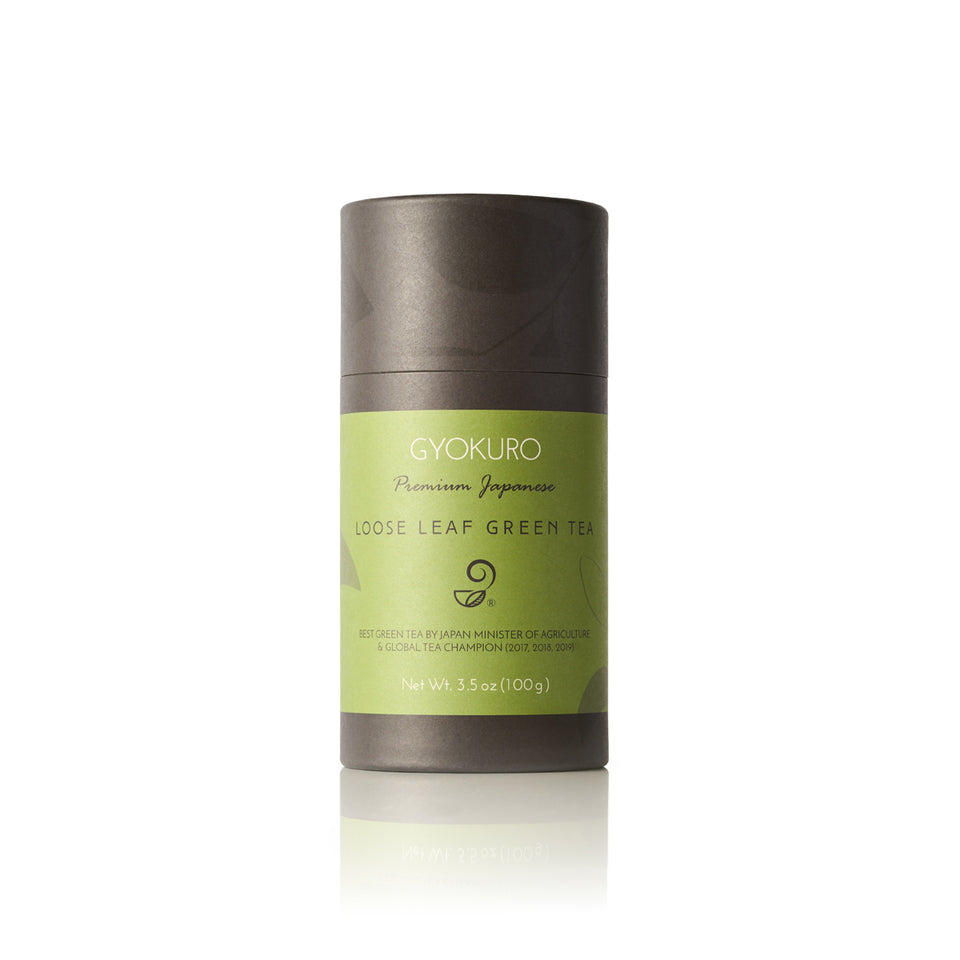
The set also includes Gyokuro, a premium shaded green tea known for its rich, sweet flavor and deep mossy green color. Grown under special mats for 20 days to increase caffeine and amino acid levels, Gyokuro offers a layered, smooth taste unlike any other. Completing the collection is Nozomi, a fine Kabuse-cha, or "Covered Green Tea," carefully grown under nets to gently shade the leaves just before new sprouts emerge, resulting in a soft, rich, and refined flavor profile.

97 reviews

Gyokuro - Shaded Imperial Premium Green Tea

$65.00
Quick view

Gyokuro, also known as "jade dew" or "jewel dew tea," is a premium Japanese green tea shaded from the sun for 20 days using specially made mats, a method that boosts caffeine levels and strengthens amino acids to create a sweeter, richer flavor. This extended shading process results in dark, mossy green leaves with an unmistakable aroma and a complex taste that is layered yet balanced. Cultivated by the Chagusaba method in nutrient-rich sugarcane soil and made from the Yabukita cultivar, this loose-leaf authentic Gyokuro is offered in a high-quality, air-tight paper tube canister (chyazutsu) to preserve its exceptional freshness and flavor. Each 3.5 oz (100g) full-size package steeps 30–40 cups, and a convenient single-serve sample is also available.

45 reviews

Hojicha - Roasted Green Tea

$25.00
Quick view

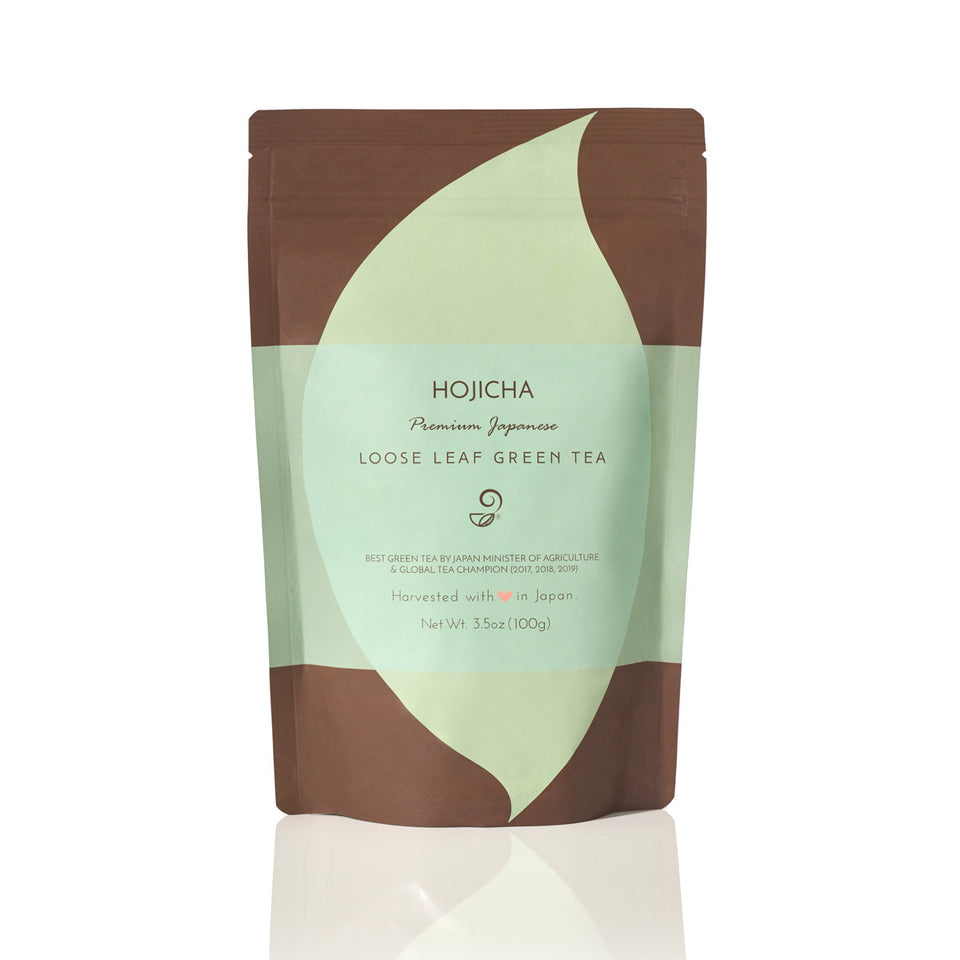
Our roasted green tea, known as hojicha (ほうじ茶), is crafted from freshly harvested premium green tea carefully roasted in porcelain over charcoal to maximize flavor while retaining more catechins than typical hojicha on the market. With lower caffeine and a smoother, less bitter taste compared to steamed green tea, it is an ideal choice for evening relaxation and is gentle enough for kids and pregnant women. Cultivated using the Chagusaba method in nutrient-rich sugarcane soil, this loose-leaf authentic Japanese roasted green tea, made from the Yabukita cultivar, also pairs beautifully with oily foods. Each eco-friendly resealable package contains 3.5 oz (100g) of tea, enough to steep 30–40 comforting cups.

80 reviews

Matcha - Ceremonial Japanese Powdered Green Tea

$39.00
Quick view

This ceremonial matcha is crafted from the finest Japanese green tea, grown in nutrient-rich soil enhanced with compostable grasses and sugarcane through the Chagusaba method, which gives the tea a natural sweetness and exceptional flavor. In collaboration with researchers from Shizuoka University, farmers ensure that the soil quality consistently produces tea of the highest standard.

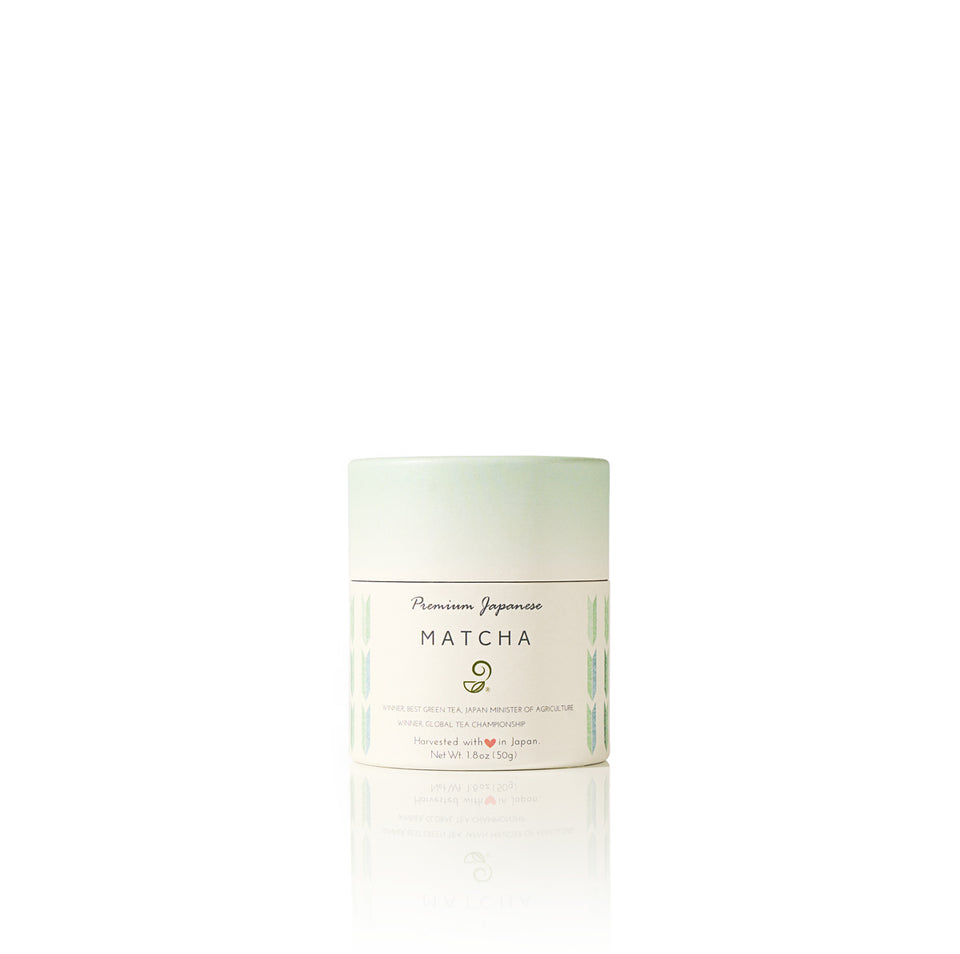
Renowned among top Japanese chefs for its unmatched aroma, this matcha is made by carefully shading the plants before harvest to boost caffeine and amino acids, then meticulously drying, de-stemming, and grinding the leaves into a fine powder. Made from the Yabukita cultivar, this 1.8 oz (50g) matcha comes in a high-quality, air-tight paper tube canister, providing a luxurious and authentic Japanese tea experience.


Related Articles You May Be Interested

Health Benefit Comparison - Coffee vs Tea
Japanese Green Tea vs Coffee - 10 battles You Don't Want to Miss
Tea vs Coffee – Which Is The Better Caffeine Choice For Runners
Green Tea Science Part 3: Everything You Need to Know About Green Tea and Caffeine
9 Must See Places in Tokyo for Tea Lovers

Get Free Bonus Books

Join Green Tea Club

Sign up for free to the Green Tea Club to get advice and exclusive articles about how to choose Japanese Tea, and tips, tricks, and recipes for enjoying Japanese tea.

Unsubscribe anytime. It’s free!

About the author

Kei Nishida

Kei Nishida

Author, CEO Dream of Japan

info@japanesegreenteain.com

Certification: PMP, BS in Computer Science

Education: Western Washington University
Kei Nishida is a passionate Japanese green tea connoisseur, writer, and the founder and CEO of Japanese Green Tea Co., a Dream of Japan Company.

Driven by a deep desire to share the rich flavors of his homeland, he established the only company that sources premium tea grown in nutrient-rich sugarcane soil—earning multiple Global Tea Champion awards.

Expanding his mission of introducing Japan’s finest to the world, Kei pioneered the launch of the first-ever Sumiyaki charcoal-roasted coffee through Japanese Coffee Co. He also brought the artistry of traditional Japanese craftsmanship to the global market by making katana-style handmade knives—crafted by a renowned katana maker—available outside Japan for the first time through Japanese Knife Co.

Kei’s journey continues as he uncovers and shares Japan’s hidden treasures with the world.

Learn more about Kei Nishida

Related Posts

Yokohama Peach is offered as a regular menu at Okayama Kobo Cafe!
Yokohama Peach is offered as a regular menu at Okayama Kobo Cafe! + Recap Video of Pop-up on 2/8/2026 at Anaheim, CA

We are excited to announce that our Yokohama Peach is now available on the regular menu at the popular Japanese Bakery,

Read More
The Story Behind Our Booth Backdrop: Craftsmanship, Engineering, and Sacred Wood
Behind the Scenes – How We Made the Event Booth & Backdrop Using Sacred Wood

Discover how our one-of-a-kind event booth came to life—from Japanese Kōshi (格子) design and rare Port Orford Cedar to mo

Read More
Hojicha Banana Daifuku (Mochi): The Collaboration of Aromatic Roasted Tea and Richly Sweet Banana

Dive into the soft, chewy world of Hojicha Banana Daifuku—where toasted tea meets sweet banana in a cloud of fresh mochi

Read More
Leave a comment

Your email address will not be published..

Cart

Your cart is currently empty.

Start Shopping

Select options