Skip to content

Japanese Green Tea vs Red Bull - 10 Battles You Don’t Want to Miss

During the last holiday season, we were so busy that I decided to drink Red Bull to stay up late at night for the holiday rush. Then I thought it would be fun to compare this drink, Red Bull, with Japanese green tea and see which one wins. It's funny what comes to mind at 2 a.m. after working 18 hours straight at full steam. I didn’t write this article that night, but now, with a bit of calm after the storm and a sip of nice hot green tea, I am writing it just for fun.

One of the main reasons why Japanese green tea is consumed is because of its caffeine content, which helps you stay awake at work, and the same is true with Red Bull. The same thing is true with Japanese Green Tea; Red Bull provides an energy boost to keep you going, especially if the activities would need to exert too much effort.

While Japanese green tea is often consumed to stay awake for work or studies, Red Bull is grabbed for sports or rushed activities. Japanese green tea could be a convenient drink for catching up on conversations with friends, but you would definitely find it funny for a Red Bull to be sipped cozily while having a conversation with friends.

So, which of these two should you drink, depending on your concern? The battle of the two most sought-after drinks to spike up your concentration is here right now for comparisons. Here are the ten differences between Japanese green tea and Red Bull:

1. Go for the natural

Japanese green tea is well known worldwide to be all-natural and chemical-free. Japanese green tea leaves are well known to be one of the purest teas all over the world, using as few pesticides as possible. Even the caffeine in Japanese green teas is natural. Having said this, Japanese green tea is one of the best choices for those who are conscious of their intakes for their bodies.

Japanese Green Tea

On the other hand, while Red Bull could quickly spike up the caffeine in your body, this liquid drink is synthetically processed, and one would not simply consume these chemicals in the long run. One of the most prominent ingredients in Red Bull is taurine, which still lacks scientific research as to its long-term effects on the body.

So, for being all-natural, Japanese green tea is obviously the winner for this round.

2. Energy, you want it strong?

While Japanese green tea is known to have caffeine content, Red Bull is really packed as an energy drink that contains several ingredients, including caffeine and taurine, as an energy booster for attention, cognitive, and driving performance. If you are after some strenuous activities, you might not get the same amount of energy boost if you are just going to drink Japanese green tea. Though Japanese green tea could boost some concentration in you, this is definitely not as evident as when you consume an energy drink like Red Bull, so let’s applaud Red Bull for this match!

3. Standardized amount of caffeine

Just like with any coffee or tea, the caffeine amounts in Japanese green tea can vary greatly, and the package indicators for the caffeine contents are only averages. The caffeine content of Japanese green teas also varies depending on the type of tea. Some Japanese green teas have a high caffeine content, such as sencha, while teas like hojicha and genmaicha have a low caffeine content.

With Red Bull, there is a standardized amount of caffeine in each bottle by simply referring to the label indicated or can, so you would know exactly how much caffeine you are getting, and this would be helpful to manage your caffeine intake. Hooray for Red Bull for this one!

Red Bull vs Green Tea

4. Eco-friendly 

Japanese green tea uses the whole leaf for production, requiring less waste compared to other teas, which only use parts of the leaves. Also, Japanese green tea usually comes in the form of loose-leaf tea or tea packets, requiring less production for packaging. Nowadays, Japanese green tea manufacturers prioritize the packaging designs of their teas to be eco-friendly, such as biodegradable tea packets inside paper pouches or boxes.

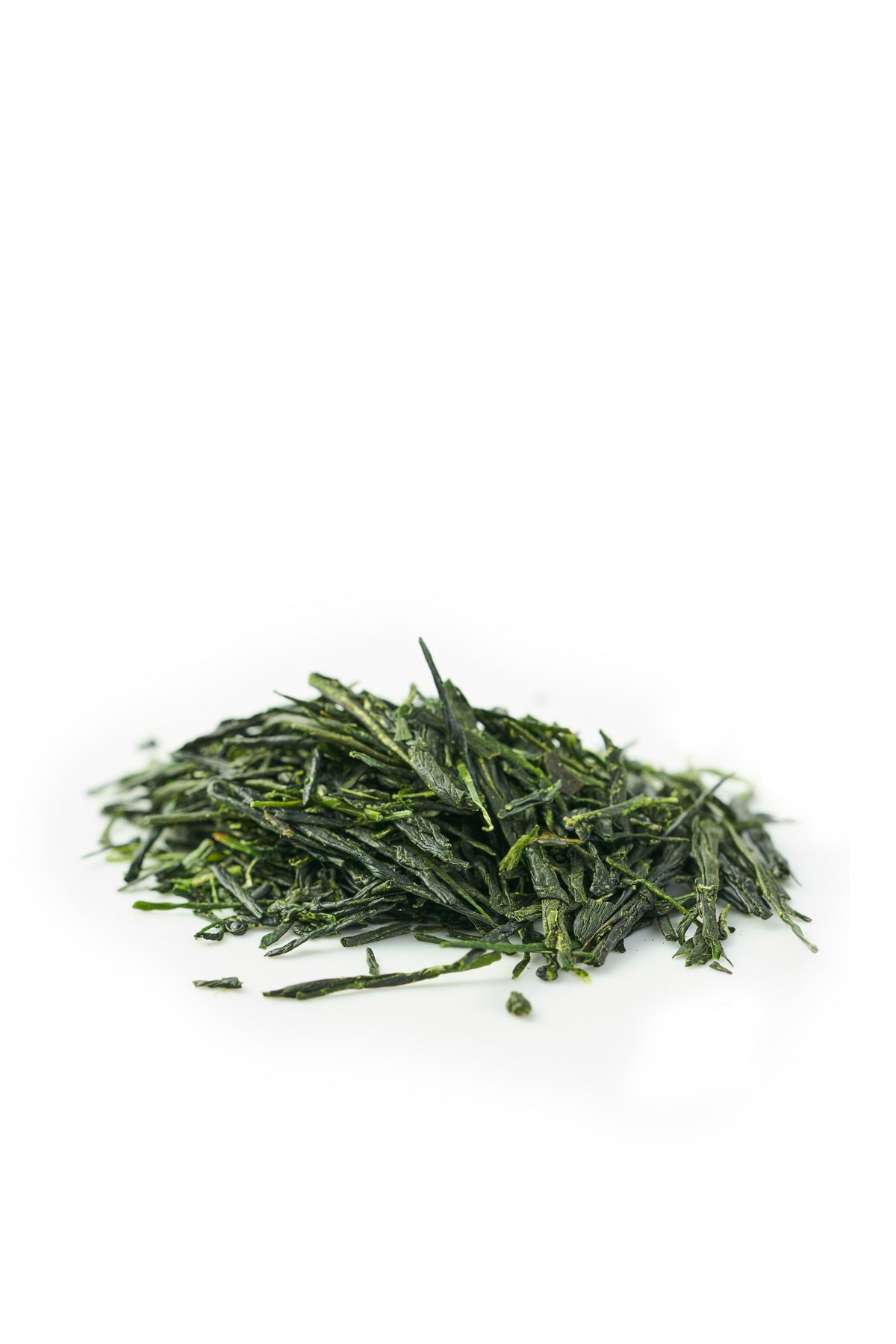
Japanese Green Tea Leaves

On the other hand, while Red Bull in bottle form can be recycled, just imagine the tons of bottles to be disposed of for the intake of this energy drink. Also, Red Bull already comes in aluminum tin cans, making the production packaging less environmentally friendly compared to Japanese green teas because of the adverse effects of the packaging process. For this segment, Japanese green tea is a sure winner!

5. Tradition packed

Japanese green tea is attested to by several generations, even by the high royal personnel of the Japanese empire. Aside from this, the way it is authentically served would really ingest you into the purest form of traditional Japanese green tea ceremony. If you are into culture and history, you may not just get this from drinking a commercialized energy drink, so for this comparison, the traditional way of serving Japanese green tea is a form of hospitality.

This is not the case with Red Bull, since simply getting a can of drink from any convenient store would already do the trick. Energy drinks were invented only in the 1960s and are a very straightforward drink to simply energize yourself, so let’s give another point to Japanese green tea.

6. Fast delivery of caffeine in the body

Because energy drinks are served cold, they can be consumed quicker than Japanese green tea, which is usually and traditionally served hot, because the consumption is through several sips. Rapid consumption leads to caffeine getting into the bloodstream quicker. Sipping or drinking your caffeine drink more frequently and in larger amounts would let you experience more of a kick because more of it is hitting your system at once. Thus, the effects of caffeine could easily be observed in Red Bull rather than in Japanese green tea.

7. Variety of flavors

While there are many types of Japanese green tea, all of these types are just green teas in their purest form, and most people would not really have the luxury of time to differentiate the taste from one another, but you may have the luxury to choose from so many flavors in Red Bull energy drink, which even has limited-season collection flavors. This means that tastes for each and every flavor would be different from one another. Who would not want to have those choices depending on one’s mood? Red Bull is definitely the winner in this match!

8. Handy/convenient

Do you want to drink Japanese green tea? What do you have? Loose leaf tea? Then go get your tea balls or strainer, a mug, and make sure to have hot water with you to prepare everything. Do you have tea packets? You would also need a mug and hot water for this. If you are an enthusiast, for sure you would have different types of teapots for different types of tea, but with Red Bull, just buy this in a convenient store, open the bottle cap, or pull the tab of the can, and you are good to go.

Moreover, since teas are usually served hot, you definitely need a lot of time to consume them, unlike Red Bull, which is recommended to be drunk cold. You may even gulp them while in a rush to work or school. Just how handy and convenient it is to go grand and drink Red Bull, right?

9. Long term health benefits

In the long run, Japanese green tea intake would give the drinker long-term health benefits such as neuroprotectioncholesterol-lowering properties, strong antioxidant capacity, quality emotional status, quality sleep, and suppression of hypertension. It also helps in the regulation of cholesterol, aging, the reduction of the inflammatory response, and blood pressure.

Japanese Green Tea

On the other hand, prolonged intake of Red Bull could lead to several chronic diseases such as diabetes due to the high sugar content of the energy drink, and it also contains a proprietary ‘energy blend,’ which typically consists of stimulants and other additives that could even result in kidney failure. Japanese green tea should definitely take the lead on this one.

10. Come in many forms

As mentioned a while ago, Japanese green tea comes in many forms compared to Red Bull. One could get a pack of Japanese green tea in loose-leaf form or in tea packets. Some are also ground in their most refined structure as matcha and used to create frothed green tea drinks.

On the other hand, Red Bull is only available in liquid form. If you are the type of person who wants variety and the intricacies of preparing their drink, Japanese green tea is the best drink for you. Red Bull should pave the way to Japanese green tea for this one.

And the Winner Is…

So, what do you think would suit your needs best? These are just some of the factors comparing Japanese green tea and Red Bull. While Red Bull could quickly give you the mood to be good and be as convenient as buying it in a store, Japanese green tea gives you the tradition and culture that Red Bull could not give, not to mention the long-term health benefits as one of the most prioritized factors for every drinker.
It's a draw! 5 to 5.

At the end of the day, it really depends on what you are looking for in your favorite drink.

FAQs about Green Tea vs Red Bull and Energy Drinks

Is green tea actually a meaningful alternative to Red Bull or other energy drinks?

As an everyday energy source, yes — and a much healthier one. A bowl of matcha (抹茶) delivers roughly 70 mg of caffeine plus 40-50 mg of L-theanine, which produces a focused alertness similar to the productivity boost from Red Bull (about 80 mg caffeine + sugar + taurine + B vitamins) but without the sugar crash, the heart-racing jitters, or the artificial flavor.

For a one-time "need maximum energy in 30 minutes" use case, Red Bull and energy drinks deliver a faster, more dramatic spike. The combination of caffeine + sugar produces an immediate alertness that matcha doesn't quite match. So if your job is preventing yourself from falling asleep at 2 AM mid-emergency, energy drinks have a place. For sustained daily energy across normal life, matcha is the clearly better tool.

Many former energy-drink users transition to matcha and report that the calmer alertness profile actually improves their work output more than the jitters did, despite feeling "less energetic" in the immediate sense.

How does the caffeine in green tea compare quantitatively to energy drinks?

A standard 8.4 oz Red Bull has 80 mg of caffeine. A bowl of matcha has 60-80 mg. A cup of standard sencha has 25-35 mg. Caffeinated soda is around 30-50 mg. Brewed coffee is 95-120 mg per 8 oz. So matcha matches Red Bull on caffeine; sencha is roughly half; coffee is slightly more than Red Bull.

The caffeine difference is less important than the delivery. Red Bull's caffeine hits in 15-30 minutes and clears in 4-6 hours with a noticeable crash. Matcha's caffeine releases over a longer curve (20-60 minutes onset, 4-8 hour duration with gentler taper) because L-theanine modulates the absorption and clearance. The same total caffeine dose feels different in each beverage.

Sugar makes the bigger practical difference. Red Bull contains 27 grams of sugar, which produces an additional energy spike from the rapid blood-sugar rise, then a corresponding crash 60-90 minutes later. Matcha has no sugar (unless you add it), so the energy curve is purely caffeine-driven without the sugar overlay.

Are the B vitamins and taurine in energy drinks actually doing anything useful?

Modest at best. The B vitamins in Red Bull and similar drinks are at supplemental levels that may help if you're deficient, but most people aren't deficient and the energy-drink B vitamins are marketing more than function. Taurine is an amino acid that's been studied for various effects but the evidence for taurine as an energy enhancer at the doses in energy drinks is weak.

The practical "working ingredient" in energy drinks is just the caffeine. The other components (B vitamins, taurine, ginseng extract, guarana) contribute marginally if at all. Marketing emphasizes the supplement-stack to differentiate from coffee, but the actual energy effect is mostly caffeine.

Green tea has its own ingredient stack — catechins, L-theanine, fluoride, vitamins C and K, small amounts of B vitamins. These are at modest levels but they actually contribute documented health benefits unlike most energy-drink additives. If you're going to consume "caffeine plus other stuff," the green tea stack is more functionally meaningful than the energy drink stack.

Can green tea give me an energy boost as fast as Red Bull when I really need it?
Not as fast for the immediate spike. Energy drinks combine caffeine + rapidly-absorbing sugar, which produces a 15-30 minute alertness peak that pure caffeine without sugar can't quite match. If you have 20 minutes before something demanding and need the steepest possible alertness curve, energy drinks deliver that more reliably.

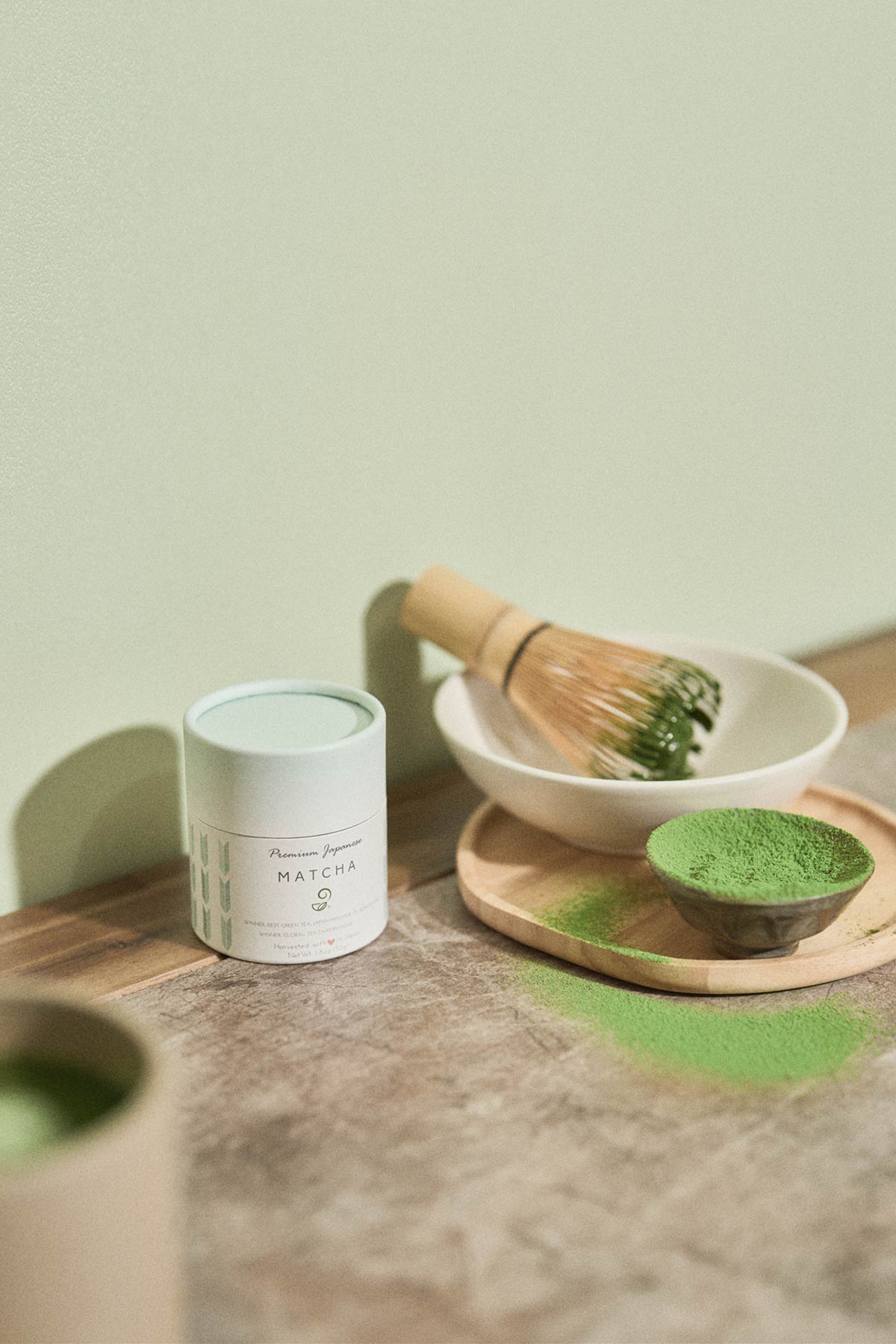
For a more comparable matcha-based boost, the trick is concentration plus a small amount of natural sugar. A matcha latte with 1 teaspoon of honey (or maple syrup) hits noticeably faster than plain matcha because the sugar enables faster gastric absorption of the caffeine. Still gentler than Red Bull, but closer to that fast-onset profile. The matcha whisk set makes this prep about 90 seconds — comparable to the time it takes to crack open and drink a Red Bull.

My honest take: green tea is structurally a different energy profile than Red Bull. Trying to make matcha behave like Red Bull is fighting its nature. If you genuinely need the energy-drink-style spike, drink an energy drink occasionally; for daily energy, switch to matcha and reset your expectations of what useful alertness feels like.

Is it healthier to drink green tea instead of energy drinks long-term?

Substantially, yes. Daily energy drink consumption is associated with higher cardiovascular risk, dental erosion (from the acid + sugar), insulin resistance over time, and dependency on the spike-crash cycle. Daily green tea is associated with lower cardiovascular risk, no dental issues at normal acidity, no metabolic disruption, and no comparable dependency cycle.

The transition is straightforward but not easy. Going from daily Red Bull to daily matcha typically takes 1-2 weeks of feeling "less energetic" while your nervous system adjusts to the gentler profile. After that adjustment, most people don't miss the energy drink and find that their actual productive output is similar or higher with the calmer alertness.

If you've been on heavy energy drink intake (3+ daily), don't go cold turkey to green tea — the caffeine differential will create a withdrawal headache. Taper: replace one energy drink with matcha for a week, then two, then full transition. The caffeine math should track roughly even at each step.

Related products

8 reviews

The Sencha Lover Gift Set - Premium Japanese Green Tea Set Package
$179.00 $159.99
Quick view

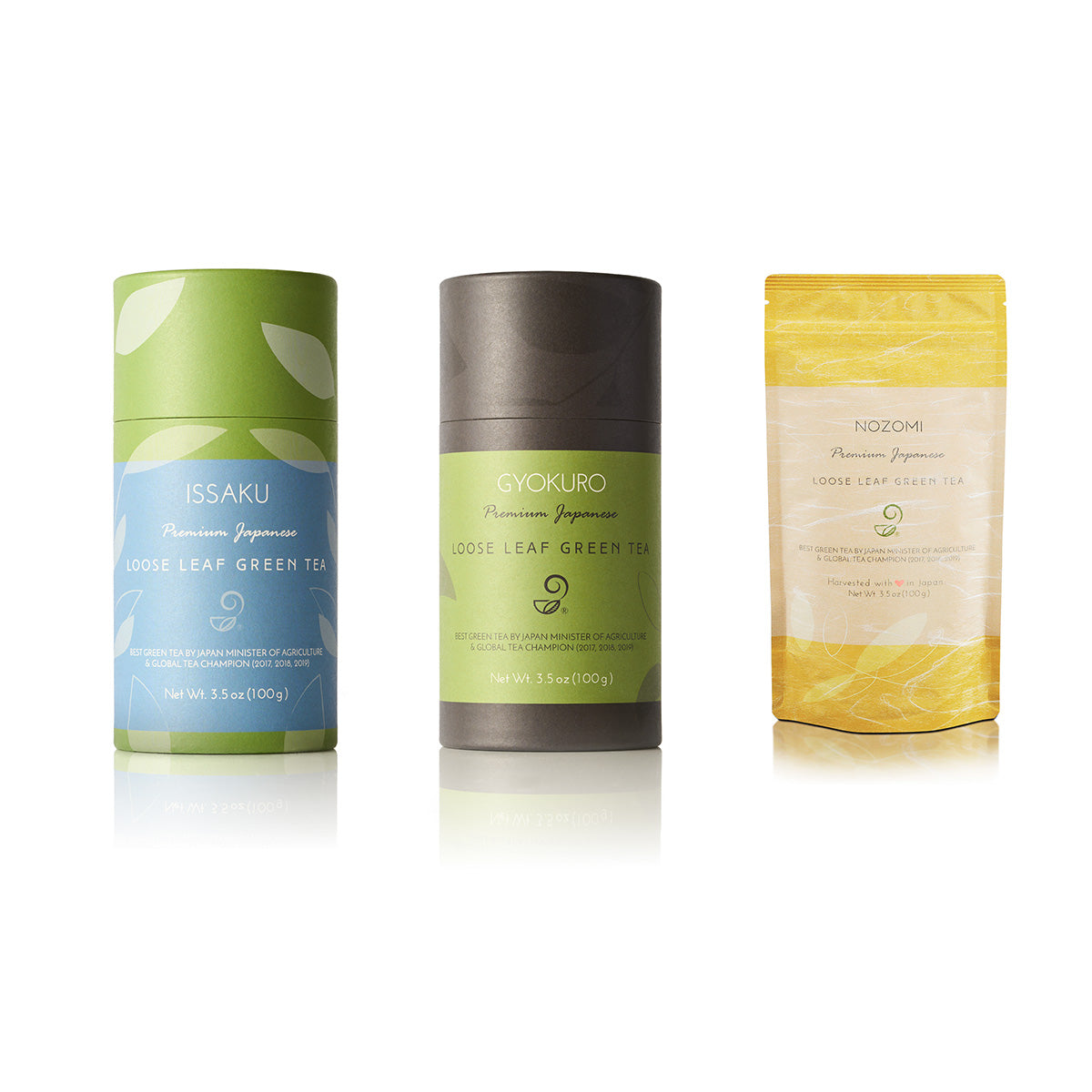
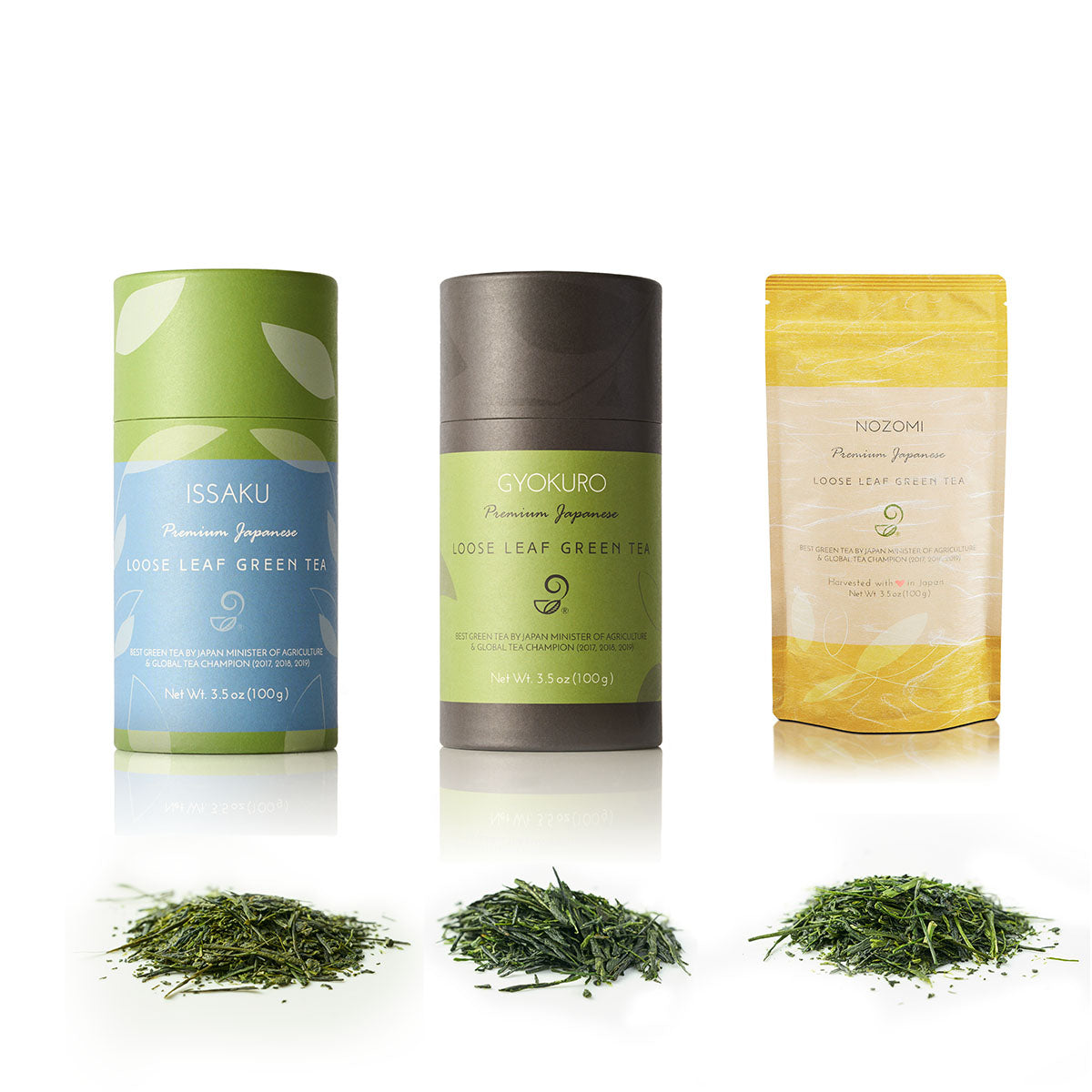
This tea set features three exceptional Japanese green teas, each crafted with care and traditional techniques. Issaku Reserve, a Global Tea Champion winner in 2017 and 2019, is a rare masterpiece created by Farm Master Mr. Arahata at Arahataen Green Tea Farm. Handpicked once a year from the first flush and processed with advanced methods, Issaku represents the highest-grade deep-steamed green tea, available only in limited quantities even in Japan.

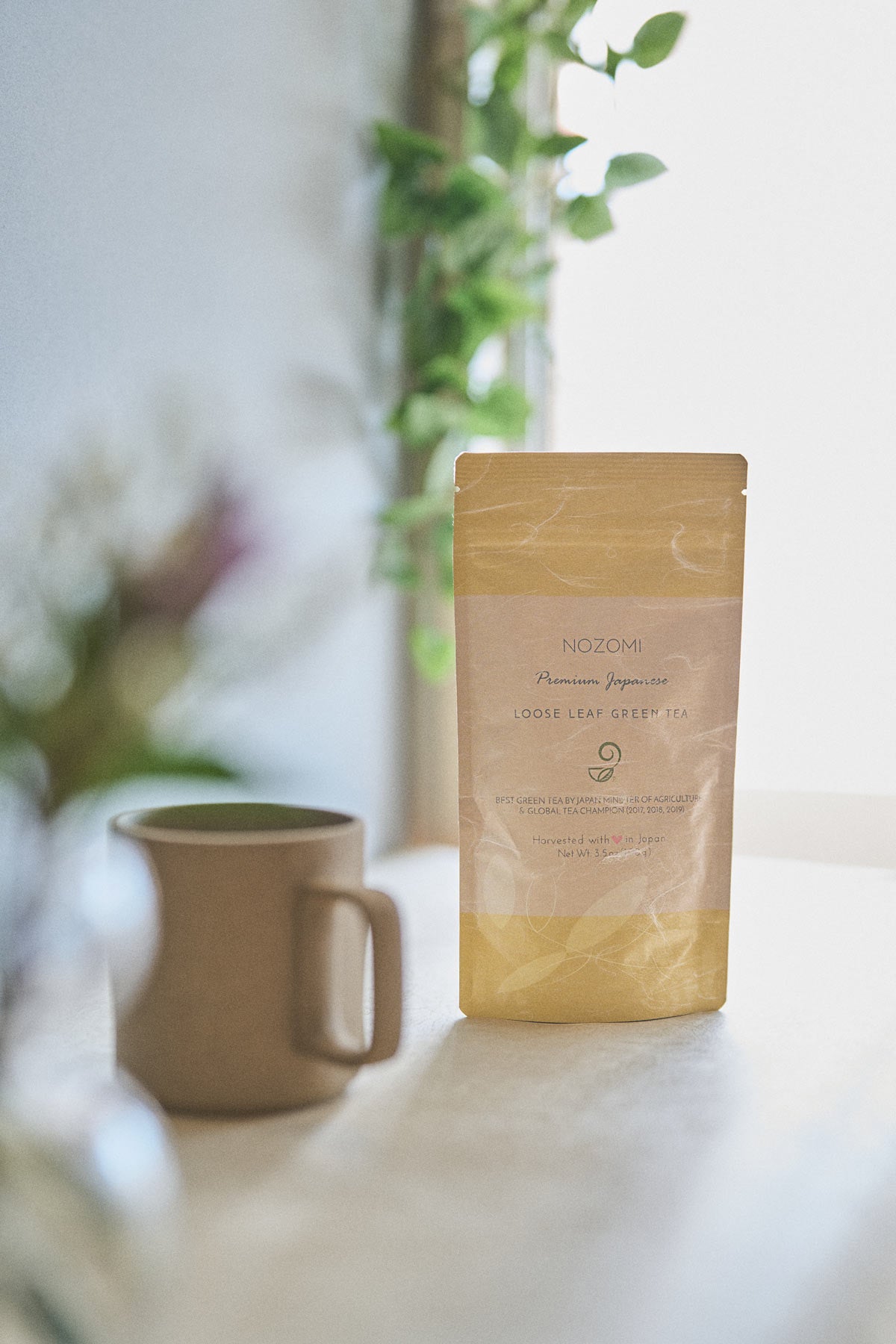
The set also includes Gyokuro, a premium shaded green tea known for its rich, sweet flavor and deep mossy green color. Grown under special mats for 20 days to increase caffeine and amino acid levels, Gyokuro offers a layered, smooth taste unlike any other. Completing the collection is Nozomi, a fine Kabuse-cha, or "Covered Green Tea," carefully grown under nets to gently shade the leaves just before new sprouts emerge, resulting in a soft, rich, and refined flavor profile.

97 reviews

Gyokuro - Shaded Imperial Premium Green Tea

$65.00
Quick view

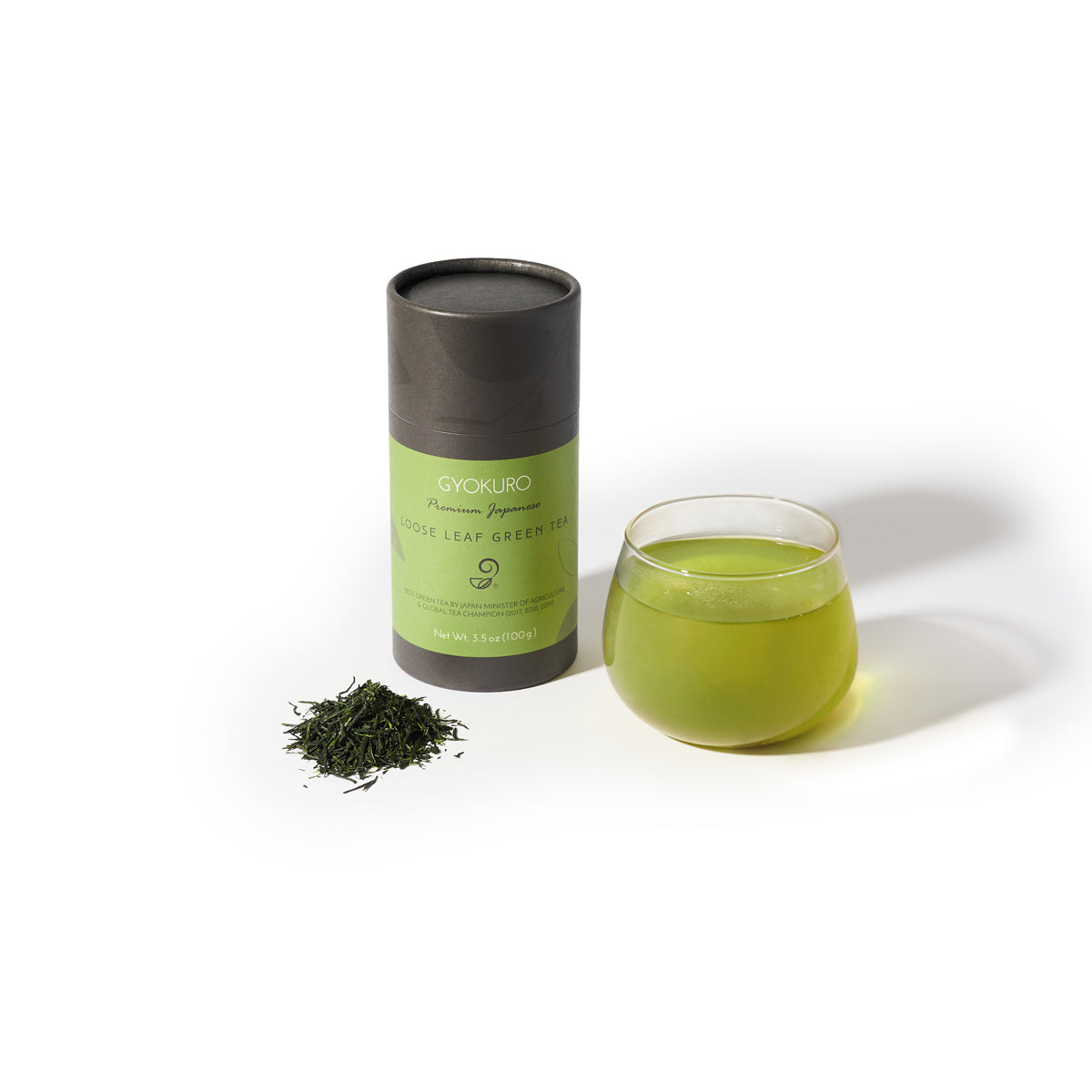
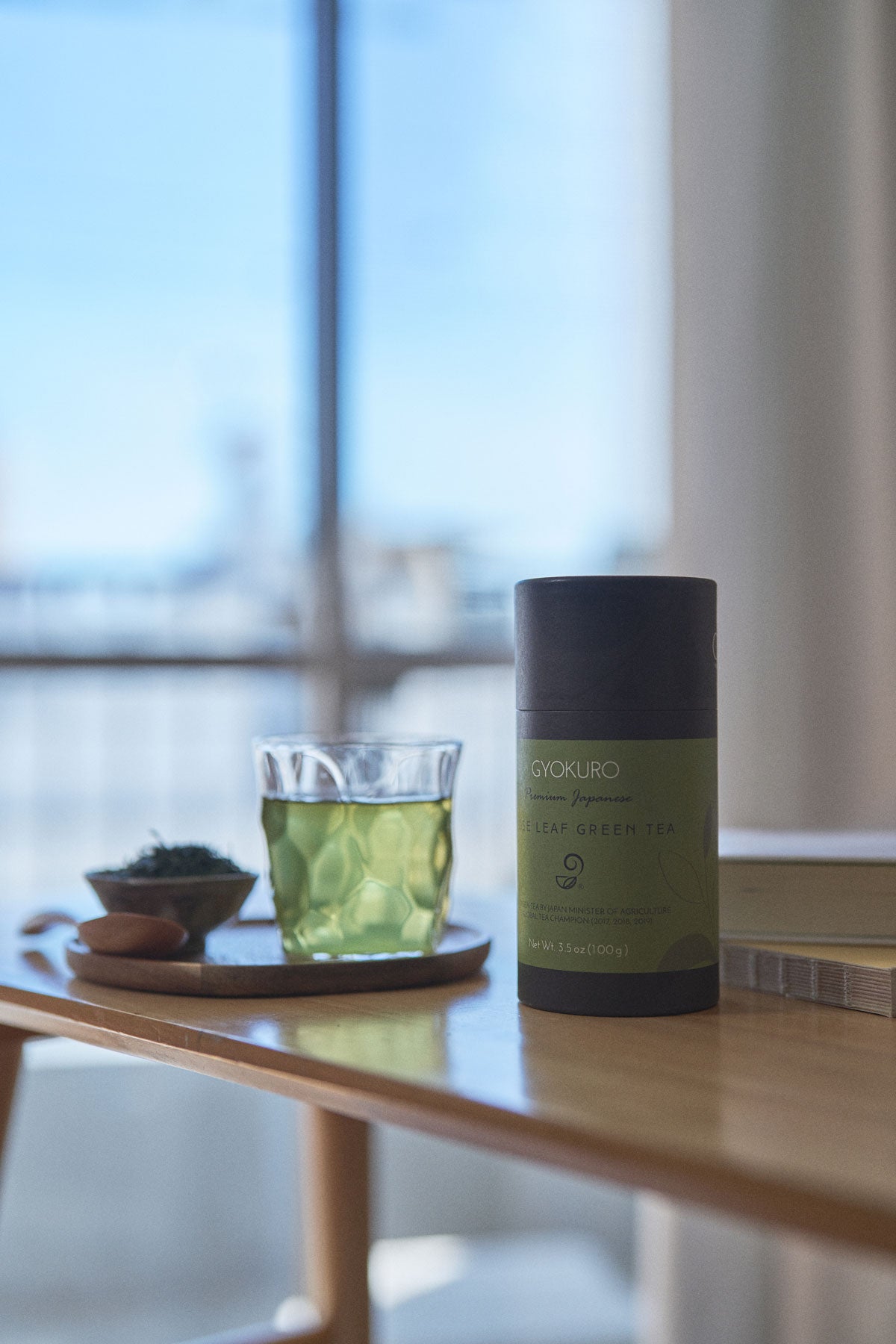
Gyokuro, also known as "jade dew" or "jewel dew tea," is a premium Japanese green tea shaded from the sun for 20 days using specially made mats, a method that boosts caffeine levels and strengthens amino acids to create a sweeter, richer flavor. This extended shading process results in dark, mossy green leaves with an unmistakable aroma and a complex taste that is layered yet balanced. Cultivated by the Chagusaba method in nutrient-rich sugarcane soil and made from the Yabukita cultivar, this loose-leaf authentic Gyokuro is offered in a high-quality, air-tight paper tube canister (chyazutsu) to preserve its exceptional freshness and flavor. Each 3.5 oz (100g) full-size package steeps 30–40 cups, and a convenient single-serve sample is also available.

45 reviews

Hojicha - Roasted Green Tea

$25.00
Quick view

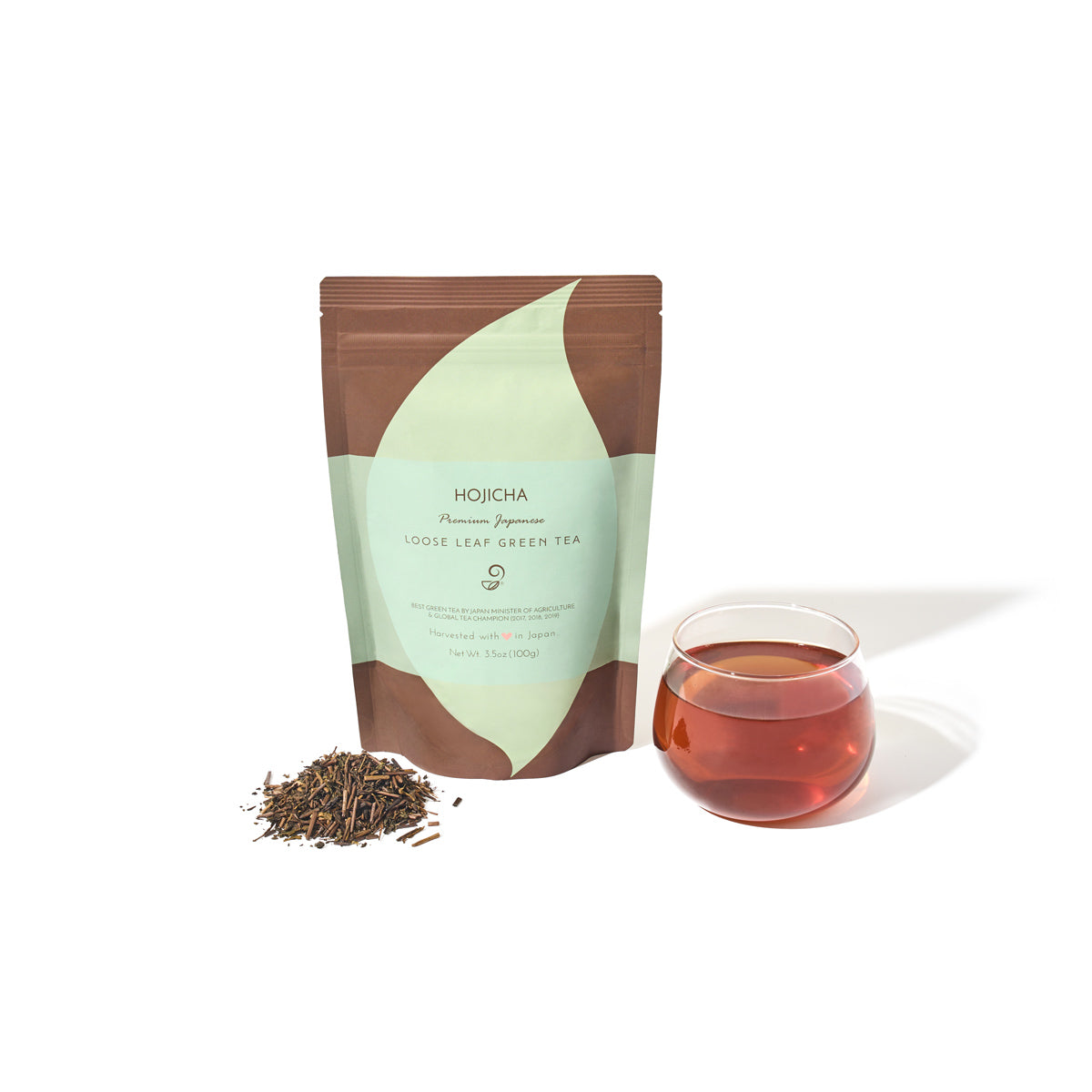
Our roasted green tea, known as hojicha (ほうじ茶), is crafted from freshly harvested premium green tea carefully roasted in porcelain over charcoal to maximize flavor while retaining more catechins than typical hojicha on the market. With lower caffeine and a smoother, less bitter taste compared to steamed green tea, it is an ideal choice for evening relaxation and is gentle enough for kids and pregnant women. Cultivated using the Chagusaba method in nutrient-rich sugarcane soil, this loose-leaf authentic Japanese roasted green tea, made from the Yabukita cultivar, also pairs beautifully with oily foods. Each eco-friendly resealable package contains 3.5 oz (100g) of tea, enough to steep 30–40 comforting cups.

80 reviews

Matcha - Ceremonial Japanese Powdered Green Tea

$39.00
Quick view

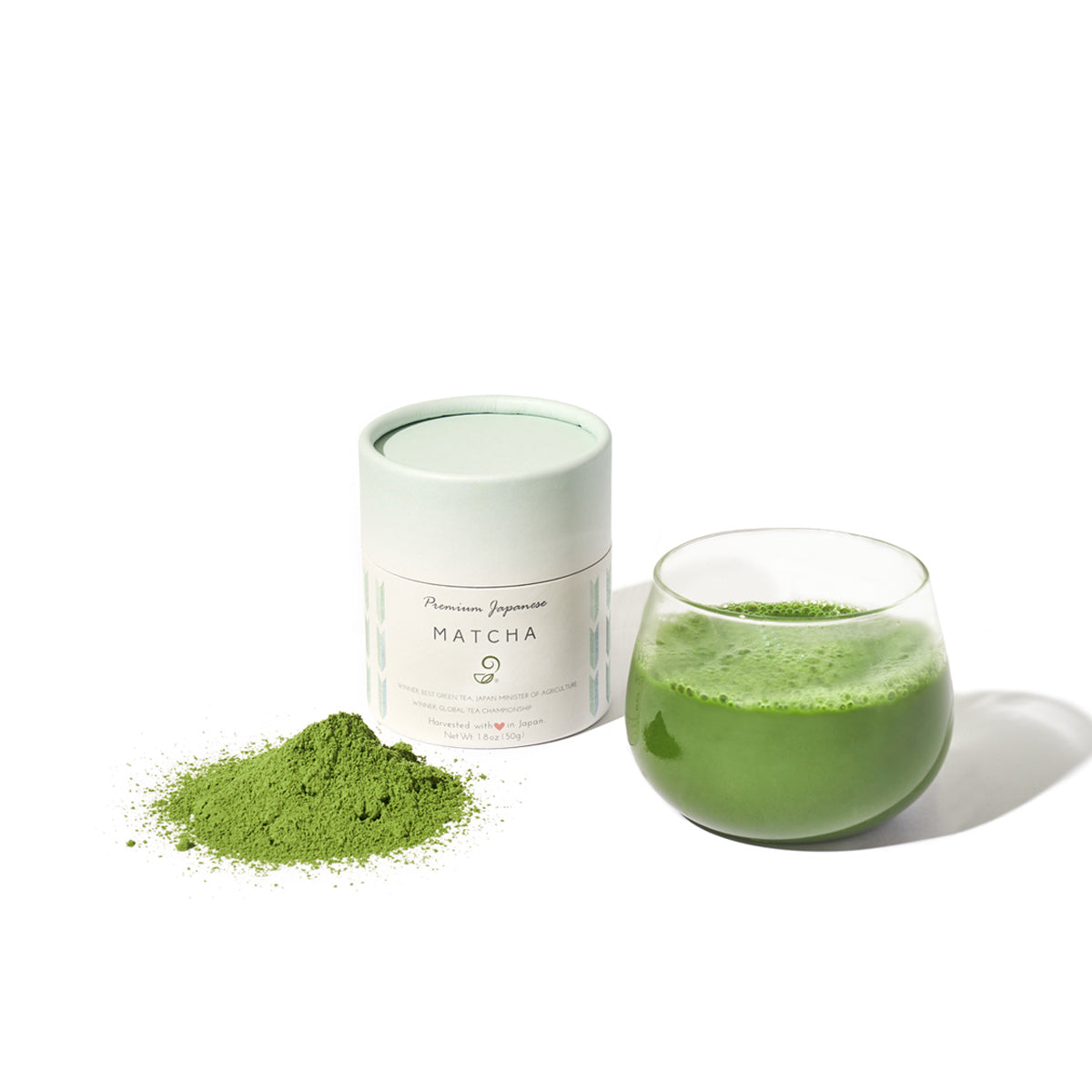
This ceremonial matcha is crafted from the finest Japanese green tea, grown in nutrient-rich soil enhanced with compostable grasses and sugarcane through the Chagusaba method, which gives the tea a natural sweetness and exceptional flavor. In collaboration with researchers from Shizuoka University, farmers ensure that the soil quality consistently produces tea of the highest standard.

Renowned among top Japanese chefs for its unmatched aroma, this matcha is made by carefully shading the plants before harvest to boost caffeine and amino acids, then meticulously drying, de-stemming, and grinding the leaves into a fine powder. Made from the Yabukita cultivar, this 1.8 oz (50g) matcha comes in a high-quality, air-tight paper tube canister, providing a luxurious and authentic Japanese tea experience.

42 reviews

Genmaicha - Green Tea with Roasted Brown Rice

$30.00
Quick view

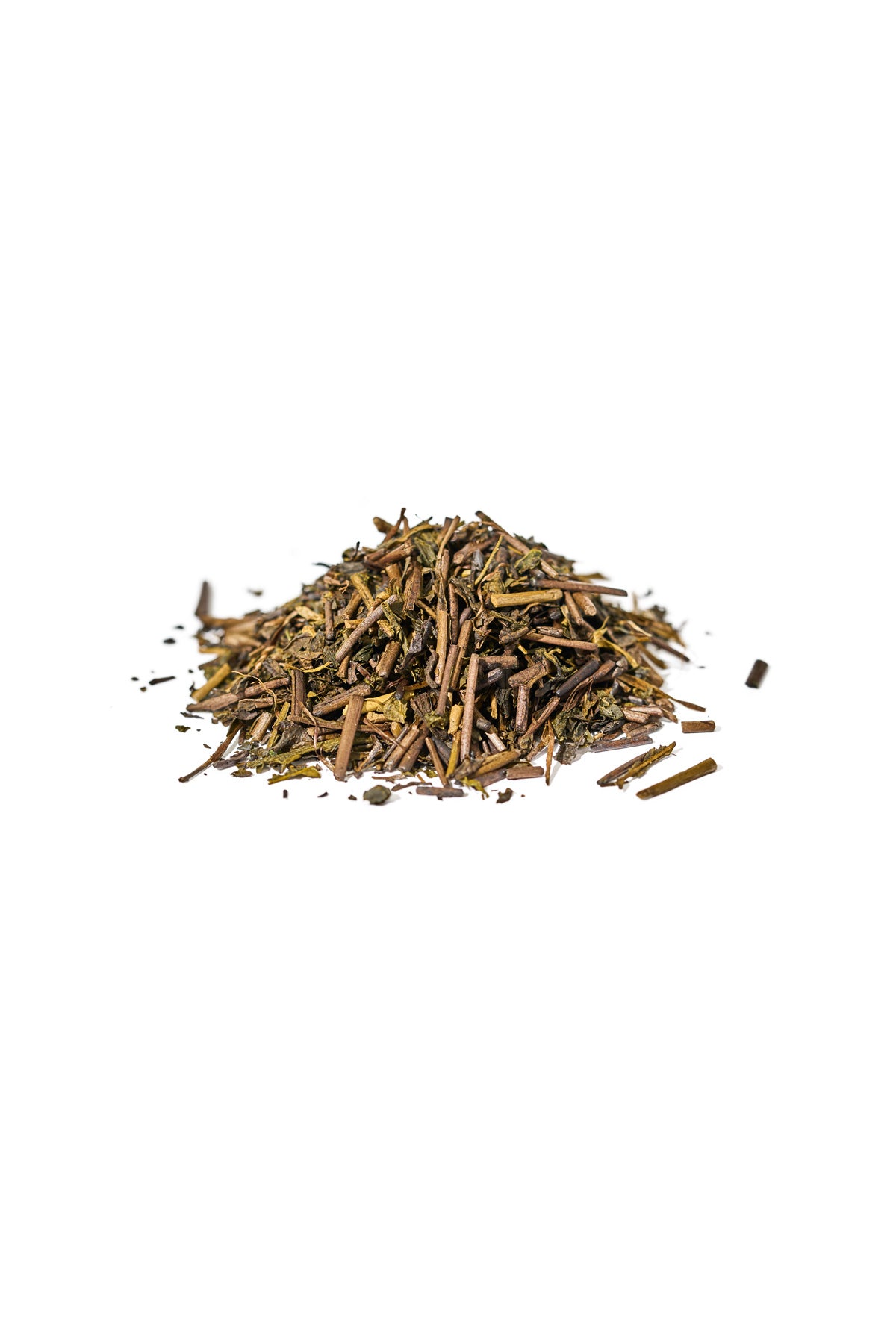
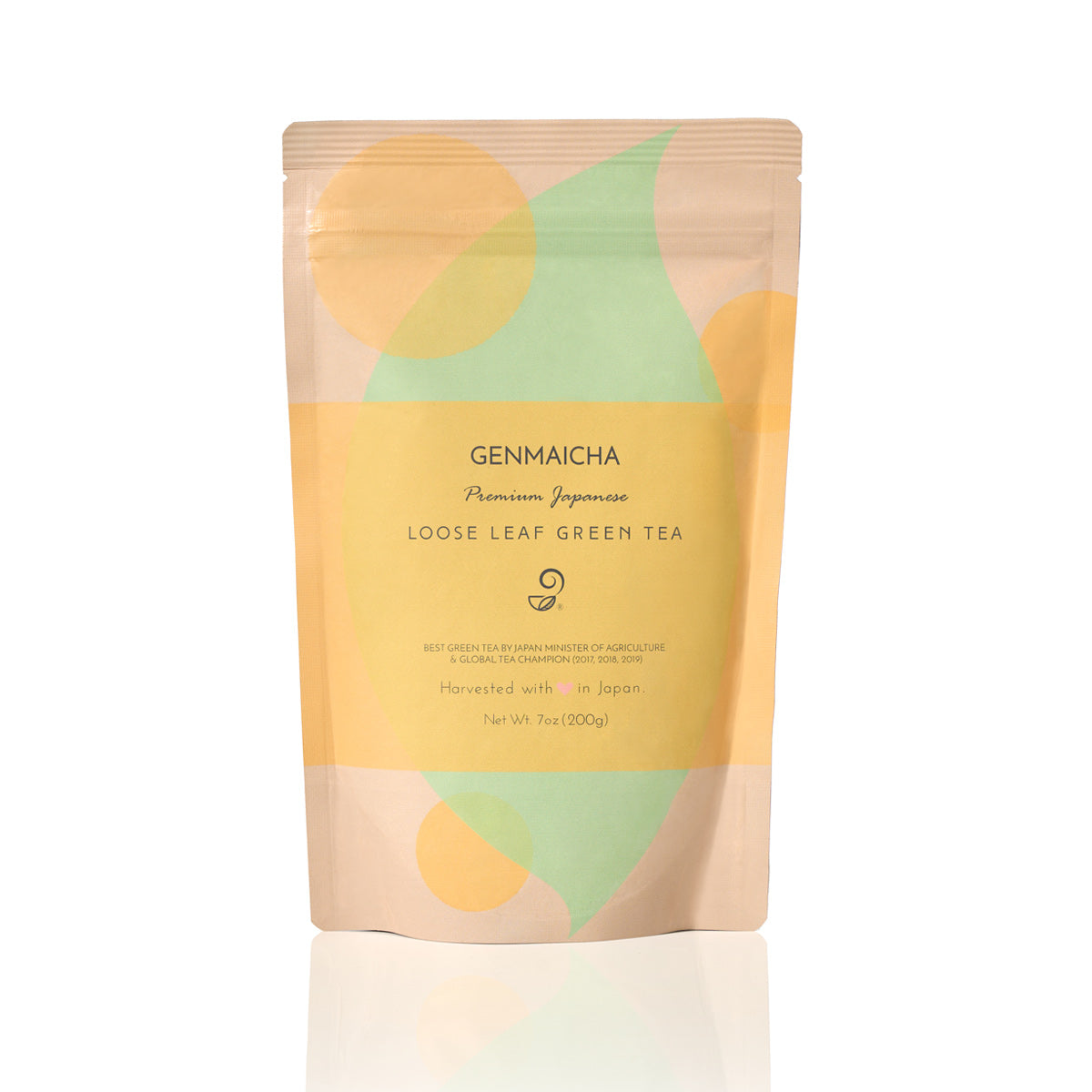
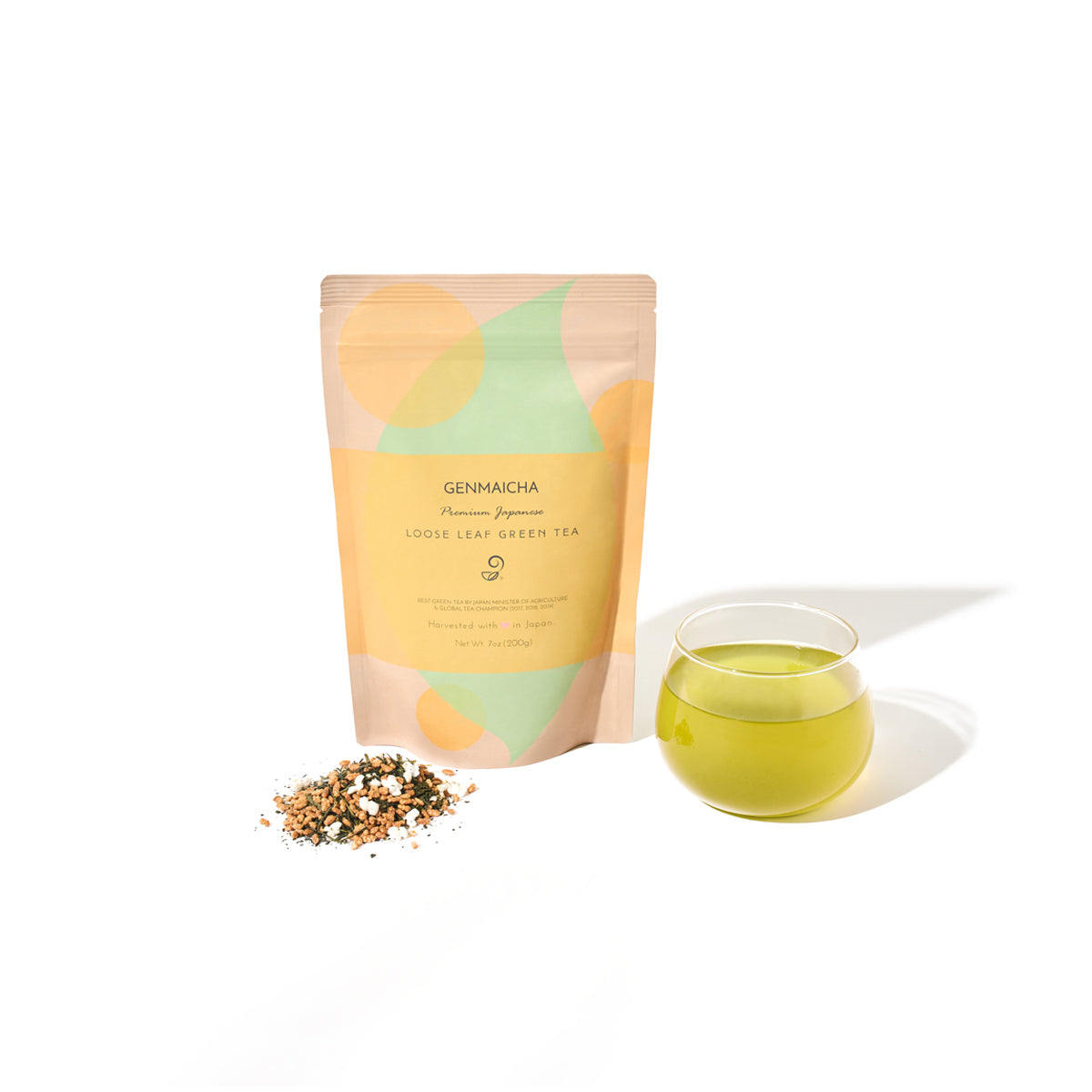
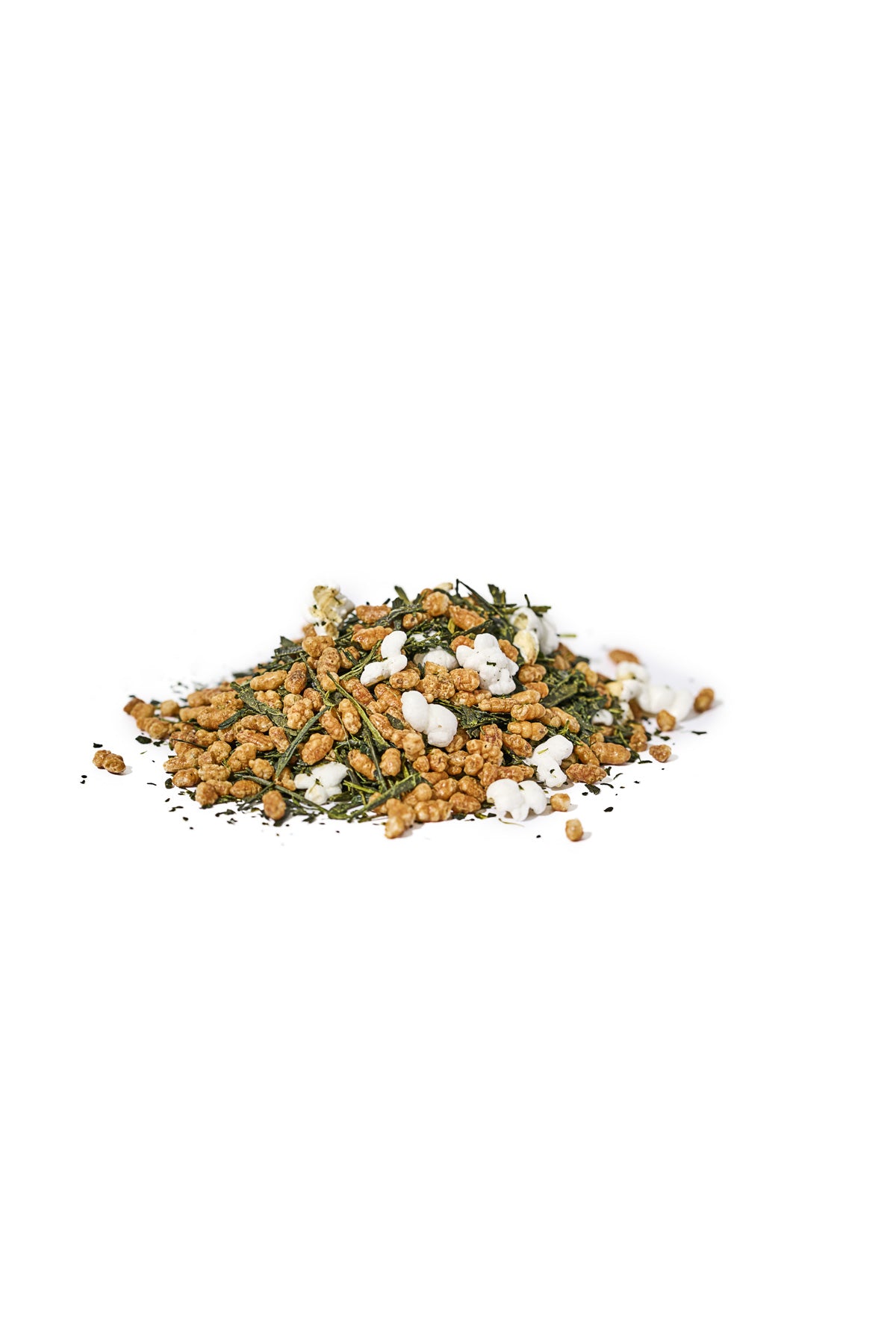
Our premium Japanese Genmaicha blends high-quality green tea with roasted popped brown rice (genmai 玄米), often nicknamed "popcorn tea" because the roasting process sounds like popcorn popping. Popular especially among the older generation in Japan for its mild flavor and lower caffeine content, this tea is easier on the stomach while still offering a rich, comforting taste. The brown rice used is premium Japanese mochi-gome (もち米) sticky rice, enhancing the tea’s nutty, aromatic profile. Made from Fukamushi Sencha and cultivated using the Chagusaba method in nutrient-rich sugarcane soil, this Genmaicha features the Yabukita cultivar and comes in a 7.0 oz (200g) eco-friendly resealable package, enough to steep 50–60 cups.


Related Articles You May Be Interested

Japanese Green Tea vs Coffee - 10 battles You Don't Want to Miss
Why Is Green Tea Good For Your Immune System?
Japanese Green Tea vs. Peruvian Tea
Japanese Green Tea vs. Turmeric Tea - 10 battles you don't want to miss
Japanese Green Tea vs Italian Tea
Japanese Green Tea vs Italian Tea - Personal account of tea in Italy from my recent Italy trip

Get Free Bonus Books

Join Green Tea Club

Sign up for free to the Green Tea Club to get advice and exclusive articles about how to choose Japanese Tea, and tips, tricks, and recipes for enjoying Japanese tea.

Unsubscribe anytime. It’s free!

About the author

Kei Nishida

Kei Nishida

Author, CEO Dream of Japan

info@japanesegreenteain.com

Certification: PMP, BS in Computer Science

Education: Western Washington University

Kei Nishida is a passionate Japanese green tea connoisseur, writer, and the founder and CEO of Japanese Green Tea Co., a Dream of Japan Company.

Driven by a deep desire to share the rich flavors of his homeland, he established the only company that sources premium tea grown in nutrient-rich sugarcane soil—earning multiple Global Tea Champion awards.

Expanding his mission of introducing Japan’s finest to the world, Kei pioneered the launch of the first-ever Sumiyaki charcoal-roasted coffee through Japanese Coffee Co. He also brought the artistry of traditional Japanese craftsmanship to the global market by making katana-style handmade knives—crafted by a renowned katana maker—available outside Japan for the first time through Japanese Knife Co.

Kei’s journey continues as he uncovers and shares Japan’s hidden treasures with the world.

Learn more about Kei Nishida

Related Posts

Behold: Balmuda's "The MoonKettle" — Where Boiling Water Becomes Art

We were privileged to be invited by Balmuda's Private MoonKettle Launch Event. Here are videos of it and everything you

Read More
OC Japan Fair April 2026 — Visit Us at Booth #A8!
OC Japan Fair Spring 2026 Recap (April 3 - 5 2026)

We were at OC Japan Fair again! April 3-5 2026 with new products, Miki Pon's art debut and more. Here is a recap video f

Read More
Super Mario and Japanese Green Tea

Super Mario and green tea share a hometown! Watch our Yoshi Matcha Cookies video recipe + discover how Nintendo and matc

Read More
Leave a comment

Your email address will not be published..

Cart

Your cart is currently empty.

Start Shopping

Select options