

Japanese Green Tea vs Coffee - 10 battles You Don't Want to Miss
The two most popular beverages, tea and coffee, each have dedicated followers who will insist one is better than the other. Japanese green tea and coffee may seem completely different, but many people take their drinks seriously. Which one is "better" is the subject of this battle, comparing each on 10 ranging criteria.
Beyond simple taste preferences, these beverages also reflect personal lifestyle choices, cultural habits, and health goals. Some people reach for coffee as a fast fuel for busy mornings, while others sip Japanese green tea for its calming, restorative effect. By placing these drinks head-to-head across multiple dimensions — from antioxidants and energy levels to cultural significance and long-term health benefits — this comparison reveals not just which beverage performs better in each category, but how each can play a unique role in your daily routine.
1. Antioxidants: Japanese Green Tea Wins Every Time
Even among the various types of green tea, Japanese green tea has the highest number of antioxidants. Japanese green tea’s form of production preserves all nutrients contained in the leaves. That includes catechins, a type of antioxidant that protects the body from cancer long-term. A particular catechin called epigallocatechin gallate, or EGCG, is at the forefront of improving health. Such antioxidants keep the skin’s youthfulness and elasticity, reduce blood pressure, and reduce the risk of Type 2 diabetes.
What makes Japanese green tea especially powerful is the synergy between its compounds. The combination of catechins, chlorophyll, and natural amino acids works together to support cellular repair and fight oxidative stress more effectively than most other beverages. Since oxidative stress is a major contributor to aging, inflammation, and chronic disease, regularly drinking Japanese green tea can offer a protective shield for the body. This makes it not just a refreshing drink, but a daily wellness ritual backed by science.

2. Energy: Coffee Gives You a Quick Boost
Most people who obsess over coffee drink it not only for the taste, for also for the caffeine. As a stimulant, caffeine jump-start your body’s nervous system. Your blood pumps, your heart rate quickens, and you feel more alert. Coffee contain quite a high amount of caffeine, with around 95 milligrams in a cup of coffee. People who drink coffee regularly experience advantages like improved mood and performance on tasks. Memory and cognitive abilities also benefit from the rich drink, from quicker reaction time to better concentration. If you want a quick form of energy or an afternoon pick-me-up, coffee is the beverage of choice.
In addition, the rapid onset of caffeine makes coffee especially useful during moments of mental fatigue or early-morning sluggishness. Because it enters the bloodstream quickly, it can elevate your focus and productivity within minutes, making it a favored option for students, professionals, and anyone needing an immediate surge of alertness. This fast-acting boost is one of the main reasons coffee remains a staple in workplaces and morning routines worldwide.

3. Productivity: Japanese Green Tea Supplies Long-term Sustained Energy
While coffee is best for a fast-acting solution to fatigue, Japanese green tea is meant to energize the body steadily throughout the day. Its antioxidants slow down the rate of caffeine absorption. As a result, you will experience gradual, balanced energy levels and productivity, while relieving stress and staying calm. Japanese green tea contains high amounts of L-theanine, an amino acid that dramatically alleviates stress. Directly targeting the brain's alpha waves, L-theanine reduces anxiety, soothing the mind and body without causing drowsiness. High alpha wave activity helps you solve problems more effectively while reducing mental strain.
This unique pairing of mild caffeine and L-theanine creates a state often described as “relaxed focus,” making Japanese green tea especially valuable for mentally demanding work. Whether you’re studying, planning, creating, or organizing, this calm-yet-alert state helps sustain concentration far longer than the sharp spike and crash associated with coffee. Instead of over-stimulation, your mind stays clear and steady, allowing you to stay productive for hours without feeling drained.

4. Weight loss: Coffee is a Natural Appetite-Suppressant
Because of the caffeine it contains, coffee can affect your metabolism. The energy boost increases your activity level, allowing you to burn more calories than you would without coffee. Some studies show up to a 13% increase in fat burning. While Japanese green tea can also assist in losing weight, coffee has a stronger effect on thermogenesis, or the at rate that your body burns energy. Because coffee has a more concentrated amount of caffeine, it works faster at increasing metabolism than Japanese green tea. Of course, that's only if you drink coffee without too many caloric add-ins, which can cancel out the effect.
Another benefit is that coffee naturally curbs appetite, helping you feel fuller for longer and reducing unnecessary snacking throughout the day. This is especially helpful for people following intermittent fasting or calorie-controlled diets. When consumed in moderation, black coffee can support weight management by providing both enhanced calorie burn and reduced hunger cues. However, it’s important to remember that the advantages decline when excessive sugar, flavored syrups, or heavy cream are added.

5. Health: Japanese Green Tea has Long-term Health Benefits
If you drink Japanese green tea regularly, you may find yourself in better overall health down the line. In a long-term 2006 study on a Japanese population, individuals who drank at least four cups of green tea daily had a 26% lower likelihood of heart disease. Even one cup of green tea a day is enough to increase lifespan. What's amazing about Japanese green tea is that you can drink 2-3 cups a day, without any negative side effects like jitteriness or thirst. This amount of tea offers 200-300 milligrams of polyphenols, the broad term for the antioxidants like catechins and flavanoids, to name a few.
Beyond cardiovascular support, these polyphenols also help lower inflammation, strengthen the immune system, and protect cells from oxidative damage that contributes to aging and chronic illness. Research continues to highlight its potential in supporting liver health, improving gut bacteria, and even reducing the risk of certain cancers. Because Japanese green tea is gentle on the body and packed with powerful compounds, it serves as a long-term wellness companion that benefits nearly every major system in the body.

6. Flexibility: Coffee Drinks Come in Many Forms
There are a lot of possible ways to drink coffee. With a broad range of coffee bean varieties, from Arabica to Robusta, people get to choose from light, medium, or dark roast. There are numerous ways of preparing coffee. Especially with the Italian inspiration involved in specialized barista skills, espresso drinks are incredibly popular. People can select whatever they desire: a latte, macchiato, americano – the list goes on. Because coffee’s flavor is so adaptable, coffee shops offer different flavors in syrups and available add-ins. Needless to say, there will be a coffee drink you haven’t tried yet.
This flexibility also makes coffee enjoyable for people with different lifestyles and preferences. Whether you prefer a bold and intense espresso, a creamy dessert-like frappuccino, or a simple black brew, coffee can match almost any mood or occasion. It can be served hot, iced, blended, or even cold-brewed for a smoother taste. This wide range of customization ensures that coffee remains universally appealing, providing endless ways for drinkers to tailor their perfect cup.

7. Culture: Japanese Green Tea is A Special Tradition
In Japanese tradition, Japanese green tea has had ritualistic importance. Other than serving green tea with every meal, Japanese green tea is significant in the practice of the Tea Ceremony. This ceremonial tradition of carefully and beautifully preparing Japanese green tea is an art-form that began with Buddhist practices. Usually, a tea ceremony entails a host dressed in customary Japanese clothing on a tatami mat in a pristine tea room. Supplies like a bamboo whisk and a Tokoname pot are laid out for the host to use. To host a tea ceremony, one must go through specialized training in choreography of movements and creating the tea gracefully. Coffee also has historical significance, originating from Ethiopia and gaining popularity in other Middle Eastern countries in the 15th and 16th centuries. However, as it spread to the rest of the world, it lost its cultural roots and is commonly seen today as a commercial product.
What makes Japanese green tea particularly unique is that it remains deeply tied to mindfulness, respect, and harmony — values preserved for centuries through cultural teaching. Even in modern Japan, serving green tea is viewed as a gesture of hospitality and sincerity. This strong cultural connection elevates Japanese green tea beyond a simple beverage, turning it into a meaningful experience that reflects refinement, tradition, and intentional living — something coffee’s global commercialization has largely overshadowed.
8. Availability: More Coffee is Made Around the World
Because of coffee’s commercial success, over 50 countries farm and produce coffee beans. Because of this, over 9 million tons of coffee are made each year. Japanese green tea is limited by region because it requires a specific environment and farming practice. Japan produces over 80,000 tons of tea annually, and about half of that becomes Japanese matcha green tea. Because of this, Japanese green tea does cost more than coffee on average. Therefore, coffee is more widespread. The United States alone drinks about 3 times more gallons of coffee than even bottled water. Surprisingly, the top coffee-drinking countries in the world are all in Europe with Finland as number one.
This vast global production also means that coffee is accessible in countless varieties, price ranges, and qualities, from supermarket instant blends to premium single-origin beans. In contrast, Japanese green tea remains a more curated product, often tied to smaller farms, seasonal harvests, and meticulous processing methods. While this exclusivity contributes to its higher price, it also preserves its authenticity and ensures a level of craftsmanship that mass-produced beverages rarely achieve. Coffee may dominate the market in terms of volume and availability, but Japanese green tea stands out for its artisanal nature.

9. Dental Hygiene: Japanese Green Tea Benefits Teeth
What’s most surprising about Japanese Green tea is the positive effects it has on oral health. Long-term consumption of coffee could potentially lead to bad breath and stained teeth. Japanese green tea's high EGCG antioxidant content provides antibacterial qualities. It prevents the tongue and gums from possible plaque growth. Since bacteria gives rise to halitosis, or bad breath, Japanese green tea fends that off as well. The reduced acidity compared to coffee and other teas is comfortably balanced with the pH of your mouth, reducing the risk of tooth decay.
Additionally, Japanese green tea helps maintain a healthier oral microbiome — the balance of good and bad bacteria in the mouth. By naturally reducing harmful bacteria without disrupting beneficial ones, it supports fresher breath and stronger enamel over time. Many studies even suggest that regular consumption can reduce the likelihood of gum disease and cavities. Unlike coffee, which often requires whitening treatments or extra dental care, Japanese green tea works with your mouth’s natural defenses to promote long-lasting oral cleanliness.

10. Brain Health: Coffee May Prevent Parkinson’s Disease
As the body ages, it becomes vulnerable to less efficient functioning. The brain especially can be at risk for neurodegenerative conditions like Alzheimer’s and dementia. Both coffee and Japanese green tea have positive effects on protecting brain health. However, one area where stronger research points to coffee is Parkinson’s disease. Coffee can delay the onset of Parkinson’s disease, a condition that affects movement and balance. A 2012 study showed that coffee gave people with Parkinson’s more control over their movements. Other research revealed that high coffee intake among men made them 5 times less likely to develop Parkinson’s.
What makes coffee particularly interesting is that its neuroprotective benefits may extend beyond Parkinson’s. Compounds in coffee — including caffeine and powerful antioxidants — help reduce inflammation in the brain and support healthy neurotransmitter activity. This may contribute to sharper memory, better mood regulation, and a reduced risk of age-related cognitive decline. While more research is needed, early findings suggest that coffee, when consumed in moderation, may play a meaningful role in maintaining long-term brain vitality.
Conclusion
In the ongoing debate between Japanese green tea and coffee, it’s clear that each beverage brings its own strengths to the table. Coffee excels in fast energy, variety, and certain brain-protective benefits, while Japanese green tea shines in long-term wellness, steady productivity, oral health, and rich cultural heritage. Ultimately, the “better” choice depends on what your body and lifestyle need — an instant surge of alertness or a calm, sustained boost. Whether you’re drawn to the bold kick of coffee or the soothing balance of Japanese green tea, both drinks offer meaningful benefits that can enrich your daily routine. And for many people, the perfect answer may simply be enjoying the best of both worlds.

And the Winner Is…
The two opponents in this perilous battle were neck-in-neck – but it’s a tie! Coffee is exceptional in amplifying energy, enhancing weight-loss, offering variety and availability, and preventing Parkinson's disease. Japanese green tea is fantastic for its antioxidants, health benefits, stress-relief, cultural importance, and improving oral health. Regardless of what drink you prefer, both Japanese green tea and coffee have rewarding qualities.
Try Japanese Coffee?
Have you tried Japanese coffee before? We also carry premium Japanese coffee which is roasted by charcoal called binchotan. It is called Sumiyaki Coffee. Click here if you are interested in learning more about it.

Related products


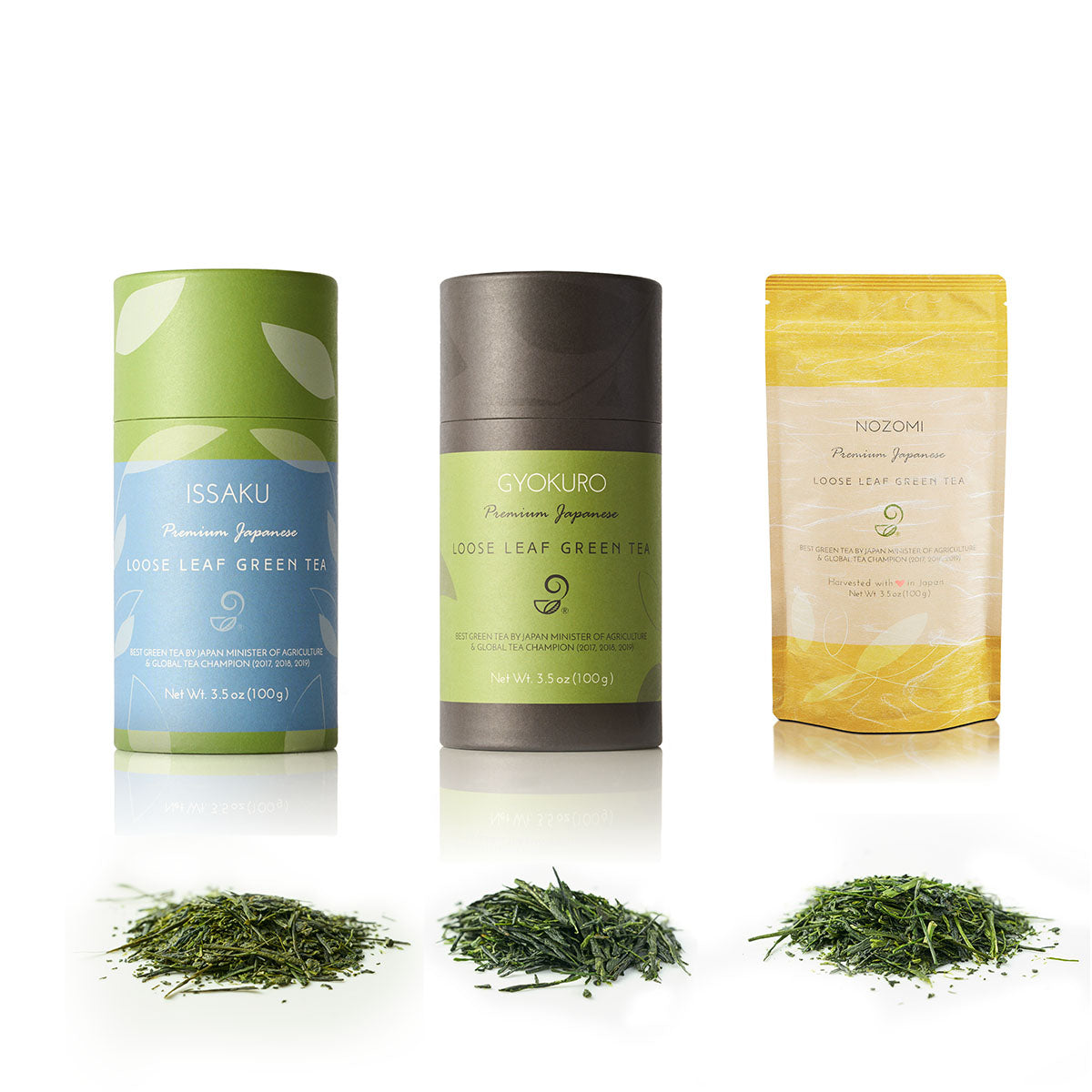
8 reviews
$179.00
$159.99
/
Quick view
The Sencha Lover Gift Set - Premium Japanese Green Tea Set Package





Get Free Bonus Books

Sign up for free to the Green Tea Club to get advice and exclusive articles about how to choose Japanese Tea, and tips, tricks, and recipes for enjoying Japanese tea.
About the author

Kei Nishida
Author, CEO Dream of Japan
Certification: PMP, BS in Computer Science
Education: Western Washington University


