


Matcha is increasingly becoming a favorite in the world of tea for many. Without question, part of its attraction is the myriad of use cases. However, matcha’s flavor and overall distinction from other teas such as sencha or gyokuro help further separate it as a unique and favorite tea. Many of you may already know some additional differences between matcha and other teas, but more specifically, what separates Benifuuki tea from matcha? Are there similarities? What are the differences? I want to spend a few minutes talking about these two teas. In part, this is an educational exercise, but more importantly, it may also help you see the value of these teas in a different way.
Tea: A Background
What exactly is tea? You may be surprised to know that chamomile or soba cha (buckwheat tea) is not actually tea. In fact, these two "teas" are infusions and not officially teas. All tea comes from a single plant. Odd, I know, but the plant we are talking about is called Camellia sinensis. While you may see Japanese fields of tea in neatly arranged rows, this plant grows like a mounded bush. Yes, it can develop flowers, and yes, it’s hard to imagine both matcha and gyokuro coming from this naturally brighter green-leafed plant.
The management and post-processing of leaves help define many of the teas you drink at your table. For example, Gyokuro gets its unique flavor profile and look from farmers shading the leaves for several weeks before harvest. Matcha, as you may well imagine, is the ground-up leaf of the plant. While both Gyokuro and matcha processes are more complicated than noted, the differences outlined here give you a glimpse into the flexibility of the "tea plant".
When we talk about Camellia sinensis, it's common to bring up different kinds of cultivars. A cultivar refers to a plant variety that has been produced by selective and purposeful breeding. Horticulturalists seek out various qualities in plants, in this case, Camellia sinensis, and seek to replicate those qualities through reproduction. In fact, cultivation techniques have been used to create all kinds of cultivars you may recognize, including the wheat and rice you find at the store.
What is Benifuuki tea?
Benifuuki, meaning "red riches and honor", is a cultivar of Camellia sinensis. Introduced to Japanese farmers in 1993, this cultivar has larger flowers and leaves than the most common Japanese cultivar, Yabukita. Further, it generally has a higher yield and is not shaded like Gyokuro mentioned above. The chemical makeup and sunlight allow for a higher catechin count. While slightly more bitter than its Japanese tea counterparts, it's possible to attain a balance in flavor with each drink. From a health perspective, however, the more bitter, the better.

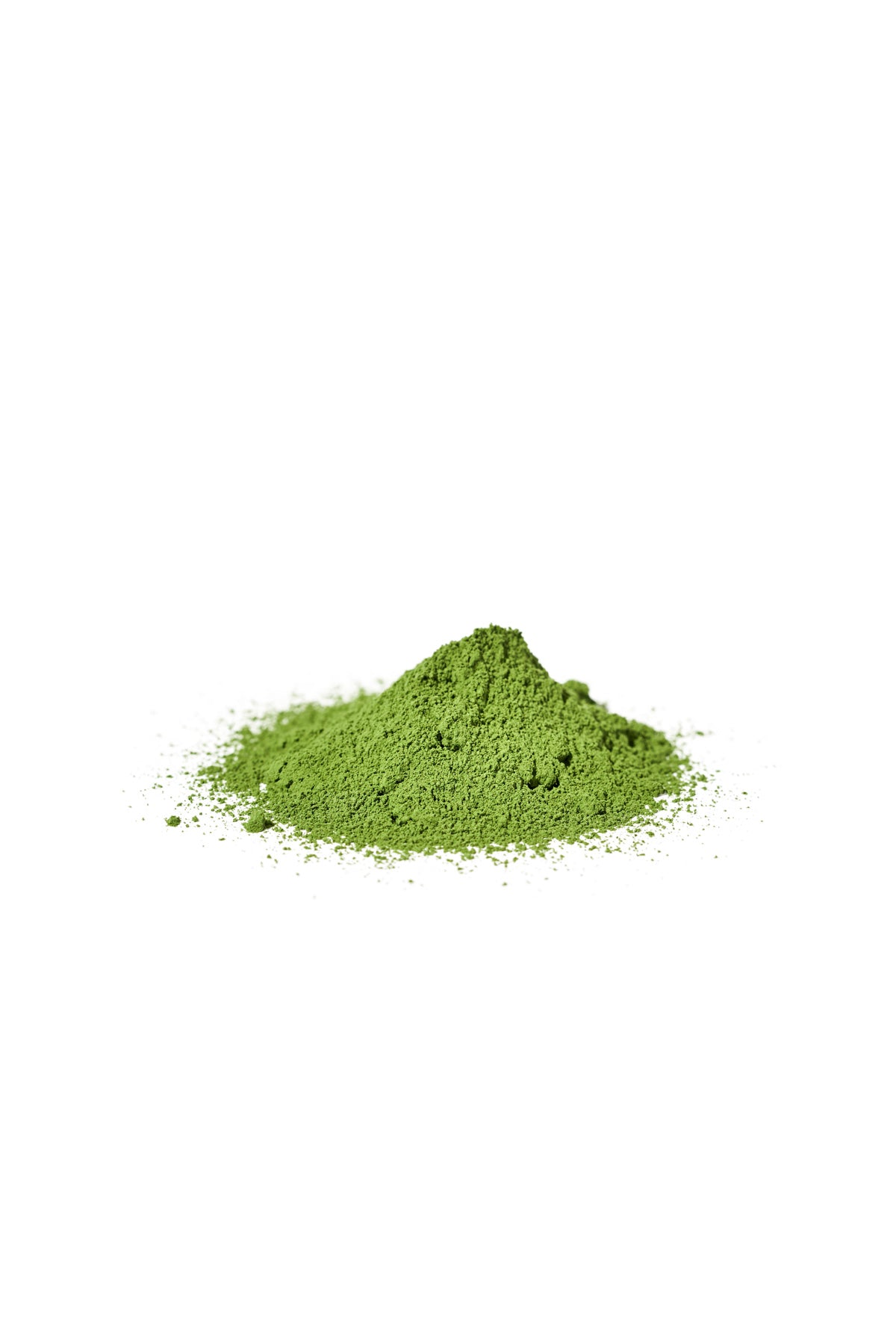
Benifuuki tea, like many other Japanese green teas, is harvested and picked. The leaves are similar to those of many other cultivars at first glance. However, Benifuuki tea leaves are often stored for several months, which increases their catechin content (see below). The tea is fermented at lower temperatures. The tea is then steamed, rolled, and pressed, and then gently ground into a fine, matcha-looking powder.
Its biochemical makeup includes unique benefits. There are several types of catechins: the more common and the rarer. The more common catechins are found in many green teas and include (-)-epicatechin (EC), (-)-epigallocatechin (EGC), (-)-epicatechin-3-gallate (ECG), and (-)-epigallocatechin-3-gallate (EGCG). The most abundant is that of EGCG (approx. 60%), then EGC (approx. 20%), then ECG (approx. 14%), and lastly EC (6%). Benifuuki, for example, contains the highest concentrated amount of EGCG, averaging approx. 10.1% EGCG, while the most common cultivar in Japan, Yabukita, averages approx. 7.7% EGCG. But what does this mean for my health? EGCG, for example, and its specific, unique application to green teas have been shown to help alleviate allergies as well as support the prevention of infections.
I have also mentioned "rarer" catechins. These catechins are methylated catechins. Benifuuki contains epigallocatechin-3-O-(3-O-methyl) gallate, or EGCG3 "Me," and epigallocatechin-3-O-(4-O-methyl) gallate, or EGCG4 "Me," catechins. But what makes these catechins stand out? They’re more potent, and higher levels of these catechins are found in Benifuuki. These catechins have been shown to be more potent than the catechins noted above. If you are looking for the perfect allergy tea, it’s hard to miss the health benefits of Benifuuki. In fact, the greatest concentration of EGCG3 "me" is found in the fall and winter harvests.
In combination with its unique catechin makeup, Benifuuki tea also includes hydrolyzable tannins. This helps solidify the tea as an anti-allergic tea to help with hay fever, dermatitis, histamine reduction, etc.
What is matcha?
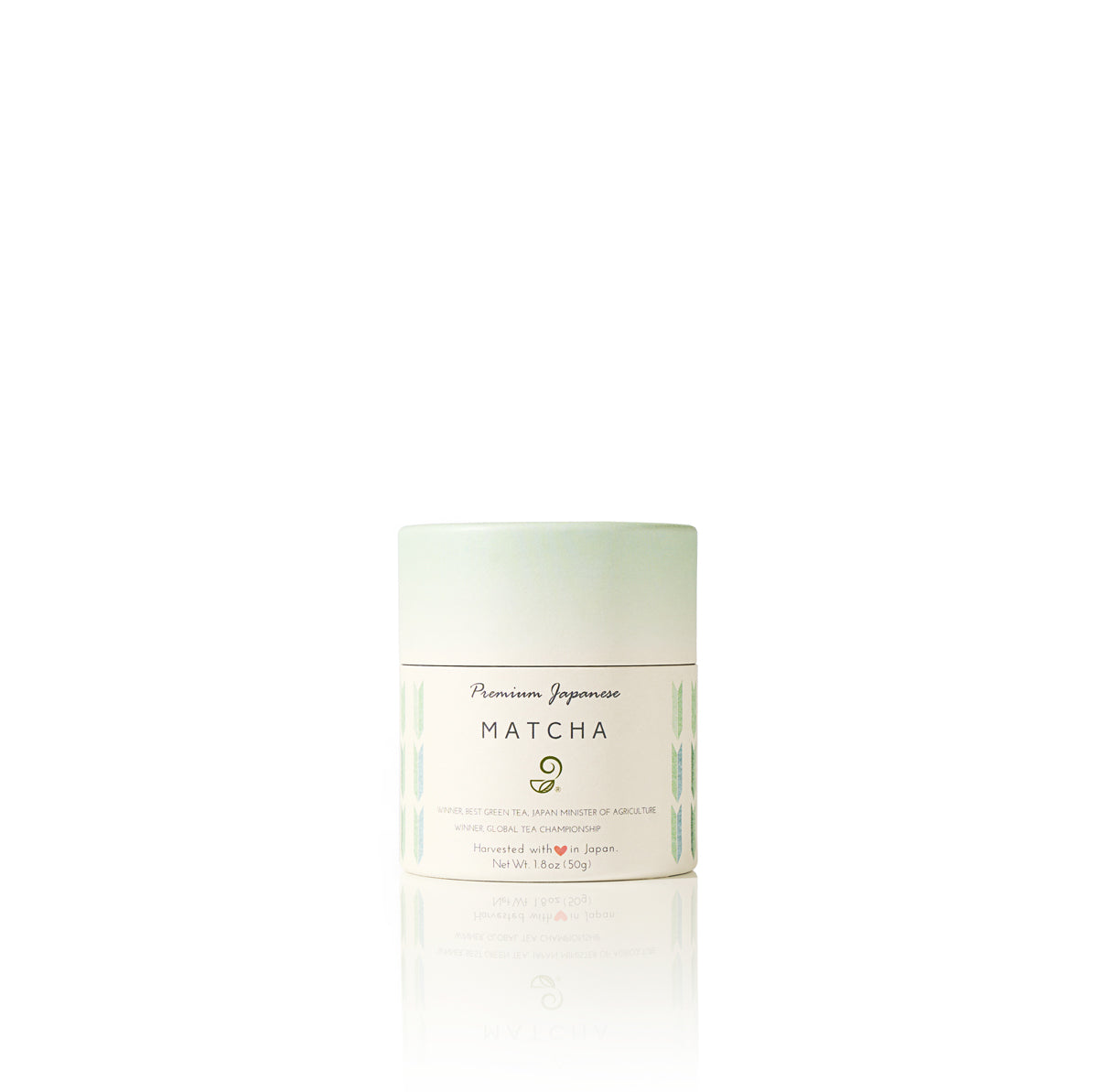
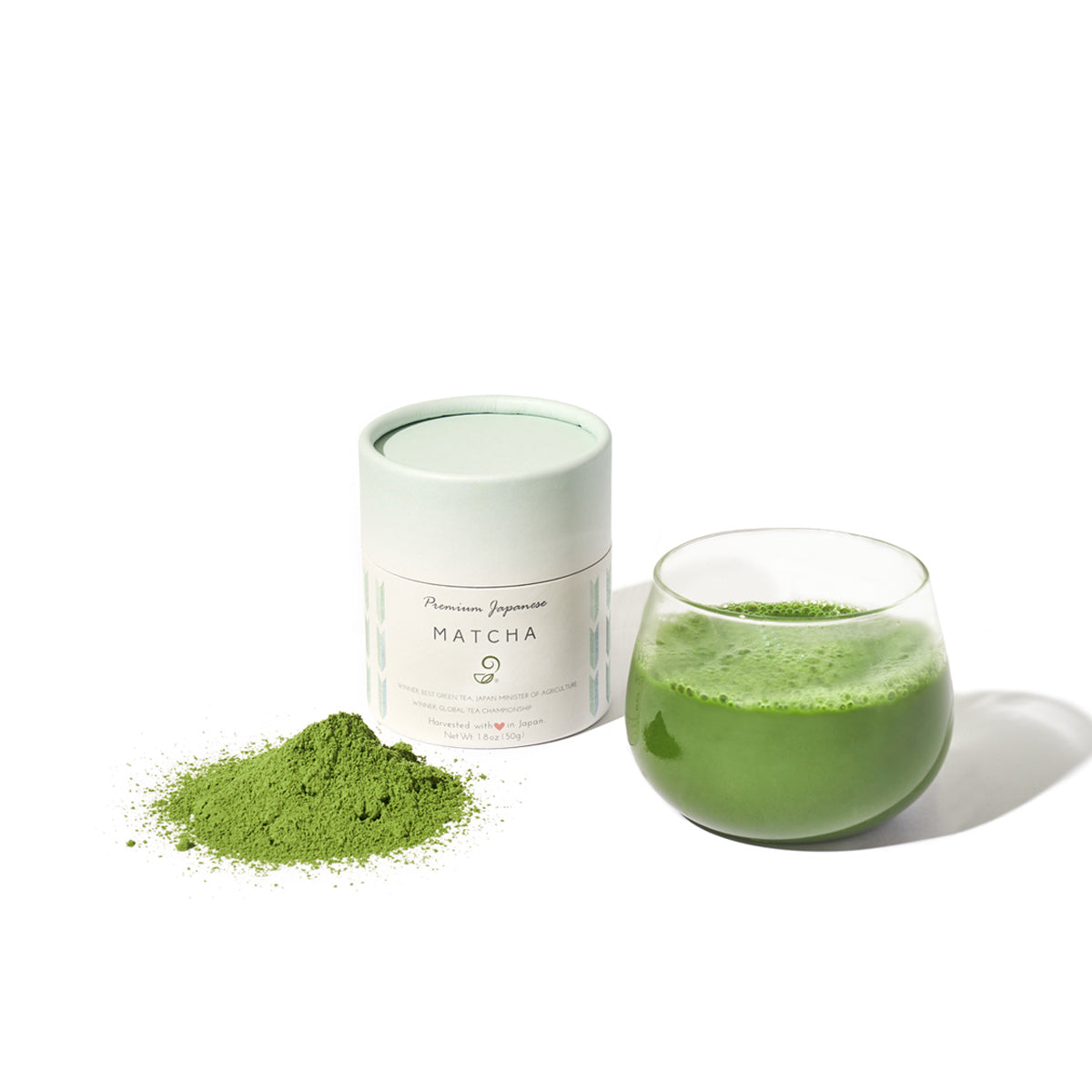
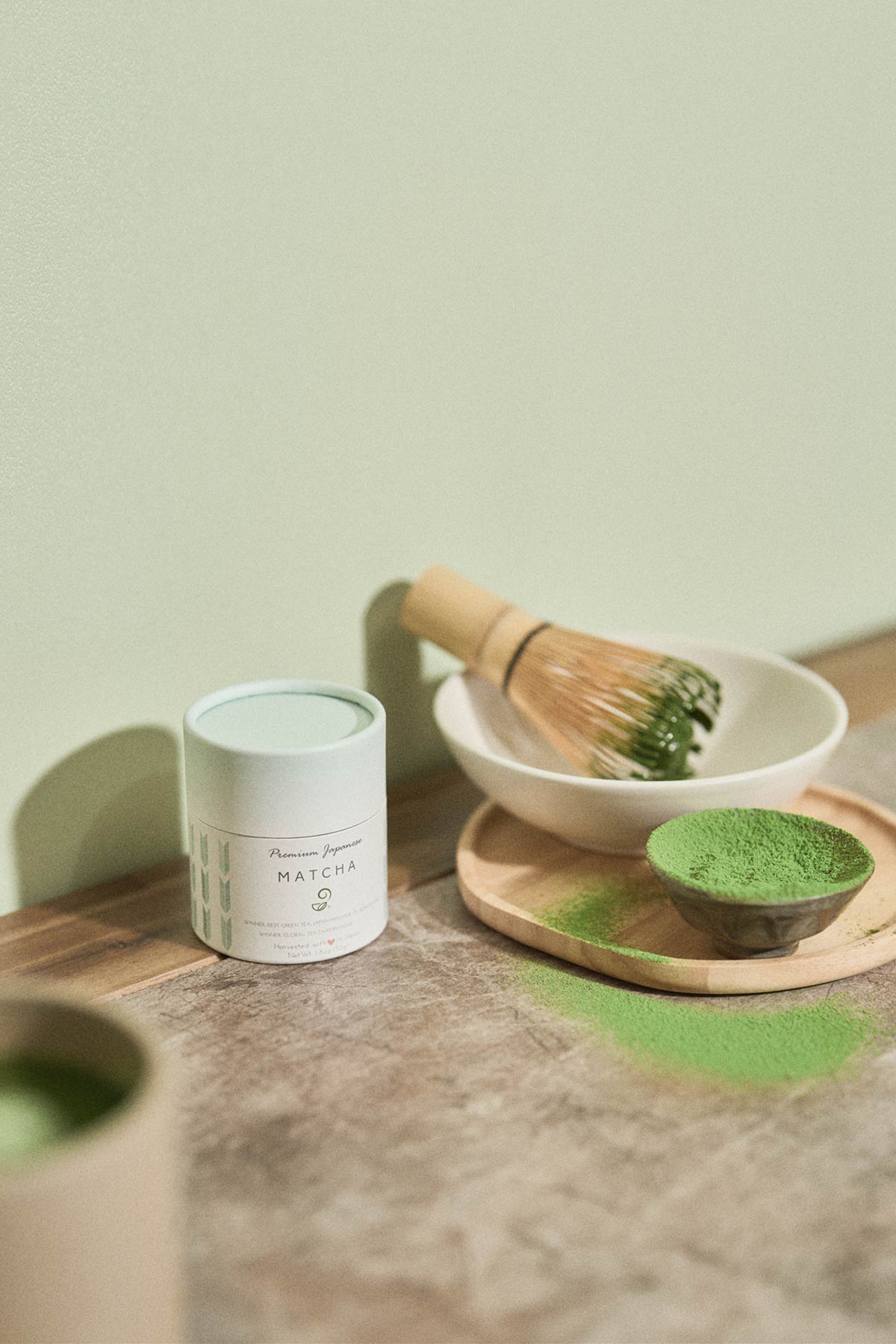
Yes, we all know the beautiful powder that is matcha. Let’s take a few minutes to understand where matcha comes from and how it differs from Benifuuki.
Tencha is the leaf used to make matcha. Ten means "mortar," and cha, of course, refers to "tea" (genmaicha, sencha, etc.). In terms of growing, tencha is also shaded for approximately 3 weeks, and then harvested. Once harvested, tencha leaves are stemmed. The leaves are then dried. Unlike other teas, such as gyokuro, the leaves are not kneaded. This is primarily to ease the removal of steam and to help attain a flat leaf for matcha production. If one were to make matcha out of the recently picked tencha leaves, the tencha would then be de-stemmed and graded. This process includes deveining and destemming the leaves in order to ensure quality. The remaining leaves are graded and grounded slowly.

While both Benifuuki and matcha are derived from Camellia sinensis, matcha is not produced from Benifuuki’s cultivar. In regards to taste, higher-grade matcha is often smoother and easier to drink. Benifuuki isn’t often applied to the world of baking or added as a latte ingredient. It’s known more as a "support" tea than an all-purpose tea.
Matcha does, however, include a number of notable health benefits. One of the missing components of Benifuuki tea is the absence of a variety of nutrients you can find in other Japanese green teas. Matcha, on the other hand, contains many of the catechins discussed above, but not all of them. It contains a majority of EGCG, L-theanine, fiber, vitamins C and A, potassium, and amino acids. L-Theanine is unique in some respects due to its ability to promote relaxation and improve brain functioning. While it's relatively common in tea, this amino acid may be several times more concentrated in matcha. In other words, matcha is healthy for slightly different reasons.
Should I compliment these two teas?
Hopefully, the health benefits discussed today have provided a snapshot into the world of matcha and Benifuuki. They complement each other, depending on your needs. As you can guess, teas have all kinds of added benefits and unique properties. Part of exploring the world of tea is understanding the research behind it all. While this article doesn’t provide every detail relating to catechins or L-theanine, the conclusions should help. Keep this in mind the next time you’re shopping for tea; who knows, maybe a couple of drinks of Benifuuki and/or matcha will help stave off those allergies that don’t seem to go away.
What is Benifuki Tea? Explained in One Minute
Click here to jump to the Youtube Video
Related products


56 reviews
$30.00
$25.99
/
Quick view
Benifuuki - Allergy Relief Japanese Green Tea Bags (30 tea bags)
38 reviews
$17.00
$15.99
/
Quick view
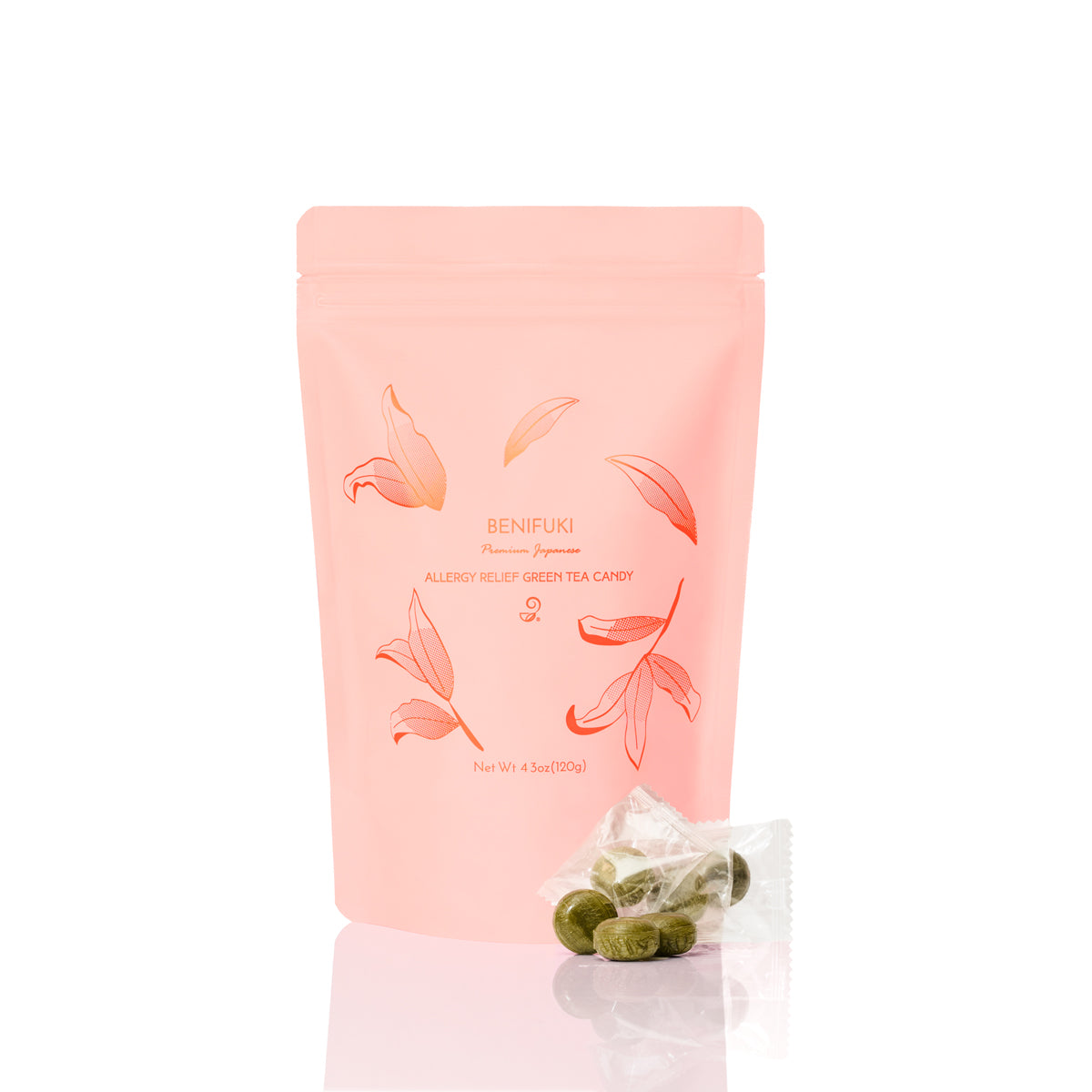
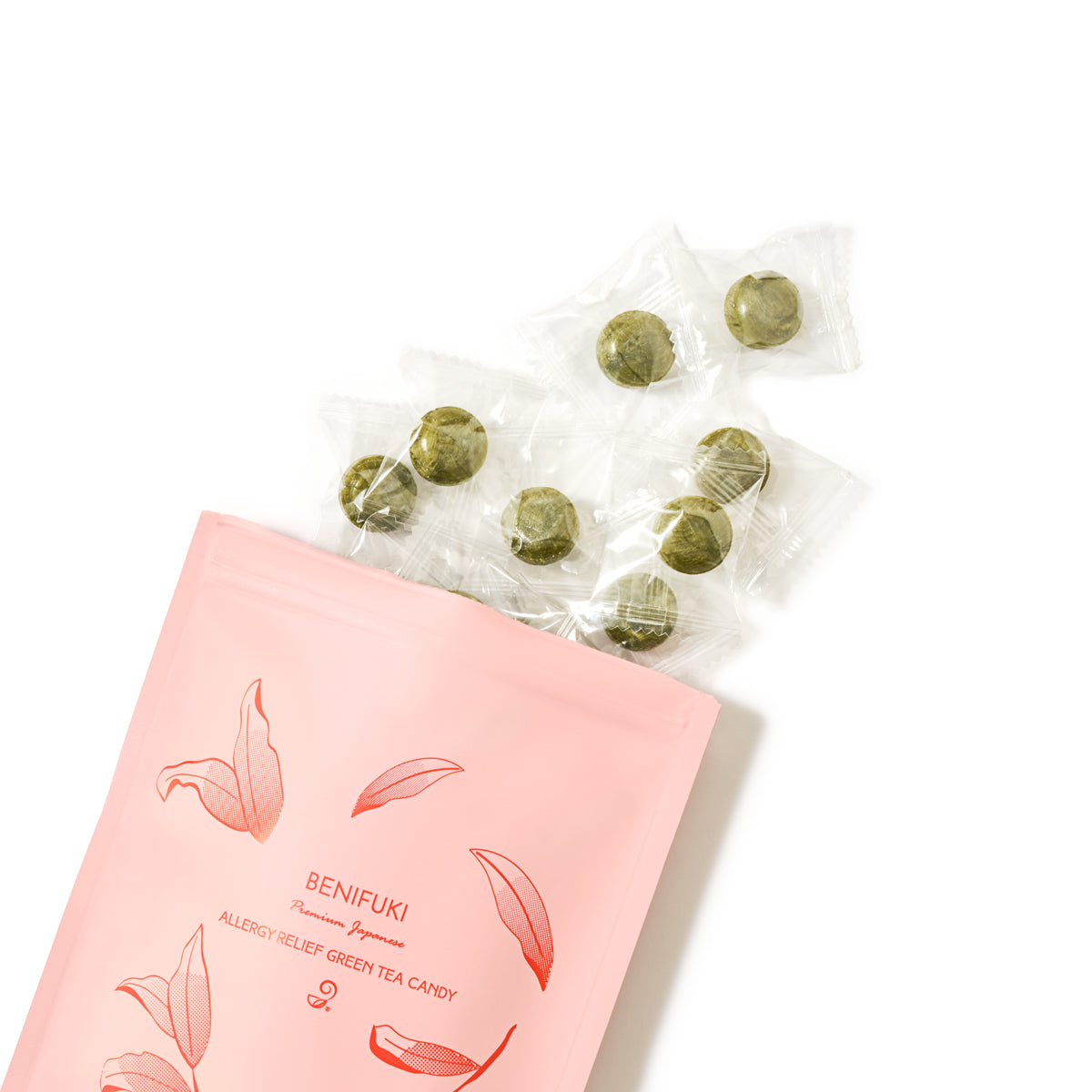
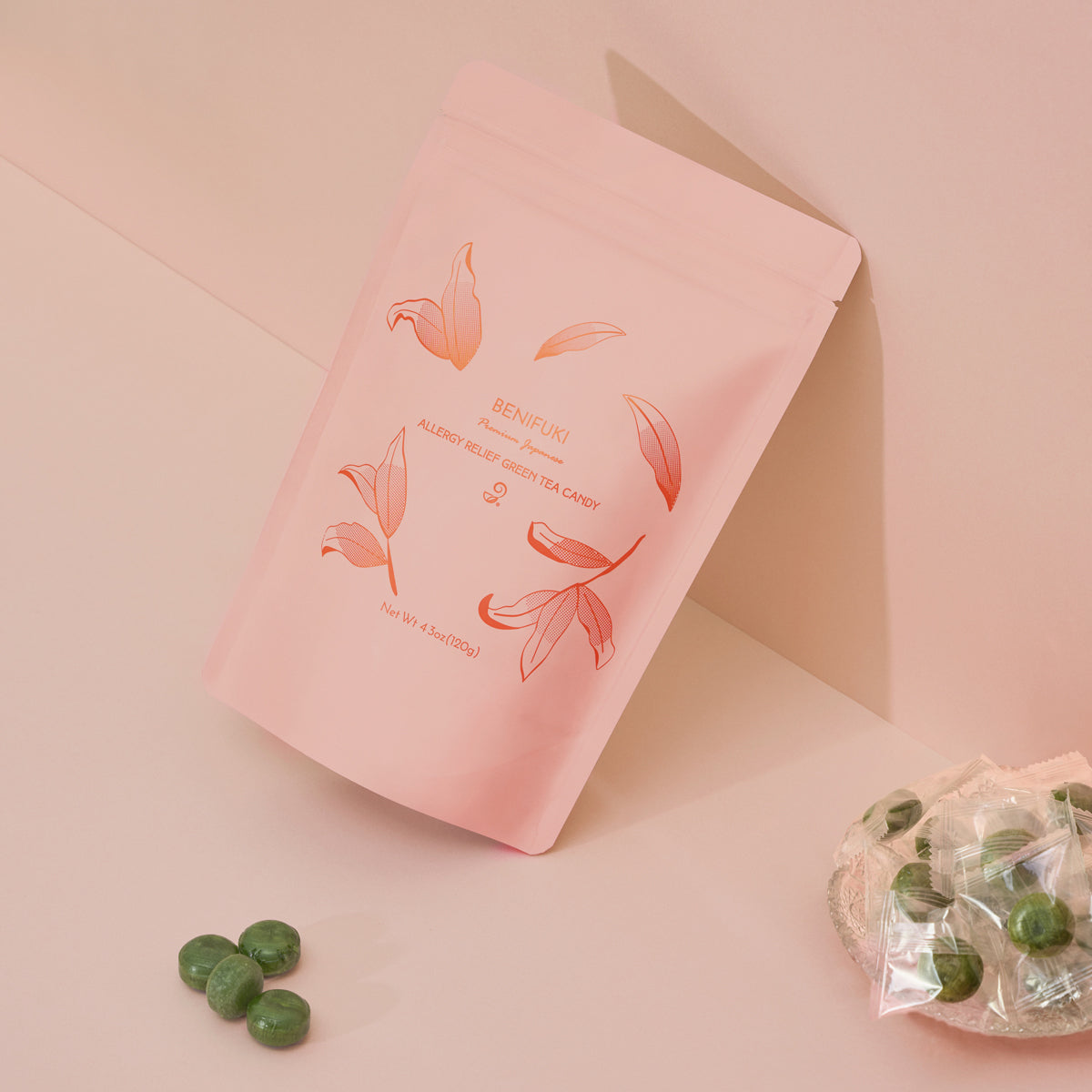
Benifuuki - Allergy Relief Japanese Green Tea Candy (30 Candies)




Get Free Bonus Books

Sign up for free to the Green Tea Club to get advice and exclusive articles about how to choose Japanese Tea, and tips, tricks, and recipes for enjoying Japanese tea.
About the author
Kei Nishida
Author, CEO Dream of Japan
Certification: PMP, BS in Computer Science
Education: Western Washington University
Kei Nishida is a passionate Japanese green tea connoisseur, writer, and the founder and CEO of Japanese Green Tea Co., a Dream of Japan Company.
Driven by a deep desire to share the rich flavors of his homeland, he established the only company that sources premium tea grown in nutrient-rich sugarcane soil—earning multiple Global Tea Champion awards.
Expanding his mission of introducing Japan’s finest to the world, Kei pioneered the launch of the first-ever Sumiyaki charcoal-roasted coffee through Japanese Coffee Co. He also brought the artistry of traditional Japanese craftsmanship to the global market by making katana-style handmade knives—crafted by a renowned katana maker—available outside Japan for the first time through Japanese Knife Co.
Kei’s journey continues as he uncovers and shares Japan’s hidden treasures with the world.
Learn more about Kei

