Skip to content

How Tea Improves Memory and Concentration

How Tea Improves Memory and Concentration

If you experience issues when it comes to memory and concentration, you may be interested in hearing about anything that can provide relief for these concerns. There have been many studies conducted about tea and its role in memory. Read this article to learn more about this connection and whether tea may be able to help you improve your memory and focus.

Which Tea is Best?

There are a few types of tea that you may decide to drink. The most popular types are green tea and black tea. Either one of these teas can be beneficial to your health for several different reasons. Read this article on green tea, and you may learn something you weren’t aware of concerning this very popular beverage. Moreover, you might want to check out other articles and sites for additional information on tea, how to make it, and the purported benefits related to drinking it.

Are Memory Issues a Cause for Concern?

Before you determine if you need to start drinking tea or try other ways to improve memory and concentration, you may wonder if these problems are something to be concerned about. The answer is yes. The Mayo Clinic suggests that you seek medical advice if you are experiencing memory issues and are worried about them. There may be something going on with your health that needs to be addressed, such as a health condition or a prescription side effect. Memory issues may also be associated with mental conditions. After you meet with your doctor, you should consider reaching out for mental health support as well. You can check out this article on therapy to learn more about online therapy, so you will have a better understanding of the options that may be available to you.

Tea for Memory and Concentration

After you talk to healthcare professionals, there are other ways you can investigate to improve memory and concentration. For instance, there is evidence to indicate that tea can be beneficial for your memory. Science Daily featured a study that explained how drinking a couple of cups of tea a day can improve memory. The study also found that tea, both green and black varieties, might be able to be utilized in the treatment of Alzheimer’s in the future. It may be a good idea for you to drink tea if you are interested in improving your memory. Tea isn’t a cure for memory issues, but it might be able to help you, so it is worth trying if you already like tea and have access to it.

Many types of tea can provide you with hydration, a bit of caffeine, and other antioxidants that are beneficial for your health and immune system. These are all reasons to consider when you are thinking about drinking tea or drinking more tea than you already do.

Other Ways to Improve Memory

In addition to adding more tea to your routine, there are a few more things you can incorporate into your life to help you improve your memory.

  • Sleeping at night. When you are able to sleep soundly at night, this can help you have the energy to get through the next day. Sleeping also gives your body an opportunity to rest, so you may be able to think clearly and make informed decisions when you are consistently getting the proper amount of sleep. Chances are, you notice a difference in your day when you get enough sleep compared to when you do not. When you are tired, you might feel sluggish or worn down and not want to do much at all.

  • Eating right. Your diet can also play a large role in whether you are able to remember things. For instance, if you have the resources to cook and eat healthy meals consistently, you may have a better memory than someone who eats takeout most of the time. Overall, you should do what you can to get foods that contain nutrients on your plate.

  • Taking supplements. If you are unable to get all your vitamins through the food you eat, you should consider looking into certain supplements to fill in the gaps. This is something you can talk to your doctor about. They may also be able to suggest supplements that are thought to be beneficial to preventing memory loss.

  • Exercising. Getting exercise is another thing that might improve your memory. When you exercise, it allows you to get your body moving instead of staying still. This should signal your body to release hormones or other chemicals that can help you think better. Moreover, it can help you burn calories as well as offer a positive boost to your mood.

  • Staying in the moment. Anytime you are having trouble concentrating or focusing on a task, you must be sure to stay in the moment. In other words, pay attention to what you are working on. To do this, you might have to limit distractions or work in a quiet room away from others. If you are studying, you can benefit from listening to classical music in headphones to help you stay focused. You can take breaks from your work when you need to or if you find that you are having difficulty focusing, and then get back to it after a few minutes of relaxing.

    Overview

    Tea has been studied for its possible benefits when it comes to memory and concentration, so you can consider increasing how much tea you drink when you are worried about your memory. This isn’t the only solution, however. Be sure to speak to your doctor so medical reasons can be ruled out. You may also talk to a counselor if you feel that you need to. Besides that, you can make healthy changes to your diet and routine for the best chance at improving your health. Be sure to always pay attention to what you are doing, especially when you are working on something important. Being mindful of the task at hand can go a long way. Together, these things may make a notable difference in your memory and allow you to concentrate better.

    About the Author

    Marie Miguel 

    Marie Miguel

    Marie Miguel has been a writing and research expert for nearly a decade, covering a variety of health-related topics. Currently, she is contributing to the expansion and growth of a free online mental health resource with BetterHelp.com. With an interest in and dedication to addressing stigmas associated with mental health, she continues to specifically target subjects related to anxiety and depression.

    FAQs about Tea, Memory, and Concentration

    Does green tea actually improve memory, or just keep me awake?

    Both, with measurable evidence. The acute alertness comes from caffeine. The memory-specific improvement comes from L-theanine + caffeine working together — multiple studies show that the combination improves working memory and attention span performance compared to either alone or to placebo. The combination is genuinely synergistic for cognitive tasks.

    Sustained daily green tea consumption may also support long-term cognitive function. EGCG has documented neuroprotective effects in animal studies, and large epidemiological studies show modestly slower cognitive decline in regular green tea drinkers compared to non-drinkers. Effect sizes are small but real over years of consistent intake.

    Practical: green tea won't make you smarter. It will make you more effective for the time you're working — better focus, less context-switching, slightly better recall on cognitive tasks. The compound effect over years adds up. Daily practice matters more than occasional use.

    What's the optimal tea-and-cognitive-task timing?

    Drink 30-45 minutes before the cognitive work. Caffeine peaks around 30-60 minutes after ingestion; L-theanine takes about 30-60 minutes to reach peak brain levels. Both compounds align around the 30-45 minute mark, which is when the cognitive benefit is strongest.

    For sustained work (multi-hour writing, coding, study, research), follow-up cups every 90-120 minutes maintain the effect through the work session. Drinking continuously without pauses doesn't help and can produce stomach issues; let each cup do its work before adding more.

    Avoid drinking tea during the cognitive work itself unless you genuinely enjoy the ritual break. The act of drinking is a small distraction from the focus state you're trying to maintain. Better to drink between work blocks (during a Pomodoro break, between meetings) than continuously through a single block.

    Is matcha better than steeped tea for memory and concentration?

    Higher concentration of relevant compounds, similar mechanism. The matcha (抹茶) delivers about 3x the L-theanine and 2-3x the caffeine of an equivalent cup of steeped sencha. So per-serving, matcha is more efficient for cognitive support.

    The trade-off is the higher caffeine load if you're caffeine-sensitive. Some people find one bowl of matcha is too much for any single cognitive session and prefer the gentler dose-spreading of steeped tea throughout the day. Match the intensity to your tolerance and task duration.

    My typical pattern for high-cognitive-demand days: morning matcha (peak focus + L-theanine for the most demanding work block), afternoon sencha (sustained focus through the rest of the day), evening hojicha (low-caffeine ritual that doesn't disrupt sleep). Three teas covering three windows.

    Modestly, in the long-term. Several large epidemiological studies show that older adults with sustained daily green tea consumption (3+ cups daily for 10+ years) experience slower cognitive decline rates than non-drinkers. Effect size is small but consistent across studies.

    The mechanism is probably multi-factor: chronic anti-inflammatory action reducing brain-related inflammation that contributes to cognitive aging, antioxidant action reducing oxidative stress on neurons, and possibly some specific neuroprotective effects of EGCG that have been demonstrated in animal models.

    This isn't a treatment for dementia or Alzheimer's. People with diagnosed cognitive decline shouldn't expect green tea to reverse the trajectory. Earlier is better — starting daily green tea practice in middle age has more potential cumulative benefit than starting after cognitive decline has already begun. Prevention rather than treatment.

    Are there L-theanine supplements that work better than tea for memory specifically?

    Pure L-theanine + caffeine combinations sold as study or focus supplements (Lift Mode, certain nootropics) work the same way as tea + theanine in tablet form. Effective and convenient if you want focus support without the tea ritual.

    What you lose with supplements: the catechin antioxidant load that contributes to long-term cognitive support, the act-of-brewing pause that itself functions as a cognitive reset between work blocks, and the cultural depth of tea practice that some find meaningfully different from popping pills.

    Practical: tea is better for daily lifelong cognitive support. Supplements are useful when you specifically need maximum focus for a high-stakes task (exam, presentation, deadline) and don't want to drink the volume of liquid that 4-5 cups of tea would require. Different tools for different occasions.

    Related products

    8 reviews

    The Sencha Lover Gift Set - Premium Japanese Green Tea Set Package
    $179.00 $159.99
    Quick view

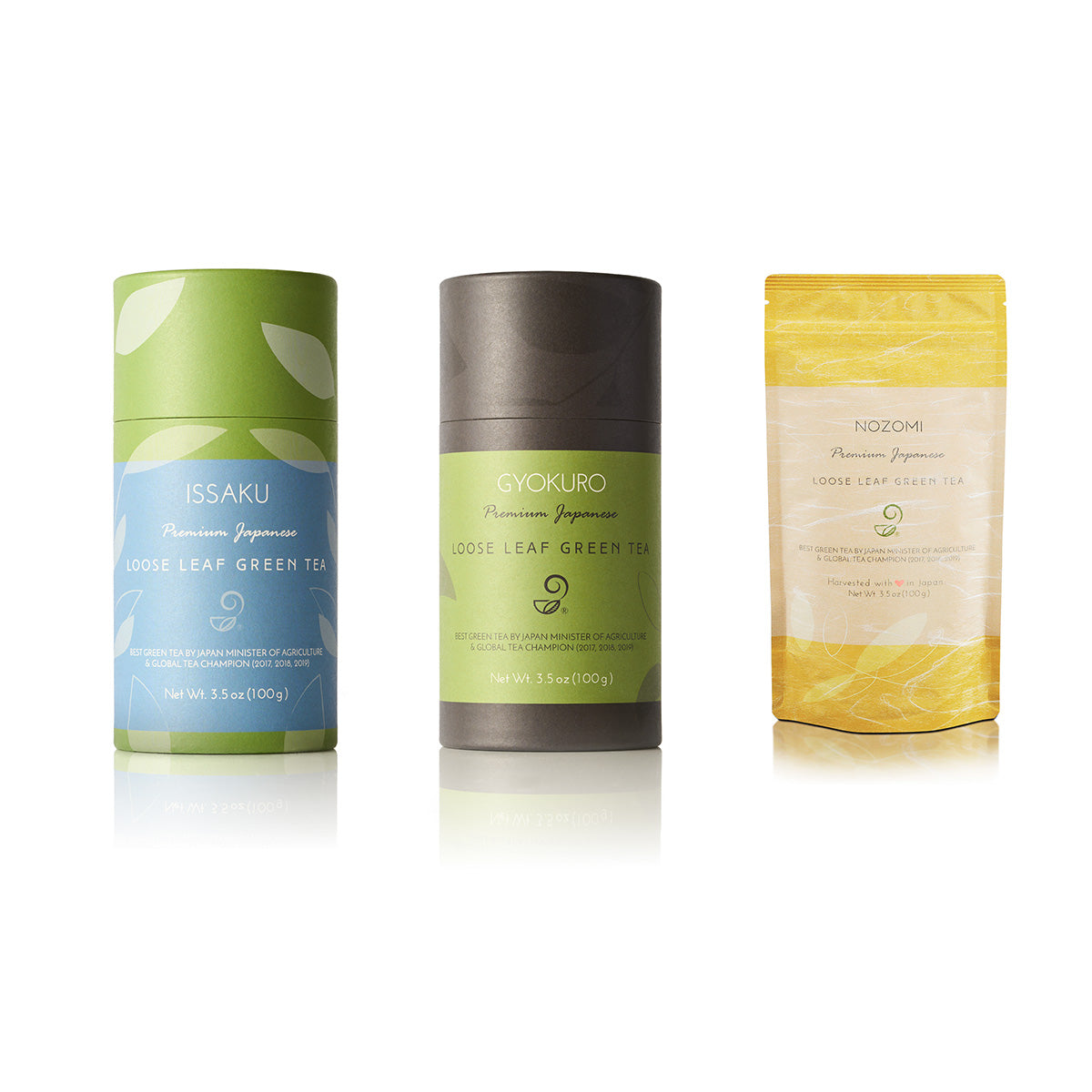
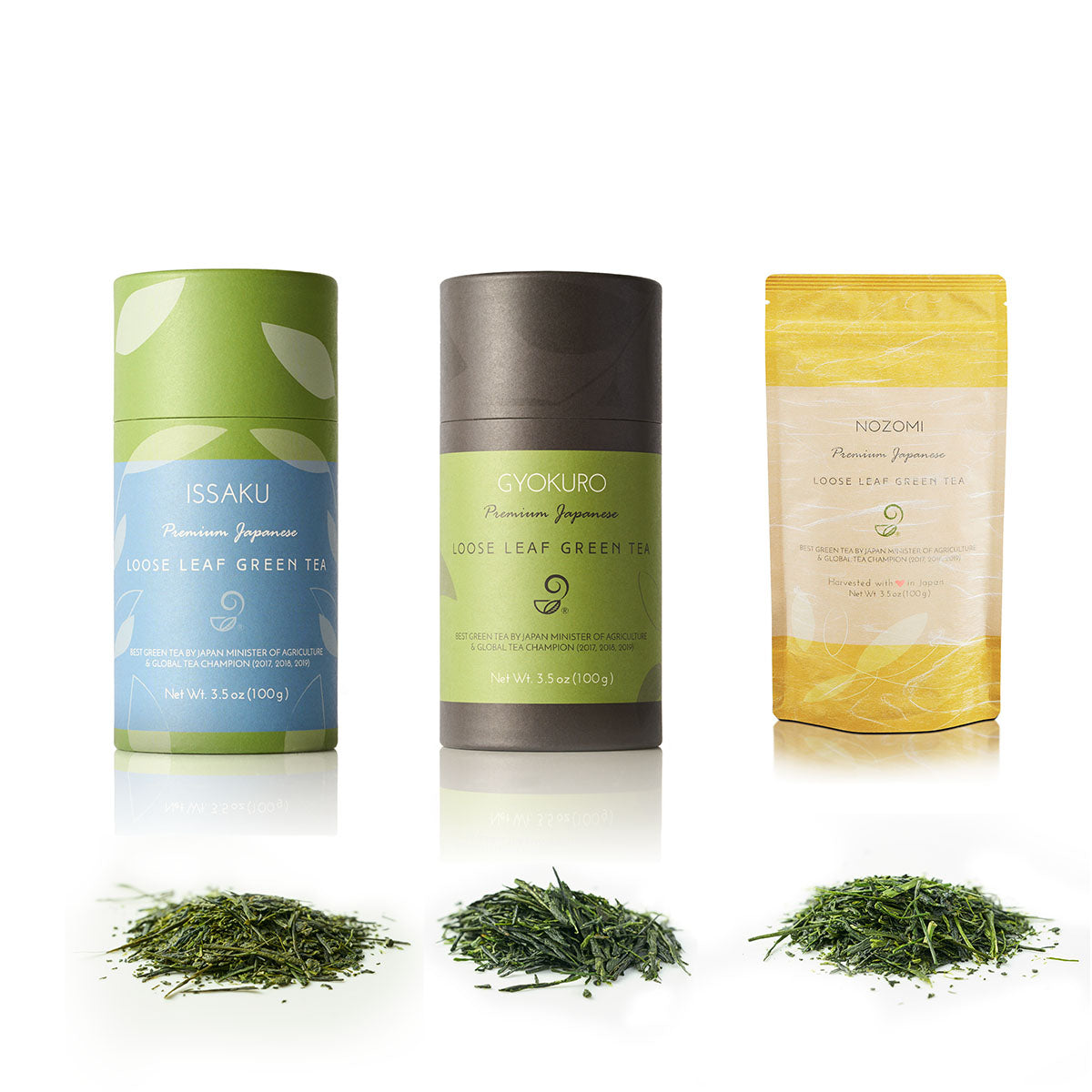
    This tea set features three exceptional Japanese green teas, each crafted with care and traditional techniques. Issaku Reserve, a Global Tea Champion winner in 2017 and 2019, is a rare masterpiece created by Farm Master Mr. Arahata at Arahataen Green Tea Farm. Handpicked once a year from the first flush and processed with advanced methods, Issaku represents the highest-grade deep-steamed green tea, available only in limited quantities even in Japan.

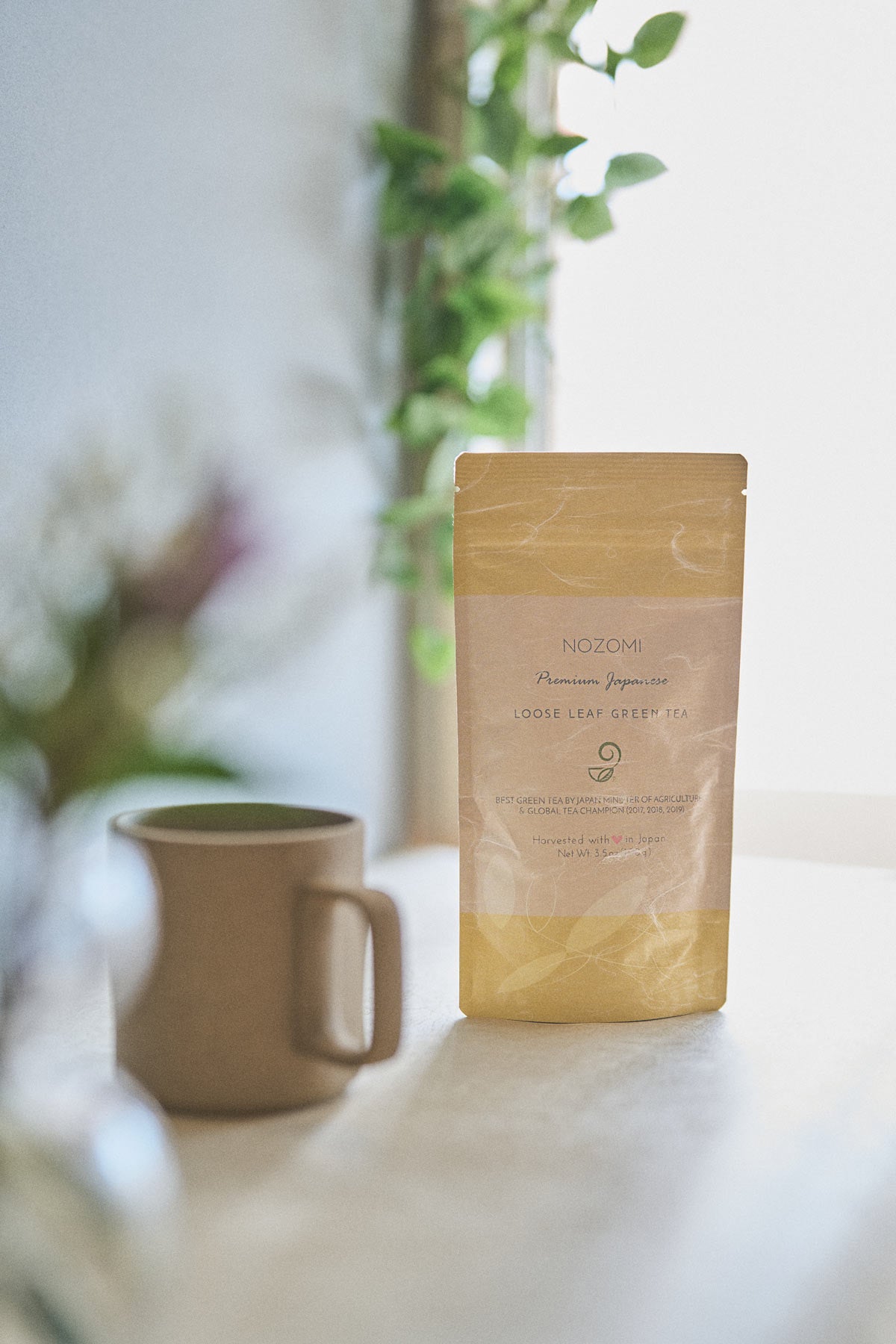
    The set also includes Gyokuro, a premium shaded green tea known for its rich, sweet flavor and deep mossy green color. Grown under special mats for 20 days to increase caffeine and amino acid levels, Gyokuro offers a layered, smooth taste unlike any other. Completing the collection is Nozomi, a fine Kabuse-cha, or "Covered Green Tea," carefully grown under nets to gently shade the leaves just before new sprouts emerge, resulting in a soft, rich, and refined flavor profile.

    97 reviews

    Gyokuro - Shaded Imperial Premium Green Tea

    $65.00
    Quick view

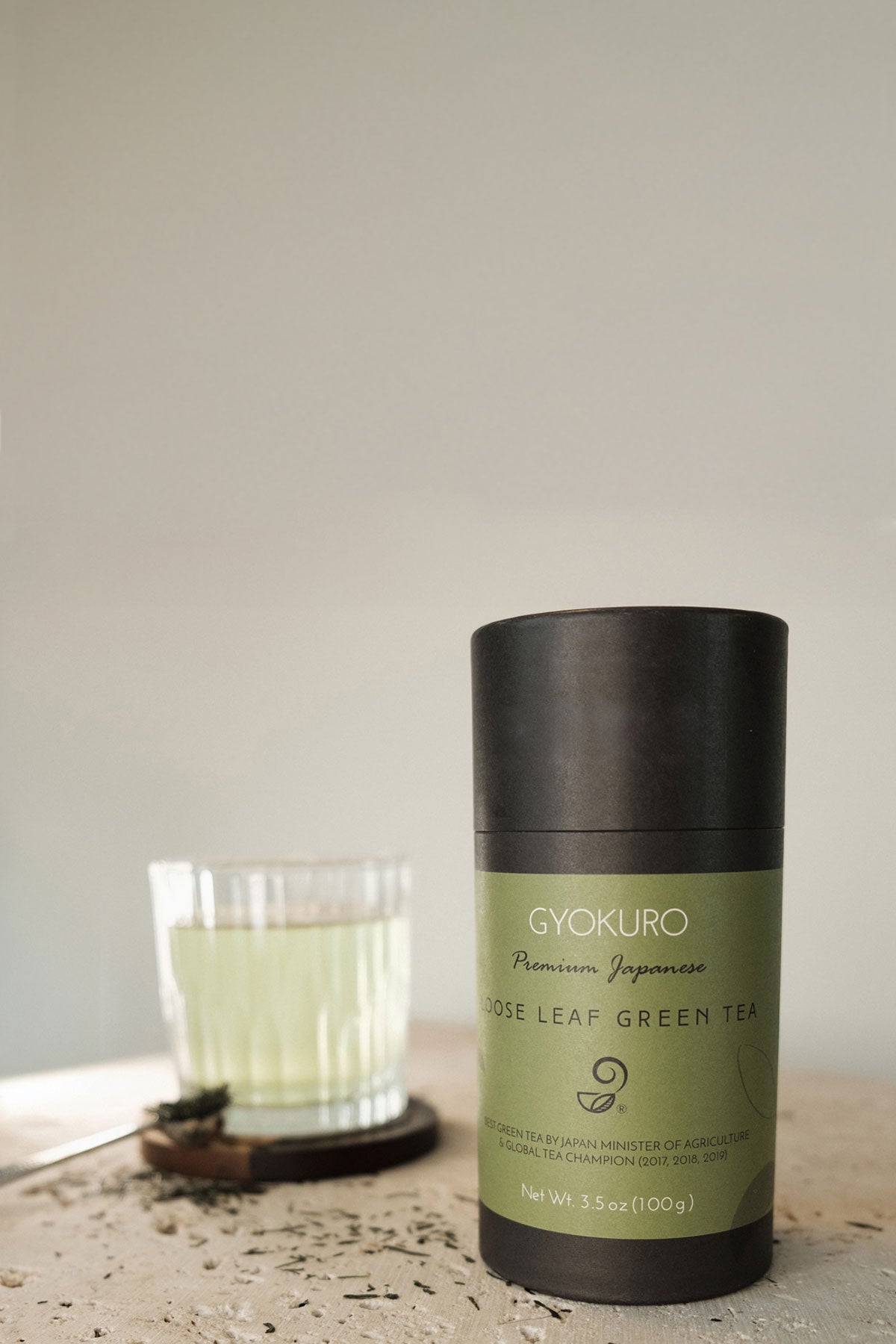
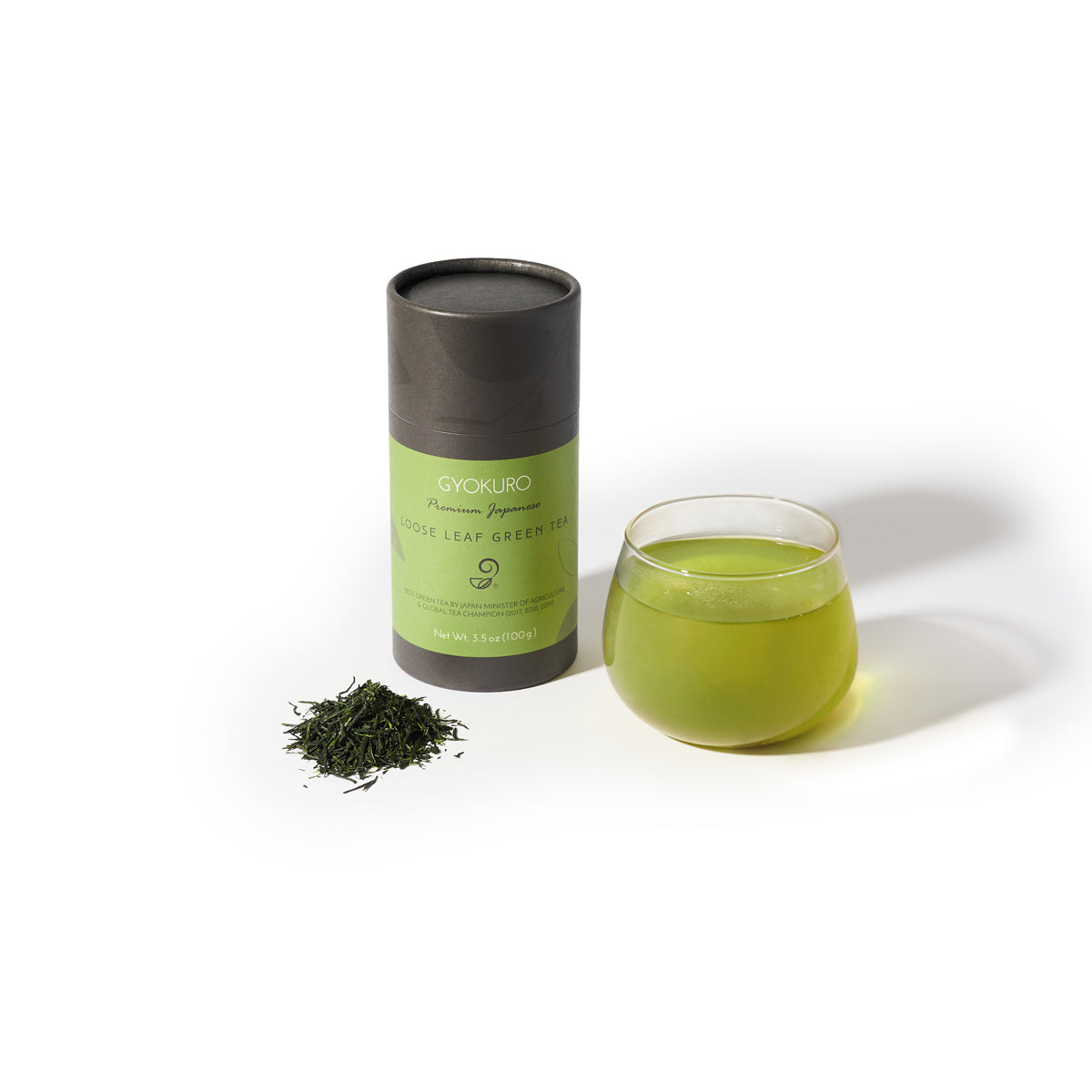
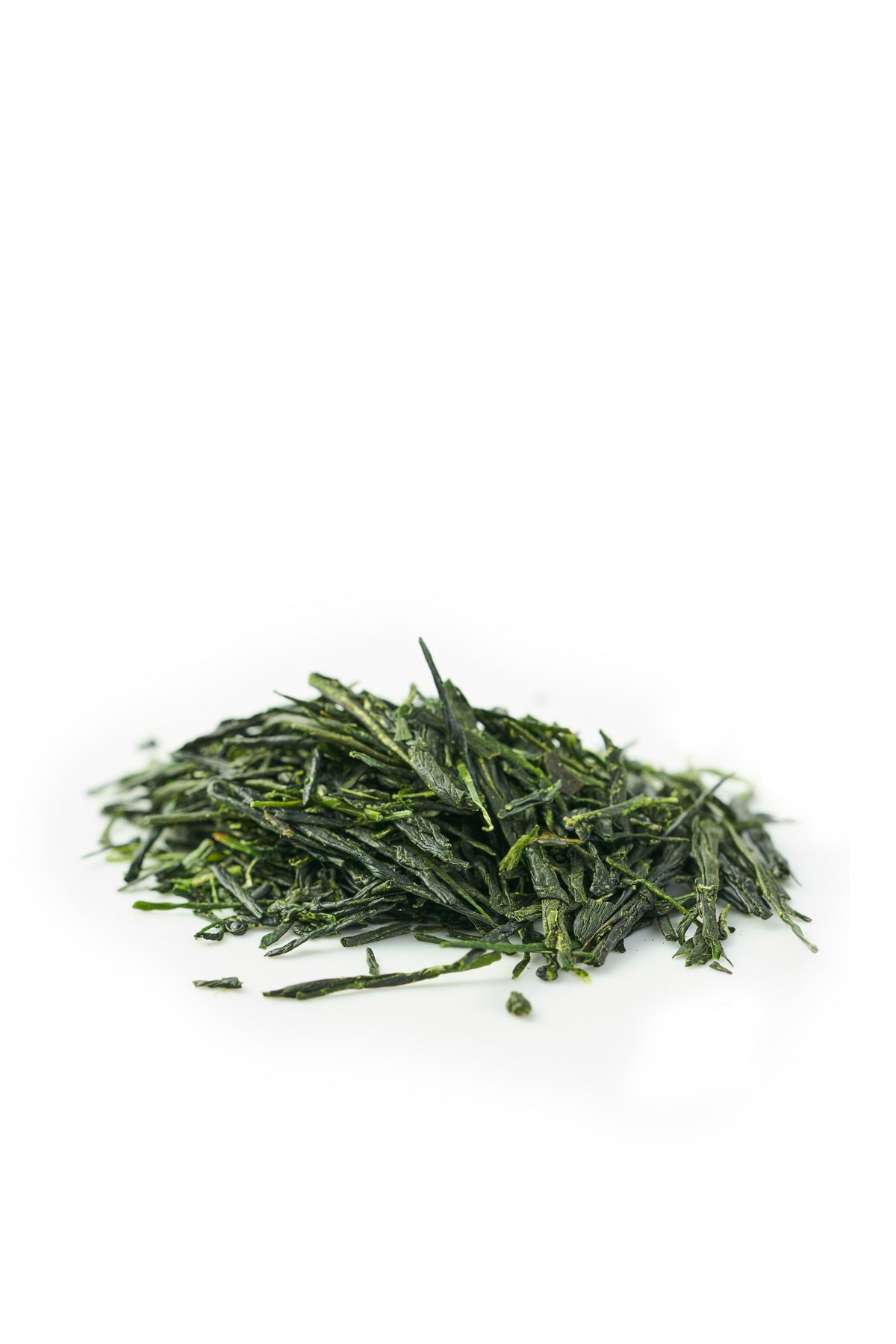
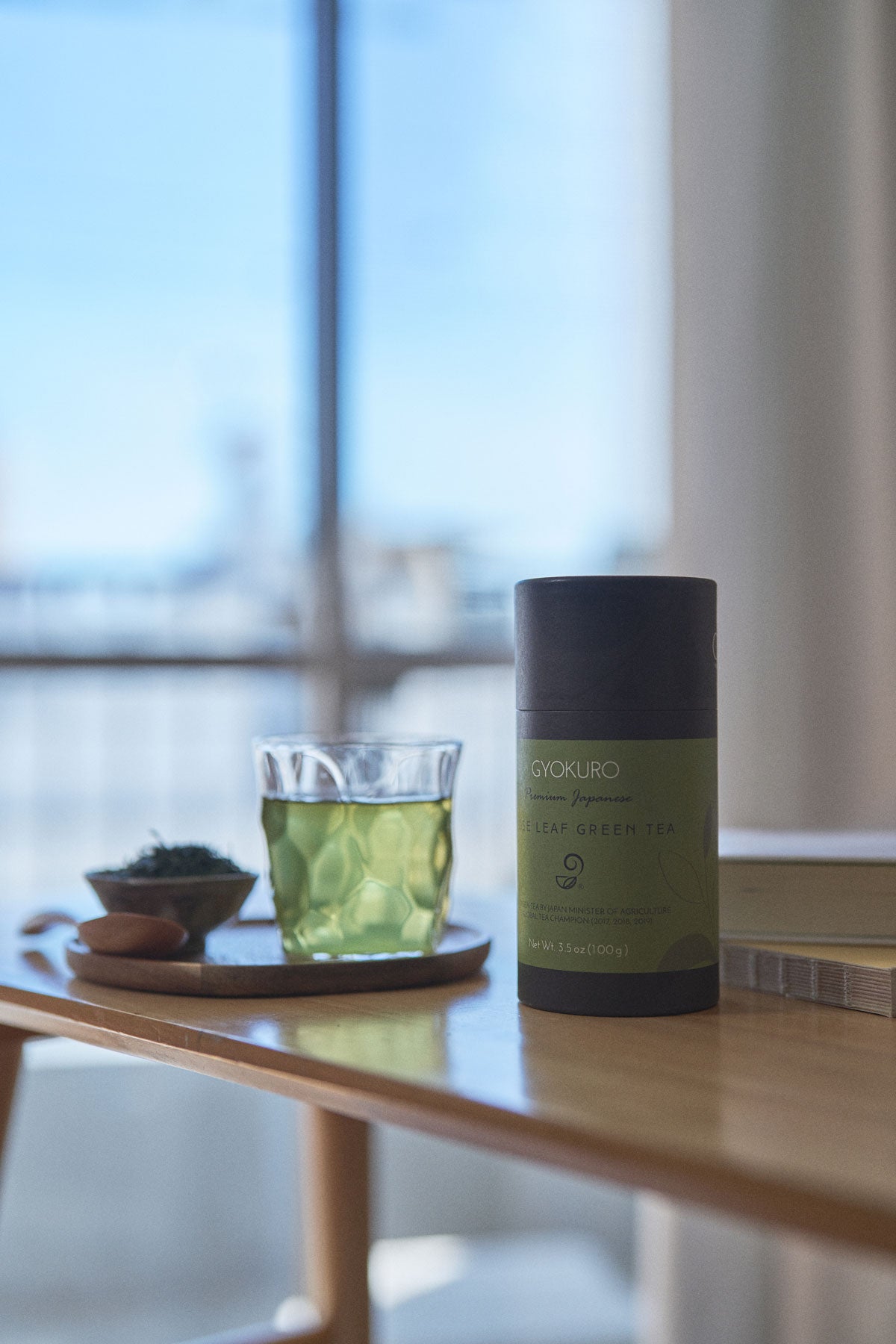
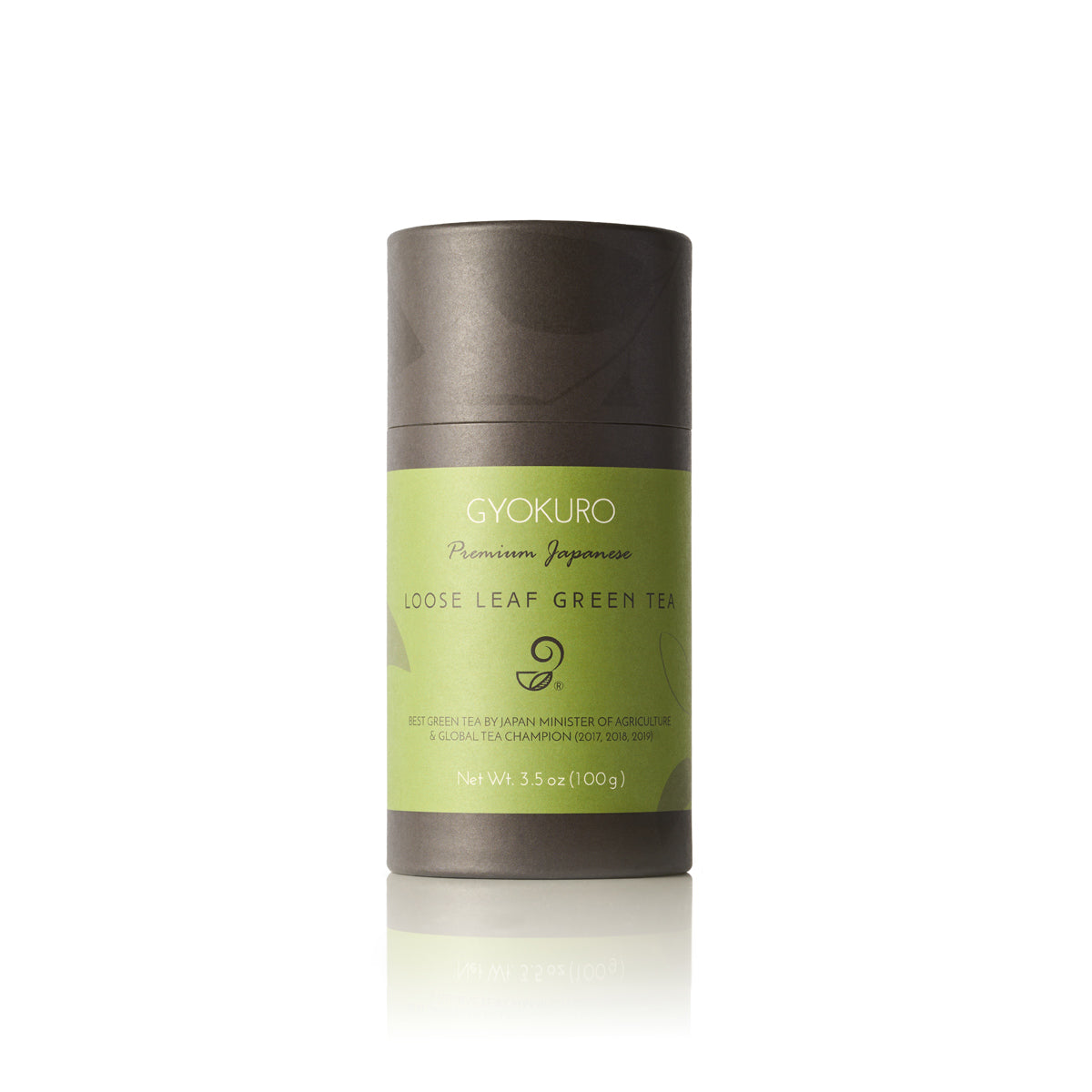
    Gyokuro, also known as "jade dew" or "jewel dew tea," is a premium Japanese green tea shaded from the sun for 20 days using specially made mats, a method that boosts caffeine levels and strengthens amino acids to create a sweeter, richer flavor. This extended shading process results in dark, mossy green leaves with an unmistakable aroma and a complex taste that is layered yet balanced. Cultivated by the Chagusaba method in nutrient-rich sugarcane soil and made from the Yabukita cultivar, this loose-leaf authentic Gyokuro is offered in a high-quality, air-tight paper tube canister (chyazutsu) to preserve its exceptional freshness and flavor. Each 3.5 oz (100g) full-size package steeps 30–40 cups, and a convenient single-serve sample is also available.

    45 reviews

    Hojicha - Roasted Green Tea

    $25.00
    Quick view

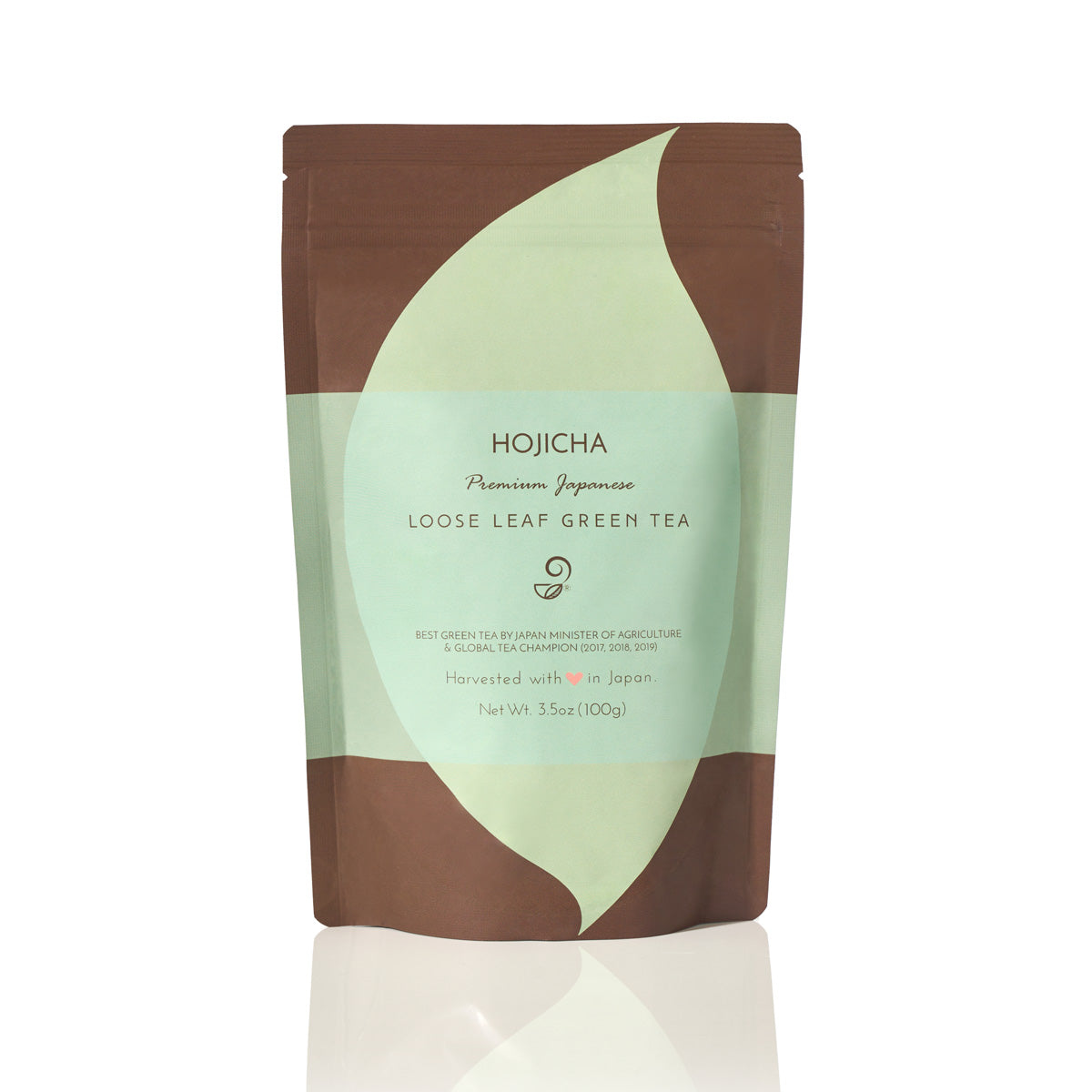
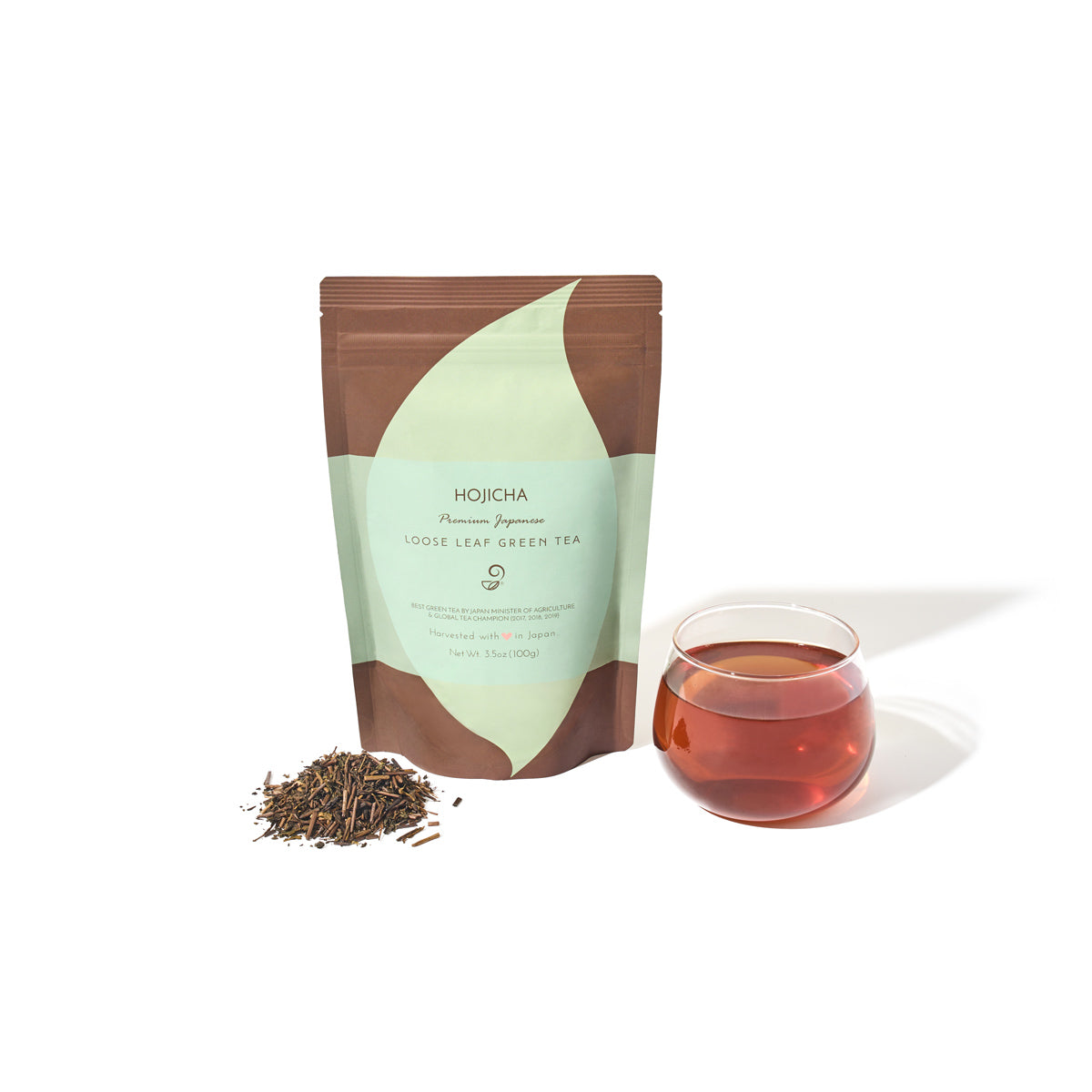
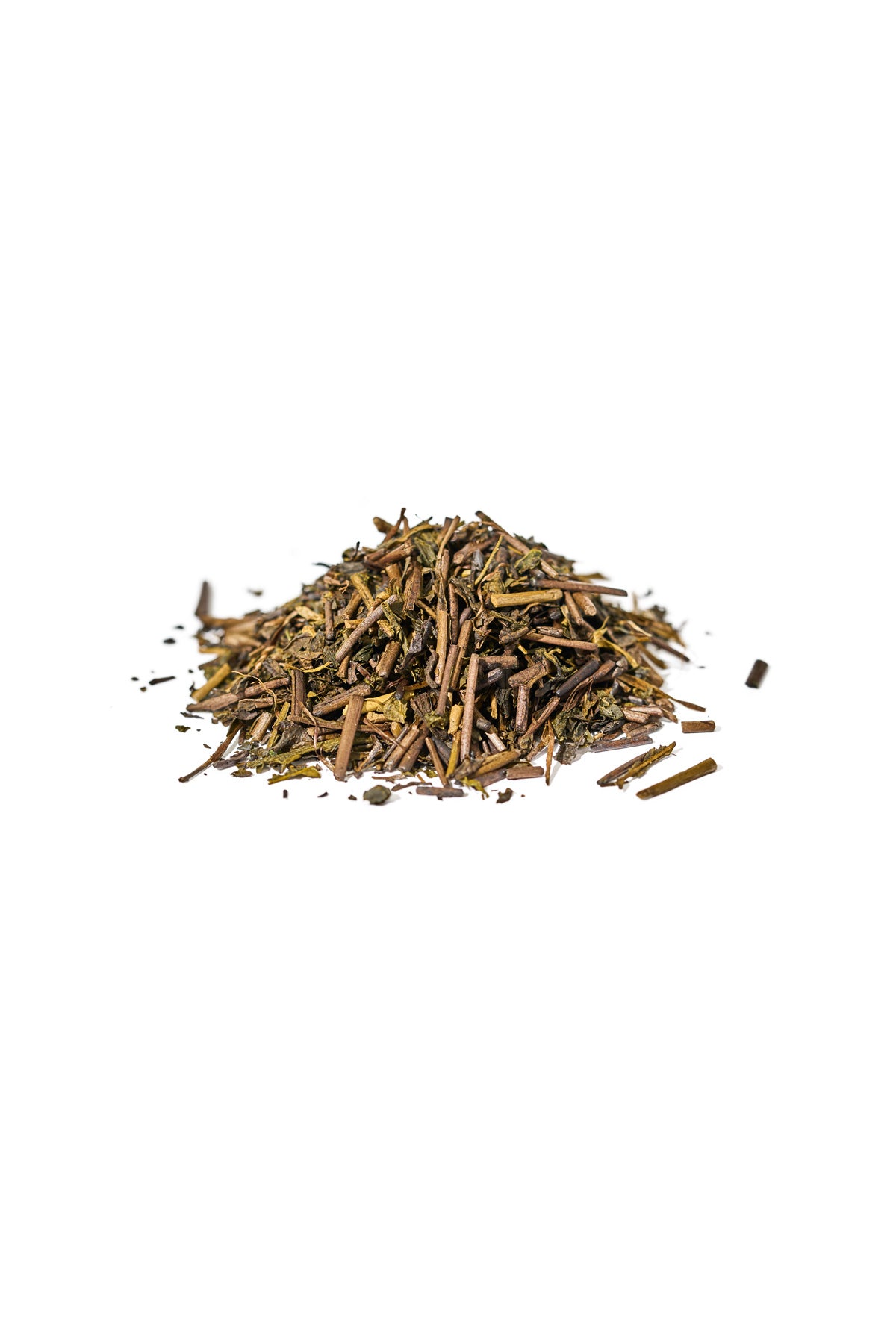
    Our roasted green tea, known as hojicha (ほうじ茶), is crafted from freshly harvested premium green tea carefully roasted in porcelain over charcoal to maximize flavor while retaining more catechins than typical hojicha on the market. With lower caffeine and a smoother, less bitter taste compared to steamed green tea, it is an ideal choice for evening relaxation and is gentle enough for kids and pregnant women. Cultivated using the Chagusaba method in nutrient-rich sugarcane soil, this loose-leaf authentic Japanese roasted green tea, made from the Yabukita cultivar, also pairs beautifully with oily foods. Each eco-friendly resealable package contains 3.5 oz (100g) of tea, enough to steep 30–40 comforting cups.

    80 reviews

    Matcha - Ceremonial Japanese Powdered Green Tea

    $39.00
    Quick view

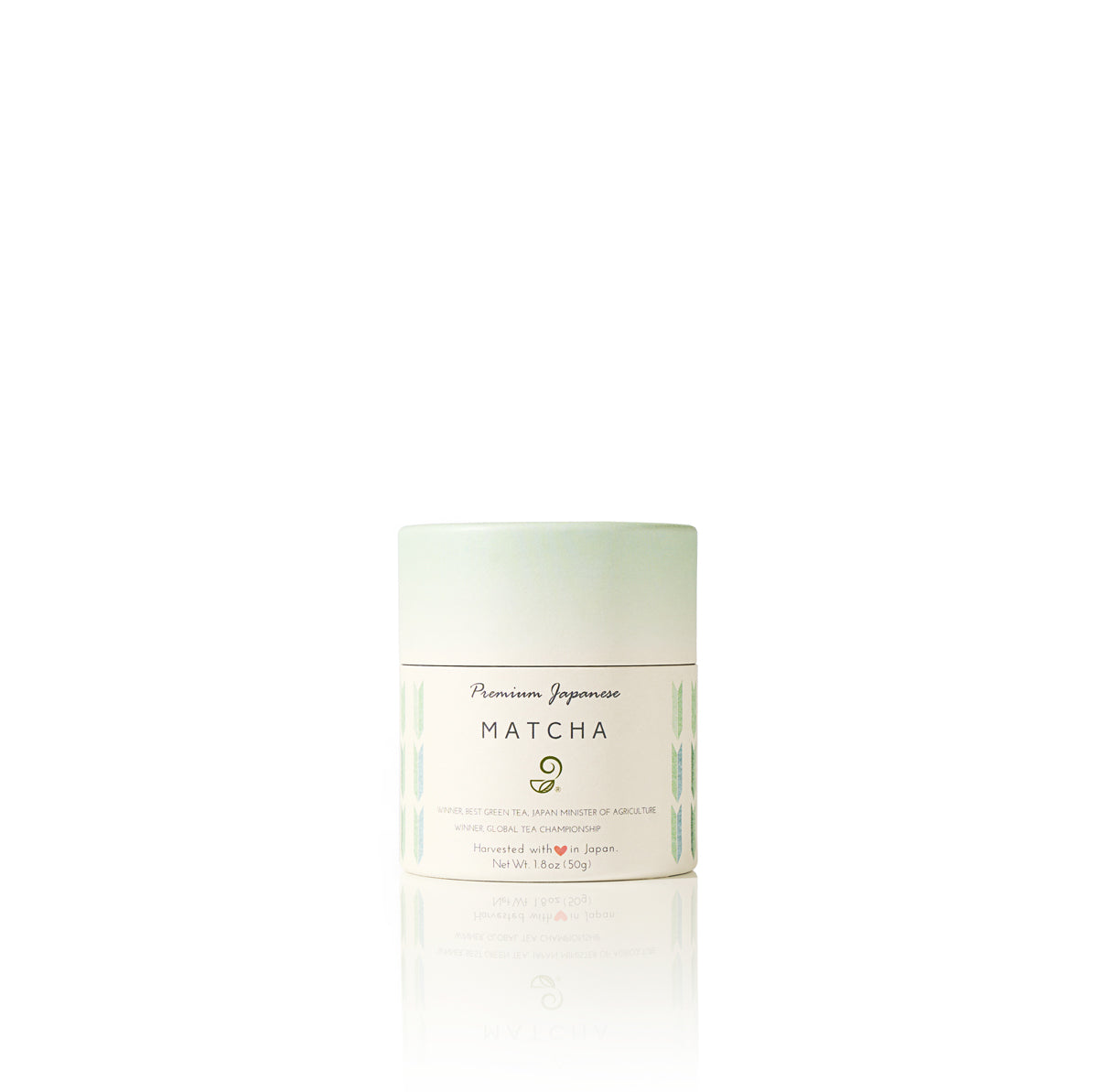
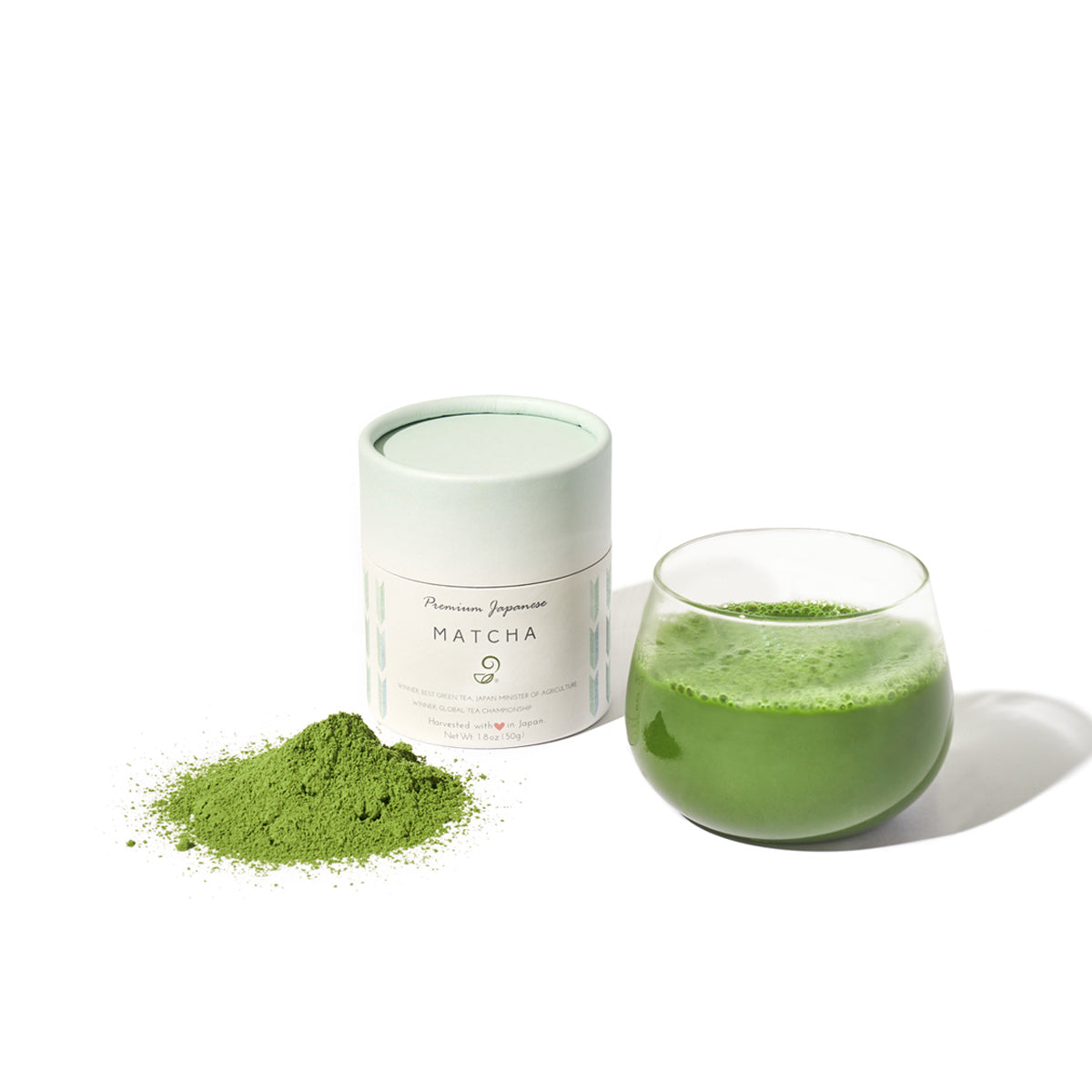
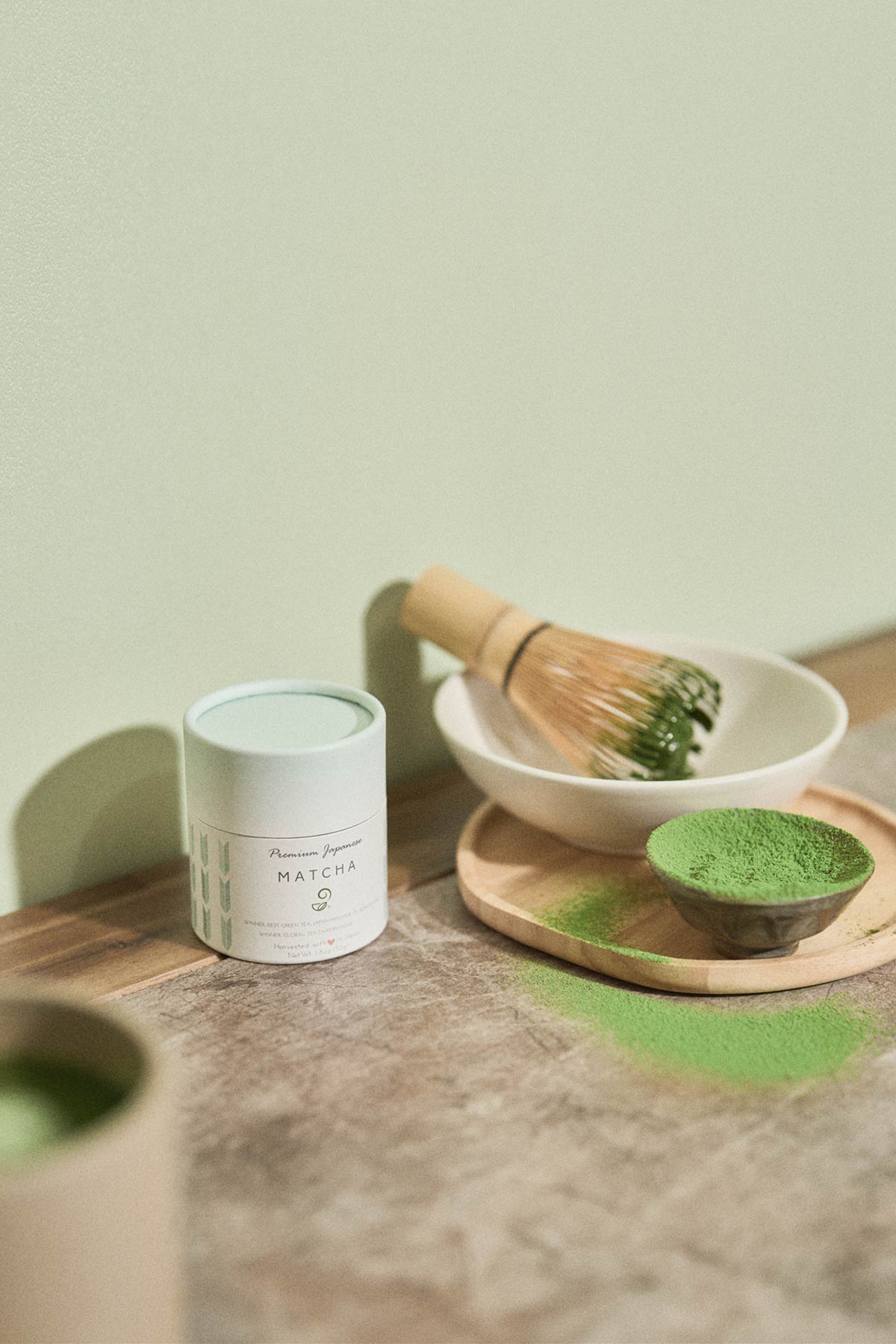
    This ceremonial matcha is crafted from the finest Japanese green tea, grown in nutrient-rich soil enhanced with compostable grasses and sugarcane through the Chagusaba method, which gives the tea a natural sweetness and exceptional flavor. In collaboration with researchers from Shizuoka University, farmers ensure that the soil quality consistently produces tea of the highest standard.

    Renowned among top Japanese chefs for its unmatched aroma, this matcha is made by carefully shading the plants before harvest to boost caffeine and amino acids, then meticulously drying, de-stemming, and grinding the leaves into a fine powder. Made from the Yabukita cultivar, this 1.8 oz (50g) matcha comes in a high-quality, air-tight paper tube canister, providing a luxurious and authentic Japanese tea experience.

    42 reviews

    Genmaicha - Green Tea with Roasted Brown Rice

    $30.00
    Quick view

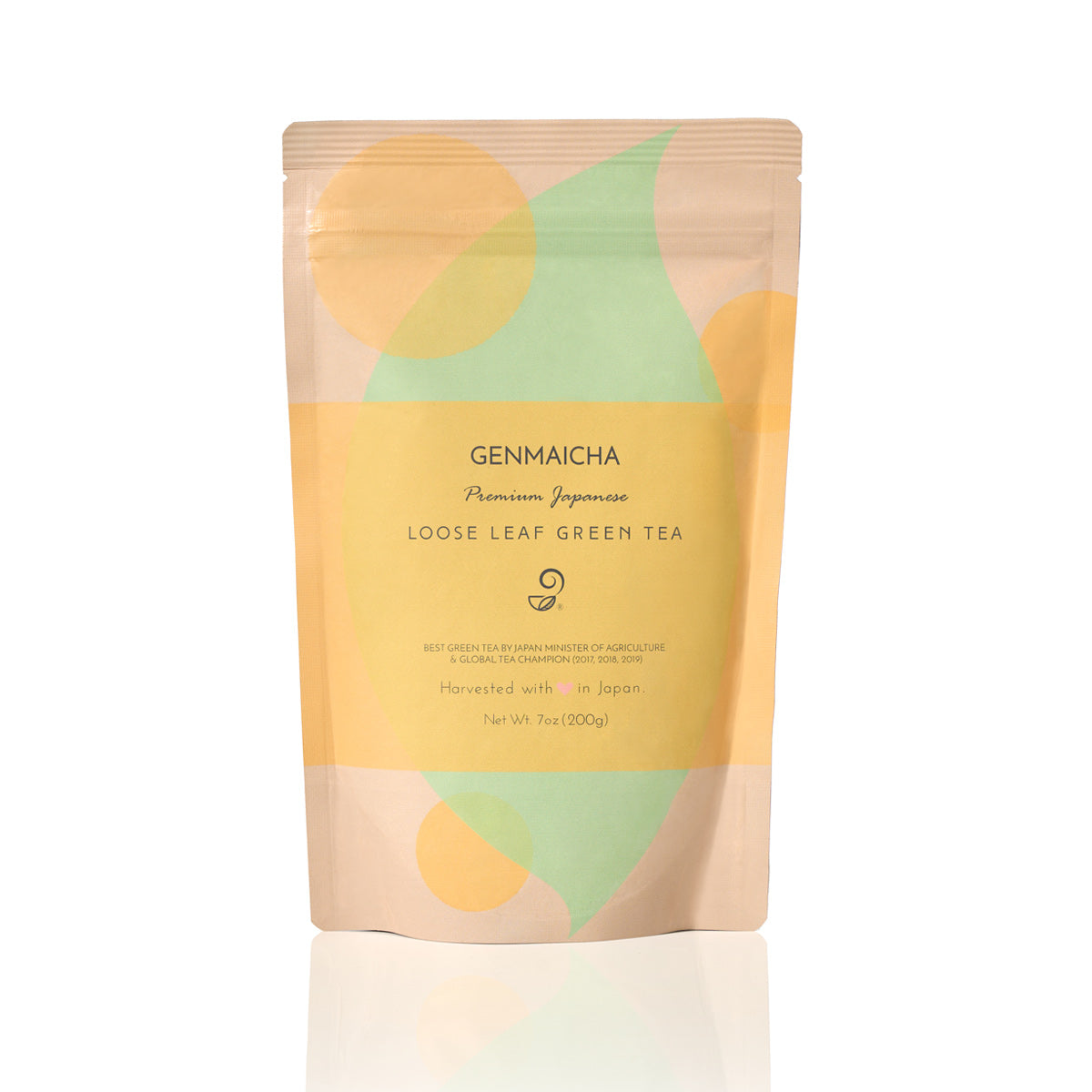
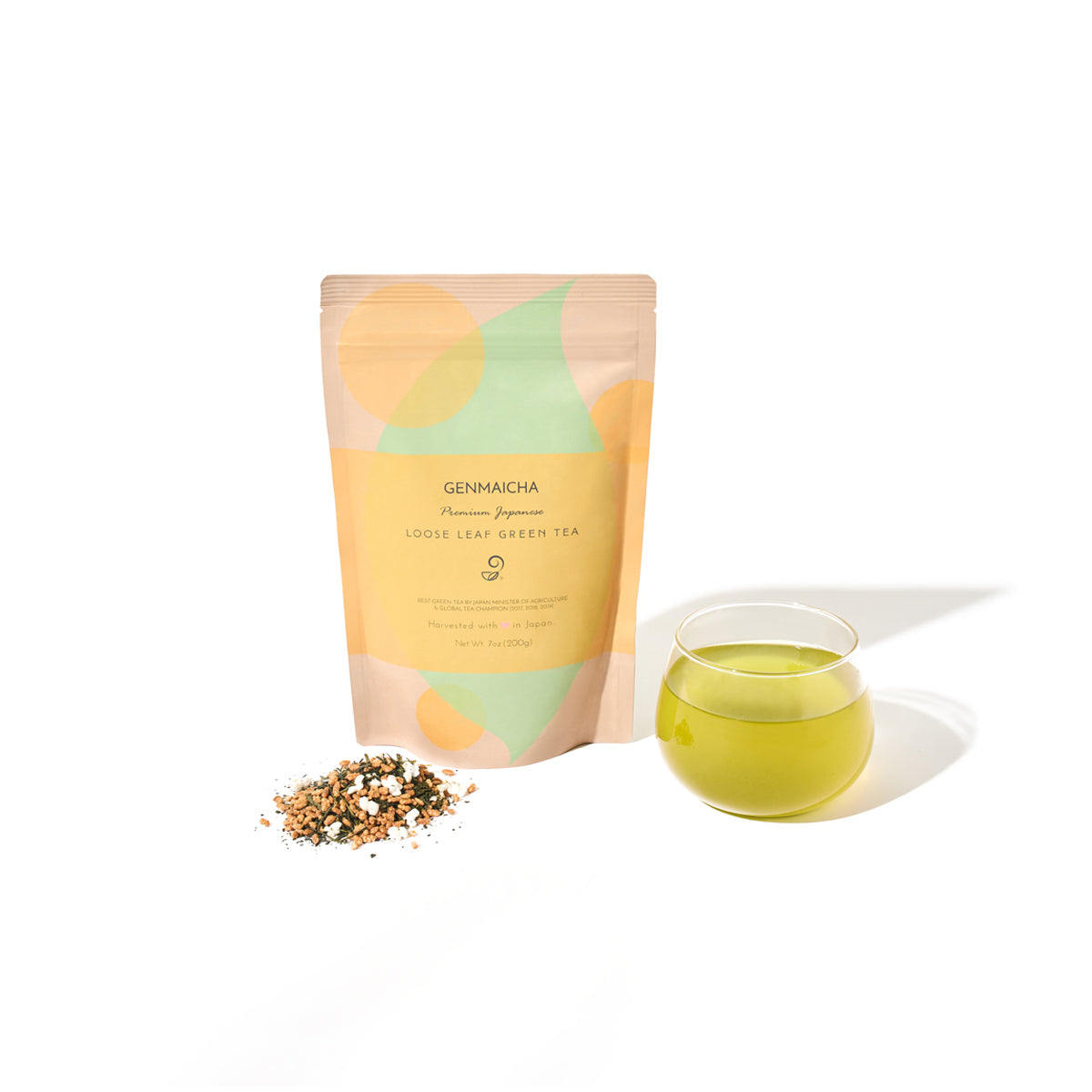
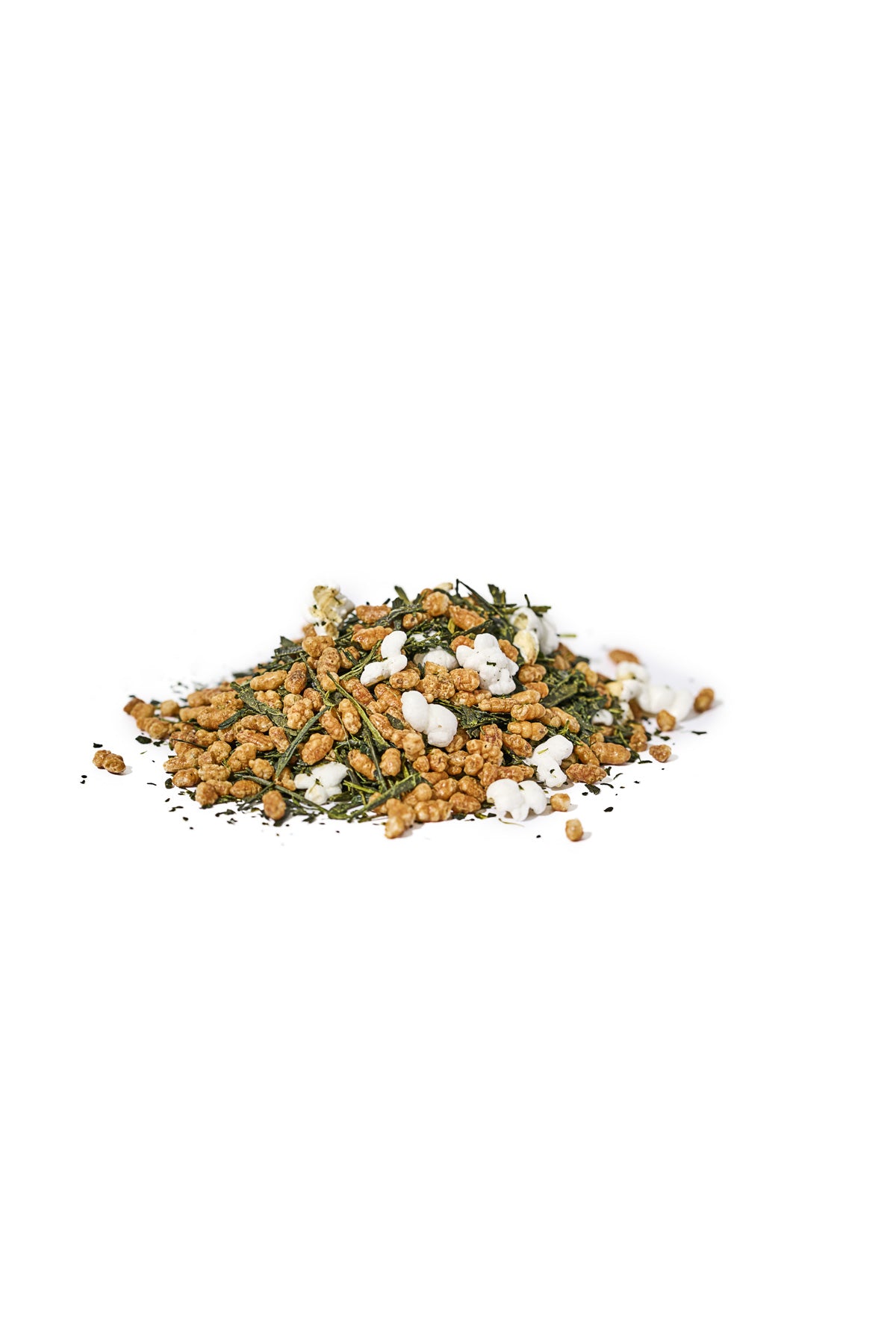
    Our premium Japanese Genmaicha blends high-quality green tea with roasted popped brown rice (genmai 玄米), often nicknamed "popcorn tea" because the roasting process sounds like popcorn popping. Popular especially among the older generation in Japan for its mild flavor and lower caffeine content, this tea is easier on the stomach while still offering a rich, comforting taste. The brown rice used is premium Japanese mochi-gome (もち米) sticky rice, enhancing the tea’s nutty, aromatic profile. Made from Fukamushi Sencha and cultivated using the Chagusaba method in nutrient-rich sugarcane soil, this Genmaicha features the Yabukita cultivar and comes in a 7.0 oz (200g) eco-friendly resealable package, enough to steep 50–60 cups.


    Related Articles You May Be Interested

    Does Green Tea Calm You Down?
    Does Green Tea Calm You Down?
    Does Green Tea Help With Fatigue?
    Does Green Tea Help With Fatigue?
    Is Green Tea Psychoactive As a Beverage?
    Is Green Tea Psychoactive As a Beverage?
    How Tea Helps With Mental Health
    How Tea Helps With Mental Health
    How to Make Hojicha Syrup
    How to Make Hojicha Syrup

    Get Free Bonus Books

    Join Green Tea Club

    Sign up for free to the Green Tea Club to get advice and exclusive articles about how to choose Japanese Tea, and tips, tricks, and recipes for enjoying Japanese tea.

    Unsubscribe anytime. It’s free!

    Related Posts

    Our Products are Now at Yama Sushi Marketplace — One of LA's Most Trusted Japanese Markets Since 1984!
    Our Products are Now at Yama Sushi Marketplace — One of LA's Most Trusted Japanese Markets Since 1984!

    Yama Sushi Marketplace is now carrying our products! Plus the full story of LA's beloved Japanese market — California Ro

    Read More
    What is Shincha - New Crop Tea and What Makes them Unique?
    What is Shincha Tea and What Makes It Unique?

    Discover the secrets of Shincha, Japan's acclaimed new crop tea. Explore its distinct features, flavors, and traditions.

    Read More
    Meet Eijiro Tsukada (塚田英次郎): The Charismatic Businessman Behind Cuzen Matcha — Now Available at Japanese Green Tea Co.
    Meet Eijiro Tsukada (塚田英次郎): The Charismatic Businessman Behind Cuzen Matcha — Now Available at Japanese Green Tea Co.

    Meet Eijiro Tsukada — the man behind Cuzen Matcha. Full guide to the award-winning Matcha Maker, the Pro, and why we're

    Read More
    Leave a comment

    Your email address will not be published..

    Cart

    Your cart is currently empty.

    Start Shopping

    Select options