Skip to content

Is Green Tea Psychoactive As a Beverage?

There are many things to like about green tea. It can cause you to feel better physically, relax, and may even improve your mood. These are the reasons why some people wonder if it is a psychoactive substance or not. Keep reading for information on what psychoactive means, how green tea can help your body, and if it is psychoactive or not.

What Is Psychoactive?

The term psychoactive simply means something that has the ability to change the way you feel. You might think that all substances that are psychoactive should be avoided, but this isn’t true. Illicit drugs are considered psychoactive, but beverages that contain alcohol and prescription pain medicines are also on this list. Moreover, coffee and tea can be psychoactive. Of course, this does not mean that something like tea will make you feel the same way that an illegal drug will. In the case of green tea, it can make your brain feel better in a calming way, which may be beneficial to your health. Check out this article for more information on how green tea may help your health.

Some people want to take multiple psychoactive substances because they like the way they make them feel or because they are attempting to escape from certain aspects of their lives. If you feel like you may have a substance abuse problem or want to find an escape from your life, you might want to seek out professional help. When you work with a therapist, they may be able to offer you more effective ways to deal with the situations that are bothering you and equip you with the tools you need to stop using psychoactive substances. This article is a great read if you are interested in therapy. Keep in mind that all psychoactive substances do not have the same negative connotation, so you don’t have to be ashamed if you like to drink coffee or tea, provided that you don’t have a dependency on these drinks.

Psychoactive Ingredients In Tea

Much like coffee, tea contains caffeine, although in smaller amounts than in coffee. Caffeine is a substance that can change the way your brain operates. It can keep you from feeling tired and allow you to be alert. This might make it seem like you have more energy and are able to get more accomplished. Another ingredient in tea, known as theanine, or L-theanine, is thought to be able to relax you and keep you alert. It is not widely known how this chemical accomplishes this, but people who drink tea are certain that it makes them feel alert but also calm in many cases. If you find yourself unable to focus and concentrate often, you might want to reach for green tea to see if it may be able to improve these things for you.

Is It Okay To Drink Green Tea?

If you want to, you should drink green tea. There are many health benefits that have been studied, and people across the world drink green tea for a number of different reasons. Besides that, it is thought to be able to provide a defense against cancer and other diseases, which is beneficial to pretty much anyone. Since it can help you stay alert and be better able to use your brain, it may be instrumental in the development of a cure for Alzheimer’s or other conditions that affect the brain. There are plenty of reasons to drink green tea, but you may just drink it for the taste as well. Figure out what works for you and see how it makes you feel. If the tea perks you up and allows you to get through your workday or chores, then you are feeling its psychoactive properties, which are providing you with the boost you need. This is fine.

Other Ways To Stay Alert

If you count on tea or caffeine to help you stay alert, there are a few other things you can try as well.

Move Around When You Need To

When you are feeling sluggish and need to wake up your brain a bit, you might need to get your blood pumping. Get up and walk around for a minute, or you may want to do a few push-ups or run in place for around a minute or so. This may be all it takes to keep you on task.

Take Breaks

Any time you are facing a long project or have been working for multiple hours at a desk, it can be helpful to give yourself a break. Go to the bathroom or grab a bottle of water every few hours. Not only will this give you a short chance to relax your mind, but it may also keep you from feeling muscle aches and eye strain when sitting in the same position for too long or staring at a screen for too many hours.

Refuel Your Body

If you are feeling less than ideal, you may need a snack. Try to pick up something healthy like a piece of fruit, a bowl of oatmeal, or a peanut butter sandwich. These are quick snacks that can add nutrition to your diet and won’t leave you feeling lethargic after you eat them.

Experience Natural Lighting

You should also take note of how long you have been indoors. At times, the body needs to be exposed to natural lighting. If it is possible for you to take a break from your work or routine to go outside and just enjoy the sunshine for a few minutes, take advantage of it. Sunshine can give you a boost of Vitamin D, and the fresh air might be good for your lungs as well.

Green Tea Is Psychoactive And That’s Okay

Green tea can be considered a psychoactive substance, but this isn’t a reason to steer clear of it. In the case of green tea, the psychoactive properties are a good thing and might be able to improve your health and mental focus. Remember this when you are enjoying a cup. You can also incorporate these other focus techniques into your life if the tea by itself isn’t helping you concentrate.

About the Author

Marie Miguel 

Marie Miguel

Marie Miguel has been a writing and research expert for nearly a decade, covering a variety of health-related topics. Currently, she is contributing to the expansion and growth of a free online mental health resource with BetterHelp.com. With an interest in and dedication to addressing stigmas associated with mental health, she continues to specifically target subjects related to anxiety and depression.

FAQs about Green Tea's Psychoactive Effects

Is green tea actually psychoactive in any meaningful way?

Yes, in a mild, well-documented way. Green tea contains caffeine (a known psychoactive stimulant) and L-theanine (an amino acid that produces measurable changes in brain wave activity). Together, these produce the calm-focus state that's distinctly different from coffee's pure caffeine alertness. EEG studies show that green tea increases alpha-wave brain activity within 30-60 minutes of consumption — the same brain-state pattern produced by experienced meditators.

So "psychoactive" is technically correct but the effects are mild and benign. Green tea won't impair you, won't cause hallucinations, won't lead to dependency in the addictive sense. It's psychoactive in the same way that coffee, dark chocolate, and even tryptophan-rich foods are psychoactive — they affect brain chemistry in noticeable but small ways.

The cultural framing matters. In Japan, green tea has been consumed as a meditation aid in Zen Buddhism for centuries — the psychoactive properties are considered functional rather than recreational. The same effects underpin the modern wellness use of L-theanine for focus and stress reduction.

How does L-theanine specifically affect the brain — what's the mechanism?
L-theanine crosses the blood-brain barrier within 30-60 minutes of consumption. Once in the brain, it increases GABA (the brain's primary inhibitory neurotransmitter), modulates dopamine and serotonin, and notably elevates alpha brain waves — the calm-but-alert pattern associated with light meditation, creative flow, and present-moment focus. Caffeine alone produces beta waves (alert and tense); L-theanine + caffeine produces alpha-plus-beta (alert but relaxed). Gyokuro (玉露) and matcha (抹茶) deliver the highest L-theanine concentrations available.

The effect is mild but reproducible across studies. Pure L-theanine supplements at 100-200mg produce measurable changes in attention and stress reactivity within 30 minutes. Whole green tea provides 30-50mg of L-theanine per cup, so 2-3 cups gets you to the studied dose range.

Practical: the calm-focus profile of green tea isn't placebo. It's a real chemical effect that you can feel in any single cup if you pay attention. The first time most people consciously notice it is the most-likely-to-be-converted moment.

Can drinking green tea actually change your mood or thinking?

Modestly, yes. Acute effects (within an hour of drinking) include reduced subjective stress, slightly improved attention, and a feeling some users describe as "settled" or "clearer." These are measurable in studies but small in magnitude — not a dramatic mood-altering experience.

Sustained effects (daily green tea over weeks-to-months) include modest improvements in baseline anxiety, slightly improved sleep quality, and possibly some neuroprotective benefit over years. These effects accumulate slowly and are also small in magnitude, but real.

Where green tea isn't dramatic enough: clinical depression, severe anxiety disorders, ADHD-level focus issues. For those conditions, tea is supportive at best — the underlying issue needs targeted treatment. Green tea fits in the "daily-wellness-habit" category rather than the "therapeutic-intervention" category.

Is the calm-focus from green tea similar to meditation or different?

Brain-wave-pattern similar, depth different. EEG studies on green tea drinkers show alpha-wave patterns similar to what experienced meditators produce after years of practice. So in that narrow technical sense, green tea is mimicking part of meditation's brain-state effect.

But meditation also produces theta waves (deeper relaxation, lucid presence), gamma waves (peak insight states), and broader autonomic nervous system regulation that green tea doesn't. So green tea gives you a small slice of meditation's brain effect; it doesn't replace meditation as a complete practice.

The two stack well. Green tea before meditation supports the calm-focus state and may make the meditation session more accessible. Green tea instead of meditation is a partial substitute — useful for people who don't have a meditation practice, less useful for people who do.

Are there any psychoactive risks from drinking too much green tea?

Caffeine over-stimulation is the main risk at high intakes. Above 6-8 cups daily (200+ mg caffeine from green tea alone), some people experience anxiety, jitteriness, sleep disruption, or mood instability — the same symptoms anyone might experience from overdoing coffee. The L-theanine modulates these effects but doesn't eliminate them at high doses.

Specific psychiatric concerns: people with anxiety disorders, panic disorder, or bipolar disorder should be cautious about high green tea intake. The caffeine can trigger or worsen episodes in vulnerable individuals. Working with a mental health professional to determine your personal threshold is the right path if you're managing one of these conditions.

For most people, daily green tea at 3-5 cups is psychoactively beneficial rather than risky — the calm-focus effect supports rather than disrupts mental health. The risk-benefit math tilts toward benefit at moderate intake; toward risk at very high intake. Stay in the moderate zone and the psychoactive effects are reliably positive.

Related products

8 reviews

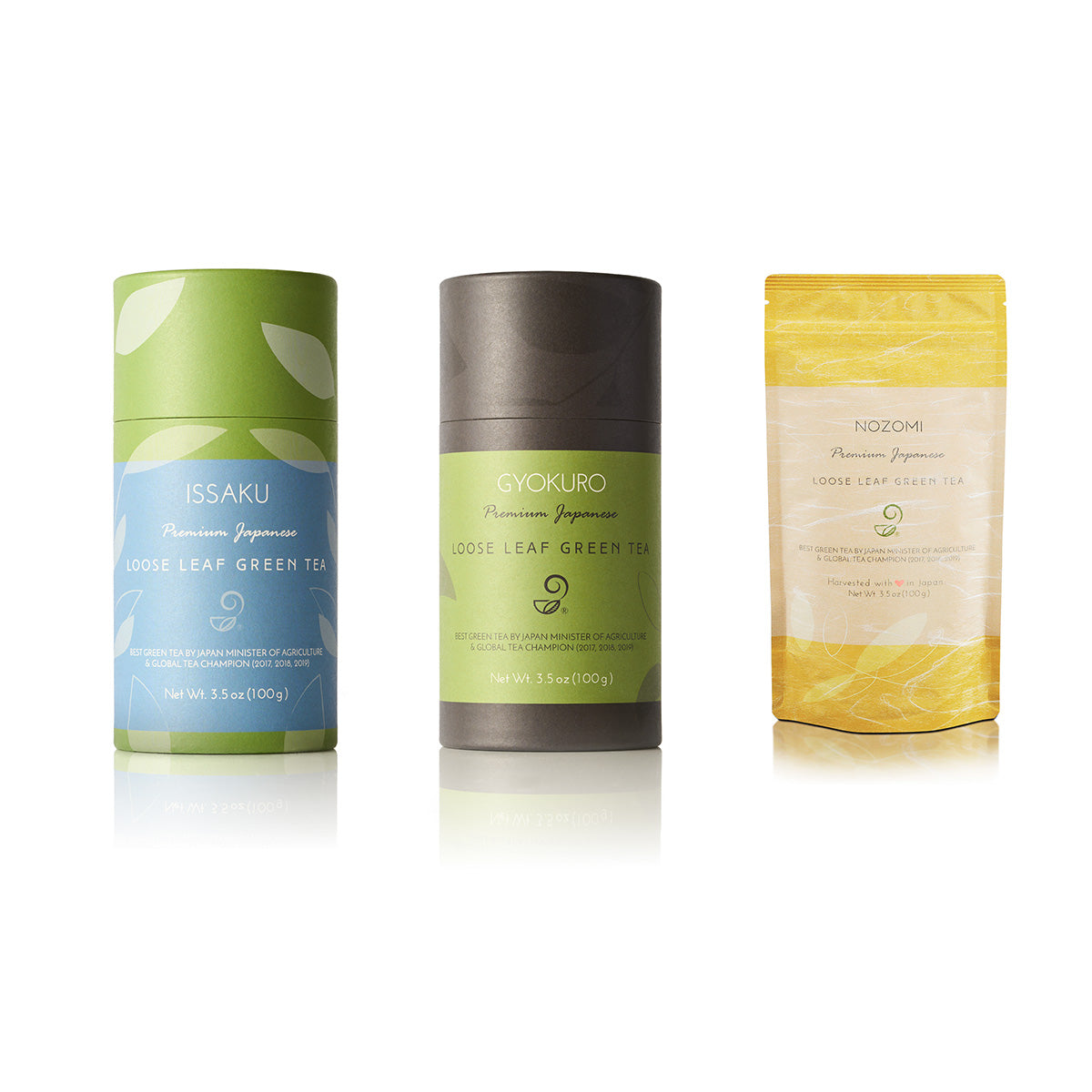
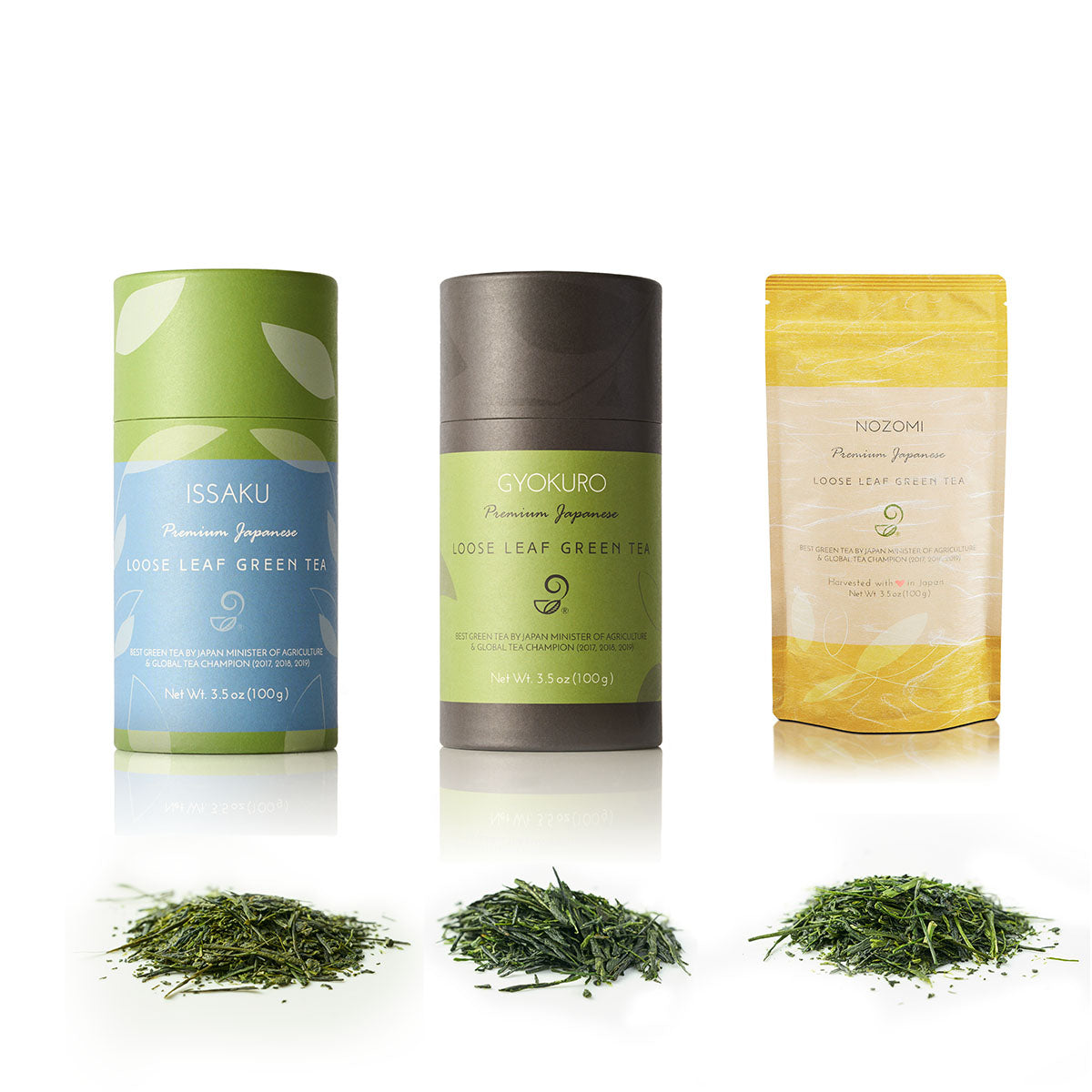
The Sencha Lover Gift Set - Premium Japanese Green Tea Set Package
$179.00 $159.99
Quick view

This tea set features three exceptional Japanese green teas, each crafted with care and traditional techniques. Issaku Reserve, a Global Tea Champion winner in 2017 and 2019, is a rare masterpiece created by Farm Master Mr. Arahata at Arahataen Green Tea Farm. Handpicked once a year from the first flush and processed with advanced methods, Issaku represents the highest-grade deep-steamed green tea, available only in limited quantities even in Japan.

The set also includes Gyokuro, a premium shaded green tea known for its rich, sweet flavor and deep mossy green color. Grown under special mats for 20 days to increase caffeine and amino acid levels, Gyokuro offers a layered, smooth taste unlike any other. Completing the collection is Nozomi, a fine Kabuse-cha, or "Covered Green Tea," carefully grown under nets to gently shade the leaves just before new sprouts emerge, resulting in a soft, rich, and refined flavor profile.

97 reviews

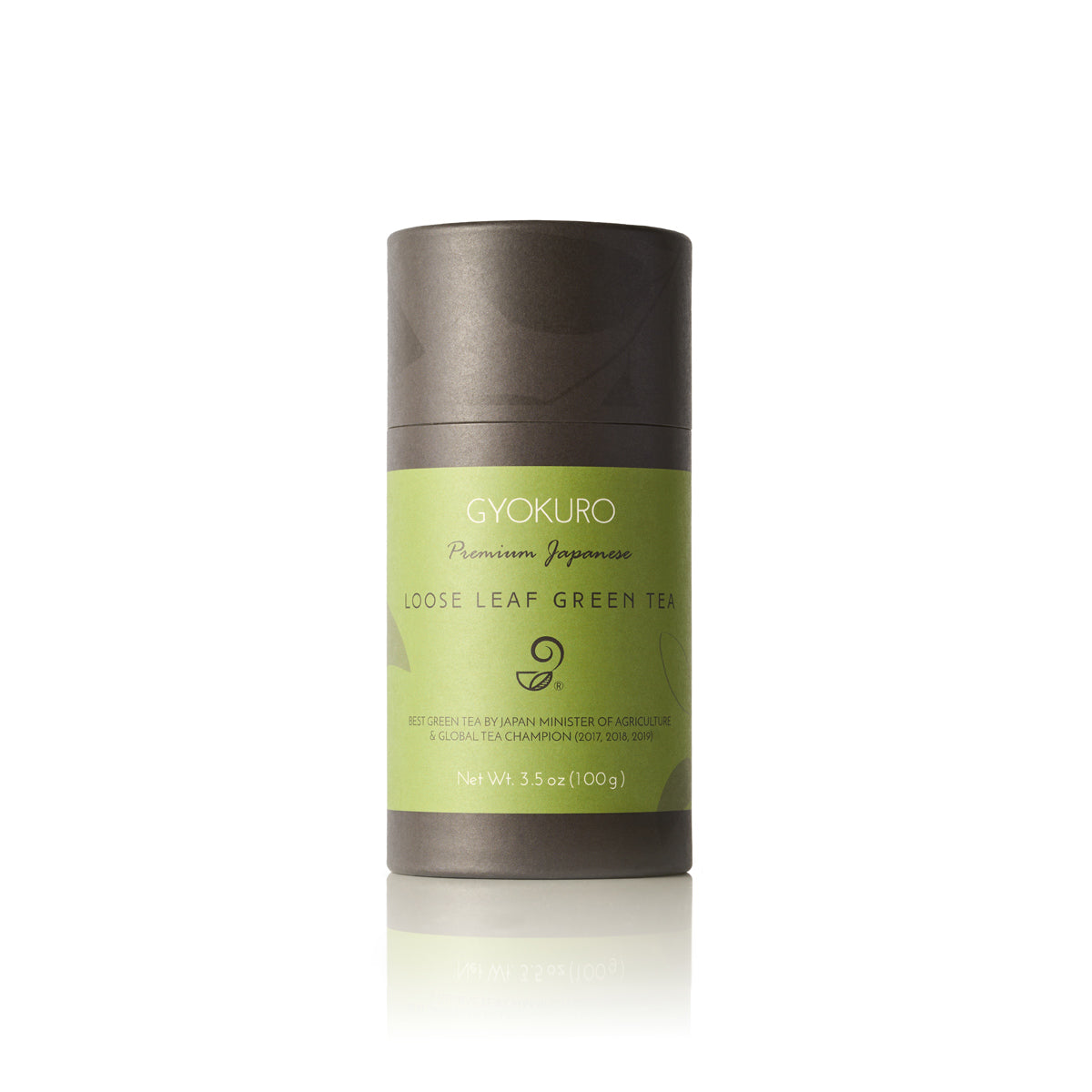
Gyokuro - Shaded Imperial Premium Green Tea

$65.00
Quick view

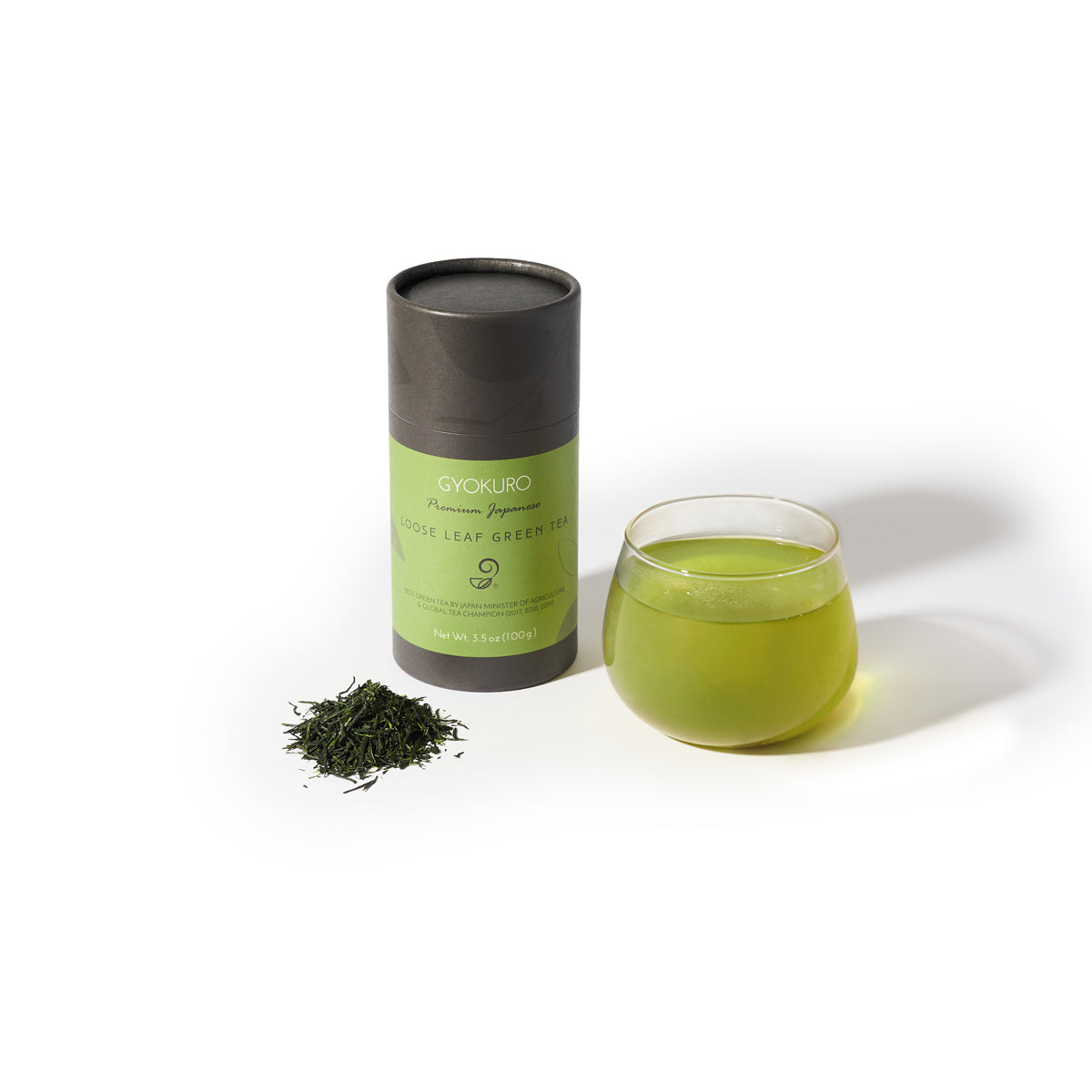
Gyokuro, also known as "jade dew" or "jewel dew tea," is a premium Japanese green tea shaded from the sun for 20 days using specially made mats, a method that boosts caffeine levels and strengthens amino acids to create a sweeter, richer flavor. This extended shading process results in dark, mossy green leaves with an unmistakable aroma and a complex taste that is layered yet balanced. Cultivated by the Chagusaba method in nutrient-rich sugarcane soil and made from the Yabukita cultivar, this loose-leaf authentic Gyokuro is offered in a high-quality, air-tight paper tube canister (chyazutsu) to preserve its exceptional freshness and flavor. Each 3.5 oz (100g) full-size package steeps 30–40 cups, and a convenient single-serve sample is also available.

45 reviews

Hojicha - Roasted Green Tea

$25.00
Quick view

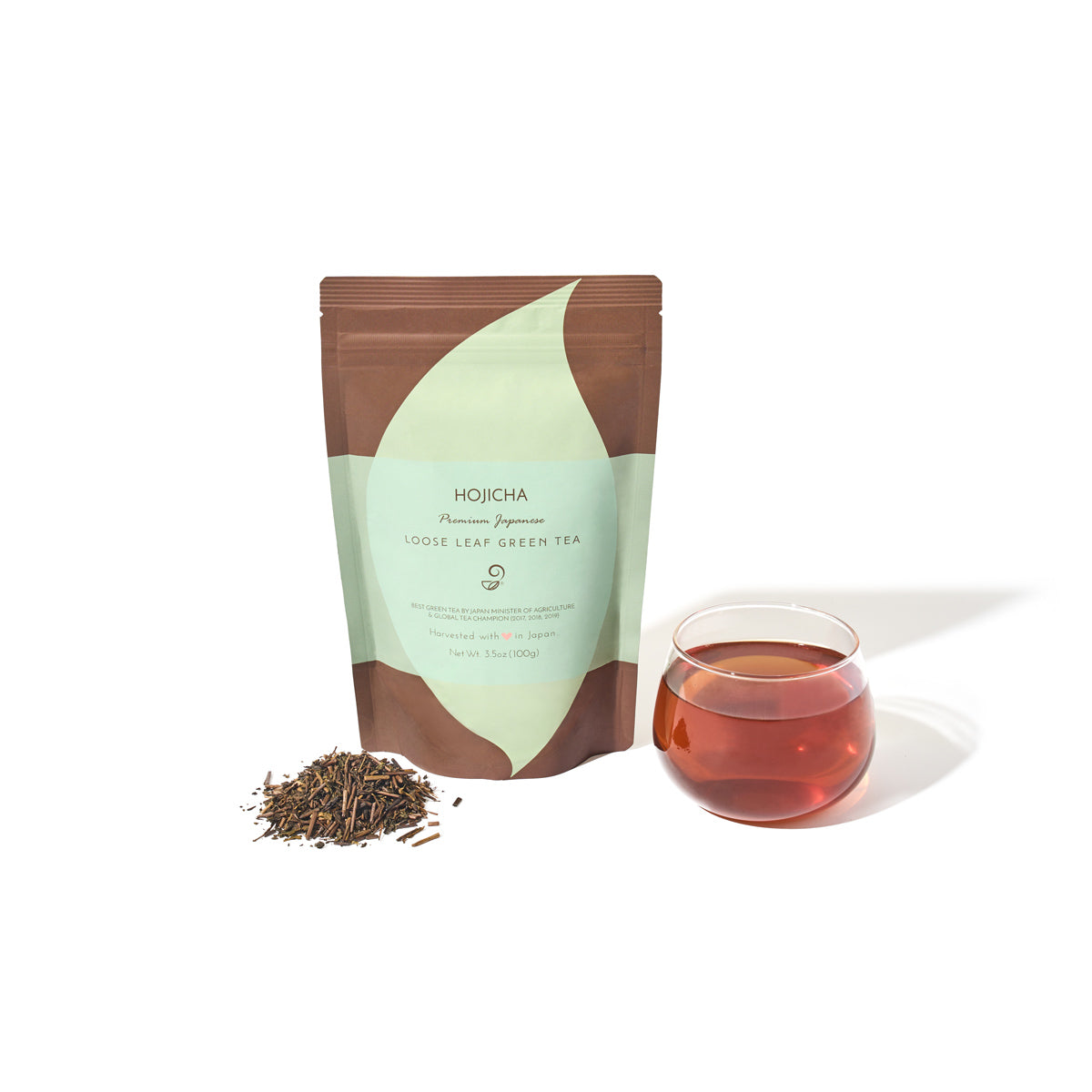
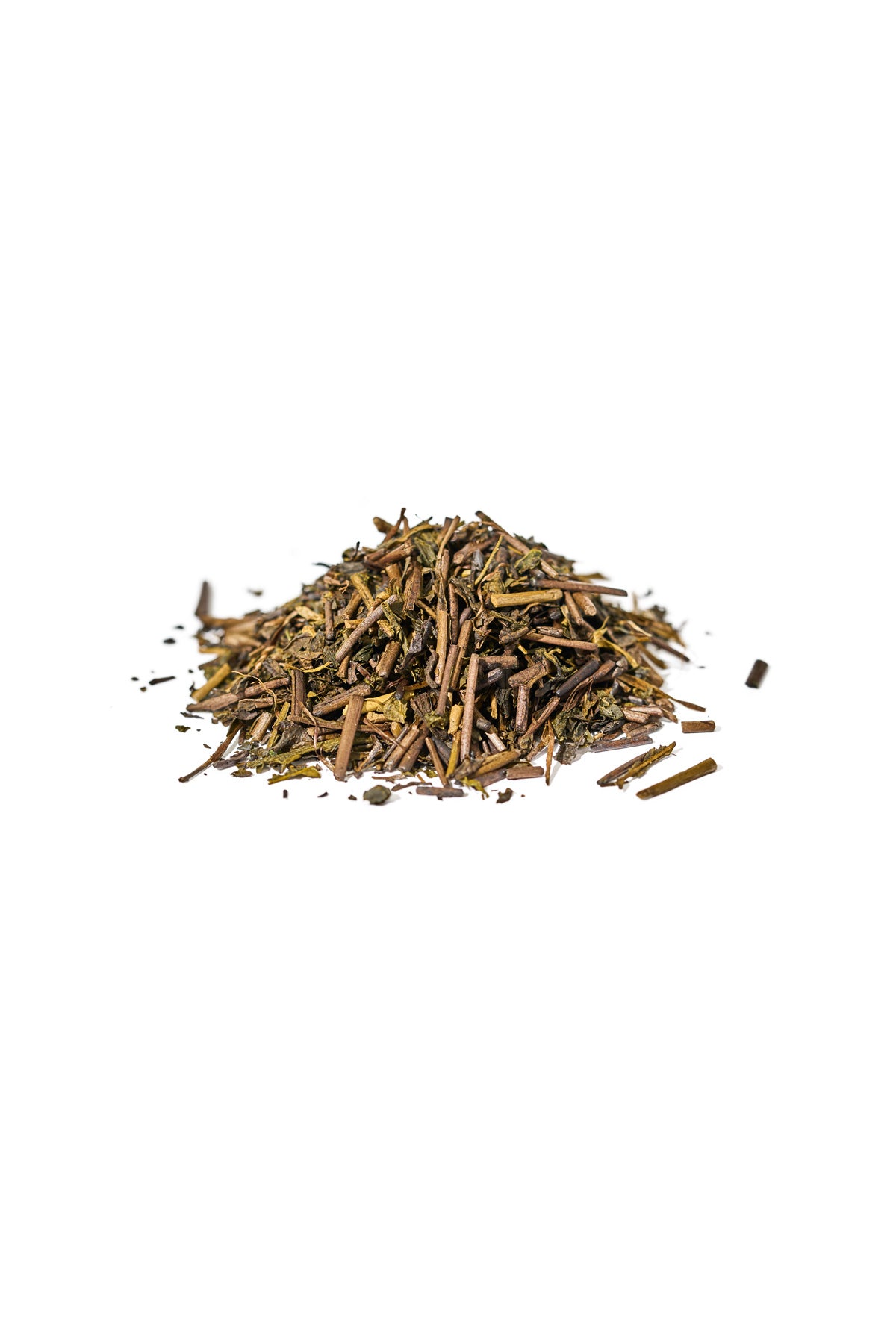
Our roasted green tea, known as hojicha (ほうじ茶), is crafted from freshly harvested premium green tea carefully roasted in porcelain over charcoal to maximize flavor while retaining more catechins than typical hojicha on the market. With lower caffeine and a smoother, less bitter taste compared to steamed green tea, it is an ideal choice for evening relaxation and is gentle enough for kids and pregnant women. Cultivated using the Chagusaba method in nutrient-rich sugarcane soil, this loose-leaf authentic Japanese roasted green tea, made from the Yabukita cultivar, also pairs beautifully with oily foods. Each eco-friendly resealable package contains 3.5 oz (100g) of tea, enough to steep 30–40 comforting cups.

80 reviews

Matcha - Ceremonial Japanese Powdered Green Tea

$39.00
Quick view

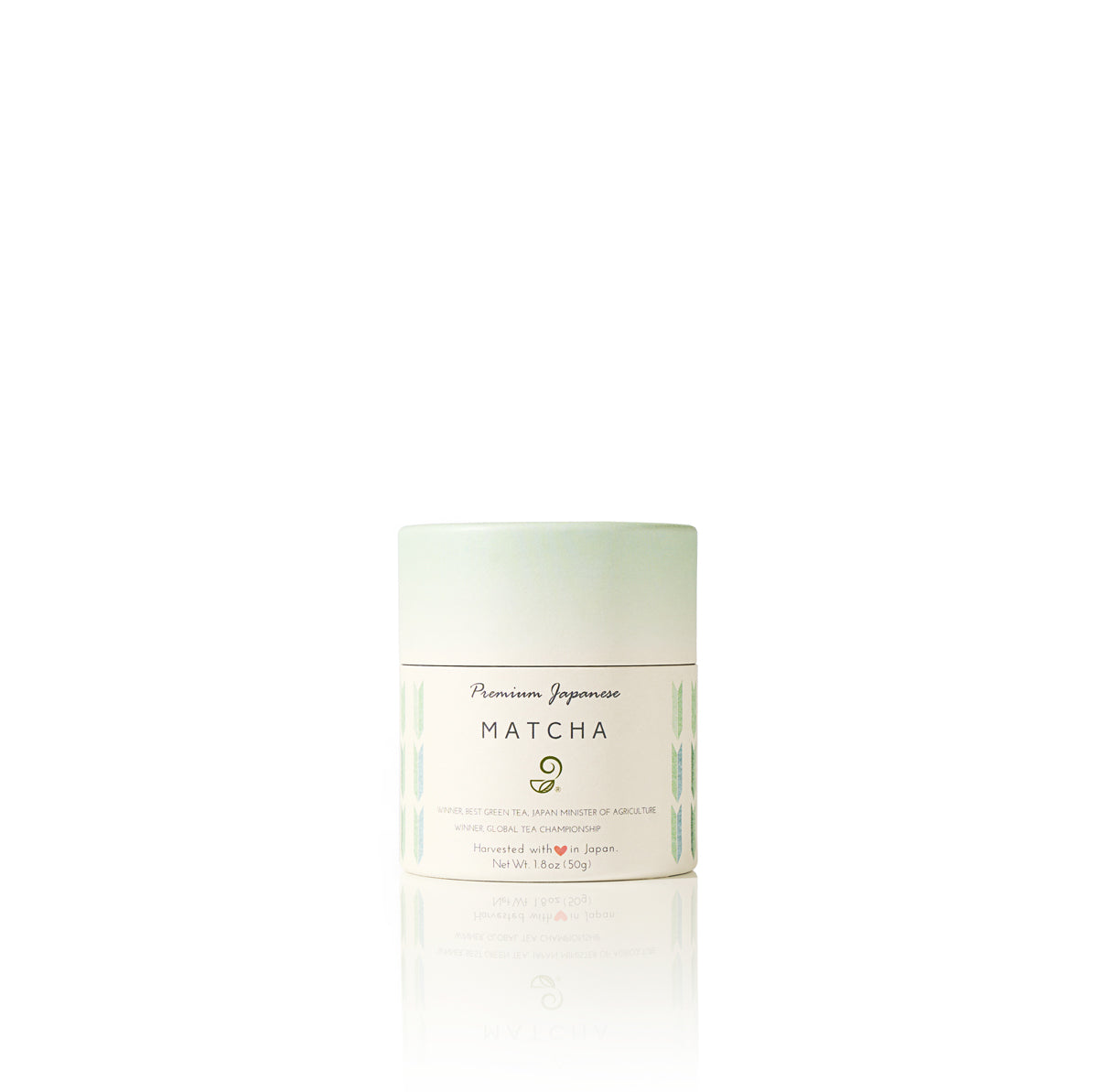
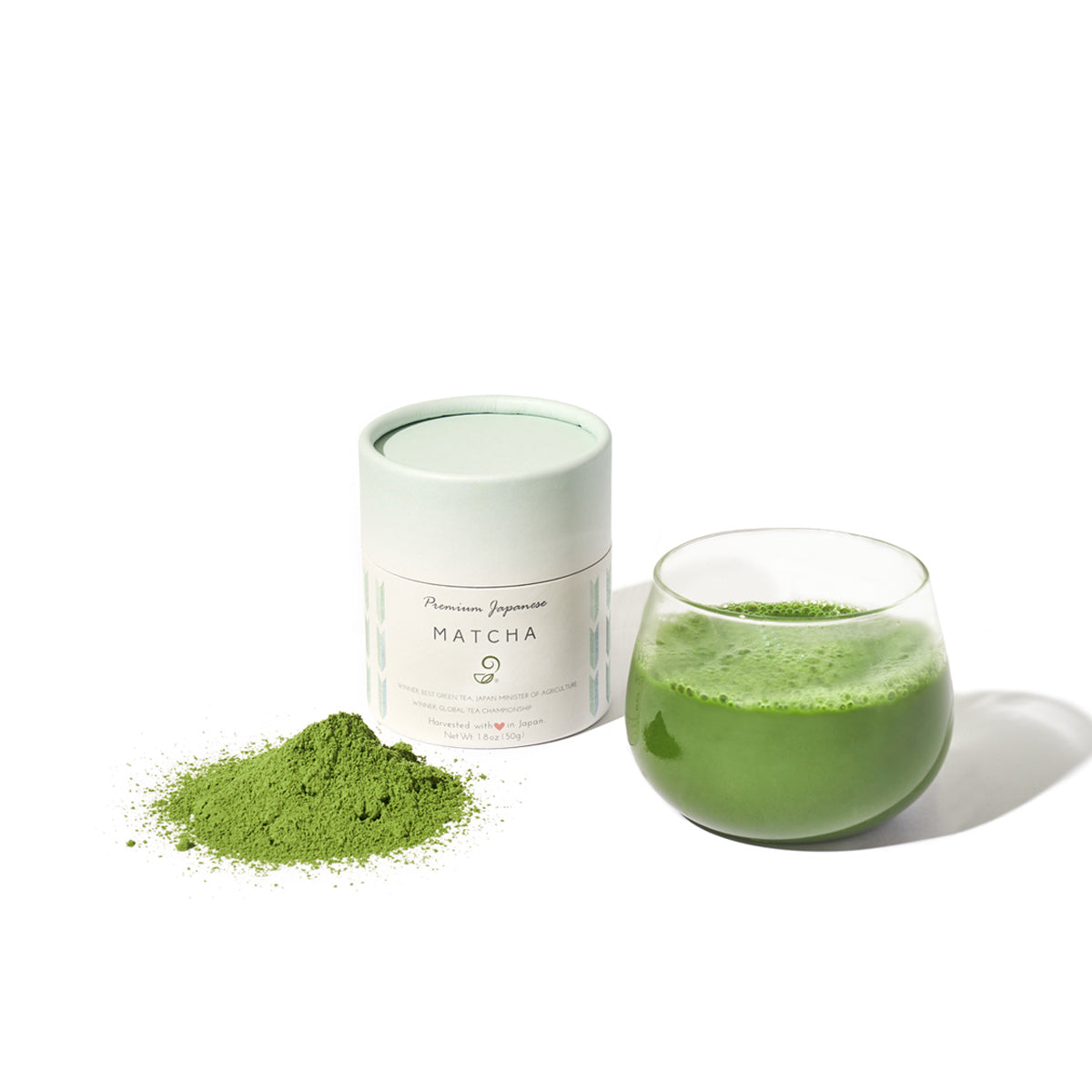
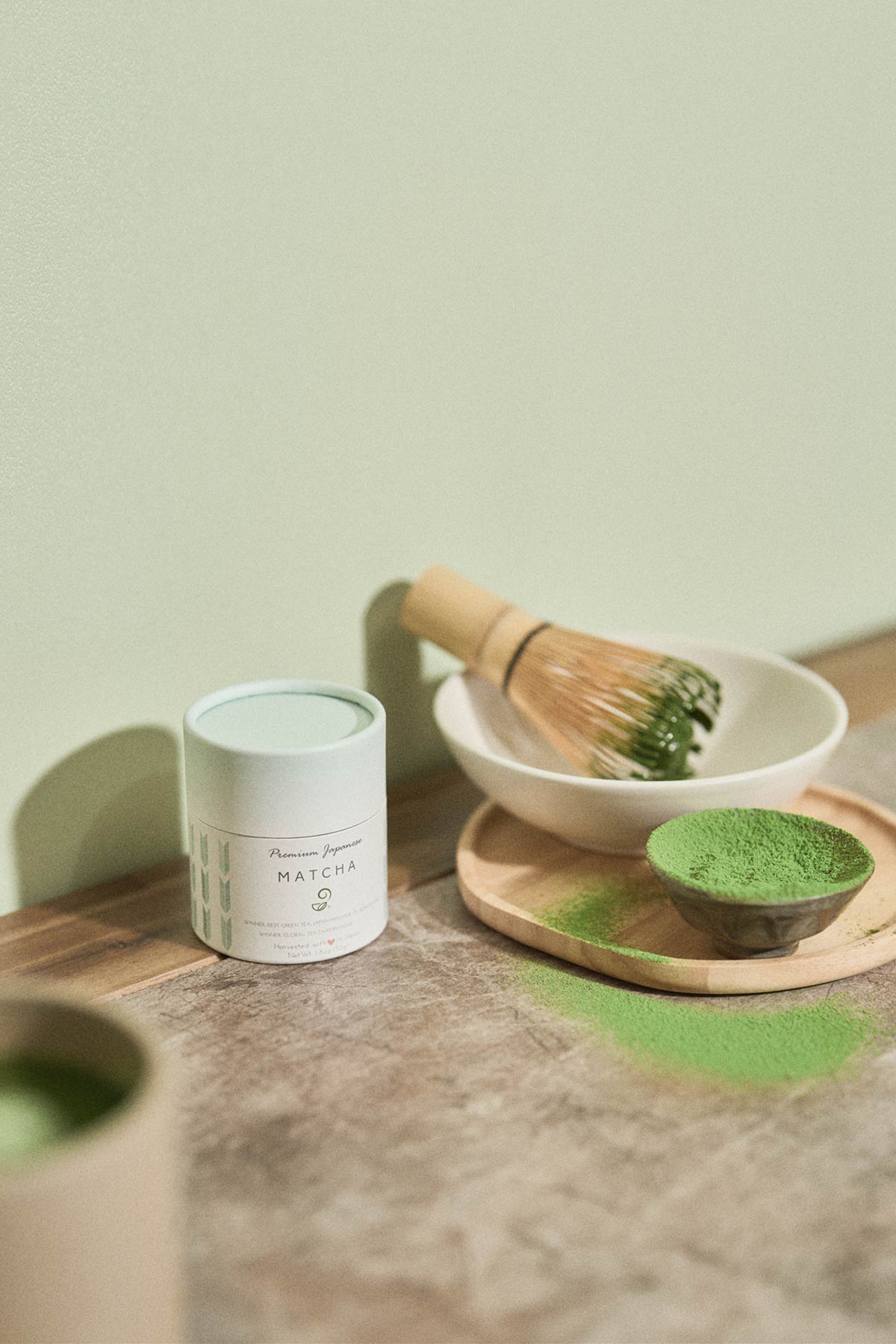
This ceremonial matcha is crafted from the finest Japanese green tea, grown in nutrient-rich soil enhanced with compostable grasses and sugarcane through the Chagusaba method, which gives the tea a natural sweetness and exceptional flavor. In collaboration with researchers from Shizuoka University, farmers ensure that the soil quality consistently produces tea of the highest standard.

Renowned among top Japanese chefs for its unmatched aroma, this matcha is made by carefully shading the plants before harvest to boost caffeine and amino acids, then meticulously drying, de-stemming, and grinding the leaves into a fine powder. Made from the Yabukita cultivar, this 1.8 oz (50g) matcha comes in a high-quality, air-tight paper tube canister, providing a luxurious and authentic Japanese tea experience.

42 reviews

Genmaicha - Green Tea with Roasted Brown Rice

$30.00
Quick view

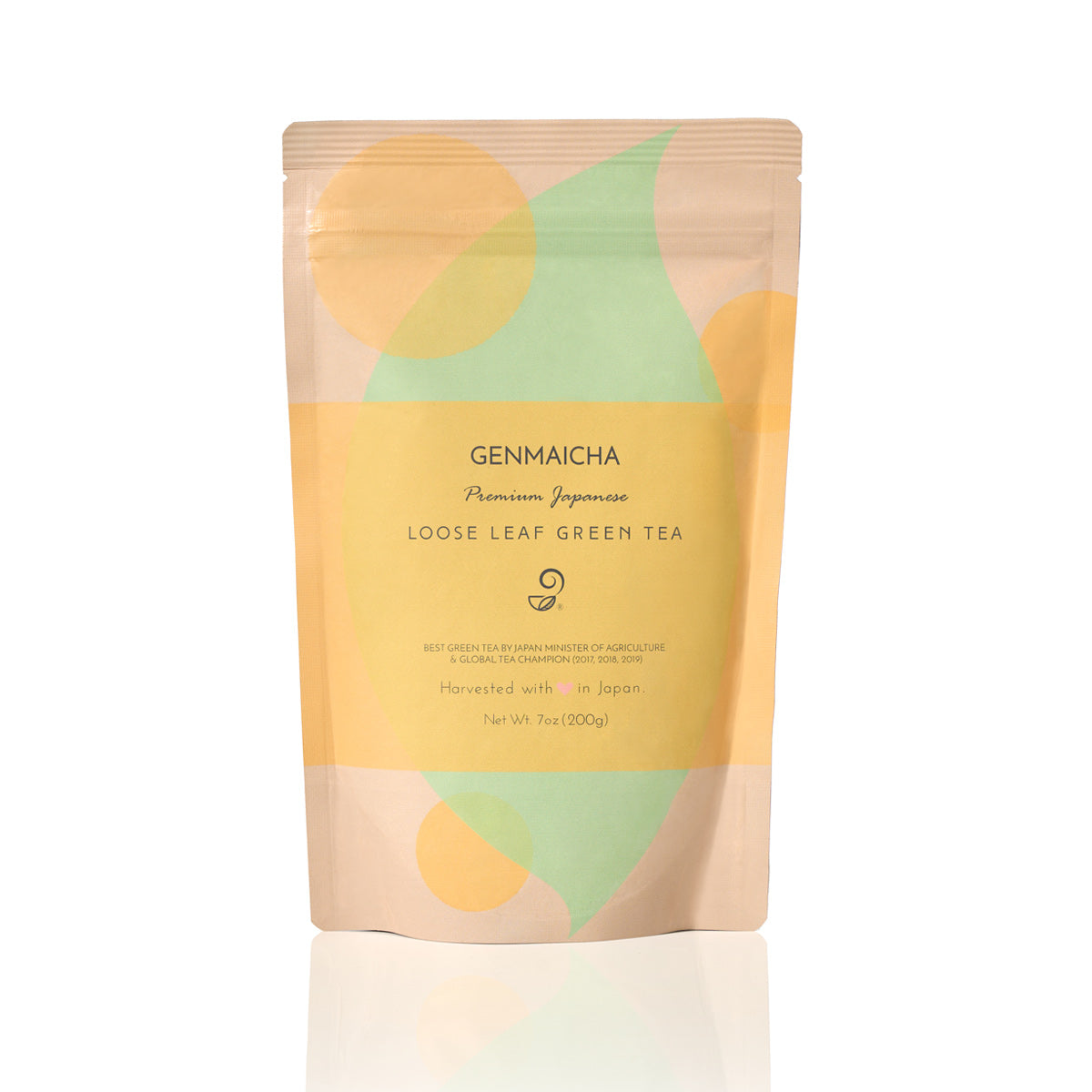
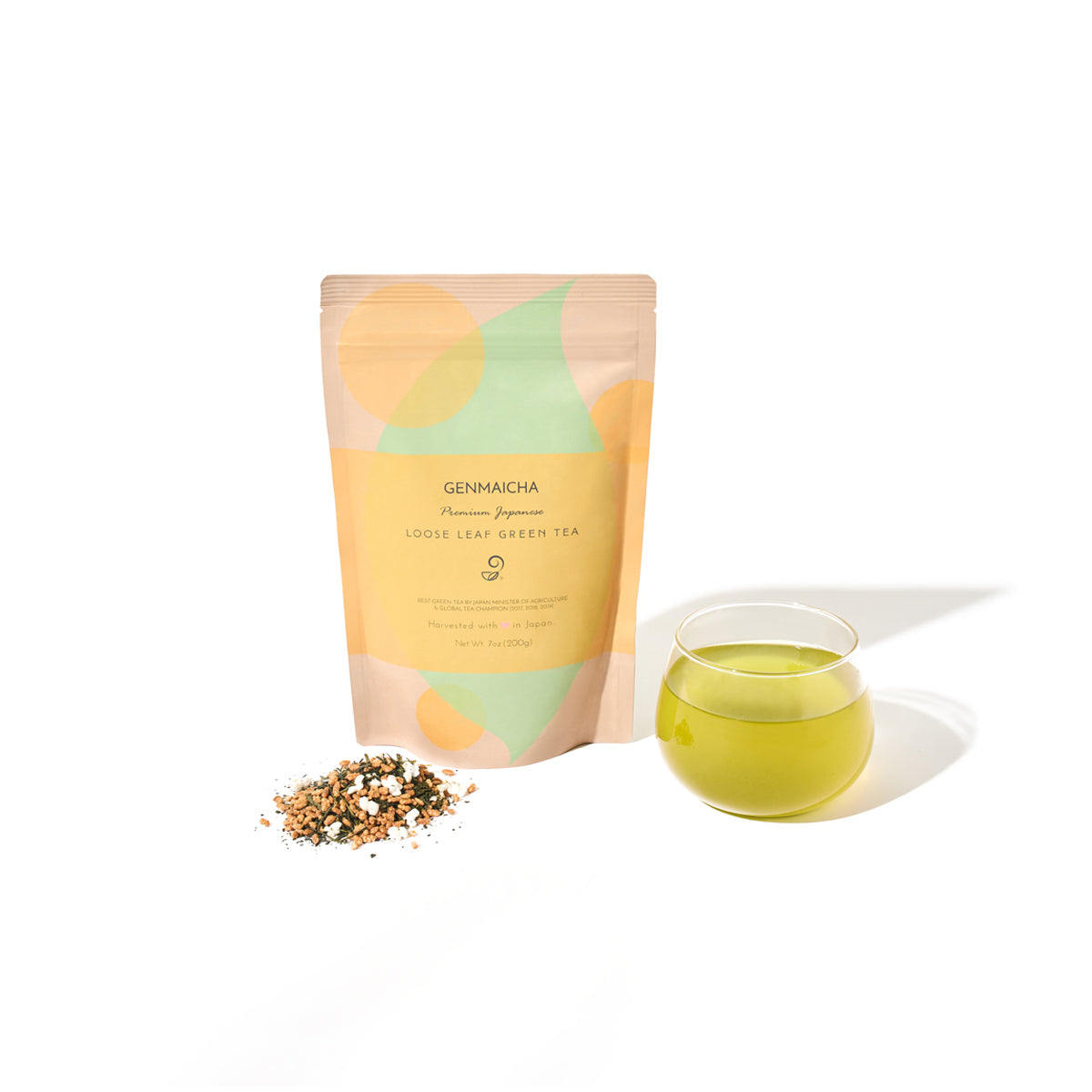
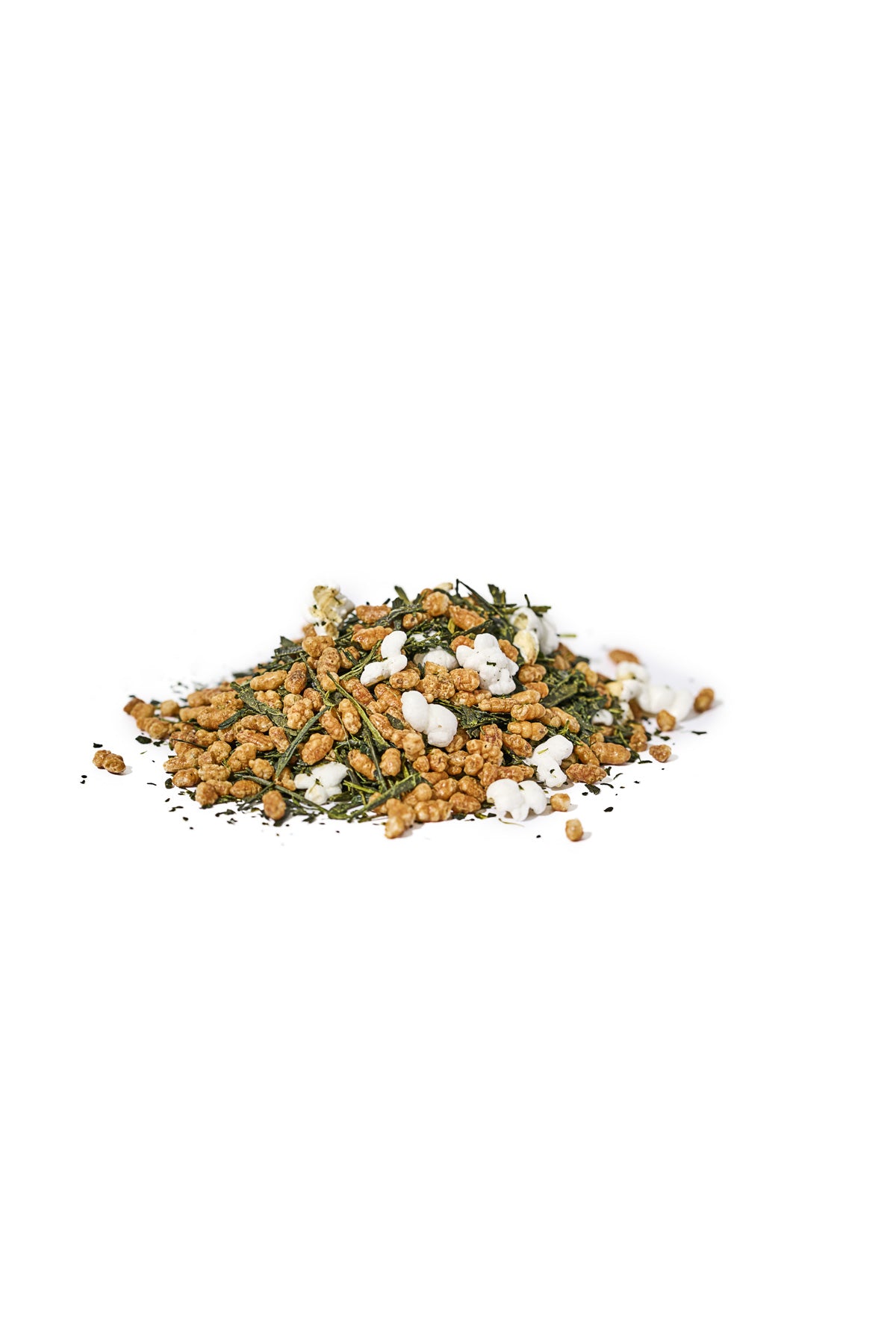
Our premium Japanese Genmaicha blends high-quality green tea with roasted popped brown rice (genmai 玄米), often nicknamed "popcorn tea" because the roasting process sounds like popcorn popping. Popular especially among the older generation in Japan for its mild flavor and lower caffeine content, this tea is easier on the stomach while still offering a rich, comforting taste. The brown rice used is premium Japanese mochi-gome (もち米) sticky rice, enhancing the tea’s nutty, aromatic profile. Made from Fukamushi Sencha and cultivated using the Chagusaba method in nutrient-rich sugarcane soil, this Genmaicha features the Yabukita cultivar and comes in a 7.0 oz (200g) eco-friendly resealable package, enough to steep 50–60 cups.


Related Articles You May Be Interested

How Green Tea Can Help You Maintain Mental Health Balance
Does Green Tea Help With Fatigue?
How Tea Helps With Mental Health
How Tea Improves Memory and Concentration
How to Take a Bath with Japanese Green Tea

Get Free Bonus Books

Join Green Tea Club

Sign up for free to the Green Tea Club to get advice and exclusive articles about how to choose Japanese Tea, and tips, tricks, and recipes for enjoying Japanese tea.

Unsubscribe anytime. It’s free!

About the author

Kei Nishida

Kei Nishida

Author, CEO Dream of Japan

info@japanesegreenteain.com

Certification: PMP, BS in Computer Science

Education: Western Washington University

Kei Nishida is a passionate Japanese green tea connoisseur, writer, and the founder and CEO of Japanese Green Tea Co., a Dream of Japan Company.

Driven by a deep desire to share the rich flavors of his homeland, he established the only company that sources premium tea grown in nutrient-rich sugarcane soil—earning multiple Global Tea Champion awards.

Expanding his mission of introducing Japan’s finest to the world, Kei pioneered the launch of the first-ever Sumiyaki charcoal-roasted coffee through Japanese Coffee Co. He also brought the artistry of traditional Japanese craftsmanship to the global market by making katana-style handmade knives—crafted by a renowned katana maker—available outside Japan for the first time through Japanese Knife Co.

Kei’s journey continues as he uncovers and shares Japan’s hidden treasures with the world.

Learn more about Kei Nishida

Related Posts

What is Shincha - New Crop Tea and What Makes them Unique?
What is Shincha Tea and What Makes It Unique?

Discover the secrets of Shincha, Japan's acclaimed new crop tea. Explore its distinct features, flavors, and traditions.

Read More
Meet Eijiro Tsukada (塚田英次郎): The Charismatic Businessman Behind Cuzen Matcha — Now Available at Japanese Green Tea Co.

Meet Eijiro Tsukada — the man behind Cuzen Matcha. Full guide to the award-winning Matcha Maker, the Pro, and why we're

Read More
Behold: Balmuda's "The MoonKettle" — Where Boiling Water Becomes Art

We were privileged to be invited by Balmuda's Private MoonKettle Launch Event. Here are videos of it and everything you

Read More
Leave a comment

Your email address will not be published..

Cart

Your cart is currently empty.

Start Shopping

Select options