

Download Printable One-Page Recipe PDF Now
Japan has been witnessing a hot tea trend sweep the nation. In recent years, Hojicha, or roasted green tea, has experienced a boom that has reverberated way beyond the country's tea industry. Quickly recognizing a cool concept, the rest of the world hurried to follow suit and make Hojicha the current rage among tea choices, much like how they embraced Matcha when it first entered pop culture.
The Lowdown on Hojicha
Hojicha is a green tea variety from Japan. Admittedly, it wasn’t given as much attention as Sencha, Gyokuro, or Matcha in the past, but it still managed to gather its own following. This mildly flavored and scented tea comes from the same plant as other kinds of Japanese green tea, but instead of going through the usual steaming process, it is placed in a porcelain pot over charcoal and roasted at high temperatures.
Learn about the different kinds of green tea.

This alternate process results in a reddish-brown tea with far less caffeine content. Its taste is a smoky and nutty combination laced with notes of caramel. Such a flavor profile understandably has a distinct appeal to foodies everywhere.
Tea With Benefits
Those who love green tea for its multitude of health benefits will also appreciate Hojicha's wellness offerings. It has pretty much the same benefits as other green tea varieties, although the roasting process lowers not only caffeine levels but the number of catechins as well.
The lower catechin levels also explain why Hojicha is much less bitter than other green teas. Not to worry, though. It's still an excellent source of antioxidants that aid digestion and boost metabolism.

Definitely, it also has green tea's theanine content, which boasts a calming effect and boosts concentration, compounded with its pyrazine content. This, in turn, is responsible for the relaxing aroma of Hojicha. It also works to expand the blood vessels, making nerves more stable, enhancing blood circulation, and improving skin conditions.
Read further on the health benefits of green tea.
Anytime Drink
First done in Kyoto in 1920, Hojicha's roasting process had a decaffeinating effect that brought forth a calmer and smoother drinking experience, endearing it to kids, pregnant women, and people who are sensitive to caffeine.
Nowadays, this distinct quality has attracted many health-conscious people. This especially applies to Millennials, who generally prefer less caffeine in their drinks. It’s a generation that keeps up with research findings on health and nutrition and accordingly heeds these conclusions in order to take good care of themselves.

That’s why they’re inclined to favor Hojicha, which allows them to maintain a caffeine consumption that works to sustain their energy throughout the day without compromising their ability to rest. Hojicha’s low caffeine content also means they can have it no matter the hour of the day, even at bedtime.
The Matcha-Hojicha Contrast
The two are often compared since Hojicha is also available in powder form, making it easy to use as an ingredient in various food and drink items. It also appears to be following the same trajectory as Matcha in popularity. Those are the most notable of their similarities. Their differences are apparent in the following areas:
- Color: Matcha is bright green, while Hojicha is brown.
- Aroma: Matcha has a vegetal aroma, while Hojicha smells both earthy and smoky.
- Flavor: Matcha boasts a flavor profile that combines a slight sweetness and umami nuance with vegetal notes, while Hojicha is known for being a sweet and smoky tea reminiscent of cocoa or caramel.
Less apparent but also notable are the following differences:
- Production: Matcha is steamed while Hojicha is roasted.
- Caffeine content: Matcha has 20 times more caffeine than Hojicha, with 3.2 g of caffeine per 100 g of Matcha compared to.13 g of caffeine per 100 g of Hojicha.


The Latest Tea Sensation
The quickly increasing popularity of Hojicha in Japan had food and drink businesses scrambling to include it in their offerings. This explains the introduction of numerous Hojicha-flavored products on the market.
Hojicha is easy to drink straight, but since its rise to fame, people have discovered that it really mixes well with milk flavors. As expected, it wasn't long before Hojicha drinks became a thing and were available in café chains like Starbucks and Doutor or convenience stores like Family Mart and Lawson. Even McDonald's has decided to jump on the bandwagon and is offering Hojicha Frappe and Hojicha-flavored macarons for a limited time.

It wasn't a stretch for Hojicha to go beyond beverages and begin flavoring ice cream and other sweets like pudding, jelly, and cake. The intrigue in exploring its potential even went a little farther, in fact. Soon, Hojicha was added to instant noodle soup, pasta, and other savory dishes. Indeed, the next time you have soba or buckwheat noodles, you can try adding Hojicha instead of boiling water.
Riding the Hojicha Wave
It's impossible to contain a good idea, and, as expected, Hojicha found its way across the seas and expanded its presence into the world's major cities. As evidenced by social media hashtags, Millennials, Gen Zs, and anyone else who keeps up with food trends are setting out to try the hot new tea.
More adventurous palates are also eagerly sampling other Hojicha-infused treats. In London and Melbourne, Hojicha ice cream has attracted quite a fan base. Considering the reception, it's very possible that other ice cream shops worldwide may have also begun to offer it.

In any case, businesses all over the world very quickly caught up with the trend. So you can get Hojicha strawberry cake in New York, Hojicha lava cake and Hojicha bread in Kuala Lumpur, Hojicha crepe in Singapore, etc. As for the Mid-Autumn Festival, many revelers in Hong Kong have the chance this year to find out what a Hojicha moon cake tastes like.
Make Something With Hojicha
You can make a Hojicha-flavored treat at home. Check out this simple recipe you can follow:
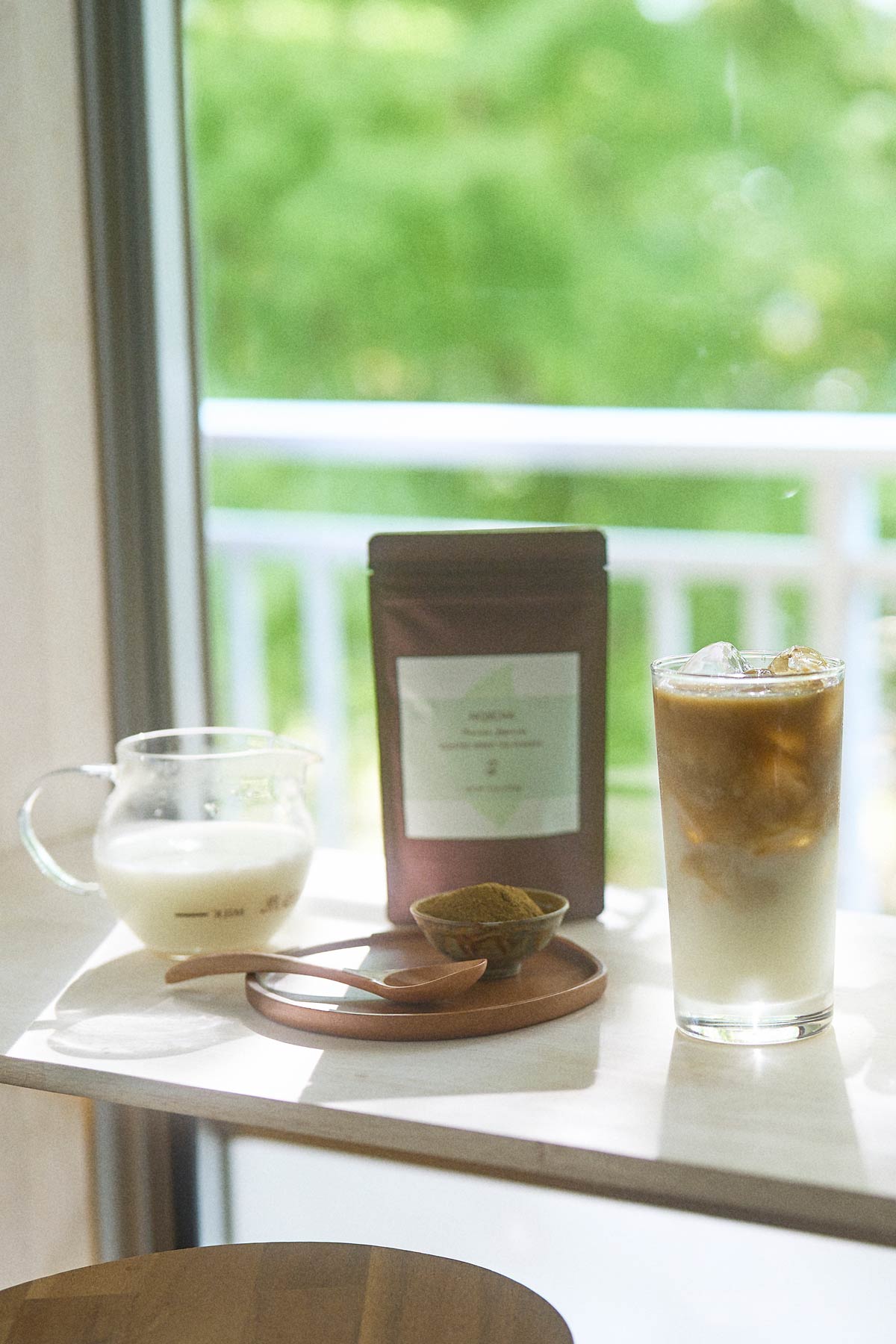
Hojicha Oat Milk Latte
Iced oat milk latte with Hojicha (Japanese roasted tea) Loose Leaf or powder TeaDownload Printable One-Page Recipe PDF Now
Ingredients
- ½ cup of ice
- ¾ cup of oat milk
- 2 teaspoons of Hojicha Powder (To make hojicha powder from loose leaf, see below)
- ¼ cup of cold filtered water
- 1 tablespoon of maple syrup (optional)

Directions
- Grind Hojicha Loose Leaf with grinder
- Prepare a bowl to stir the grounded Hojicha Loose Leaf (or use 2tsp of Hojicha Powder)
- Pour cold filtered water into a bowl and mix well with Chasen Whisk
- Place 2-3 ice cubes in a glass
- Pour 1 tbsp of maple syrup
- Add the Hojicha liquid to the glass
- Froth 3/4 cup of oat milk with a milk frother
- Gently pour the frothed oat milk into the glass
- Stir to mix well.
- Enjoy the roasty sweetness!
DIY Hojicha Powder - Want to Make a Hojicha Recipe but Only Have Leaves?

Have you ever come across a delicious recipe that calls for Hojicha Powder—perhaps a latte, dessert, or baked treat, but you realize that you only have loose hojicha leaves in hand?
The good news is that you can turn those roasted tea leaves into powder yourself. With the right appliance and a bit of patience, it’s possible to grind them down to use in recipes.
Ways to Turn Hojicha Leaves into Powder
If you want to try making it yourself, here are a few tools that will help you:
-
Spice grinder
-
Coffee grinder
-
Millstone (if you happen to have this traditional tool at home!)
Among these, a spice grinder or coffee grinder will give you the finest results and are the closest to how powder is made commercially.
You can also try a blender or food processor, but they tend to be too large if you are only needing to grind small batches - the result is often more like finely chopped leaves than smooth powder.
How to Grind Hojicha Leaves into Powder
To try making your own, you can follow these steps:
1. Start with a clean, completely dry grinder.
2. Add a small amount of hojicha leaves, making sure not to overfill the machine.
3. Secure the lid tightly before turning it on.
4. Grind for about 10 seconds at a time.
5. Shake the grinder and let it cool between pulses.
It is essential to grid in short bursts since grinding too long will creates heat, causing damage to the delicate roasted flavor of hojicha itself.
If you notice the imbalance in powder and larger pieces as you grind, pause and shake the grinder so that everything is evenly processed.
For stubborn pieces, you may need to:
-
Pulse repeatedly,
-
Sift the powder through a fine-mesh sieve, or
-
Use a mortar and pestle to crush remaining bits.
Good News! - there is an Easier Way Final Thoughts
While it is always possible to grind hojicha leaves at home, achieving that ultra-fine texture needed for smooth lattes, desserts, and baking can take time and effort.
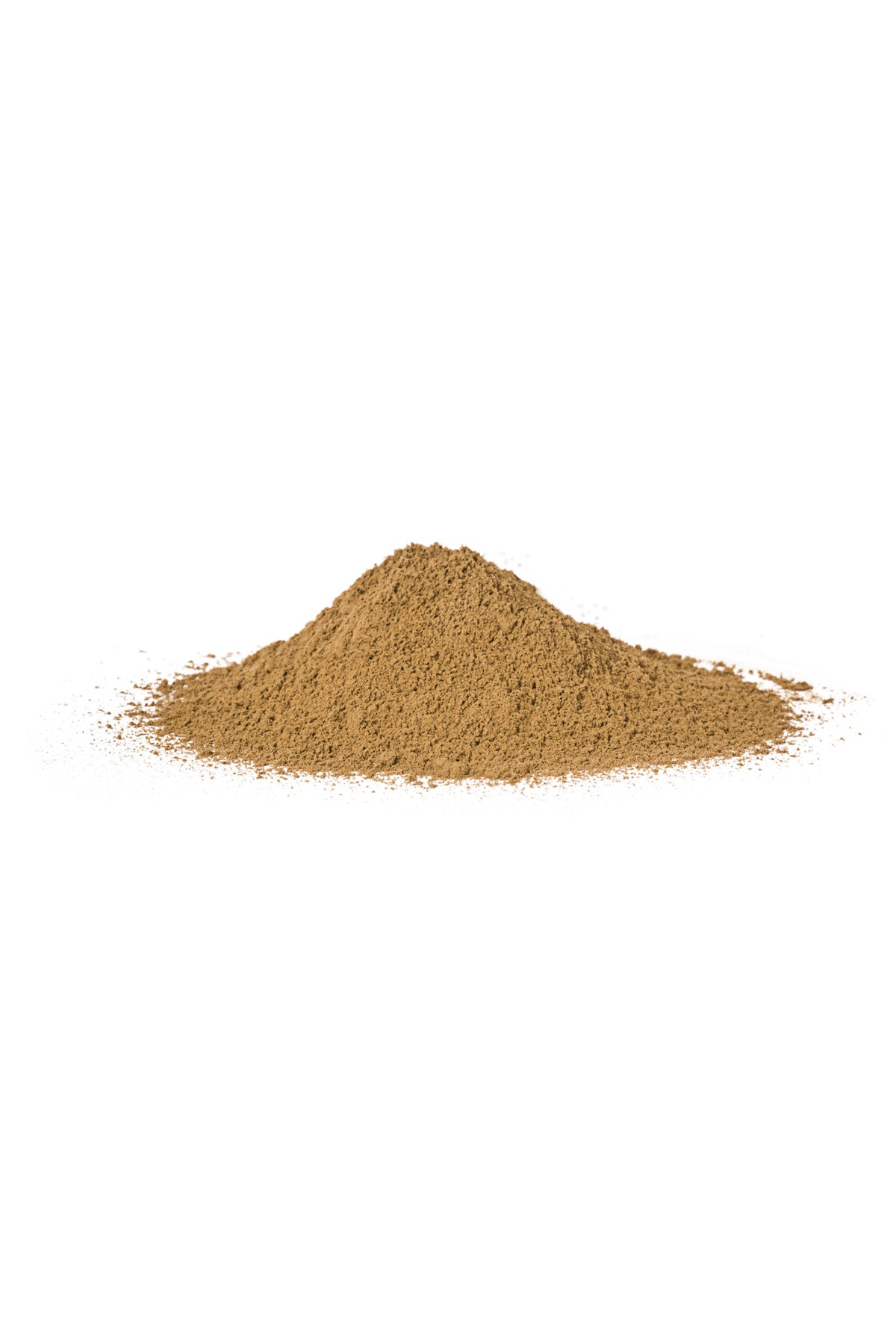
This is why we would like to introduce you to our new product - Hojicha Powder ! It is carefully milled to a consistent, silky texture, making it perfect for mixing into drinks and recipes without the extra work.
With the right powder, you can go straight from inspiration to enjoying your favorite hojicha creations!
Final Thoughts
Hojicha is not quite the household name that Matcha is now, but it's early days yet. Some predict that it may even overtake Matcha in popularity. Thanks to its lower caffeine content, it presents a considerable draw for Millennials and other health-oriented people. No wonder it's the tea of the hour, much like Matcha was when the rest of the world first found out about it.

Take note, however, that, instead of being a mere flitting trend, Matcha became a staple in the food and drink scene and beyond it. It now ranks among the likes of chocolate and vanilla as a beloved flavor. It has also made its presence felt in areas outside of the food industry. These days, there are Matcha candles, scents, makeup, skin care products, etc. It remains to be seen, of course, but considering the reception it's enjoying, Hojicha could very well take the same path.
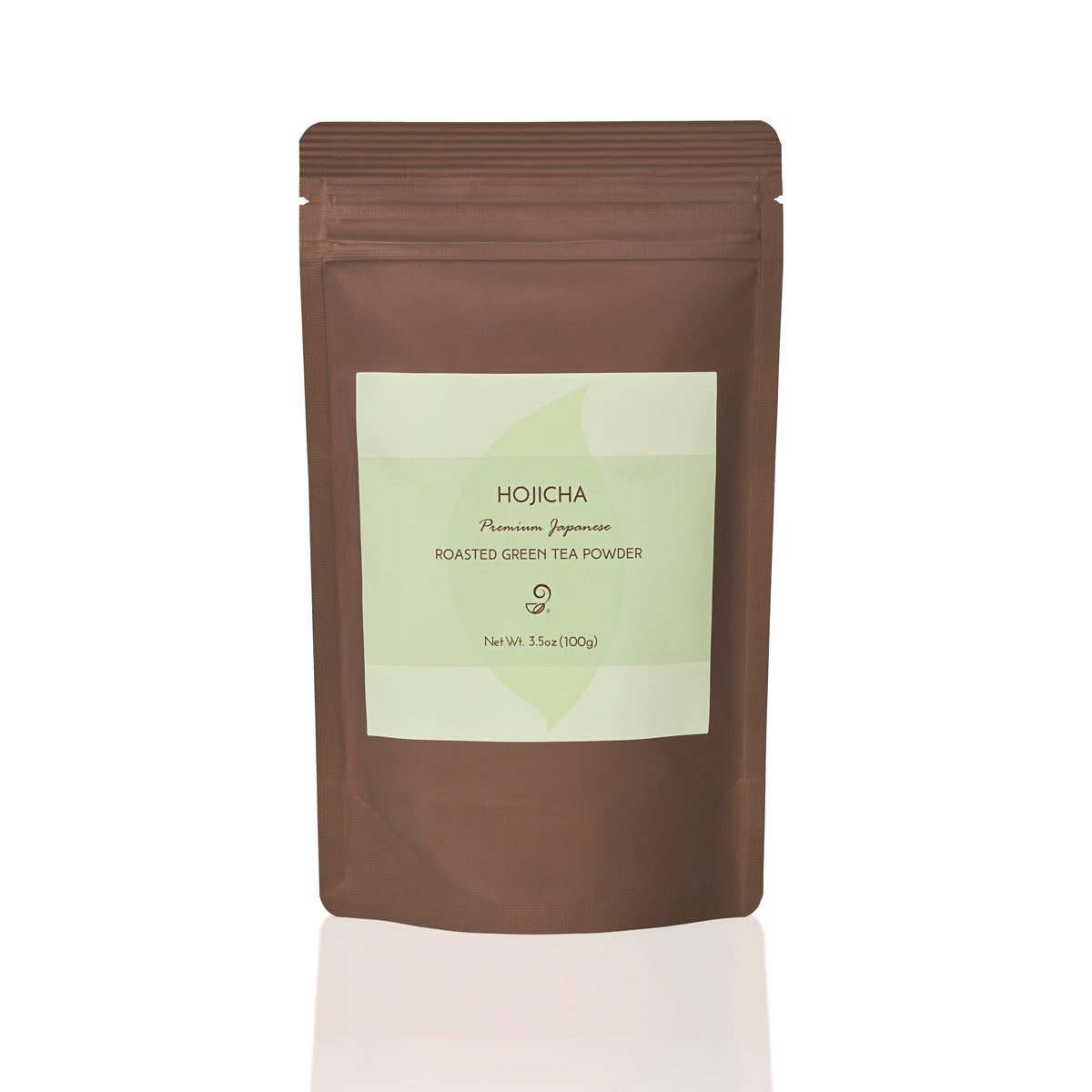
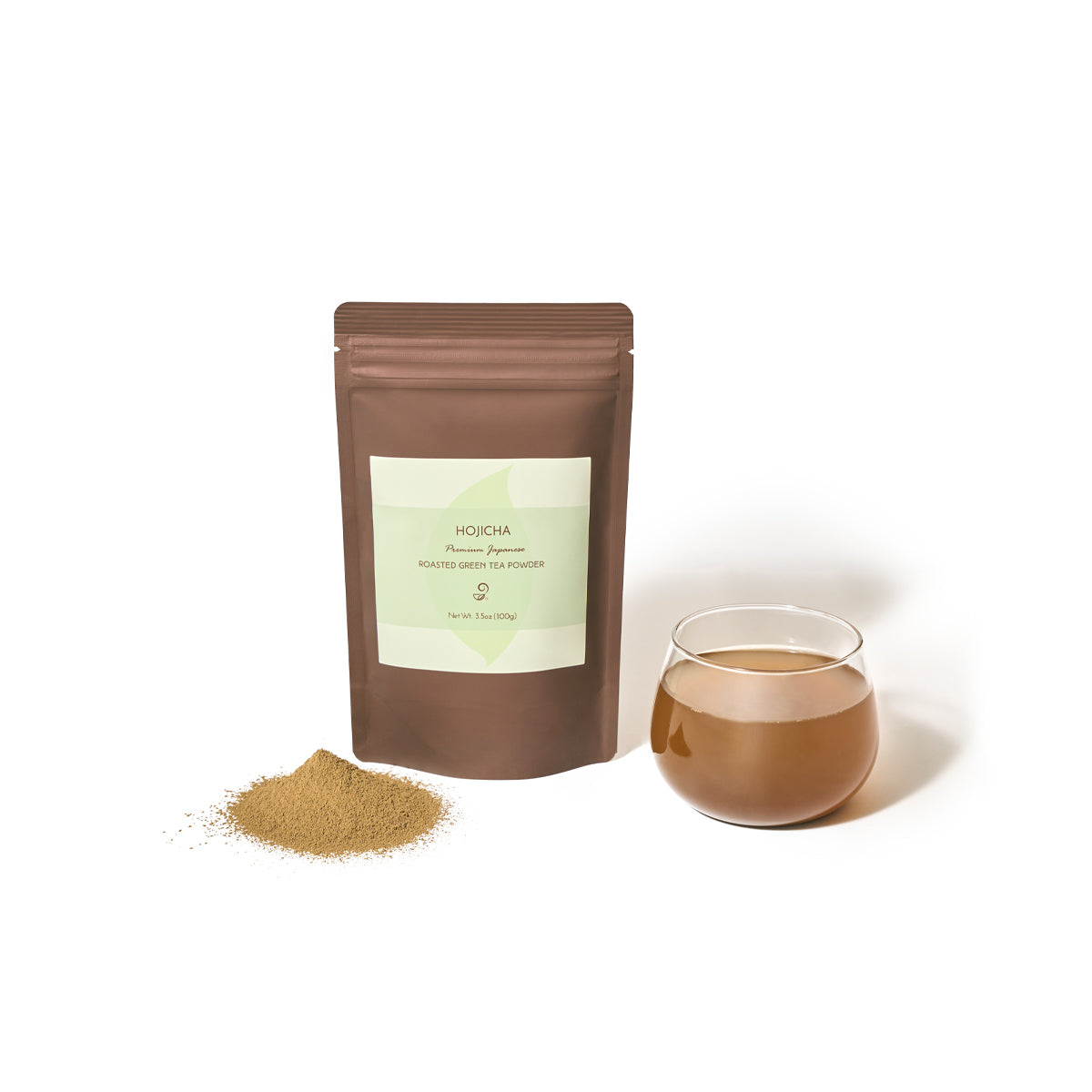
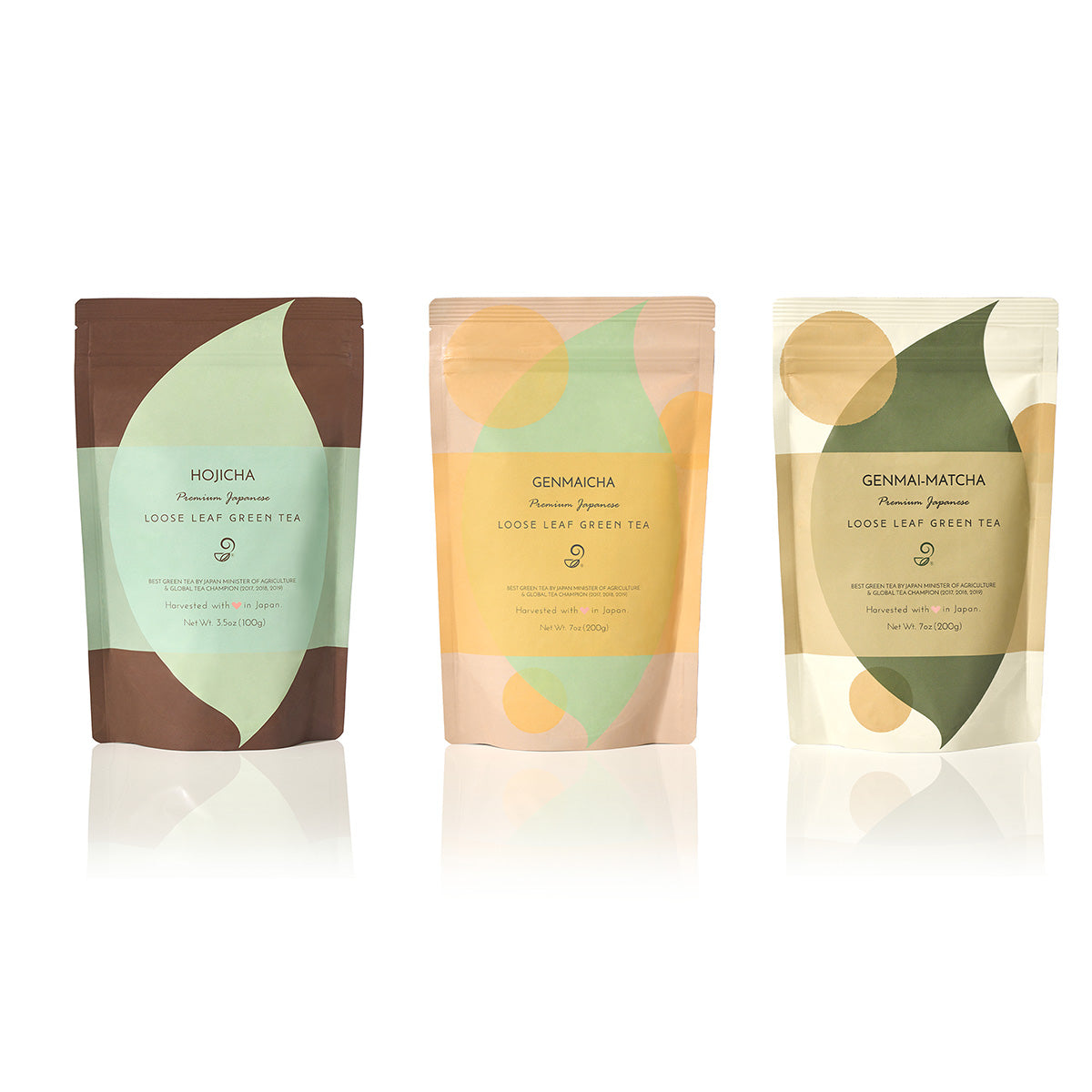
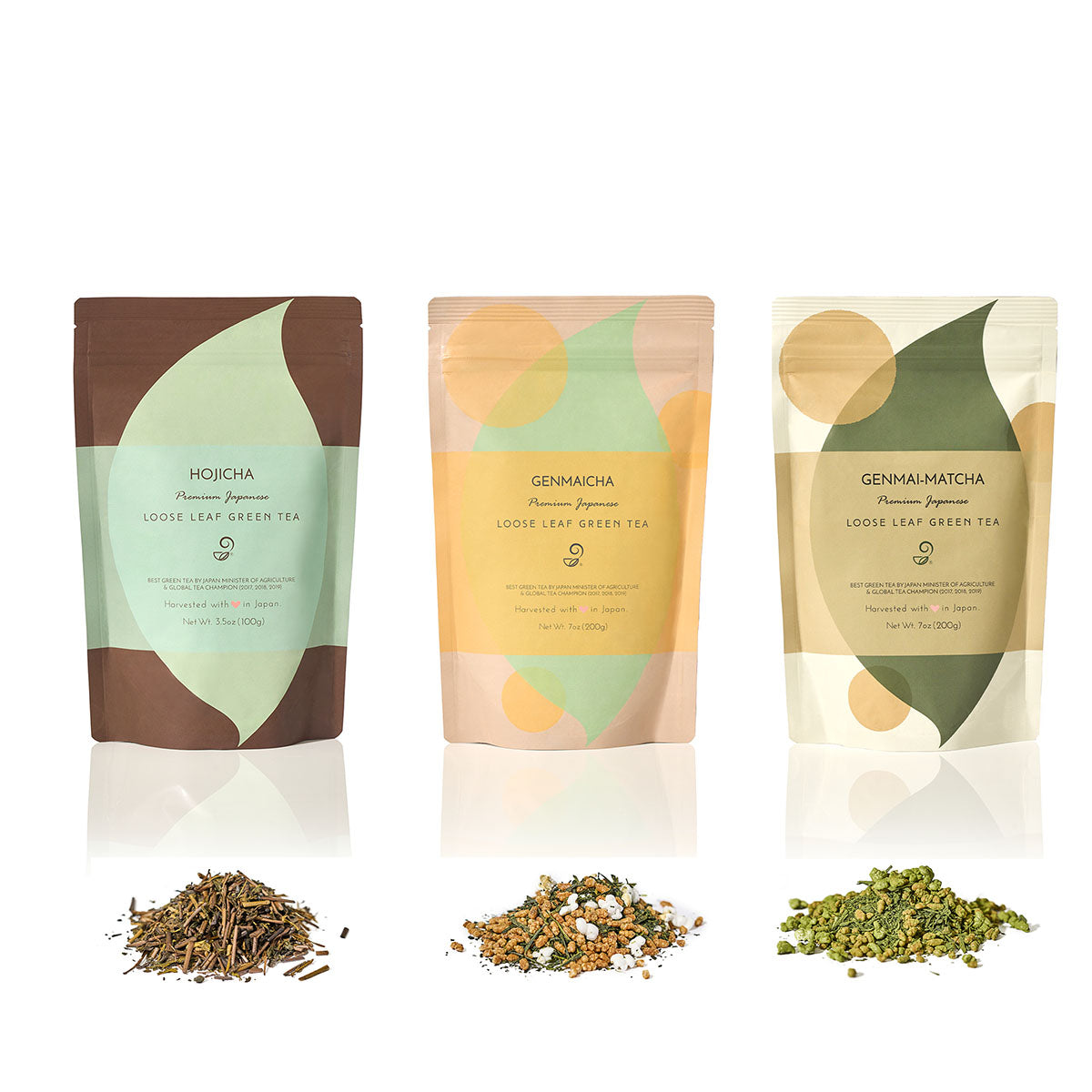
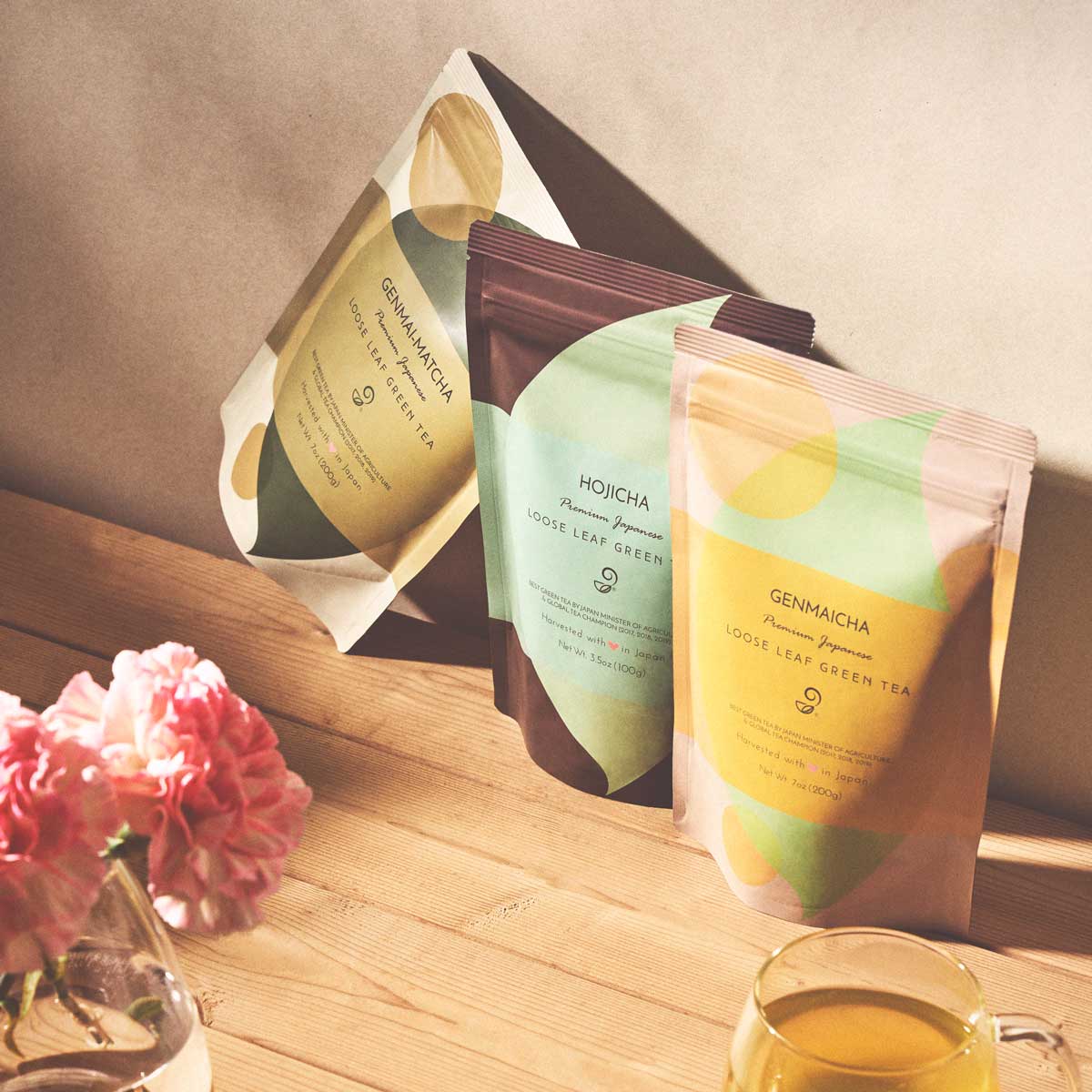
TRY OUR PREMIUM HOJICHA SERIES
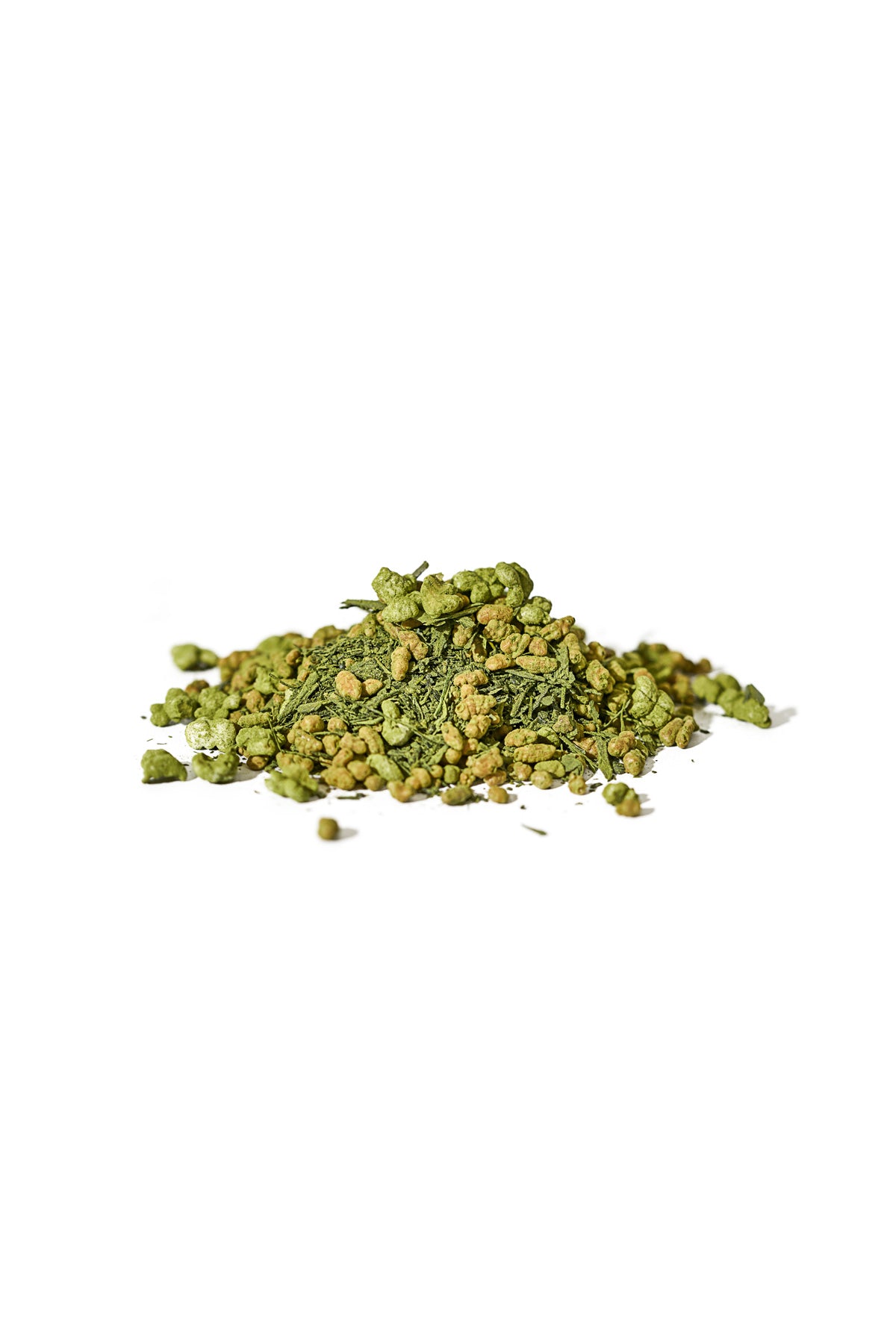
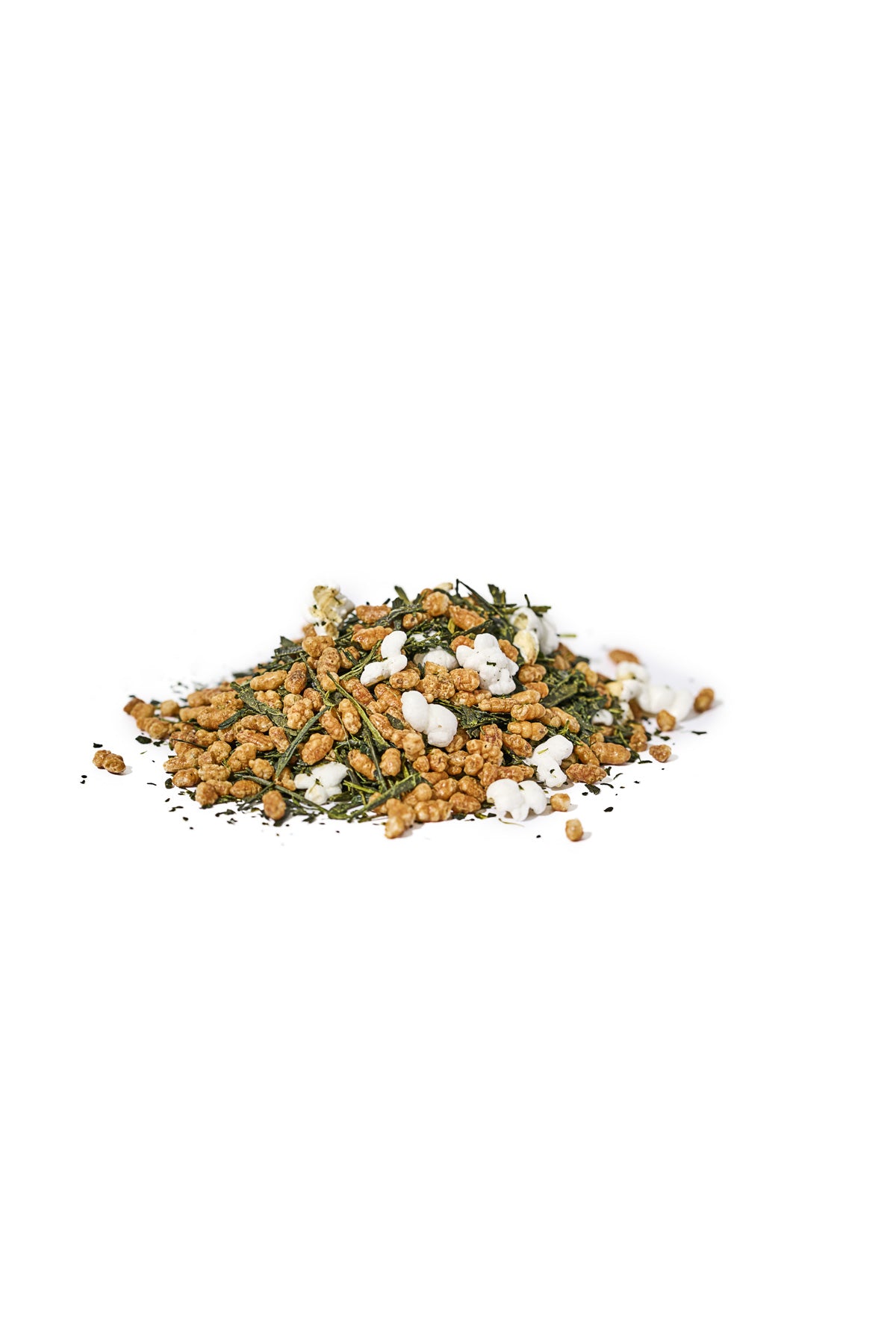
1 review
$90.00
$72.00
/
Quick view
Hojicha Genmaicha Trio Gift Set - Premium Japanese Green Tea Set Package


Get Free Bonus Books

Sign up for free to the Green Tea Club to get advice and exclusive articles about how to choose Japanese Tea, and tips, tricks, and recipes for enjoying Japanese tea.
About the author
Kei Nishida
Author, CEO Dream of Japan
Certification: PMP, BS in Computer Science
Education: Western Washington University
Kei Nishida is a passionate Japanese green tea connoisseur, writer, and the founder and CEO of Japanese Green Tea Co., a Dream of Japan Company.
Driven by a deep desire to share the rich flavors of his homeland, he established the only company that sources premium tea grown in nutrient-rich sugarcane soil—earning multiple Global Tea Champion awards.
Expanding his mission of introducing Japan’s finest to the world, Kei pioneered the launch of the first-ever Sumiyaki charcoal-roasted coffee through Japanese Coffee Co. He also brought the artistry of traditional Japanese craftsmanship to the global market by making katana-style handmade knives—crafted by a renowned katana maker—available outside Japan for the first time through Japanese Knife Co.
Kei’s journey continues as he uncovers and shares Japan’s hidden treasures with the world.
Learn more about Kei

