Skip to content

From Plant To Your Tea Cup How Is Matcha Tea Made?


Everything You Need to Know About How Matcha is Produced  

What exactly is "matcha green tea"? How is matcha tea made, and where does it come from? The manufacturing process of matcha green tea is extremely superior and extravagant. Let me explain in detail the process of farming that produces the amazing aroma. 

The process is amazing because it sustains the flavor and aroma of the tea. Matcha green tea looks highly attractive because of its bright green color and has the best texture with a slightly bitter, earthy, and intense flavor.

The Production Process of Matcha Green Tea - The Pride of All Teas

The cultivation process and the production process of matcha tea are not only intricate parts, but they are also arts. The matcha tea leaves are specifically grown in two major regions of Japan, named Nishio in Aichi and Uji in Kayoto. The leaves of matcha plants, especially, grow under shade so that the flavor, aroma, and nutrients get preserved perfectly in the matcha leaves. Covering the plant from direct sunlight enhances the quantity of chlorophyll, which provides the extra-bright green color to the matcha tea. Additionally, shading the plant also ensures the right amount of nutrients, amino acids, vitamins, and an intense umami flavor.

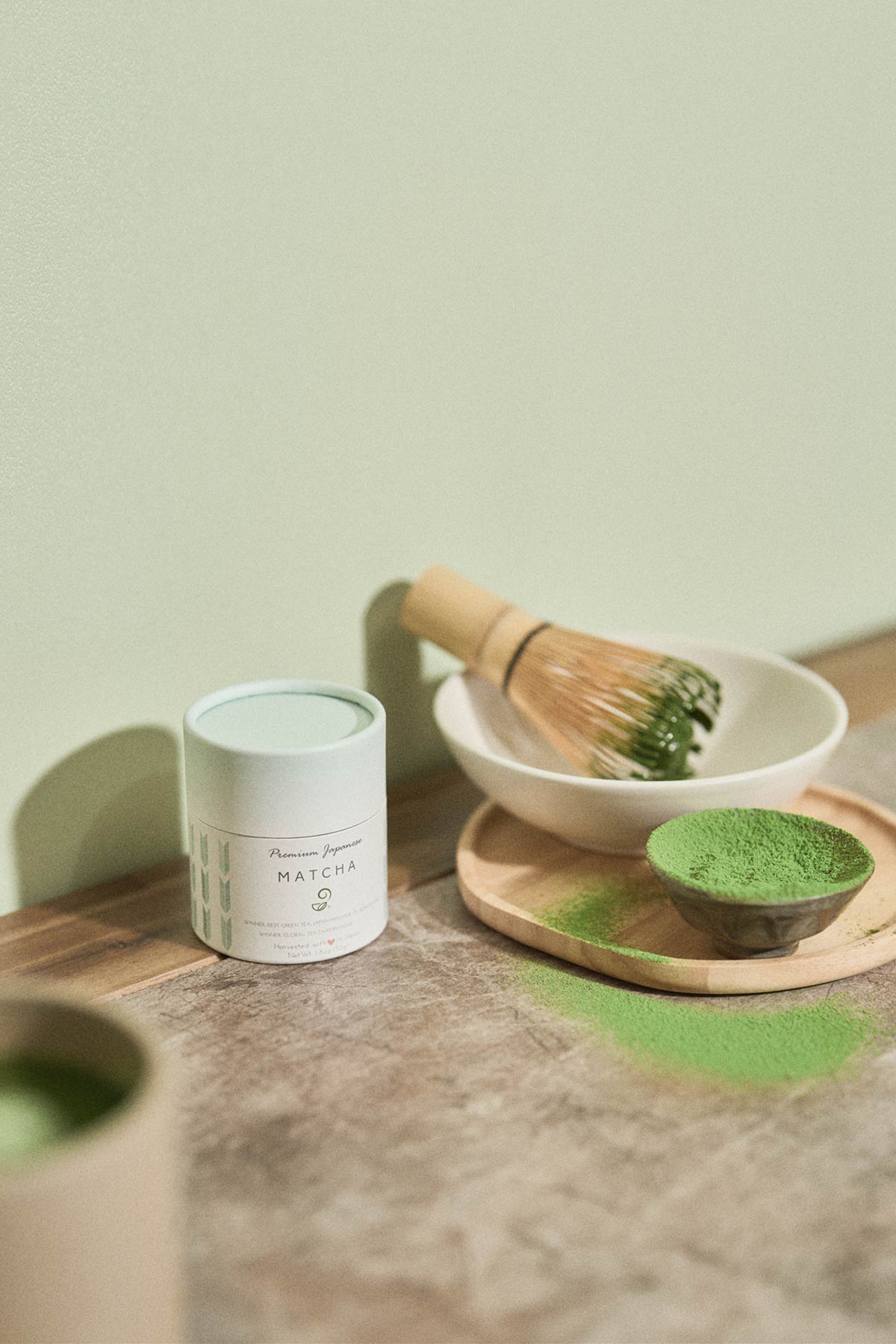
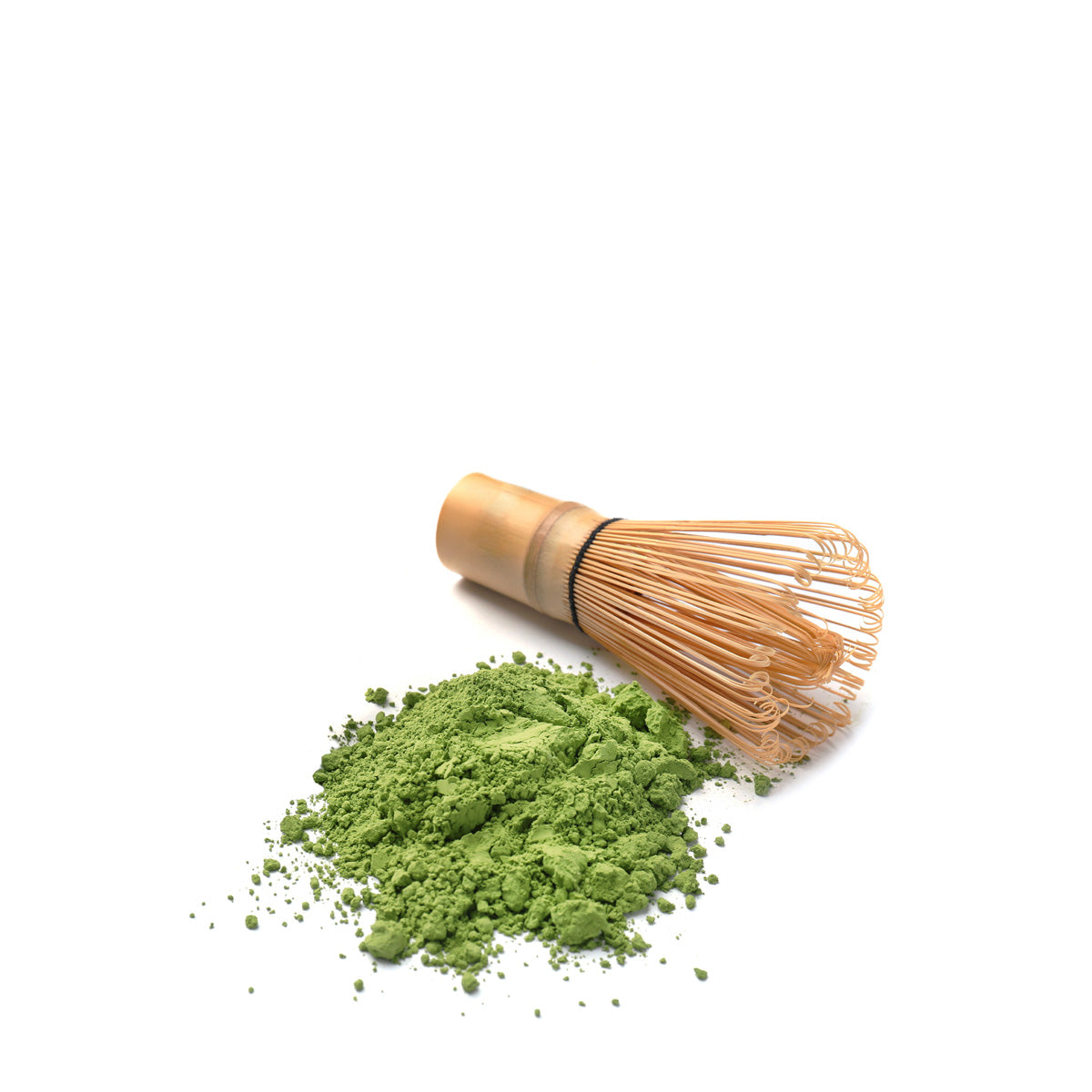
bamboo spoon and whisk

Right after the harvesting production process, the farmers pick leaves with their hands. The leaves are then steamed, deveined, and dried properly for the further grinding process. The grinding process of matcha tea is a traditional process that can convert a higher amount of tencha into fine powder in less time.

Here is a step-by-step guide to the production of matcha tea:

The Matcha Grows Under Shade

A perfect climate for the production and cultivation of matcha tea plants requires a rainfall rate of 114.3–127 cm annually. The pH value should be 5.8–5.4 or less for best growth. The matcha tea plant can be grown up to 7,218.2 feet above sea level. The soil must be acidic for the best tea plant growth because tea plants will not grow in soil that is alkaline in nature.

The leaves of the tea are grown in the shade and properly covered with rice straws or mats of bamboo sticks to protect the leaves from direct sunlight. This is essential to protecting the flavor, amount of caffeine, quantity of chlorophyll, and sugar level of the tea plant. This process takes place six weeks before the harvesting and production of matcha tea. The most important part of this tea plant is the right amount of chlorophyll, which is important to maintain the lush, bright green color of the plant and the earthy flavor of the matcha tea. The Japanese consider the intense flavor of matcha tea an umami flavor.

The leaves of the tea are grown under the shade

The Finest Process of Harvesting Leaves of  Matcha

The process of harvesting starts in the spring season in Japan; according to their traditions, the Hachijuhaciya depicts the 88th day, and it is important for Japanese because it represents the beginning of the new year of the tea picking process, especially for the tea farmers.

The harvesting process in Japan takes place mostly in May. During this time, the tea leaves are carefully picked to maintain the quality, flavor, aroma, and freshness of the tea. By keeping in mind the location of where the plant grows, the tea leaves get picked every 5 or 10 days. To maintain the quality of the tea leaves, the farmers pluck the leaves with their hands.

The crop of the matcha tea plant is harvested during the months of April and May; the second crop is harvested during the month of June; the third crop is harvested in the month of July; and the final crop is harvested in the month of September.

The Aromatic Steaming Procedure

The basic difference that is highly notable between matcha green tea and other teas in the world is that matcha green tea is added in the process of steaming right after it gets harvested. The harvesting process of the matcha tea takes up to 20 seconds just to keep the matcha leaves from oxidizing. It maintains the flavor, color, and freshness of the tea and also preserves the chlorophyll content, the ratio of amino acids, and other astonishing nutrients. The matcha leaves then get blown to absorb all the moisture present; this step helps in maintaining the texture and high quality. The steaming process is highly required to enrich the fragrance of the plant.

The importance of the steaming process is that the leaves were dried perfectly to stop the action of enzymes that may cause oxidation. The drying process is extremely indispensable because it ensures the nutrients, a high rate of vitamins, and the amount of chlorophyll. The production process of matcha green tea is highly delicate and important because it maintains the standard and constitution of the plant.

matcha or not matcha

The Effective Drying Process of Matcha Leaves - The Enchanting Aroma and Taste

Now comes the most important stage, which is drying the leaves. After the steaming process, this step is the most distinguished. The leaves are now passed through various massive machines, where they are cooled down using a mild air blow. After this, they are placed on the flat surface so that the leaves can dry properly, and then the leaves are added to the big machine system, in which the stems of the matcha leaves are removed with the veins as well. After removing stems and vines, the remaining part is known as the tencha, from which the matcha green tea gets prepared. This step takes 40 minutes maximum.

The Grinding Process - The Stone Grinding for Best Match Tea

The last and most enchanting process is the grinding of the leaves. The stone grinding of the matcha tea leaves is the most delicate process; it basically saves the intense bitter flavor, the rich green color, the earthy aroma, and the grainy texture of the tea. There are numerous benefits to stone grinding: it enhances the level of nutrients and antioxidants, and it takes the deliciousness of the tea to another level. The doctor highly recommends this matcha green tea specialty in Japan.

Stone grinding enhances the level of nutrients and antioxodants

The Final Drying Process

After the whole rolling and drying process, the final stage comes: the final drying of matcha tea before sending it to the wholesale merchants. In this process, the tea is spread on a flat plastic surface to completely absorb the moisture. Tea at this stage is known as ateaha. After the final drying, the tea is shipped to wholesalers for the complete packing process.

The Cleaning Process of Matcha Powder

After the matcha tea is shipped to the tea merchants, it undergoes the cleaning process depending on the quality they desire. And finally, the packing stage of matcha green tea comes. While packing it, the merchants carefully examine the quality and texture of the tea so that customers can enjoy the aroma and flavor of the tea.

The Prodigious Combination of Nutrients –Quality Control

The quality control temperature ranges up to 93.2–96.8°F for all the drying and steaming production processes. Matcha, after the whole production process, provides all the high-quality ingredients that make people crazy over this green tea, like caffeine, fluoride, sodium, amino acids, cellulose, potassium, iron, calcium, the vitamins A, C, B1, B2, B3, B5, proteins, magnesium, and more than 30 other nutrients that help you stay active all day, improve dental health, enhance the metabolism rate, make heart health better, slim down your weight, and provide relaxation to the body.

Want to know what makes the Matcha Tea Healthy?

The growing, harvesting, and grinding process of this tea is not like that of ordinary teas; matcha is delicately prepared to restore all its nutrition and health benefits. The amount of antioxidants present in the tea helps the body fight against all the harmful agents. The tea makes the body fight against all the signs of aging and dangerous diseases.

Lastly, the whole production process of matcha green tea makes this tea more enchanting. People are nowadays using this tea to feel zen, stay fit and calm, and revitalize their mind and senses. People also use matcha tea powder in different dishes and in ice cream to add a fresh minty flavor. The more you use matcha tea powder, the more benefits you can enjoy.

Buy Matcha Online
80 reviews

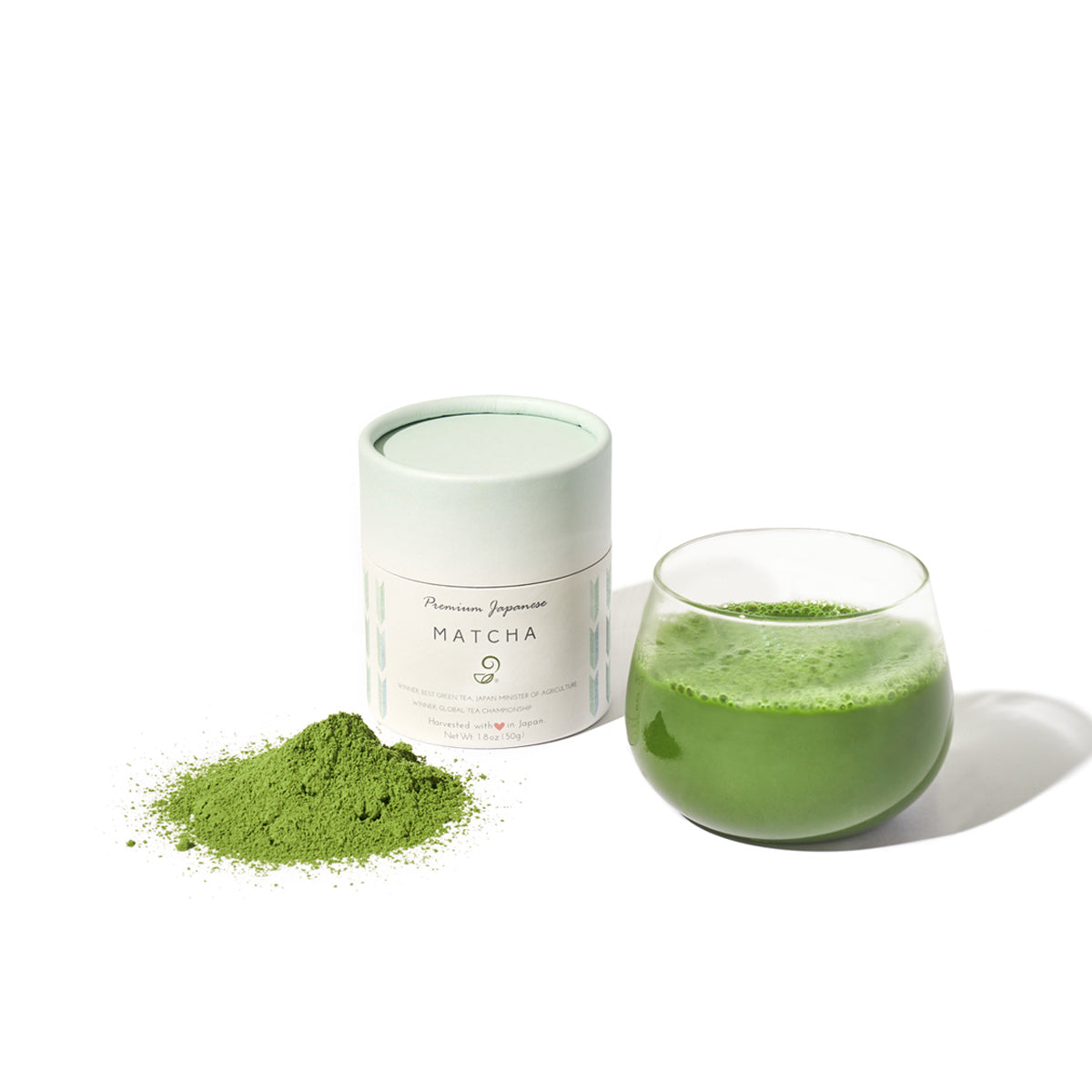
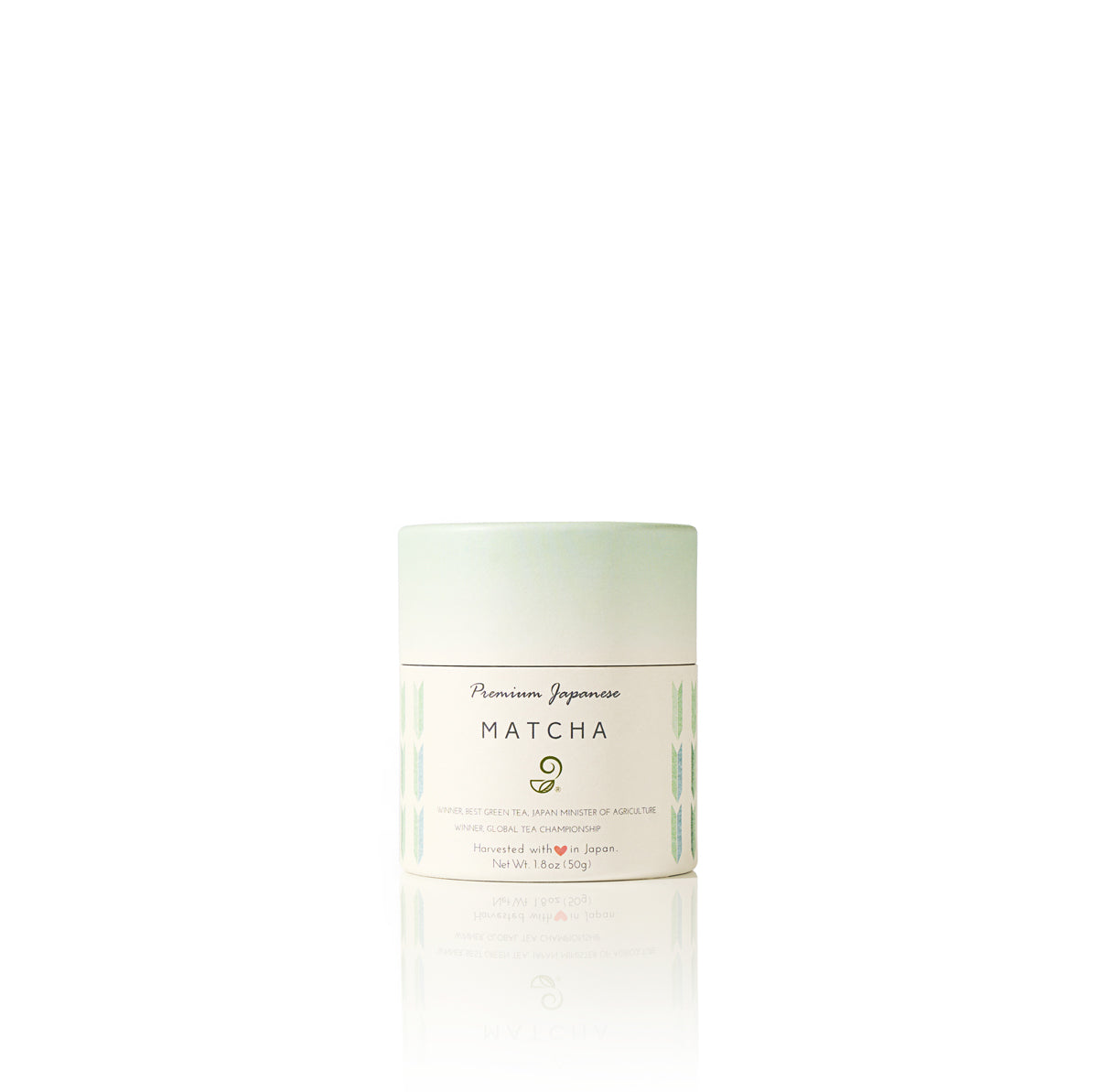
Matcha - Ceremonial Japanese Powdered Green Tea

$39.00
Quick view

This ceremonial matcha is crafted from the finest Japanese green tea, grown in nutrient-rich soil enhanced with compostable grasses and sugarcane through the Chagusaba method, which gives the tea a natural sweetness and exceptional flavor. In collaboration with researchers from Shizuoka University, farmers ensure that the soil quality consistently produces tea of the highest standard.

Renowned among top Japanese chefs for its unmatched aroma, this matcha is made by carefully shading the plants before harvest to boost caffeine and amino acids, then meticulously drying, de-stemming, and grinding the leaves into a fine powder. Made from the Yabukita cultivar, this 1.8 oz (50g) matcha comes in a high-quality, air-tight paper tube canister, providing a luxurious and authentic Japanese tea experience.

14 reviews

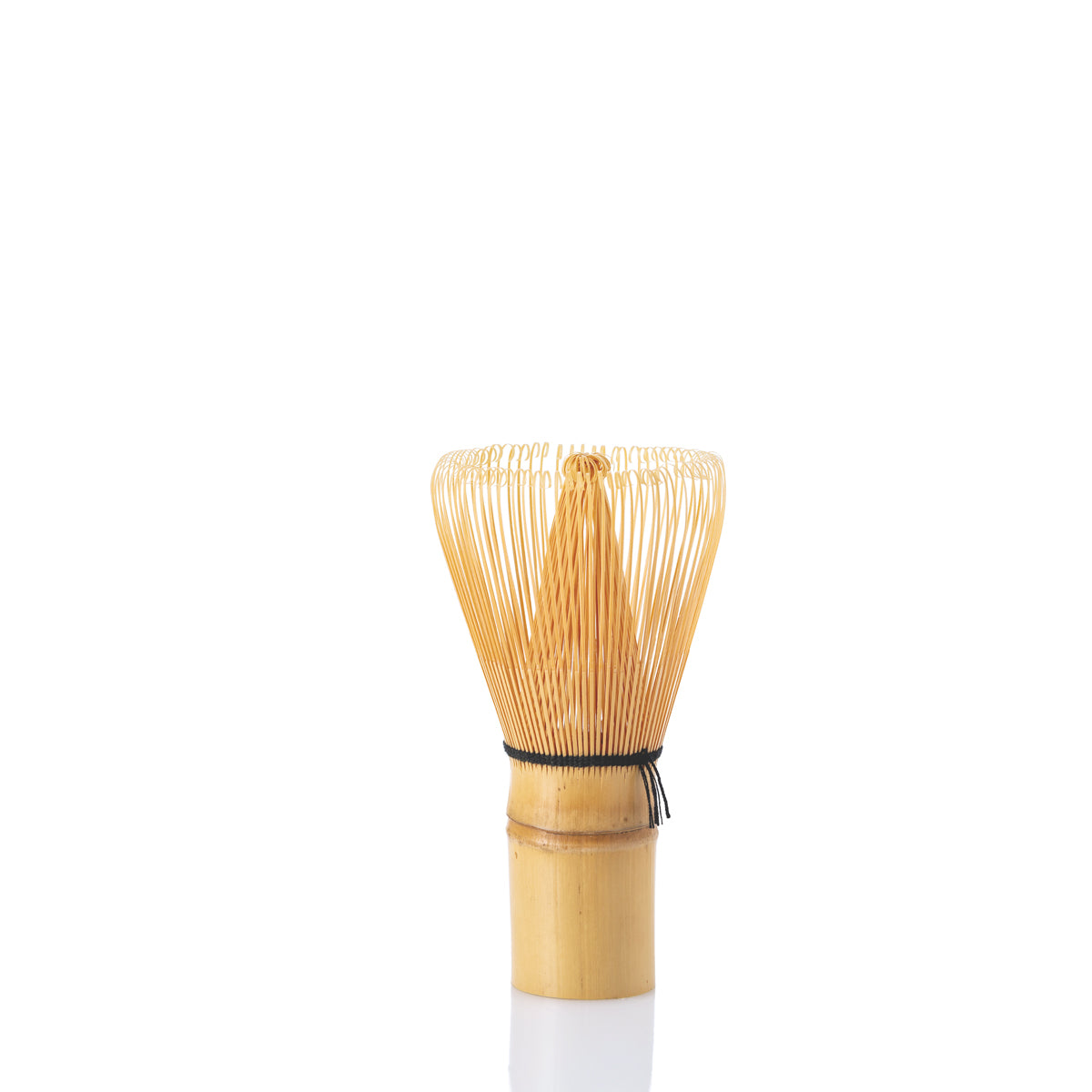
Buy Premium Matcha Chasen Whisk (100 Prong)

$35.00 $19.99
Quick view

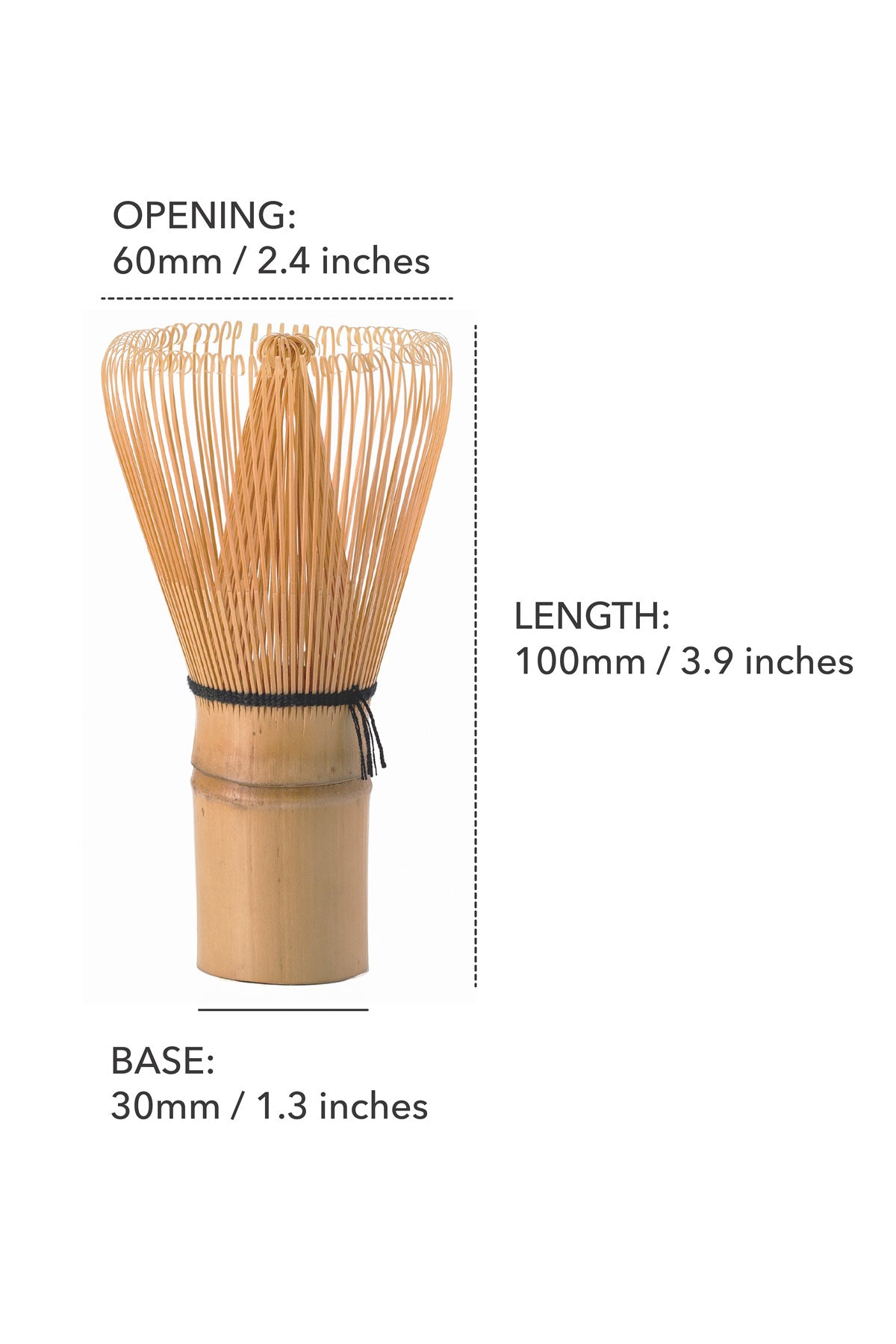
This premium-quality matcha chasen whisk is crafted with durable, high-grade bamboo and designed for lasting performance. Featuring 100 prongs, it offers a superior whipping ability compared to lower-quality 40–60 prong whisks and is considered the highest grade, often used in high-end tea ceremonies in Japan.

As it is made from natural bamboo, measurements may slightly vary, but generally, the base measures about 30mm (1.3 inches), the length is 100mm (3.9 inches), and the whisk opening is 60mm (2.4 inches), making it an ideal choice for creating a perfectly smooth and frothy matcha.

22 reviews

Matcha - Japanese Limited Reserve Ceremonial Green Tea - (Global Tea Champion 2018, 2025)

$300.00
Quick view

This Premium Ceremonial Grade Matcha is one of the most luxurious matcha teas available, crafted from carefully cultivated Japanese green tea grown in nutrient-rich sugarcane soil using the Chagusaba method. Traditionally reserved for high-end tea ceremonies in Japan and loved by many tea masters, this matcha was once unavailable outside of Japan and is now finally accessible to U.S. consumers. Every step of its production, from shading the tea plants to increase caffeine and amino acid levels to the meticulous removal of stems and veins before grinding into a fine powder, is handled with a blend of advanced technology and time-honored tradition. Made from the Yabukita cultivar, this 30g (1.05 oz) ceremonial matcha offers a vivid color, unforgettable aroma, and the highest standard of flavor, earning recognition as a Global Tea Champion in 2018 and 2025.

4 reviews

The Covered Trio Gift Set - Ceremonial Matcha, Gyokuro, and Nozomi Japanese Green Tea Set Package
$143.00 $128.00
Quick view

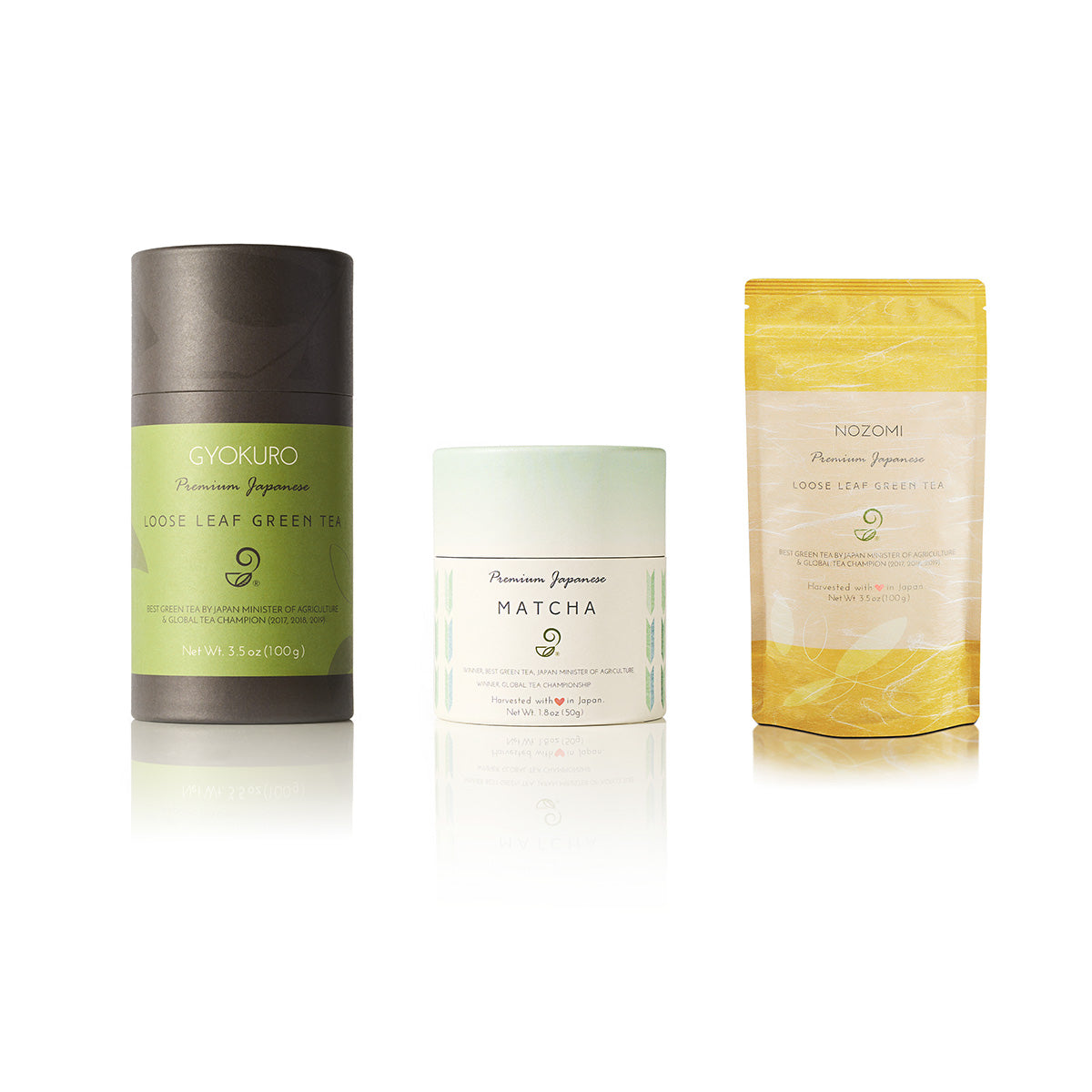
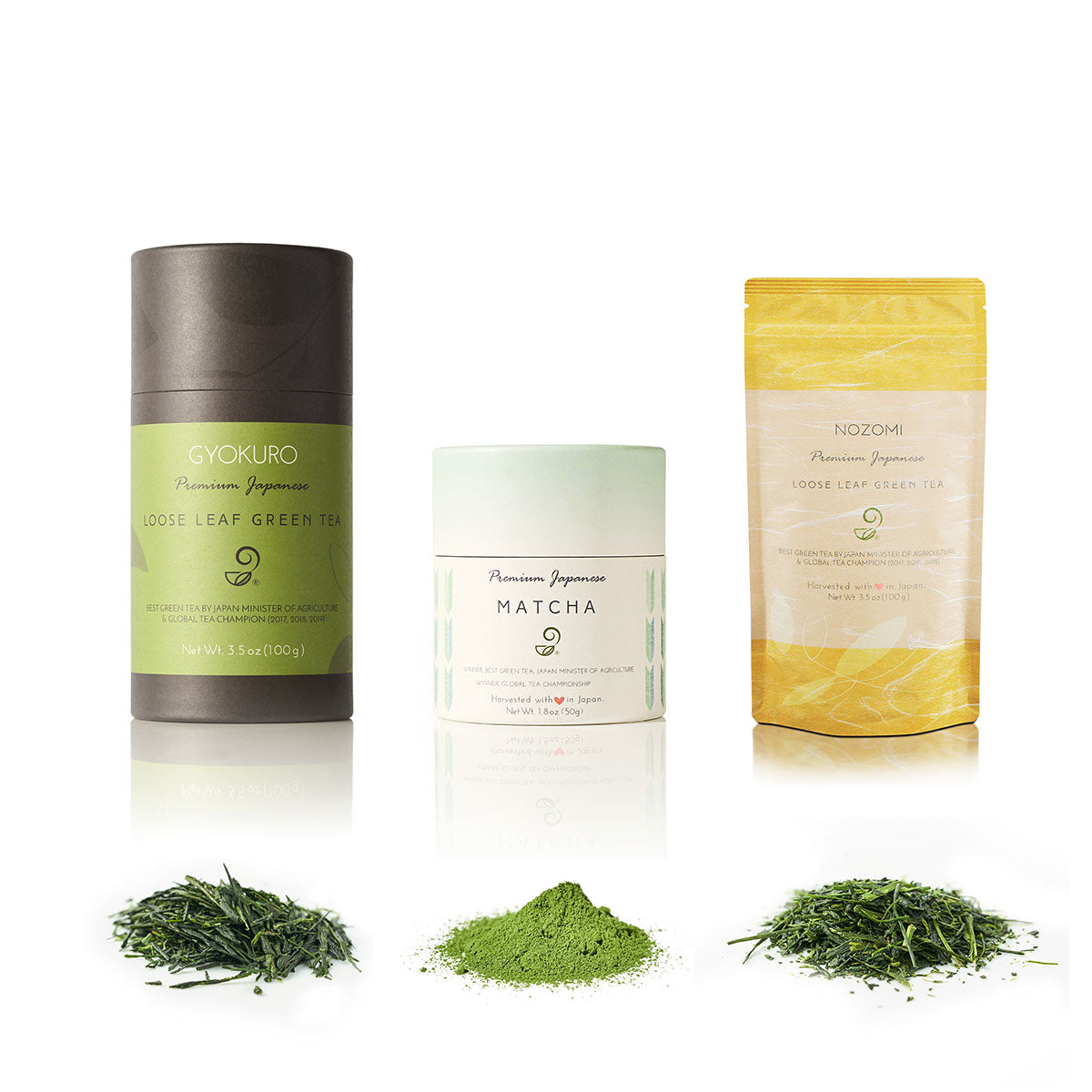
This tea set features three premium Japanese green teas, all cultivated in nutrient-rich sugarcane soil to enhance their flavor and natural sweetness. Gyokuro, a prized shaded green tea, is grown under special mats for 20 days to increase caffeine and amino acid levels, resulting in a rich, sweet taste and deep mossy green color. The set also includes a luxurious matcha, crafted from carefully shaded, hand-processed leaves and renowned for its smooth, aromatic flavor, developed in collaboration with researchers from Shizuoka University to maximize the benefits of the enriched soil. Completing the collection is Nozomi, a fine Kabuse-cha or "Covered Green Tea," where young tea leaves are gently shaded just before sprouting, producing a soft, refined flavor perfect for tea enthusiasts.

2 reviews

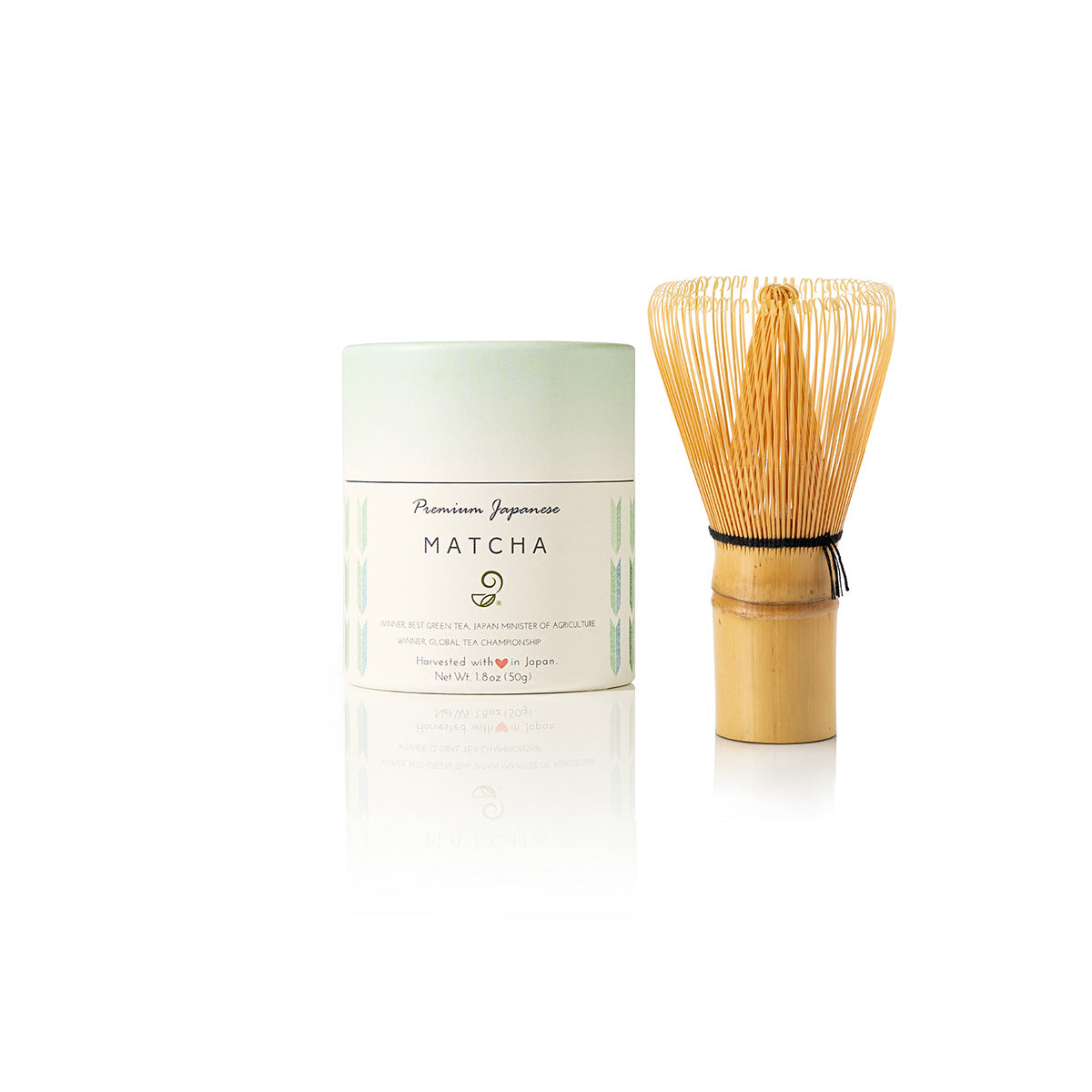
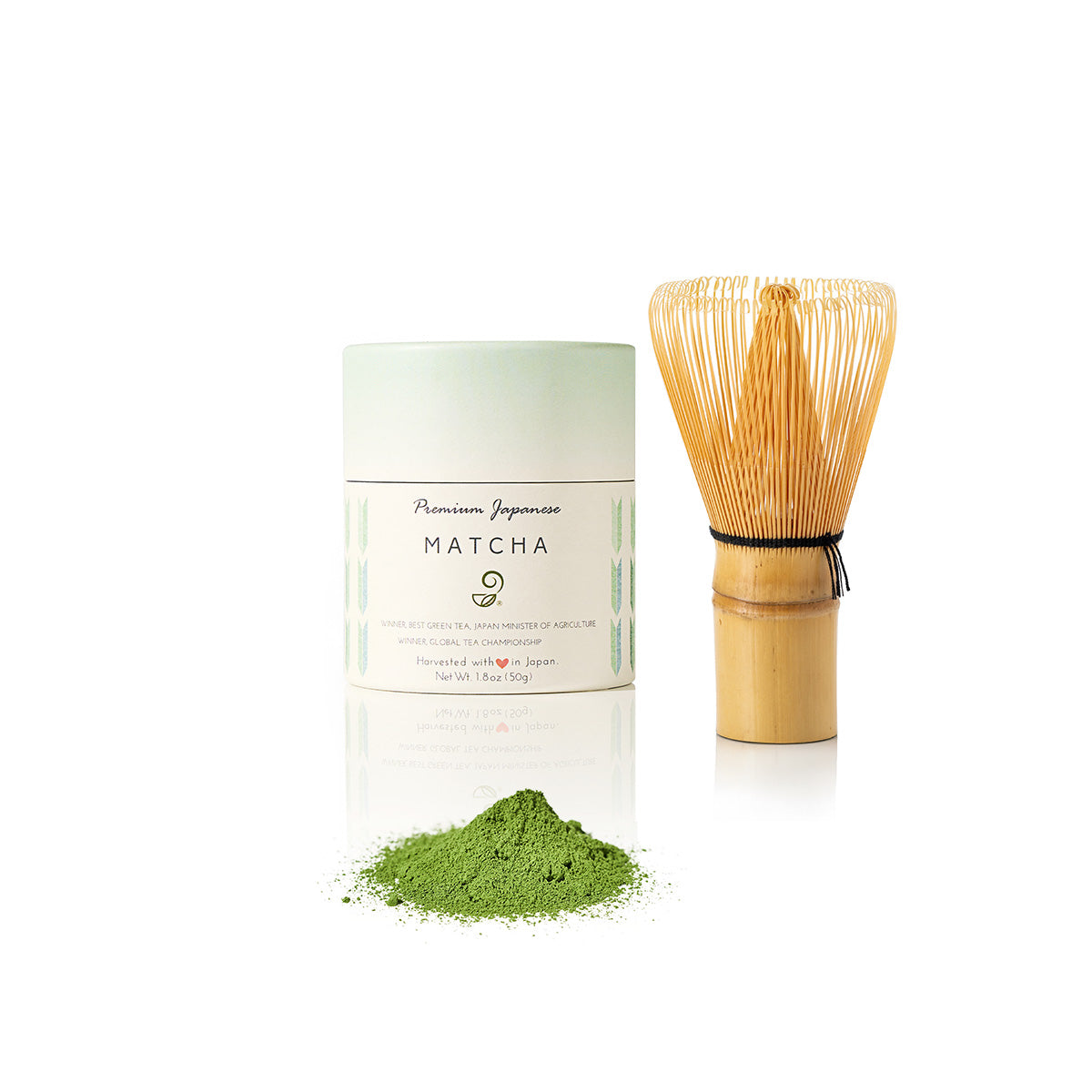
Matcha and Chasen Whisk Gift Set

$74.00 $66.00
Quick view

This set features a premium matcha made from the finest Japanese green tea, cultivated in soil enriched with compostable grasses and sugarcane to bring out a natural sweetness. In collaboration with researchers from Shizuoka University, farmers carefully study soil conditions to enhance flavor quality. The tea plants are shaded before harvest to increase caffeine and amino acid content, then skillfully dried, de-stemmed, and ground into a fine powder, creating a matcha with a luxurious aroma and taste highly regarded by top Japanese chefs.

Paired with the matcha is a traditional 100-prong bamboo chasen whisk, considered the highest-grade among matcha tools. Unlike common 40-60 prong versions, this finely crafted whisk is widely used in high-end tea ceremonies in Japan. Its balanced dimensions offer the perfect design for preparing a smooth and frothy bowl of authentic matcha.

FAQs about How Matcha is Made

How is matcha actually different from "powdered green tea" you see at grocery stores?

Real matcha is shaded for 20-30 days before harvest, steamed, de-stemmed, de-veined into tencha (碾茶), and stone-milled into ultra-fine powder. Most "powdered green tea" sold in grocery stores skips most of those steps — typically it's just regular sun-grown sencha that's been ball-milled or air-milled into powder. The flavor and color difference is dramatic: real matcha is vibrant green; pseudo-matcha is olive or yellowish.

The bigger giveaway is taste. Authentic ceremonial matcha (抹茶) has a savory umami sweetness from the L-theanine that develops during shading. Pseudo-matcha tastes mostly bitter and grassy because no shading happened. If you've tried "matcha" and disliked it, there's a good chance you tried unshaded powdered green tea, not real matcha.

Read the label: real matcha will say "shade-grown" or "tencha-derived" or list a specific origin (Uji, Nishio, Shizuoka). Generic "green tea powder" without those signals is almost always not real matcha.

Why is matcha shaded — what does covering the plants actually do?

Covering the tea plants for 20-30 days before harvest forces the leaves to produce more chlorophyll (deeper green color) and converts catechins into L-theanine, the amino acid responsible for matcha's umami sweetness. The plants are stressed by reduced light and respond by upregulating compounds that protect the leaf — exactly the compounds that make matcha matcha. Our guide to the covering process walks through the chemistry in detail.

The shading also dramatically reduces yield (shaded plants produce roughly half the leaf of unshaded ones) which is a significant cost driver. The longer and darker the shading, the higher the L-theanine content but the lower the yield — that's why ceremonial-grade matcha costs 5-10x what generic green tea powder costs.

Materials matter too. Traditional bamboo screens (yoshizu) shaded by rice straw produce slightly different chemistry than modern synthetic netting. Most premium matcha producers use a combination — synthetic netting for early shading, traditional materials for the final week — to balance economics with traditional quality.

Everything You Need to Know about Covering Process for Matcha and Gyokuro

What's tencha and how does it become matcha?

Tencha (碾茶) is the intermediate step between fresh-picked shaded leaves and matcha powder. After harvest, leaves are steamed (within hours, to deactivate oxidation enzymes), then dried while flat — not rolled like sencha leaves. The dried tencha looks like flat green flakes about the size of a fingernail. From there, the stems and veins are removed (de-stemming, de-veining), leaving only the leaf body, which is what gets stone-ground into matcha powder.

Tencha by itself isn't really sold to consumers — it's an intermediate product that goes straight to matcha mills. The few specialty shops that do sell it position it as a curiosity. Brewing tencha whole gives you a watery, less-concentrated version of matcha because you're not ingesting the leaf.

So the simple answer: tencha is the leaf form of matcha. Matcha is the powdered form. Same plant, same shading, just two different processing endpoints — one for milling, one for steeping.

Why does grinding matcha take so long, and does the mill type matter?

Stone milling produces 30-40 grams of matcha per hour. The stones rotate at 30-40 RPM and the gap between upper and lower stones is fractions of a millimeter. The slow speed and tight gap together produce the ultra-fine particle size (5-10 microns) that makes matcha behave like a liquid suspension instead of a sediment.

Speed it up and matcha gets ruined two ways: friction generates heat that destroys the volatile aromatic compounds responsible for fresh-grass aroma, and faster grinding creates a coarser particle that sinks instead of suspending. Modern ball mills and air mills are faster (50-100x) but produce noticeably inferior matcha — duller color, less aroma, grainy mouthfeel.

Most premium ceremonial matcha is still stone-milled. Most culinary-grade matcha is ball-milled — fine for baking, lattes, and cooking where the subtle aromatic differences are masked anyway. The mill type matters more than people realize for ceremonial use, less for culinary use.

How do I tell good matcha from bad matcha just by looking?
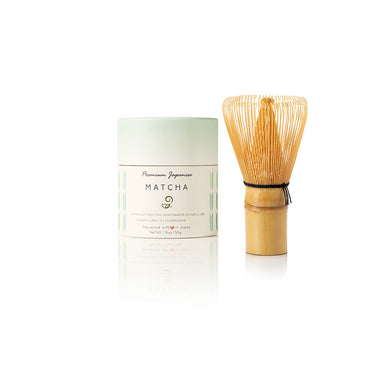
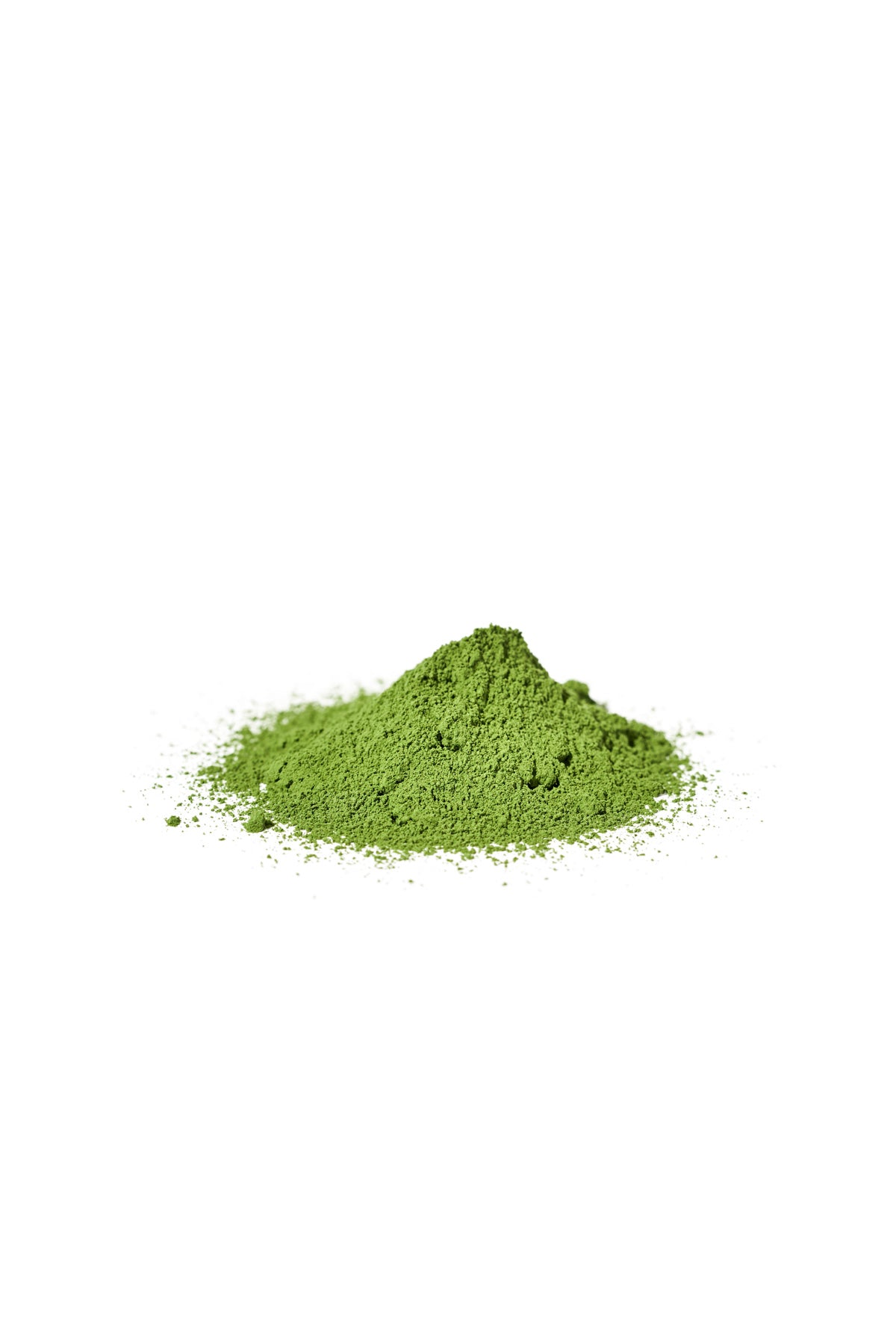
Three quick visual checks. First, color: real, fresh, ceremonial-grade matcha is vibrant emerald green — almost neon. Olive, yellow-green, or brownish-green powder is either lower grade (later harvest, more sun exposure) or stale. Second, particle size: matcha should look almost like a fine cosmetic powder, not gritty. If you can see individual particles, it's been ball-milled or it's poor stone-milled.

Third, smell. Open the tin: fresh matcha has a strong fresh-grass aroma with marine/seaweed undertones. Stale matcha smells dusty, hay-like, or has no smell at all. Aroma fades fastest of all matcha qualities, so a strong aroma is the best freshness indicator.

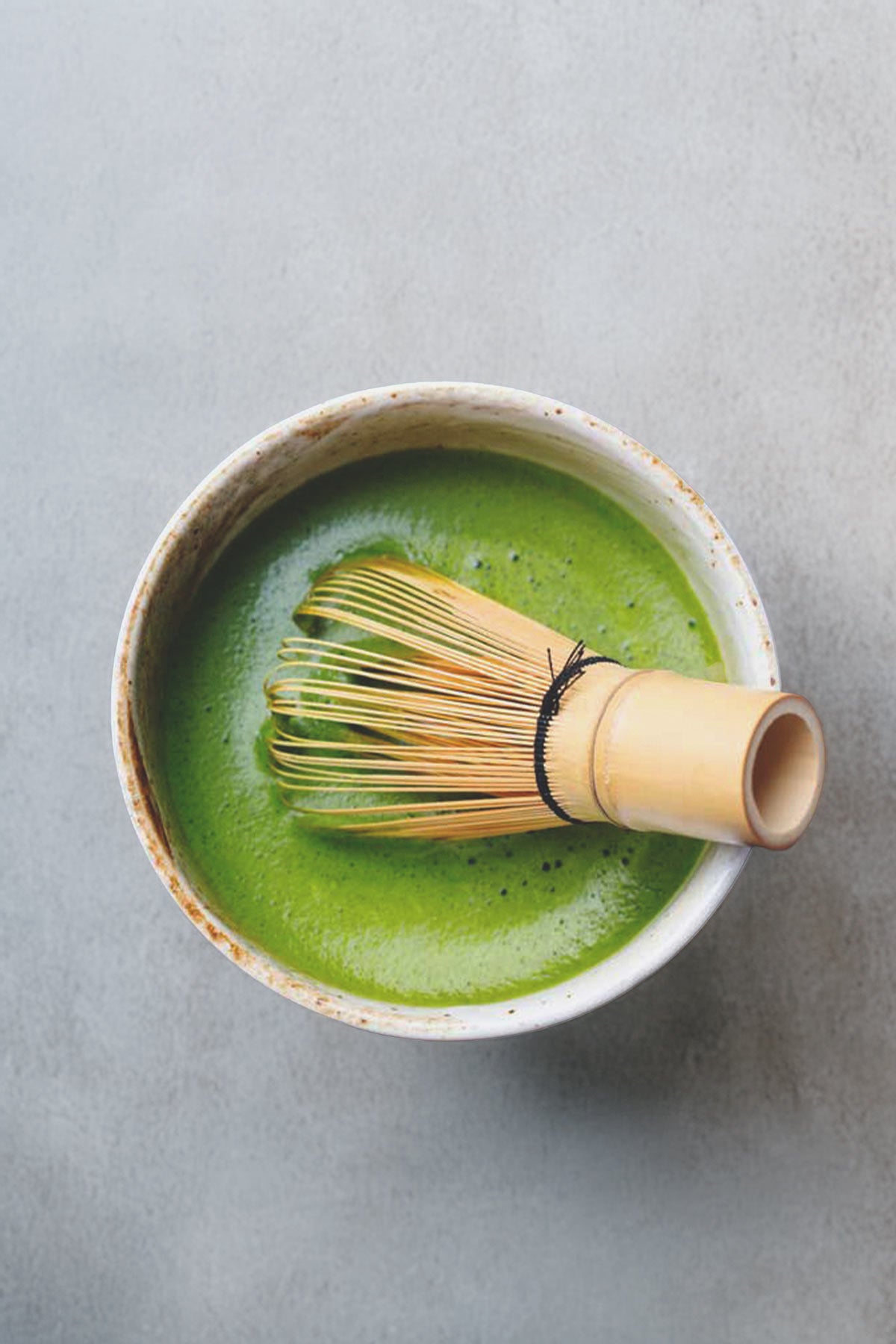
If you can taste it: real ceremonial matcha whisked into a foam should have visible suspension (the green doesn't settle to the bottom for at least a few minutes). Pseudo-matcha settles within seconds. The matcha + chasen whisk set makes this side-by-side test easy to do at home if you want to compare your current matcha against a higher-grade option.


Related Articles You May Be Interested

How to remove lumps from Matcha effectively
What Causes Some Matcha Flavors to Have a Chocolate Aroma?
How to Cold Brew Matcha: Your Comprehensive Guide
Is Matcha Healthier than Sencha (Loose Leaf)?
Why Is Matcha More Expensive Than Other Types Of Tea?

Get Free Bonus Books

Join Green Tea Club

Sign up for free to the Green Tea Club to get advice and exclusive articles about how to choose Japanese Tea, and tips, tricks, and recipes for enjoying Japanese tea.

Unsubscribe anytime. It’s free!

About the author

Kei Nishida

Author, CEO Dream of Japan

info@japanesegreenteain.com

Certification: PMP, BS in Computer Science

Education: Western Washington University

Kei Nishida is a passionate Japanese green tea connoisseur, writer, and the founder and CEO of Japanese Green Tea Co., a Dream of Japan Company.

Driven by a deep desire to share the rich flavors of his homeland, he established the only company that sources premium tea grown in nutrient-rich sugarcane soil—earning multiple Global Tea Champion awards.

Expanding his mission of introducing Japan’s finest to the world, Kei pioneered the launch of the first-ever Sumiyaki charcoal-roasted coffee through Japanese Coffee Co. He also brought the artistry of traditional Japanese craftsmanship to the global market by making katana-style handmade knives—crafted by a renowned katana maker—available outside Japan for the first time through Japanese Knife Co.

Kei’s journey continues as he uncovers and shares Japan’s hidden treasures with the world.

Learn more about Kei

Related Posts

Yokohama Peach is offered as a regular menu at Okayama Kobo Cafe!
Yokohama Peach is offered as a regular menu at Okayama Kobo Cafe! + Recap Video of Pop-up on 2/8/2026 at Anaheim, CA

We are excited to announce that our Yokohama Peach is now available on the regular menu at the popular Japanese Bakery,

Read More
The Story Behind Our Booth Backdrop: Craftsmanship, Engineering, and Sacred Wood
Behind the Scenes – How We Made the Event Booth & Backdrop Using Sacred Wood

Discover how our one-of-a-kind event booth came to life—from Japanese Kōshi (格子) design and rare Port Orford Cedar to mo

Read More
Hojicha Banana Daifuku (Mochi): The Collaboration of Aromatic Roasted Tea and Richly Sweet Banana

Dive into the soft, chewy world of Hojicha Banana Daifuku—where toasted tea meets sweet banana in a cloud of fresh mochi

Read More
Leave a comment

Your email address will not be published..

Cart

Your cart is currently empty.

Start Shopping

Select options