Skip to content

Exploring the Unique Benefits of Green Tea for Eye Health


Green tea has been revered for centuries for its diverse health advantages. As many of us already know, much of its potency is owed to the wealth of catechins it contains. Catechins are a type of natural phenol and antioxidant that combat oxidative stress and inflammation in the body, thereby promoting brain and heart health while aiding in cancer prevention as well. 

Yet, amidst the well-established health benefits of green tea, its effects on eye health are frequently underestimated. In fact, a recent study has unequivocally established green tea catechins as therapeutic antioxidants in the treatment of glaucoma, which is recognized as the leading cause of irreversible blindness and visual impairment and affects more than 80 million people around the world. Here, catechins were found to be distributed across various ocular tissues, from the aqueous humor to the vitreous humor, choroid-sclera, retina, lens, and cornea, after absorption by the small intestine. The potential antioxidative, anti-inflammatory, and anti-apoptotic effects of catechins center around reducing apoptosis, reactive oxygen species (ROS) production, and lipid peroxidation in retinal cells.

These findings underscore the significance of exploring green tea’s potential benefits for vision-related disorders. Let’s take a closer look below. 

Green tea helps the prevention and treatment of various eye conditions

Beyond glaucoma, research has revealed further positive impacts of green tea catechins on various aspects of eye health. In another 2023 study, green tea was found to have a therapeutic potential against age-related macular degeneration (AMD). In particular, the EGCG in green tea helps downregulate the vascular endothelial growth factor A gene in the retinal pigment epithelium and neural retina, thus addressing AMD at the genetic level. Moreover, EGCG helps with orchestrating a delicate balance between autophagy and apoptosis, acting as a guardian against oxidative stress and ischemia and reperfusion.

Similarly, a 2022 study published in IJMS found that habitual tea consumption, including green tea, lowers the risk of developing cataracts. More specifically, adults who consume two or more cups of tea per day demonstrated an almost 16% reduction in risk. Here, the findings suggest that EGCG’s anti-cataract effects stem from its antioxidant abilities, as all three main types of age-related cataracts (including nuclear, cortical, and posterior subcapsular cataracts) are associated with oxidative stress. This helps green tea prevent the initiation of cataract formation and combat lens opacity progression.

The open secret lies in green tea's catechins

In other words, catechin’s innate ability to inhibit oxidative stress and inflammatory responses helps prevent the development of ocular inflammation — which unfortunately encompasses various infectious, non-infectious, autoimmune, and oxidative-induced complications. This means that green tea extract can reduce hyperemia, edema, and infiltrating cells in the iris and aqueous humor to prevent uveitis, as well as reduce the severity of dry eye disease. By inducing autophagy, EGCG can additionally protect retinal cells from diabetic retinopathy and apoptosis triggered by high glucose treatment. EGCG even demonstrates potential in treating corneal ulcers by suppressing collagen degradation.

Green tea helps general vision, too 

Amidst these miraculous benefits for addressing existing eye conditions, green tea is also posited to enhance general vision. Indirectly, green tea can help refine eyesight by maintaining healthy blood sugar and promoting better sleep, which is essential for vision health. Additionally, a 2022 study found improvements in the visual motion processing abilities of mice, including heightened temporal sensitivity, amplitude, optimal speed, and gain in optokinetic responses, following green tea administration. This suggests that green tea intake can directly enhance one’s visual ability to detect moving objects, highlighting the beverage’s overall positive influence in protecting visual function.

Exploring the Unique Benefits of Green Tea for Eye Health

Maximize green tea’s benefits with a holistic approach

While research proves green tea’s benefits for eye health, it's crucial to maximize these findings with practical tips. One key aspect is proper eye protection, given the risks associated with conditions like cataracts and macular degeneration.

Use the right tools to protect your eyes

Today, there are various tools that one can equip to protect one's eyes. However, these are only effective when equipped appropriately. For instance, blue light exposure can potentially cause dry eyes and cataracts. However, contrary to popular belief, blue light is not exclusive to electronic screens; it is pervasive in our surroundings and emitted primarily by the sun. Therefore, while regular blue light glasses can mitigate the impact of computer vision syndrome by blocking 30% to 40% of screen-emitted blue light, they may not be as effective against cataracts or macular degeneration. In this context, consider the antireflective treatment Crizal Prevencia for your lenses for dedicated computer use, as this tends to be more effective than regular blue light filters.

For comprehensive eye protection, prioritize the use of sunglasses while outdoors, even on cloudy or rainy days. With UV400 protection and polarized lenses, sunglasses can offer almost 100% full UV protection and reduce glare from reflective surfaces like water, roads, or snow. Choosing larger sunglasses with increased surface area is beneficial, so if you're shopping online try sorting catalogs by size for extra-large options. Otherwise, you can complement your shades with a wide-brimmed sun hat, especially if you’d rather opt for slimmer eyewear designs to suit your face shape.  

Don't underestimate the importance of proper rest

Beyond external protection, prioritizing eye recovery and rest is vital. Besides adequate sleep, incorporating nutrition and skincare into your routine can further contribute to overall well-being. For a tasty breakfast, consider incorporating a plant-based matcha smoothie into your diet. This features vitamin A-rich spinach, abundant in carotenoids like lutein and zeaxanthin, which are compounds known to lower the risk of long-term eye diseases. Consider incorporating a couple of carrots into the smoothie too, as carrots' beta-carotene can convert into vitamin A as well.

Meanwhile, you can create face masks with green tea to boost your eye breaks and promote a spa-like experience. The antioxidants in catechins can aid in collagen production and help repair cell damage in the delicate skin around the eyes, simultaneously reducing inflammation and soothing tired eyes. All you’ll have to do is mix a tablespoon of leaves with 3 tablespoons of yogurt and place the mixture on your face for 20 minutes before rinsing to reap its benefits.

Prepare your green tea properly

To ensure you maximize the benefits of green tea and preserve the delicate catechins, it's crucial to make it properly and choose high-quality options. To brew tasty Japanese green tea, all you’ll have to do is dissolve 1-2 teaspoons of powder into 8 oz of hot water at about 175°F. After 60-120 seconds, you can filter out the leaves and serve hot. If you really want to maximize your leaves, however, consider using a Japanese teapot or a teapot with finer mesh. You can also look into "yuzamashi," which is a technique for water temperature that removes the smell of chloride. Fill the teapot with 70% full of hot water and rotate it slowly, allowing the green tea to open up and soak evenly.

To get started, choose among our green tea collection, from Gokuzyo, whose tea leaves were hand-selected by trained masters, to Issaku Reserve, which is the highest-grade tea available from Arahataen Green Tea Farms. You can also try our tea finder to find the option that best suits your palate. By incorporating green tea into your daily routine and adopting eye-friendly practices, you can harness the power of this fantastic beverage for optimal eye health and overall well-being.

FAQs about Green Tea and Eye Health

Does green tea actually help eye health, or is that wellness-marketing?

Modest but real evidence. Several animal studies and a small number of human trials show that the catechins in green tea (especially EGCG) reach the retina and lens after consumption and reduce oxidative stress in eye tissue. The mechanism is consistent with general antioxidant activity — eye tissue is unusually vulnerable to oxidative damage because of constant light exposure, so antioxidant support has theoretical and some measurable benefit.

The studies that have made it furthest in human research focus on dry-eye symptoms (where green tea seems to provide modest relief) and possible cataract delay (animal evidence stronger than human). Macular degeneration and glaucoma research has been less conclusive — the catechins are present in the eye but it's unclear whether daily green tea slows progression of those conditions.

Practical summary: if you have dry eyes or general eye-health concerns and you're already drinking tea, the eye benefit is a meaningful bonus. Don't take up green tea specifically for vision protection unless you'd be drinking it anyway.

What are the specific eye conditions green tea may help with?

Dry eye syndrome has the strongest evidence — both oral consumption and topical applications of EGCG appear to reduce symptoms. Computer-vision-syndrome (eye strain from screen use) also seems to respond modestly to daily green tea, possibly through general anti-inflammatory action plus the L-theanine relaxation effect.

Cataracts have animal-level evidence but mixed human evidence. Age-related macular degeneration has theoretical support but no conclusive trials. Glaucoma has very limited evidence — tea consumption doesn't seem to substantially affect intraocular pressure.

For diabetic retinopathy, the catechin-blood-sugar interaction may indirectly help by improving overall diabetes management, though the eye-specific effect isn't well-studied.

Is matcha better than steeped tea for eye health because it's more concentrated?

Yes, by the same logic that applies to most catechin-related benefits. The ceremonial-grade matcha (抹茶) delivers about 3x the EGCG per cup compared to steeped sencha, so per-serving the eye-relevant compounds are more concentrated. For optimal eye-health protocol, daily matcha is the higher-yield choice.

That said, the practical difference for eye health specifically is small. The total daily catechin intake matters more than concentration in any single cup. Three cups of sencha daily delivers roughly the same eye-relevant compounds as one bowl of matcha, just spread differently across the day.

If you have specific eye concerns (dry eye, screen strain), a daily morning matcha + 2 afternoon sencha cups is the protocol I'd suggest. Combines the concentrated dose with sustained presence in the bloodstream.

Can I use green tea topically on my eyes for eye-strain relief?

Yes, and it's actually one of the more reliable home remedies for tired eyes. Used green tea bags (cooled to room temperature, gently squeezed of excess moisture) placed over closed eyes for 10-15 minutes provides genuine relief from eye strain, slight puffiness, and mild redness. The combination of cold compress effect and topical catechin contact does measurable work.

The catch is making sure the tea bag is genuinely cool — warm or hot tea bags on eyes can cause skin irritation, and the tannins concentrate as the tea cools. Brew, drink, then refrigerate the used tea bag for 20 minutes before using it on your eyes. Or skip the brewing step entirely and just put a fresh tea bag in cold water for 5 minutes.

For dry eye specifically, very dilute green tea eye drops (extremely diluted; not concentrated brewed tea) have been studied, but DIY versions risk irritation. Stick to the cold tea bag compress method for safe home use.

Does looking at screens all day require more antioxidant support — should I drink more green tea?

Heavy screen use does correlate with more eye fatigue and dry eye symptoms, and antioxidants generally support recovery from that strain. So heavy screen-time users plausibly benefit from daily green tea more than people with low screen exposure — though the supporting evidence is mostly mechanistic rather than direct trials.

Practical protocol if screen time is high: 3-4 cups of green tea daily (or matcha + sencha combination), regular 20-20-20 breaks (every 20 minutes look at something 20 feet away for 20 seconds), and consider the cold-tea-bag eye compress at the end of long screen days. The combination addresses different parts of the strain — internal antioxidant support, mechanical eye exercise, topical relief.

If your screen-related eye symptoms are persistent (chronic dry eye, persistent blurry vision, headaches), see an eye doctor. Tea is supportive; it's not a substitute for proper diagnosis when something's actively wrong.

Related products

8 reviews

The Sencha Lover Gift Set - Premium Japanese Green Tea Set Package
$179.00 $159.99
Quick view

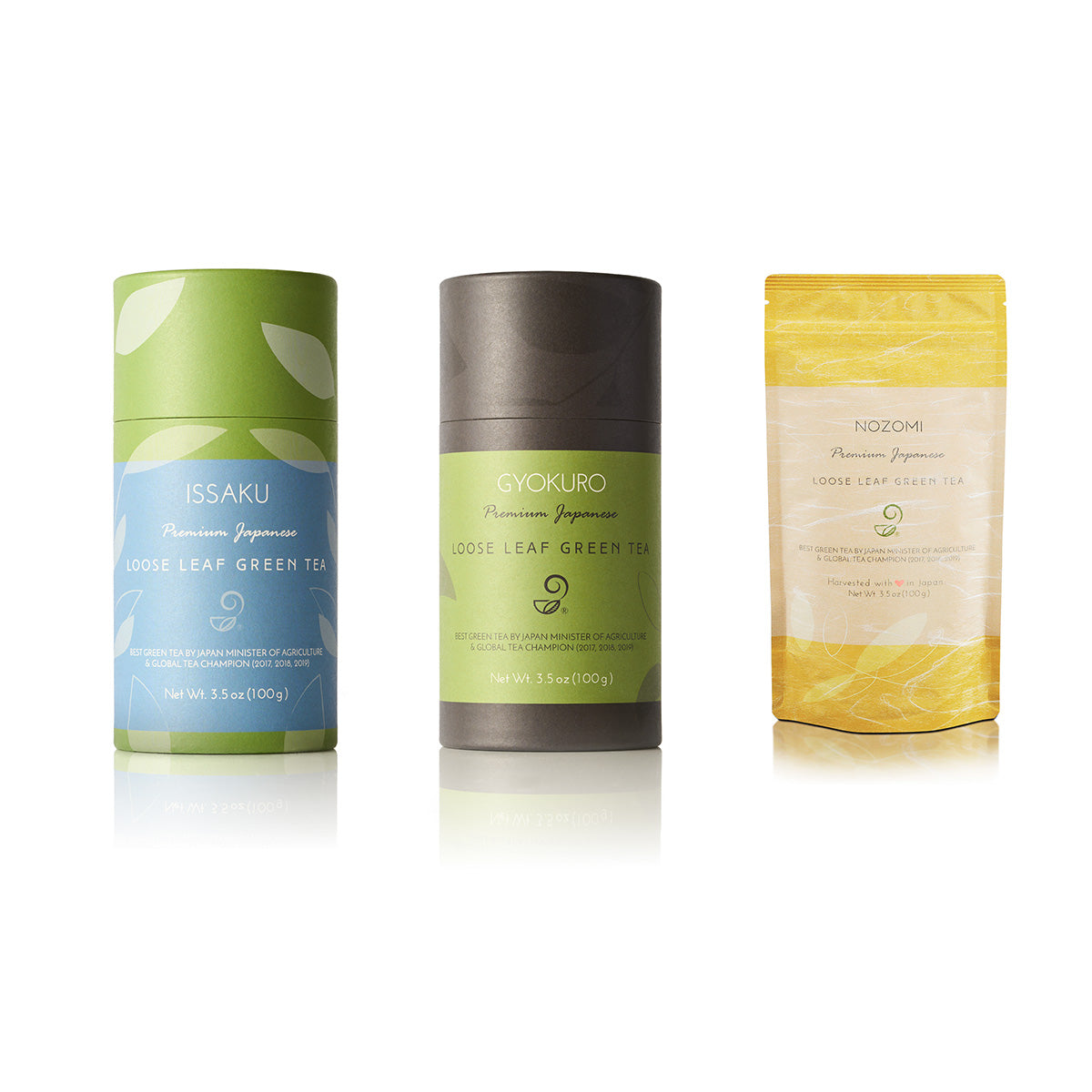
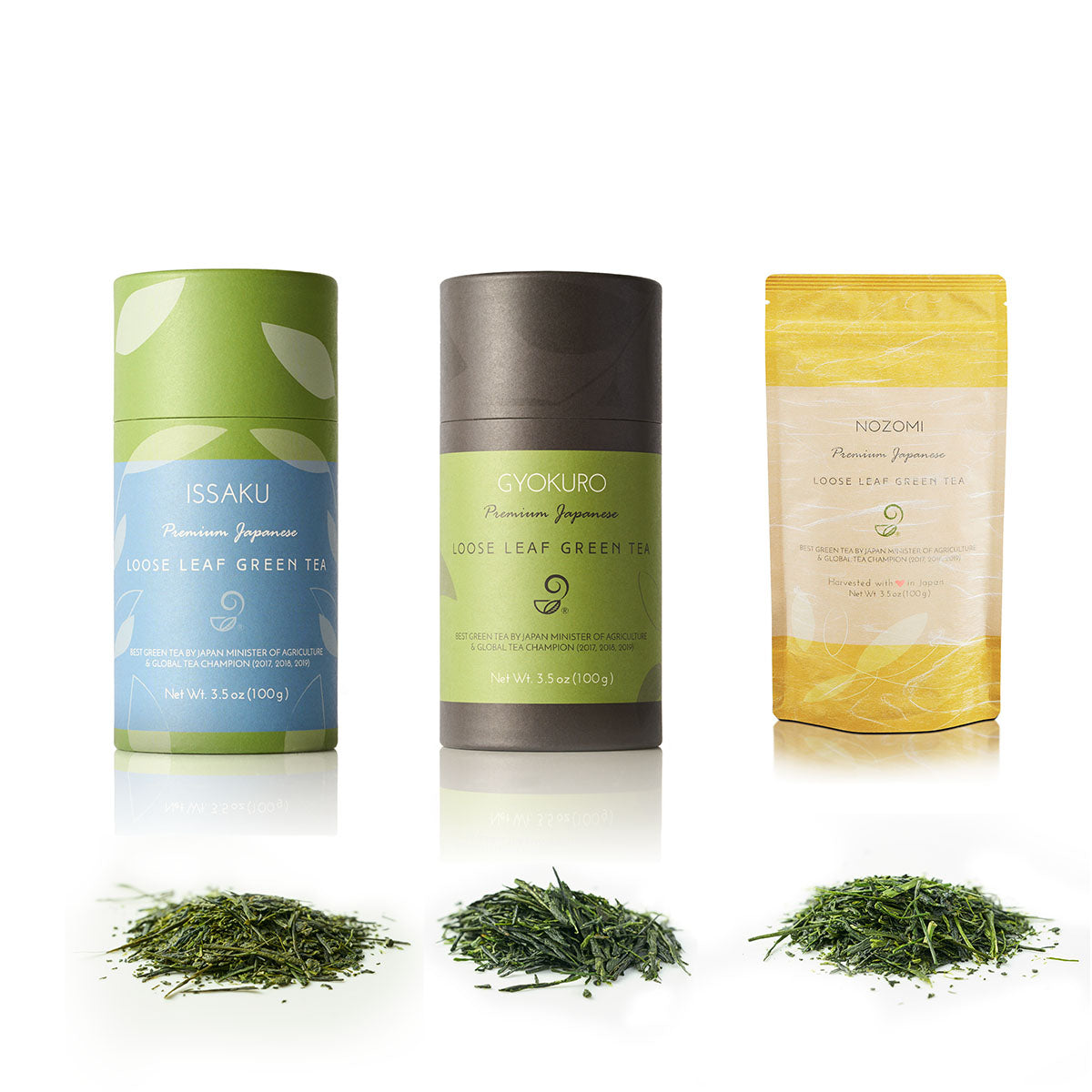
This tea set features three exceptional Japanese green teas, each crafted with care and traditional techniques. Issaku Reserve, a Global Tea Champion winner in 2017 and 2019, is a rare masterpiece created by Farm Master Mr. Arahata at Arahataen Green Tea Farm. Handpicked once a year from the first flush and processed with advanced methods, Issaku represents the highest-grade deep-steamed green tea, available only in limited quantities even in Japan.

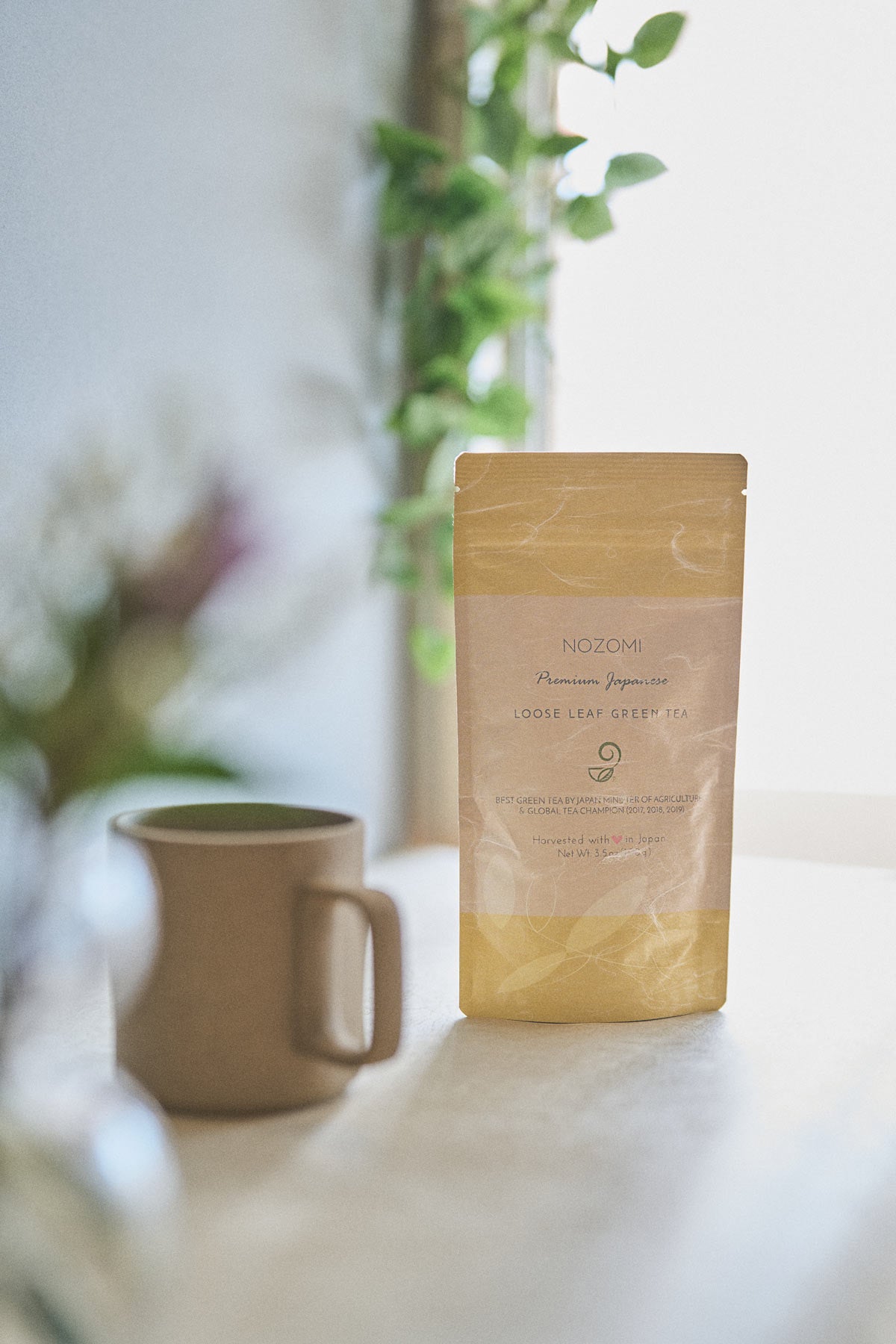
The set also includes Gyokuro, a premium shaded green tea known for its rich, sweet flavor and deep mossy green color. Grown under special mats for 20 days to increase caffeine and amino acid levels, Gyokuro offers a layered, smooth taste unlike any other. Completing the collection is Nozomi, a fine Kabuse-cha, or "Covered Green Tea," carefully grown under nets to gently shade the leaves just before new sprouts emerge, resulting in a soft, rich, and refined flavor profile.

97 reviews

Gyokuro - Shaded Imperial Premium Green Tea

$65.00
Quick view

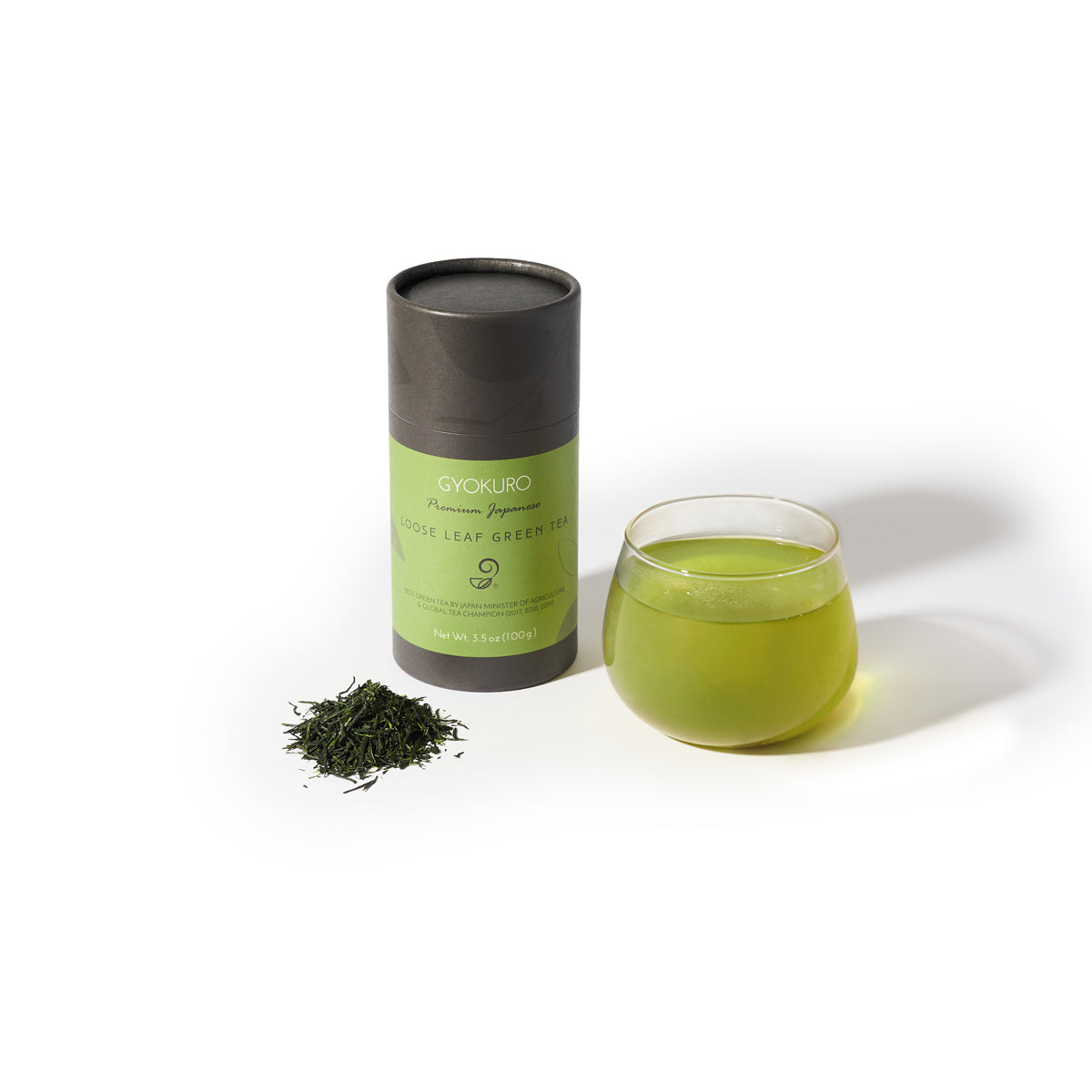
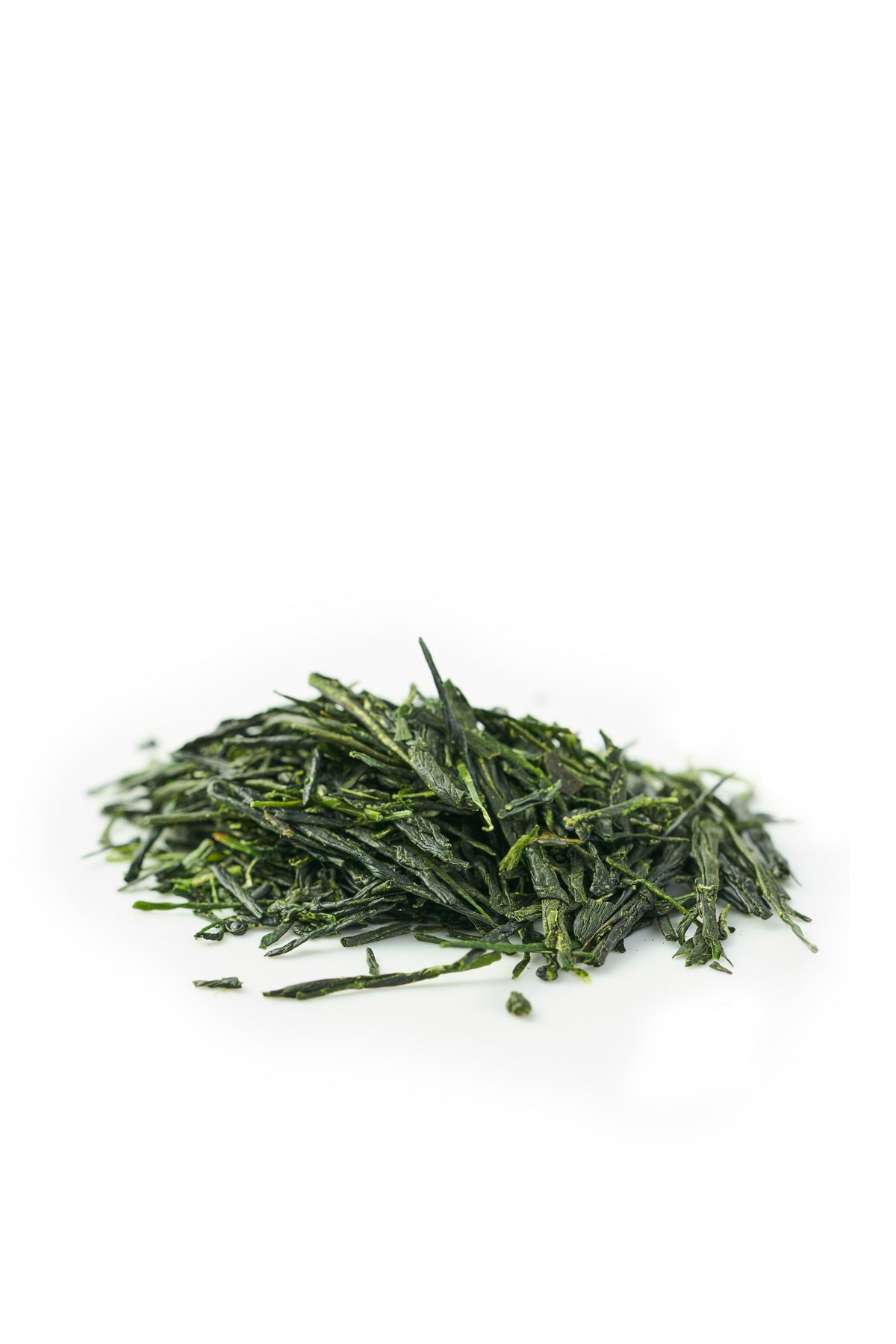
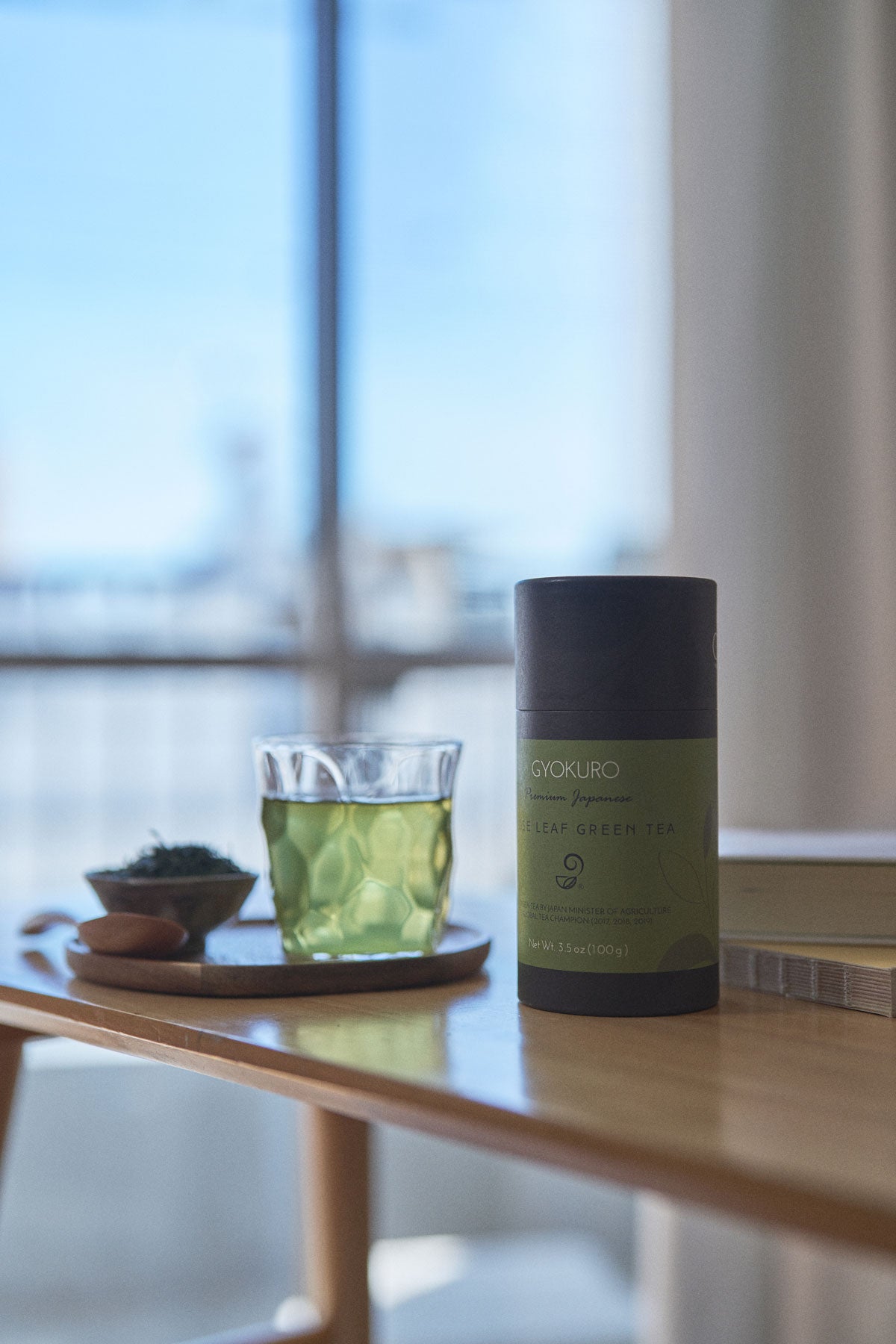
Gyokuro, also known as "jade dew" or "jewel dew tea," is a premium Japanese green tea shaded from the sun for 20 days using specially made mats, a method that boosts caffeine levels and strengthens amino acids to create a sweeter, richer flavor. This extended shading process results in dark, mossy green leaves with an unmistakable aroma and a complex taste that is layered yet balanced. Cultivated by the Chagusaba method in nutrient-rich sugarcane soil and made from the Yabukita cultivar, this loose-leaf authentic Gyokuro is offered in a high-quality, air-tight paper tube canister (chyazutsu) to preserve its exceptional freshness and flavor. Each 3.5 oz (100g) full-size package steeps 30–40 cups, and a convenient single-serve sample is also available.

45 reviews

Hojicha - Roasted Green Tea

$25.00
Quick view

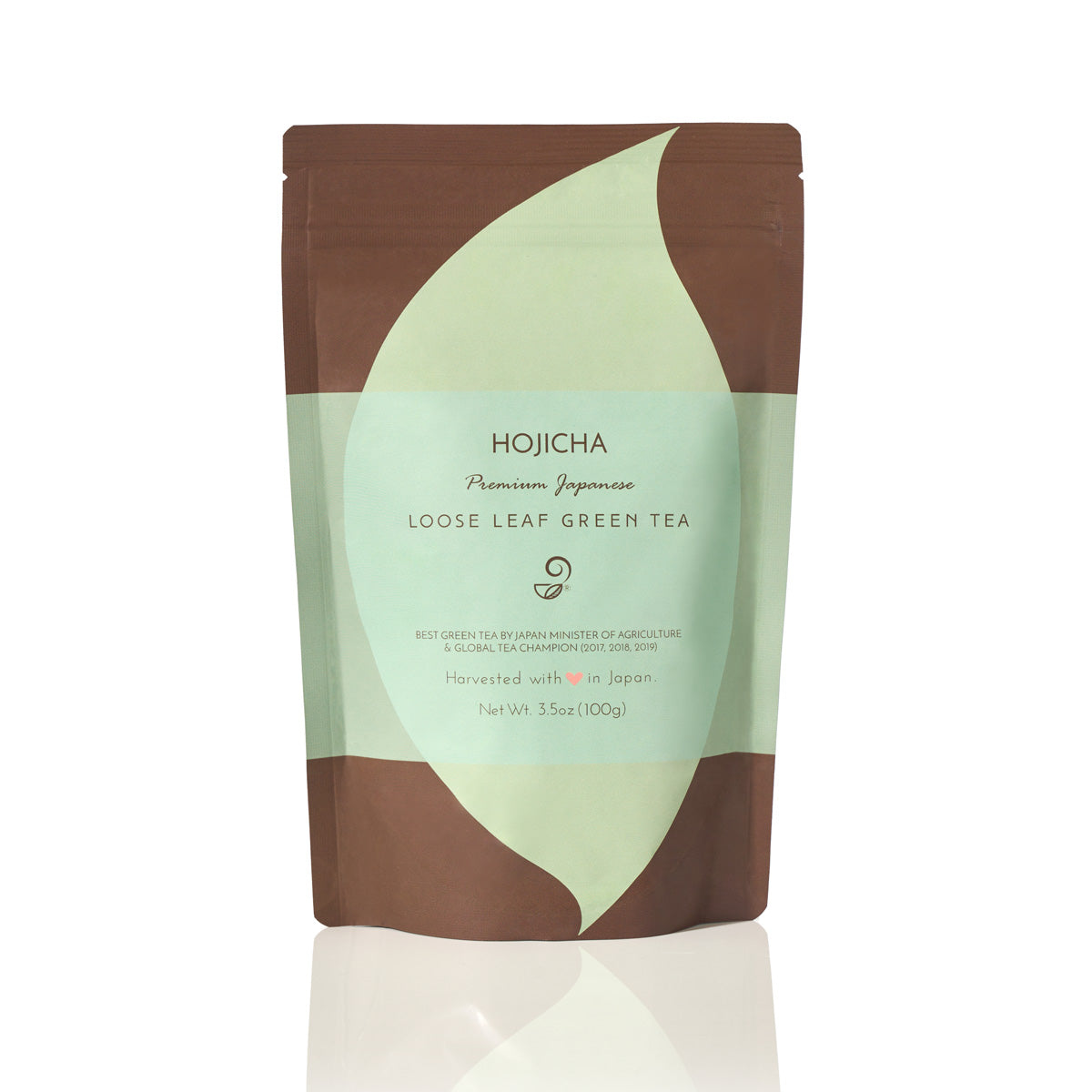
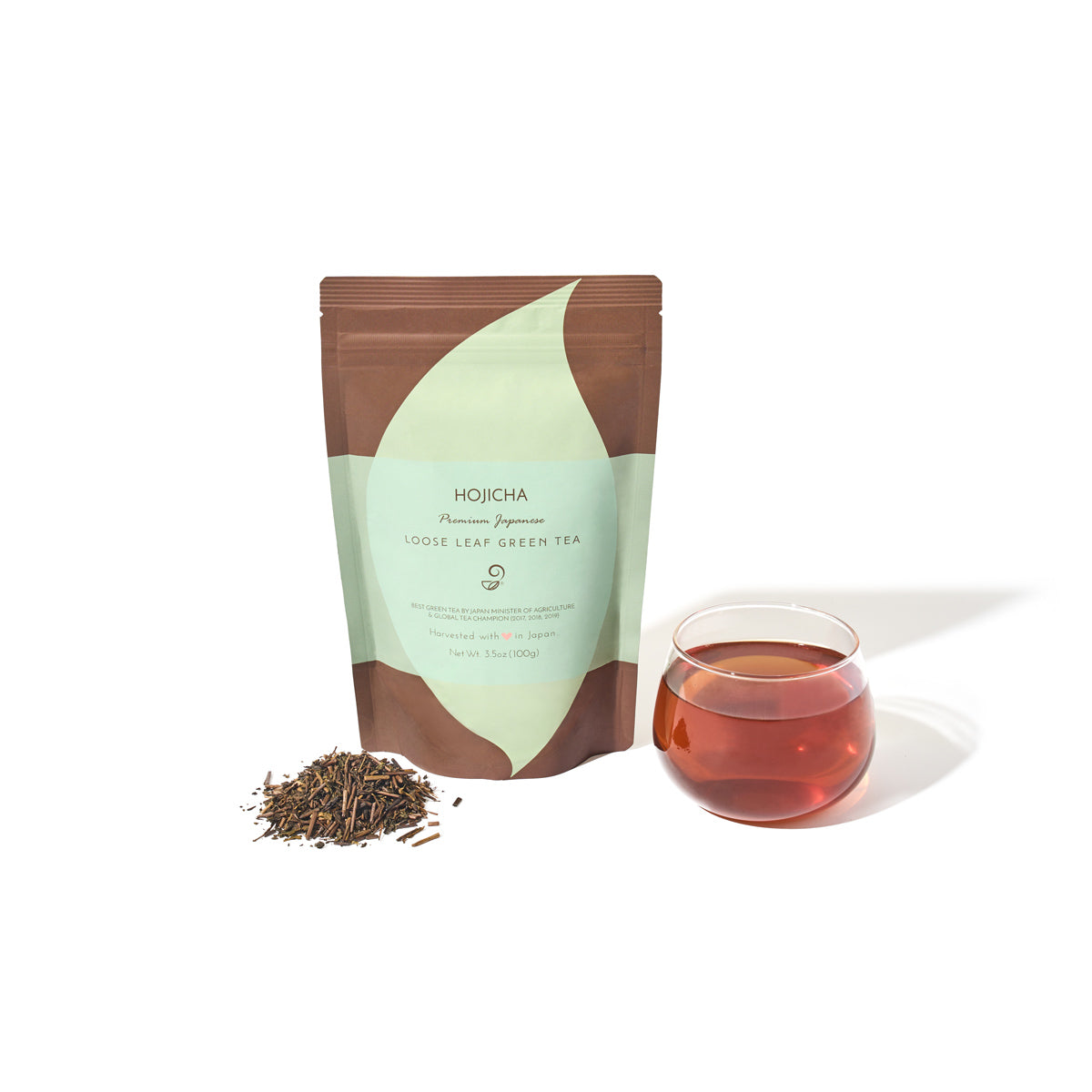
Our roasted green tea, known as hojicha (ほうじ茶), is crafted from freshly harvested premium green tea carefully roasted in porcelain over charcoal to maximize flavor while retaining more catechins than typical hojicha on the market. With lower caffeine and a smoother, less bitter taste compared to steamed green tea, it is an ideal choice for evening relaxation and is gentle enough for kids and pregnant women. Cultivated using the Chagusaba method in nutrient-rich sugarcane soil, this loose-leaf authentic Japanese roasted green tea, made from the Yabukita cultivar, also pairs beautifully with oily foods. Each eco-friendly resealable package contains 3.5 oz (100g) of tea, enough to steep 30–40 comforting cups.

80 reviews

Matcha - Ceremonial Japanese Powdered Green Tea

$39.00
Quick view

This ceremonial matcha is crafted from the finest Japanese green tea, grown in nutrient-rich soil enhanced with compostable grasses and sugarcane through the Chagusaba method, which gives the tea a natural sweetness and exceptional flavor. In collaboration with researchers from Shizuoka University, farmers ensure that the soil quality consistently produces tea of the highest standard.

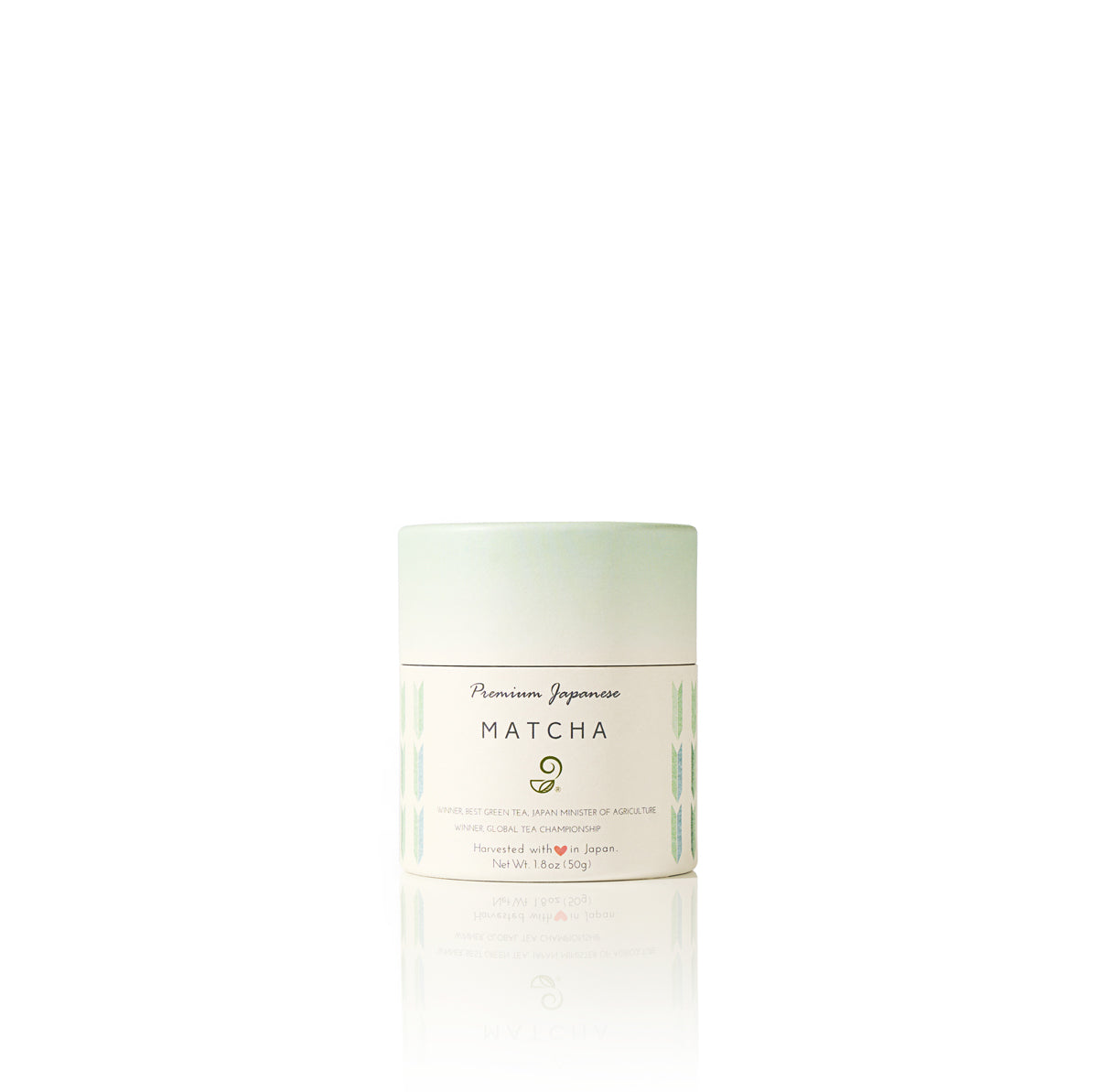
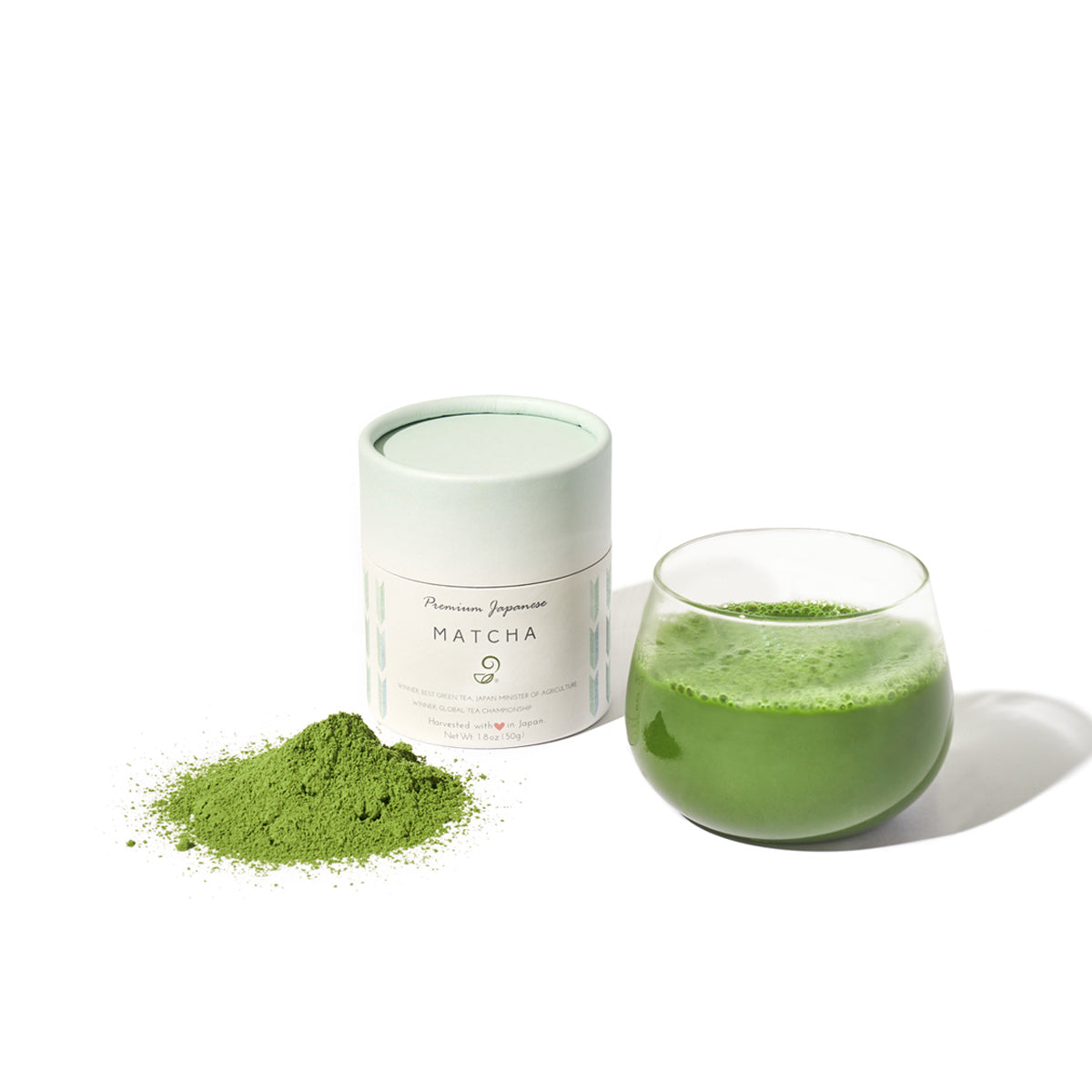
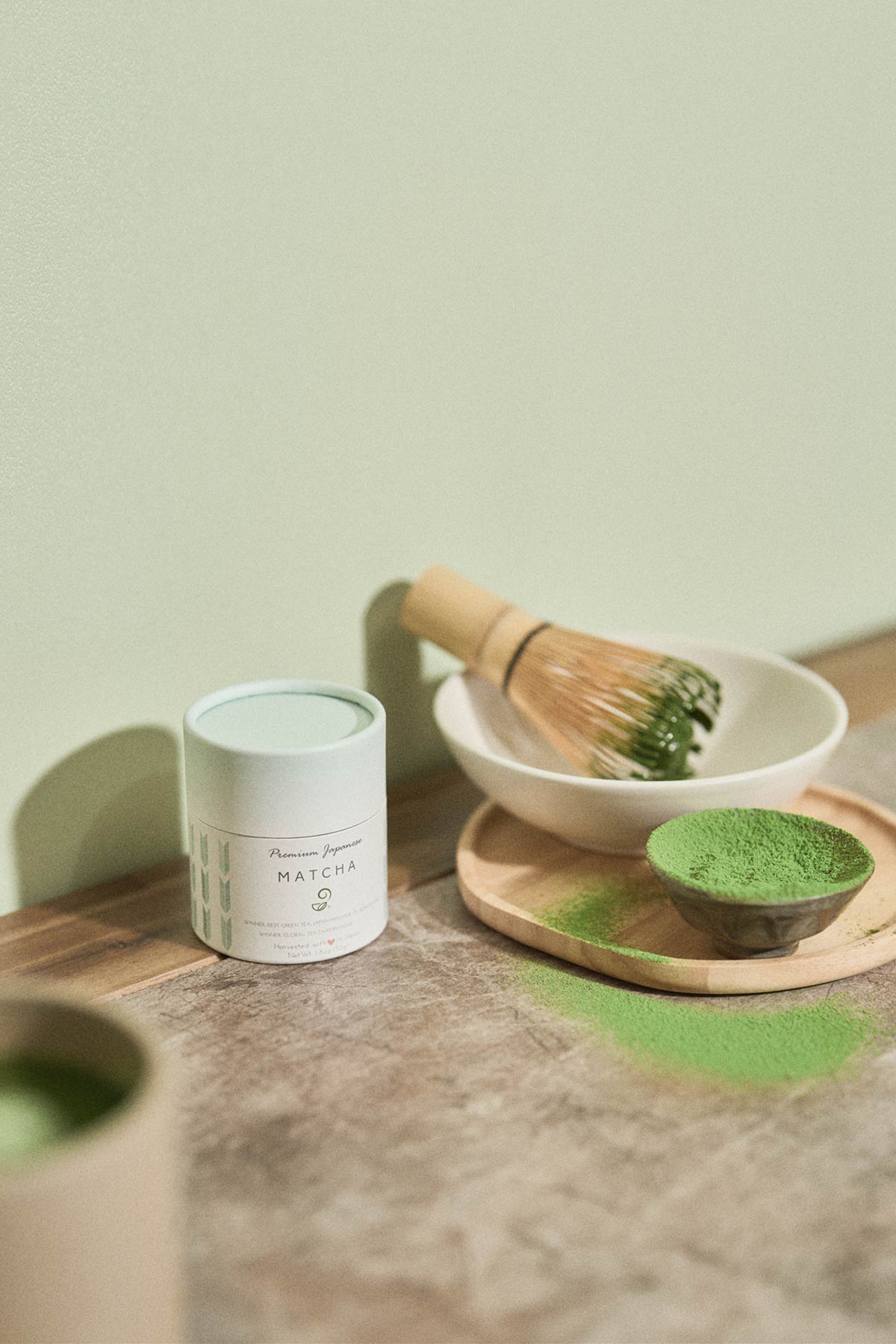
Renowned among top Japanese chefs for its unmatched aroma, this matcha is made by carefully shading the plants before harvest to boost caffeine and amino acids, then meticulously drying, de-stemming, and grinding the leaves into a fine powder. Made from the Yabukita cultivar, this 1.8 oz (50g) matcha comes in a high-quality, air-tight paper tube canister, providing a luxurious and authentic Japanese tea experience.

42 reviews

Genmaicha - Green Tea with Roasted Brown Rice

$30.00
Quick view

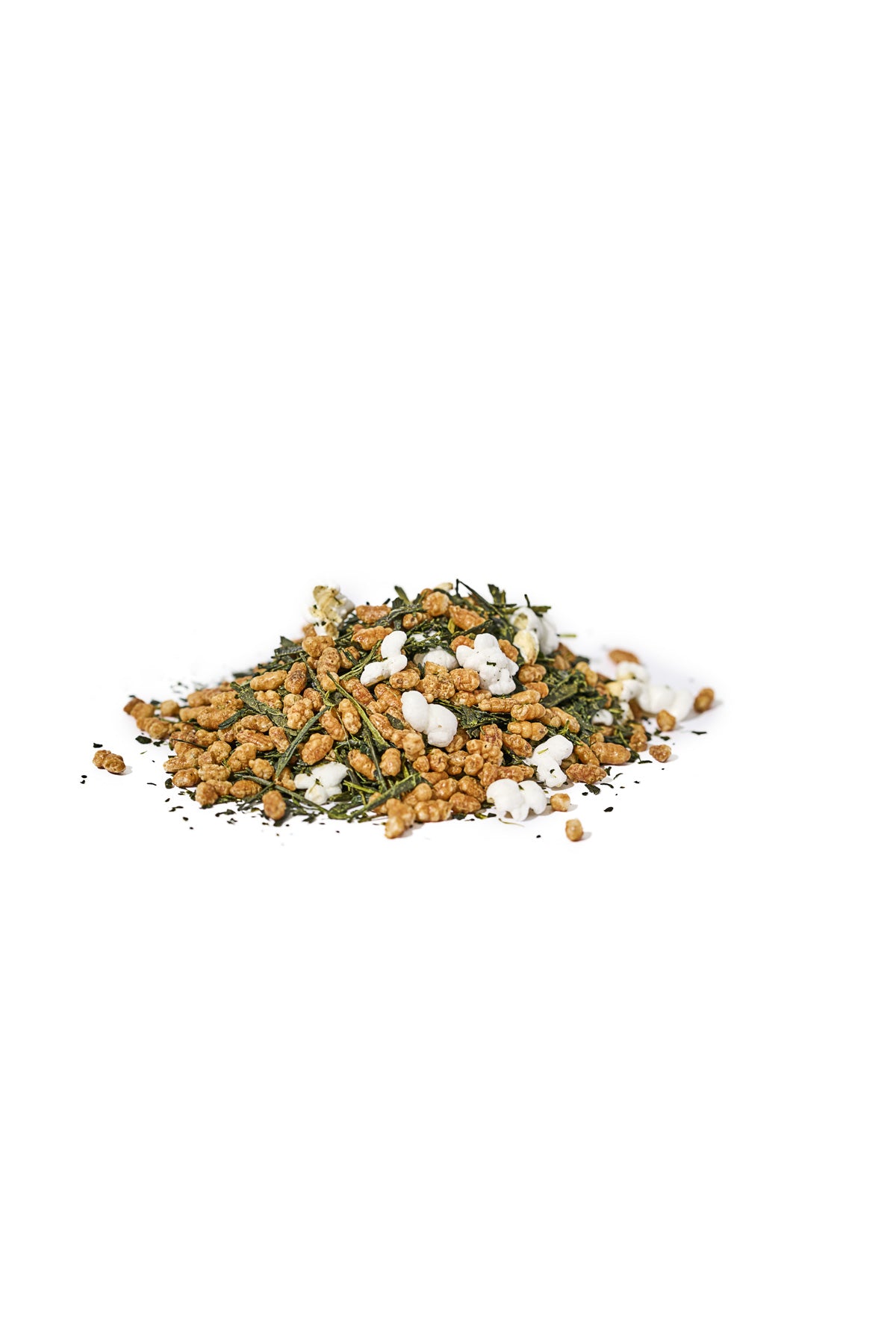
Our premium Japanese Genmaicha blends high-quality green tea with roasted popped brown rice (genmai 玄米), often nicknamed "popcorn tea" because the roasting process sounds like popcorn popping. Popular especially among the older generation in Japan for its mild flavor and lower caffeine content, this tea is easier on the stomach while still offering a rich, comforting taste. The brown rice used is premium Japanese mochi-gome (もち米) sticky rice, enhancing the tea’s nutty, aromatic profile. Made from Fukamushi Sencha and cultivated using the Chagusaba method in nutrient-rich sugarcane soil, this Genmaicha features the Yabukita cultivar and comes in a 7.0 oz (200g) eco-friendly resealable package, enough to steep 50–60 cups.


Related Articles You May Be Interested

4 Ways to Include Green Tea in Your Skincare Routine
Is Green Tea Good for Breastfeeding? – Green Tea Quiz
Can Green Tea Reduce Stress?
Green Tea Science Part 1: Polyphenols, Catechins and EGCG - 45 Commonly Asked Questions and How You Can Benefit
Everything You Need To Know About Sencha Green Tea

Get Free Bonus Books

Join Green Tea Club

Sign up for free to the Green Tea Club to get advice and exclusive articles about how to choose Japanese Tea, and tips, tricks, and recipes for enjoying Japanese tea.

Unsubscribe anytime. It’s free!

About the author

Kei Nishida

Kei Nishida

Author, CEO Dream of Japan

info@japanesegreenteain.com

Certification: PMP, BS in Computer Science

Education: Western Washington University

Kei Nishida is a passionate Japanese green tea connoisseur, writer, and the founder and CEO of Japanese Green Tea Co., a Dream of Japan Company.

Driven by a deep desire to share the rich flavors of his homeland, he established the only company that sources premium tea grown in nutrient-rich sugarcane soil—earning multiple Global Tea Champion awards.

Expanding his mission of introducing Japan’s finest to the world, Kei pioneered the launch of the first-ever Sumiyaki charcoal-roasted coffee through Japanese Coffee Co. He also brought the artistry of traditional Japanese craftsmanship to the global market by making katana-style handmade knives—crafted by a renowned katana maker—available outside Japan for the first time through Japanese Knife Co.

Kei’s journey continues as he uncovers and shares Japan’s hidden treasures with the world.

Learn more about Kei Nishida

Related Posts

Our Products are Now at Yama Sushi Marketplace — One of LA's Most Trusted Japanese Markets Since 1984!

Yama Sushi Marketplace is now carrying our products! Plus the full story of LA's beloved Japanese market — California Ro

Read More
What is Shincha - New Crop Tea and What Makes them Unique?
What is Shincha Tea and What Makes It Unique?

Discover the secrets of Shincha, Japan's acclaimed new crop tea. Explore its distinct features, flavors, and traditions.

Read More
Meet Eijiro Tsukada (塚田英次郎): The Charismatic Businessman Behind Cuzen Matcha — Now Available at Japanese Green Tea Co.

Meet Eijiro Tsukada — the man behind Cuzen Matcha. Full guide to the award-winning Matcha Maker, the Pro, and why we're

Read More
Leave a comment

Your email address will not be published..

Cart

Your cart is currently empty.

Start Shopping

Select options