Skip to content

4 Ways to Include Green Tea in Your Skincare Routine


Green tea is a rich source of bioactive components, which is why it’s quickly becoming a popular cosmetic ingredient. A study on the use of tea in cosmetics pointed out that green tea extract is widely used for its antioxidant, photo-protective, and skin-enhancing properties. Thus, green tea is being incorporated into cosmetics such as creams, serums, and even sunscreens. But if you want to get the most out of this versatile skincare ingredient, you can try various application methods to address your specific needs. Here are some ways to include green tea in your skincare routine:

Reverse the signs of aging by applying green tea onto your skin

While skin aging is a natural process, certain factors can make it go faster than usual. For instance, sun exposure accounts for the development of the visible signs of aging. Harmful ultraviolet rays can damage the skin’s connective tissues, which then cause the formation of wrinkles and fine lines.

However, green tea can help reverse the signs of aging thanks to its skin-repairing properties. Green tea contains EGCG, which can improve the moisture retention of your skin and reduce the formation of wrinkles. On top of that, green tea can also help reactivate dry skin cells because it contains catechins. To benefit from these properties, prepare a mixture of green tea and allow it to cool. Then, use cotton pads to apply the green tea mixture to your skin.

Your skin can look less dull with the help of a green tea compress

Your skin can become dull and dry due to lifestyle stressors. For instance, an unbalanced diet can cause skin inflammation and dehydrate your skin. Meanwhile, cigarette smoke and air pollution can cause a dull complexion since they contain heavy chemicals that weaken the skin's barrier.

As such, skincare routines for dull skin contain ingredients that boost the skin’s defenses against lifestyle aggressors. In fact, these skincare products are infused with antioxidants that can protect the skin’s surface from the damaging effects of free radicals and environmental stressors. Since green tea contains antioxidant properties, you can use it as a compress for dark circles after moisturizing your skin. Place the damp tea bags over your eyes for fifteen to thirty minutes to reduce signs of dullness around the area.

Spot-treating acne with green tea can yield comparable results to other acne treatments

Acne is a skin condition that can develop due to bacteria buildup and excess sebum production. Bacteria usually accumulate within your pores and cause them to clog. Then, pimples will begin to surface because the sebum is unable to escape due to the blockage.

green tea skin care

To properly treat this, you’ll need to apply anti-inflammatory acne treatments to the affected areas. This will help reduce the swelling as well as the bacteria production caused by acne. However, researchers have discovered that the effects of green tea on acne are comparable to those of clindamycin. Since green tea contains a polyphenolic compound, it can help target excess sebum production and acne formation. To do this, place a damp tea bag directly on the affected area. Place the tea bag over each area for twenty minutes so that your skin can properly soak up the anti-inflammatory properties.

You can treat dry skin by exfoliating with a green tea sugar scrub

While dryness isn’t a serious skin condition, it is a warning sign that your skin isn’t getting the amount of moisture that it requires. When this need is ignored, your skin may develop redness and flakiness. You may even experience itchiness or bleeding due to your skin’s dehydration.

To treat dry skin, you must moisturize and exfoliate it properly. Moisturizers can provide enough hydration to protect your skin’s barrier, while exfoliation can encourage skin turnover by removing the dead cells on the surface. The good news is that you can moisturize and exfoliate your skin with the help of a green tea sugar scrub. To create the scrub, mix a cup of brown sugar, ¼ cup of olive oil, and ½ cup of green tea. Then, gently massage this onto your skin and rinse it with warm water.

Green tea is widely used in cosmetic products due to its skin-enhancing properties. To get the most out of it, follow these strategies for green tea application based on your specific skin concerns. By applying this versatile ingredient correctly, you can say goodbye to your skincare concerns.

FAQs about Green Tea in Skincare

What's the most effective way to include green tea in skincare?

A daily green tea face toner is the highest-yield routine addition. Brew strong green tea (1 tablespoon high-quality sencha in 250ml hot water, steep 5-10 minutes), cool, transfer to a small spray bottle. Use morning and evening after cleansing, before moisturizer. The catechins absorb modestly through skin and provide topical anti-inflammatory and antioxidant benefit.

Free, easy, mild improvement over weeks of use. The effect is small but real — most users notice slightly reduced redness, softer texture, and modest brightening over 4-8 weeks of daily use. Not a transformative skincare intervention; a gentle daily-supportive layer.

Storage: keep refrigerated, use within 3-5 days. Without preservatives, brewed tea grows bacteria after about a week. For longer shelf-life, add a few drops of vitamin E oil; the tocopherols have mild preservative action without disrupting the tea's skin benefits.

Can I use matcha as a face mask, and how does that compare to brewed green tea?
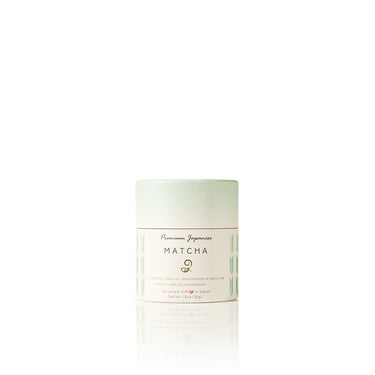
Matcha face masks deliver more concentrated catechins than brewed tea. Mix 1 teaspoon culinary matcha with 1 tablespoon honey + a teaspoon of water into a paste, apply to clean skin for 10-15 minutes, rinse with warm water. The honey adds antibacterial and humectant properties; the matcha provides the antioxidant punch.

Compared to brewed-tea toner: matcha mask is more intense (better for weekly application than daily), produces visible results faster, and turns your face slightly green for an hour or two after rinsing. Brewed-tea toner is gentler, daily-friendly, and doesn't stain skin.

Combination approach works best: brewed-green-tea toner daily for everyday support, weekly matcha face mask for concentrated antioxidant boost. The two together cover both consistency and intensity at modest cost.

Are commercial green tea skincare products worth buying, or should I make my own?

DIY for daily-use products (toner, face mist), commercial for specialized formulations (eye creams, serums, sunscreens). DIY brewed-tea toner is functionally equivalent to most commercial green-tea toner products at a fraction of the cost. Same active compounds, similar concentrations.

Where commercial products earn the price: serum formulations that combine green tea with stabilized vitamin C, peptides, hyaluronic acid, and other actives that synergize. The combination effects can't be replicated by DIY brewed tea. Eye creams with stabilized EGCG also genuinely outperform DIY because the formulation prevents the EGCG from oxidizing in the cream over time.

Avoid commercial products that just add green tea extract as marketing without meaningful concentration. Read labels: actual EGCG concentration matters more than "contains green tea" claims. Reputable brands disclose concentrations; marketing-driven brands often don't.

Does drinking green tea improve skin from the inside, or do I have to apply it topically?

Both work; topical is faster and more targeted. Drinking 3-5 cups of green tea daily over 8-12 weeks shows measurable improvements in skin elasticity, hydration, and reduction in UV-induced inflammation. The effect is real but slow.

Topical application produces faster acute effects (reduced redness, less irritation, mild brightening within days to weeks) but works on the surface rather than supporting the deeper structural skin work that internal nutrition does. Most committed skin-conscious tea drinkers do both — daily drinking for the long-term structural support, topical application for the acute and surface-level benefit.

If you can only do one: drinking. The systemic anti-inflammatory and antioxidant benefit of regular green tea consumption supports overall health beyond just skin (cardiovascular, metabolic, cognitive). Topical green tea only affects skin; drinking benefits everything including skin.

Are there skin types that should avoid topical green tea?

Few. Most skin types tolerate topical green tea well. People with very sensitive skin or known caffeine sensitivity should patch-test on the inner forearm before applying to face — small risk of mild redness or irritation in the most sensitive cases.

People with active eczema or open skin (cuts, fresh post-procedure recovery) should avoid concentrated topical applications until the skin is closed. Brewed tea is gentle enough for most contexts but concentrated matcha pastes can irritate broken skin.

Avoid getting green tea (even brewed) directly in eyes — the catechins cause sting that's not dangerous but unpleasant. If you make a green tea face mist, spray below eye level rather than directly toward the face. Same applies to matcha masks; keep the application well clear of the eye area.

Related products

8 reviews

The Sencha Lover Gift Set - Premium Japanese Green Tea Set Package
$179.00 $159.99
Quick view

This tea set features three exceptional Japanese green teas, each crafted with care and traditional techniques. Issaku Reserve, a Global Tea Champion winner in 2017 and 2019, is a rare masterpiece created by Farm Master Mr. Arahata at Arahataen Green Tea Farm. Handpicked once a year from the first flush and processed with advanced methods, Issaku represents the highest-grade deep-steamed green tea, available only in limited quantities even in Japan.

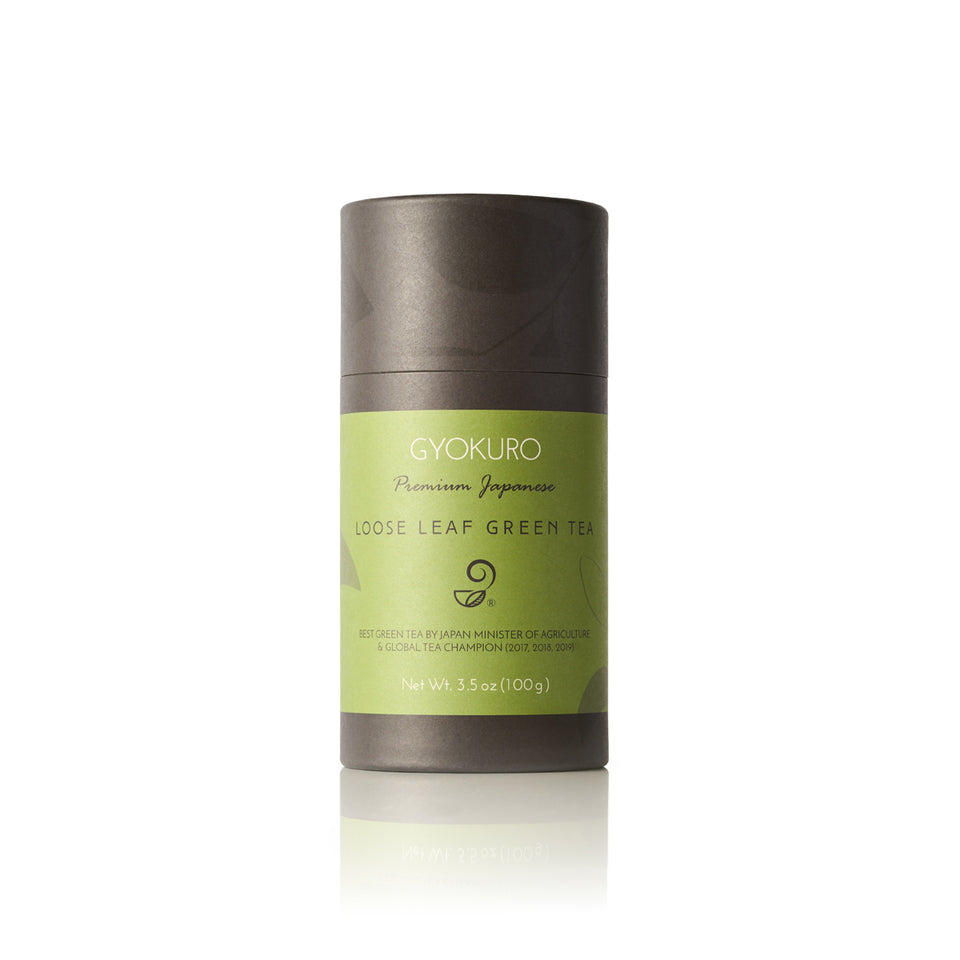
The set also includes Gyokuro, a premium shaded green tea known for its rich, sweet flavor and deep mossy green color. Grown under special mats for 20 days to increase caffeine and amino acid levels, Gyokuro offers a layered, smooth taste unlike any other. Completing the collection is Nozomi, a fine Kabuse-cha, or "Covered Green Tea," carefully grown under nets to gently shade the leaves just before new sprouts emerge, resulting in a soft, rich, and refined flavor profile.

97 reviews

Gyokuro - Shaded Imperial Premium Green Tea

$65.00
Quick view

Gyokuro, also known as "jade dew" or "jewel dew tea," is a premium Japanese green tea shaded from the sun for 20 days using specially made mats, a method that boosts caffeine levels and strengthens amino acids to create a sweeter, richer flavor. This extended shading process results in dark, mossy green leaves with an unmistakable aroma and a complex taste that is layered yet balanced. Cultivated by the Chagusaba method in nutrient-rich sugarcane soil and made from the Yabukita cultivar, this loose-leaf authentic Gyokuro is offered in a high-quality, air-tight paper tube canister (chyazutsu) to preserve its exceptional freshness and flavor. Each 3.5 oz (100g) full-size package steeps 30–40 cups, and a convenient single-serve sample is also available.

45 reviews

Hojicha - Roasted Green Tea

$25.00
Quick view

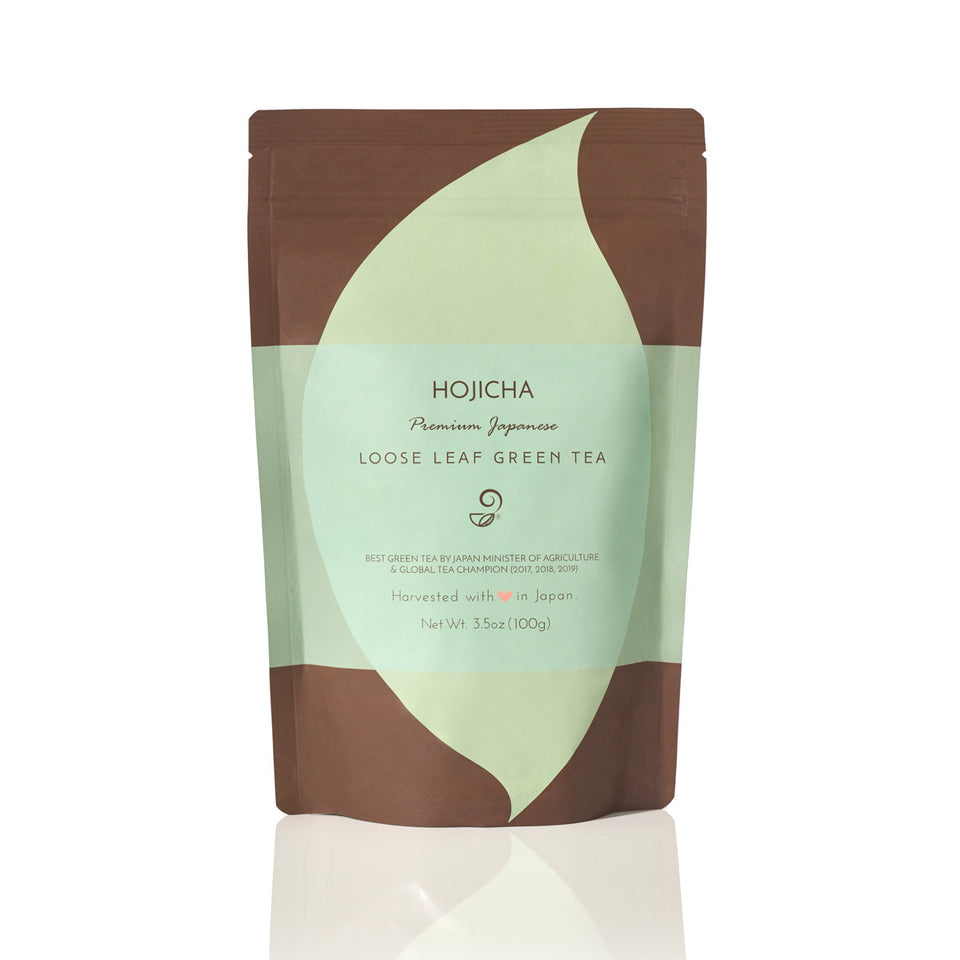
Our roasted green tea, known as hojicha (ほうじ茶), is crafted from freshly harvested premium green tea carefully roasted in porcelain over charcoal to maximize flavor while retaining more catechins than typical hojicha on the market. With lower caffeine and a smoother, less bitter taste compared to steamed green tea, it is an ideal choice for evening relaxation and is gentle enough for kids and pregnant women. Cultivated using the Chagusaba method in nutrient-rich sugarcane soil, this loose-leaf authentic Japanese roasted green tea, made from the Yabukita cultivar, also pairs beautifully with oily foods. Each eco-friendly resealable package contains 3.5 oz (100g) of tea, enough to steep 30–40 comforting cups.

80 reviews

Matcha - Ceremonial Japanese Powdered Green Tea

$39.00
Quick view

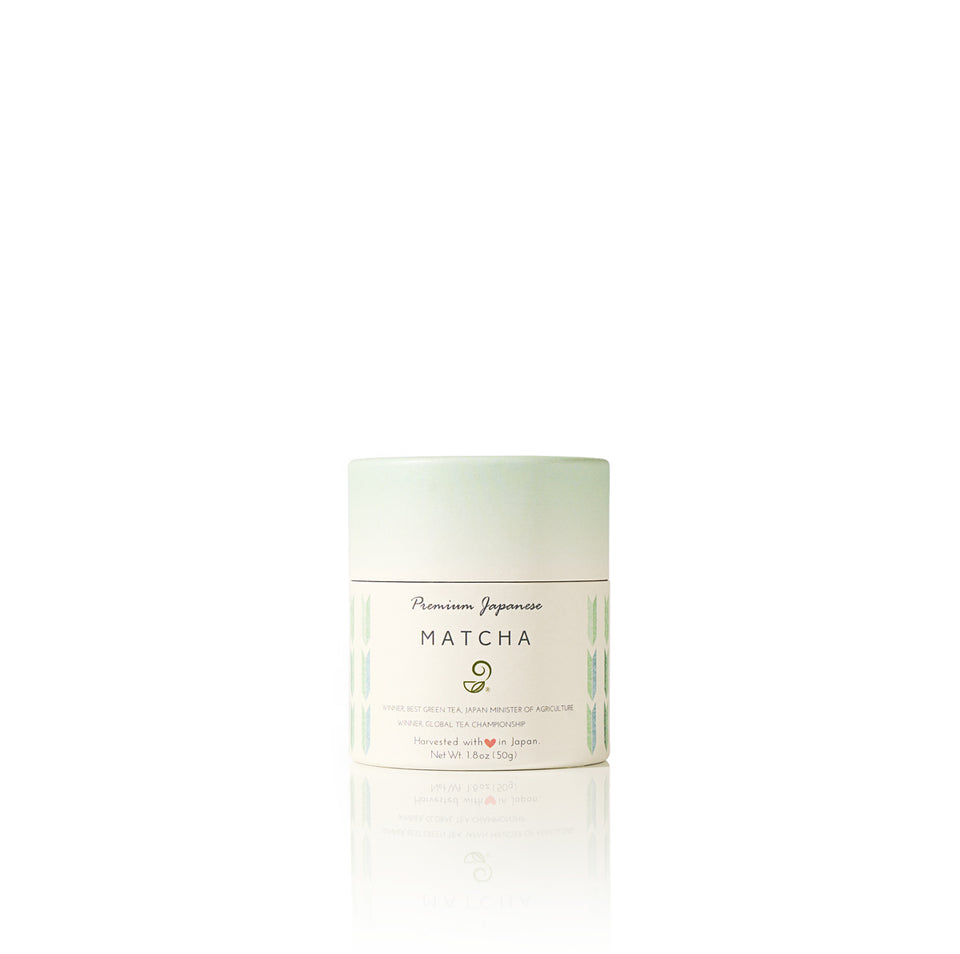
This ceremonial matcha is crafted from the finest Japanese green tea, grown in nutrient-rich soil enhanced with compostable grasses and sugarcane through the Chagusaba method, which gives the tea a natural sweetness and exceptional flavor. In collaboration with researchers from Shizuoka University, farmers ensure that the soil quality consistently produces tea of the highest standard.

Renowned among top Japanese chefs for its unmatched aroma, this matcha is made by carefully shading the plants before harvest to boost caffeine and amino acids, then meticulously drying, de-stemming, and grinding the leaves into a fine powder. Made from the Yabukita cultivar, this 1.8 oz (50g) matcha comes in a high-quality, air-tight paper tube canister, providing a luxurious and authentic Japanese tea experience.

42 reviews

Genmaicha - Green Tea with Roasted Brown Rice

$30.00
Quick view

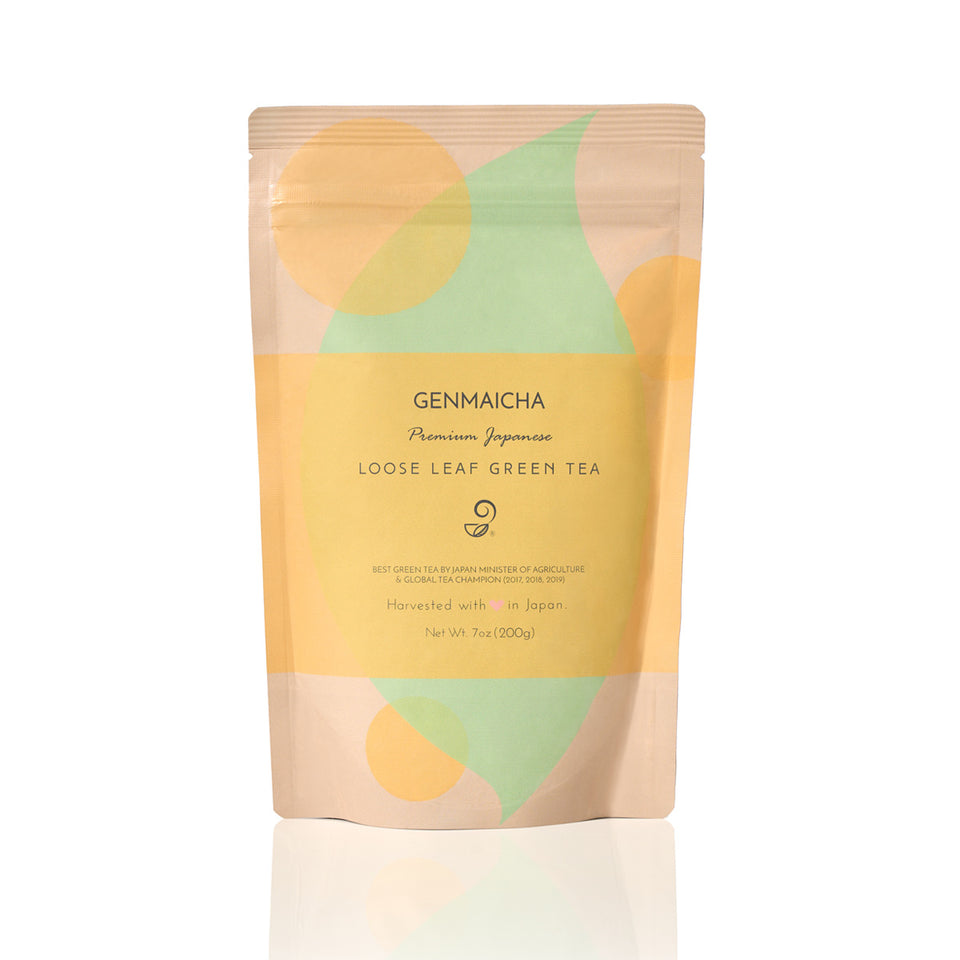
Our premium Japanese Genmaicha blends high-quality green tea with roasted popped brown rice (genmai 玄米), often nicknamed "popcorn tea" because the roasting process sounds like popcorn popping. Popular especially among the older generation in Japan for its mild flavor and lower caffeine content, this tea is easier on the stomach while still offering a rich, comforting taste. The brown rice used is premium Japanese mochi-gome (もち米) sticky rice, enhancing the tea’s nutty, aromatic profile. Made from Fukamushi Sencha and cultivated using the Chagusaba method in nutrient-rich sugarcane soil, this Genmaicha features the Yabukita cultivar and comes in a 7.0 oz (200g) eco-friendly resealable package, enough to steep 50–60 cups.


Related Articles You May Be Interested

Japanese Green Tea and Skin Health
The Hidden Benefits of Green Tea on Your Skin
From Skin and Within: Better Uses for Green Tea
How to Take a Bath with Japanese Green Tea
Does Drinking Green Tea Cause Acne?

Get Free Bonus Books

Join Green Tea Club

Sign up for free to the Green Tea Club to get advice and exclusive articles about how to choose Japanese Tea, and tips, tricks, and recipes for enjoying Japanese tea.

Unsubscribe anytime. It’s free!

About the author

Kei Nishida

Kei Nishida

Author, CEO Dream of Japan

info@japanesegreenteain.com

Certification: PMP, BS in Computer Science

Education: Western Washington University
Kei Nishida is a passionate Japanese green tea connoisseur, writer, and the founder and CEO of Japanese Green Tea Co., a Dream of Japan Company.

Driven by a deep desire to share the rich flavors of his homeland, he established the only company that sources premium tea grown in nutrient-rich sugarcane soil—earning multiple Global Tea Champion awards.

Expanding his mission of introducing Japan’s finest to the world, Kei pioneered the launch of the first-ever Sumiyaki charcoal-roasted coffee through Japanese Coffee Co. He also brought the artistry of traditional Japanese craftsmanship to the global market by making katana-style handmade knives—crafted by a renowned katana maker—available outside Japan for the first time through Japanese Knife Co.

Kei’s journey continues as he uncovers and shares Japan’s hidden treasures with the world.

Learn more about Kei Nishida

Related Posts

Simply Donabe — New Cookbook from TOIRO's Naoko-san Is Out!

Simply Donabe is here! We celebrated TOIRO's Naoko-san's new cookbook at a special dinner at Camélia in DTLA — see our p

Read More
Introducing New Product - Meet Hojicha Powder
Introducing A New Product - Meet Hojicha Powder

Discover the game-changing Hojicha powder your kitchen has been waiting for — richer flavor, easier recipes, and surpris

Read More
Yokohama Peach is offered as a regular menu at Okayama Kobo Cafe!
Yokohama Peach is offered as a regular menu at Okayama Kobo Cafe! + Recap Video of Pop-up on 2/8/2026 at Anaheim, CA

We are excited to announce that our Yokohama Peach is now available on the regular menu at the popular Japanese Bakery,

Read More
Leave a comment

Your email address will not be published..

Cart

Your cart is currently empty.

Start Shopping

Select options