Skip to content

Is Green Tea Good for Breastfeeding? – Green Tea Quiz

There are so many foods breastfeeding moms cannot consume, but is green tea one of them? Let's find out!

Breastfeeding provides babies with food and nutrition, especially for the first six months, and mothers will do their best to eat and stay healthy. However, we know that green tea provides many health benefits, and overconsumption will lead to side effects. Lactating moms can drink green tea, but there must be no added herbs in the tea because we usually don't know what effect those herbs will have on them, even the bottled ones.

Kind of Green Tea Breastfeeding mothers can drink

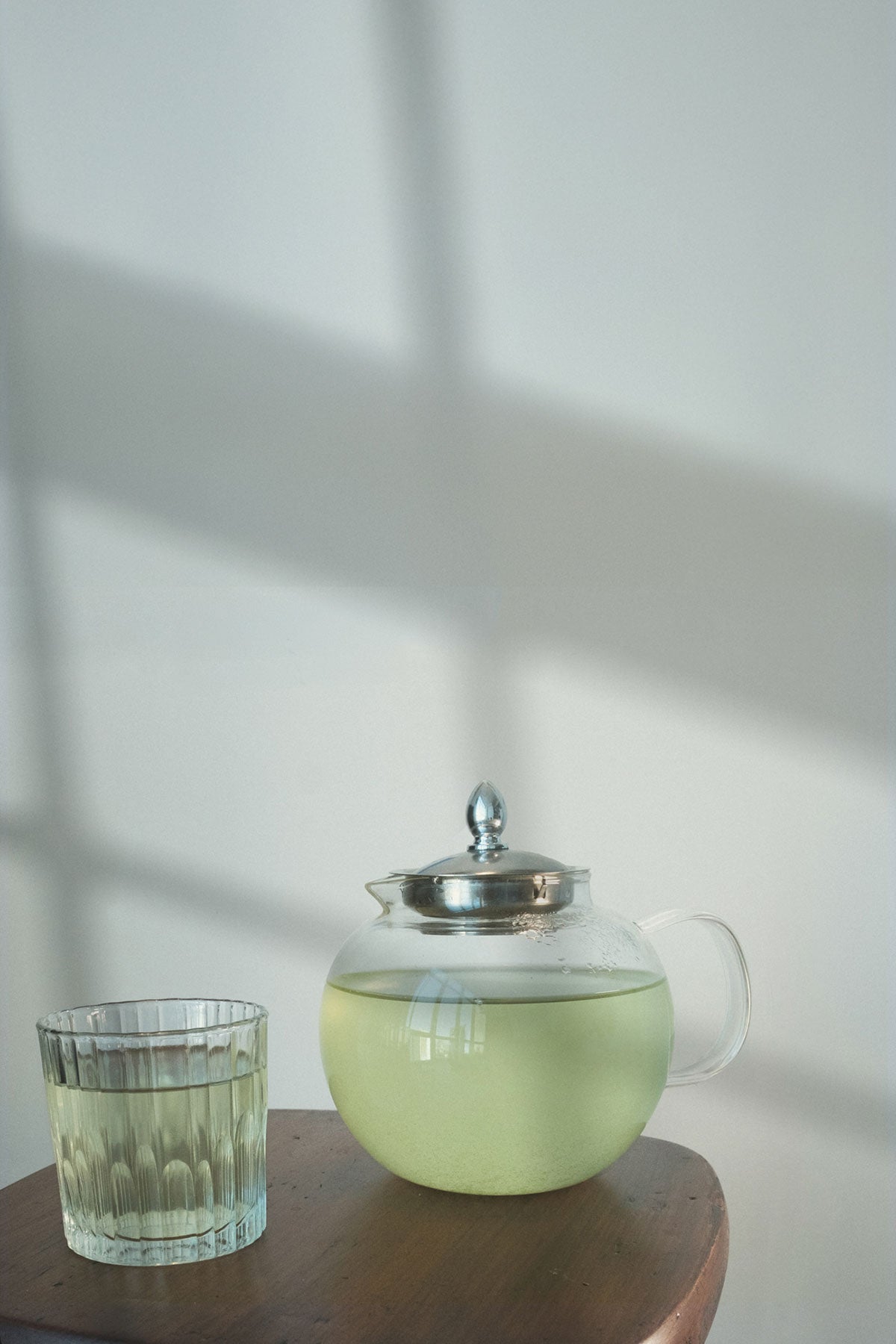
Plain green tea is a sure-safe green tea drink for them. Tea drinkers will also find the taste pleasant because green tea has a hint of sweetness despite its slightly astringent or grassy taste. By drinking plain tea, they can get all the health benefits of green tea. Usually, a person can take up to 3 cups per day, but for breastfeeding moms, 2 cups (230 ml per cup) per day of green tea is the most recommended to avoid side effects.

Regarding the caffeine content, excess caffeine causes difficulty sleeping both for the mom and the baby. Sometimes, even palpitations and irritability occur. On the other hand, a cup of green tea contains only 30 to 50mg of caffeine, and only a very small amount of it gets into the mother’s milk supply unless the mother consumes excessive caffeine. If you are caffeine- or coffee-sensitive, there are decaffeinated green teas to try. These are not caffeine-free, but they only have 2–5 mg. per cup of green tea.

Health benefits of green tea to nursing moms

Green tea has many antioxidants through the catechins. It also helps prevent cancer and Alzheimer’s disease. In addition, moms can get fit and back in shape because a bit of caffeine makes them active and lively. Green tea boosts metabolism and helps burn more fat while exercising and eating healthy foods.

The con of green tea, when drank in moderation, is that it blocks iron absorption, so it is recommended to drink tea after the meal because, at this time, moms have already absorbed all the nutrients from their food.

Still, green tea has more benefits than side effects for breastfeeding moms unless consumed in excess of 2 cups daily.

Green tea for infants

Green tea is great for the immune system, but giving it to babies and infants is not recommended because of the caffeine, which will have side effects on the kids. For example, they will have difficulty sleeping, their blood pressure will rise, and they might have heart palpitations.

Kids can start drinking green tea at 4 to 6 years old. Green tea is healthy for them and can also fight off cavities. As with breastfeeding mothers, kids can take as much as 1 cup (230 ml) daily.

In conclusion, breastfeeding moms can drink green tea in small amounts without any other ingredients. Just a reminder that they must not forget to keep drinking water to stay hydrated.

FAQs about Green Tea During Breastfeeding

Is green tea actually safe to drink while breastfeeding?

Yes, in moderation. Most lactation guidelines (La Leche League, AAP, NHS) consider green tea safe at 1-3 cups daily during breastfeeding. Caffeine does pass into breast milk in small amounts (roughly 0.75-1.5% of the maternal dose), but at typical tea-drinking levels this is negligible for most babies.

The caffeine math: 3 cups of sencha is roughly 90 mg of caffeine total per day. Of that, about 1 mg makes it into breast milk over 24 hours. For comparison, an adult dose of cold medicine often contains 30+ mg caffeine. Your baby is exposed to a tiny fraction of what the milk-bottle version would contain. Hojicha (ほうじ茶) is the lowest-caffeine option — about 7-10 mg per cup — for breastfeeding mothers who want to be even more conservative.

If your baby is fussy after feeds, sleeping less than usual, or showing other caffeine-sensitivity signs, drop your green tea intake and see if symptoms resolve. Some babies are caffeine-sensitive and react even to small amounts; most aren't.

Does green tea affect milk supply — boost it or reduce it?

Mostly neutral, with conflicting old folk wisdom. Some traditional sources claim green tea reduces milk supply (because of the catechins binding to prolactin or other supply-related compounds); other sources claim it boosts supply. Modern research hasn't found a strong effect either direction at typical drinking volumes.

If you're in early lactation establishment (first 4-6 weeks postpartum) when supply is calibrating, the conservative approach is moderate tea intake (1-2 cups daily) rather than the higher daily intake you might have had pre-pregnancy. Once supply is established, you can return to normal tea consumption.

If you specifically need to support supply, fenugreek tea, blessed thistle, and oatmeal have stronger evidence than green tea. If you specifically need to reduce supply (during weaning), sage tea has the most-cited reduction effect. Green tea is mostly neutral on the supply axis.

Can green tea catechins reduce iron absorption in breastfeeding mothers?

Yes, and this matters more than usual. Postpartum mothers often have low iron stores from blood loss during birth and the demands of milk production. The catechins in green tea bind to non-heme iron and reduce its absorption from food. So while green tea is safe to drink during breastfeeding, the timing matters.

Practical: drink green tea between meals rather than with iron-rich foods (lentils, leafy greens, fortified cereals). Wait at least 1 hour after eating before drinking tea, or 1-2 hours after tea before eating iron-rich foods. This minimizes the absorption interference while preserving the catechin benefits.

If you're taking iron supplements (often prescribed postpartum), take them at least 2 hours apart from any green tea consumption. The interaction is more pronounced with concentrated supplement iron than with food iron, so timing here is more important.

Are some Japanese teas better than others for breastfeeding mothers?

Hojicha is the cleanest pick — naturally low caffeine (a third of standard sencha), gentle on the stomach, and the same L-theanine relaxation effect that supports breastfeeding mood. Many breastfeeding mothers find hojicha is the daily-driver tea that works through the postpartum period without caffeine concerns. The hojicha powder version works for lattes if you want a creamier morning drink.

Genmaicha (sencha + brown rice) is also low-caffeine and breastfeeding-friendly. Standard sencha at 1-2 cups daily works fine for most. Matcha is the most caffeine-concentrated option; if you drink matcha, stick to small bowls (1g of powder rather than 2) and limit to once daily.

Avoid: weight-loss tea blends marketed at postpartum recovery (often have problematic herbs that can interact with milk supply), caffeine-heavy energy-drink-style "green tea" products, and any tea with added herbal blends you haven't researched for breastfeeding compatibility.

Does drinking green tea pass any antioxidants or benefits to my breastfeeding baby?

A small amount, yes. Some catechins do pass into breast milk in trace amounts, contributing modest antioxidant support to the baby's developing system. The amount is small but the principle is real — the foods and drinks you consume during breastfeeding affect the milk composition.

This isn't a reason to drink more green tea than you'd otherwise want — the antioxidant transfer is modest enough that it shouldn't drive intake decisions. But it's a small bonus alongside the maternal-health benefits of daily green tea (cardiovascular support, anti-inflammatory effects, gentle alertness without coffee crashes).

The bigger nutritional transfer is from food sources — leafy greens, fatty fish, fortified foods. Green tea contributes alongside those rather than instead of them. A varied breastfeeding diet plus moderate tea intake is the right framing.

Related products

8 reviews

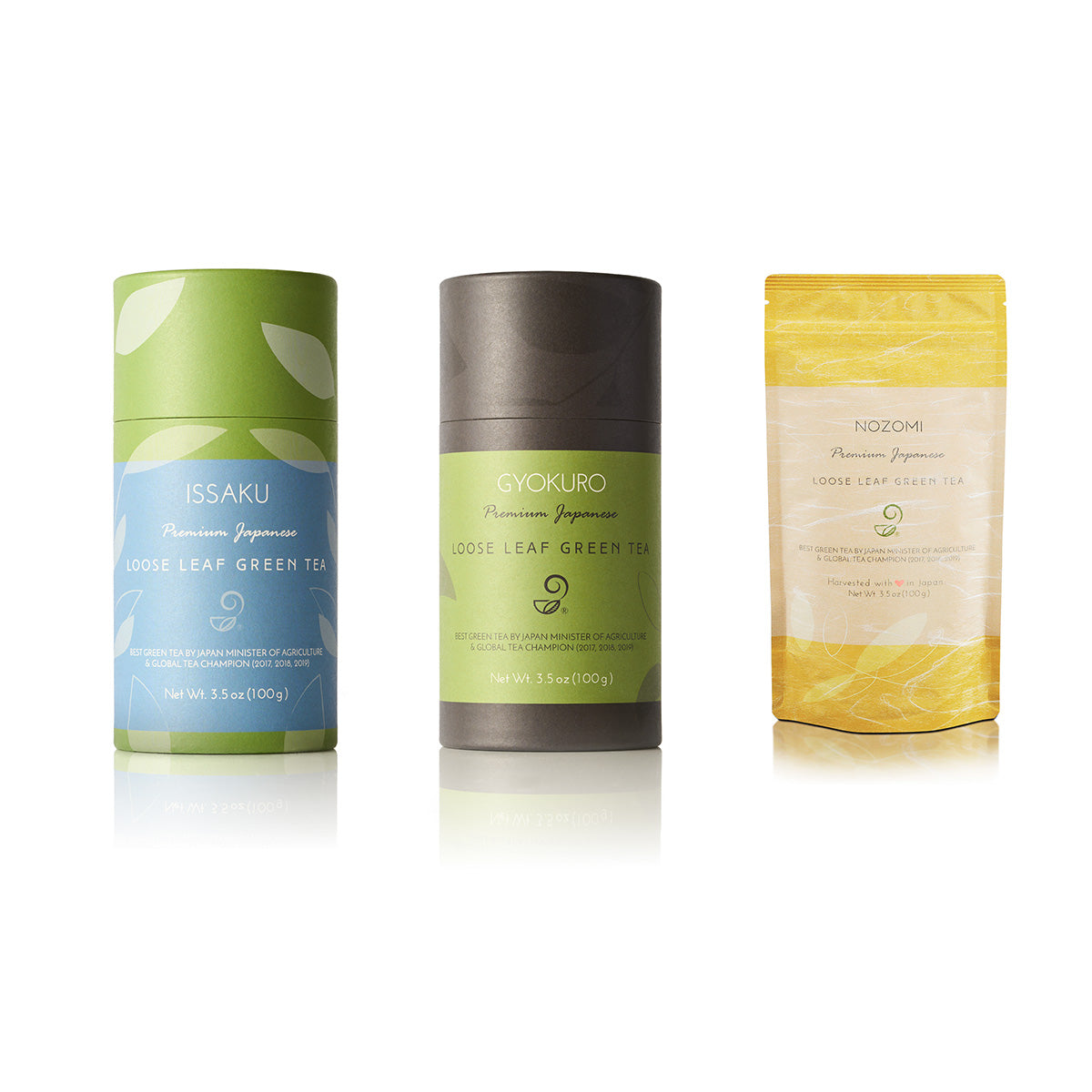
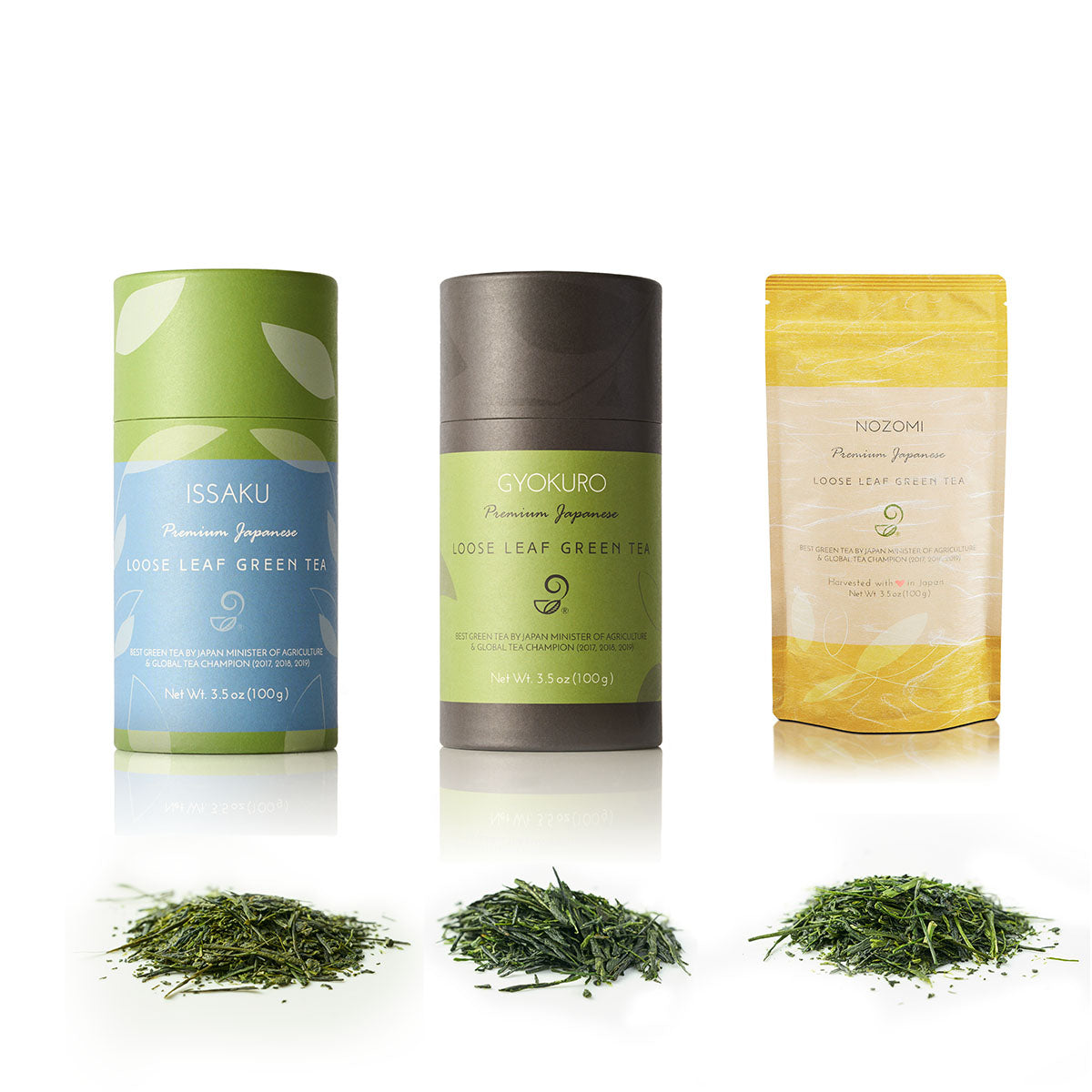
The Sencha Lover Gift Set - Premium Japanese Green Tea Set Package
$179.00 $159.99
Quick view

This tea set features three exceptional Japanese green teas, each crafted with care and traditional techniques. Issaku Reserve, a Global Tea Champion winner in 2017 and 2019, is a rare masterpiece created by Farm Master Mr. Arahata at Arahataen Green Tea Farm. Handpicked once a year from the first flush and processed with advanced methods, Issaku represents the highest-grade deep-steamed green tea, available only in limited quantities even in Japan.

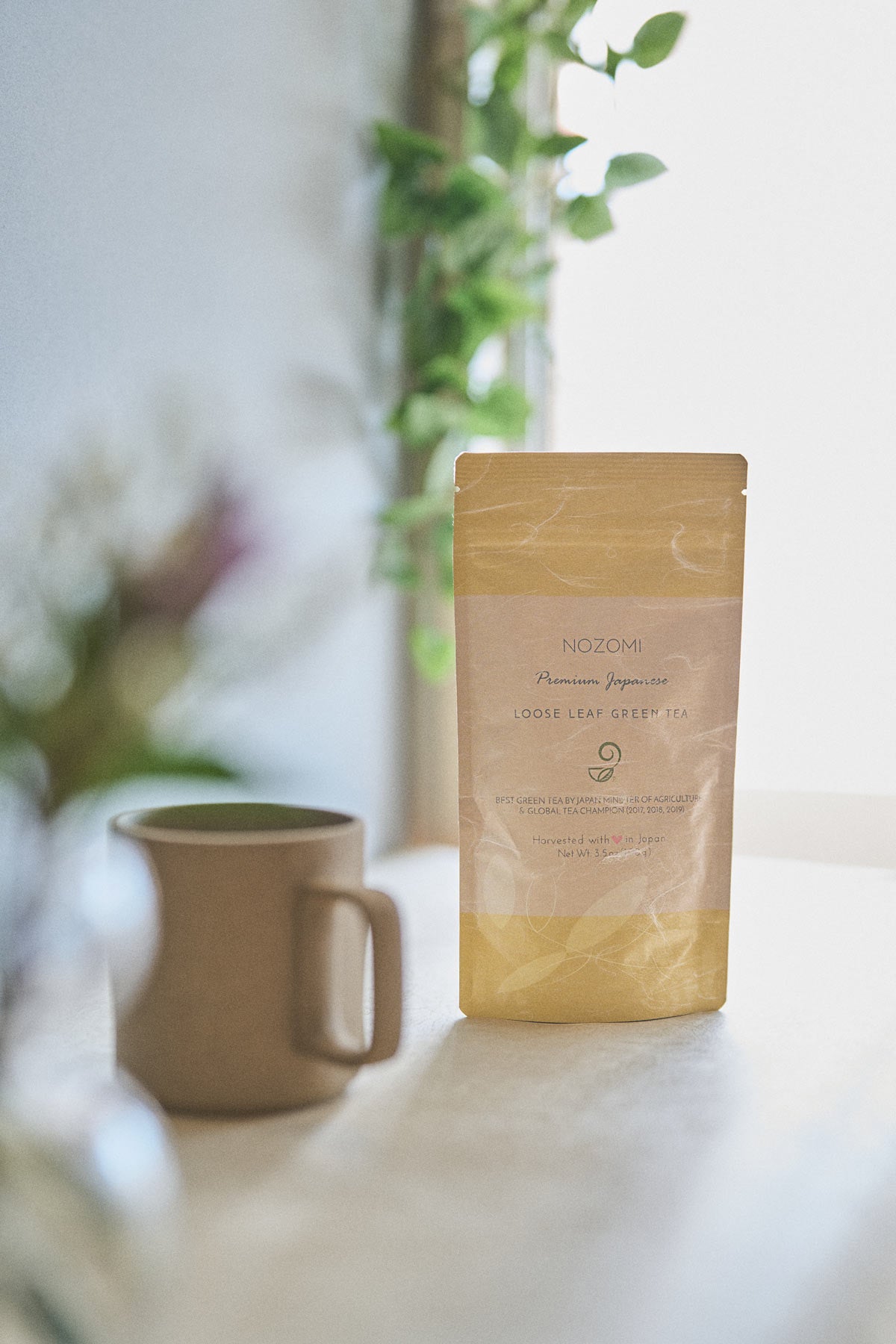
The set also includes Gyokuro, a premium shaded green tea known for its rich, sweet flavor and deep mossy green color. Grown under special mats for 20 days to increase caffeine and amino acid levels, Gyokuro offers a layered, smooth taste unlike any other. Completing the collection is Nozomi, a fine Kabuse-cha, or "Covered Green Tea," carefully grown under nets to gently shade the leaves just before new sprouts emerge, resulting in a soft, rich, and refined flavor profile.

97 reviews

Gyokuro - Shaded Imperial Premium Green Tea

$65.00
Quick view

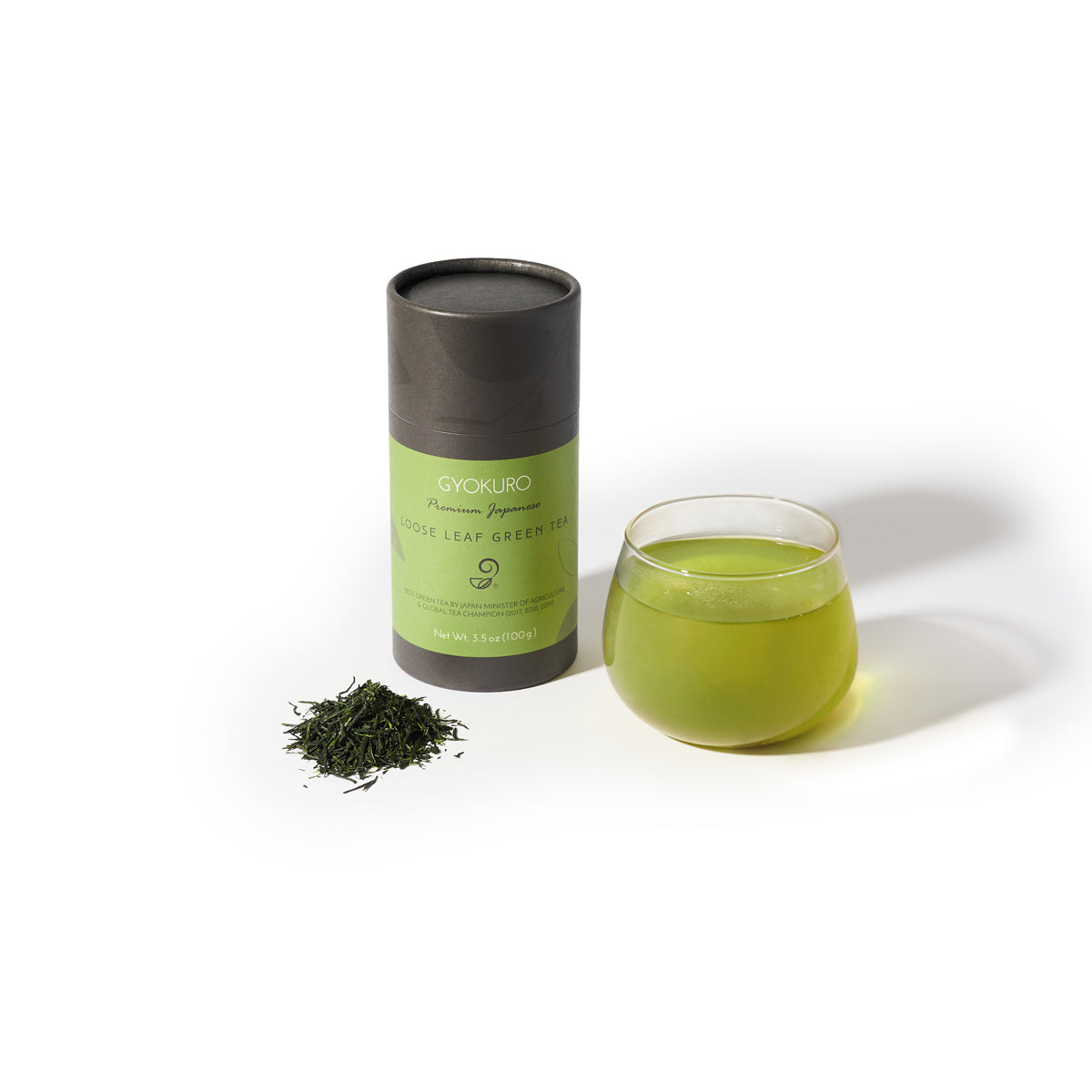
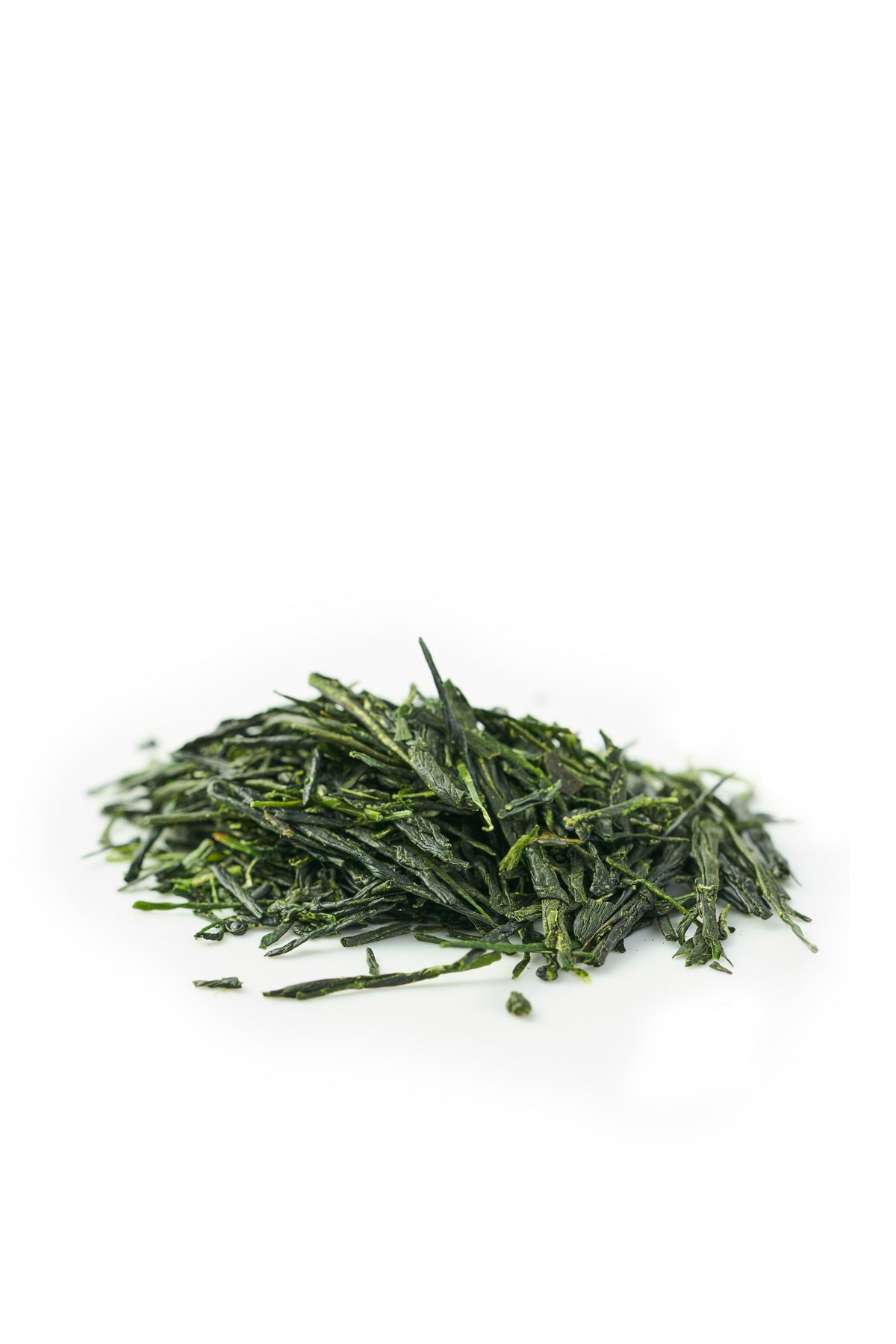
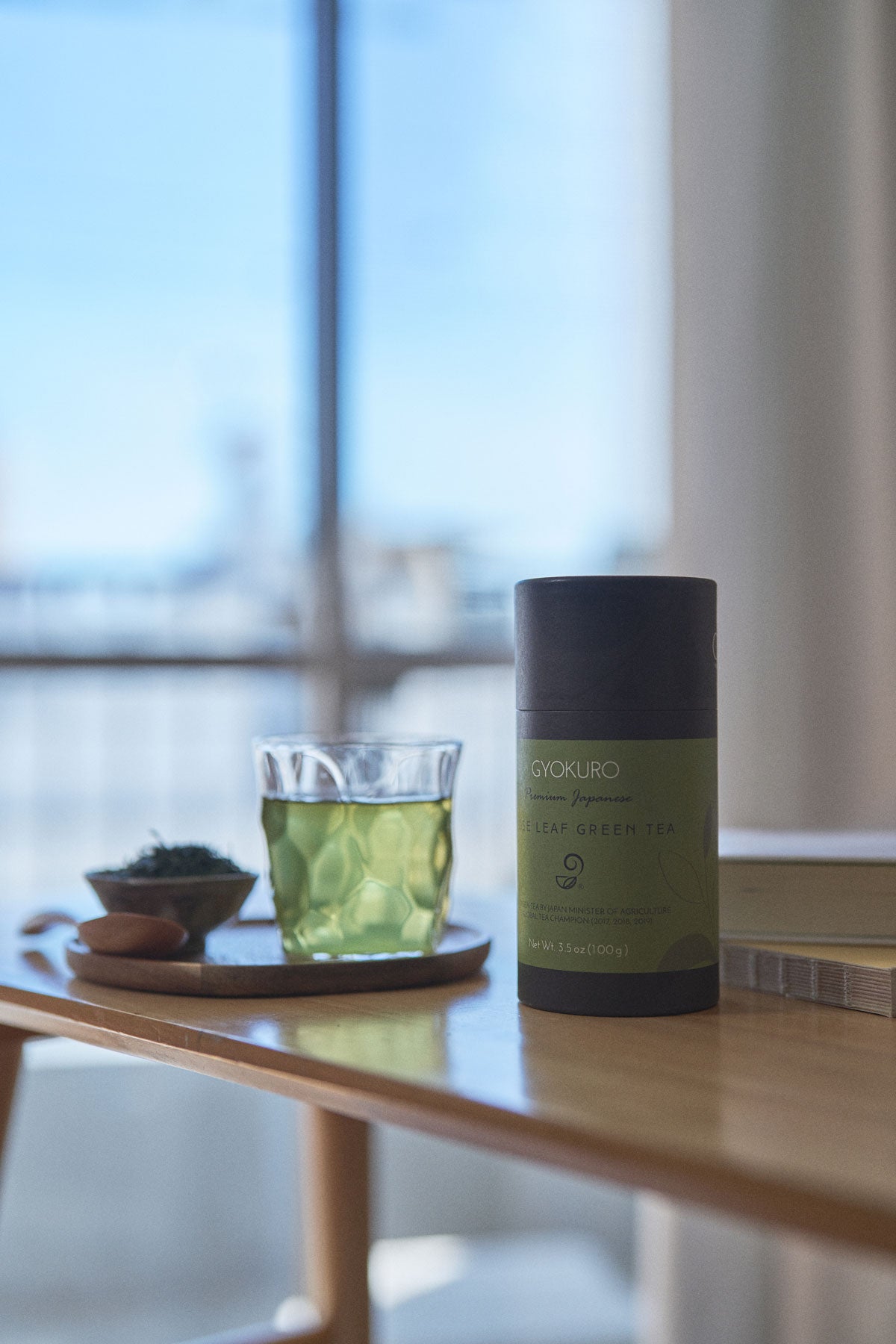
Gyokuro, also known as "jade dew" or "jewel dew tea," is a premium Japanese green tea shaded from the sun for 20 days using specially made mats, a method that boosts caffeine levels and strengthens amino acids to create a sweeter, richer flavor. This extended shading process results in dark, mossy green leaves with an unmistakable aroma and a complex taste that is layered yet balanced. Cultivated by the Chagusaba method in nutrient-rich sugarcane soil and made from the Yabukita cultivar, this loose-leaf authentic Gyokuro is offered in a high-quality, air-tight paper tube canister (chyazutsu) to preserve its exceptional freshness and flavor. Each 3.5 oz (100g) full-size package steeps 30–40 cups, and a convenient single-serve sample is also available.

45 reviews

Hojicha - Roasted Green Tea

$25.00
Quick view

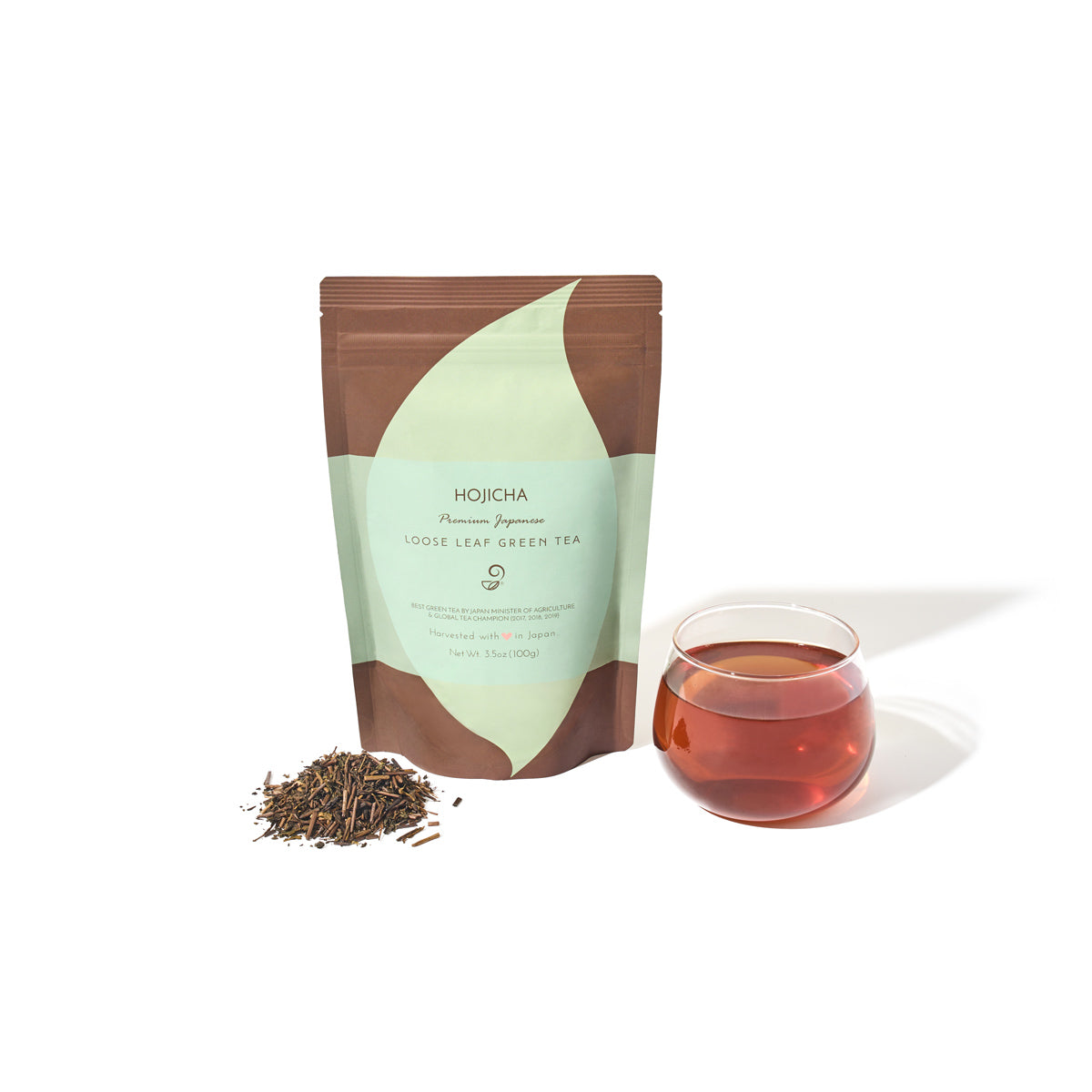
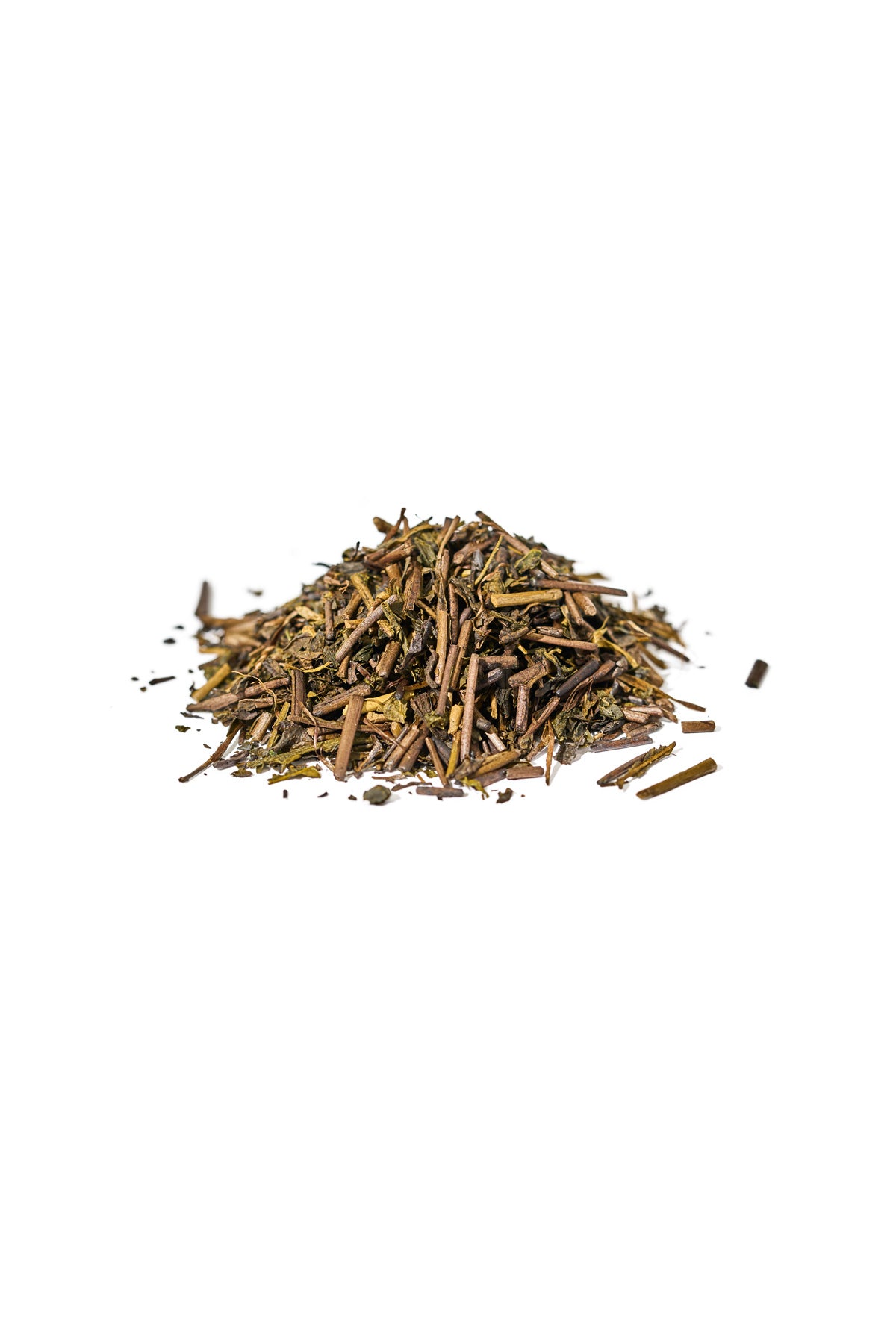
Our roasted green tea, known as hojicha (ほうじ茶), is crafted from freshly harvested premium green tea carefully roasted in porcelain over charcoal to maximize flavor while retaining more catechins than typical hojicha on the market. With lower caffeine and a smoother, less bitter taste compared to steamed green tea, it is an ideal choice for evening relaxation and is gentle enough for kids and pregnant women. Cultivated using the Chagusaba method in nutrient-rich sugarcane soil, this loose-leaf authentic Japanese roasted green tea, made from the Yabukita cultivar, also pairs beautifully with oily foods. Each eco-friendly resealable package contains 3.5 oz (100g) of tea, enough to steep 30–40 comforting cups.

80 reviews

Matcha - Ceremonial Japanese Powdered Green Tea

$39.00
Quick view

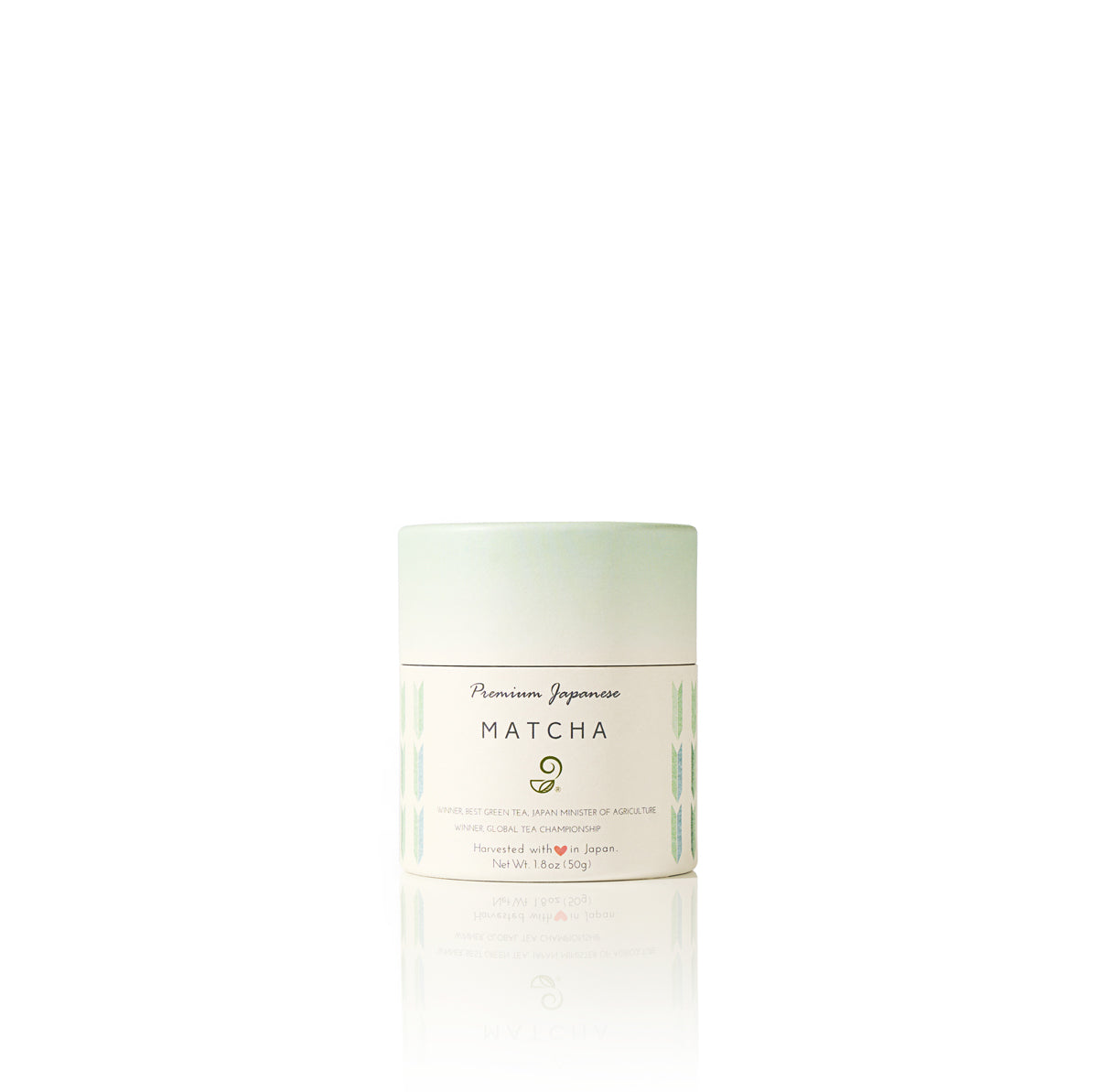
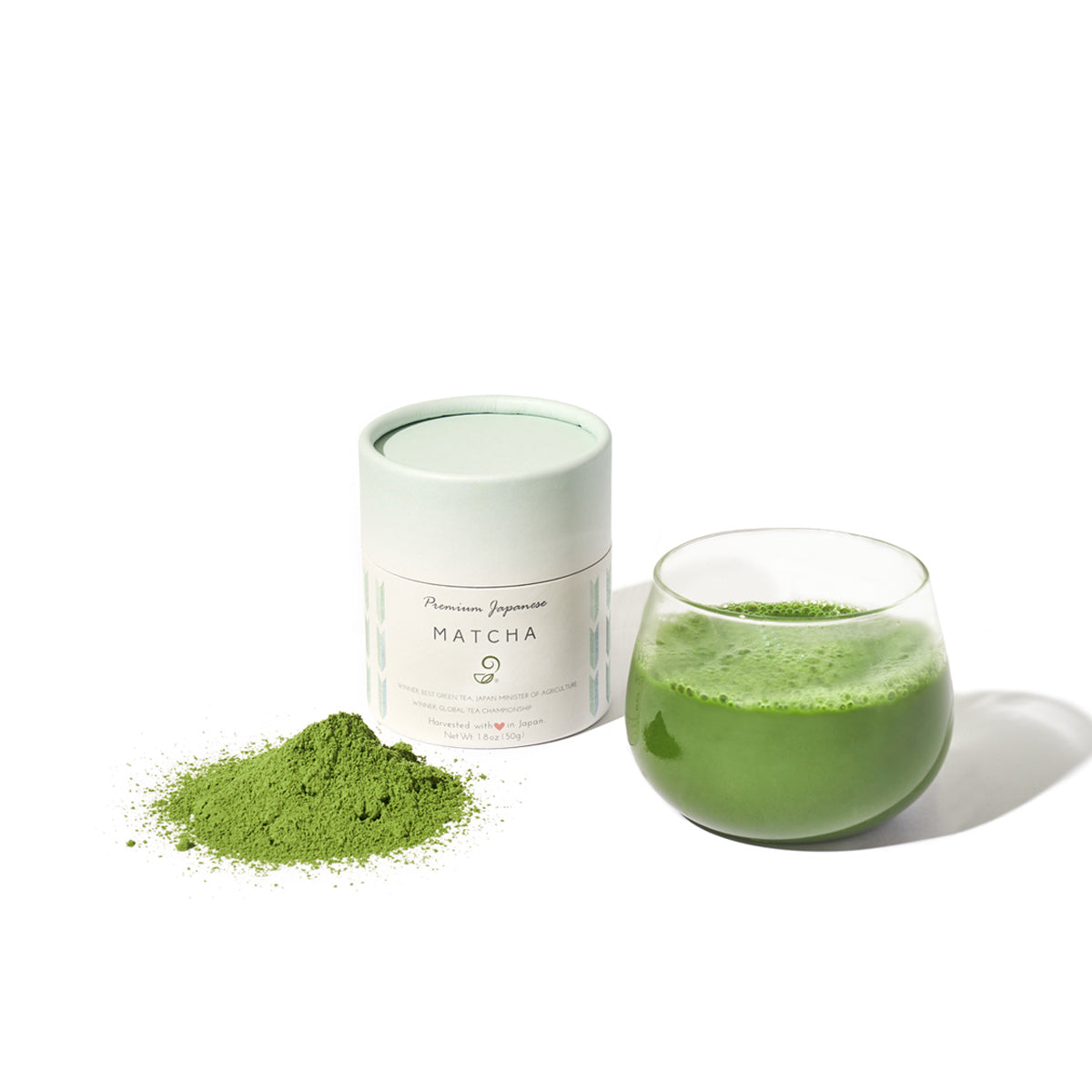
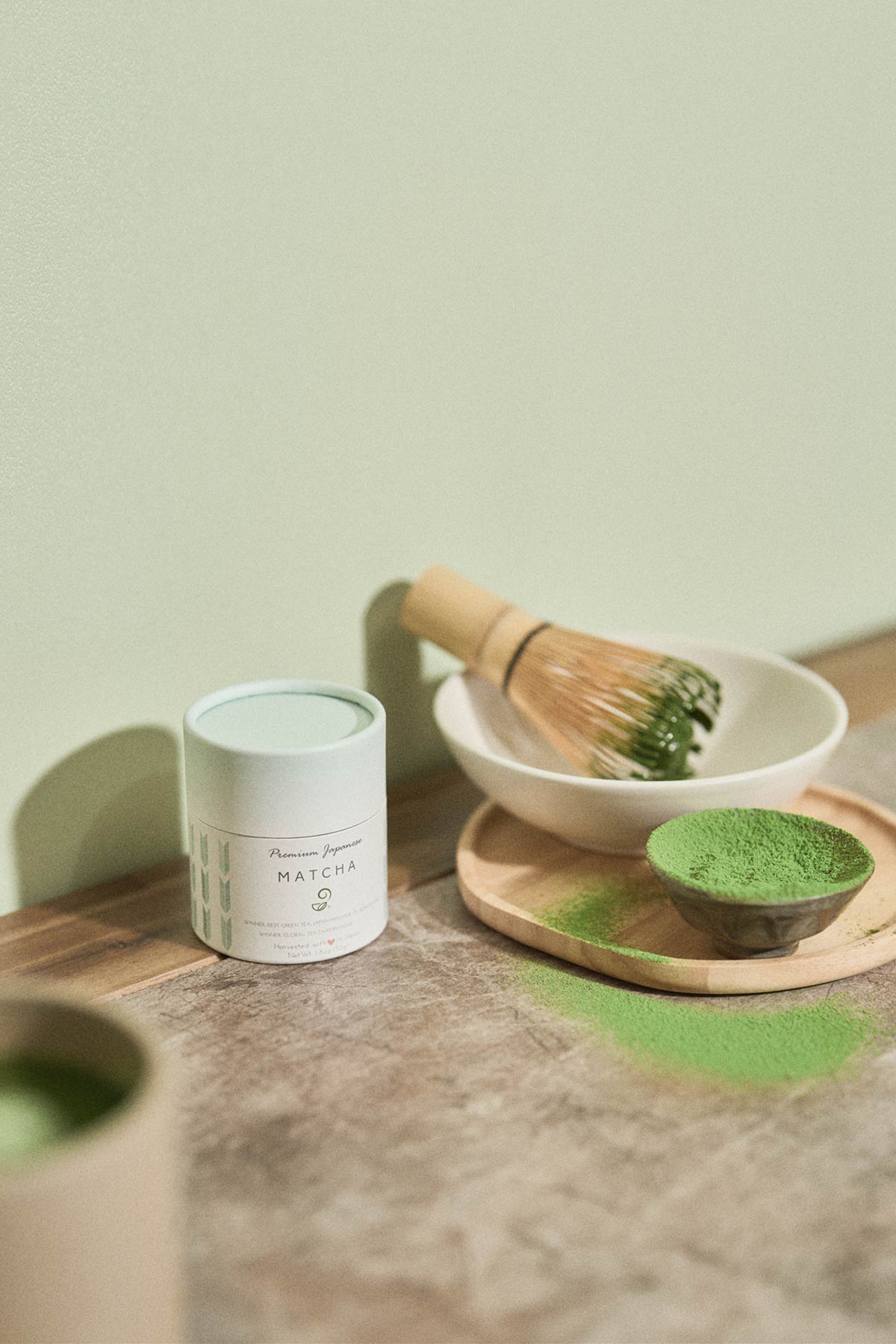
This ceremonial matcha is crafted from the finest Japanese green tea, grown in nutrient-rich soil enhanced with compostable grasses and sugarcane through the Chagusaba method, which gives the tea a natural sweetness and exceptional flavor. In collaboration with researchers from Shizuoka University, farmers ensure that the soil quality consistently produces tea of the highest standard.

Renowned among top Japanese chefs for its unmatched aroma, this matcha is made by carefully shading the plants before harvest to boost caffeine and amino acids, then meticulously drying, de-stemming, and grinding the leaves into a fine powder. Made from the Yabukita cultivar, this 1.8 oz (50g) matcha comes in a high-quality, air-tight paper tube canister, providing a luxurious and authentic Japanese tea experience.

42 reviews

Genmaicha - Green Tea with Roasted Brown Rice

$30.00
Quick view

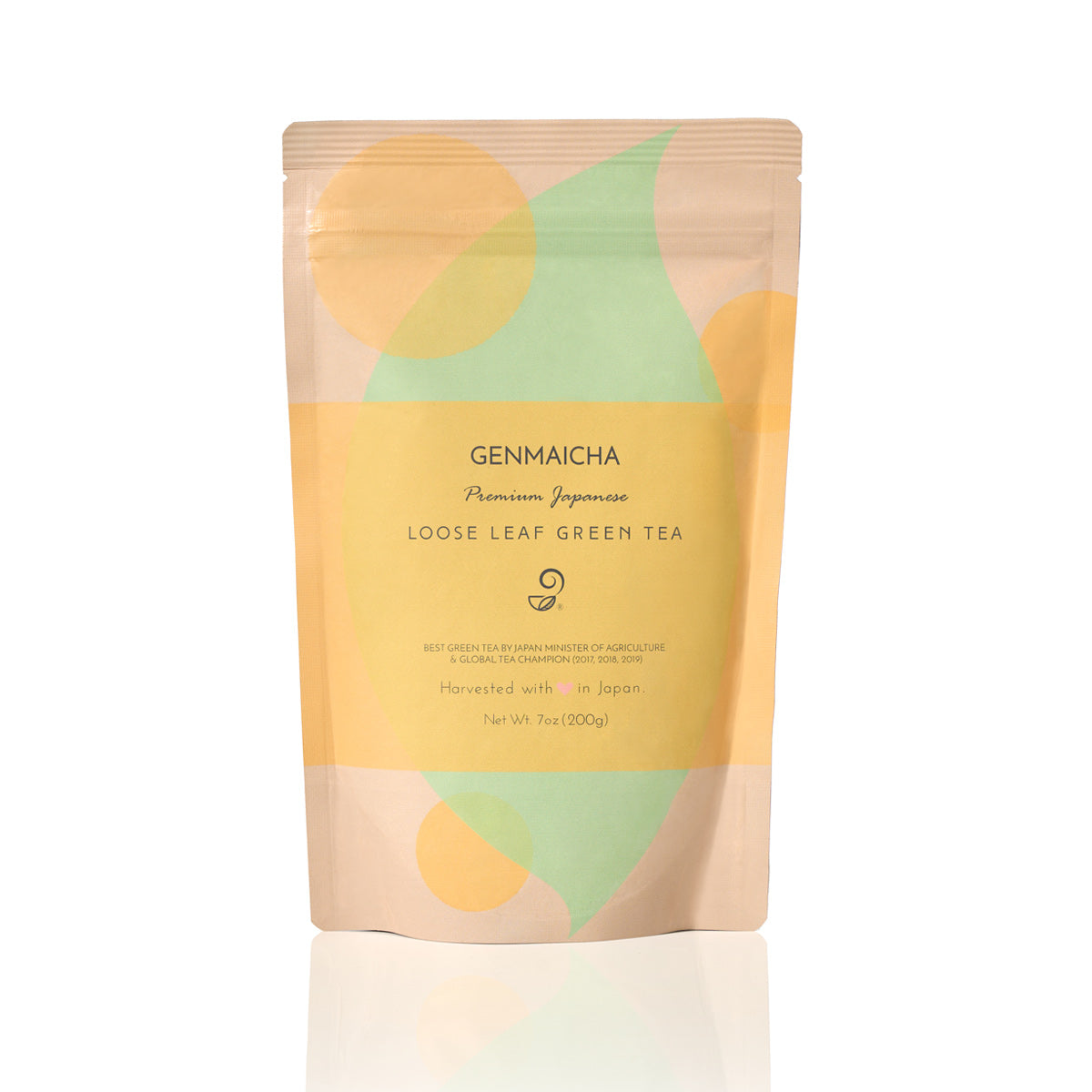
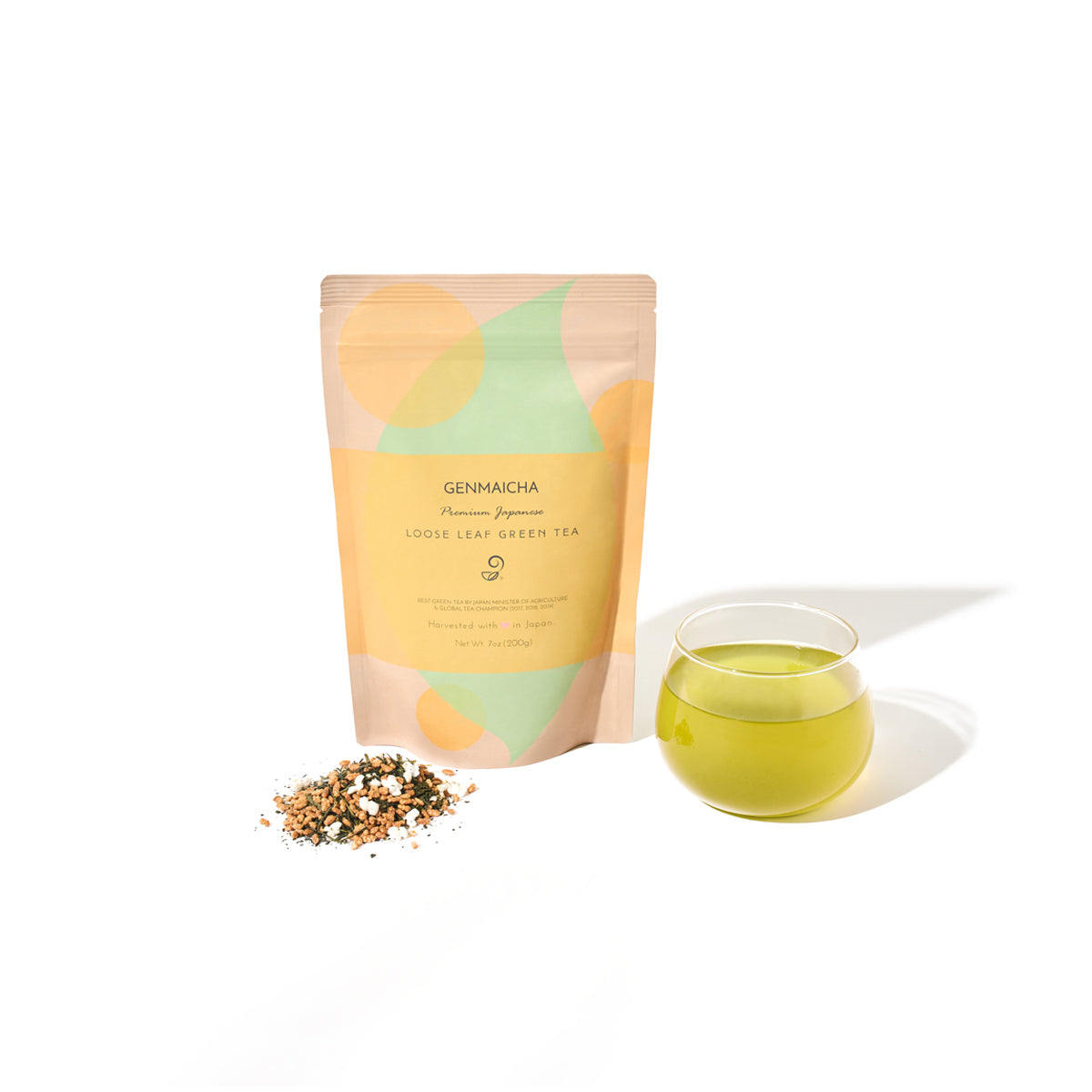
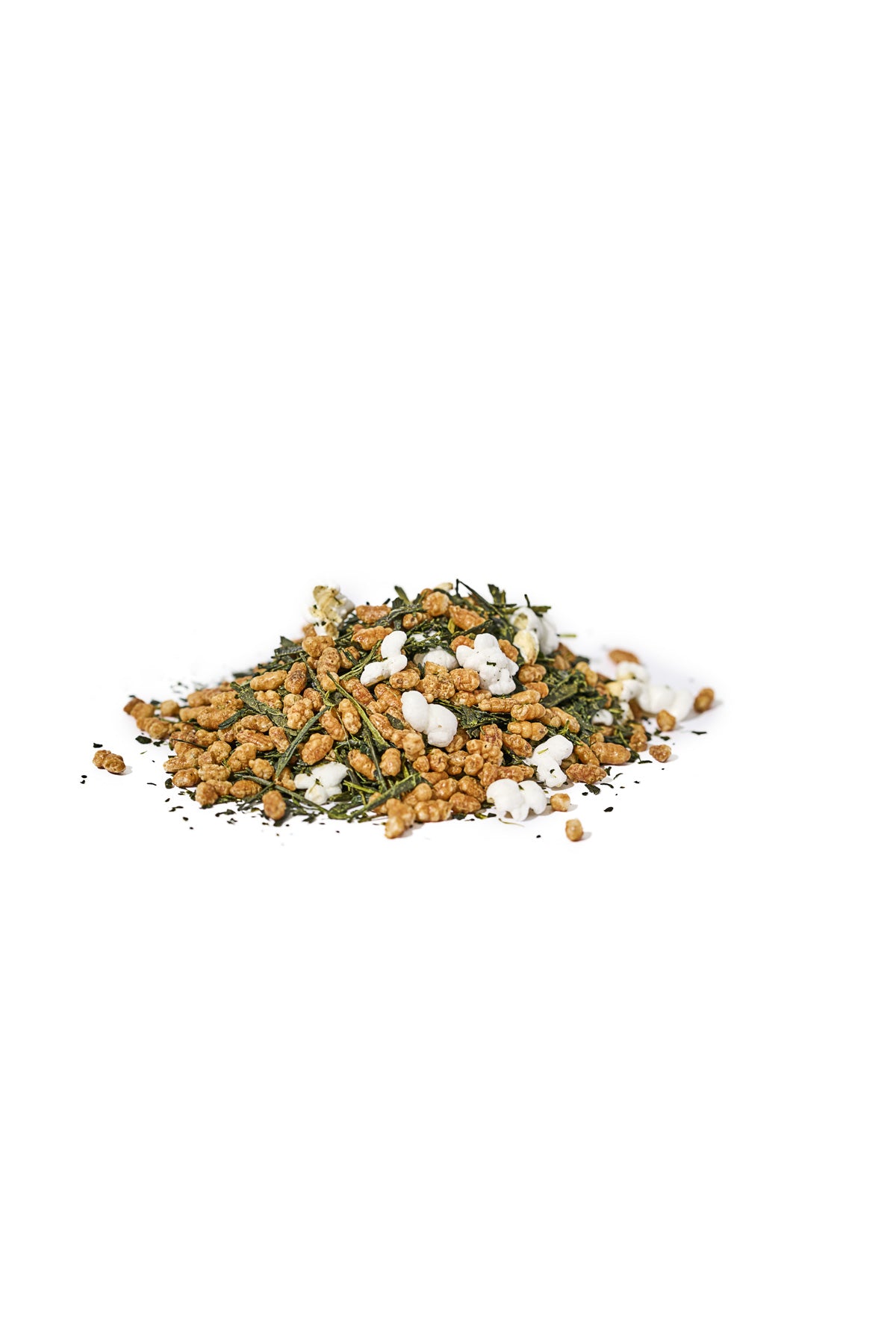
Our premium Japanese Genmaicha blends high-quality green tea with roasted popped brown rice (genmai 玄米), often nicknamed "popcorn tea" because the roasting process sounds like popcorn popping. Popular especially among the older generation in Japan for its mild flavor and lower caffeine content, this tea is easier on the stomach while still offering a rich, comforting taste. The brown rice used is premium Japanese mochi-gome (もち米) sticky rice, enhancing the tea’s nutty, aromatic profile. Made from Fukamushi Sencha and cultivated using the Chagusaba method in nutrient-rich sugarcane soil, this Genmaicha features the Yabukita cultivar and comes in a 7.0 oz (200g) eco-friendly resealable package, enough to steep 50–60 cups.


Related Articles You May Be Interested

Is Green Tea Good for Kids? - True or False? - Green Tea Quiz
Is Green Tea Good for Kids? - True or False?  - Green Tea Quiz
Green Tea During Pregnancy: Is It Safe?
Truths and Myths About Green Tea
How to Select Japanese Green Tea? - The Expert Advice
How to Select Japanese Green Tea?  - The Expert Advice
Does a Cup of Tea count as Water Intake? - Green Tea Quiz

Get Free Bonus Books

Join Green Tea Club

Sign up for free to the Green Tea Club to get advice and exclusive articles about how to choose Japanese Tea, and tips, tricks, and recipes for enjoying Japanese tea.

Unsubscribe anytime. It’s free!

About the author

Kei Nishida

Kei Nishida

Author, CEO Dream of Japan

info@japanesegreenteain.com

Certification: PMP, BS in Computer Science

Education: Western Washington University

Kei Nishida is a passionate Japanese green tea connoisseur, writer, and the founder and CEO of Japanese Green Tea Co., a Dream of Japan Company.

Driven by a deep desire to share the rich flavors of his homeland, he established the only company that sources premium tea grown in nutrient-rich sugarcane soil—earning multiple Global Tea Champion awards.

Expanding his mission of introducing Japan’s finest to the world, Kei pioneered the launch of the first-ever Sumiyaki charcoal-roasted coffee through Japanese Coffee Co. He also brought the artistry of traditional Japanese craftsmanship to the global market by making katana-style handmade knives—crafted by a renowned katana maker—available outside Japan for the first time through Japanese Knife Co.

Kei’s journey continues as he uncovers and shares Japan’s hidden treasures with the world.

Learn more about Kei Nishida

Related Posts

Behold: Balmuda's "The MoonKettle" — Where Boiling Water Becomes Art

We were privileged to be invited by Balmuda's Private MoonKettle Launch Event. Here are videos of it and everything you

Read More
OC Japan Fair April 2026 — Visit Us at Booth #A8!
OC Japan Fair Spring 2026 Recap (April 3 - 5 2026)

We were at OC Japan Fair again! April 3-5 2026 with new products, Miki Pon's art debut and more. Here is a recap video f

Read More
Super Mario and Japanese Green Tea

Super Mario and green tea share a hometown! Watch our Yoshi Matcha Cookies video recipe + discover how Nintendo and matc

Read More
Leave a comment

Your email address will not be published..

Cart

Your cart is currently empty.

Start Shopping

Select options