

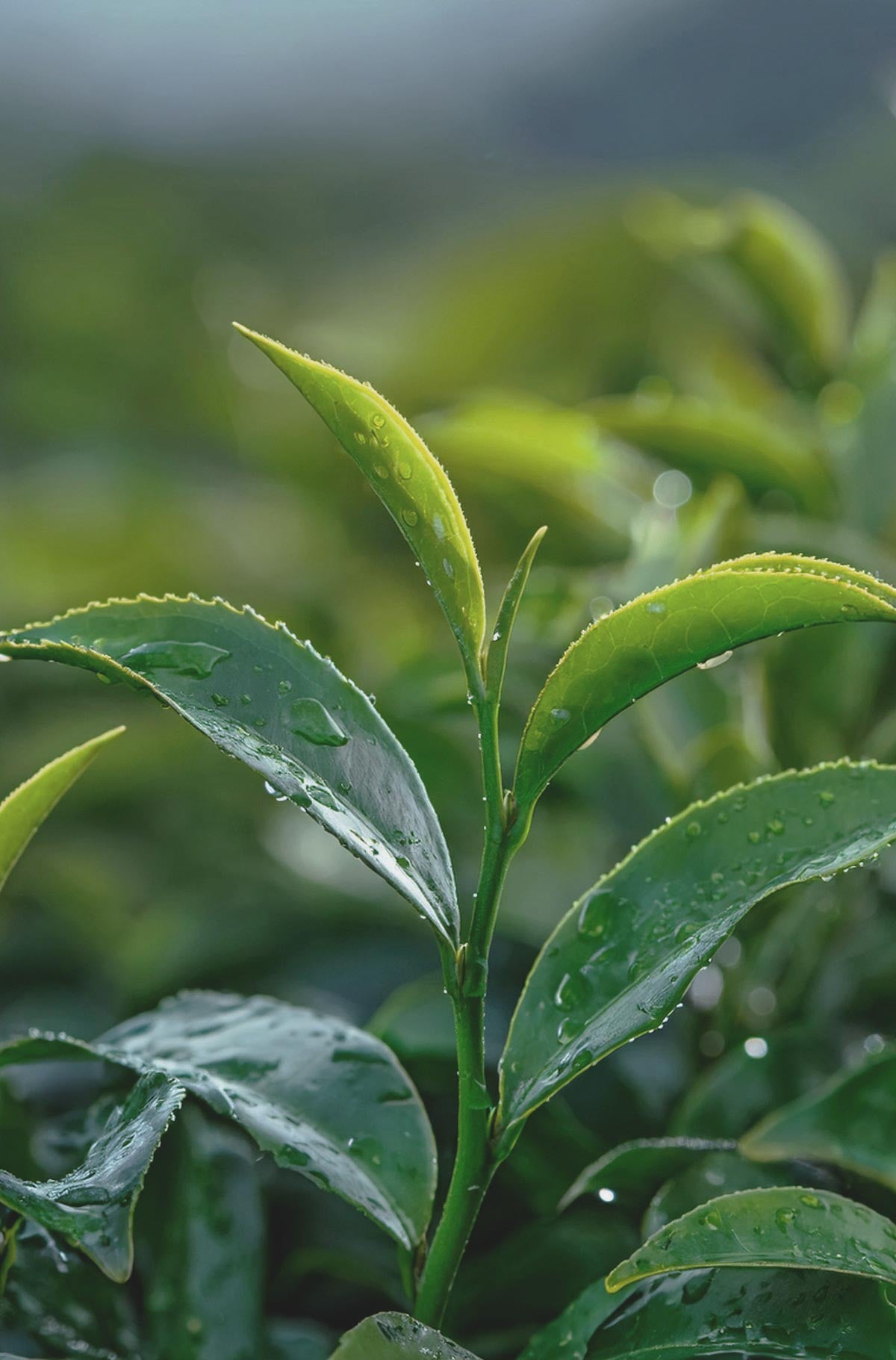
Green tea is one of the most popular beverages in the world, besides water. In some Asian societies, the partially fermented leaves of green tea, which come from the Camellia Sinensis plant, are included in many important cultural ceremonies in Japan and China. So we already know that green tea can be a delicious drink. But can green tea also be an appetite suppressant?
Green tea’s rise in global popularity isn’t just tied to its taste or cultural roots — it’s also connected to the growing interest in natural wellness. As people around the world move toward cleaner diets, herbal infusions, and plant-based remedies, green tea has become a staple in healthy lifestyles. Its reputation for supporting digestion, calming the mind, and providing gentle energy has led many to incorporate it into their daily routines. Whether enjoyed hot, iced, or blended into modern wellness drinks, green tea continues to bridge ancient tradition with contemporary health trends.
But beyond its soothing flavor and cultural significance, many individuals drink green tea for a very specific reason: its potential impact on weight control. Claims that green tea helps curb cravings and reduce overeating have fueled countless studies and discussions online. The idea that a simple, natural beverage could influence hunger signals is appealing to anyone aiming to manage their diet more effectively. As a result, green tea has shifted from being just a traditional drink to becoming a widely discussed functional beverage — one that supporters believe plays a role in appetite suppression and overall weight management. That's what we're going to discuss in today's post!
That's what we're going to discuss in today's post!
Is Green Tea A Good Appetite Suppressant?
Green tea has become more popular in the Western world. Often, it's chosen as a healthier alternative to black tea or other beverages. Green tea can also be a potential weight loss aid—yes, green tea can be an appetite suppressant!
In fact, one of the many benefits of green tea that have been discussed in detail over the years is the beverage's ability to suppress appetite. One of the reasons this tea may have the ability to starve off hunger is that it has various antioxidants and plant compounds that are beneficial to the human body.
Some people also claim that green tea has the ability to burn fat, which is another reason people use it for weight loss.
Beyond traditional beliefs, modern research has increasingly explored why green tea may influence hunger levels. Many studies point toward its rich combination of catechins, amino acids, and mild caffeine — a trio that works together to support metabolic activity and signal satiety. These compounds may help stabilize energy levels and reduce the sudden spikes and crashes that often trigger unnecessary snacking. As a result, people who regularly consume green tea often report feeling fuller for longer, especially when drinking it before or between meals.
Another reason green tea is gaining recognition as an appetite-management tool is its natural effect on digestion and gut comfort. Warm green tea can soothe the digestive tract, which may indirectly reduce cravings that arise from bloating, discomfort, or emotional eating. Its light, earthy profile also makes it a refreshing substitute for sugary drinks or high-calorie snacks. When paired with a consistent routine, green tea becomes more than a beverage — it acts as a gentle daily support system that encourages more mindful eating and better control over food intake.
How Does Green Tea Work As An Appetite Suppressant: The Breakdown Of Catecholamine
It seems that green tea can suppress appetite, and this may be due to several mechanisms.
First, green tea affects dopamine and norepinephrine in the body. This can lead to decreased hunger and weight loss. Norepinephrine and dopamine are peptide hormones classified as catecholamines that activate the body's sympathetic nervous system. One of the main effects of catecholamines is a reduction in the desire to eat.
According to researchers, EGCG, which is one of the most active compounds in green tea, mediates the desire to consume food by breaking down an enzyme that would usually break down catecholamines.
When catecholamine levels stay elevated for longer periods, the body naturally shifts into a more alert, energy-focused state. This heightened response suppresses unnecessary food-seeking behavior, particularly cravings triggered by boredom or fatigue. Green tea’s EGCG essentially prolongs the lifespan of these hunger-regulating hormones, allowing them to keep signaling the brain that the body does not yet need additional calories. This is one of the core theories behind why some people notice reduced snacking after drinking green tea regularly.
In addition to influencing catecholamines, green tea also impacts the communication between the gut and the brain. When EGCG and other catechins interact with the sympathetic nervous system, they enhance thermogenesis — the process of generating heat and burning energy. As the body spends more energy, it sends fewer signals associated with low fuel or hunger. This coordinated effect between hormone protection, increased calorie expenditure, and metabolic activation creates a subtle but meaningful shift in appetite control. For many individuals, the result is a naturally reduced desire to overeat, especially when green tea is consumed consistently over time.

Caffeine Content
Green tea leaves contain several healthy compounds, including caffeine. This is another way green tea acts as an appetite suppressant.
One cup of green tea has much less caffeine than a cup of coffee; a cup of green tea contains between 24 and 40 mg of caffeine, while coffee has between 100 and 200 mg of caffeine. However, the caffeine in green tea does have a mild effect on the body.
Caffeine is a popular stimulant that helps give people energy, especially in the mornings. The stimulant is also shown to assist in the fat-burning process. Additionally, it improved exercise performance in several research studies.
However, green tea is significantly beneficial when it comes to antioxidants. According to studies, drinking one cup of green tea increases antioxidants in the bloodstream. The antioxidants are called catechins and epigallocatechin gallate, or EGCG, which can boost the body's metabolism.
Even though one cup of green tea can raise antioxidant levels, most research studies have explored the benefits of green tea extract, a concentrated form of catechins.
What makes green tea particularly unique is the way its moderate caffeine content works together with its antioxidants. Unlike the sudden jolt people often feel from coffee, the caffeine in green tea is released more steadily, creating a gentle lift in alertness without the typical crash. This smoother energy curve can help regulate appetite because rapid energy dips are one of the most common triggers for reaching for sugary snacks. Combined with EGCG, caffeine helps stimulate thermogenesis, encouraging the body to burn more calories throughout the day — even during rest.
Researchers also note that caffeine’s appetite-suppressing effects are enhanced when it is paired with catechins, which is exactly the synergy green tea provides. This combination appears to support better blood sugar stability, reducing cravings that stem from sudden glucose fluctuations. Over time, regular green tea consumption may help people maintain more consistent eating patterns, making it easier to avoid overeating. While caffeine alone can offer mild appetite control, its partnership with green tea’s abundant antioxidants creates a more balanced and sustained impact on hunger regulation.
(Are you curious if drinking green tea counts as consuming water? Take a look at this post to find out.)

Green Tea And The Production Of CCK
One of the ways green tea manages or suppresses the appetite is through the production of CCK.
CCK is a hormone the intestines release after eating. It alerts the brain that the body has had enough to eat. When CCK is released, the appetite is reduced immediately. This is the main reason people use green tea to suppress their appetite.
(Have a look at this article next to read about some great healthy foods to pair with green tea.)

Burning Fat
Green tea not only potentially stops you from overeating during meals, but evidence shows it can also burn existing fat.
Polyphenols found in green tea, including EGCG, accelerate thermogenesis. This is the process of burning fat and turning it into protein.
Several studies have been conducted to compare the rate of fat burning among a group of individuals who drank green tea against a group who did not consume the tea. The results revealed that the polyphenols in green tea are essential to burning fat. Energy expenditure from fat was only 31.6% of total energy use in the control group. On the other hand, the amount was 41.5% in the group that drank green tea.
Drinking tea in the morning as an alternative to coffee can prove helpful in controlling the appetite. You can also consume green tea during the day with meals to further suppress the appetite and enjoy the many health benefits of this beverage.
What makes green tea particularly effective in fat-burning is the way its compounds influence the body’s energy systems. EGCG and other polyphenols help increase the rate at which stored fat is broken down and used as fuel. This not only supports weight loss but can also improve overall metabolic efficiency. When your body becomes more efficient at utilizing fat for energy, it reduces the likelihood of storing excess calories. Over time, this metabolic boost can contribute to a leaner body composition, especially when paired with regular physical activity.
Additionally, green tea appears to enhance fat oxidation during exercise. Some studies suggest that individuals who consume green tea before working out experience a higher percentage of calories burned from fat compared to those who do not. This synergistic effect means that green tea doesn’t just passively improve metabolism — it actively supports better workout performance and energy use. For people looking to maximize their fitness results or manage their weight more effectively, integrating green tea into their daily routine can offer an easy and natural advantage.
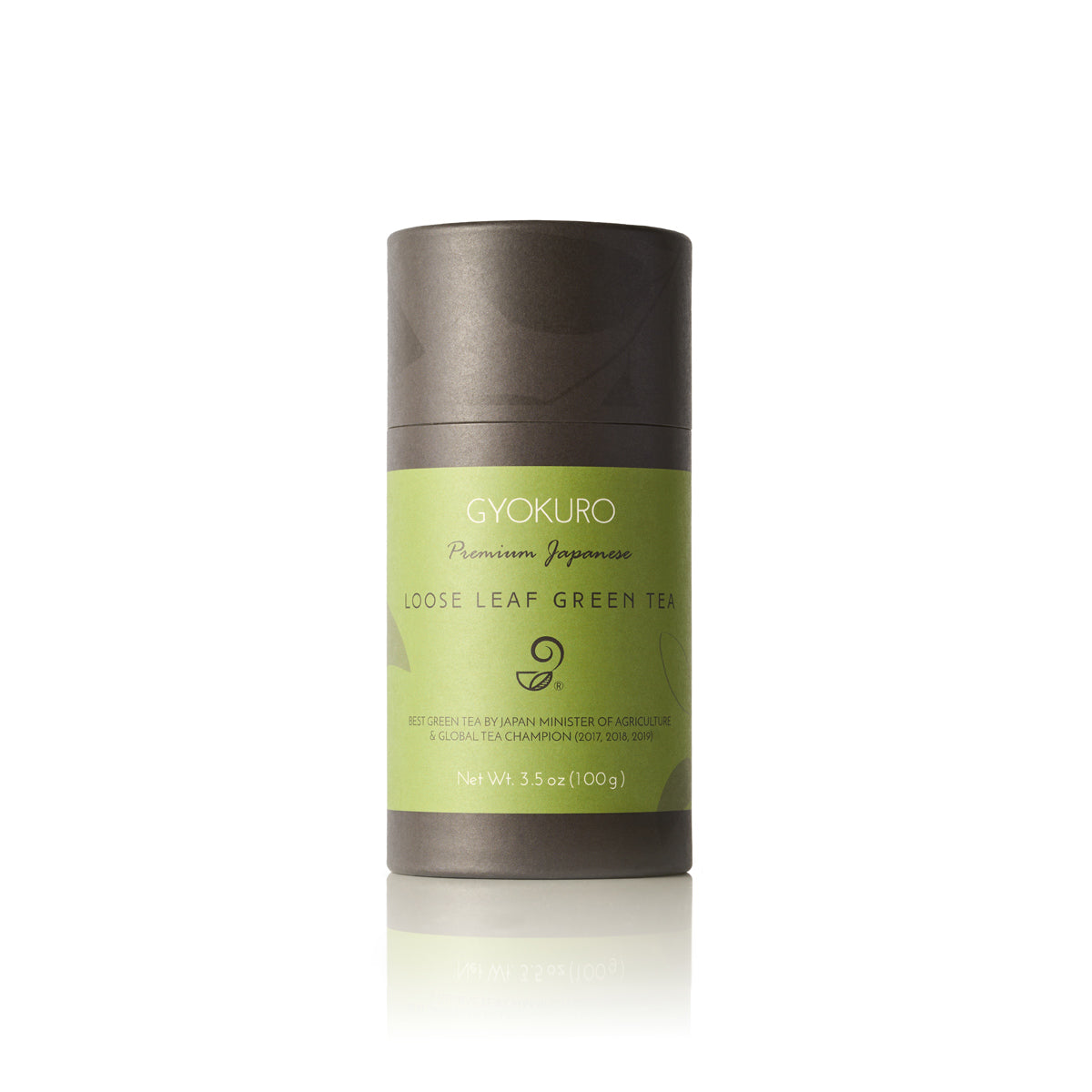
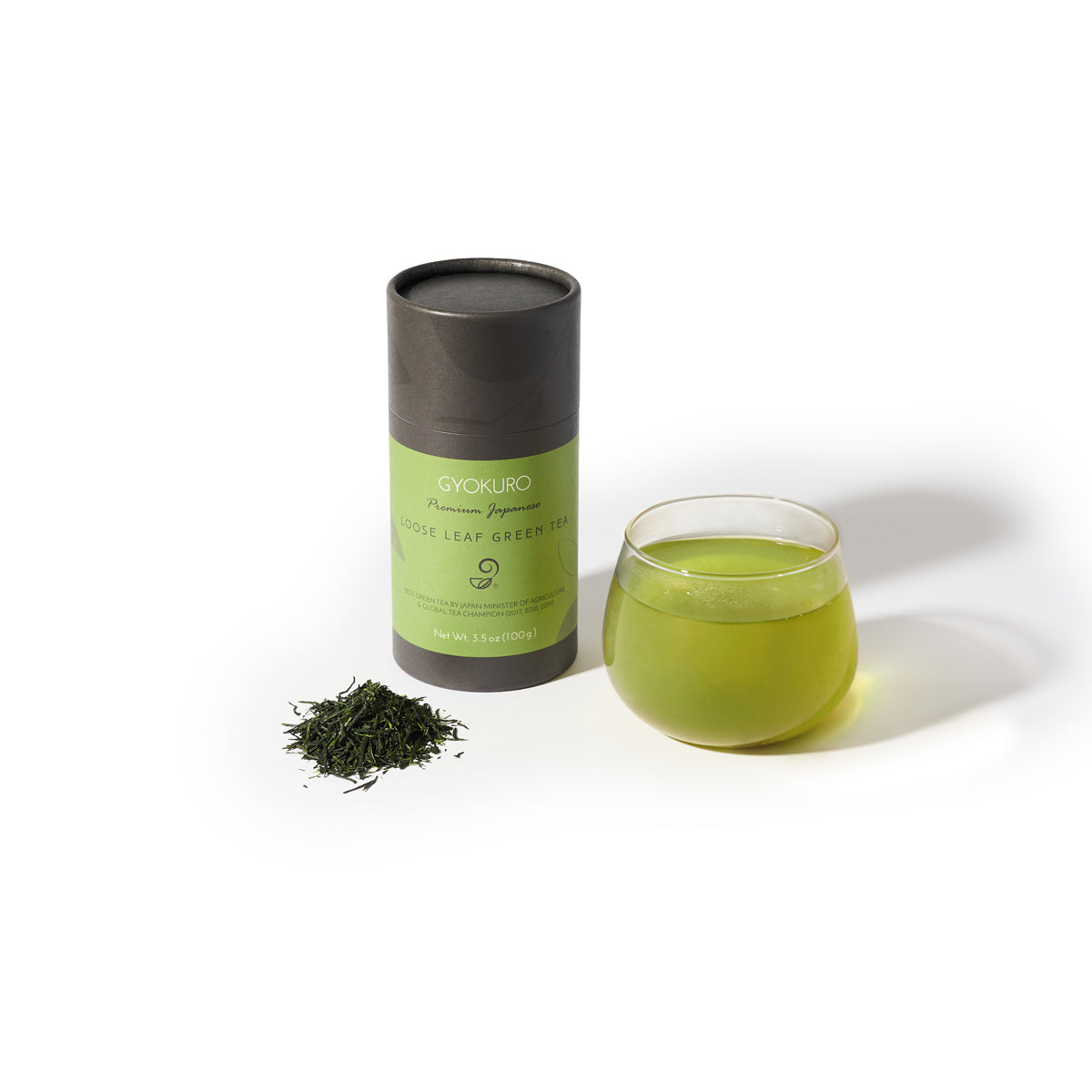
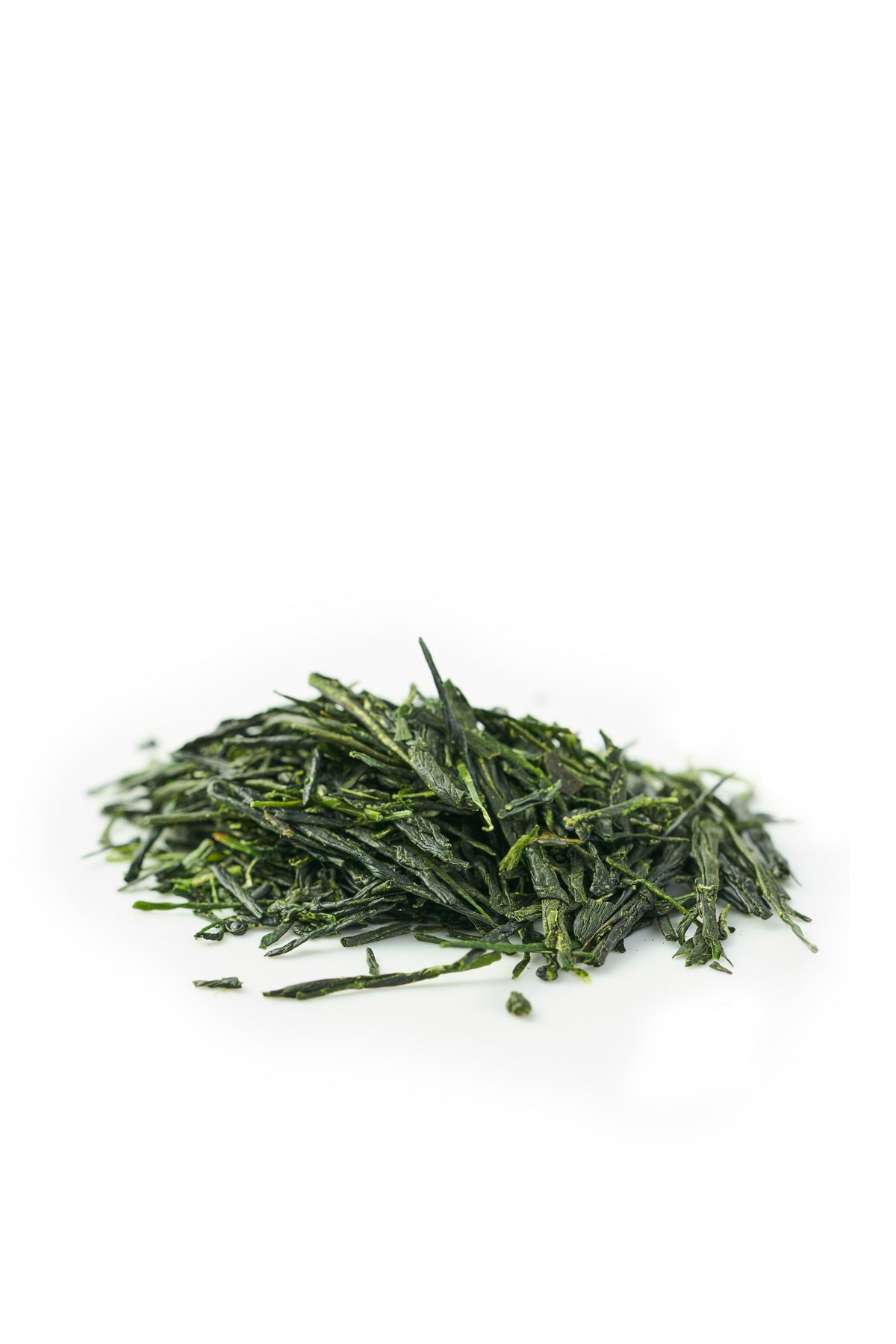
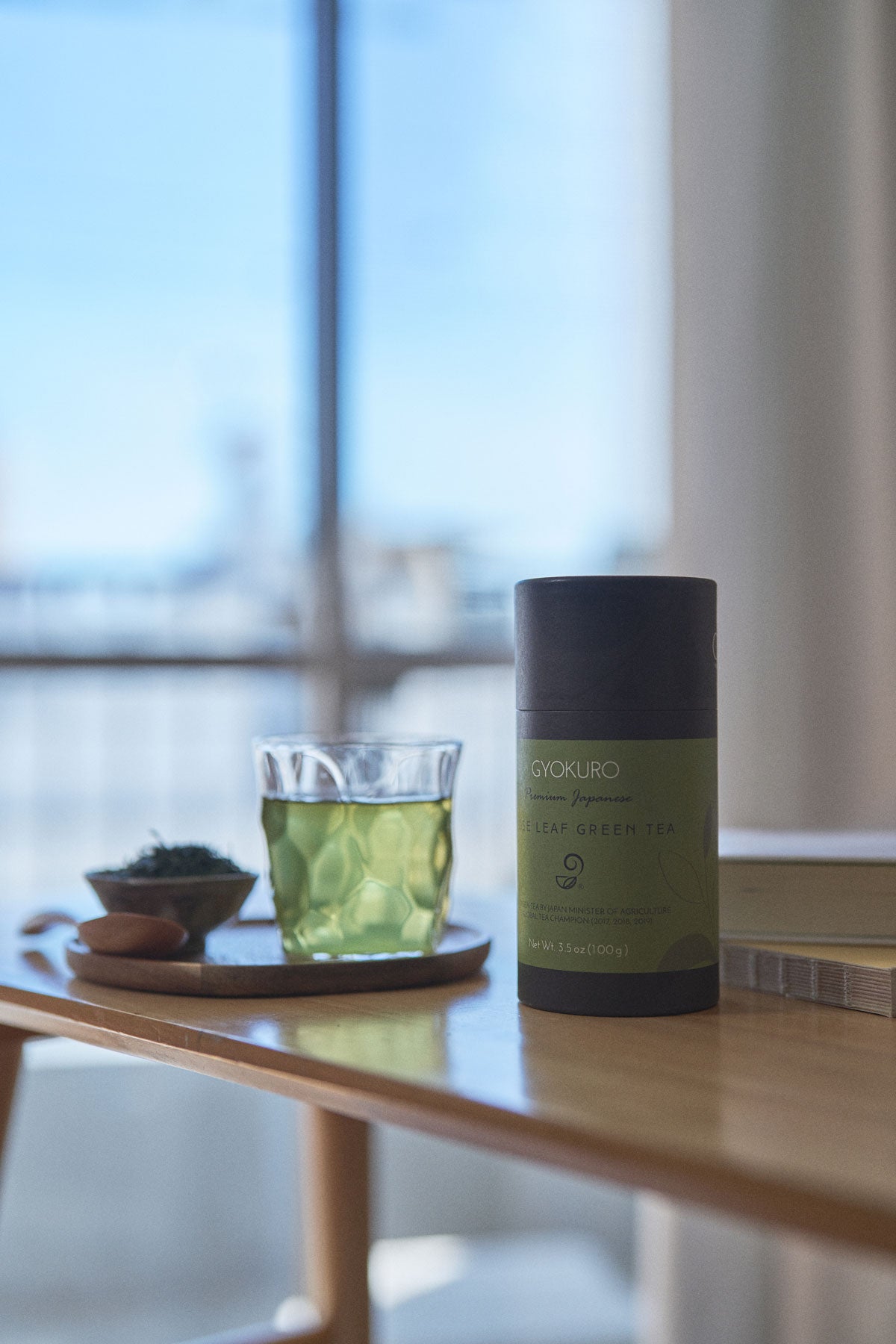
Do you want to shop for your new favorite green tea? Use this link to browse all of your options!
Conclusion — Is Green Tea an Effective Appetite Suppressant?
Green tea has earned its reputation as more than just a comforting, culturally significant beverage. Its unique blend of catechins, mild caffeine, and powerful antioxidants works together to support appetite regulation, boost metabolism, and enhance fat-burning processes in the body. From elevating catecholamine activity to increasing CCK production and strengthening thermogenesis, green tea influences multiple biological pathways that can help reduce hunger and support weight-management goals.
While it isn’t a magic solution, drinking green tea consistently — especially alongside a balanced diet and regular physical activity — can make a noticeable difference in controlling cravings and avoiding overeating. Whether enjoyed in the morning, between meals, or as a soothing alternative to high-calorie drinks, green tea offers an accessible, natural way to support healthier eating habits. Its benefits extend far beyond appetite suppression, making it a smart addition to any wellness routine for those seeking a gentle, reliable boost on their journey toward better health.
Buy Japanese Diet Tea
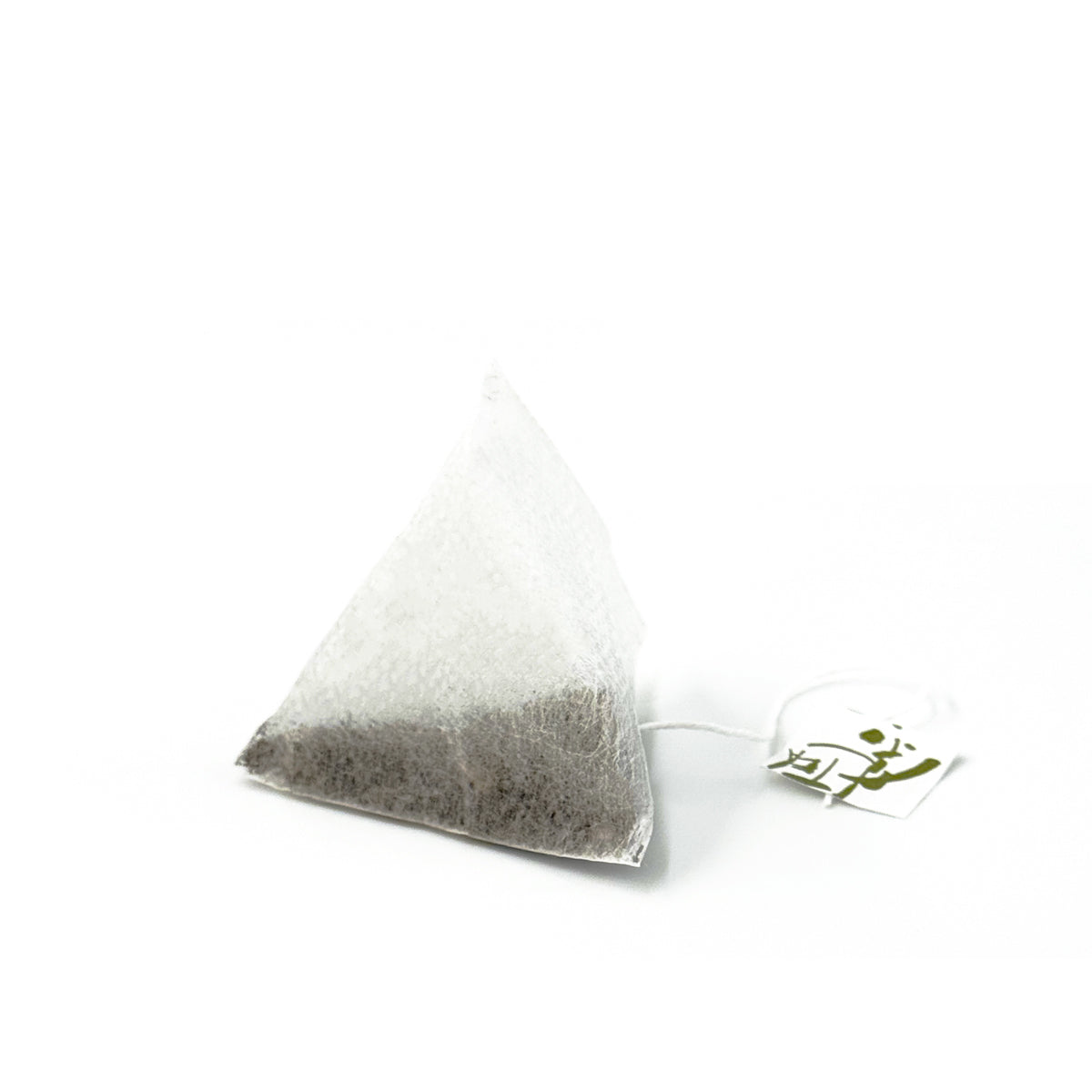


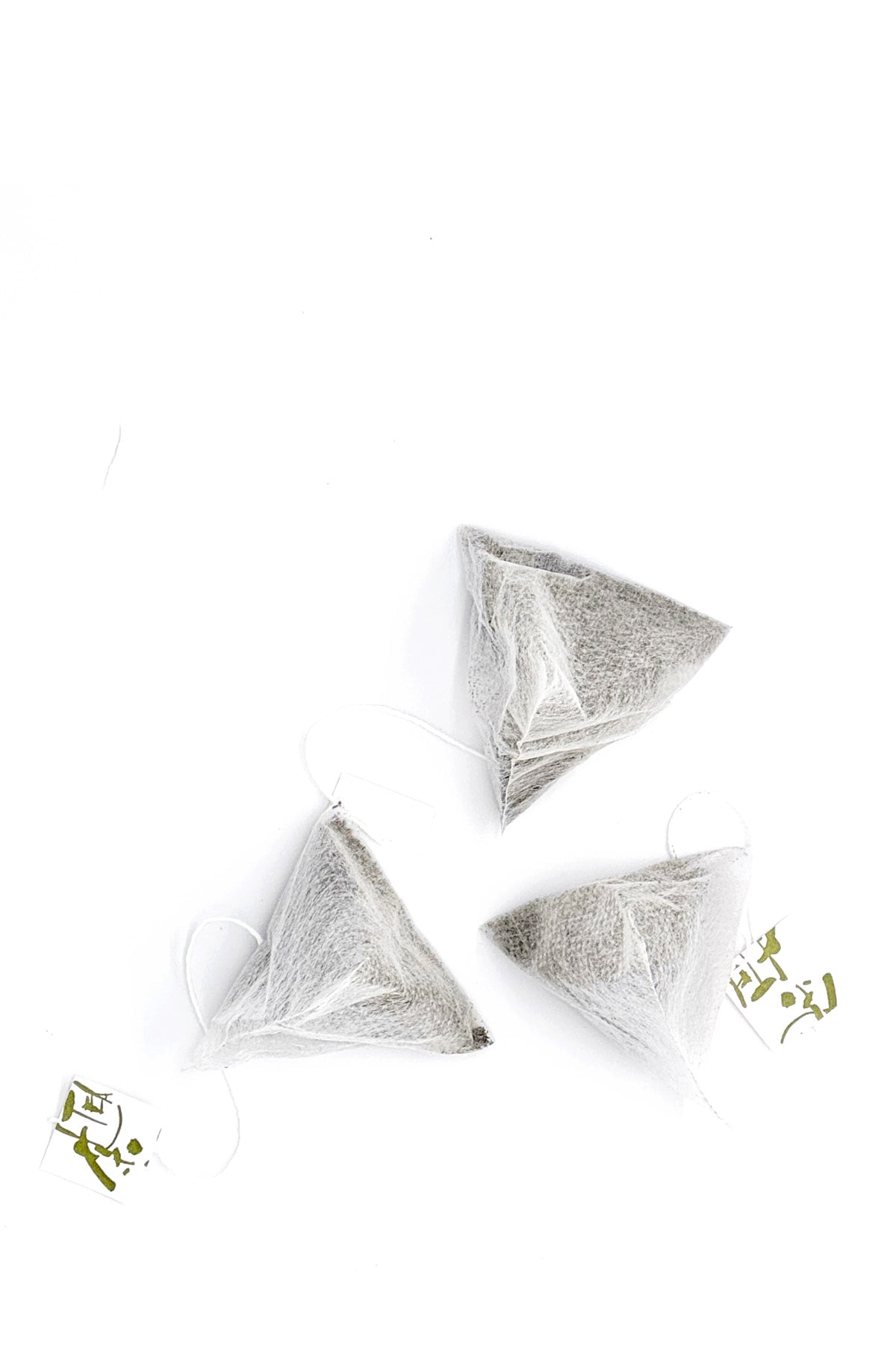
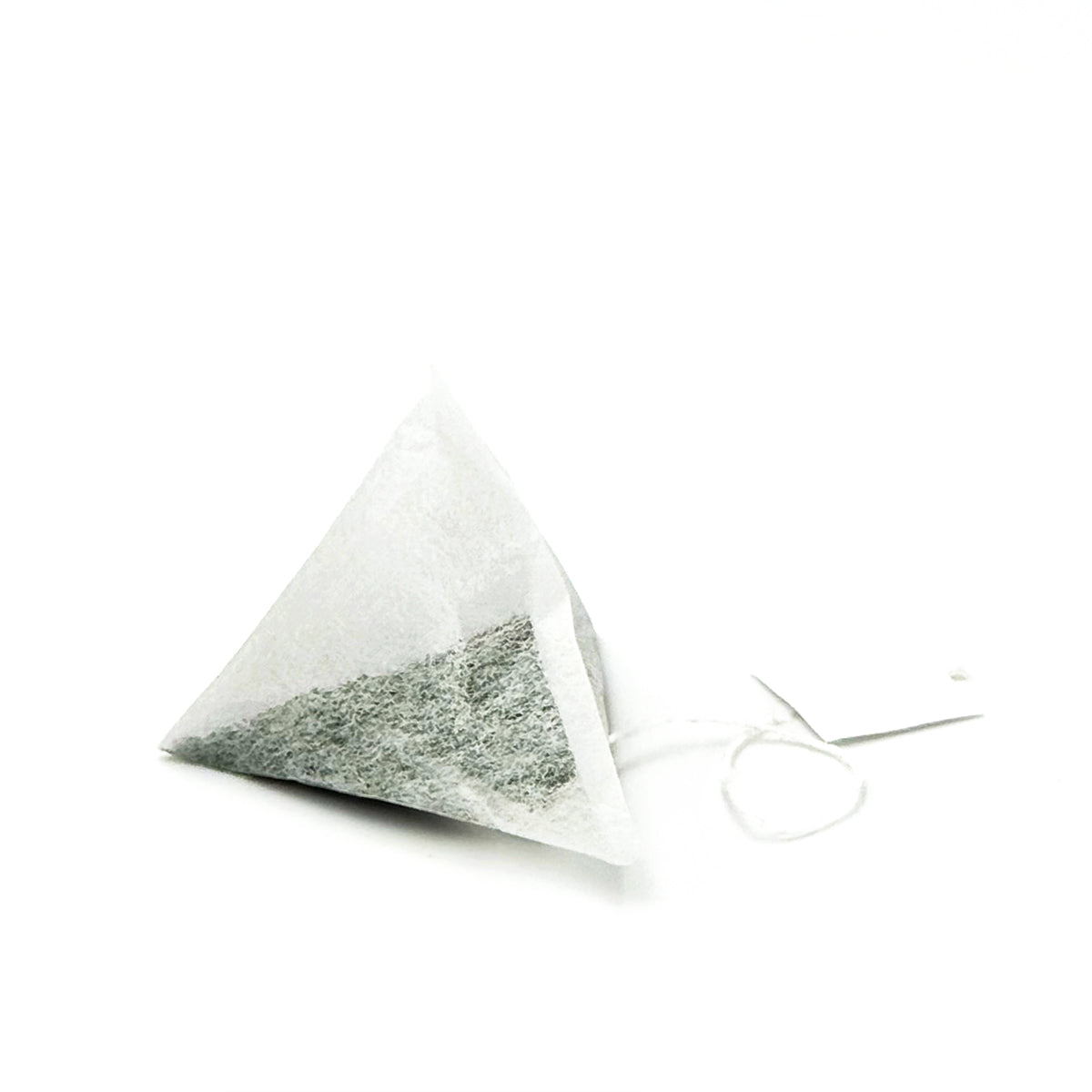




8 reviews
$179.00
$159.99
/
Quick view
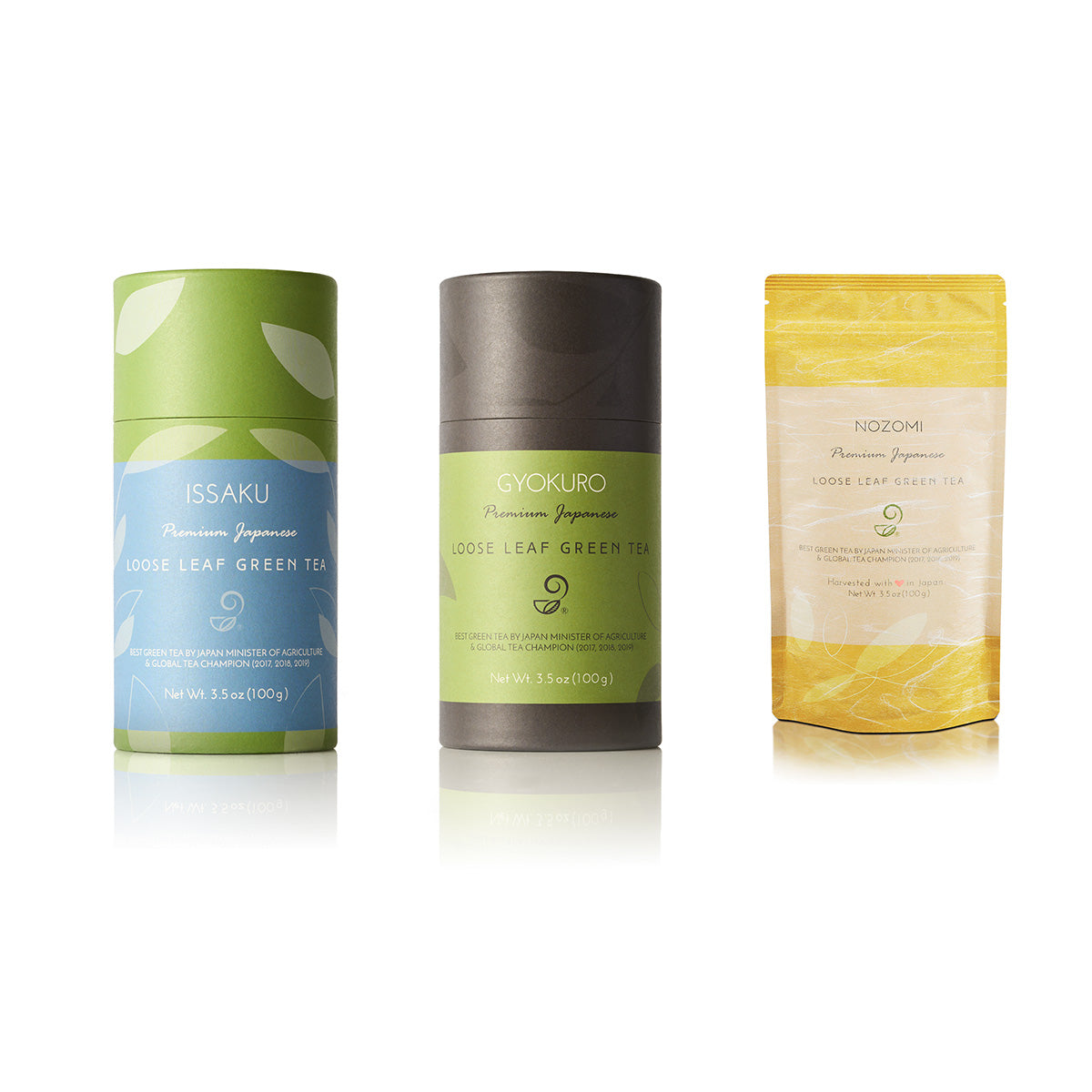
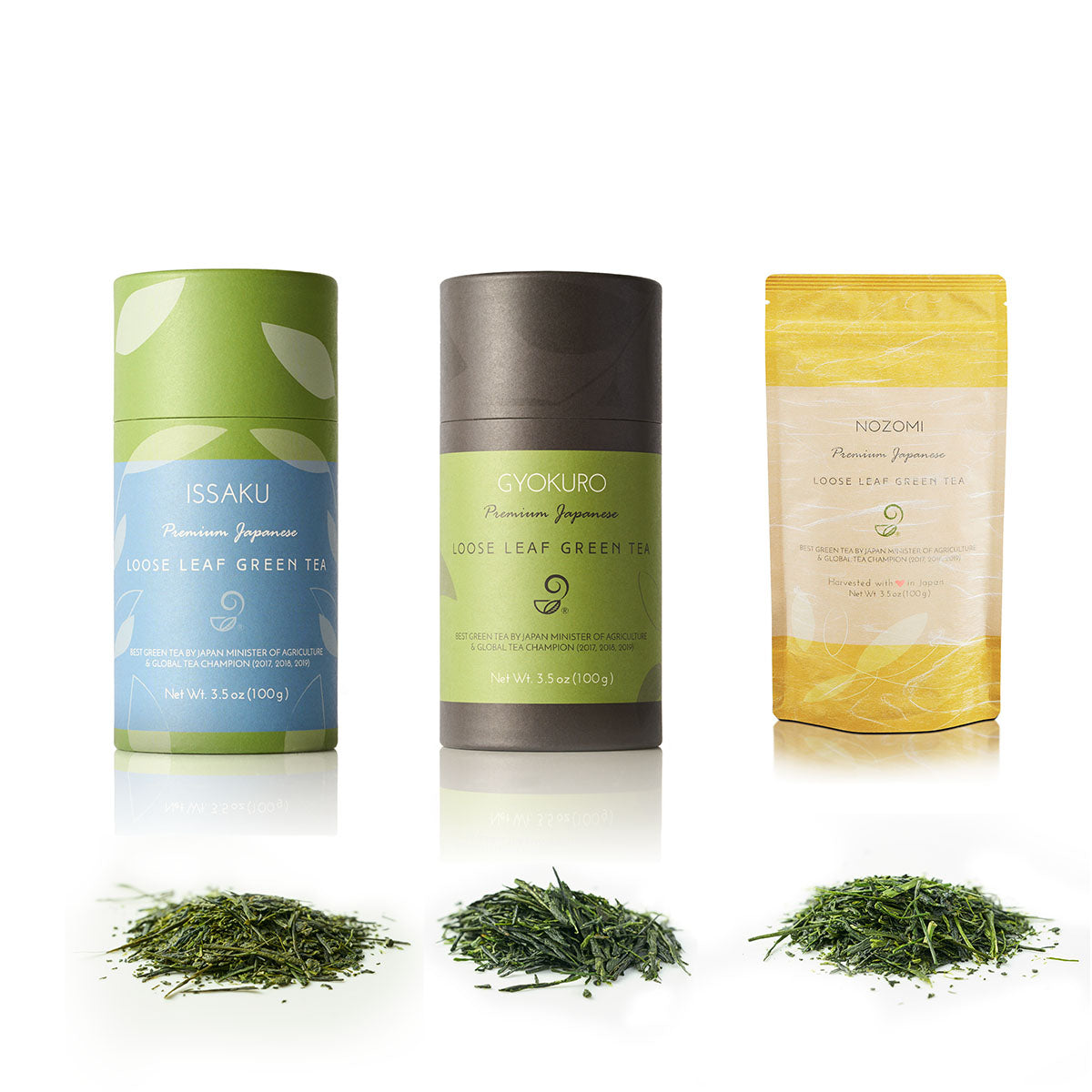
The Sencha Lover Gift Set - Premium Japanese Green Tea Set Package



Get Free Bonus Books

Sign up for free to the Green Tea Club to get advice and exclusive articles about how to choose Japanese Tea, and tips, tricks, and recipes for enjoying Japanese tea.
About the author

Kei Nishida
Author, CEO Dream of Japan
Certification: PMP, BS in Computer Science
Education: Western Washington University


