Skip to content

10 Ingredients to add to Sencha Green Tea

Sencha is the most famous and commonly used Japanese green tea in Japan and around the world. Tea is brewed by infusing whole, loose leaves in hot water for a limited time. People around the world drink it for its health benefits, as it helps strengthen the immune system and increase metabolism.

Green tea

While many enjoy sencha the basic way, which is simply brewed with no added ingredients, people are starting to mix some other ingredients with green tea to enhance its health benefits and flavor. You will see many flavored teas either in loose-leaf form or as beverages. Today we will tell you about ten ingredients that you can add to your Sencha green tea to make it taste better and be more beneficial for your body.

1. Honey

The first thing that comes to mind when it is time to add something to your green tea is honey for sweetness. You should ditch the high-calorie sugar and choose natural honey as a sweetener for your tea. By making your tea a bit sweet, you get to enjoy it more and have a better flavor. Moreover, honey adds beneficial antibacterial and anti-inflammatory properties to your tea. Add honey when your tea is warm when you feel a cup in your hand; if it is too hot, then it may not be beneficial.

Honey and fruits

2. Lemon

Lemon has immense usage in your daily life as a taste or for adding a healthy touch to your diet. You can use lemon in your tea, and many weight-loss diets include green tea with a twist of lemon. Lemon juice adds flavor to your tea and makes the bitterness lighter. Just add half a medium-sized lemon to a cup and avoid adding too much to make it acidic. If you use both honey and lemon together, it will enhance the flavor of Sencha tea and enhance its effect on the body.

Green tea and lemon


3. Ginger

Ginger is commonly used in sencha tea for its beneficial effect on the body. It has antioxidant compounds just like green tea and helps your body fight diseases and prevent stress. Both ginger and green tea are good weight loss agents, and many use them to increase their metabolism and melt fat. Add cut-up ginger to your hot Sencha teacup, and it will make the tea smell good and increase the effect on the body. Some grind it and add it to the tea to get the full potential benefits. Another way you can use it is by boiling water and adding ginger to it to steep for three minutes. After the water cools down to 80 degrees, add loose leaves and let it brew for an extra minute. Strain and pour into a cup, and enjoy flavorful and nutritious Sencha tea. Lastly, fresh ginger is a much better option than dried ginger, as it will steep faster.

Please check this post for how to add ginger to green tea


4. Dried fruit

Dried fruits are another great ingredient to mellow the taste and add flavor to your cup of iced or warm green tea. However, some work best with Sencha drinks, such as mango, pineapple, peach, and papaya. These tone down the harsh taste of tea, and you get a sweet, refreshing taste instead. Some fruits, like cranberry, raspberry, strawberry, and blackberry, enhance the smell of your tea and add strong flavors. It overpowers the aroma of tea, but for better taste, use the above set of dried fruits.

Some add citrus fruit peels, such as lemon peel, orange peel, and grapefruit peel, to green tea to make it more flavorful. You should be careful while adding it, as only a little amount or a slice is enough. If you add it in large amounts, it will make your tea acidic and bitter. Add it while steeping your tea for two minutes, and then strain it.
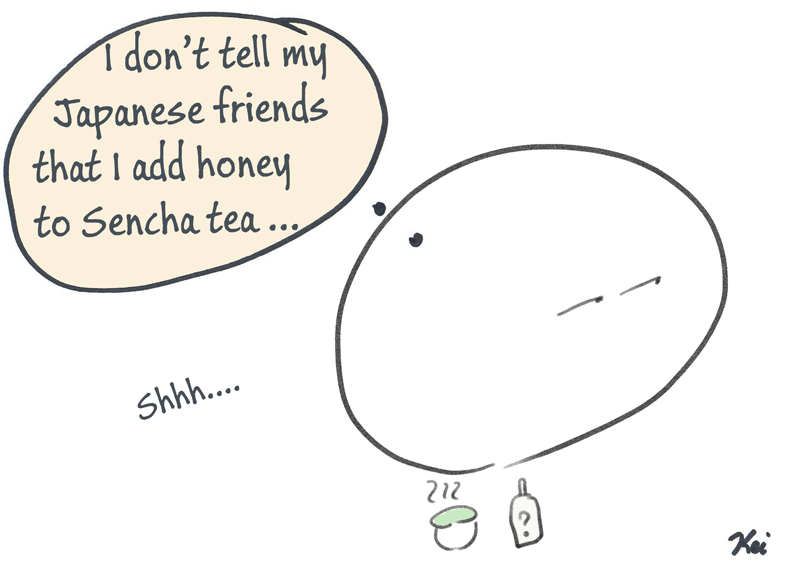
Don't tell Japanese friends that I add honey to sencha tea

5. Peppermint

Peppermint is a perennial herb that has a pungent, sweet odor and a warm, spicy taste with a cooling aftertaste. It is an active culinary herb, used fresh in many recipes and dried for a taste in candy, desserts, salads, and beverages. Using peppermint in green tea is not a new but usual way of making flavored tea. It is used, especially in hot weather, to create refreshing and anti-inflammatory beverages. Just add a few leaves of peppermint while steeping your tea; it takes longer to infuse, so you can add as much as you like. Peppermint helps reduce nausea, and the nutrients in green tea aid in making your nerves calm. Alternatively, you can use peppermint essential oil in your green tea. Just add nearly half a drop of oil to a brewed tea and enjoy the flavorful tea. Essential oil is concentrated and has a strong flavor; therefore, be careful when adding it to your tea.

Japanese Green Tea

6. Cinnamon

Cinnamon and sencha make a healthy tea that is best for weight loss. Both are filled with minerals and nutrients that break down excessive fat and make your body healthier. You can use two kinds of cinnamon as an ingredient in green tea. If you have Ceylon cinnamon sticks, toss them in boiling water and let them sit on the heat for 10 minutes. Now cool the cinnamon-infused water, add Sencha tea leaves, and wait for 2–3 minutes. Add honey and enjoy the perfect taste. If you have cinnamon powder, then put ½ teaspoon while you are steeping your tea leaves. Powdered cinnamon gives you more benefits as you consume it as a whole, which is brimming with nutrients.

7. Lemongrass

Lemongrass tea has many of the same health benefits as Japanese green tea. Both help in digestion, regulate high blood pressure, burn fat, boost metabolism, and are generally good for hair and skin. You can mix both ingredients and make a perfect cup of tea with maximum benefits and great taste. Take two teaspoons of chopped lemongrass and put it in boiling water for 5 minutes. Remove the infused tea from the stove and let it cool down to 80 degrees. Now add loose Sencha leaves and steep for 2-3 minutes. Pour it into a cup and enjoy. You can add honey to balance the bitterness with sweetness before drinking.

8. Milk

Adding milk to Sencha green tea is a rarity and generally not recommended. However, some like to tone down the taste with milk, but it also lessens the effect on your body. People who steep green tea for a longer time mix milk with it to give it a sweet, mellow taste, mostly in the subcontinent region. If you wish to add milk, a better option than cow's milk is soy milk or almond milk. These two have less effect on the nutrients of green tea; therefore, you get the health benefits along with your desired ingredient.

Related - 6 ways to enjoy matcha with milk

10 Ways to Enjoy Matcha with Milk


9. Tulsi

Tulsi, or holy basil, as it is called in English, is an aromatic perennial plant cultivated in the Indian subcontinent. You may not find it commonly used in green tea, but many still use it to increase the effects of tea. Add Tulsi leaves while brewing loose leaf Sencha to get the best-infused taste, and then strain. Either enjoy it as a warm cup or make a refreshing smoothie for a hot day. These two ingredients combine to give you energy all day and help you relax after a tiring day. It keeps your stress level low and your metabolism rate high. Some might say it tastes like spinach, but the addition of minty tulsi gives it a pleasant scent and flavor.

Tea of holy basil

10. Flower petals

Flower petals in green tea are a common thing to add for flavor and aroma. You can either add the dried petal yourself, or some manufacturing companies blend Sencha leaves with processed flower petals. Keep in mind that not all flowers work with green tea, but only a few. Jasmine is the best combo for green tea and is the most common blend found on the market. Rosebuds are the next popular ingredient used along with Sencha leaves, and they bring out the strong taste and aroma. By steeping the tea, it will make the scent and taste stronger; therefore, only drink if you are okay with such a combination. Lavender also goes well with Sencha, just like rosebuds, and it also has a strong, overpowering scent and flavor.

Flower petals

Many drink chamomile tea due to its soothing and relaxing effect. Some manufacturers have blended chamomile with Sencha leaves to make a perfect relaxation and health-beneficial hot beverage. Lastly, there are peony flower petals that you can mix with green tea to enhance the benefits, as it has an anti-inflammatory agent and makes your blood vessels healthy. There are some more blends, but they are not that common everywhere, depending mostly on the region.

Did we miss your favorite? Comment below and let us know!

BONUS - POLL AT GREEN TEA CLUB FACEBOOK GROUP

We did a poll at our Green Tea Club Private Facebook Group, and here are snapshots of what people like. Join our Private Facebook Group to participate in the future poll, it is fun. Click here to join.

What to add to tea

What do you add to your Japanese Tea?

FAQs about Adding Ingredients to Sencha Green Tea

What's the worst thing to add to sencha — what should I never put in?

Cold milk and cream. Sencha (煎茶) doesn't have the body to stand up to dairy the way matcha or hojicha does — adding milk to a delicate sencha creates a flat, slightly chalky drink that loses everything that makes sencha worth drinking. "Sencha latte" sounds nice but almost never tastes good. Skip it.

Boiling water counts as a "thing you add" too. Pouring 212°F water on sencha leaves scorches the catechins and pulls out bitter, astringent compounds that mask the umami. The single biggest taste improvement most home brewers can make is just letting the kettle cool to 175°F before pouring.

Highly aromatic herbs like rosemary, sage, and lavender also fight sencha hard. The piney, camphor-like volatiles overwhelm the tea's vegetal notes and you end up tasting only the herb. If you want a herbal pairing, mint and lemongrass are the rare ones that actually work.

Is mint, ginger, or lemon the best add-in for sencha — what's the priority order?
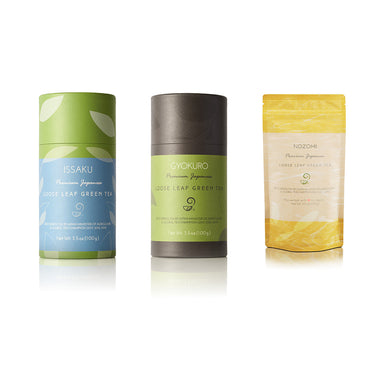
Ginger first, mint second, lemon third — for completely different reasons. Fresh-grated ginger adds warmth and a slight peppery edge that highlights sencha's umami without competing; it's the most reliable, high-yield add-in. A few mint leaves bring brightness and work especially well with cold-brewed sencha. Lemon is the most-discussed add-in but actually the trickiest — too much and the citric acid flattens the tea.

If you only have room for one, ginger is the daily-driver pick. A good sencha with a small amount of grated ginger and a touch of honey is basically a Japanese version of an immune-supporting hot drink — it tastes intentional rather than fixed-up.

Roasted-versus-fresh matters too. Dried mint and dried ginger taste muted; fresh versions of both deliver more aromatic compounds. Lemon should always be fresh — bottled juice is too acidic and missing the volatile oils that make lemon-tea pairings work.

Should I add anything to high-grade sencha, or does premium tea need to stay clean?

For genuinely premium sencha — first flush, hand-picked, single-cultivar — the right answer is nothing. Adding ingredients to a $50+ sencha is like adding ketchup to a $50 steak; whatever you're tasting is mostly your add-in. The whole point of premium tea is the layered umami and sweetness from the L-theanine, and any add-in flattens that into a generic green-flavored drink.

For everyday sencha (the kind most of us drink most days), light add-ins are fine and even welcome. The flavor difference between a mid-grade sencha and a premium one is partly subtle enough that mint or ginger doesn't ruin the cup.

My honest practice: weekday everyday cup, sometimes ginger or mint or a few drops of lemon. Weekend special-tea moment, just water and leaves. Match the ritual to what the tea deserves.

Honey, sugar, or maple — which sweetener works best in sencha?

Raw honey is the cleanest match — its floral notes complement sencha's grassy umami without overwhelming. Use a quarter teaspoon, not more, and stir it in while the tea is warm but not boiling (boiling water destroys honey's enzymes and bioactive compounds). Manuka honey adds antimicrobial properties if you're trying to fend off a cold.

Maple syrup works in second place but its caramel-vanilla notes can shift the cup toward dessert territory. A few drops of pure maple in iced sencha is great; a tablespoon in a small hot cup is too much. White cane sugar is neutral and clean — boring but reliable, especially if you grew up with sweetened tea.

Avoid brown sugar, demerara, and coconut sugar in sencha — molasses notes fight the green tea. Avoid stevia for sencha specifically; the licorice aftertaste is brutal with delicate teas. Avoid honey from heavily-flavored sources (buckwheat, eucalyptus) which dominate the cup.

Does anything change if I'm cold-brewing sencha — different add-ins?

Yes — cold brewing actually opens up add-in options that don't work hot. Cucumber, basil, and citrus peel all work beautifully in cold-brewed sencha because the long, low-temperature extraction is gentler on aromatic compounds. Fresh fruit (sliced strawberries, peach) infused alongside cold-brewing leaves makes a refreshing iced drink. Our cold brew guide walks through the basic ratios.

Mint and ginger still work in cold brew but should be added in larger quantity than for hot brewing — cold extraction pulls less aromatics from herbs and roots, so a few crushed mint leaves doesn't go far. Bruise the mint slightly before adding to release the oils.

Avoid milk in cold-brewed sencha for the same reasons as hot — but oat milk in iced sencha actually works surprisingly well, especially with a touch of vanilla. Dairy and cream still don't work; the plant-based mild milks have a lighter touch that doesn't bury the tea.

How to Cold Brew Japanese Green Tea - The Expert Advice

Related products

8 reviews

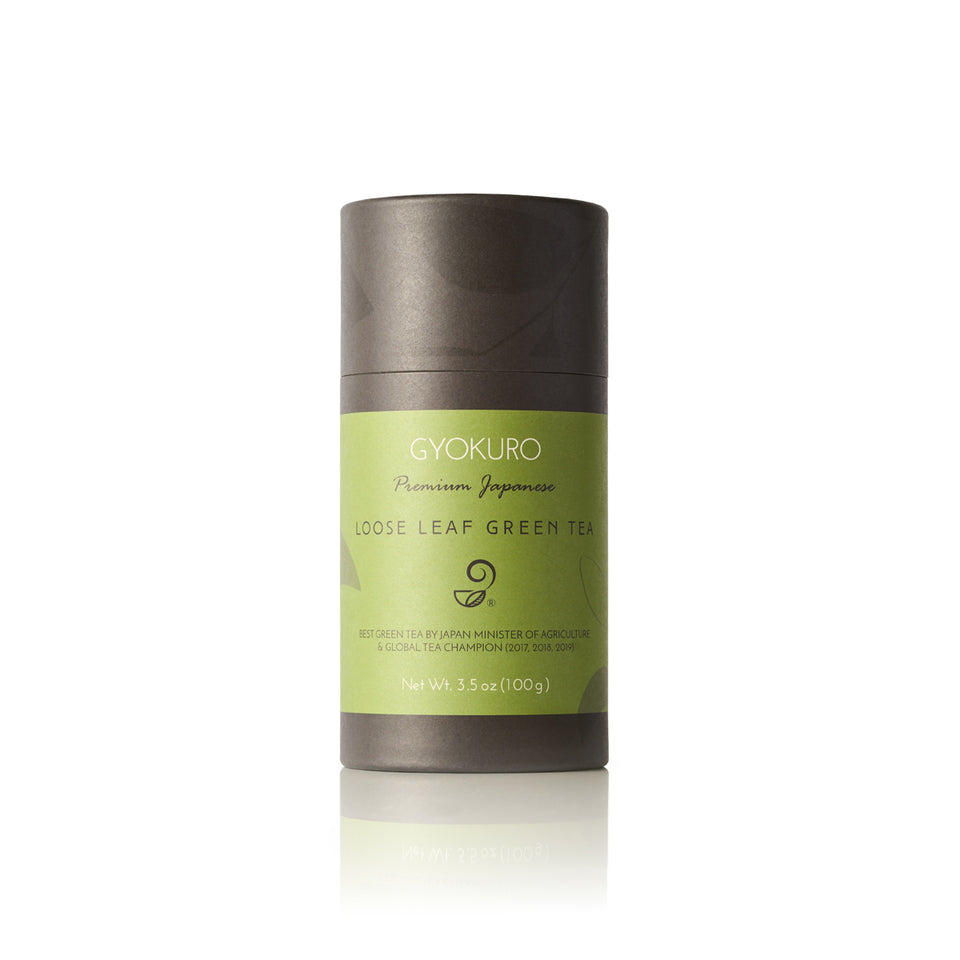
The Sencha Lover Gift Set - Premium Japanese Green Tea Set Package
$179.00 $159.99
Quick view

This tea set features three exceptional Japanese green teas, each crafted with care and traditional techniques. Issaku Reserve, a Global Tea Champion winner in 2017 and 2019, is a rare masterpiece created by Farm Master Mr. Arahata at Arahataen Green Tea Farm. Handpicked once a year from the first flush and processed with advanced methods, Issaku represents the highest-grade deep-steamed green tea, available only in limited quantities even in Japan.

The set also includes Gyokuro, a premium shaded green tea known for its rich, sweet flavor and deep mossy green color. Grown under special mats for 20 days to increase caffeine and amino acid levels, Gyokuro offers a layered, smooth taste unlike any other. Completing the collection is Nozomi, a fine Kabuse-cha, or "Covered Green Tea," carefully grown under nets to gently shade the leaves just before new sprouts emerge, resulting in a soft, rich, and refined flavor profile.

97 reviews

Gyokuro - Shaded Imperial Premium Green Tea

$65.00
Quick view

Gyokuro, also known as "jade dew" or "jewel dew tea," is a premium Japanese green tea shaded from the sun for 20 days using specially made mats, a method that boosts caffeine levels and strengthens amino acids to create a sweeter, richer flavor. This extended shading process results in dark, mossy green leaves with an unmistakable aroma and a complex taste that is layered yet balanced. Cultivated by the Chagusaba method in nutrient-rich sugarcane soil and made from the Yabukita cultivar, this loose-leaf authentic Gyokuro is offered in a high-quality, air-tight paper tube canister (chyazutsu) to preserve its exceptional freshness and flavor. Each 3.5 oz (100g) full-size package steeps 30–40 cups, and a convenient single-serve sample is also available.

45 reviews

Hojicha - Roasted Green Tea

$25.00
Quick view

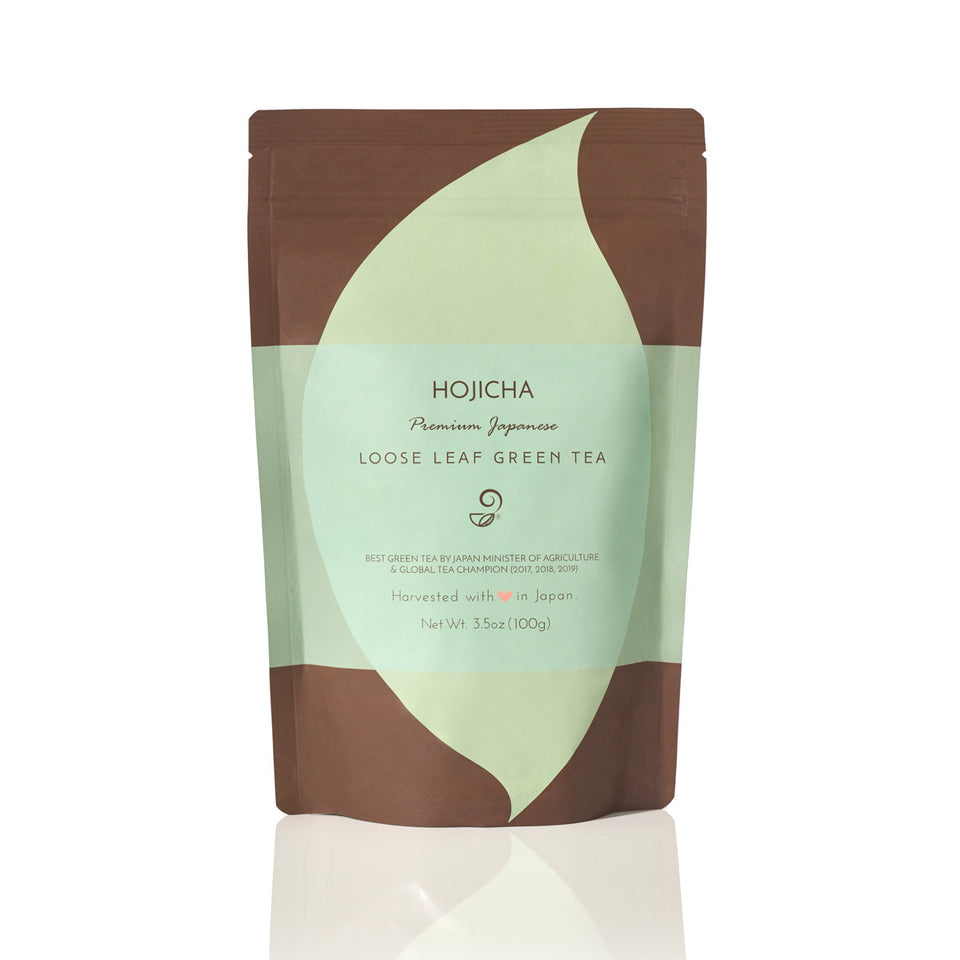
Our roasted green tea, known as hojicha (ほうじ茶), is crafted from freshly harvested premium green tea carefully roasted in porcelain over charcoal to maximize flavor while retaining more catechins than typical hojicha on the market. With lower caffeine and a smoother, less bitter taste compared to steamed green tea, it is an ideal choice for evening relaxation and is gentle enough for kids and pregnant women. Cultivated using the Chagusaba method in nutrient-rich sugarcane soil, this loose-leaf authentic Japanese roasted green tea, made from the Yabukita cultivar, also pairs beautifully with oily foods. Each eco-friendly resealable package contains 3.5 oz (100g) of tea, enough to steep 30–40 comforting cups.

80 reviews

Matcha - Ceremonial Japanese Powdered Green Tea

$39.00
Quick view

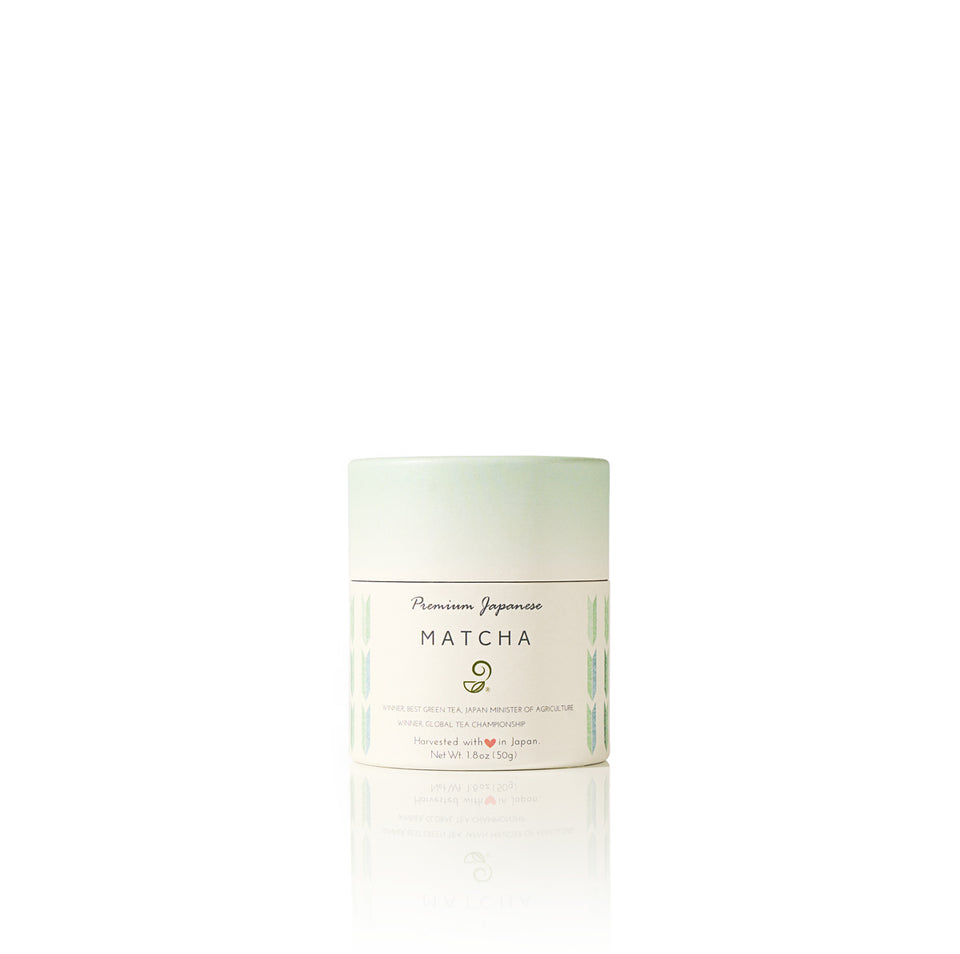
This ceremonial matcha is crafted from the finest Japanese green tea, grown in nutrient-rich soil enhanced with compostable grasses and sugarcane through the Chagusaba method, which gives the tea a natural sweetness and exceptional flavor. In collaboration with researchers from Shizuoka University, farmers ensure that the soil quality consistently produces tea of the highest standard.

Renowned among top Japanese chefs for its unmatched aroma, this matcha is made by carefully shading the plants before harvest to boost caffeine and amino acids, then meticulously drying, de-stemming, and grinding the leaves into a fine powder. Made from the Yabukita cultivar, this 1.8 oz (50g) matcha comes in a high-quality, air-tight paper tube canister, providing a luxurious and authentic Japanese tea experience.

42 reviews

Genmaicha - Green Tea with Roasted Brown Rice

$30.00
Quick view

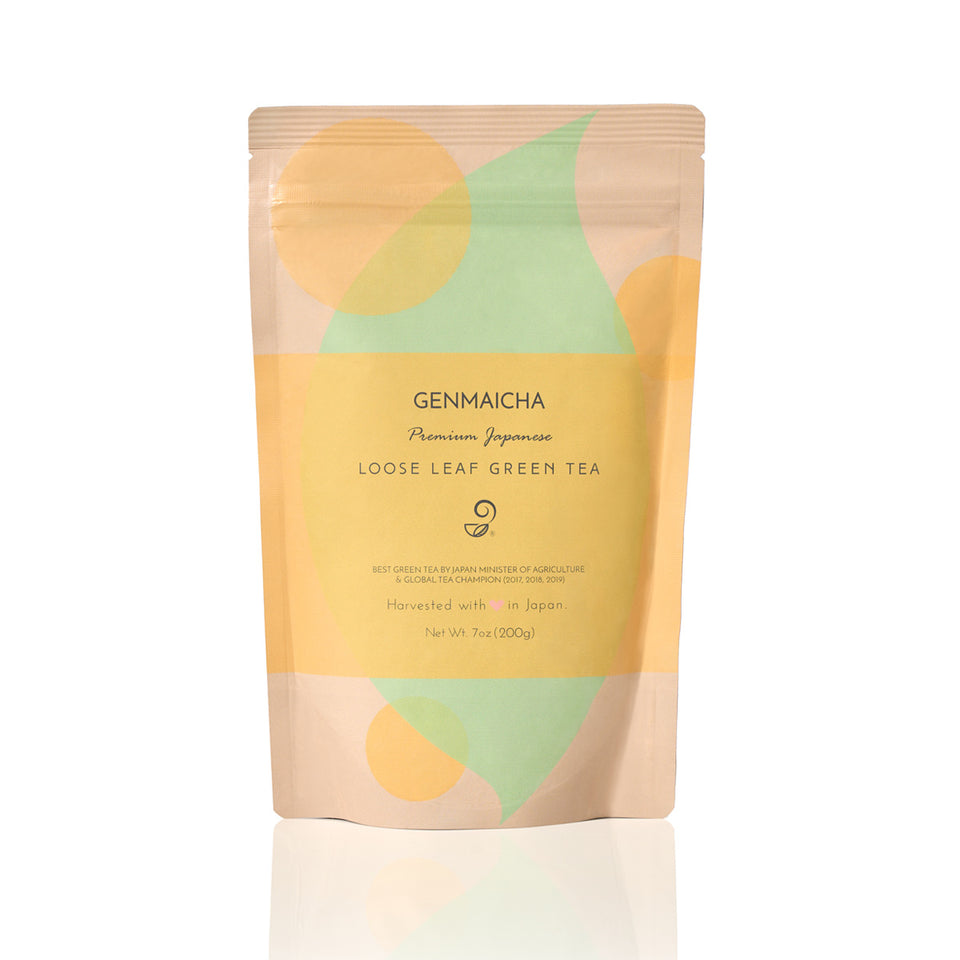
Our premium Japanese Genmaicha blends high-quality green tea with roasted popped brown rice (genmai 玄米), often nicknamed "popcorn tea" because the roasting process sounds like popcorn popping. Popular especially among the older generation in Japan for its mild flavor and lower caffeine content, this tea is easier on the stomach while still offering a rich, comforting taste. The brown rice used is premium Japanese mochi-gome (もち米) sticky rice, enhancing the tea’s nutty, aromatic profile. Made from Fukamushi Sencha and cultivated using the Chagusaba method in nutrient-rich sugarcane soil, this Genmaicha features the Yabukita cultivar and comes in a 7.0 oz (200g) eco-friendly resealable package, enough to steep 50–60 cups.


Related Articles You May Be Interested

Everything You Need To Know About Sencha Green Tea
Is Matcha Healthier than Sencha (Loose Leaf)?
Do You Know How To Prepare And Serve Green Tea Correctly?
10 Must-See Places in Uji, Kyoto for Tea Lovers
Matcha vs Sencha (Loose-leaf) Green Tea: What Are the Differences?

Get Free Bonus Books

Join Green Tea Club

Sign up for free to the Green Tea Club to get advice and exclusive articles about how to choose Japanese Tea, and tips, tricks, and recipes for enjoying Japanese tea.

Unsubscribe anytime. It’s free!

About the author

Kei Nishida

Kei Nishida

Author, CEO Dream of Japan

info@japanesegreenteain.com

Certification: PMP, BS in Computer Science

Education: Western Washington University
Kei Nishida is a passionate Japanese green tea connoisseur, writer, and the founder and CEO of Japanese Green Tea Co., a Dream of Japan Company.

Driven by a deep desire to share the rich flavors of his homeland, he established the only company that sources premium tea grown in nutrient-rich sugarcane soil—earning multiple Global Tea Champion awards.

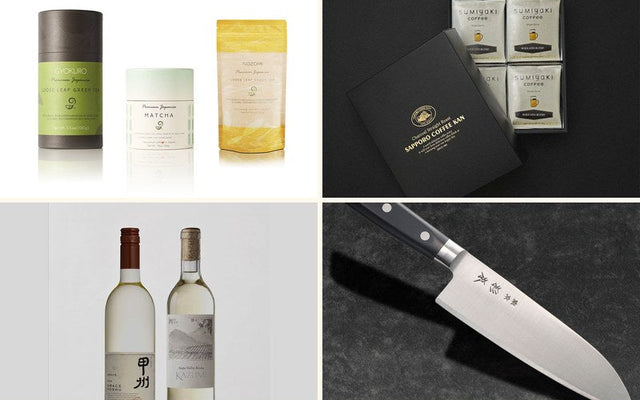
Expanding his mission of introducing Japan’s finest to the world, Kei pioneered the launch of the first-ever Sumiyaki charcoal-roasted coffee through Japanese Coffee Co. He also brought the artistry of traditional Japanese craftsmanship to the global market by making katana-style handmade knives—crafted by a renowned katana maker—available outside Japan for the first time through Japanese Knife Co.

Kei’s journey continues as he uncovers and shares Japan’s hidden treasures with the world.

Learn more about Kei Nishida

Related Posts

BALMUDA The Clock: Built for 良い時間 (Good Time)

A handless clock that tells time with light, plays white noise to focus and rain to wind down, and helps you put your ph

Read More
Totoro Matcha Shortbread Cookies

These are matcha shortbread — buttery, a little crumbly, with that gentle grassy matcha flavor — shaped into a plump, ro

Read More
Kawaii Meets Matcha: Japan's Cute Tea Boom + Recipe

Matcha is everywhere, and so is "cute." Here's how kawaii culture, real science, and Gen Z turned green tea into a globa

Read More
Leave a comment

Your email address will not be published..

Cart

Your cart is currently empty.

Start Shopping

Select options