Skip to content

What is Tea Ceremony?

Subscribe to Youtube See all videos

The Japanese tea ceremony comes from centuries of tea school teachings and traditions. Its practice is a deep spiritual journey that begins with a simple principle: the sharing of tea is best when the heart is humble and pure.

The tea ceremony is a blend of different arts and tea schools developed over the centuries in Japanese tradition. Its simple focus is to spiritually relish each moment with the knowledge that it will never come again.

Japanese Green Tea Ceremony is called in Japanese

The tea ceremony in Japanese has different names; the most commonly known is "sado" or in direct translation, "way of tea". Another name is Chanoyu, which translates to "hot water for tea". Can it get any simpler than that? But the tea ceremony is an art form of the spirit, embodied in the preparation, service, and partaking of a simple bowl of tea.

A tea ceremony is also known as a "tea gathering". It describes the process from the preparation to the serving of powdered green tea matcha in a beautifully choreographed event. Its process embodies the practical and refined harmony of the arts, architecture, etiquette, and landscape.

From the simple sharing of a tea bowl, Japanese tea ceremony participants share a transformation into mutual generosity, self-awareness, and respect for all things of nature.
Japanese Green Tea ceremony

A Tea Ceremony Embodies Centuries of History

Tea was introduced into Japan in about the sixth century. Chinese Zen Buddhists introduced tea to Japan. But it wasn’t until the early 12th century that tea became popular in the country.

A Zen priest named Eisai is credited with introducing the Japanese custom of drinking green tea in powder form. He lived between 1141 and 1215 AD and founded the Rinzai sect of Zen Buddhism during that period.

Eisai had embarked on a pilgrimage to China to study religious writings. When he returned from China years later, he brought powdered tea and tea seeds to the Rinzai temple. Those seeds were planted in the Kyoto hills near the temple where he lived.

Powdered green tea was originally used by the temple priests to stay awake during the customary long periods of meditation. It, therefore, became a temple staple and a Zen ritual for the temple priests.

Over the Years, Temple Ritual Became a Secular Tradition

Over the centuries, what was once reserved only for Zen priests evolved into a secular tradition. Around the fifteenth century, the tea ceremony became a staple in Japan’s culture. A lineage of tea masters developed the practice of the tea ceremony.

  • Murata Shuko (1422–1502 AD): Shuko was a Zen priest credited with merging the secular tradition of the Chanoyu tea ceremony with the principles of Zen.

  • Takeno Jo-o (1503–1555 AD): Jo-o was a tea master credited with refining the steps of the tea ceremony into an art form.

  • Sen Rikyu (1522–1591 AD): Rikyu is the tea master responsible for developing the Japanese tea ceremony principles that we still practice today.

The Tea Master Sen Rikyu (1521-1591) Created the Tea Ceremony Practiced Today

The tea ceremony principles that we celebrate today were established and ratified by the tea master, Sen Rikyu. Rikyu was the son of a merchant. He gained great favor with the 3rd regent of Japan, Toyotomi Hideyoshi, who established Rikyu as his esteemed tea master.

Sen Rikyu, under the authority of the regent, established the principles of the tea ceremony called "wabicha". Wabicha is defined as the style of a simple and humble tea ceremony. The simple character of Rikyu’s tea ceremony continues to be taught and applied wherever a Chanoyu tea ceremony is practiced today.

Wabicha is embodied in the philosophies of Wa, Kei, and Sei Jaku. Wabicha does not just guide the art of the tea ceremony but is intended to be integrated into one’s daily life.

japanese tokoname teapot

Japanese tea ceremony is an Embodiment of Philosophies

There are four principles embodied in the Chanoyu tea ceremony. Those principles, now four hundred years old, were established by Sen Rikyu. His purpose in refining the tea ceremony was to create a ceremonial art of simplicity and humility. Those philosophies are:

  1. Wa (Harmony and Peace): This is the principle that one should be in harmony with all. This means being in peace and at one with every element surrounding the ceremony: guest, host, location, environment, nature, etc.
  2. Kei (respect): honesty, equality, and seriousness between each other. There should be no division of status.
  3. Sei (purity): to adopt a spirit of purity, one of heart, mind, and body.
  4. Jaku (tranquility): The adoption of Wa, Kei, and Sei principles should result in an inner peace that allows you to completely share yourself.

    Participants Embrace a Tea Ceremony with the Idea of Ichi-go Ichi-e

    When we participate in a tea ceremony, it is shared with the principle of “ichi-go ichi-e” (pronounced eecheego eechee-eh). This principle is the concept of “one time, one meeting” and the mindfulness that that one tea gathering is a solitary moment in life, never to be repeated.

    With this concept of ichi-go ichi-e, the participants will share a harmonious moment of reverence and spirituality when they share a bowl of tea.

    There are Two Types of Green Tea Used – Usucha and Koicha

    Two types of green tea called matcha can be used in a tea ceremony. There are also two ways the matcha is prepared, depending on the formality of the gathering. There is a thin tea that is called "usucha", and a thick tea that is called "koicha".

    During a Usucha tea gathering, each guest is given an individual tea bowl. In a koicha tea gathering, each guest shares a single tea bowl. The sharing of the koicha tea bowl represents a shared unity of hearts and minds between the guests.

    A Chanoyu Tea Ceremony is a Choreography of Purpose & Respect

    There is much symbolism and required steps for a tea ceremony. The tea ceremony is about sharing with each other and embodies great symbols of respect.

    Preparation by the Host

    • The host will send simple invitations to the guests.
    • The host will prepare a meal (kaiseki) or sweets to be served with the tea.
    • The host will focus on being in harmony with his or her spirit, removing all negativity.
    • The host will clean the room.
    • The host will simply place flowers in the room (tokonoma).
    • The host will place a special carpet (tatami) on the floor.
    • The host will announce that guests are welcomed and ready to be received into the tea room.

    Preparation by the Guests

    • The guest will focus on harmony with his or her spirit and remove negativity from the heart.
    • The guests will patiently wait outside the room (shoin) until welcomed by the host.
    • The guests will ceremonially wash their hands to remove all dust and dirt from the world.
    • The guests will enter the room when welcomed by the host.
    • The guests will bow to the host as a sign of respect.

    Cleaning the Tea Ceremony Tools

    • The host cleans the teaware and tools in front of the guests with a graceful posture so that it is beautiful to watch.
    • The host places the tea items in an artistic and beautiful fashion.
    • All participants are silent, focused on the harmony and beauty of the choreography.

    Preparing the Matcha Green Tea

    • The host prepares the tea by placing matcha into the bowl and adding to it a small amount of hot water.
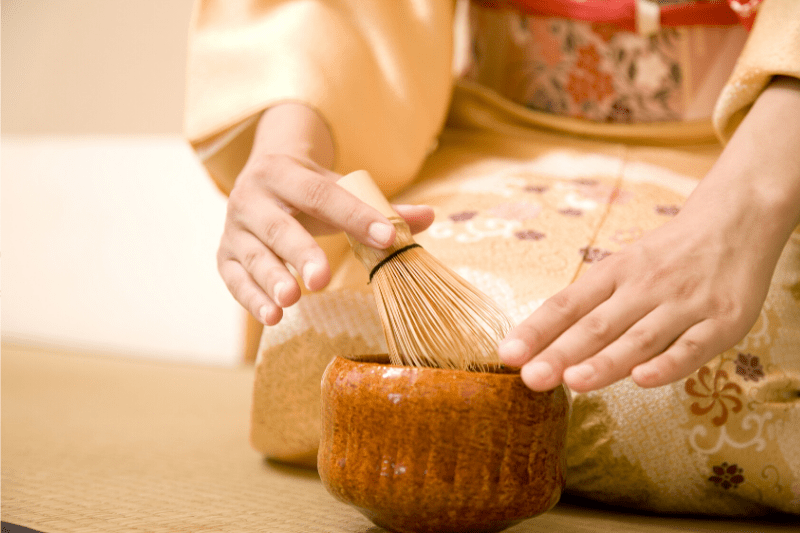
    • The host whisks the matcha and water with a soft bristle to make a paste.
    • The host adds more hot water to make the tea.
    • The host serves the tea, as described below.

    Serving the Matcha Green Tea

    • The host chooses the most beautiful side of the bowl, referred to as the front."
    • The host passes the tea bowl, front-facing, to the guest.
    • The guest receives the tea bowl and admires its beauty.
    • The guest turns or rotates the tea bowl so that the front faces the host (the guest never takes a sip from the front of the tea bowl).
    • If the tea bowl is to be shared, the guest wipes the rim and passes the bowl to the next guest in the same fashion, until all have partaken of the tea.

    Final Stage of a Chanoyu Tea Ceremony

    • The host cleans and rinses the teaware and utensils.
    • The guests inspect the items as a symbol of respect to the host, examining the tea items with a soft cloth.
    • The guests return the tea items to the host.
    • The host puts the tea items back in place aesthetically.
    • The guests bow to the host and leave the room as a sign of respect for the host.

    The tea ceremony is concluded.

    japanese green tea

    I Have Some Japanese tea ceremony Trivia Facts for You

    • Chanoyu is literally translated as "hot water for tea".
    • Only green tea matcha is used during a tea ceremony.
    • The tradition of drinking matcha first began with temple monks to keep them awake during long evening meditation.
    • Green tea was originally medicine. Japanese green tea experts still call it a "dose".
    • The traditional Japanese tea ceremony has existed for over 400 years.
    • Originally, a tea ceremony was practiced only by men.
    • Today, a tea ceremony is practiced mostly by women.
    • The Chanoyu tea ceremony’s guiding principles were perfected during the Sengoku period, an especially violent era in Japanese history.
    • A tea ceremony can last upwards of four hours.
    • Longer tea ceremonies involve a multi-course meal (kaiseki).
    • Mystery surrounds why the 3rd Japanese regent, Toyotomi Hideyoshi, compelled Sen no Rikyu to commit hara-kiri (seppuku) on April 21, 1591.
    • Four things should be taken to a tea ceremony:
      1. a kaishi (paper to place your sweets);

      2. a youji (a small knife to cut your sweets);

      3. a kobukusa (cloth to hold your tea bowl); and

      4. a sensu (fan); a fan oftentimes scented with oils to permeate the air

    A tea ceremony can happen at any time of the year. Whether it is a celebration of usucha or koicha depends on the seasonal period or time of day it is held. If the intent is to honor a specific occasion, then it can embody a combination of forms for the event. Regardless of the celebration, Chanoyu’s principles guide the tea ceremony.

    A tea ceremony encourages the participants to rise above the ordinary and uncover the hidden meaning within objects, art, spirit, fellowship, and nature. It embodies peace and harmony between participants. Don’t you wish our world leaders could aspire to sit down and share the principles of a tea ceremony?

    FAQs about the Japanese Tea Ceremony

    Are sado, chanoyu, and chado all the same thing?

    Essentially yes — they all refer to the Japanese tea ceremony, just at different angles. Chanoyu (茶の湯) literally means 'hot water for tea' and is the oldest term, dating back centuries. It's the most commonly used name today in Japan when people talk about the actual practice. Sado (茶道) means 'the way of tea' and emphasizes the spiritual and disciplined path of practice — closer in feel to terms like kendo (剣道, way of the sword) or shodo (書道, way of calligraphy). Chado is exactly the same kanji as sado (茶道); it's just an alternate reading of the same characters.

    In practice, schools and individuals tend to favor one term over the others, but they're describing the same thing. Don't worry about getting the term wrong — anyone serious about tea ceremony will understand all three.

    Can a complete beginner attend a Japanese tea ceremony?

    Yes, and beginners are absolutely welcome — especially at public ceremonies hosted by tourist-facing tea houses, cultural centers, and many tea schools. The host will guide you through the few etiquette points that matter (when to bow, how to receive the bowl, how to drink it in 3 sips). Nobody expects you to know these in advance.

    There are a few small things worth knowing before you go: arrive a few minutes early, remove your watch and jewelry (the host's tools are delicate), wear socks rather than going barefoot if you're entering a tatami room, and try not to wear strong perfume or cologne — the scent of the tea and incense matters in the room. If a sweet (wagashi) is served before the tea, eat it before the matcha arrives, not after.

    If you're outside Japan, look for tea ceremonies hosted by Urasenke or Omotesenke schools — both have international branches. Many cultural festivals also include public tea ceremonies. It's one of the few traditional Japanese arts that's genuinely beginner-friendly to experience as a guest.

    How long does a Japanese tea ceremony actually last?

    It depends on the format. A short, casual ceremony — chabako or a public demonstration — runs about 30 to 45 minutes. A standard usucha (薄茶) gathering, where thin matcha is served along with a sweet, usually takes about 1 hour. A full traditional tea ceremony called chaji (茶事), with a kaiseki meal followed by koicha (濃茶, thick matcha) and then usucha, runs 3 to 4 hours.

    The pacing is intentionally slow. Each gesture — folding the silk fukusa, ladling water, whisking the matcha — has a deliberate rhythm meant to bring everyone present into the same calm state. If a tea ceremony feels long the first time, that's part of the point. By the second hour, time generally feels different than it did when you walked in.

    What's the difference between usucha and koicha in a tea ceremony?

    Usucha (薄茶) means 'thin tea' — a foamy, lighter matcha drink made with about 2 grams of matcha and 60ml of water. It's the version served at most ceremonies, and the version most beginners encounter. The texture is liquid with a fine froth on top, and each guest gets their own bowl.

    Koicha (濃茶) means 'thick tea' — much more concentrated, made with about 4 grams of matcha to just 30ml of water. It's not whisked into froth but kneaded into a thick, almost paint-like consistency. In traditional chaji, koicha is served from a single bowl that gets passed around the guests, who each take 3.5 sips before passing it. It's the spiritual centerpiece of the ceremony.

    Koicha requires the very best matcha — only the youngest, most delicate spring leaves work, since the high concentration would amplify any bitterness. That's why ceremonial-grade matcha is more expensive: most of it is sold for use in koicha or high-end usucha. Our Limited Reserve Premium Matcha is the grade you'd want for either.

    What do I need to start practicing tea ceremony at home?

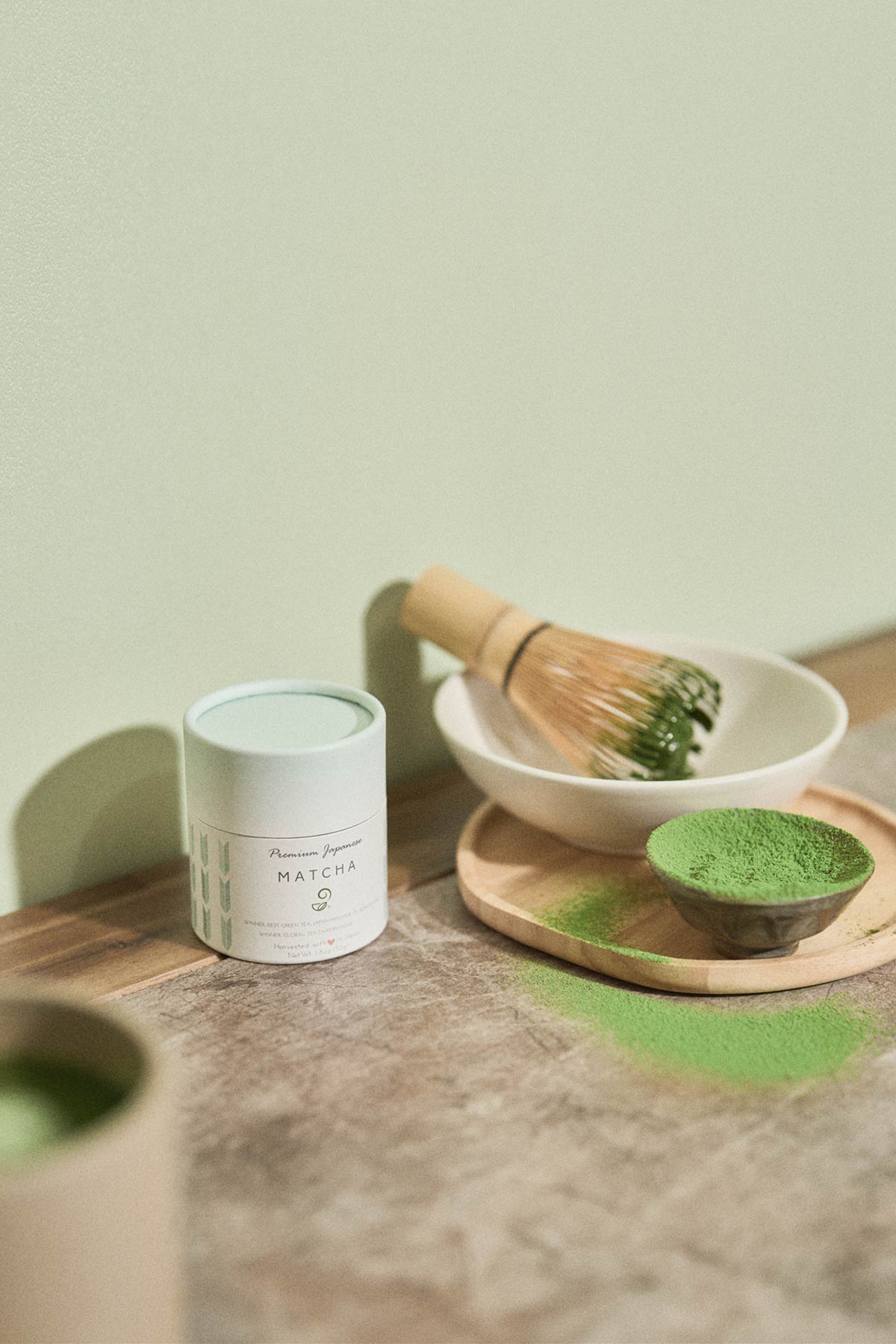
    Five basic tools cover most of what you need for a home usucha practice: ceremonial-grade matcha (抹茶), a bamboo chasen (茶筅) whisk, a chashaku (茶杓) bamboo scoop, a chawan (茶碗) tea bowl, and a small fine-mesh sifter. Our Chasen Whisk and Scoop Set gives you the whisk and scoop in one — and adding a Limited Reserve Premium Matcha plus a chawan you already own (or a small ceramic bowl from your kitchen, honestly) is enough to get started.

    If you'd rather start with everything in one box, the Hario × Japanese Green Tea Co. Ceremonial Matcha Gift Set includes a Hario chawan, a Hario chasen, a sifter, and our matcha — designed as an everything-you-need-to-start kit. Made in Japan all the way through.

    Beyond tools, the most important thing is daily practice. The ceremony's depth comes from repetition, not from owning more equipment. Twenty minutes a few mornings a week — even just whisking usucha for yourself with no formal forms — builds the muscle memory and the calm that more advanced study eventually rests on.

    Related products

    80 reviews

    Matcha - Ceremonial Japanese Powdered Green Tea

    $39.00
    Quick view

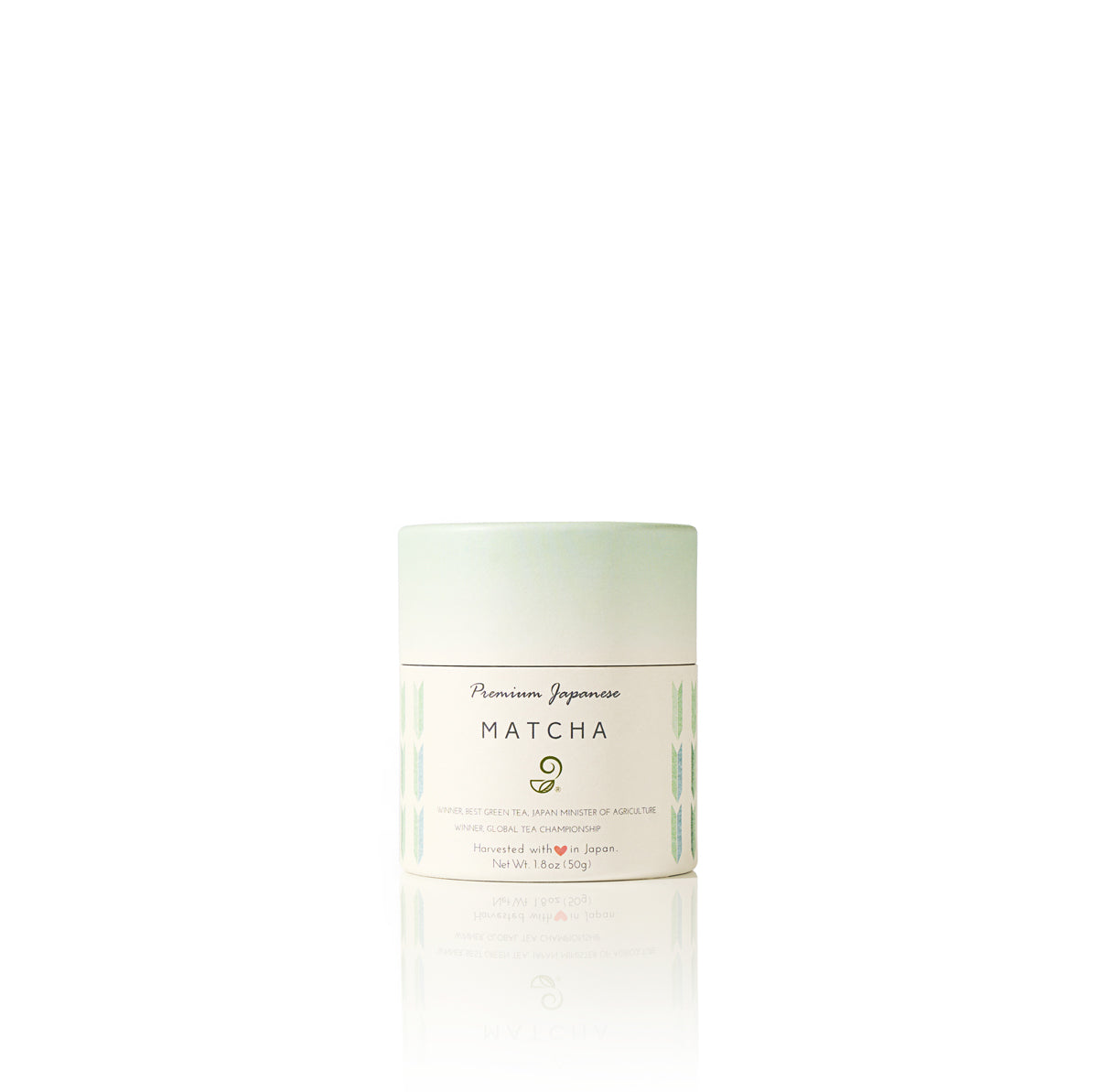
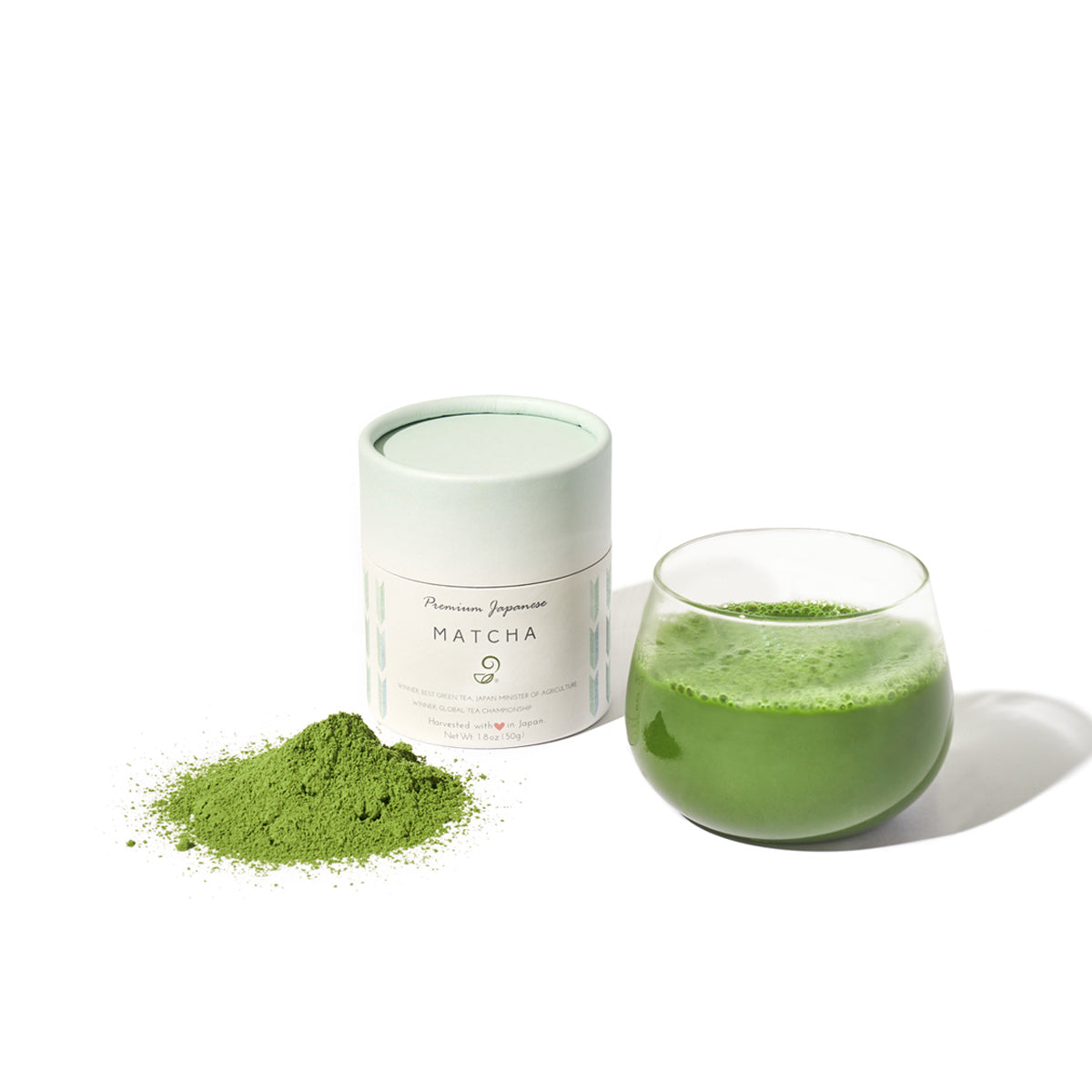
    This ceremonial matcha is crafted from the finest Japanese green tea, grown in nutrient-rich soil enhanced with compostable grasses and sugarcane through the Chagusaba method, which gives the tea a natural sweetness and exceptional flavor. In collaboration with researchers from Shizuoka University, farmers ensure that the soil quality consistently produces tea of the highest standard.

    Renowned among top Japanese chefs for its unmatched aroma, this matcha is made by carefully shading the plants before harvest to boost caffeine and amino acids, then meticulously drying, de-stemming, and grinding the leaves into a fine powder. Made from the Yabukita cultivar, this 1.8 oz (50g) matcha comes in a high-quality, air-tight paper tube canister, providing a luxurious and authentic Japanese tea experience.

    8 reviews

    The Sencha Lover Gift Set - Premium Japanese Green Tea Set Package
    $179.00 $159.99
    Quick view

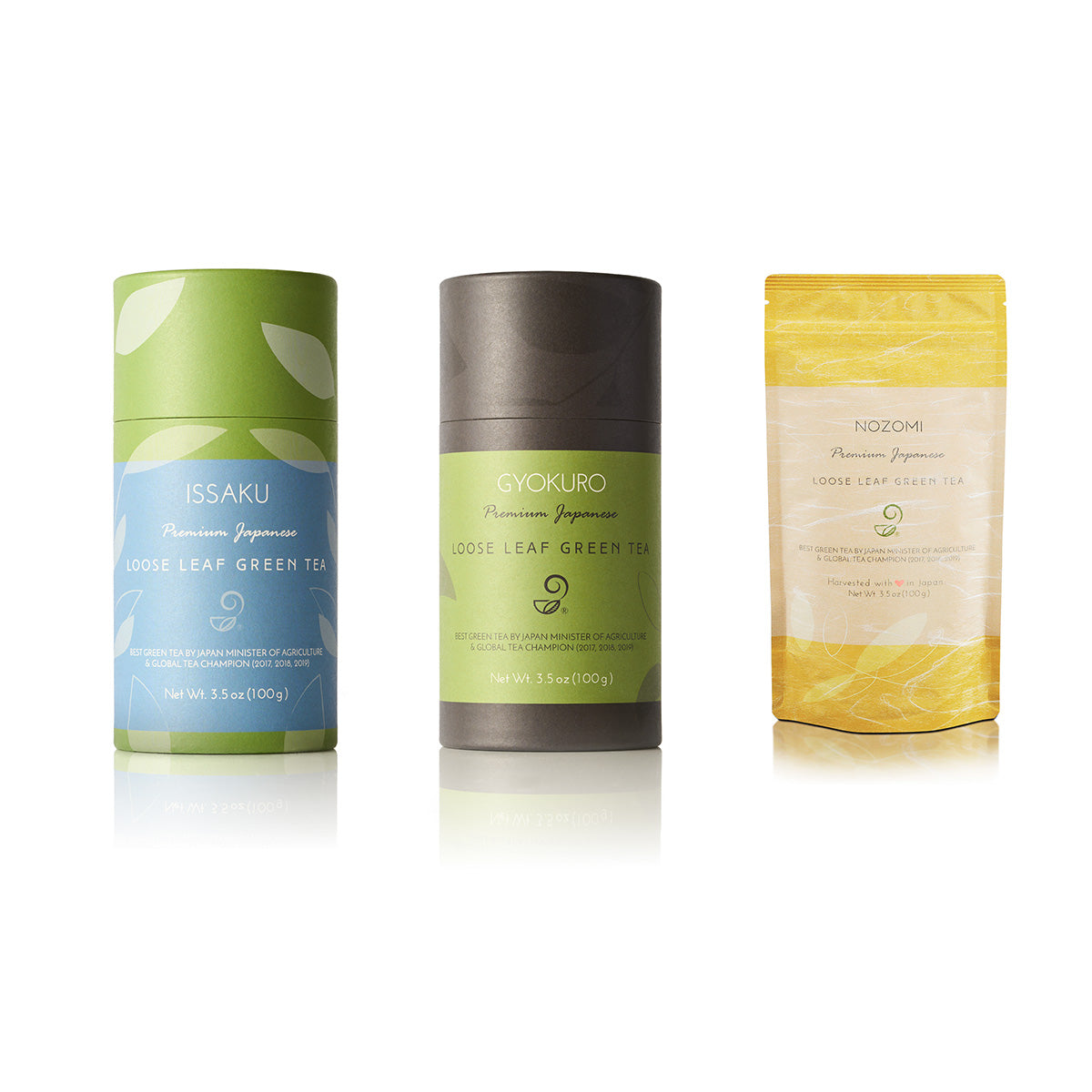
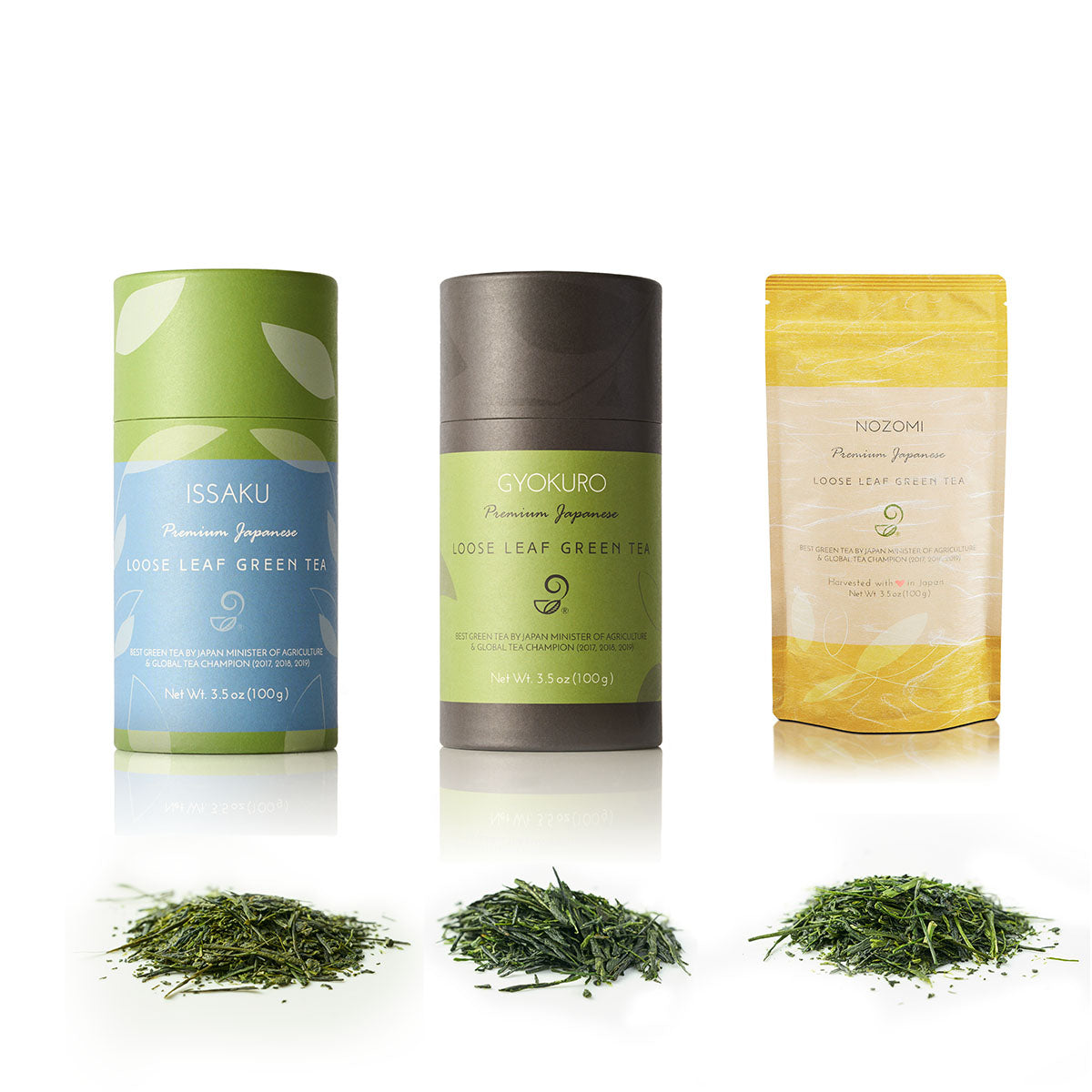
    This tea set features three exceptional Japanese green teas, each crafted with care and traditional techniques. Issaku Reserve, a Global Tea Champion winner in 2017 and 2019, is a rare masterpiece created by Farm Master Mr. Arahata at Arahataen Green Tea Farm. Handpicked once a year from the first flush and processed with advanced methods, Issaku represents the highest-grade deep-steamed green tea, available only in limited quantities even in Japan.

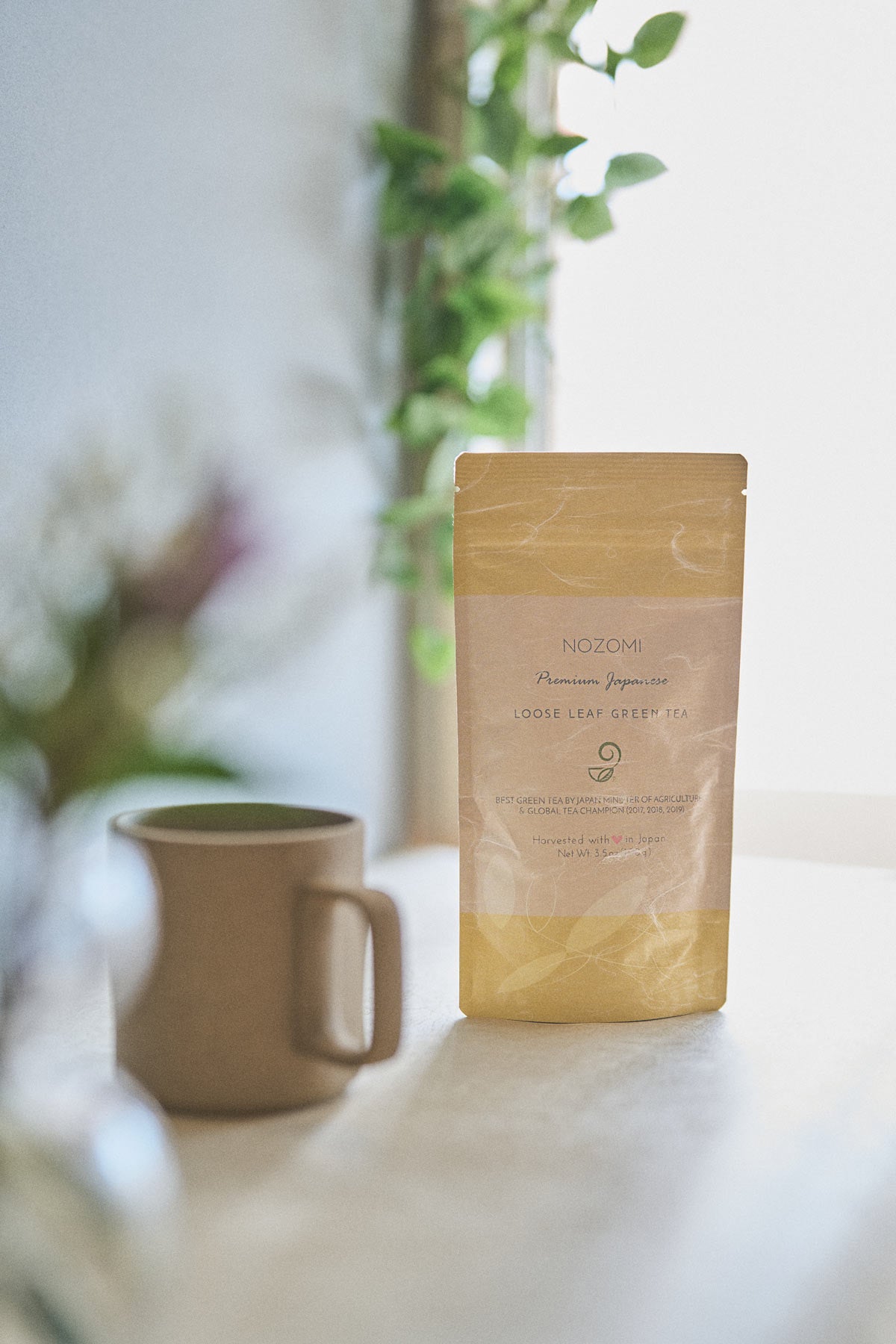
    The set also includes Gyokuro, a premium shaded green tea known for its rich, sweet flavor and deep mossy green color. Grown under special mats for 20 days to increase caffeine and amino acid levels, Gyokuro offers a layered, smooth taste unlike any other. Completing the collection is Nozomi, a fine Kabuse-cha, or "Covered Green Tea," carefully grown under nets to gently shade the leaves just before new sprouts emerge, resulting in a soft, rich, and refined flavor profile.

    97 reviews

    Gyokuro - Shaded Imperial Premium Green Tea

    $65.00
    Quick view

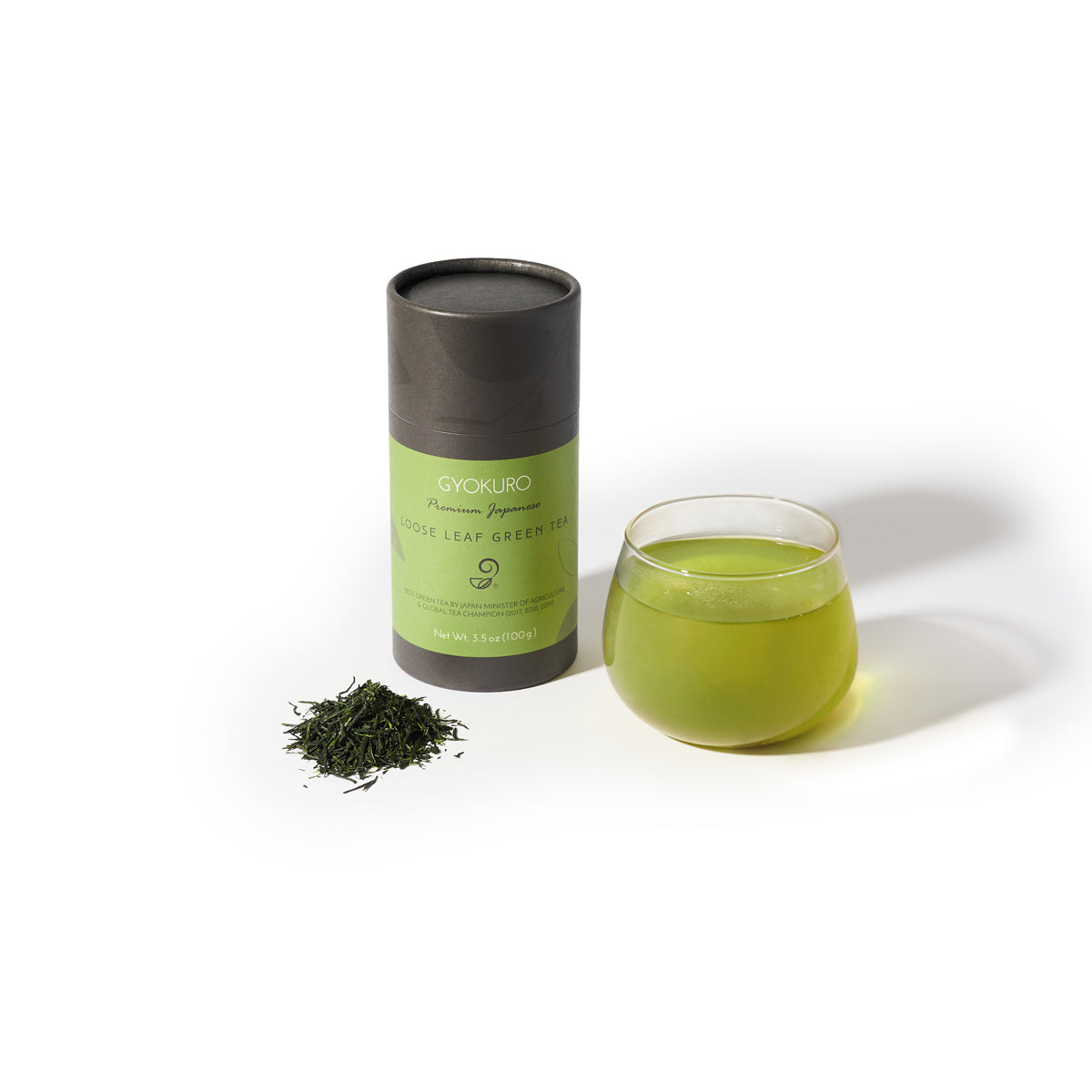
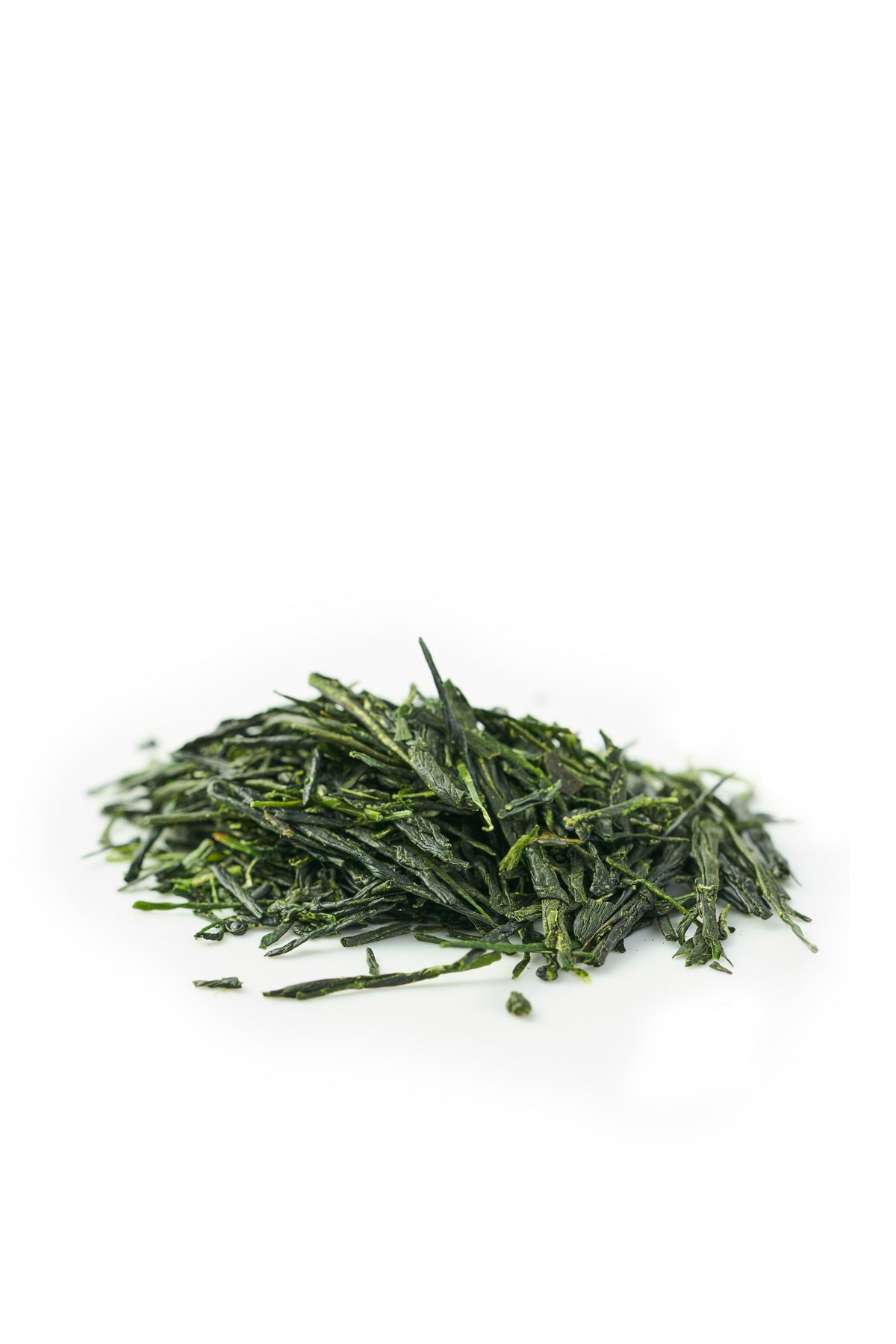
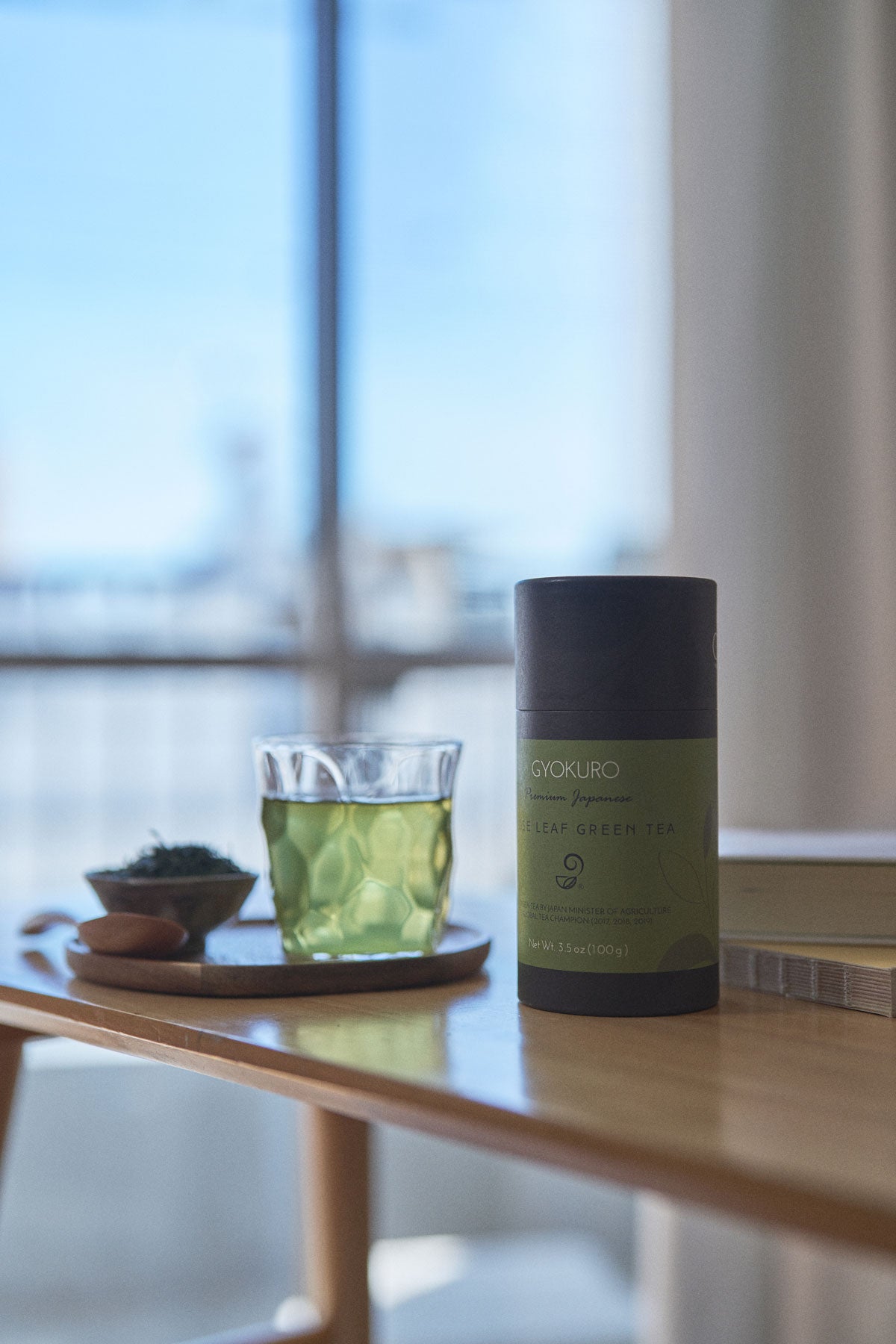
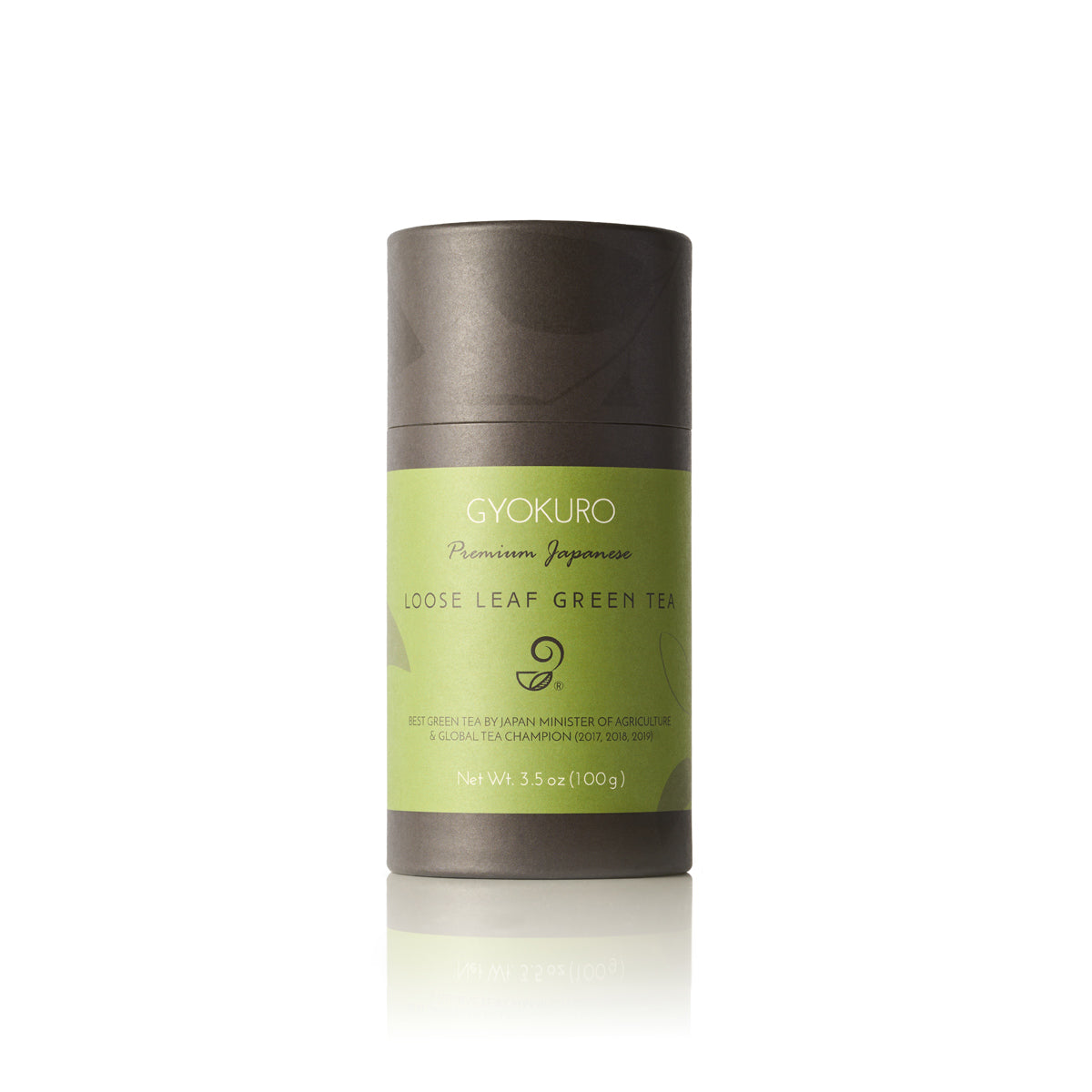
    Gyokuro, also known as "jade dew" or "jewel dew tea," is a premium Japanese green tea shaded from the sun for 20 days using specially made mats, a method that boosts caffeine levels and strengthens amino acids to create a sweeter, richer flavor. This extended shading process results in dark, mossy green leaves with an unmistakable aroma and a complex taste that is layered yet balanced. Cultivated by the Chagusaba method in nutrient-rich sugarcane soil and made from the Yabukita cultivar, this loose-leaf authentic Gyokuro is offered in a high-quality, air-tight paper tube canister (chyazutsu) to preserve its exceptional freshness and flavor. Each 3.5 oz (100g) full-size package steeps 30–40 cups, and a convenient single-serve sample is also available.

    45 reviews

    Hojicha - Roasted Green Tea

    $25.00
    Quick view

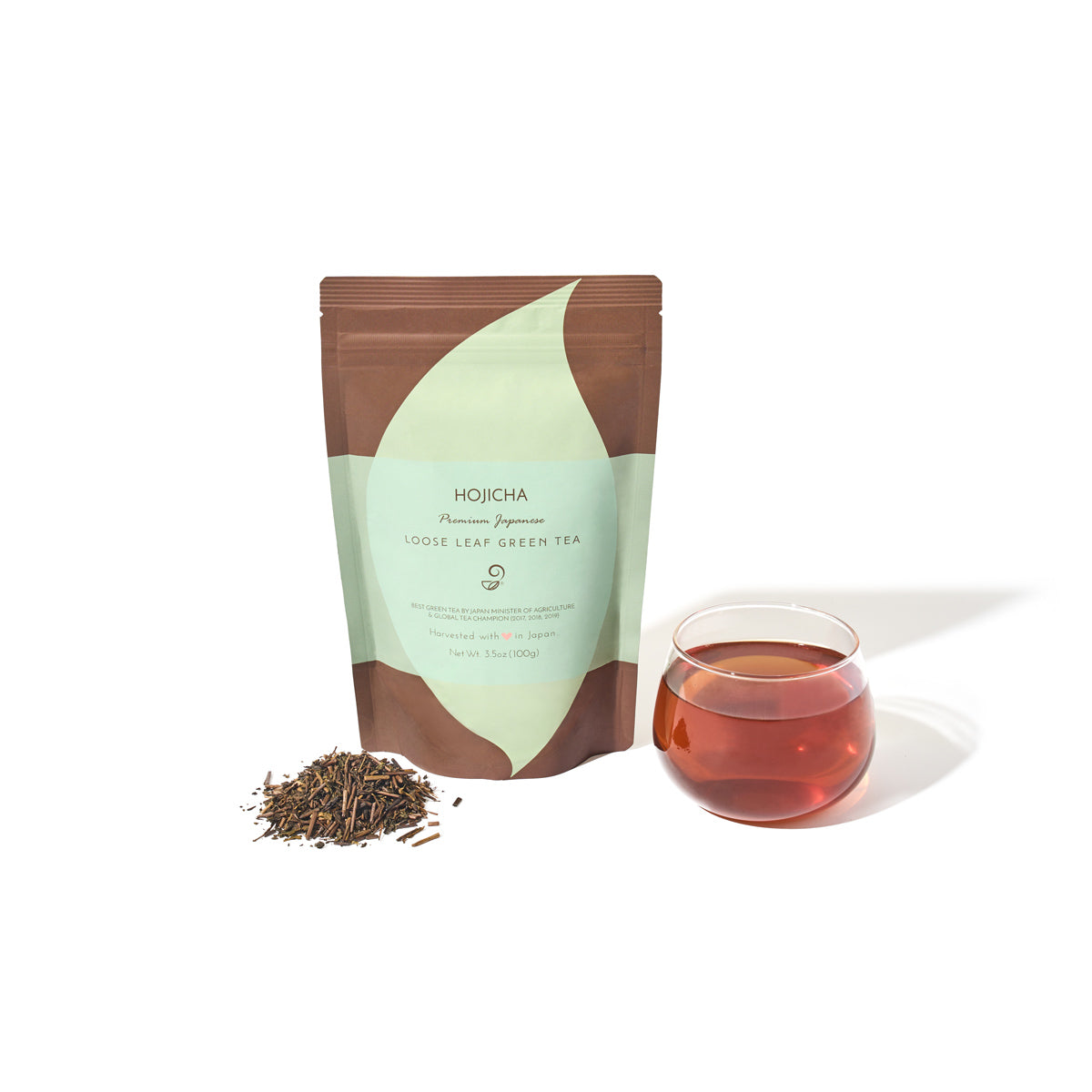
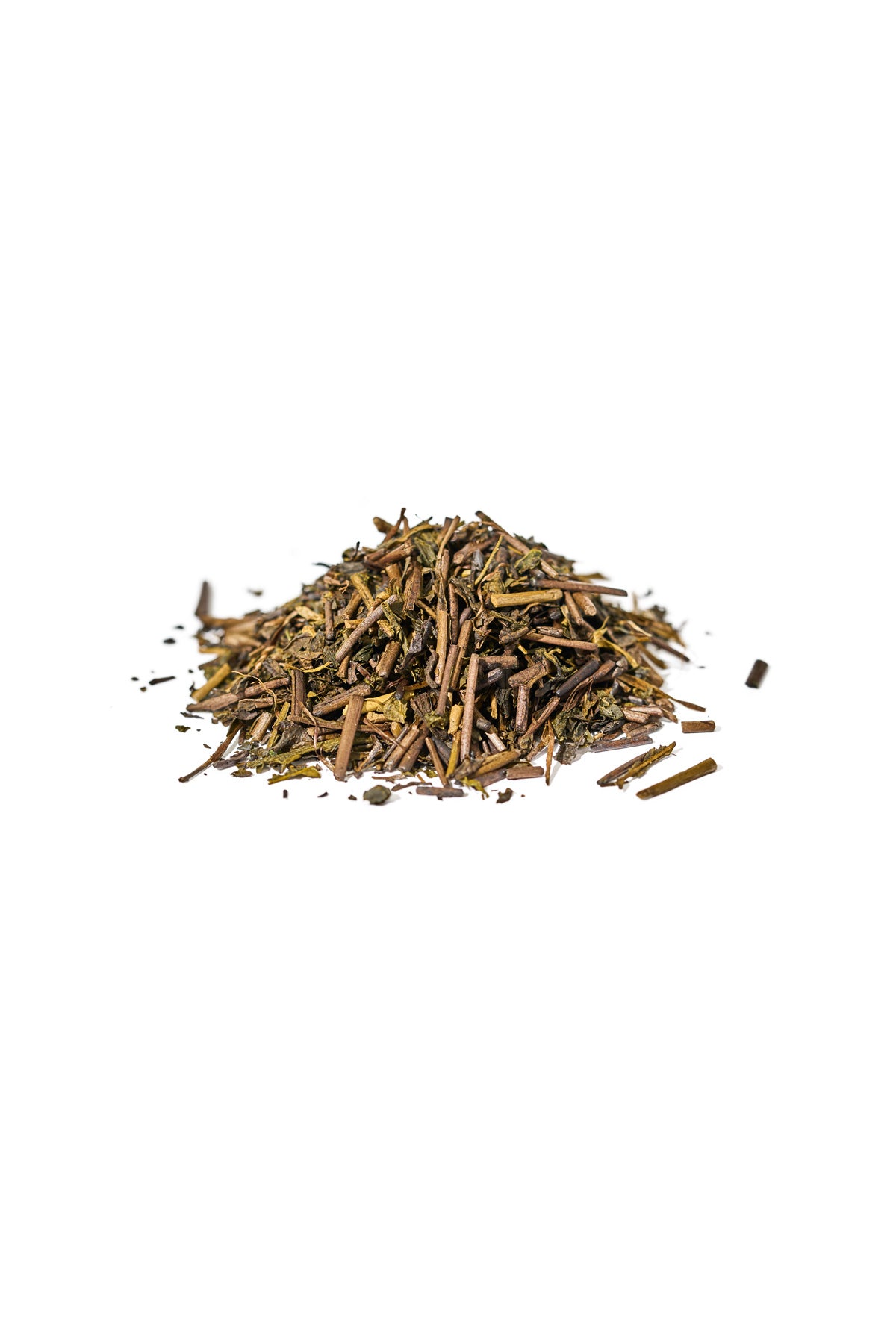
    Our roasted green tea, known as hojicha (ほうじ茶), is crafted from freshly harvested premium green tea carefully roasted in porcelain over charcoal to maximize flavor while retaining more catechins than typical hojicha on the market. With lower caffeine and a smoother, less bitter taste compared to steamed green tea, it is an ideal choice for evening relaxation and is gentle enough for kids and pregnant women. Cultivated using the Chagusaba method in nutrient-rich sugarcane soil, this loose-leaf authentic Japanese roasted green tea, made from the Yabukita cultivar, also pairs beautifully with oily foods. Each eco-friendly resealable package contains 3.5 oz (100g) of tea, enough to steep 30–40 comforting cups.

    42 reviews

    Genmaicha - Green Tea with Roasted Brown Rice

    $30.00
    Quick view

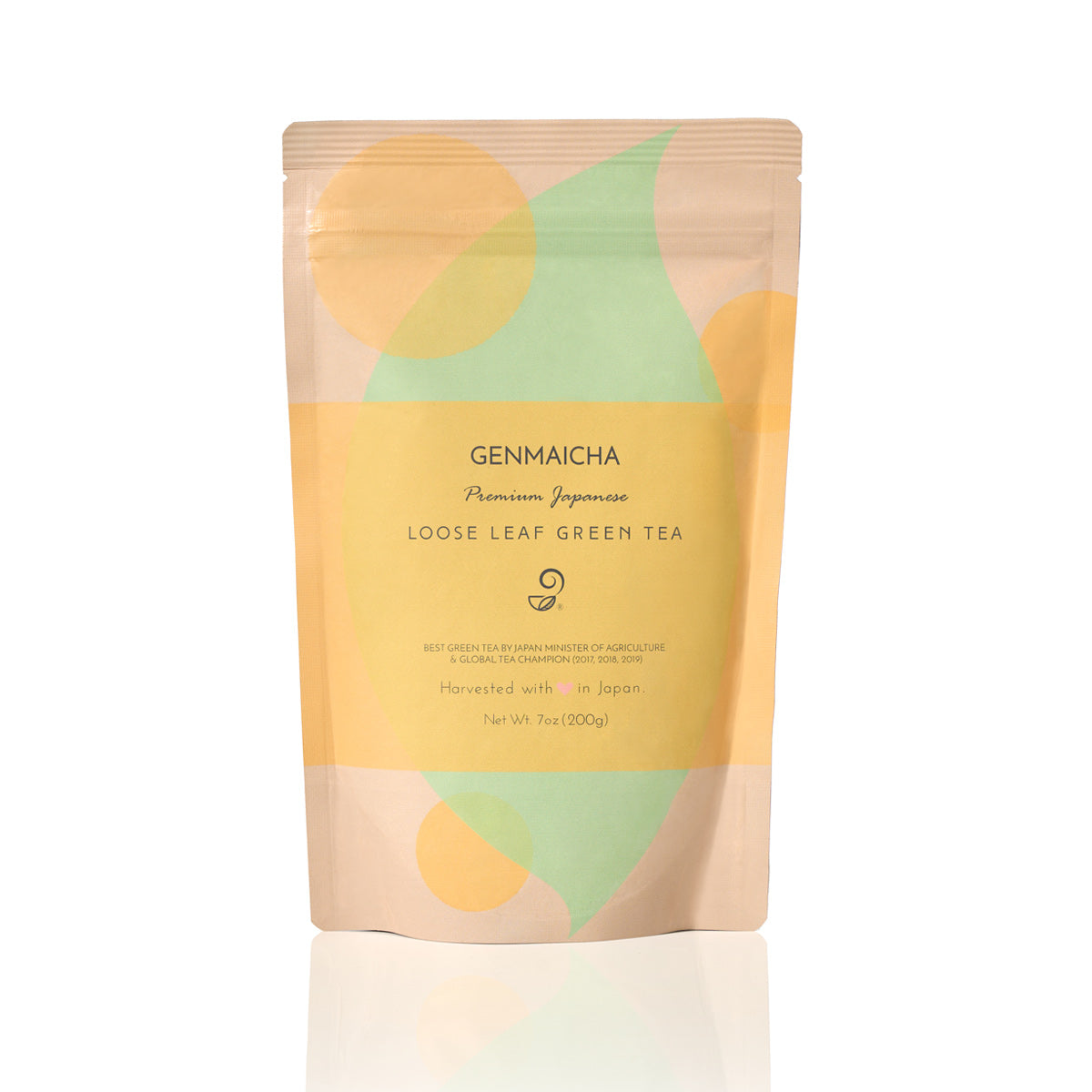
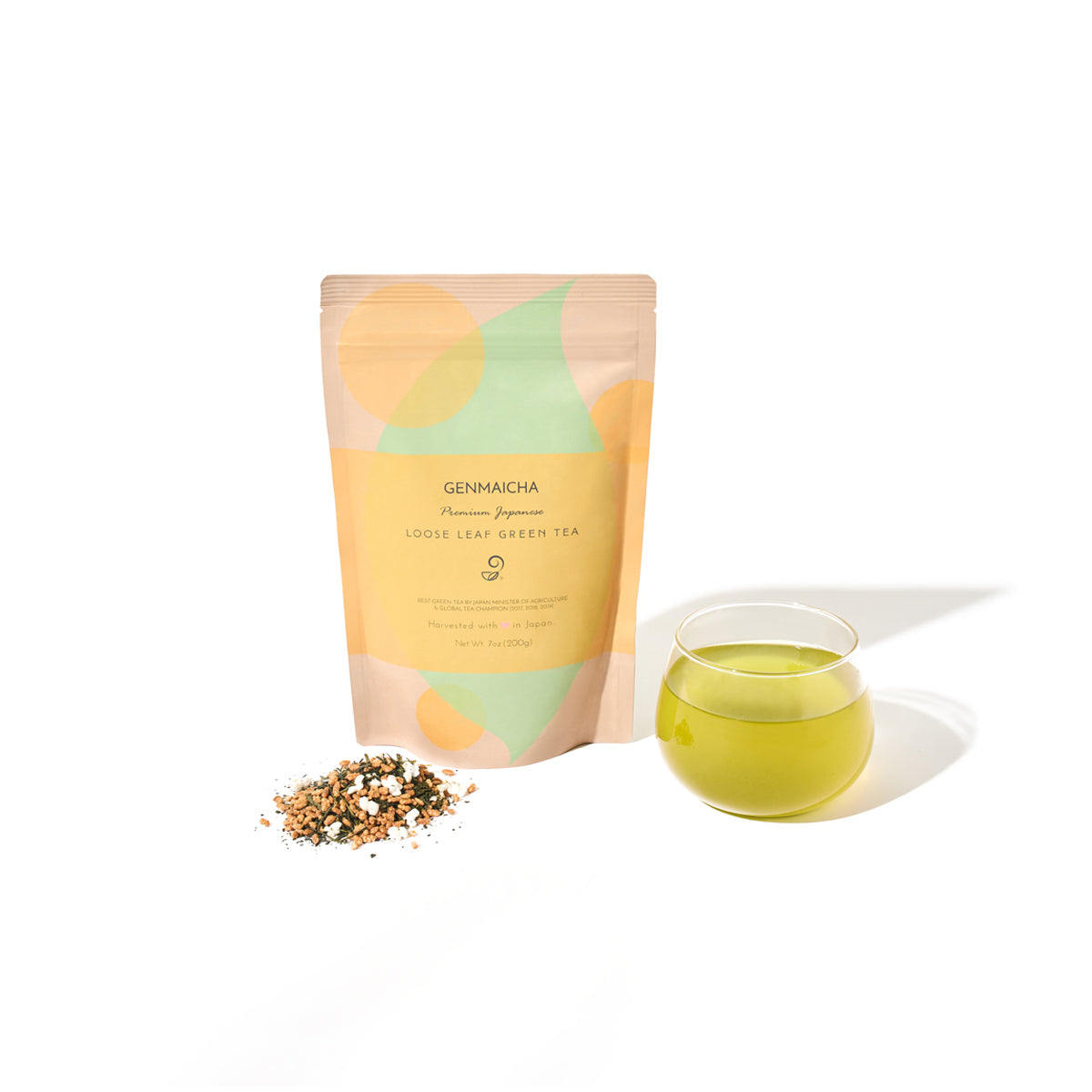
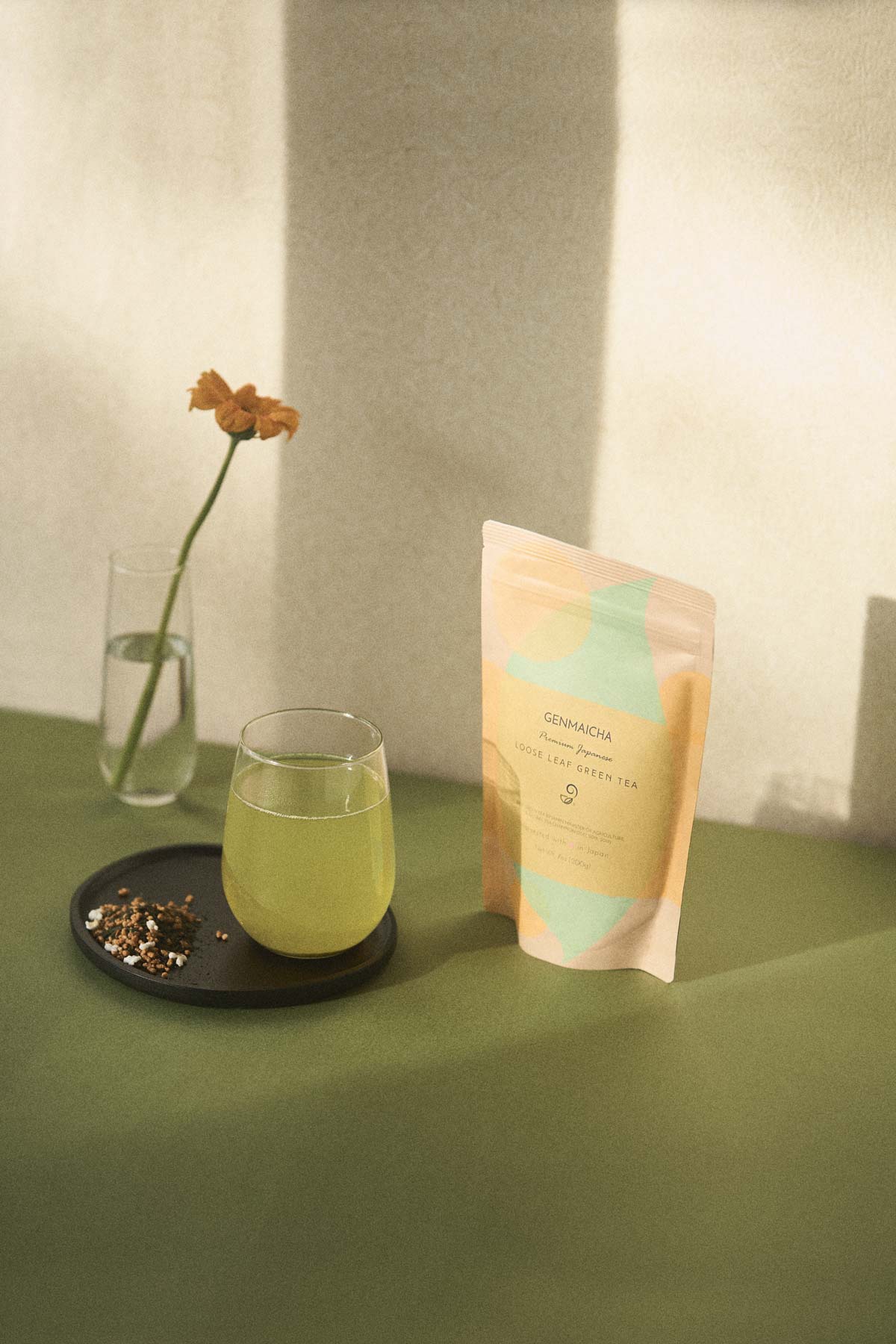
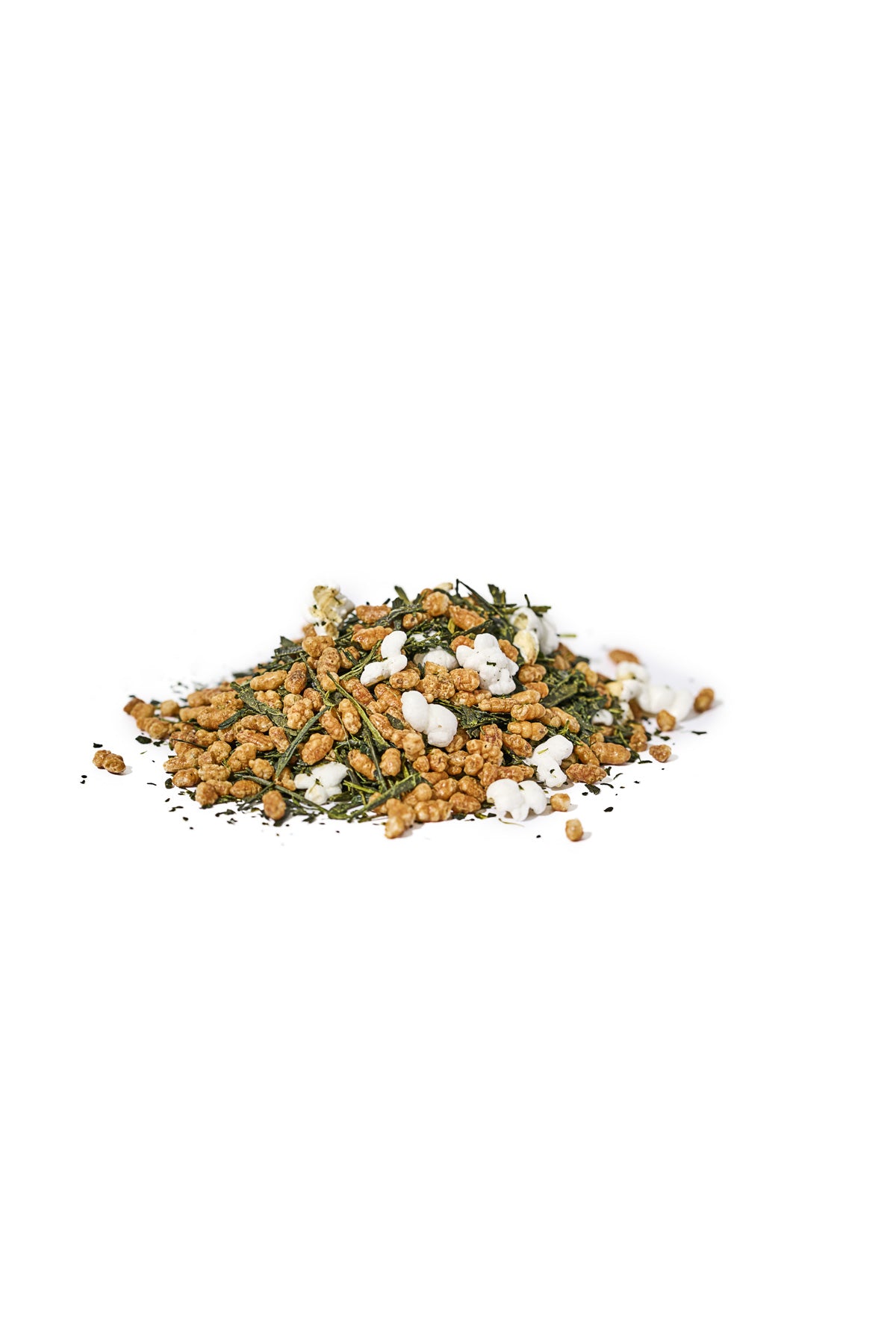
    Our premium Japanese Genmaicha blends high-quality green tea with roasted popped brown rice (genmai 玄米), often nicknamed "popcorn tea" because the roasting process sounds like popcorn popping. Popular especially among the older generation in Japan for its mild flavor and lower caffeine content, this tea is easier on the stomach while still offering a rich, comforting taste. The brown rice used is premium Japanese mochi-gome (もち米) sticky rice, enhancing the tea’s nutty, aromatic profile. Made from Fukamushi Sencha and cultivated using the Chagusaba method in nutrient-rich sugarcane soil, this Genmaicha features the Yabukita cultivar and comes in a 7.0 oz (200g) eco-friendly resealable package, enough to steep 50–60 cups.


    Related Articles You May Be Interested

    Samurai and Tea
    What is Japanese Tea Ceremony? – Explained in 6 Simple Steps
    What is Japanese Tea Ceremony? – Explained in 6 Simple Steps
    Japanese Tea Ceremony: What Not To Do
    Japanese Tea Ceremony: What Not To Do
    What is the Japanese Tea Ceremony and How it Deepens Relationships?
    What is the Japanese Tea Ceremony and How it Deepens Relationships?
    The Romance and History of Green Tea
    The Romance and History of Green Tea

    Get Free Bonus Books

    Join Green Tea Club

    Sign up for free to the Green Tea Club to get advice and exclusive articles about how to choose Japanese Tea, and tips, tricks, and recipes for enjoying Japanese tea.

    Unsubscribe anytime. It’s free!

    About the author

    Kei Nishida

    Kei Nishida

    Author, CEO Dream of Japan

    info@japanesegreenteain.com

    Certification: PMP, BS in Computer Science

    Education: Western Washington University

    Kei Nishida is a passionate Japanese green tea connoisseur, writer, and the founder and CEO of Japanese Green Tea Co., a Dream of Japan Company.

    Driven by a deep desire to share the rich flavors of his homeland, he established the only company that sources premium tea grown in nutrient-rich sugarcane soil—earning multiple Global Tea Champion awards.

    Expanding his mission of introducing Japan’s finest to the world, Kei pioneered the launch of the first-ever Sumiyaki charcoal-roasted coffee through Japanese Coffee Co. He also brought the artistry of traditional Japanese craftsmanship to the global market by making katana-style handmade knives—crafted by a renowned katana maker—available outside Japan for the first time through Japanese Knife Co.

    Kei’s journey continues as he uncovers and shares Japan’s hidden treasures with the world.

    Learn more about Kei Nishida

    Related Posts

    Totoro Matcha Shortbread Cookies
    Totoro Matcha Shortbread Cookies

    These are matcha shortbread — buttery, a little crumbly, with that gentle grassy matcha flavor — shaped into a plump, ro

    Read More
    Kawaii Meets Matcha: Japan's Cute Tea Boom + Recipe
    Kawaii Meets Matcha: Japan's Cute Tea Boom + Recipe

    Matcha is everywhere, and so is "cute." Here's how kawaii culture, real science, and Gen Z turned green tea into a globa

    Read More
    Our Products are Now at Yama Sushi Marketplace — One of LA's Most Trusted Japanese Markets Since 1984!
    Our Products are Now at Yama Sushi Marketplace — One of LA's Most Trusted Japanese Markets Since 1984!

    Yama Sushi Marketplace is now carrying our products! Plus the full story of LA's beloved Japanese market — California Ro

    Read More
    Leave a comment

    Your email address will not be published..

    Cart

    Your cart is currently empty.

    Start Shopping

    Select options