Skip to content

Tips for making tea part of your post-run/recovery routine


While running, itself, is a relatively straightforward and simple sport—not one that necessitates tons of equipment or years of specialized instruction—runners, nonetheless, do like their "stuff." Besides having their favorites for their actual runs—such as their favorite GPS watch to wear, their most comfortable shoes, or their favorite shorts—many runners look forward to what they’ll be consuming after the run, sometimes just as much as the run itself.

The food and drink runners consume immediately after finishing a run can have an important effect on their health, well-being, and propensity to "jump back" from the run. There is tons of evidence-backed research out there that clarifies exactly what the nutritional composition should be for a food or drink post-run, and runners themselves will gladly give you tons of their own personal recommendations.

Personally, after a hard speed run or a long distance run, it can be hard for me (or for my stomach, anyway) to "calm down" enough to enjoy a substantial meal, much less real food. However, as the research suggests, it behooves me to eat within 60–90 minutes of finishing my run so as to take advantage of my muscles and body "sopping up" the nutrients from the foods and beverages I consume during this critical window that’s important for recovery and repair.

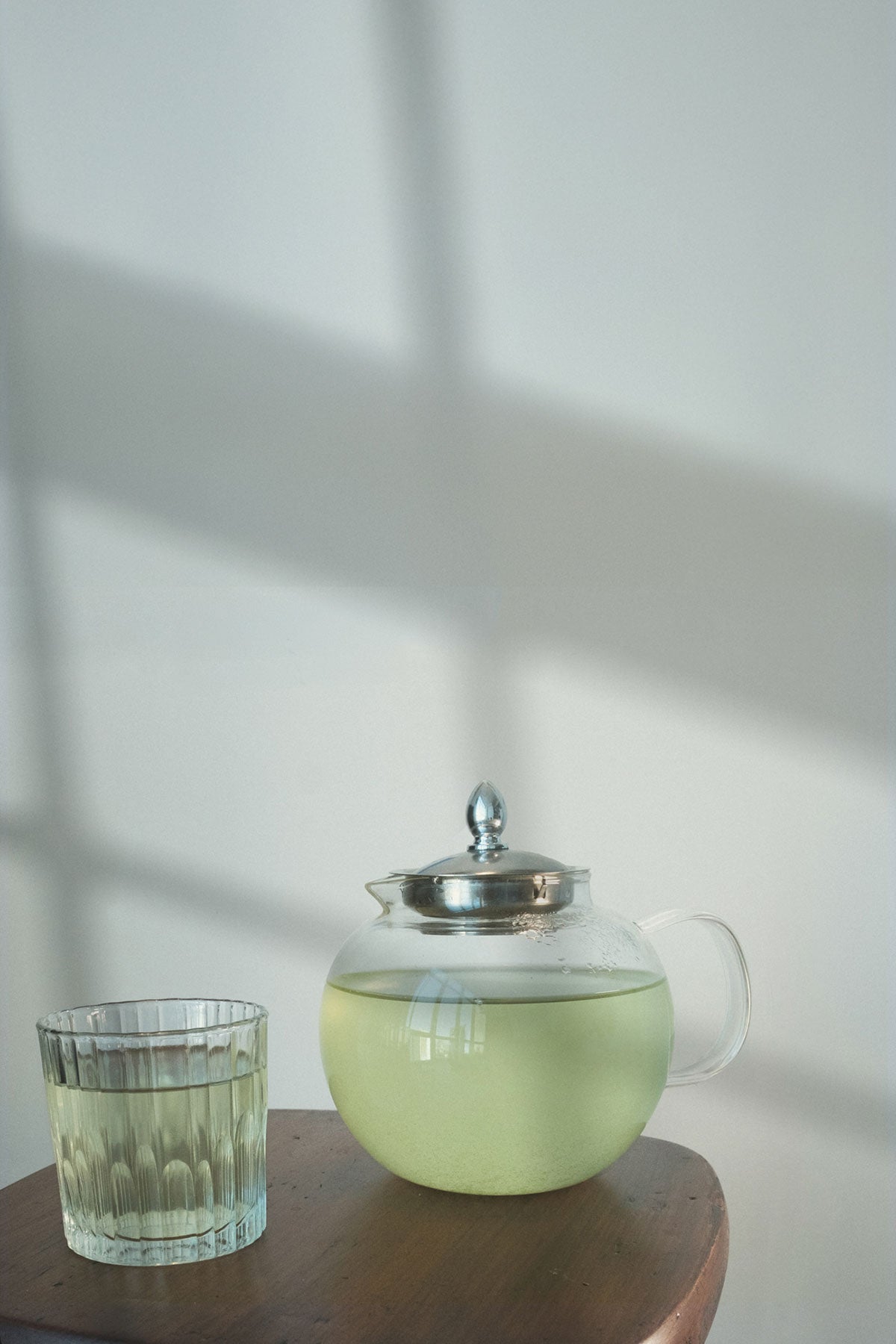
green tea

Below, I’ll describe in detail what my post-run recovery routine often looks like, and I’ll also describe why I think including tea in your post-run recovery routine may make a lot of sense for you (and how it may even help you in your recovery process). While I’m not a physician or a dietitian, my recommendations come from my own personal experience, so if you’re in a slump with your recovery process, you may want to consider my suggestions, particularly if you’re up to trying something new.

Hydrate with water first, and get the teapot boiling.  

When I finish my run, one of the first things I do is begin to drink water. If the run is longer than an hour, I’ll also drink some sort of electrolyte-based drink. Almost always, I will begin to boil water or steep tea leaves for the cup of tea that I’m anxiously awaiting, too.

Choose a tea that’s specific to your needs.

There are tons of different tea varieties available, some with or without caffeine, so you have a ton of latitude when it comes to making choices about what’s right for you. If you’re lucky, you may even find some athletic-based tea options that can specifically target recovery! Some considerations you want to make may be practical, too, such as: do I need to stay awake for the rest of the day (in which case, you may want to opt for a more highly caffeinated tea) or can I take a quick nap now and then start my day later (in which case, you’ll probably want something decaffeinated or something that may help you relax and go to sleep)? Additionally, often my stomach hurts after I run a particularly hard workout, and drinking a cup of tea can help rectify that. If you’re having stomach or gastrointestinal problems, you may want to consider doing the same.

Create a tea ritual as part of your recovery.

Runners are very process-focused people, and as such, they love their rituals. Consider creating some sort of tea ritual in your recovery process post-run. That may look like steeping a cup of your favorite tea while writing a quick journal entry about your run. It may also look like sipping on a cup of tea while you go through a short series of yoga poses to help your muscles recover from the efforts you posted. Create a ritual that makes sense for you and is something that you can maintain and actually look forward to each day (or each time that you run).

drinking Japanese Green Tea

Get fancy with your tea as a “reward” for your hard work.

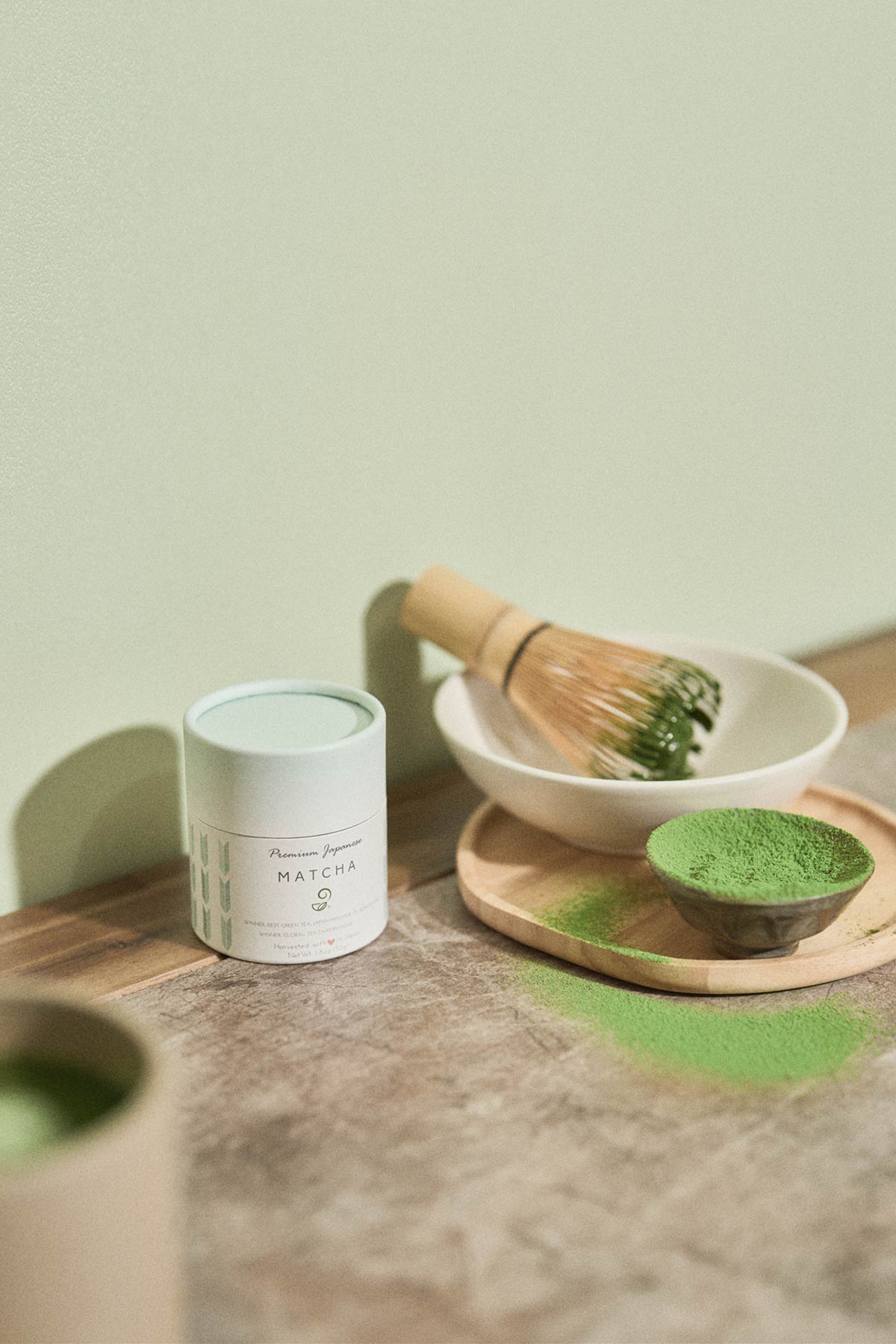
Sometimes runners like to reward themselves with a fancy drink or a sweet treat for their hard runs, and if you’re into that sort of thing, tea can most definitely fit the bill! You can learn how to make your favorite fancy tea drinks at home, or if you’d like to splurge and treat yourself, go patronize your favorite local tea establishment to buy your favorite concoction. You can also incorporate tea into your drinks you make at home, such as by tossing some matcha powder into your post-run smoothie or into a baked good that you create after your runs. The possibilities are really pretty limitless.

Use tea selectively to help you sleep at night.

Between running hard during the daytime and having a job, going to school, caring for parents or children, and all the many other responsibilities you have, chances are high that you already sleep pretty soundly at night. If that’s not the case, you can selectively use tea to help you sleep better at night. There are different tea varieties that can help you "wind down" at night, so if you’re not sleeping as well as you’d like to, definitely consider looking into some tea as a safe alternative to sleeping pills.

The aforementioned are just a few tips that can help guide you toward including tea in your post-run recovery process. There are so many varieties and blends of teas available that the sky’s the limit when it comes to how you make your tea your own; just like in running, much of it will be trial and error and an experiment by one person (you!).

Taste and create lots of different types of tea—hot, cold, blended, iced, in smoothies, in baked goods, at home, out, you name it—at different times of day to find what works best for you.

Ultimately, what it all boils down to (bad pun, sorry!) is finding a process and routine that work best for you and are something that you look forward to each time you finish your run. Have fun with it and see where it can take you (and how much other areas of your life, such as your running and your sleeping, benefit)!

This is a guest article written by Jane Grates, Co-Owner of Rockay socks.

Author's Bio: Jane Grates

Jane Grates

A full-time writer, fitness enthusiast, and co-owner of Rockay socks. Working at the nexus of modernism and intellectual purity to craft experiences that go beyond design.


FAQs about Tea for Post-Run Recovery

Why drink tea after a run instead of just water?

Three reasons. First, antioxidant support — running creates significant oxidative stress on muscle tissue, and the catechins in green tea help neutralize the free radicals that contribute to delayed-onset muscle soreness. Second, anti-inflammatory effects — green tea modestly reduces post-exercise inflammation, which may speed recovery between training sessions. Third, hydration plus mental wind-down — tea hydrates roughly as well as water while providing a ritual element that helps the nervous system shift from sympathetic (running stress) to parasympathetic (recovery) mode.

Water alone covers hydration but misses the antioxidant and anti-inflammatory benefit. Sports drinks add electrolytes and carbs (useful for very long efforts) but don't add anti-inflammatory compounds. Tea fills the gap that water and sports drinks don't quite cover for the recovery-specific window.

Practical: drink water immediately after the run for acute hydration, then tea 20-30 minutes later for the recovery support. The combination covers both needs.

What's the best tea for post-run recovery specifically?

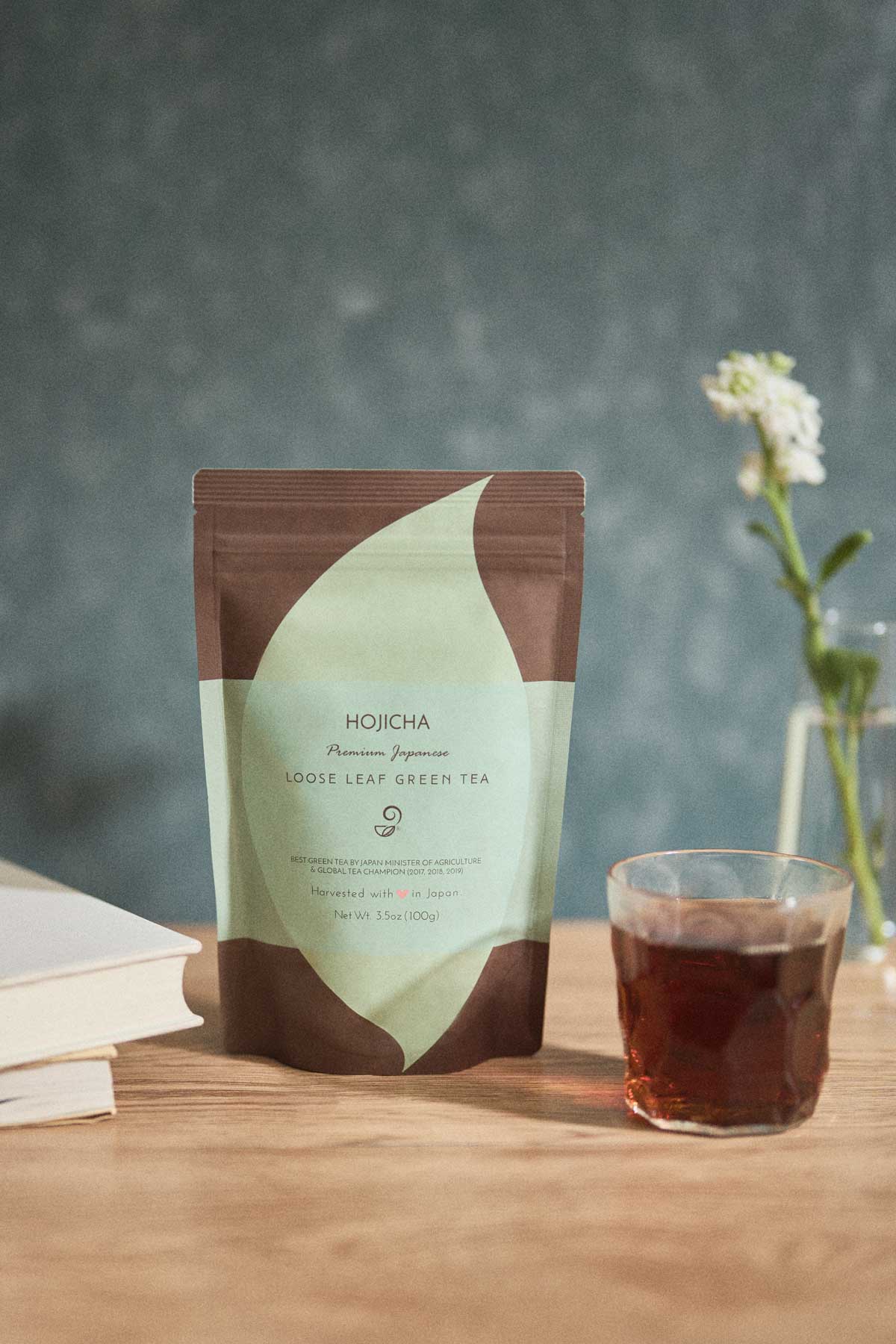
Hojicha (ほうじ茶) for evening runs and post-long-run recovery — low caffeine doesn't disrupt the eventual sleep that's actually doing most of your recovery work. Sencha or matcha for morning runs where the caffeine boost into the rest of your day is welcome. The hojicha loose leaf is what most committed-runner tea-drinkers use for post-run.

For very long runs (90+ minutes), warm tea is preferable to cold immediately after — the warmth helps with muscle relaxation. After cooling down, switching to cold-brewed sencha for sustained hydration through the recovery window works well. Two-temperature approach.

Avoid: high-caffeine matcha late in the day if you trained in the afternoon, very strong/concentrated tea on an empty stomach (post-run digestion is sensitive), and cold tea immediately after a hot run (the temperature shock can be uncomfortable).

How long after a run should I wait before drinking tea?

20-30 minutes is the practical window. Immediate post-run, your body is still in sympathetic-nervous-system mode and digestion is suppressed; drinking concentrated catechin compounds isn't optimal absorption. Drink water immediately, then tea once your heart rate has settled and you're in active recovery mode.

If you've done a particularly long or hot run, extend the gap to 45 minutes — the gut takes longer to settle after extended heat or extreme effort, and rushing tea too soon can produce nausea or stomach upset. Listen to your body; if your stomach feels off, water-only is fine until it doesn't.

For shorter runs (under 45 minutes), the post-run tea timing is more flexible. Drinking tea 10-15 minutes after a recovery jog is fine. The 20-30 minute rule is for harder or longer efforts where the gut needs more recovery time.

Does the catechin-iron interaction matter for runners specifically?

Yes, more than for non-runners. Endurance running increases iron needs (foot-strike hemolysis, GI losses during exercise, sweat losses), and catechins in green tea reduce non-heme iron absorption from food. For competitive runners or anyone with low/borderline iron status, this can compound into anemia or low energy over time.

The fix is timing. Don't drink tea with iron-rich meals (pre-run breakfast or post-run protein-and-veg meal). Wait at least 1 hour after eating before drinking tea, or 1-2 hours after tea before eating iron-rich foods. The interaction is real but easily managed.

For runners with diagnosed iron-deficiency anemia, also separate iron supplements from tea — at least 2 hours apart in either direction. The supplement-iron interaction is more pronounced than food-iron, so timing here matters more.

Are there other compounds in green tea that specifically help running performance?

Beyond catechins, two worth knowing. L-theanine (calming-focus amino acid) supports the mental recovery side — particularly useful for runners whose post-run hours include high-cognitive-demand work that they'd struggle to focus on if they were jittery from coffee. Tea's caffeine + L-theanine combination is gentler than coffee's pure caffeine for the recovery-focus transition.

Tea's chlorophyll (more present in matcha than steeped tea) has some research backing for recovery support — possibly through anti-inflammatory pathways related to chlorophyll's antioxidant properties. Effect is small but additive to the catechin benefit.

Caffeine itself, at modest doses (50-100 mg post-run), modestly speeds glycogen replenishment when paired with carbohydrate intake. Drinking sweetened green tea (or tea with a snack containing carbs) within an hour after a long run may produce slightly faster glycogen recovery than water plus carbs alone. Effect is small; not a reason to abandon other recovery basics.

Related products

8 reviews

The Sencha Lover Gift Set - Premium Japanese Green Tea Set Package
$179.00 $159.99
Quick view

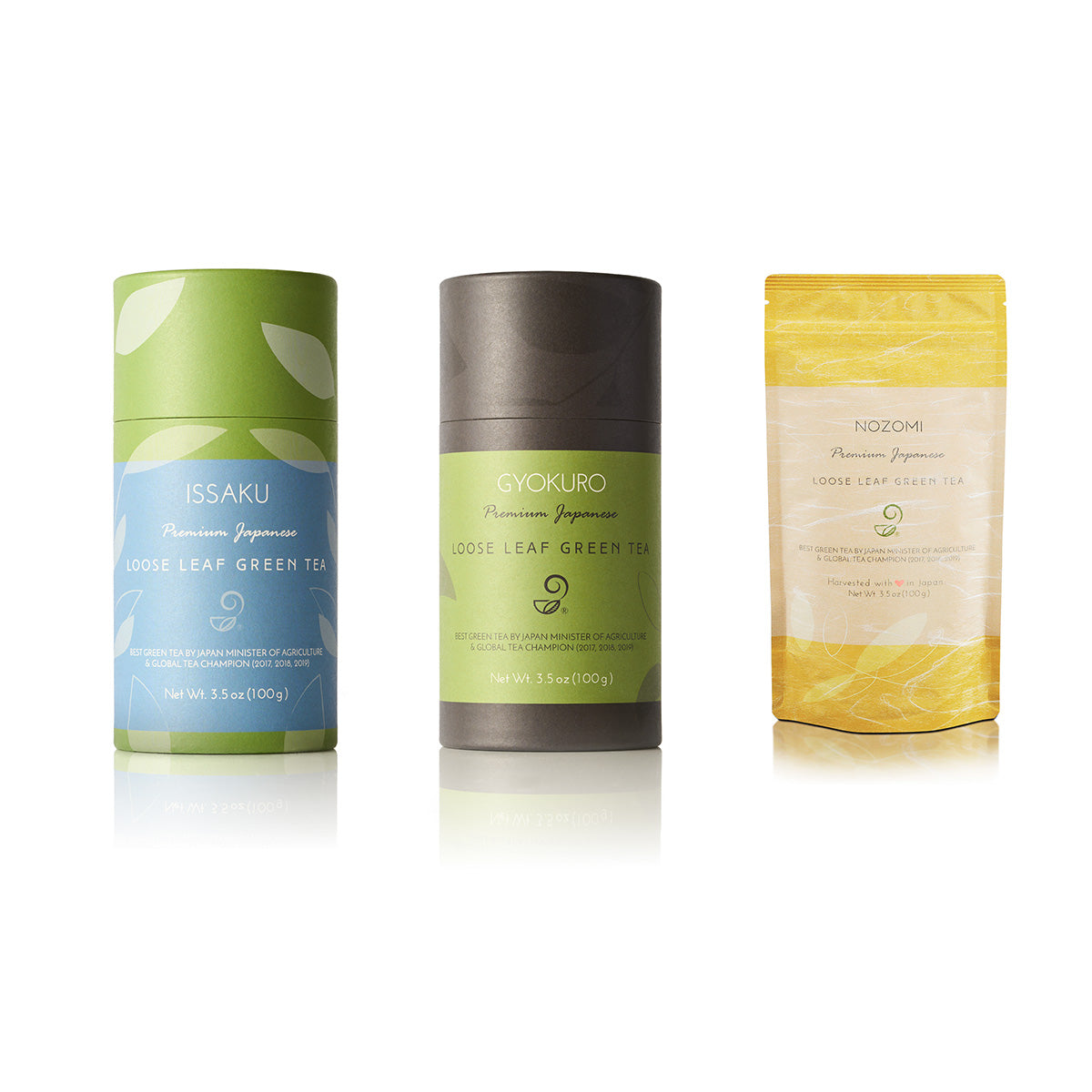
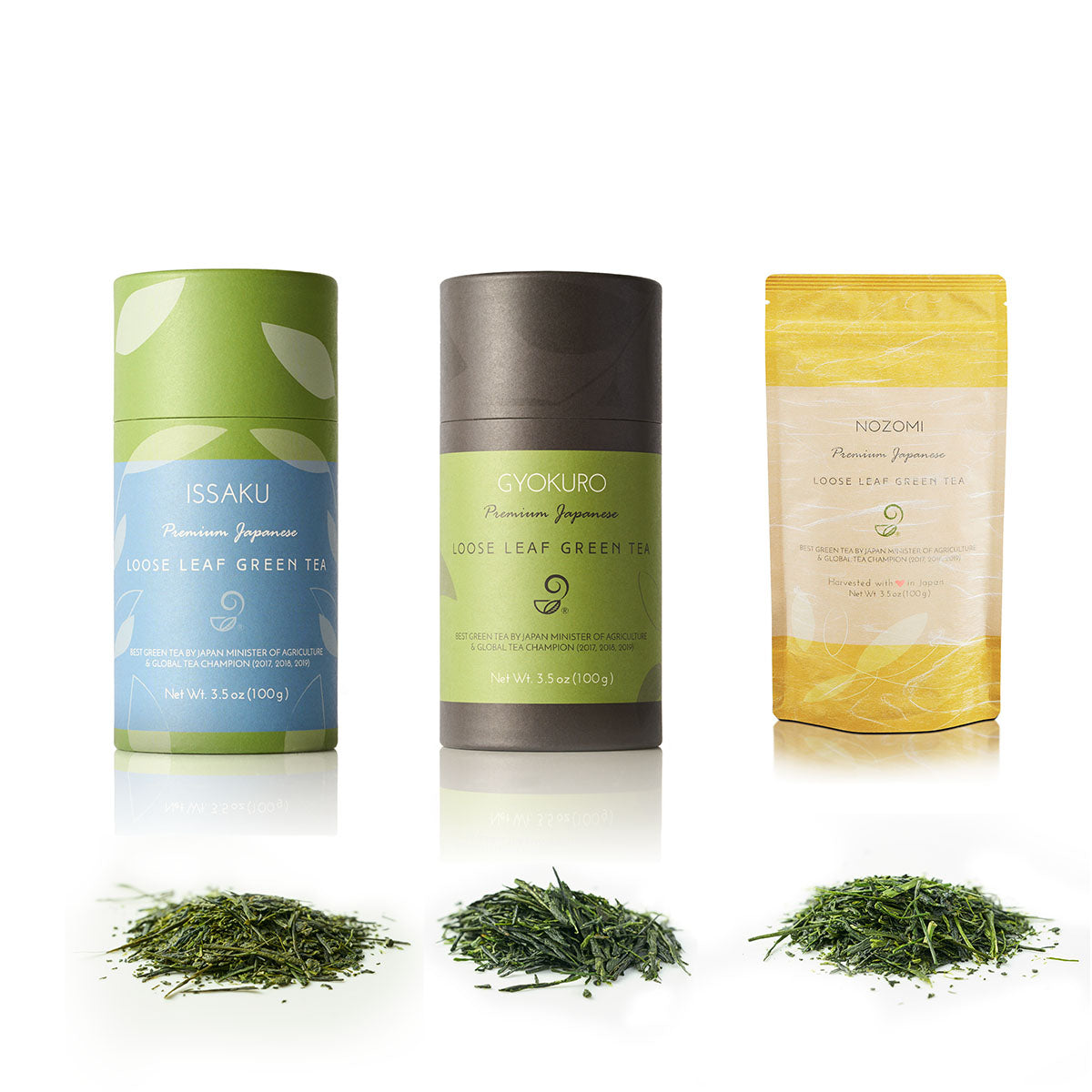
This tea set features three exceptional Japanese green teas, each crafted with care and traditional techniques. Issaku Reserve, a Global Tea Champion winner in 2017 and 2019, is a rare masterpiece created by Farm Master Mr. Arahata at Arahataen Green Tea Farm. Handpicked once a year from the first flush and processed with advanced methods, Issaku represents the highest-grade deep-steamed green tea, available only in limited quantities even in Japan.

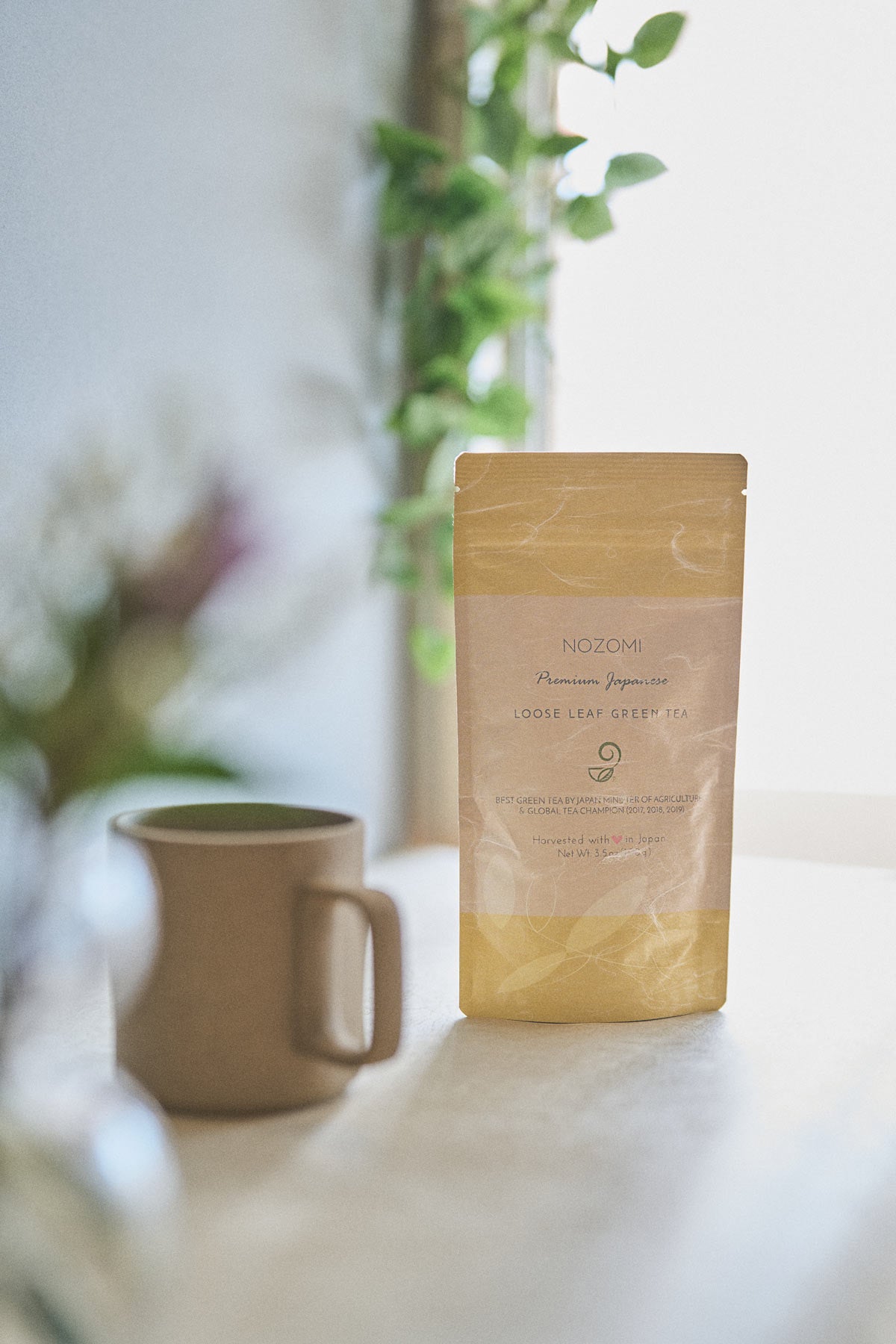
The set also includes Gyokuro, a premium shaded green tea known for its rich, sweet flavor and deep mossy green color. Grown under special mats for 20 days to increase caffeine and amino acid levels, Gyokuro offers a layered, smooth taste unlike any other. Completing the collection is Nozomi, a fine Kabuse-cha, or "Covered Green Tea," carefully grown under nets to gently shade the leaves just before new sprouts emerge, resulting in a soft, rich, and refined flavor profile.

97 reviews

Gyokuro - Shaded Imperial Premium Green Tea

$65.00
Quick view

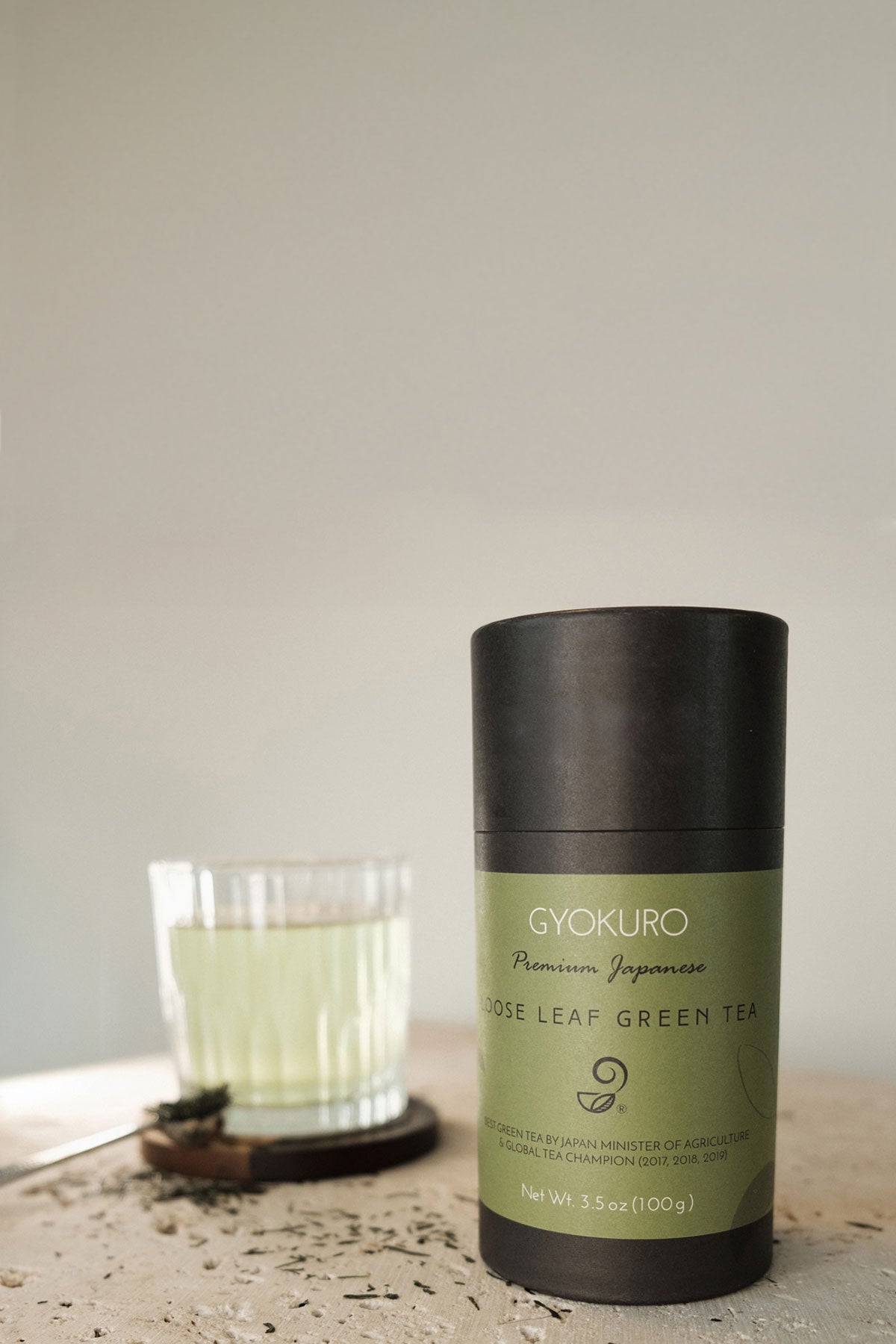
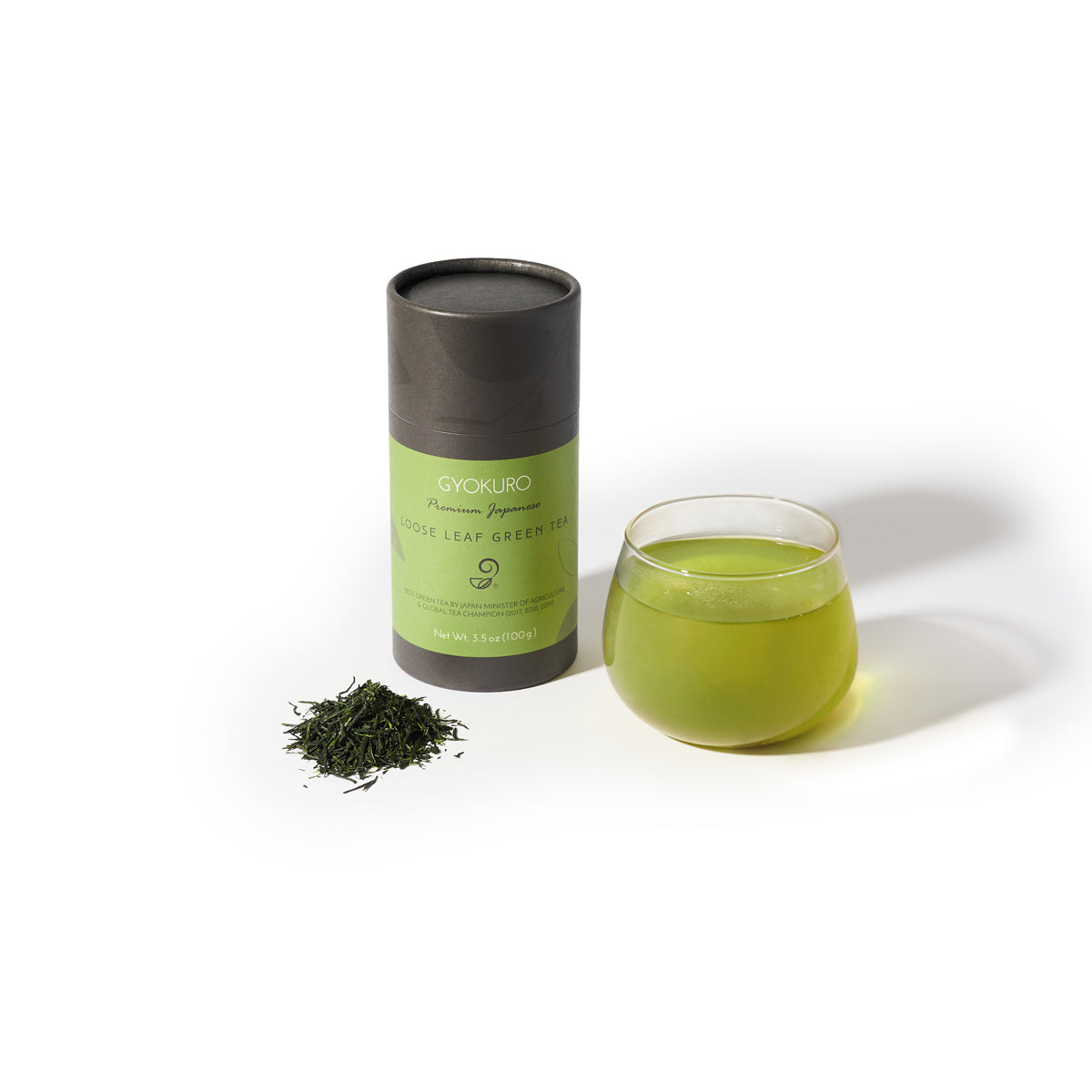
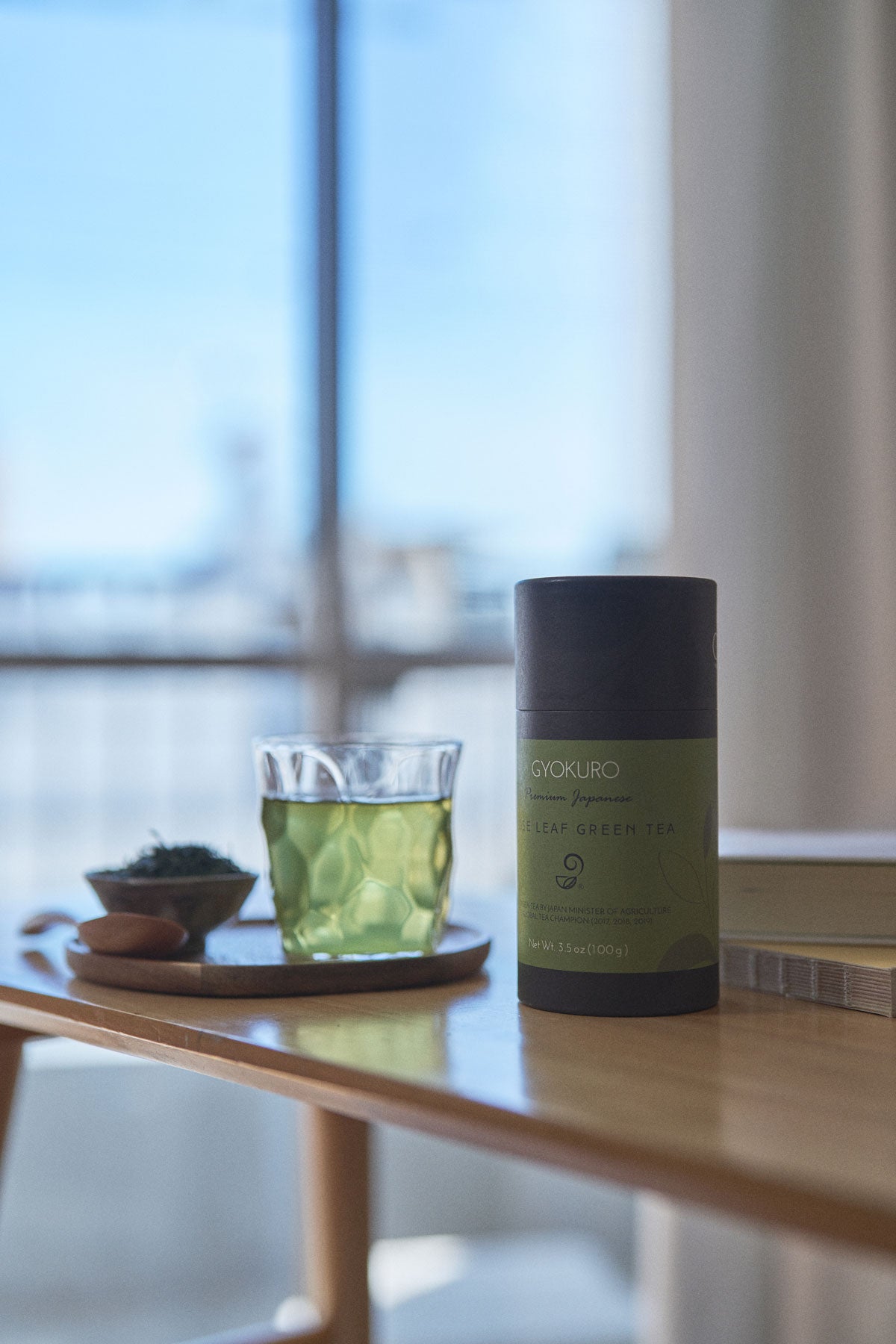
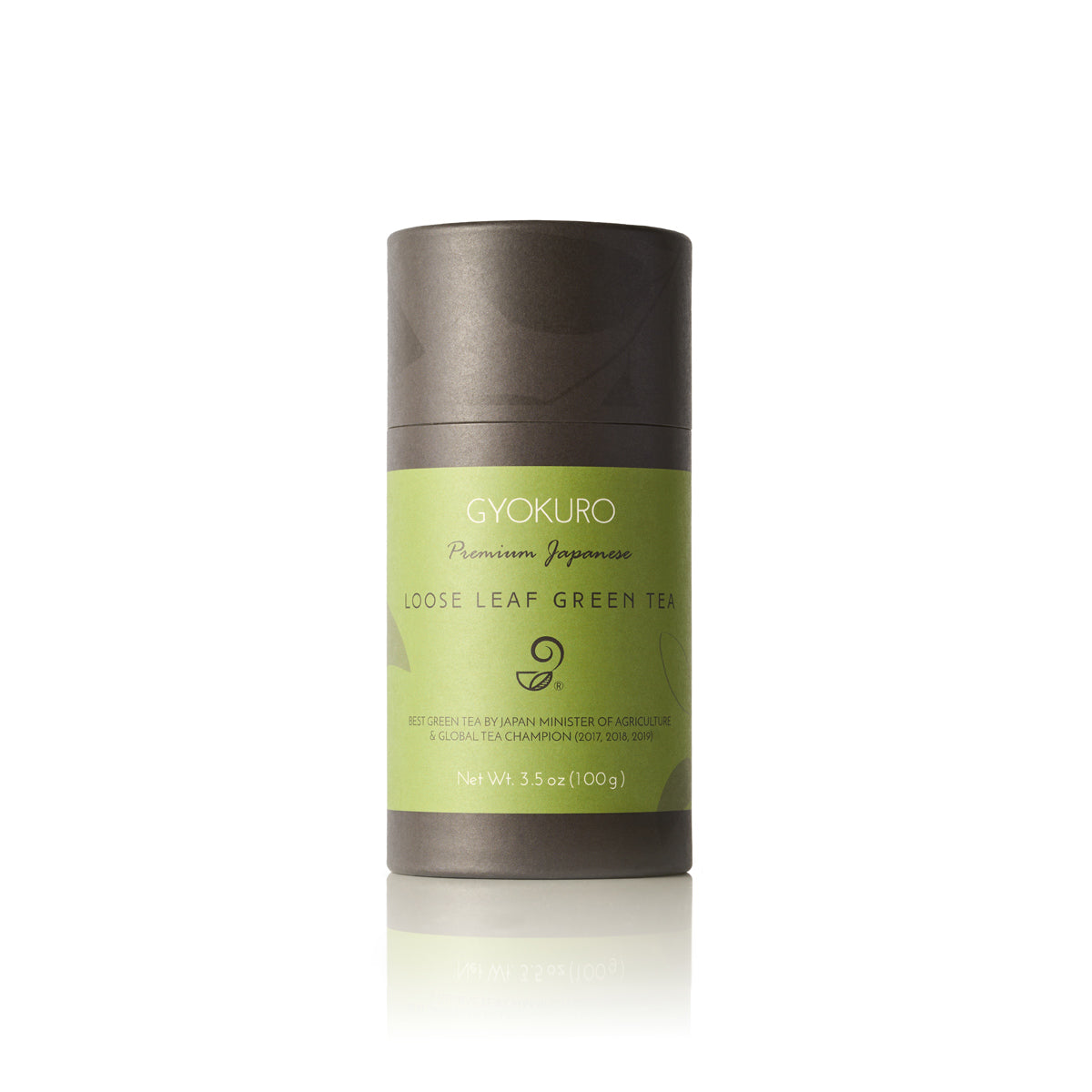
Gyokuro, also known as "jade dew" or "jewel dew tea," is a premium Japanese green tea shaded from the sun for 20 days using specially made mats, a method that boosts caffeine levels and strengthens amino acids to create a sweeter, richer flavor. This extended shading process results in dark, mossy green leaves with an unmistakable aroma and a complex taste that is layered yet balanced. Cultivated by the Chagusaba method in nutrient-rich sugarcane soil and made from the Yabukita cultivar, this loose-leaf authentic Gyokuro is offered in a high-quality, air-tight paper tube canister (chyazutsu) to preserve its exceptional freshness and flavor. Each 3.5 oz (100g) full-size package steeps 30–40 cups, and a convenient single-serve sample is also available.

45 reviews

Hojicha - Roasted Green Tea

$25.00
Quick view

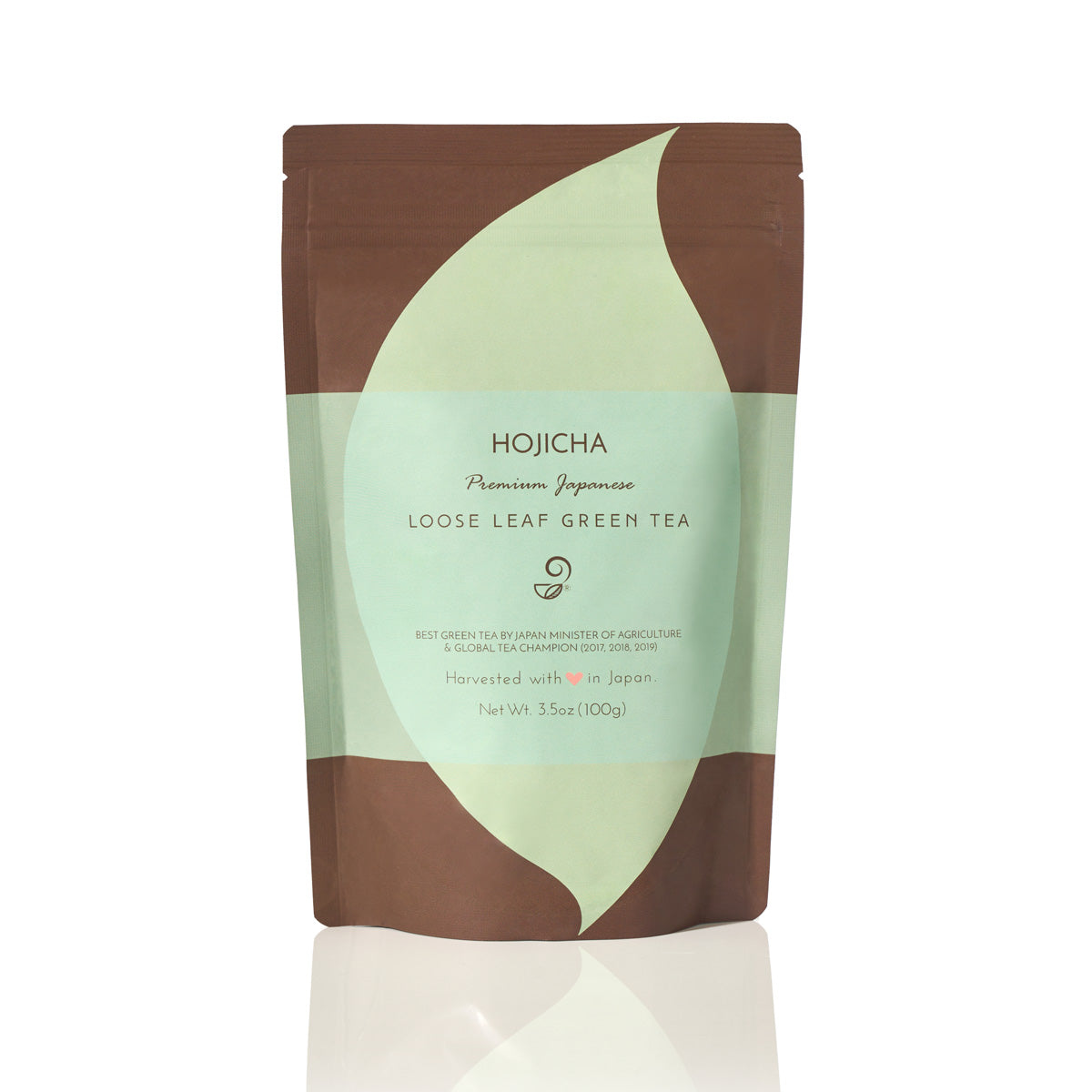
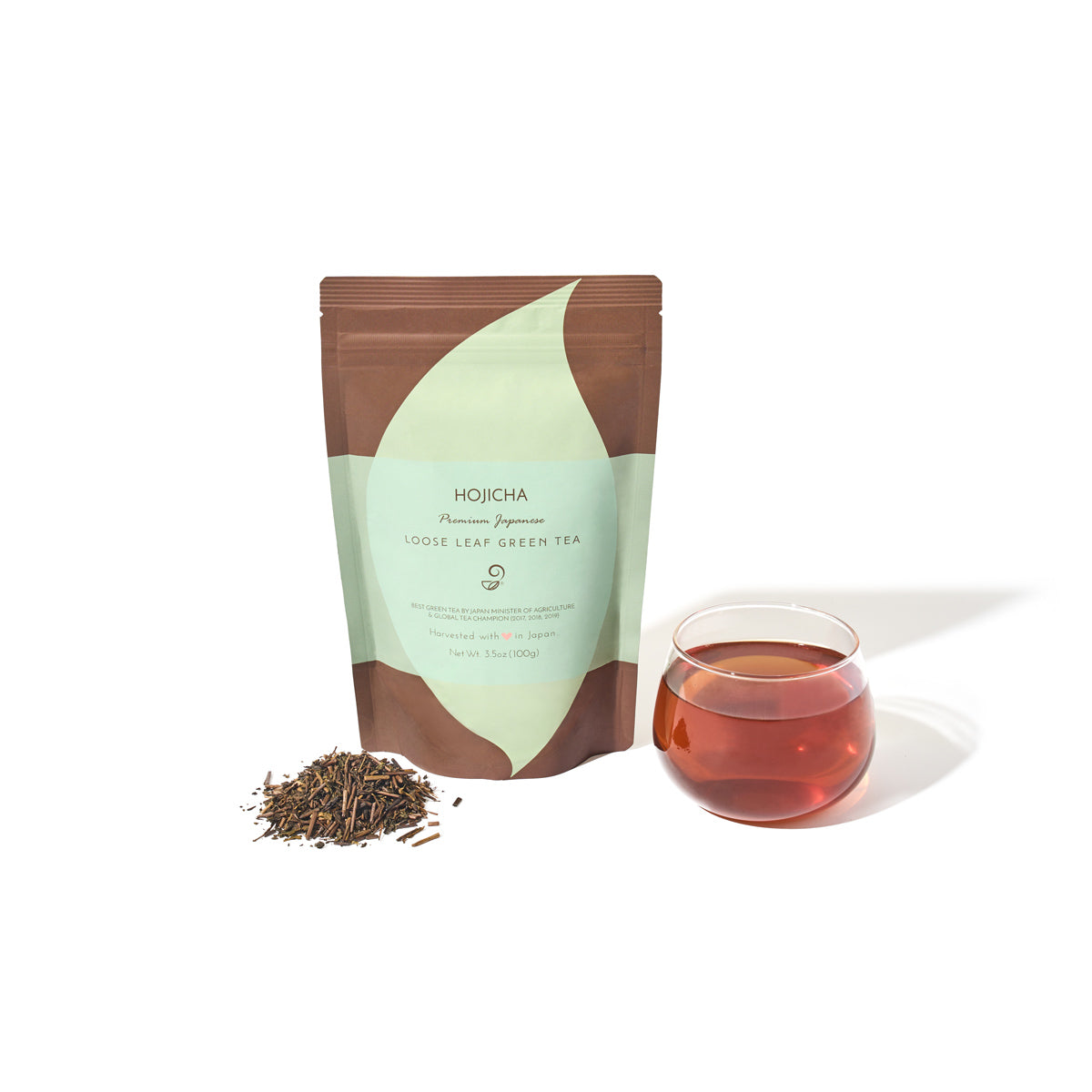
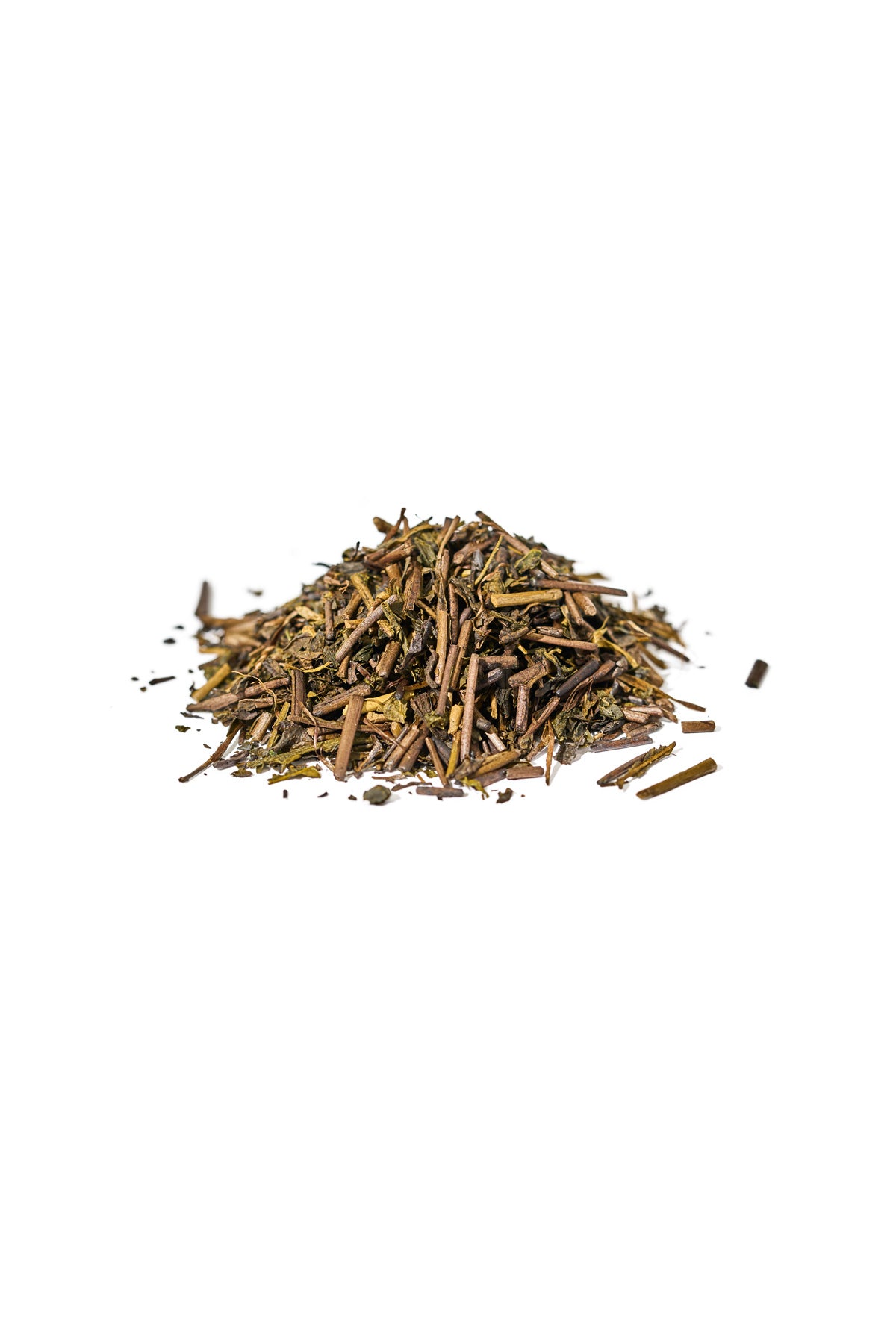
Our roasted green tea, known as hojicha (ほうじ茶), is crafted from freshly harvested premium green tea carefully roasted in porcelain over charcoal to maximize flavor while retaining more catechins than typical hojicha on the market. With lower caffeine and a smoother, less bitter taste compared to steamed green tea, it is an ideal choice for evening relaxation and is gentle enough for kids and pregnant women. Cultivated using the Chagusaba method in nutrient-rich sugarcane soil, this loose-leaf authentic Japanese roasted green tea, made from the Yabukita cultivar, also pairs beautifully with oily foods. Each eco-friendly resealable package contains 3.5 oz (100g) of tea, enough to steep 30–40 comforting cups.

80 reviews

Matcha - Ceremonial Japanese Powdered Green Tea

$39.00
Quick view

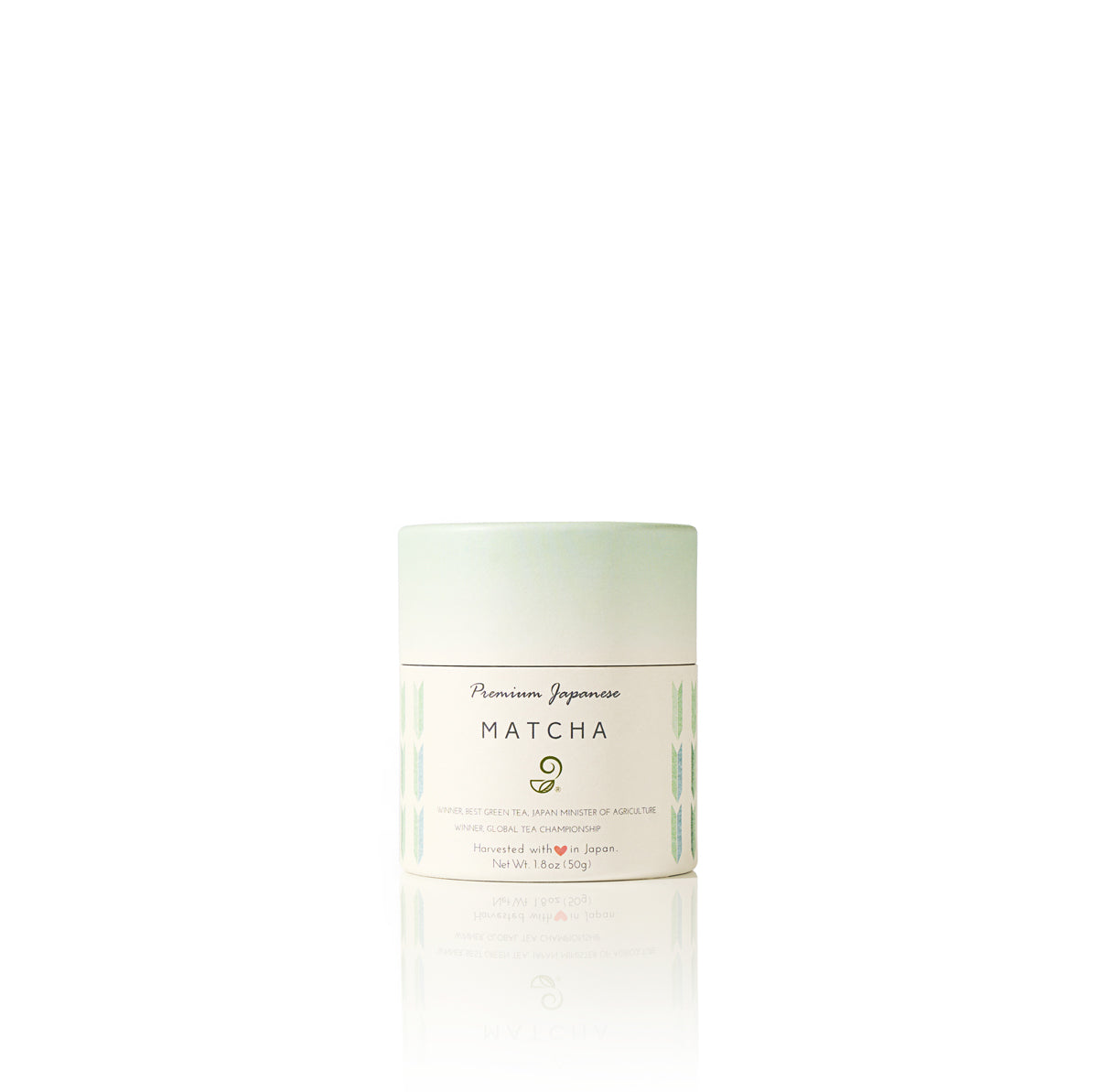
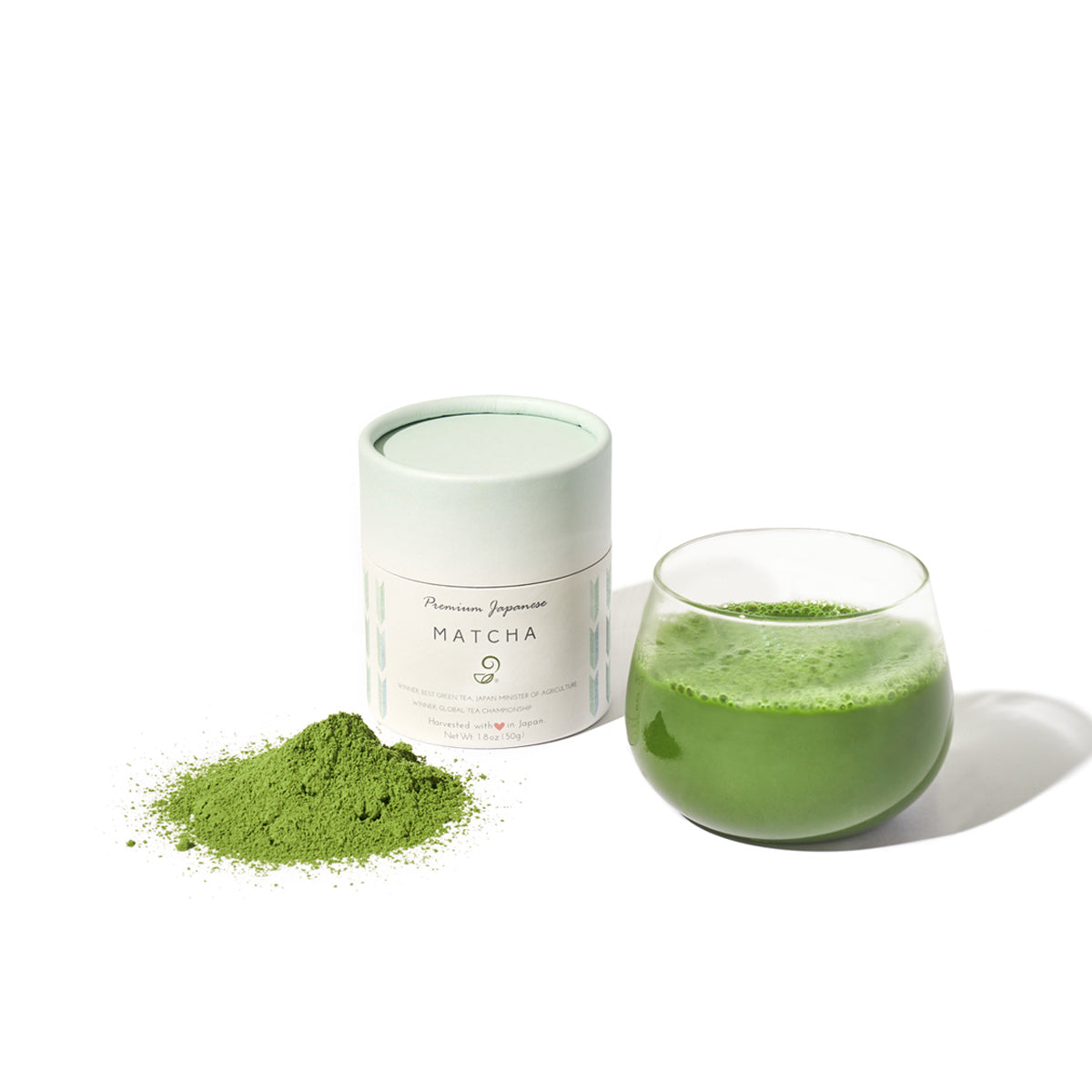
This ceremonial matcha is crafted from the finest Japanese green tea, grown in nutrient-rich soil enhanced with compostable grasses and sugarcane through the Chagusaba method, which gives the tea a natural sweetness and exceptional flavor. In collaboration with researchers from Shizuoka University, farmers ensure that the soil quality consistently produces tea of the highest standard.

Renowned among top Japanese chefs for its unmatched aroma, this matcha is made by carefully shading the plants before harvest to boost caffeine and amino acids, then meticulously drying, de-stemming, and grinding the leaves into a fine powder. Made from the Yabukita cultivar, this 1.8 oz (50g) matcha comes in a high-quality, air-tight paper tube canister, providing a luxurious and authentic Japanese tea experience.

42 reviews

Genmaicha - Green Tea with Roasted Brown Rice

$30.00
Quick view

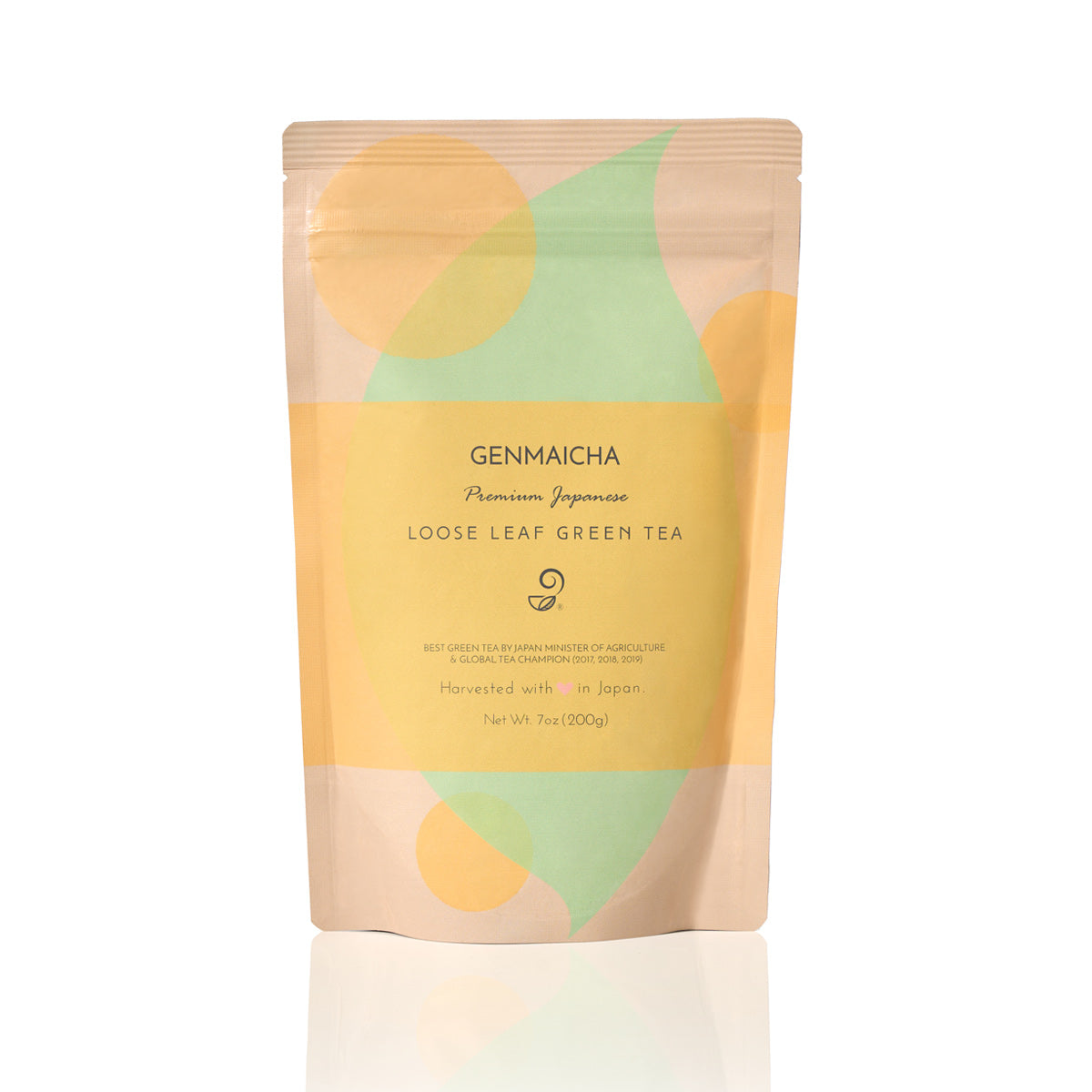
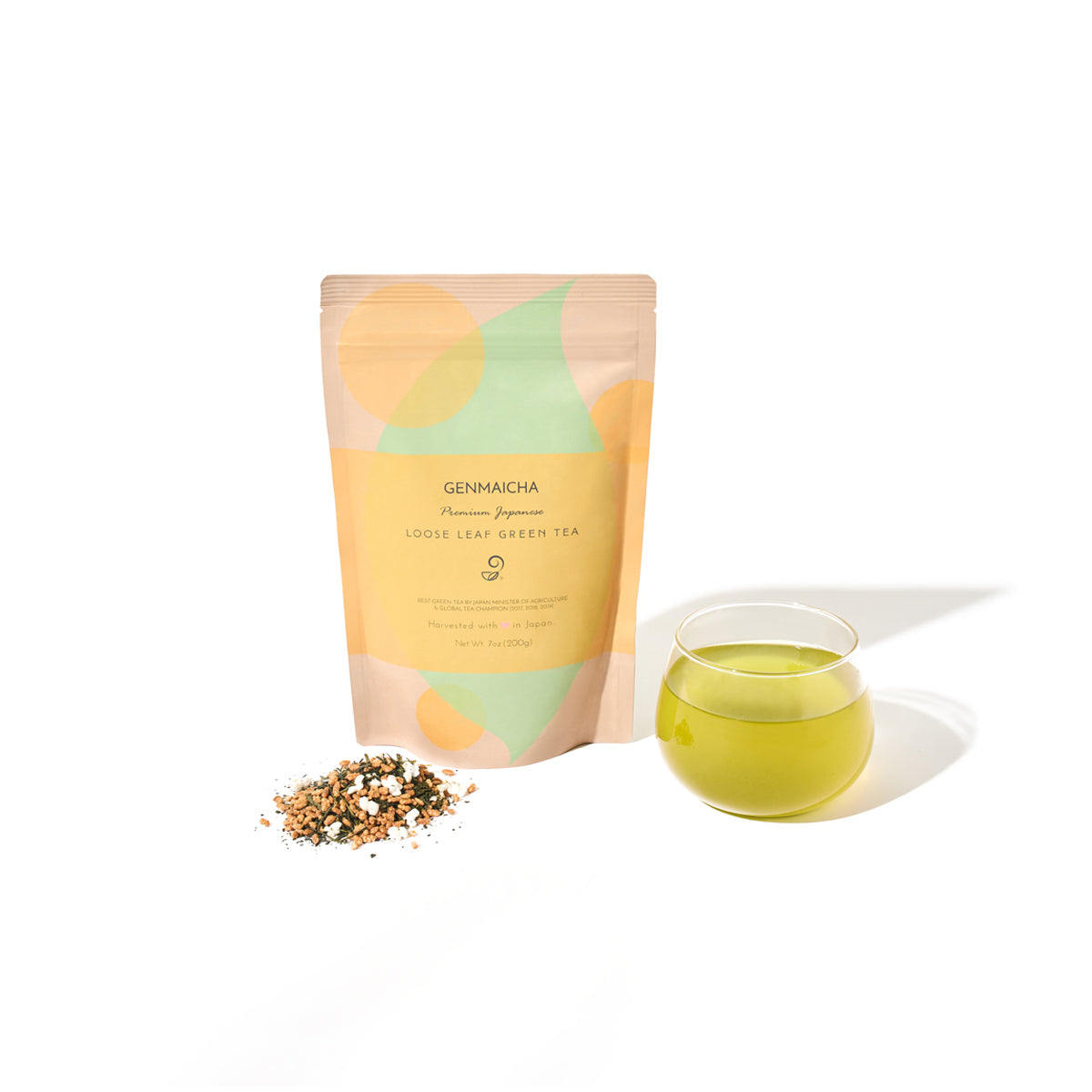
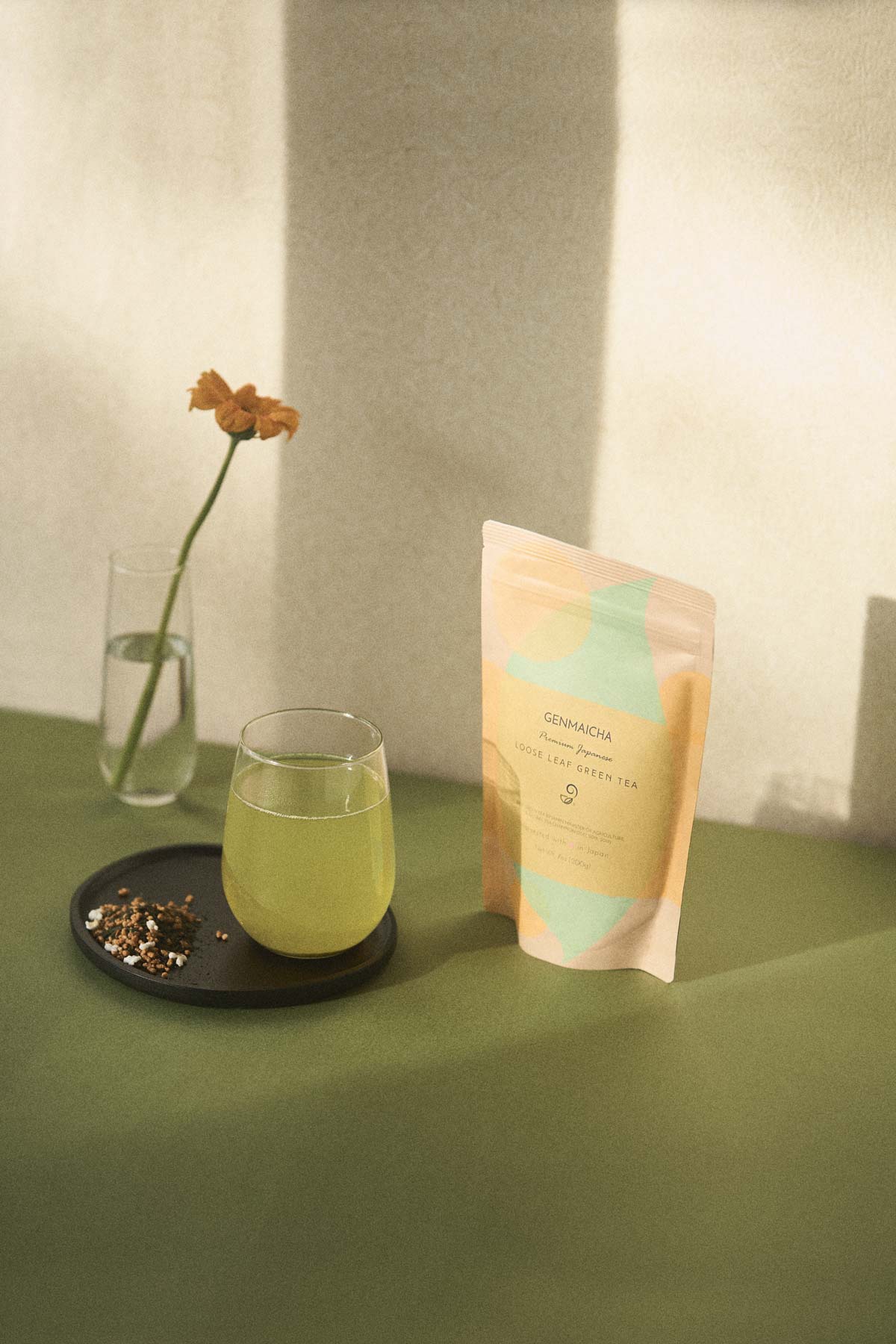
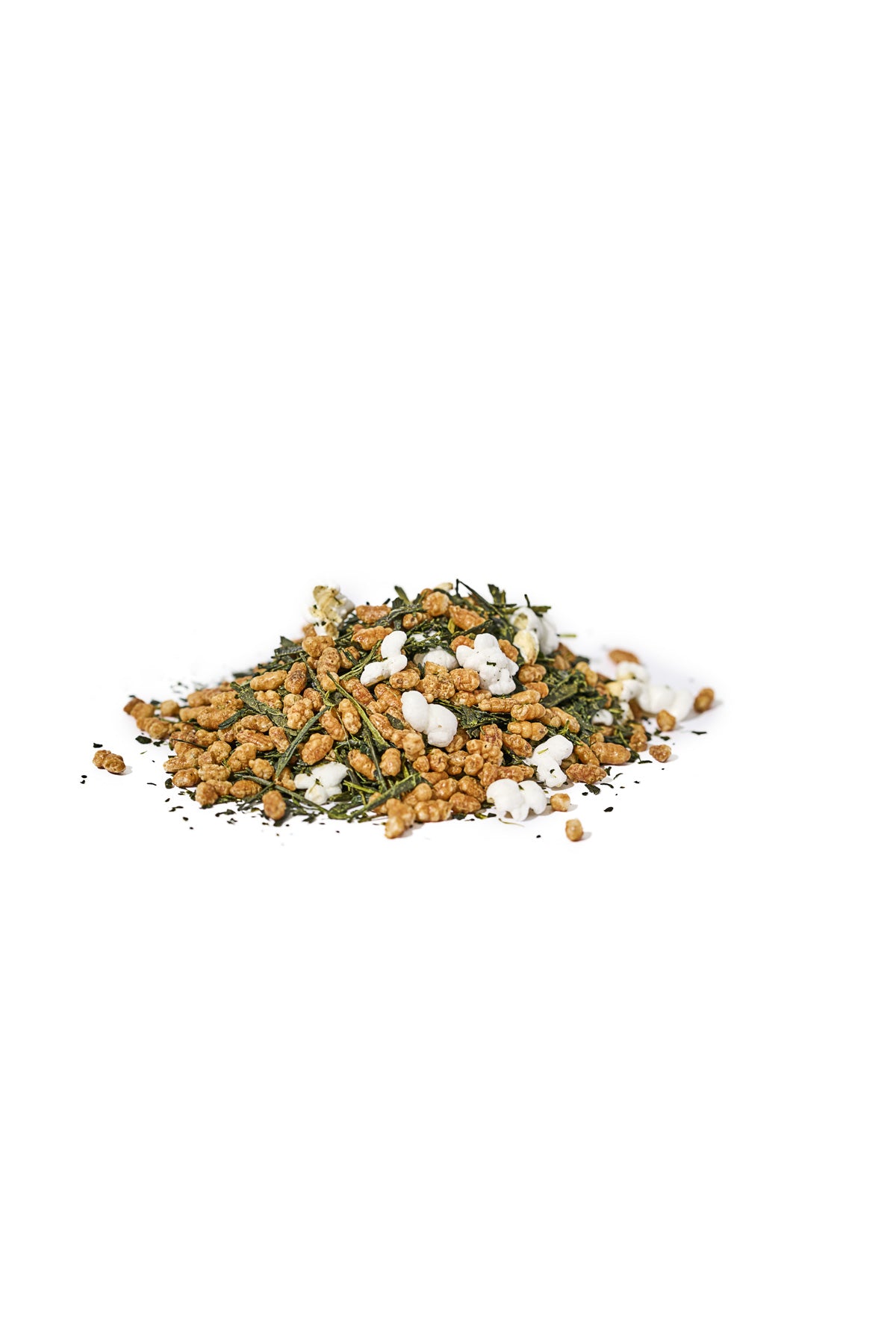
Our premium Japanese Genmaicha blends high-quality green tea with roasted popped brown rice (genmai 玄米), often nicknamed "popcorn tea" because the roasting process sounds like popcorn popping. Popular especially among the older generation in Japan for its mild flavor and lower caffeine content, this tea is easier on the stomach while still offering a rich, comforting taste. The brown rice used is premium Japanese mochi-gome (もち米) sticky rice, enhancing the tea’s nutty, aromatic profile. Made from Fukamushi Sencha and cultivated using the Chagusaba method in nutrient-rich sugarcane soil, this Genmaicha features the Yabukita cultivar and comes in a 7.0 oz (200g) eco-friendly resealable package, enough to steep 50–60 cups.

• Disclosure: I only recommend products I would use myself, and all opinions expressed here are my own. This post may contain affiliate links that I may earn a small commission at no additional cost to you.
The commission also supports us in producing better content when you buy through our site links.
Thanks for your support.
- Kei and Team at Japanese Green Tea Co.


Related Articles You May Be Interested

Is Green Tea Good for Arthritis Pain?
Does a Cup of Tea count as Water Intake? - Green Tea Quiz
Does Green Tea Make You Dehydrated?
Enhancing Your Mental Well-being with Tea: Advantages and Suggestions
Does green tea reduce stress?

Get Free Bonus Books

Join Green Tea Club

Sign up for free to the Green Tea Club to get advice and exclusive articles about how to choose Japanese Tea, and tips, tricks, and recipes for enjoying Japanese tea.

Unsubscribe anytime. It’s free!

Related Posts

Super Mario and Japanese Green Tea

Super Mario and green tea share a hometown! Watch our Yoshi Matcha Cookies video recipe + discover how Nintendo and matc

Read More
Our Matcha Is Now at Pillow Talk Cafe in Pasadena — Master Japanese-Inspired Cake Makers

Our matcha is now at Pillow Talk Cafe Pasadena! Meet the cafe, try the Egg Heaven sando & Matchamisu, and see how th

Read More
Simply Donabe — New Cookbook from TOIRO's Naoko-san Is Out!

Simply Donabe is here! We celebrated TOIRO's Naoko-san's new cookbook at a special dinner at Camélia in DTLA — see our p

Read More
Leave a comment

Your email address will not be published..

Cart

Your cart is currently empty.

Start Shopping

Select options