Skip to content

Does a Cup of Tea count as Water Intake? - Green Tea Quiz

Subscribe to Youtube See all videos

Does Tea Count As Water Intake?

The earth is made up of 75% water. That is how essential water is, not just for this world but for everyone’s body as well. A healthy lifestyle is not just about food intake, a proper diet, and exercise. Everyone is advised to also stay hydrated and to take note of their drinking water intake. However, such a concept of water intake should actually be fluid intake, to be more accurate, so to speak. Water can do wonders for the body, both inside and out. While one could keep you clean on the outside by bathing or washing, water could also definitely cleanse you on the inside.

Japanese Green Tea


Water is needed for every organ in our body to function. Every cell in your body also needs refreshment through water intake. Water lowers one’s blood pressure and keeps one away from any inflammation. It also flushes out toxins from your body. Water helps regulate body temperature, which is crucial for various bodily functions and overall health. While it varies from person to person and way of life, especially for those who are physically active and sweat a lot, not to mention the effect of extreme heat during summer, it is standard knowledge that a person must drink at least 8 glasses of water before, or 3 to 4 liters of water now, to be considered to have the right amount of water in the body.

With busy lifestyles and evolving beverage preferences, many people often reach for alternatives like tea, coffee, or flavored drinks instead of plain water. While it's easy to assume that only clear, tasteless water does the trick, the reality is more flexible. Beverages like tea, which are primarily made of water, play a significant role in meeting your daily hydration needs—especially when consumed without added sugars or heavy creamers. Understanding that fluid intake can come from various sources makes it easier and more enjoyable to stay hydrated throughout the day.

However, not all the time we do take a glass of water as our liquid intake in our bodies. So, have you ever wondered whether a cup of your favorite tea counts as water intake too? This article is written for you to find out.

It’s actually more accurate to say fluid intake

While there are various substitutes out there to count as fluid intake and not actually plain water intake, the water content of each consumable varies. On the other hand, we all know that a cup of tea has only two ingredients: tea leaves and water. Mostly, the cup of tea is made up of water; after all, it’s just leaves drenched in water. It is also consumed by drinking it like a glass of water, whether it is hot or cold. Black tea, for instance, is known for its hydration properties similar to other tea varieties.

Scientifically speaking, there is no requirement that the liquid intake to keep yourself healthy should only come from a glass of plain water, and like any drinks such as coffee, tea, or even soda or other water substances from various foods, usually vegetables and fruits, a cup of tea is considered to count as your daily water intake and will keep you hydrated too. Herbal teas are caffeine free and can be counted the same as water for hydration purposes.

In fact, hydration isn’t just about quenching thirst—it’s about maintaining the body’s fluid balance, and nearly any beverage that contributes to that balance can be included in your daily intake. The water used in brewing tea retains its hydrating properties, and depending on the type of tea, you may even receive added health benefits such as antioxidants, minerals, and calming effects. Whether you’re sipping on green tea in the morning or winding down with a cup of chamomile at night, each cup helps your body meet its fluid requirements in a flavorful and health-supportive way.

Moreover, the concept of fluid intake extends beyond just hydration—it also plays a vital role in nutrient absorption, digestion, and cellular health. Since tea is rich in water content and often infused with natural compounds like polyphenols, flavonoids, and amino acids, it not only replenishes lost fluids but also supports the body’s internal systems. For individuals who find it difficult to drink plain water throughout the day, incorporating tea into their routine can be a practical and enjoyable way to stay hydrated while gaining subtle yet impactful nutritional benefits.

There is always an excuse for more tea!

Myth busted

There are various articles or talks about staying away from caffeinated drinks if you want to stay hydrated, and coffee and tea are given a bad reputation for being diuretics or dehydrating one’s body by removing the water required for the body. However, it was only through recent studies that this myth was debunked. While a cup of tea might have an initial mild diuretic effect because of the caffeine content, which would make you urinate once you drink a cup of it, your body would still absorb the majority of the water from the cup of tea.

Tea and coffee also contribute to your daily fluid intake. Even so, just like drinking more glasses of water, drinking more cups of tea would allow you to urinate more, but together with the flushing out of toxins from your body, it is really just a matter of drinking more liquids to keep yourself hydrated and healthy and to urinate as one way to remove the harmful substances from your body.

green tea


In fact, around 7 to 9 cups of tea, which is more than the number of cups an average person would intake, would be the recommended healthy way of drinking tea on a daily basis. Hence, there is no need to worry about any dehydrating effect on one’s body by simply consuming a cup of tea. As long as one consumes less than 400mg of caffeine every day, it is totally safe to consume a few cups of tea on a daily basis.

What’s important to understand is that the body adapts to regular caffeine consumption over time. For habitual tea drinkers, the mild diuretic effect becomes even less significant, meaning the hydration benefits remain intact without causing excessive fluid loss. This adaptation helps explain why daily tea consumption is not only safe but beneficial, especially when paired with a balanced diet and active lifestyle. The idea that caffeinated beverages should be excluded from hydration counts is outdated and not supported by current research.

Moreover, certain types of tea, such as green, white, and herbal blends, often contain less caffeine than coffee or black tea, making them an even more hydrating option. Herbal teas, in particular, are entirely caffeine-free and provide additional calming, digestive, or detoxifying effects depending on the blend. This versatility allows tea drinkers to enjoy a variety of options throughout the day while supporting both hydration and wellness without the risks associated with excessive caffeine intake.

Conclusion

To sum up, taking the required number of glasses of water for your daily needs is challenging, but there are other alternatives out there that would count as water intake, such as a cup of tea. Tea also offers numerous nutritional benefits, including potential health benefits and the option to add natural flavorings without compromising its nutritional benefits. Drinking a cup of tea is counted as a water intake, and just to make sure that you are on the healthy side of drinking it, drink it without any added preservatives or processed sugar. Obviously, these refined substances would do you more harm than good.

Everything is recommended to be natural in order to naturally detoxify your body too! Also, while plain water is already a miracle wonder for so many benefits, adding tea leaves would surely provide more potential benefits for your health! While plain water could get rid of simple headaches or make your skin supple, green tea is found to have mental-health benefits for the drinker, such as reducing stress. Sports drinks can also be considered as an alternative hydrating option, especially during and after exercise, but they should be consumed in moderation due to their high sugar content.

Aside from its favorable taste, which is why green tea is a very popular drink nowadays, it promotes numerous health benefits, including neuroprotection, cholesterol-lowering properties, strong antioxidant capacity, quality emotional status, quality sleep, and suppression of hypertension. While plain water could make you feel full and thus help in maintaining one’s diet, a cup of green tea would surely be a natural diet booster because it contains bioactive substances like caffeine and EGCG, which can have powerful effects on metabolism and eventually reduce body fat. That is why, while both green tea leaves and plain water are natural fat burners by themselves, just imagine combining these two powerhouses when it comes to weight loss.

A cup of tea also helps in the regulation of cholesterol, aging, the reduction of the inflammatory response, and blood pressure. Surely, both youngsters must start developing the habit of taking care of their bodies to delay diseases of aging while making sure of the right fluid intake in the body. One could do this by drinking a cup of green tea. On the other hand, the older generation should drink this elixir to reduce further illnesses and cure whatever they uneasily feel in their bodies.

Frequently Asked Questions About Tea and Hydration

Does drinking tea count toward my daily water intake?

Yes, drinking tea does count toward your daily water intake. While plain water is the most straightforward way to stay hydrated, tea contributes to your overall fluid intake. Most teas are primarily composed of water and, despite containing some caffeine, they help keep you hydrated. Herbal teas, which are caffeine-free, are particularly effective in this regard. So, enjoying a cup of tea can be a valid part of your daily hydration strategy.

Can tea dehydrate me due to its caffeine content?

No, tea is unlikely to dehydrate you despite its caffeine content. Although caffeine has a mild diuretic effect, this does not negate the hydration benefits of tea. Recent studies show that the amount of water lost due to the caffeine in tea is minimal and does not outweigh the hydration provided by the beverage. As long as you drink tea in moderation (typically less than 400 mg of caffeine per day), it will contribute positively to your fluid intake.

Are there any additional benefits to drinking tea beyond hydration?

Yes, tea offers several additional health benefits beyond hydration. For example, green tea is rich in antioxidants and bioactive compounds like caffeine and EGCG, which may help boost metabolism, reduce body fat, improve mental alertness, and support cardiovascular health. Drinking tea regularly can also aid in regulating cholesterol levels, reducing inflammation, and promoting overall well-being. However, to maximize these benefits, it's best to avoid adding excessive sugar or preservatives to your tea.

How many cups of tea can I safely drink in a day?

 Most health experts agree that up to 3–5 cups of tea per day is safe for the average person and provides a range of hydration and health benefits. However, this can vary based on the type of tea and your sensitivity to caffeine. If you're drinking green or black tea, keeping your daily caffeine intake below 400 mg is recommended. Herbal teas, being caffeine-free, can be consumed more liberally throughout the day without concern.

Is it better to drink hot tea or iced tea for hydration?

 Both hot and iced tea are equally hydrating, as their water content remains the same regardless of temperature. The choice between hot and iced tea often comes down to personal preference or seasonal comfort. Just ensure that iced teas—especially store-bought ones—are not loaded with added sugars, which can offset the health benefits. Homemade versions are often the healthiest and most hydrating option.

Can I replace water completely with tea throughout the day?

 While tea is a great contributor to your daily fluid intake, it’s still advisable to include plain water as part of your hydration routine. Tea contains compounds like caffeine and tannins, which may affect certain individuals if consumed in very large amounts. A balanced approach—incorporating both water and tea—is the best way to stay hydrated while also enjoying the added benefits of tea.

Related products

8 reviews

The Sencha Lover Gift Set - Premium Japanese Green Tea Set Package
$179.00 $159.99
Quick view

This tea set features three exceptional Japanese green teas, each crafted with care and traditional techniques. Issaku Reserve, a Global Tea Champion winner in 2017 and 2019, is a rare masterpiece created by Farm Master Mr. Arahata at Arahataen Green Tea Farm. Handpicked once a year from the first flush and processed with advanced methods, Issaku represents the highest-grade deep-steamed green tea, available only in limited quantities even in Japan.

The set also includes Gyokuro, a premium shaded green tea known for its rich, sweet flavor and deep mossy green color. Grown under special mats for 20 days to increase caffeine and amino acid levels, Gyokuro offers a layered, smooth taste unlike any other. Completing the collection is Nozomi, a fine Kabuse-cha, or "Covered Green Tea," carefully grown under nets to gently shade the leaves just before new sprouts emerge, resulting in a soft, rich, and refined flavor profile.

97 reviews

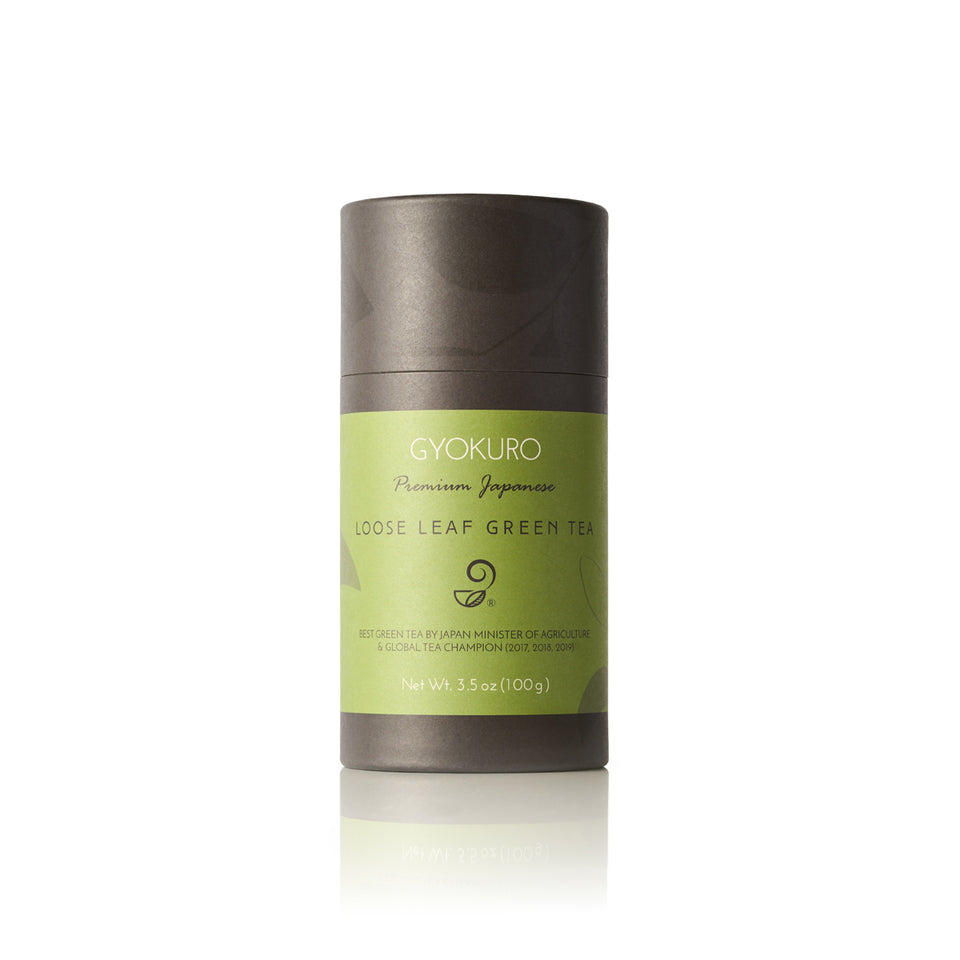
Gyokuro - Shaded Imperial Premium Green Tea

$65.00
Quick view

Gyokuro, also known as "jade dew" or "jewel dew tea," is a premium Japanese green tea shaded from the sun for 20 days using specially made mats, a method that boosts caffeine levels and strengthens amino acids to create a sweeter, richer flavor. This extended shading process results in dark, mossy green leaves with an unmistakable aroma and a complex taste that is layered yet balanced. Cultivated by the Chagusaba method in nutrient-rich sugarcane soil and made from the Yabukita cultivar, this loose-leaf authentic Gyokuro is offered in a high-quality, air-tight paper tube canister (chyazutsu) to preserve its exceptional freshness and flavor. Each 3.5 oz (100g) full-size package steeps 30–40 cups, and a convenient single-serve sample is also available.

45 reviews

Hojicha - Roasted Green Tea

$25.00
Quick view

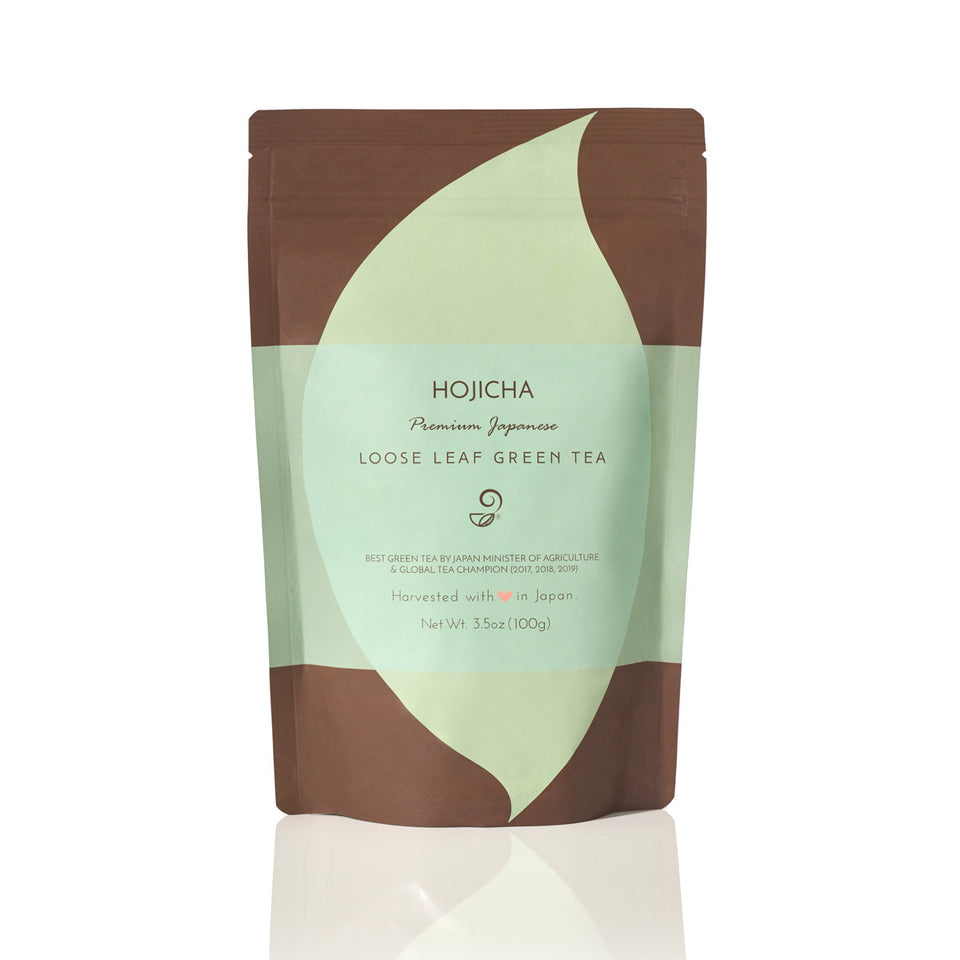
Our roasted green tea, known as hojicha (ほうじ茶), is crafted from freshly harvested premium green tea carefully roasted in porcelain over charcoal to maximize flavor while retaining more catechins than typical hojicha on the market. With lower caffeine and a smoother, less bitter taste compared to steamed green tea, it is an ideal choice for evening relaxation and is gentle enough for kids and pregnant women. Cultivated using the Chagusaba method in nutrient-rich sugarcane soil, this loose-leaf authentic Japanese roasted green tea, made from the Yabukita cultivar, also pairs beautifully with oily foods. Each eco-friendly resealable package contains 3.5 oz (100g) of tea, enough to steep 30–40 comforting cups.

80 reviews

Matcha - Ceremonial Japanese Powdered Green Tea

$39.00
Quick view

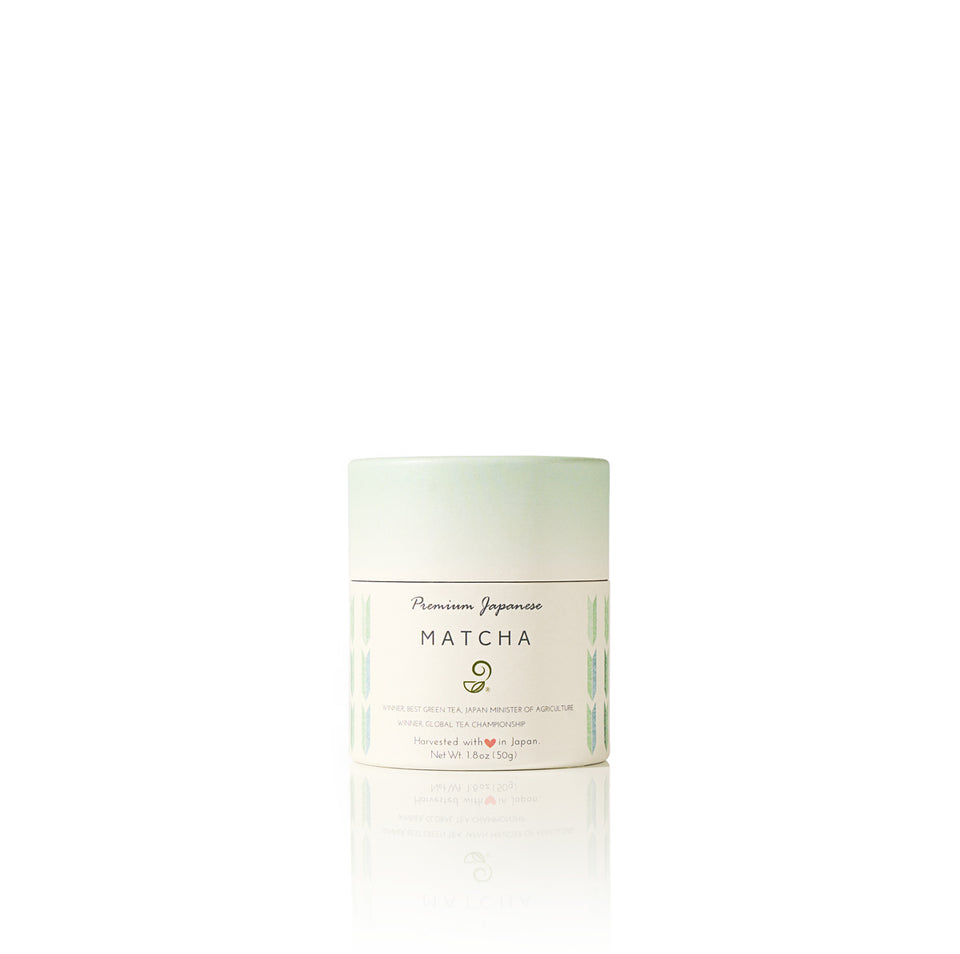
This ceremonial matcha is crafted from the finest Japanese green tea, grown in nutrient-rich soil enhanced with compostable grasses and sugarcane through the Chagusaba method, which gives the tea a natural sweetness and exceptional flavor. In collaboration with researchers from Shizuoka University, farmers ensure that the soil quality consistently produces tea of the highest standard.

Renowned among top Japanese chefs for its unmatched aroma, this matcha is made by carefully shading the plants before harvest to boost caffeine and amino acids, then meticulously drying, de-stemming, and grinding the leaves into a fine powder. Made from the Yabukita cultivar, this 1.8 oz (50g) matcha comes in a high-quality, air-tight paper tube canister, providing a luxurious and authentic Japanese tea experience.

42 reviews

Genmaicha - Green Tea with Roasted Brown Rice

$30.00
Quick view

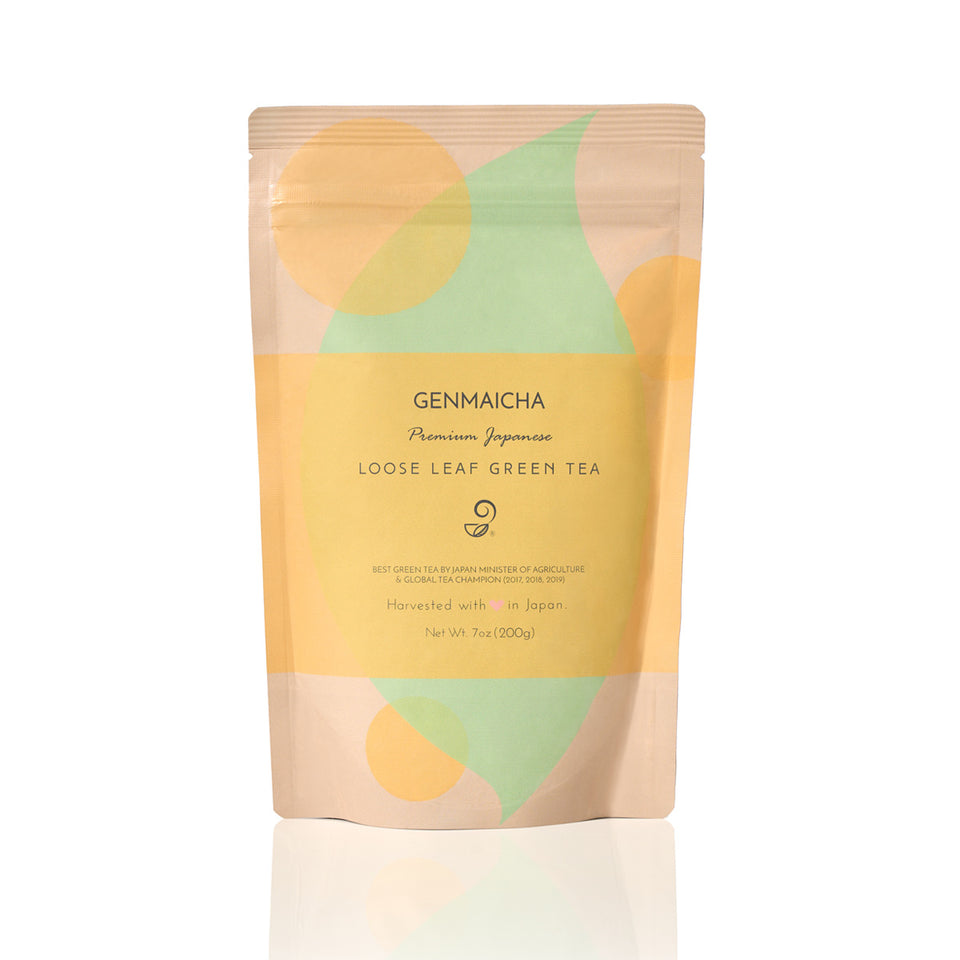
Our premium Japanese Genmaicha blends high-quality green tea with roasted popped brown rice (genmai 玄米), often nicknamed "popcorn tea" because the roasting process sounds like popcorn popping. Popular especially among the older generation in Japan for its mild flavor and lower caffeine content, this tea is easier on the stomach while still offering a rich, comforting taste. The brown rice used is premium Japanese mochi-gome (もち米) sticky rice, enhancing the tea’s nutty, aromatic profile. Made from Fukamushi Sencha and cultivated using the Chagusaba method in nutrient-rich sugarcane soil, this Genmaicha features the Yabukita cultivar and comes in a 7.0 oz (200g) eco-friendly resealable package, enough to steep 50–60 cups.


Related Articles You May Be Interested

What Water Filter to Use for Brewing Tasty Japanese Green Tea?
Which Tea Kettle Should I Use to Brew Japanese Green Tea?
Is Drinking Green Tea with Milk Bad For You? - Green Tea Quiz
Will I Lose Weight Faster if I had Lemon or Ginger to Green Tea? - Green Tea Quiz
Should You Drink Your Tea Before or After You Eat? – Green Tea Quiz

Get Free Bonus Books

Join Green Tea Club

Sign up for free to the Green Tea Club to get advice and exclusive articles about how to choose Japanese Tea, and tips, tricks, and recipes for enjoying Japanese tea.

Unsubscribe anytime. It’s free!

About the author

Kei Nishida

Kei Nishida

Author, CEO Dream of Japan

info@japanesegreenteain.com

Certification: PMP, BS in Computer Science

Education: Western Washington University

Kei Nishida is a passionate Japanese green tea connoisseur, writer, and the founder and CEO of Japanese Green Tea Co., a Dream of Japan Company.

Driven by a deep desire to share the rich flavors of his homeland, he established the only company that sources premium tea grown in nutrient-rich sugarcane soil—earning multiple Global Tea Champion awards.

Expanding his mission of introducing Japan’s finest to the world, Kei pioneered the launch of the first-ever Sumiyaki charcoal-roasted coffee through Japanese Coffee Co. He also brought the artistry of traditional Japanese craftsmanship to the global market by making katana-style handmade knives—crafted by a renowned katana maker—available outside Japan for the first time through Japanese Knife Co.

Kei’s journey continues as he uncovers and shares Japan’s hidden treasures with the world.

Learn more about Kei Nishida

Related Posts

OC Japan Fair April 2026 — Visit Us at Booth #A8!
OC Japan Fair Spring 2026 Recap (April 3 - 5 2026)

We were at OC Japan Fair again! April 3-5 2026 with new products, Miki Pon's art debut and more. Here is a recap video f

Read More
Super Mario and Japanese Green Tea

Super Mario and green tea share a hometown! Watch our Yoshi Matcha Cookies video recipe + discover how Nintendo and matc

Read More
Our Matcha Is Now at Pillow Talk Cafe in Pasadena — Master Japanese-Inspired Cake Makers

Our matcha is now at Pillow Talk Cafe Pasadena! Meet the cafe, try the Egg Heaven sando & Matchamisu, and see how th

Read More
Leave a comment

Your email address will not be published..

Cart

Your cart is currently empty.

Start Shopping

Select options