Skip to content

Tea for Students - How Not to Fall Asleep Before Preparing for the Session and Tests


Studying for examinations and maintaining concentration during study sessions can be daunting, whether you are a student or a working professional. The challenge of retaining focus and vigor throughout extended study periods is undeniable. However, various uncomplicated remedies can aid in remaining awake and productive. One such treatment involves partaking in Japanese tea, specifically matcha. Matcha, a Japanese tea, is celebrated for its calming and refreshing qualities.

This article will explore how tea can assist students in remaining alert and focused throughout study sessions and tests.

The Importance of Staying Awake and Focused

As we explore various tea types that can aid in maintaining wakefulness and concentration, it is imperative to comprehend the significance of remaining alert and focused, particularly for academic triumph. Students' ability to retain information is substantially impaired when they need more attention. The brain's processing power is insufficient, leading to poorer academic performance and lower test scores.

studying while drinking green tea

Furthermore, insufficient sleep may result in unfavorable outcomes such as amplified stress, anxiety, and depression. As a student, it is crucial to prioritize both physical and mental health to accomplish academic aspirations, and when overwhelmed by academic pressure, you can also seek professional support to write my thesis for me.

Matcha Tea - A Powerful Beverage for Students

Matcha tea is a distinct variant of Japanese tea that is pulverized into a fine powder. This tea is notable for its elevated levels of caffeine, which endows it with potent energizing properties. In contrast to coffee, matcha tea is enriched with an amino acid, L-theanine, renowned for its anxiety- and stress-reducing effects. The amalgamation of caffeine and L-theanine yields a formidable concoction that is particularly conducive to scholars who seek to remain alert and focused during their study sessions and examinations.

While tea can undoubtedly boost one's mood, it can also pose an obstacle when completing extra papers. In such circumstances, seeking assistance is beneficial. However, identifying a trustworthy website for aid can take time and effort. To discover a genuinely dependable assistant, one must formulate their request accurately within the search network and thoroughly evaluate reviews on various websites. A possible formulation of the proposal could be "Is speedypaper legit?" which would provide an instant answer on the service's safety, enabling you to compare reviews online and complete your papers effectively and securely.

drinking green tea and studying for exam

The Science Behind Matcha Tea

Matcha tea is a beverage that contains various substances that may improve cognitive performance and vitality. One of these substances is caffeine, which has well-known stimulating effects. Caffeine acts by obstructing the adenosine neurotransmitter, which induces lethargy and drowsiness. Its obstruction leads to heightened attentiveness and concentration.

Another substance in matcha tea is L-theanine, an amino acid known for its tranquilizing properties, which may alleviate stress and anxiety. When combined with caffeine, L-theanine promotes a state of composure and concentration that is highly beneficial for academic activities such as learning and examinations.

Brew Your Tea Correctly

To attain the optimal benefits from your tea, it is crucial to steep it correctly. It is essential to adhere to the instructions on the tea packaging, as diverse types of tea necessitate different steeping durations and water temperatures. If you steep your tea for too long, it can culminate in a harsh aftertaste, while a short steeping period may yield a soft cup of tea with less caffeine content. By adequately steeping your tea, you will ensure that you obtain the highest level of benefits from the tea.

Tips for Brewing Matcha Tea

Brewing matcha tea is a simple process, but it requires some practice to get it right. Here are some tips for brewing matcha tea:

  1. Use high-quality matcha tea: High-quality matcha tea can be expensive but worth the investment. Look for matcha tea that is bright green and has a smooth texture.
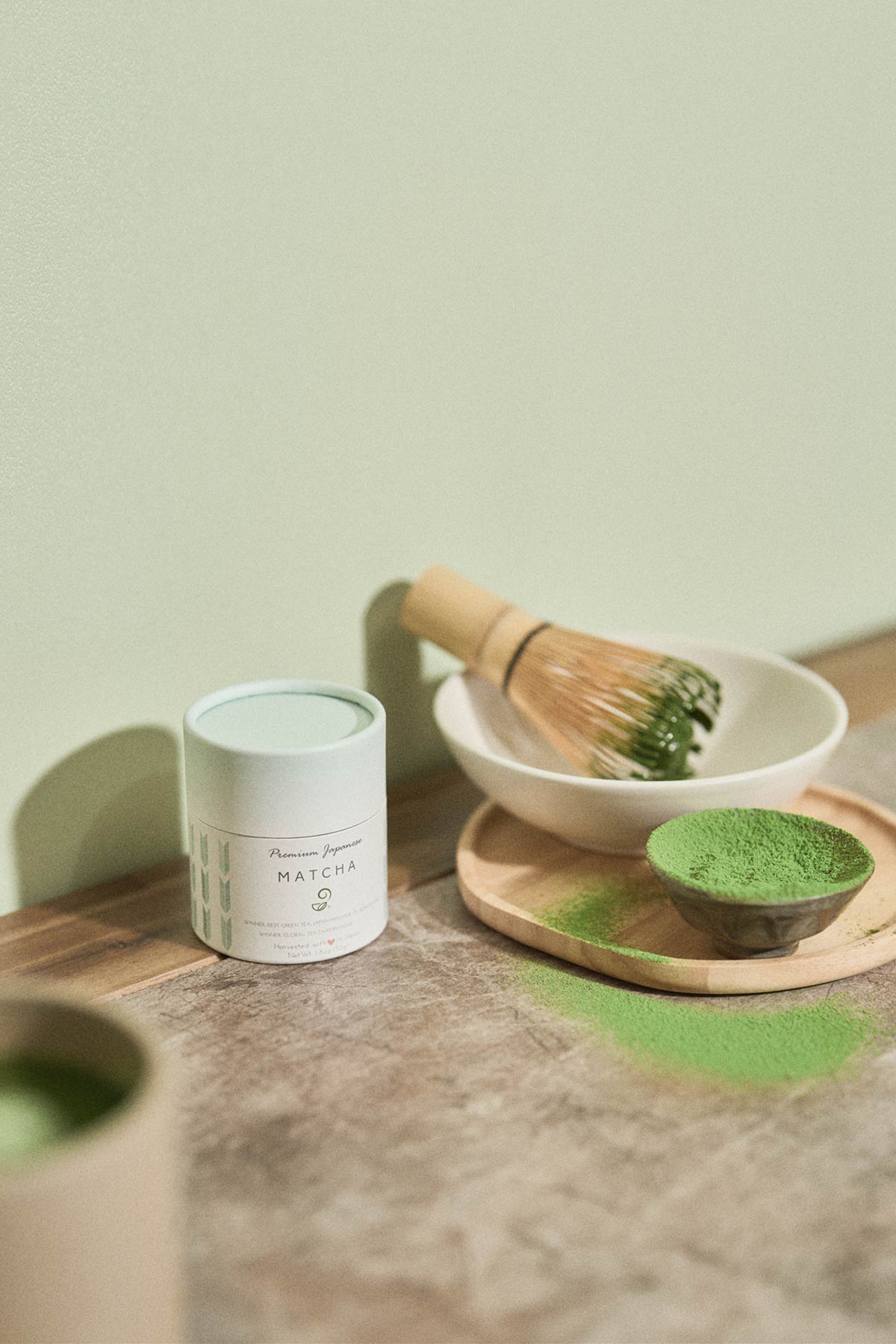
  2. Use the right tools: Matcha tea requires special tools, including a bamboo whisk, a small bowl, and a sifter. These tools can be found online or at a specialty tea store.
  3. Sift the matcha tea: Sifting the matcha tea before whisking it will help to remove any lumps and create a smooth texture.
  4. Use hot (not boiling) water: Matcha tea should be brewed with hot (not boiling) water. Water that is too hot can destroy the flavor and texture of the tea.
  5. Whisk vigorously: Whisking the matcha tea vigorously will help to create a frothy texture and blend the tea evenly.

studying at green tea cafe

Other Types of Japanese Tea

While matcha tea may be the most popular manifestation of Japanese tea, several alternative tea breeds can prove advantageous for scholars. A few examples of these Japanese teas and their respective advantages include:

  • Sencha: Sencha is a type of verdant tea distinguished by its elevated antioxidant concentration. These antioxidants serve to enhance cerebral aptitude and diminish inflammation.
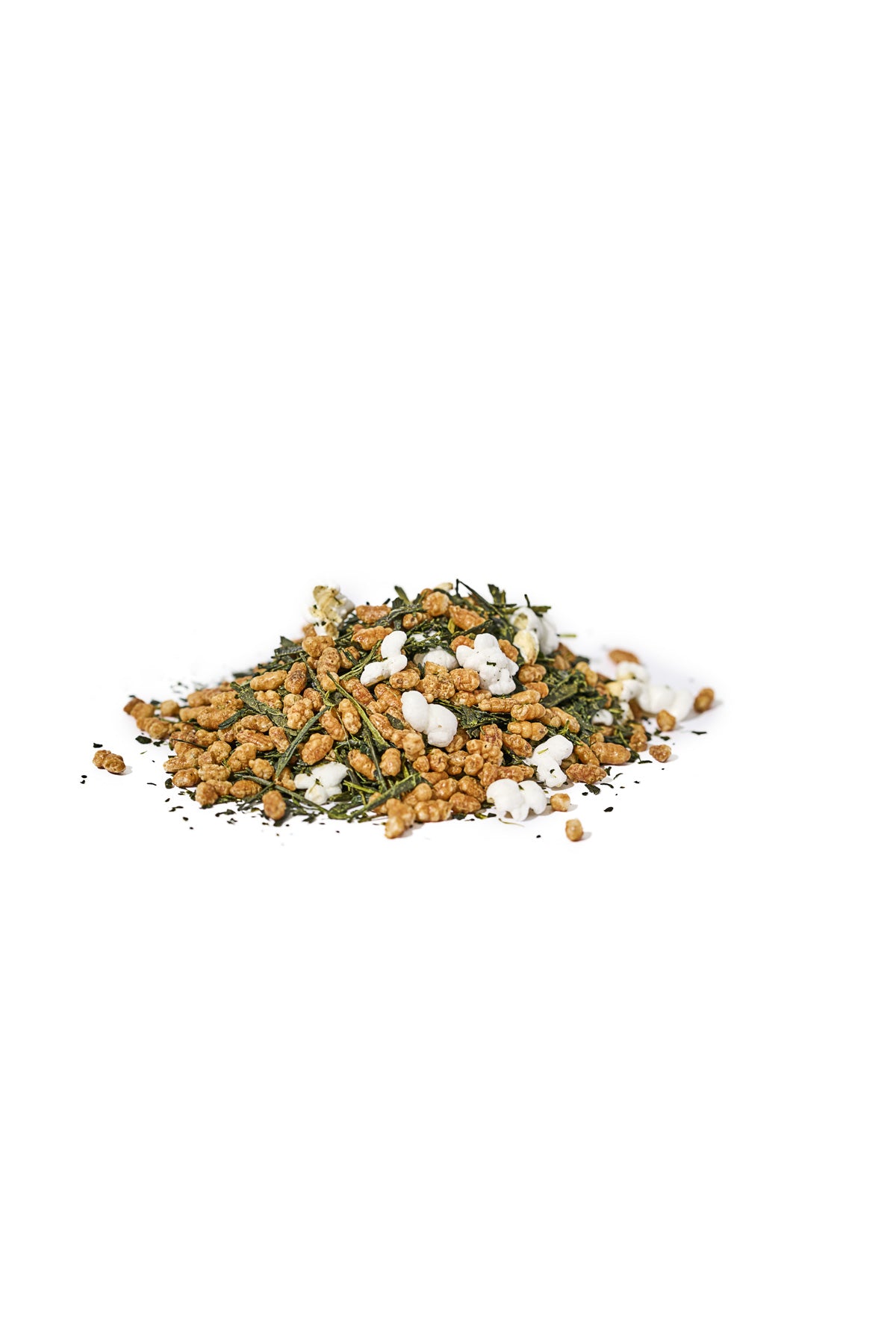
  • Genmaicha: Genmaicha is green tea amalgamated with grilled brown rice. The tea's nutty relish and tranquilizing features are its notable attributes.
  • Hojicha: Hojicha is a grilled green tea that exudes a smoky flavor. This tea variety contains minimal caffeine, making it an optimal option for students with a sensitivity to caffeine.

    Avoid Adding Too Much Sugar

    Adding excessive amounts of sugar or honey to your cup of tea may positively affect its taste, but it is crucial to exercise moderation. Consuming copious amounts of sugar can result in a sudden drop in energy levels, leaving you feeling even more sluggish and tired than before. Alternatively, add a minimal amount of honey or a natural sweetener, such as stevia, to enhance the flavor profile of your tea without inducing a sugar crash.

    Additional Tips

    Many methods exist to promote alertness and concentration beyond merely drinking Japanese tea while studying and taking exams. Additional recommendations are as follows:

    • Incorporate breaks into study sessions: Integrating brief pauses every 30-45 minutes can augment productivity and focus. Utilize this time to engage in light physical activity, stretch, or take a short walk.
    • Prioritize sufficient sleep: Adequate sleep is a crucial component of academic prosperity. It is advised to attain 7-8 hours of sleep every night and to maintain a steady sleep routine.
    • Ensure proper hydration: Staying hydrated by consuming substantial amounts of water can bolster cognitive abilities and diminish lethargy.
    • Consume a balanced diet: A balanced diet abundant in fruits, vegetables, and whole grains can heighten energy levels and cognitive function.
    • Implement study aids: Using study aids, such as flashcards, study guides, and practice exams, can improve the capacity for retention and recall.

      Conclusion

      Studying for exams and maintaining focus during prolonged study sessions can present a formidable challenge, but it is a prerequisite for academic success. Japanese tea, mainly matcha tea, can be a potent weapon in the arsenal of pupils who need to remain alert and attentive.

      Other pointers, including taking periodic rests, receiving sufficient slumber, staying adequately hydrated, consuming a balanced diet, and employing educational aids, may also prove beneficial. Incorporating these recommendations into your study regimen can enhance your academic performance and help you realize your ambitions.


      FAQs about Tea for Students and Studying

      Is green tea actually better than coffee for studying?

      For sustained focus over hours, yes. Coffee delivers a sharper acute alertness peak (best for the first hour of a study session) but tapers off harder and produces an afternoon crash that hurts the rest of the study day. Green tea (especially matcha) delivers flatter, longer-duration alertness from the L-theanine + caffeine combination — better for 4-8 hour study sessions where sustained focus matters more than peak intensity.

      Many students find their study output is actually higher with tea than coffee, even though it feels less energetic. The calmer alertness reduces context-switching costs and prevents the afternoon dip that wastes 2-3 productive hours.

      If your study style is short bursts (30-60 minute Pomodoro sessions with breaks), coffee can serve well. If your study style is extended deep work (3+ hours of focused study), tea is usually the better tool. Match the beverage to your study pattern.

      Which Japanese tea is best for late-night studying?

      Hojicha (ほうじ茶), strongly. The naturally low caffeine content (7-10 mg per cup vs 25-35 mg in standard sencha) means you can drink hojicha late into the evening without disrupting sleep when you finally stop studying. The L-theanine is still present, providing the focus benefit without the caffeine cost. The hojicha loose leaf is what most committed evening-tea-drinkers reach for.

      Genmaicha (sencha + brown rice) is the second-best evening option — slightly more caffeine than hojicha but still meaningfully less than standard sencha. The toasted-rice flavor is comforting during long study sessions.

      Avoid: matcha late at night. The concentrated caffeine (60-80 mg per bowl) can disrupt sleep architecture even after you fall asleep. If you absolutely need maximum focus for an evening study session, matcha works for the next 4-6 hours but comes with a sleep-quality cost. Use sparingly.

      What's the right tea timing during a study session?

      Initial cup at the start of the session (the alertness ramp-up matters most for getting into focus). Second cup 90-120 minutes in, when the first cup's effect starts tapering. Third cup at the 4-hour mark if you're still studying. Avoid drinking continuously — let each cup do its work before adding more.

      Cold brewing a large pitcher of sencha on Sunday and refrigerating it for the week is the practical pattern many students use. Cold-brew sencha pours from the fridge in 5 seconds, no preparation time during study sessions, and the lower temperature is gentler on the stomach during long sitting hours.

      If you study late, switch from sencha to hojicha at around 7-8 PM. Same ritual, much lower caffeine, doesn't disrupt the eventual sleep. Many committed student tea drinkers maintain two daily teas — sencha for daytime study, hojicha for evening study.

      Are there other compounds that combine well with green tea for studying?

      L-theanine supplements work alongside green tea — adding 100-200 mg of pure L-theanine to your morning matcha amplifies the calm-focus effect without adding more caffeine. This is the cleanest stack for sustained study work and is what many nootropic-interested students use.

      Theanine + caffeine combinations are also sold pre-formulated as study supplements (Lift Mode, NooCube, others). These work the same way as tea + theanine supplement but in tablet form. Personally I prefer the actual tea ritual (the pause to brew is a useful study break) but the supplement option exists.

      Avoid stacking with: nicotine (synergizes too aggressively, easy to over-stimulate), high-dose caffeine pills (you're already getting enough caffeine from tea), modafinil or prescription stimulants (only with medical guidance, never with self-prescribed tea+caffeine combinations).

      Does drinking green tea actually improve memory or just keep you awake?

      Both, modestly. The acute alertness effect (staying awake during long study sessions) is the obvious immediate benefit. Beyond that, multiple studies show that L-theanine + caffeine improves working memory and attention span during cognitive tasks — measurably better performance on memory tests after green tea consumption compared to placebo or pure caffeine.

      Sustained daily green tea consumption may also support long-term cognitive function. EGCG has documented neuroprotective effects in animal studies, and large epidemiological studies show modestly slower cognitive decline in regular green tea drinkers compared to non-drinkers. Effect sizes are small but real over years of consistent intake.

      Practical: green tea won't make you smarter, but it can make you more effective at studying for the time you're studying. The compound effect — better study sessions accumulating into more learning over years — is where the real benefit lives. Treat tea as a study-quality multiplier rather than a learning shortcut.

      Related products

      45 reviews

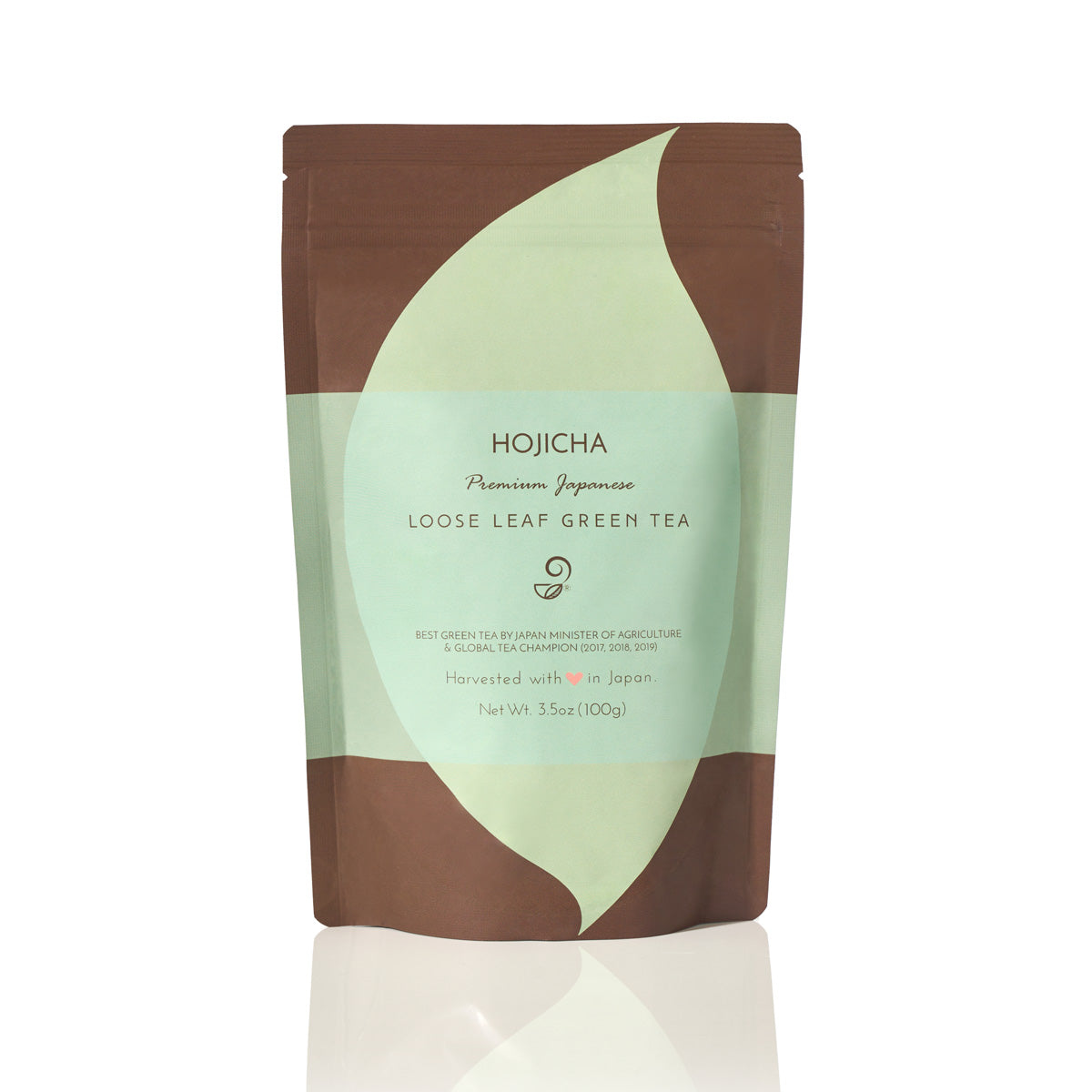
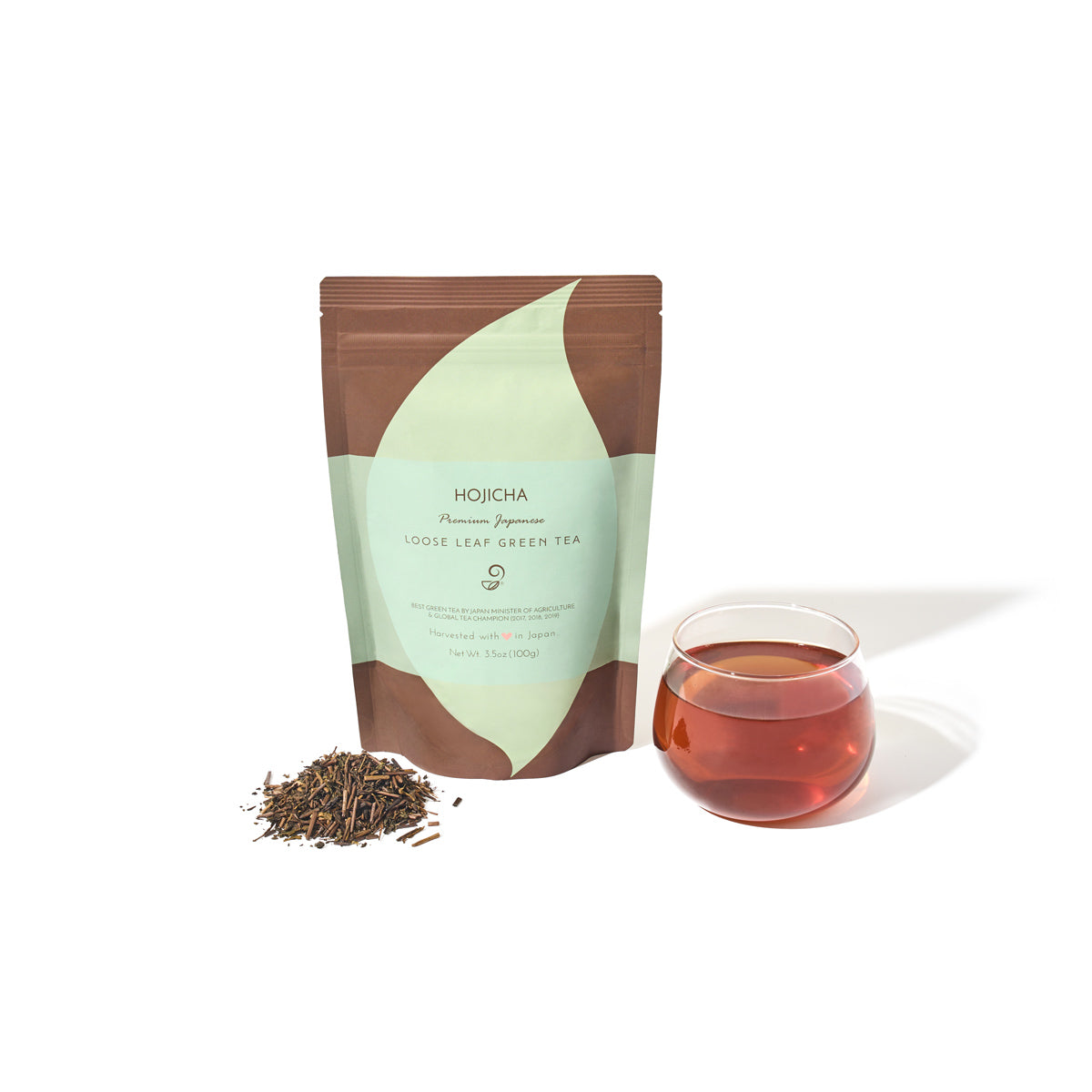
      Hojicha - Roasted Green Tea

      $25.00
      Quick view

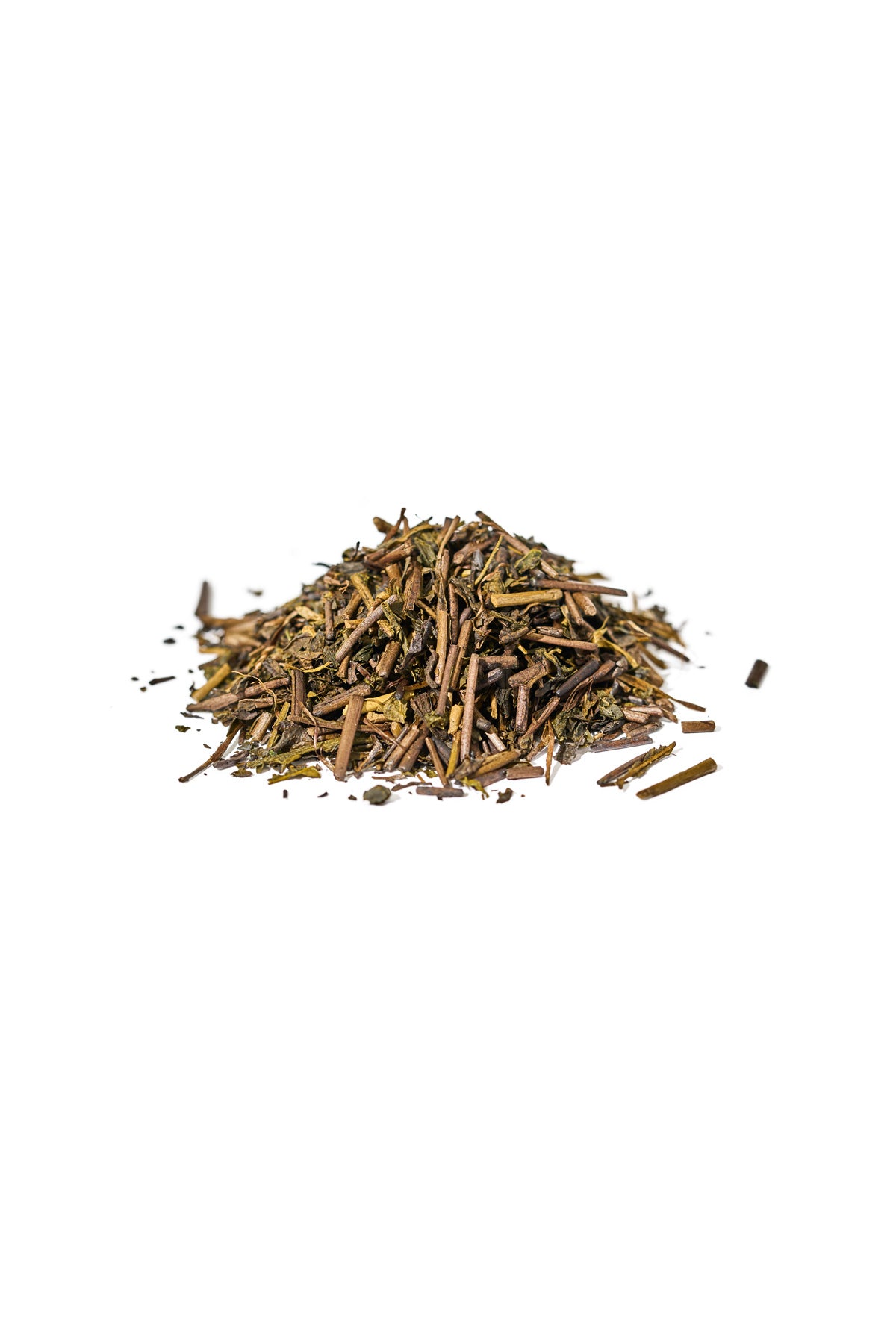
      Our roasted green tea, known as hojicha (ほうじ茶), is crafted from freshly harvested premium green tea carefully roasted in porcelain over charcoal to maximize flavor while retaining more catechins than typical hojicha on the market. With lower caffeine and a smoother, less bitter taste compared to steamed green tea, it is an ideal choice for evening relaxation and is gentle enough for kids and pregnant women. Cultivated using the Chagusaba method in nutrient-rich sugarcane soil, this loose-leaf authentic Japanese roasted green tea, made from the Yabukita cultivar, also pairs beautifully with oily foods. Each eco-friendly resealable package contains 3.5 oz (100g) of tea, enough to steep 30–40 comforting cups.

      8 reviews

      The Sencha Lover Gift Set - Premium Japanese Green Tea Set Package
      $179.00 $159.99
      Quick view

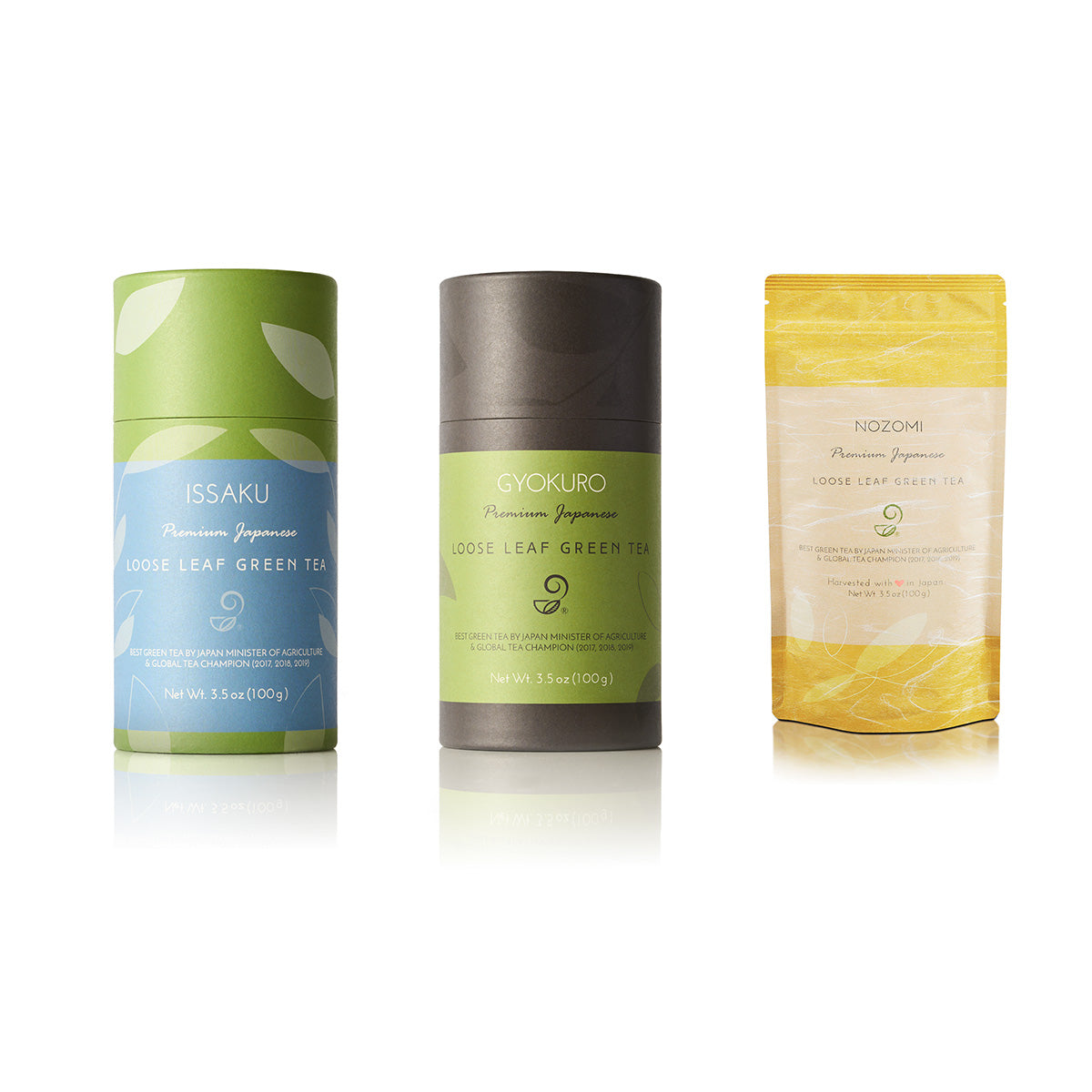
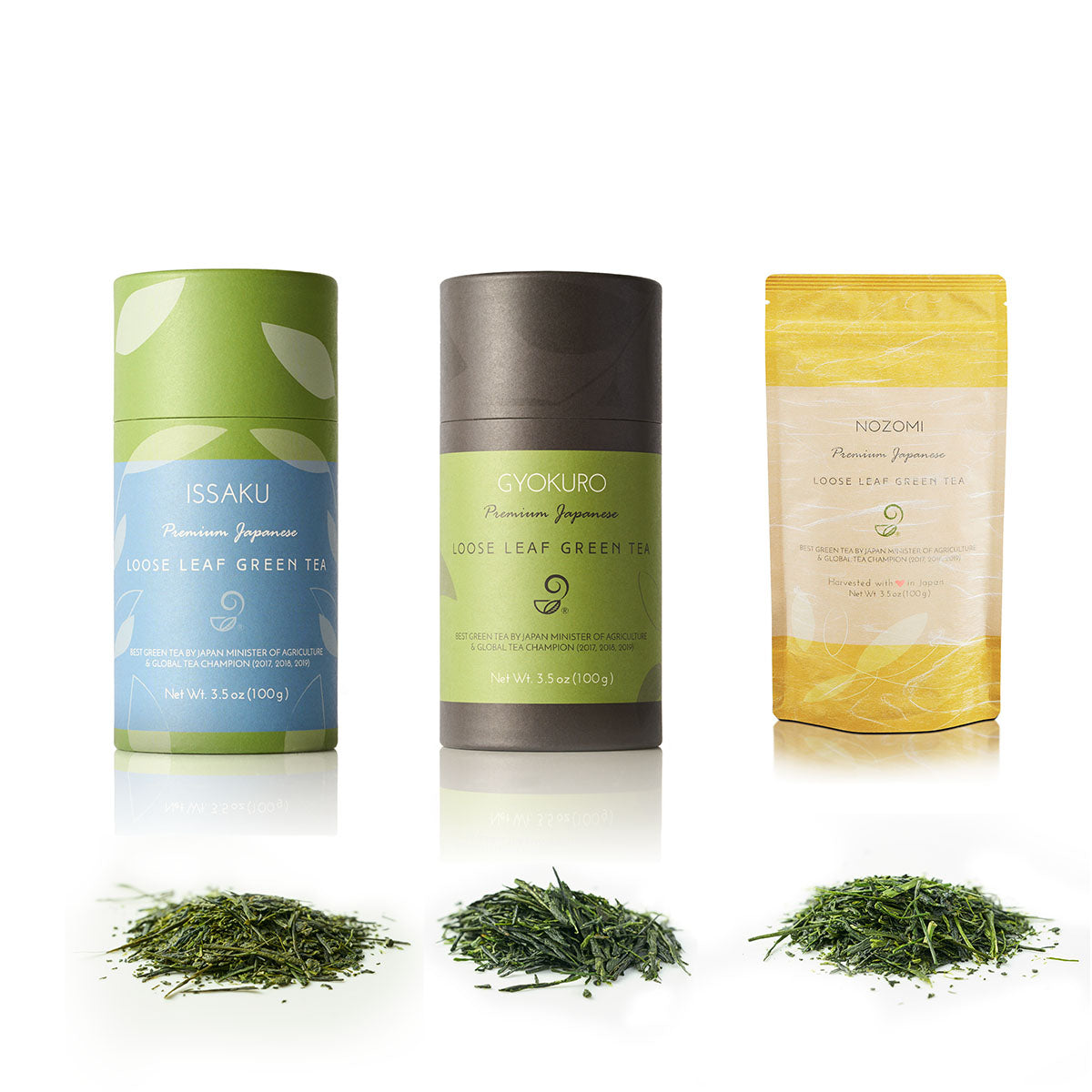
      This tea set features three exceptional Japanese green teas, each crafted with care and traditional techniques. Issaku Reserve, a Global Tea Champion winner in 2017 and 2019, is a rare masterpiece created by Farm Master Mr. Arahata at Arahataen Green Tea Farm. Handpicked once a year from the first flush and processed with advanced methods, Issaku represents the highest-grade deep-steamed green tea, available only in limited quantities even in Japan.

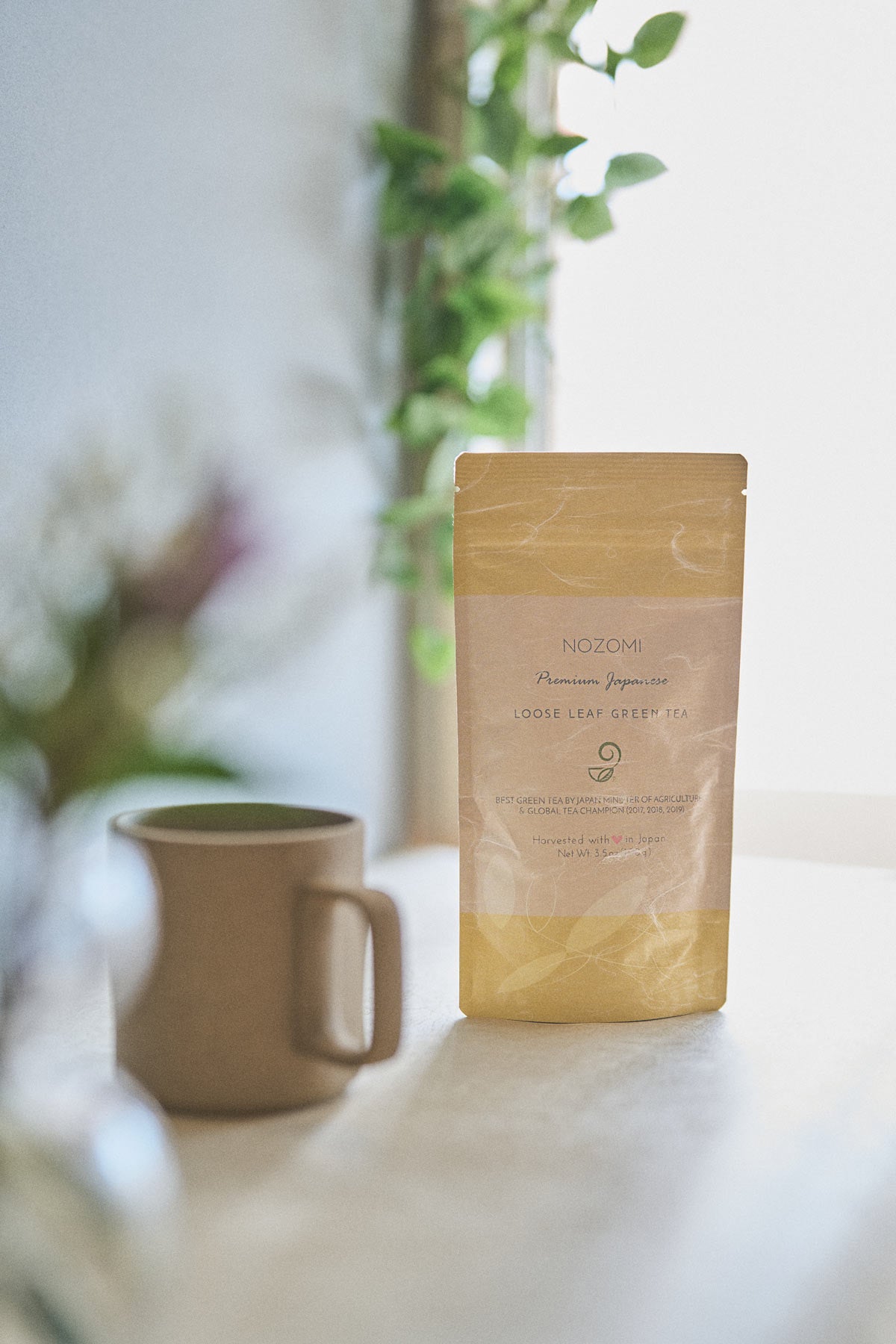
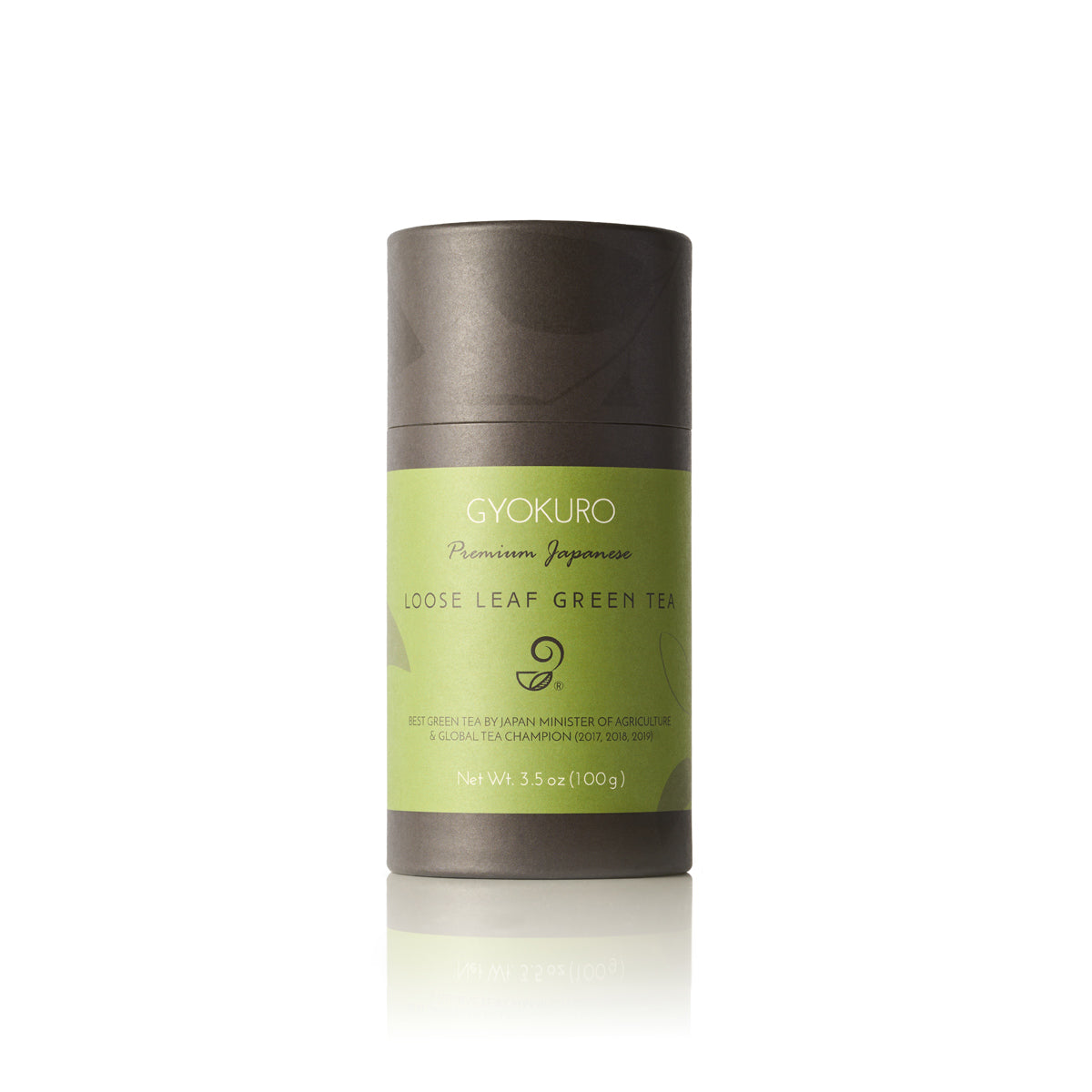
      The set also includes Gyokuro, a premium shaded green tea known for its rich, sweet flavor and deep mossy green color. Grown under special mats for 20 days to increase caffeine and amino acid levels, Gyokuro offers a layered, smooth taste unlike any other. Completing the collection is Nozomi, a fine Kabuse-cha, or "Covered Green Tea," carefully grown under nets to gently shade the leaves just before new sprouts emerge, resulting in a soft, rich, and refined flavor profile.

      97 reviews

      Gyokuro - Shaded Imperial Premium Green Tea

      $65.00
      Quick view

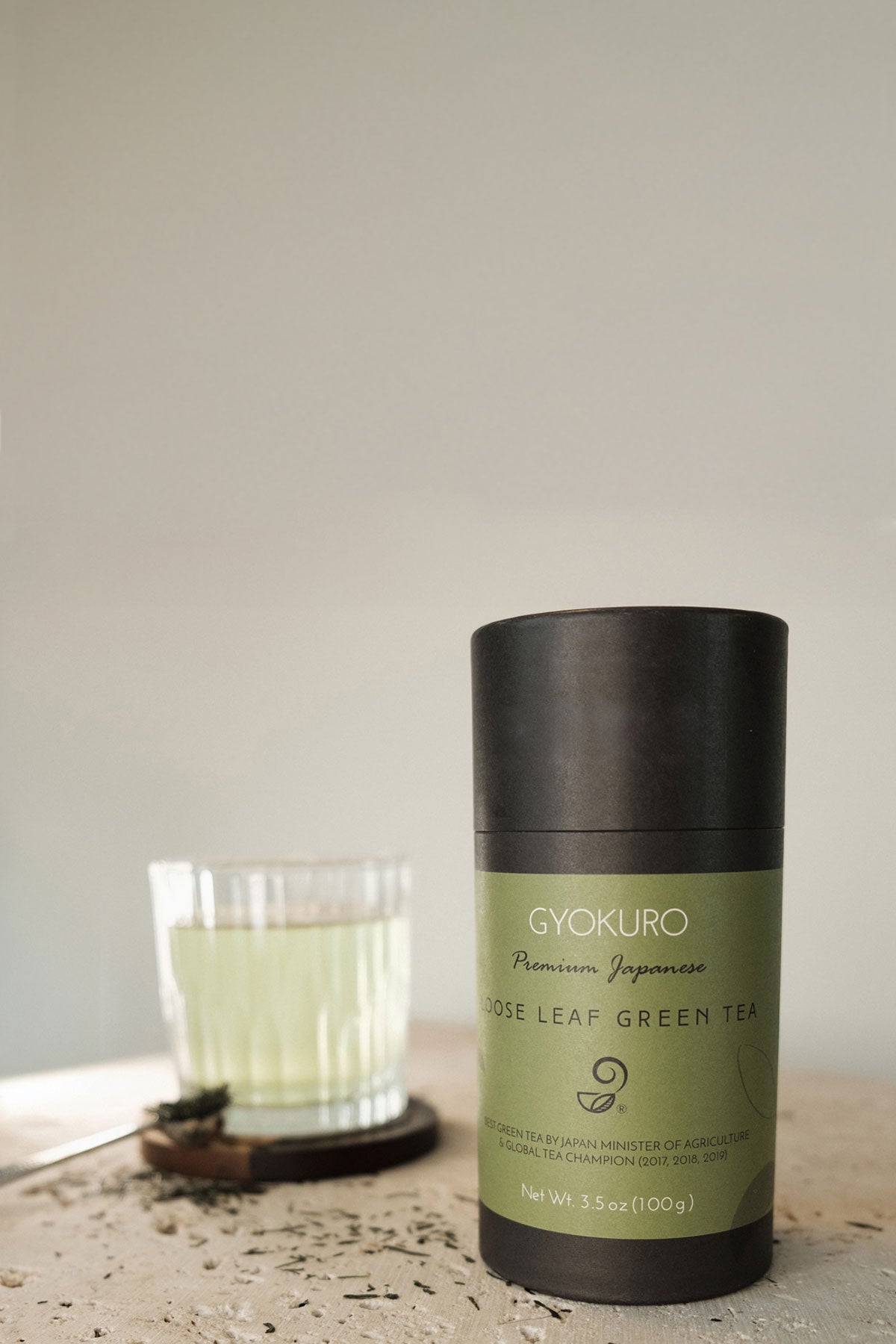
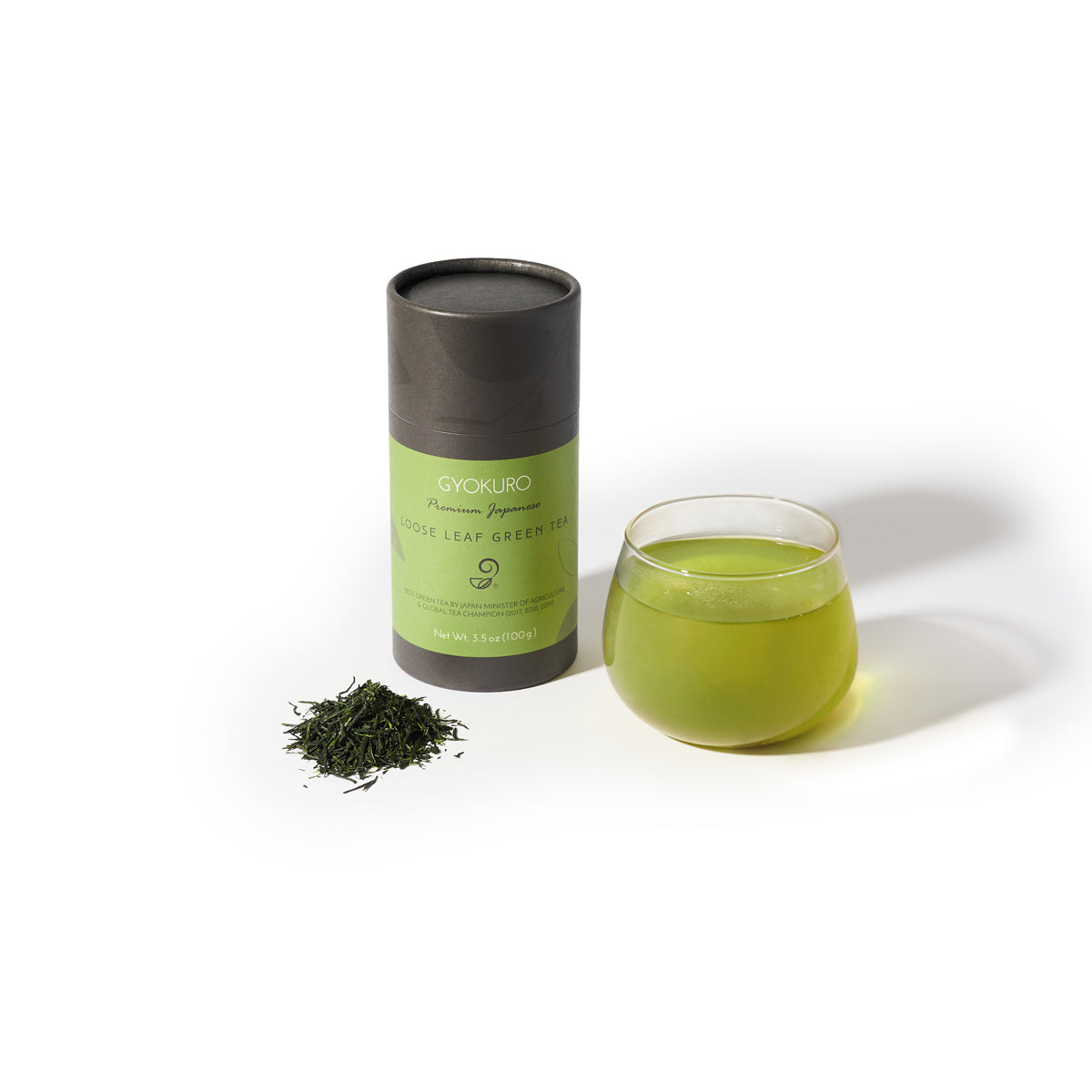
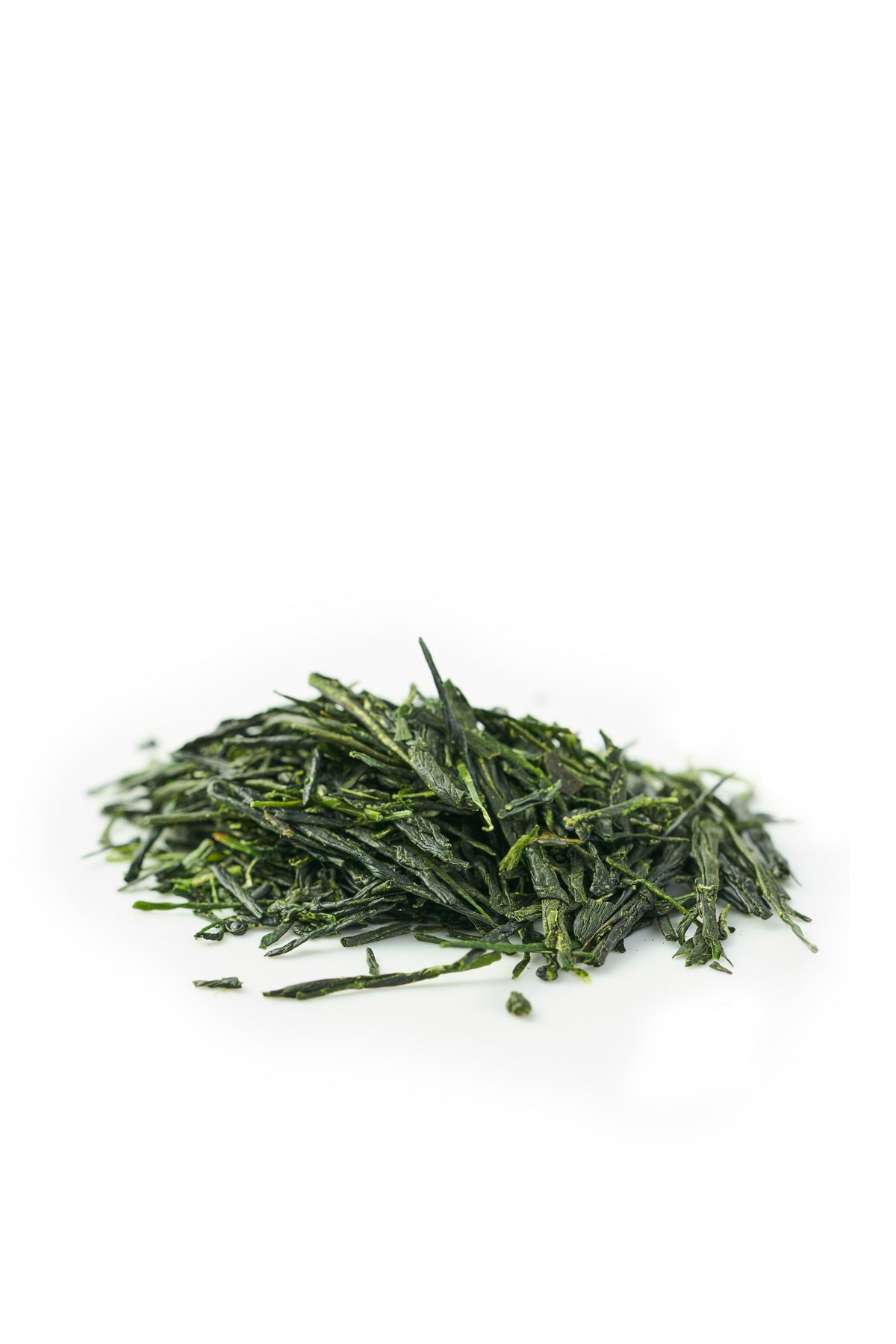
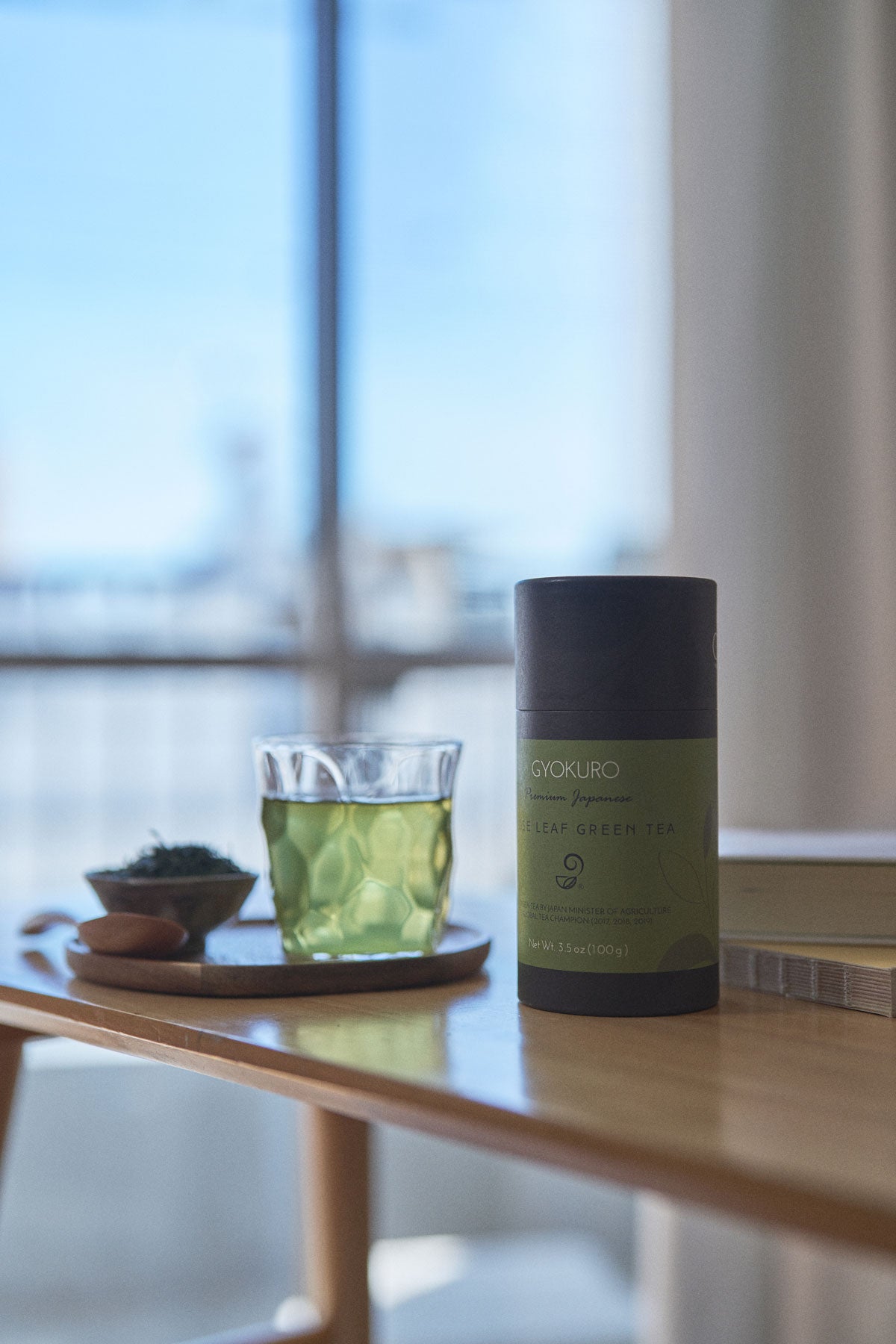
      Gyokuro, also known as "jade dew" or "jewel dew tea," is a premium Japanese green tea shaded from the sun for 20 days using specially made mats, a method that boosts caffeine levels and strengthens amino acids to create a sweeter, richer flavor. This extended shading process results in dark, mossy green leaves with an unmistakable aroma and a complex taste that is layered yet balanced. Cultivated by the Chagusaba method in nutrient-rich sugarcane soil and made from the Yabukita cultivar, this loose-leaf authentic Gyokuro is offered in a high-quality, air-tight paper tube canister (chyazutsu) to preserve its exceptional freshness and flavor. Each 3.5 oz (100g) full-size package steeps 30–40 cups, and a convenient single-serve sample is also available.

      80 reviews

      Matcha - Ceremonial Japanese Powdered Green Tea

      $39.00
      Quick view

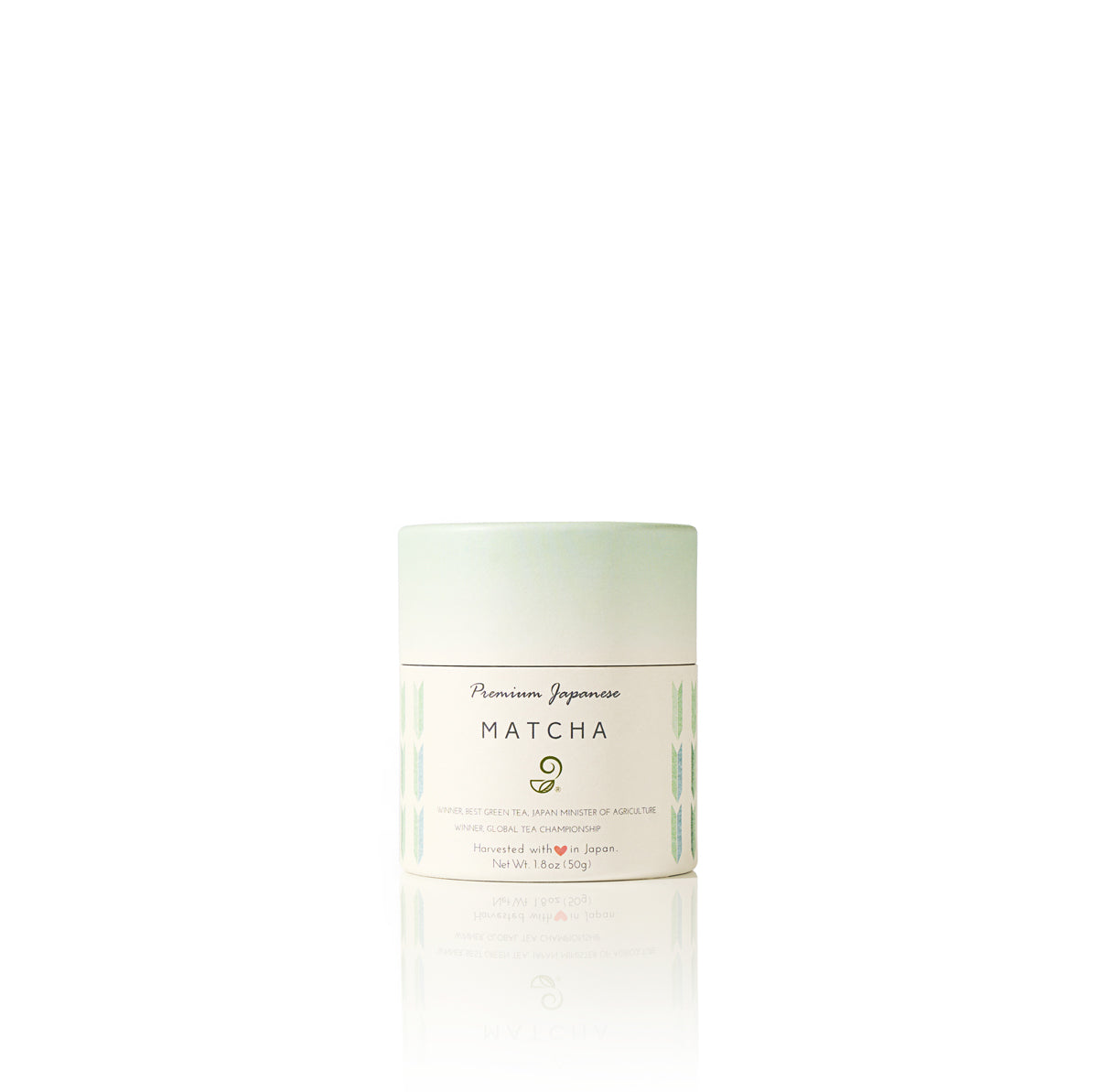
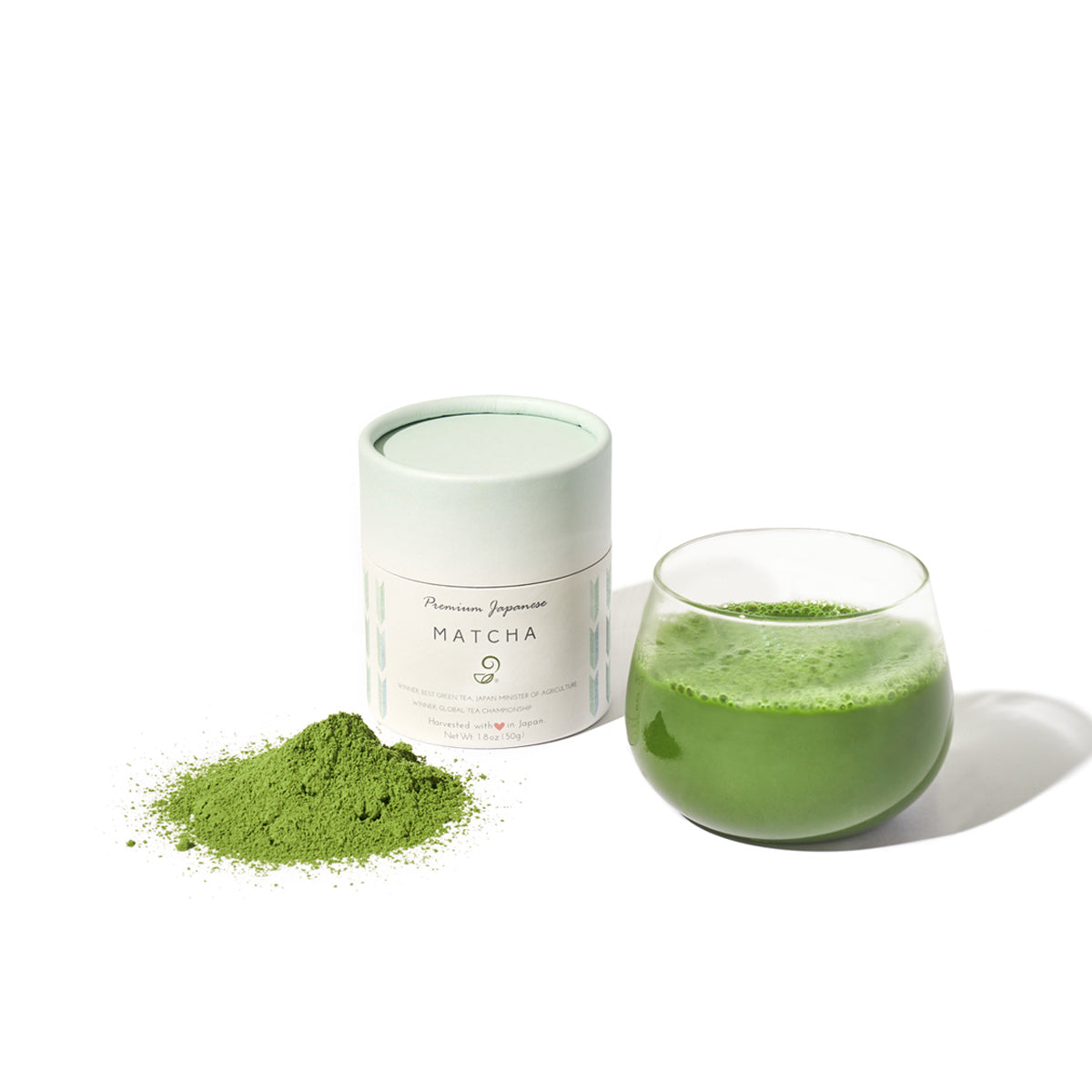
      This ceremonial matcha is crafted from the finest Japanese green tea, grown in nutrient-rich soil enhanced with compostable grasses and sugarcane through the Chagusaba method, which gives the tea a natural sweetness and exceptional flavor. In collaboration with researchers from Shizuoka University, farmers ensure that the soil quality consistently produces tea of the highest standard.

      Renowned among top Japanese chefs for its unmatched aroma, this matcha is made by carefully shading the plants before harvest to boost caffeine and amino acids, then meticulously drying, de-stemming, and grinding the leaves into a fine powder. Made from the Yabukita cultivar, this 1.8 oz (50g) matcha comes in a high-quality, air-tight paper tube canister, providing a luxurious and authentic Japanese tea experience.

      42 reviews

      Genmaicha - Green Tea with Roasted Brown Rice

      $30.00
      Quick view

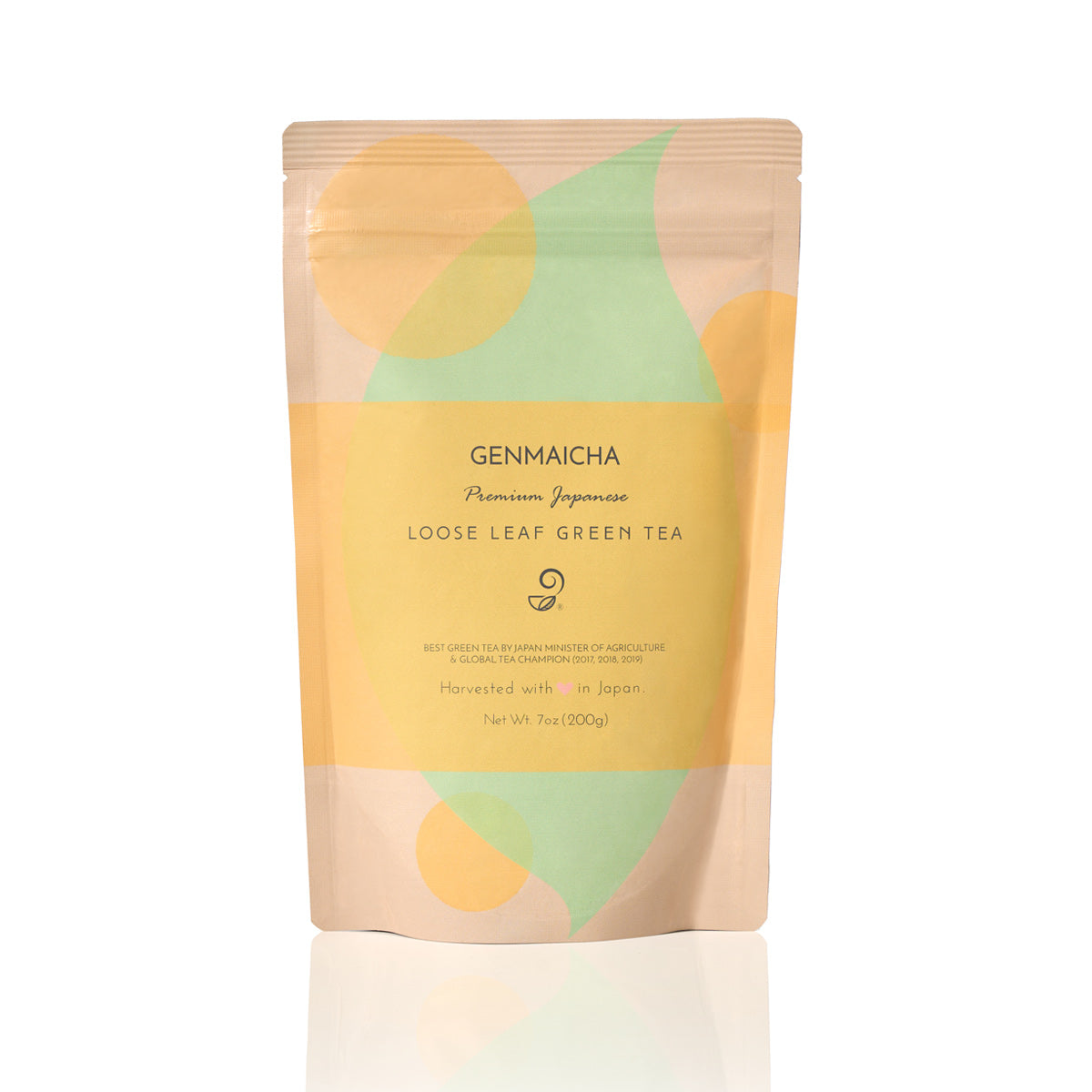
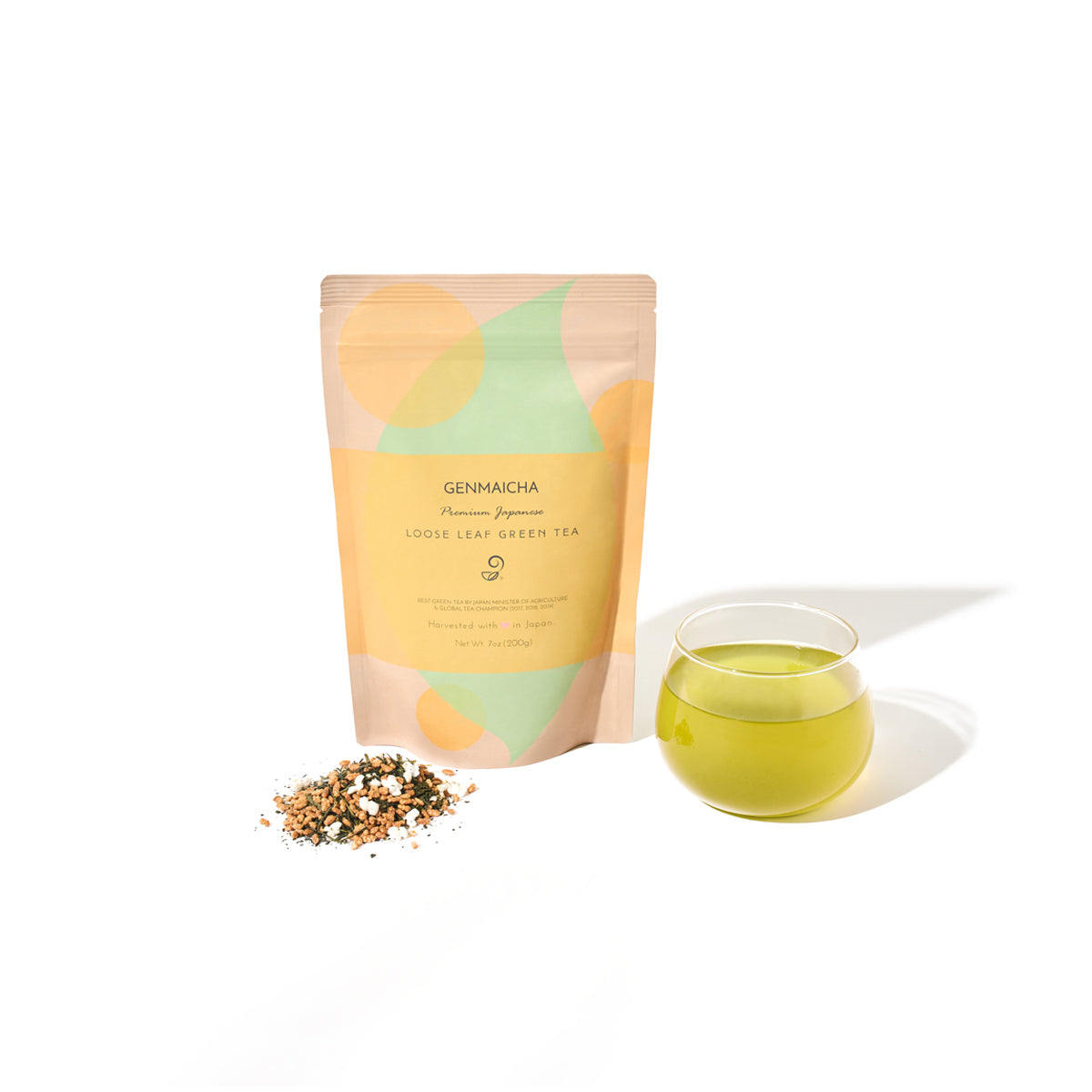
      Our premium Japanese Genmaicha blends high-quality green tea with roasted popped brown rice (genmai 玄米), often nicknamed "popcorn tea" because the roasting process sounds like popcorn popping. Popular especially among the older generation in Japan for its mild flavor and lower caffeine content, this tea is easier on the stomach while still offering a rich, comforting taste. The brown rice used is premium Japanese mochi-gome (もち米) sticky rice, enhancing the tea’s nutty, aromatic profile. Made from Fukamushi Sencha and cultivated using the Chagusaba method in nutrient-rich sugarcane soil, this Genmaicha features the Yabukita cultivar and comes in a 7.0 oz (200g) eco-friendly resealable package, enough to steep 50–60 cups.


      Related Articles You May Be Interested

      The Benefits of Japanese Tea for Studying
      The Benefits of Japanese Tea for Studying
      How Tea Improves Memory and Concentration
      How Tea Improves Memory and Concentration
      How Tea Helps With Mental Health
      How Tea Helps With Mental Health
      Does Green Tea Help With Fatigue?
      Does Green Tea Help With Fatigue?
      Is it Safe to Eat Green Tea Leaves?
      Is it Safe to Eat Green Tea Leaves?

      Get Free Bonus Books

      Join Green Tea Club

      Sign up for free to the Green Tea Club to get advice and exclusive articles about how to choose Japanese Tea, and tips, tricks, and recipes for enjoying Japanese tea.

      Unsubscribe anytime. It’s free!

      About the author

      Kei Nishida

      Kei Nishida

      Author, CEO Dream of Japan

      info@japanesegreenteain.com

      Certification: PMP, BS in Computer Science

      Education: Western Washington University

      Kei Nishida is a passionate Japanese green tea connoisseur, writer, and the founder and CEO of Japanese Green Tea Co., a Dream of Japan Company.

      Driven by a deep desire to share the rich flavors of his homeland, he established the only company that sources premium tea grown in nutrient-rich sugarcane soil—earning multiple Global Tea Champion awards.

      Expanding his mission of introducing Japan’s finest to the world, Kei pioneered the launch of the first-ever Sumiyaki charcoal-roasted coffee through Japanese Coffee Co. He also brought the artistry of traditional Japanese craftsmanship to the global market by making katana-style handmade knives—crafted by a renowned katana maker—available outside Japan for the first time through Japanese Knife Co.

      Kei’s journey continues as he uncovers and shares Japan’s hidden treasures with the world.

      Learn more about Kei Nishida

      Related Posts

      The Story Behind Our Booth Backdrop: Craftsmanship, Engineering, and Sacred Wood
      Behind the Scenes – How We Made the Event Booth & Backdrop Using Sacred Wood

      Discover how our one-of-a-kind event booth came to life—from Japanese Kōshi (格子) design and rare Port Orford Cedar to mo

      Read More
      Hojicha Banana Daifuku (Mochi): The Collaboration of Aromatic Roasted Tea and Richly Sweet Banana
      Hojicha Banana Daifuku (Mochi): The Collaboration of Aromatic Roasted Tea and Richly Sweet Banana

      Dive into the soft, chewy world of Hojicha Banana Daifuku—where toasted tea meets sweet banana in a cloud of fresh mochi

      Read More
      Ceremonial Matcha Gift Set HARIO and JPCo
      The Art of Precision: HARIO Unveils the Definitive US-Exclusive Matcha Collection

      ✨Discover the secret behind Japan’s most coveted matcha — a US-exclusive precision ritual that could change how you brew

      Read More
      Leave a comment

      Your email address will not be published..

      Cart

      Your cart is currently empty.

      Start Shopping

      Select options