Skip to content

The Benefits of Japanese Tea for Studying

As a student, your tasks are abundant, and with them come numerous responsibilities that require your unwavering attention. Concentration, motivation, and keeping up with academic demands can be arduous tasks. However, what if we disclosed an inconspicuous solution that could enhance your study skills and improve your cognitive function with a cup of tea? Yes, you heard that right, and we are not jesting. Tea's potential surpasses all expectations regarding augmenting your mental acuity and cognition.

This article is devoted to deciphering how tea can be a remarkable catalyst that propels you toward effective and efficient study. The health benefits of Japanese tea are well documented, numerous, and universally acknowledged. So let us delve into the mysterious world of Japanese tea and unravel its successful secrets.

Matcha - The Ultimate Brain Booster

Matcha, a variety of green tea pulverized into a delicate powder, is held in great esteem by scholars in Japan owing to its formidable capacity for antioxidants, amino acids, and caffeine. The benefits of matcha surpass its nutritional worth, as it is believed to heighten intellectual lucidity and cognitive ability, thereby rendering it the ideal refreshment for students in pursuit of optimizing their academic endeavors.

One of the critical constituents of matcha responsible for its cognitive-boosting properties is L-theanine, which is known to induce a state of relaxed alertness in individuals who consume it. This unique effect of L-theanine has been shown to alleviate stress and anxiety, thereby improving overall cognitive performance. Furthermore, the caffeine content in matcha provides a sustained and steady energy boost that can enhance concentration and memory retention, enhancing its benefits for students.

Matcha is a highly recommended beverage for students seeking to improve their studies due to its potent blend of antioxidants, amino acids, and caffeine. Its ability to induce relaxed alertness and a sustained energy boost makes it ideal for those seeking to optimize their cognitive performance and improve their overall learning outcomes.

Sencha - The Everyday Tea for Studying

Sencha, a green tea variant hailing from Japan, boasts a wealth of nutrients and antioxidants to bolster cognitive function. One such component is theanine, an exclusive amino acid that has been linked to heightened alpha wave production in the brain, fostering relaxation and mental acuity.

Furthermore, the abundance of antioxidants in Sencha tea has been observed to help safeguard against cognitive decline while enhancing memory retention. In addition, habitual intake of Sencha tea may help mitigate stress and anxiety, thus facilitating improved overall mental wellness.

Genmaicha - The Brain-Boosting Tea with a Nutty Twist

Genmaicha, an exquisite Japanese tea, is truly one-of-a-kind as it harmoniously blends green tea leaves and roasted brown rice. This unconventional amalgamation produces a distinct and captivating nutty essence, subtly impregnated with a tinge of saccharine taste that will entice your gustatory senses. However, that's not all! This tea is also brimming with antioxidants and theanine, which are advantageous for cognitive faculties and lucidity, rendering it the consummate option for scholars who desire to hone their intellectual abilities while luxuriating in a delicious cup of tea.

Additionally, the roasted brown rice in Genmaicha contains gamma-aminobutyric acid (GABA), a compound that has been scientifically proven to enhance cognitive function and alleviate stress and anxiety. Consuming this tea regularly can contribute to tranquility, providing much-needed serenity during academic pressure.

In conclusion, the unique blend of Genmaicha is a powerhouse of nutrients that students can rely on to nourish their minds and bodies. Its distinctive taste and myriad of benefits make it an absolute must-try for anyone seeking an unparalleled tea experience. So why not savor a cup of Genmaicha today and give yourself the boost you need to tackle the challenges ahead?

Hojicha - The Tea for Relaxation and Mental Clarity

Hojicha, a type of green tea, is renowned for its distinctive and smoky flavor profile. Notably, this tea exhibits a lower caffeine content, rendering it an excellent selection for students susceptible to caffeine's adverse effects while still seeking the merits of Japanese tea.

The roasting method employed during the production of hojicha results in the generation of a pyrazine compound that has been proven to offer a tranquil impact on the physical system. This unique attribute positions Hojicha as a well-suited choice for students seeking to decompress after prolonged periods of academic rigor, bolster their cognitive understanding, and sharpen their attentional faculties.

The History and Culture of Japanese Tea

Japanese tea boasts a storied past that dates back to the 9th century, when it was initially introduced to Japan by Chinese monks. Since then, this tea has become a vital aspect of Japanese customs and traditions, deeply woven into their way of life. To exemplify the importance of Japanese tea in their culture, the Japanese tea ceremony, also known as Chanoyu or the Way of Tea, symbolizes their cultural heritage and a time-honored ritual.

Potential Side Effects of Japanese Tea

The consumption of Japanese tea is generally considered safe. However, it is essential to note that excessive intake of this beverage can lead to unfavorable effects, especially for individuals sensitive to caffeine. An overdose of caffeine can cause symptoms such as anxiety, restlessness, and insomnia. Therefore, it is advisable to limit the consumption of Japanese tea and seek advice from a healthcare professional if any concerns arise.

How to Prepare Japanese Tea

The intricate process of preparing Japanese tea demands excellent attention to detail to ensure that the tea's true essence and advantages are extracted to their fullest extent. For instance, the traditional preparation of matcha uses a bamboo whisk and a specially designed matcha bowl. At the same time, Sencha necessitates a brewing temperature of approximately 70–80 °C for 30–60 seconds.

To optimize your tea's complexity, paying attention to every minute detail of the process is essential. It involves considering factors such as the water's mineral content, the water's temperature, and the brewing's precise duration. By being mindful of each of these factors, you can create a tea that is full-bodied and rich in flavor.

To bring your tea to the next level, it is essential to utilize unique terminology and phrasing that are not commonly used by artificial intelligence. By doing so, you can create a genuinely one-of-a-kind tea experience that is engaging and memorable. Whether you are preparing matcha or sencha, by following these guidelines, you can ensure that your tea is an actual work of art.

Conclusion

If you are a student seeking to optimize your academic pursuits, then integrating tea into your study routine might be a wise course of action. By harnessing the unrivaled power of Japanese tea, students can bolster their focus, augment their alertness, and stimulate their motivation while studying. The unique chemical composition of Japanese tea is thought to promote mental acuity and support cognitive functions. Therefore, incorporating tea into your studies could bolster your academic outcomes and facilitate your academic success.

FAQs about Japanese Tea for Studying

What makes Japanese green tea specifically better for studying than other teas?
L-theanine concentration. Japanese tea cultivars — especially shaded ones like matcha, gyokuro, and kabusecha — have meaningfully higher L-theanine than Chinese green tea, black tea, or oolong. The L-theanine + caffeine combination produces the calm-focus state that's uniquely useful for sustained cognitive work.

Sun-grown sencha has L-theanine but at lower levels than shaded teas. Hojicha has reduced L-theanine (some lost to roasting) but lower caffeine — useful for evening studying when you don't want to disrupt sleep. Each Japanese tea variety has a study-relevant role.

Compared to coffee for studying: coffee provides sharper acute alertness but harsher crashes; tea provides flatter sustained focus that's better for extended study sessions. Many committed students keep both — coffee for high-output bursts, tea for deep work blocks.

How long does the focus boost from green tea actually last?

4-6 hours of meaningful effect after a single cup. Caffeine peaks at 30-60 minutes and clears with a 5-6 hour half-life; L-theanine peaks similarly and tapers slowly. So one cup at 9 AM provides genuine focus support through about 1-2 PM. A second cup mid-afternoon extends the effect through evening study.

For an 8-hour study day, the practical pattern is: morning cup (9 AM) for the first work block, second cup at 1 PM for the afternoon, switch to hojicha or low-caffeine tea around 5 PM if you continue studying into evening. This pattern provides sustained focus throughout without overdosing the caffeine in any single window.

Don't drink continuously — each cup needs time to take effect, and stacking cups too quickly produces caffeine over-stimulation without proportionally more focus benefit. Quality of focus matters more than total caffeine consumed.

Are there study-specific Japanese teas I should know about?
"Study tea" isn't a Japanese category specifically, but several teas serve the role well. Standard sencha is the daily-driver pick for most students. Matcha is the high-intensity option for important sessions. Hojicha is the evening-study option for low-caffeine sustained focus.

Some Japanese tea brands market specific blends as "focus tea" or "study tea" — these are usually sencha or matcha at standard quality with marketing emphasis on the L-theanine + caffeine profile. Not necessarily worth the markup over good sencha or matcha. The compounds are the same; the marketing is the difference.

For students wanting a genuine study-tea rotation: morning matcha for your most demanding work block, afternoon sencha for sustained mid-day focus, evening hojicha for late-session continuation. The hojicha leaf is what most committed-student tea drinkers reach for after dinner.

Should I drink tea before, during, or between study sessions?

Before, primarily. The 30-45 minute lead time before peak L-theanine + caffeine effect means you should drink tea about half an hour before you actually need to focus. Drinking right before starting work means the chemical support arrives mid-session, after you've already started. Drinking 30 minutes before means peak focus aligns with your first work block.

During sessions, sips of tea are fine but the act of drinking is a small distraction from the focus state. Better to drink between work blocks (during a Pomodoro break, between meetings) than continuously through a single block.

If you're using tea ritual as a study break (the act of brewing tea as a 5-minute mental reset), that's also legitimate and arguably more useful than just drinking the tea. The ritual pause itself helps; the chemistry arrives in time for the next work block.

How does tea ritual itself help with studying, separate from the chemistry?

Significantly. The act of pausing to brew tea — boiling water, measuring leaves, watching the steep, pouring with attention — produces a small but real shift from sympathetic-nervous-system activation (stressed, scattered, multitasking) to parasympathetic activation (calmer, slower, single-task). This shift supports the focus state that studying requires.

This is part of why tea-based study practice tends to feel more effective than just popping caffeine pills. The supplement provides the chemistry; the ritual provides the structural pause that's increasingly rare in modern student life. Both contribute; the combination is more than the sum.

For students who specifically struggle with anxiety, hyperconnectivity, or chronic mental noise, the ritual side of tea practice may be the more therapeutically relevant component. Building a brief tea ritual into the start of each study block is a meaningful focus intervention regardless of the specific tea you choose.

Related products

8 reviews

The Sencha Lover Gift Set - Premium Japanese Green Tea Set Package
$179.00 $159.99
Quick view

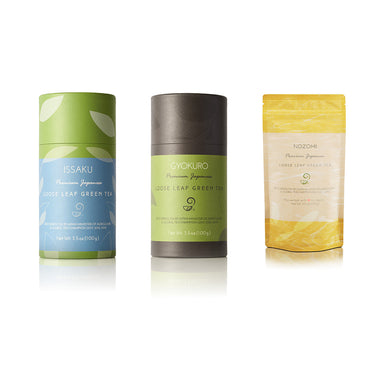
This tea set features three exceptional Japanese green teas, each crafted with care and traditional techniques. Issaku Reserve, a Global Tea Champion winner in 2017 and 2019, is a rare masterpiece created by Farm Master Mr. Arahata at Arahataen Green Tea Farm. Handpicked once a year from the first flush and processed with advanced methods, Issaku represents the highest-grade deep-steamed green tea, available only in limited quantities even in Japan.

The set also includes Gyokuro, a premium shaded green tea known for its rich, sweet flavor and deep mossy green color. Grown under special mats for 20 days to increase caffeine and amino acid levels, Gyokuro offers a layered, smooth taste unlike any other. Completing the collection is Nozomi, a fine Kabuse-cha, or "Covered Green Tea," carefully grown under nets to gently shade the leaves just before new sprouts emerge, resulting in a soft, rich, and refined flavor profile.

97 reviews

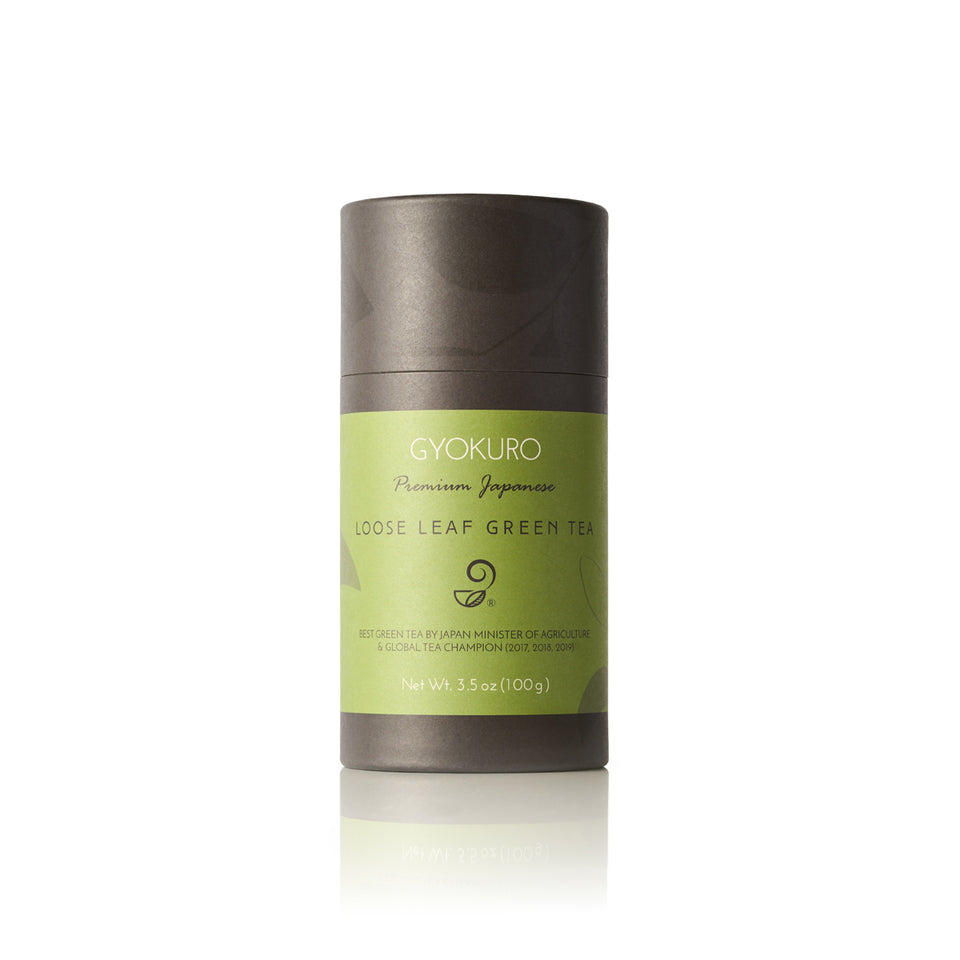
Gyokuro - Shaded Imperial Premium Green Tea

$65.00
Quick view

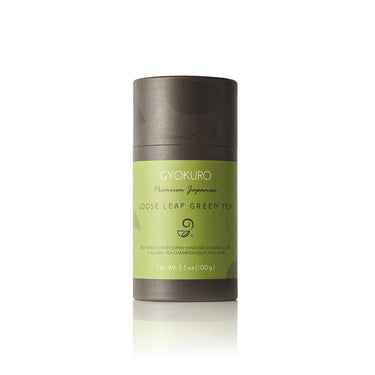
Gyokuro, also known as "jade dew" or "jewel dew tea," is a premium Japanese green tea shaded from the sun for 20 days using specially made mats, a method that boosts caffeine levels and strengthens amino acids to create a sweeter, richer flavor. This extended shading process results in dark, mossy green leaves with an unmistakable aroma and a complex taste that is layered yet balanced. Cultivated by the Chagusaba method in nutrient-rich sugarcane soil and made from the Yabukita cultivar, this loose-leaf authentic Gyokuro is offered in a high-quality, air-tight paper tube canister (chyazutsu) to preserve its exceptional freshness and flavor. Each 3.5 oz (100g) full-size package steeps 30–40 cups, and a convenient single-serve sample is also available.

45 reviews

Hojicha - Roasted Green Tea

$25.00
Quick view

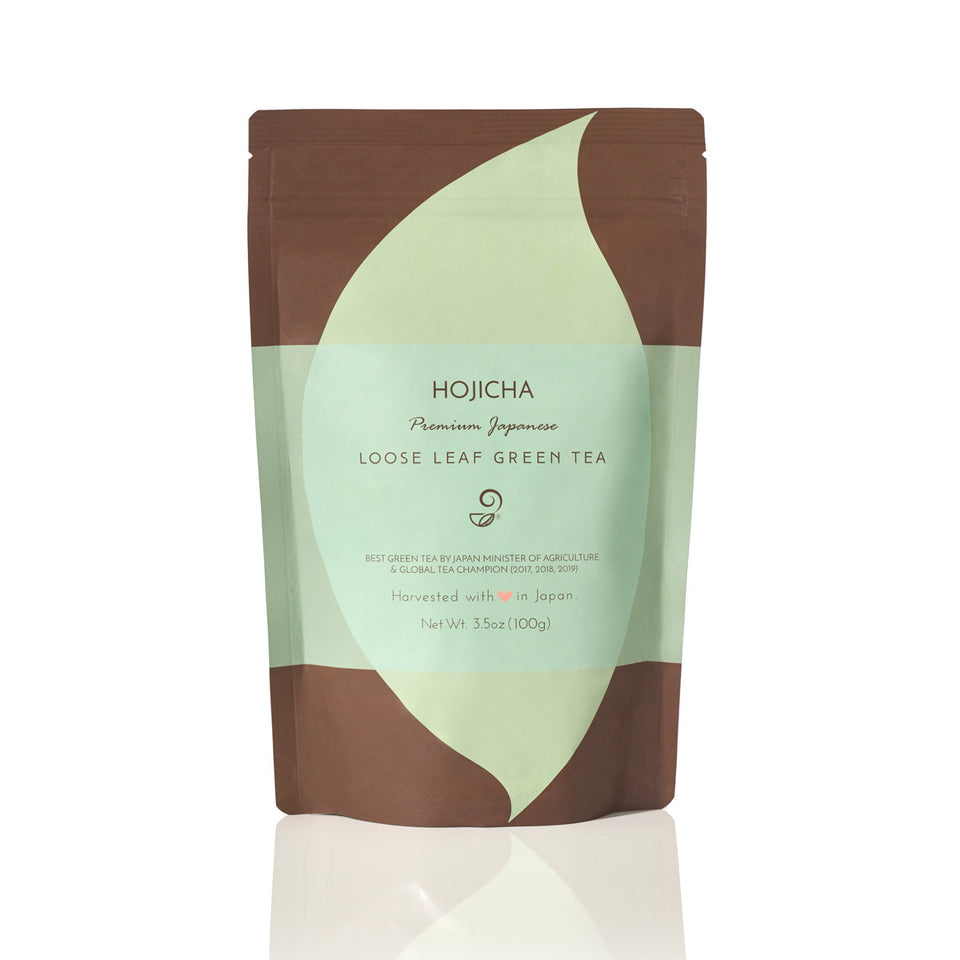
Our roasted green tea, known as hojicha (ほうじ茶), is crafted from freshly harvested premium green tea carefully roasted in porcelain over charcoal to maximize flavor while retaining more catechins than typical hojicha on the market. With lower caffeine and a smoother, less bitter taste compared to steamed green tea, it is an ideal choice for evening relaxation and is gentle enough for kids and pregnant women. Cultivated using the Chagusaba method in nutrient-rich sugarcane soil, this loose-leaf authentic Japanese roasted green tea, made from the Yabukita cultivar, also pairs beautifully with oily foods. Each eco-friendly resealable package contains 3.5 oz (100g) of tea, enough to steep 30–40 comforting cups.

80 reviews

Matcha - Ceremonial Japanese Powdered Green Tea

$39.00
Quick view

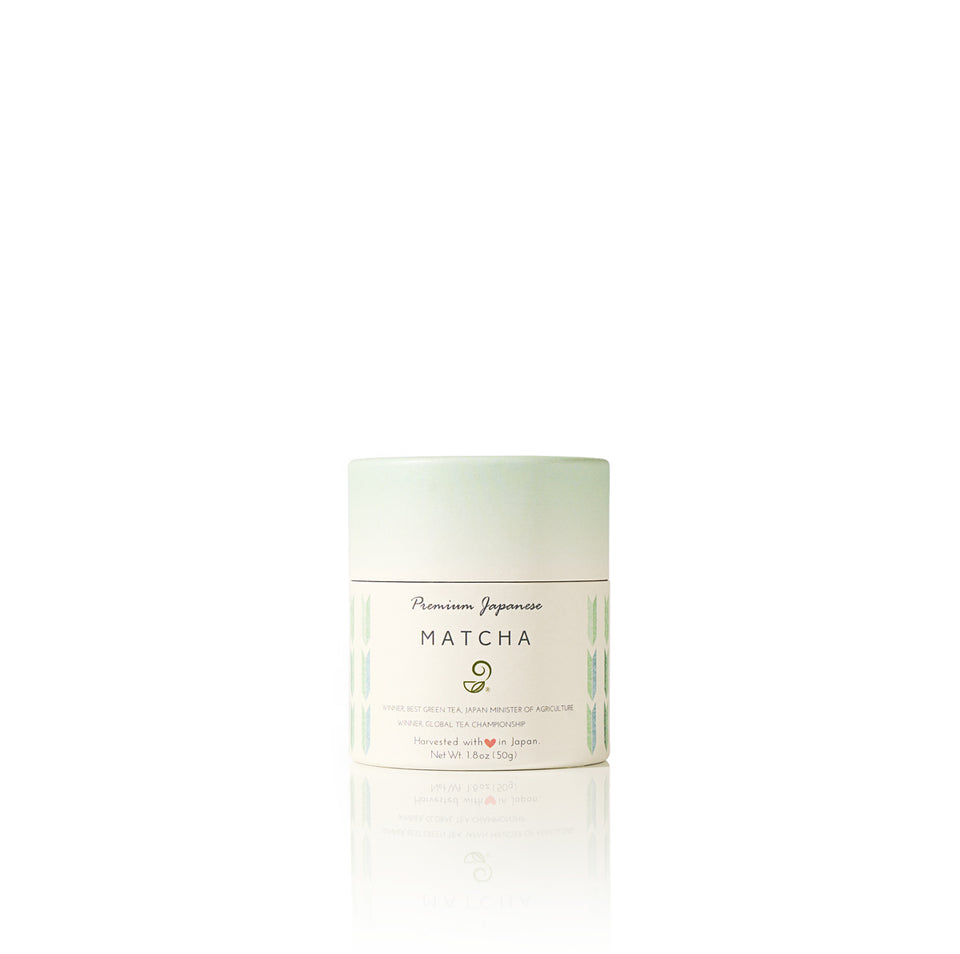
This ceremonial matcha is crafted from the finest Japanese green tea, grown in nutrient-rich soil enhanced with compostable grasses and sugarcane through the Chagusaba method, which gives the tea a natural sweetness and exceptional flavor. In collaboration with researchers from Shizuoka University, farmers ensure that the soil quality consistently produces tea of the highest standard.

Renowned among top Japanese chefs for its unmatched aroma, this matcha is made by carefully shading the plants before harvest to boost caffeine and amino acids, then meticulously drying, de-stemming, and grinding the leaves into a fine powder. Made from the Yabukita cultivar, this 1.8 oz (50g) matcha comes in a high-quality, air-tight paper tube canister, providing a luxurious and authentic Japanese tea experience.

42 reviews

Genmaicha - Green Tea with Roasted Brown Rice

$30.00
Quick view

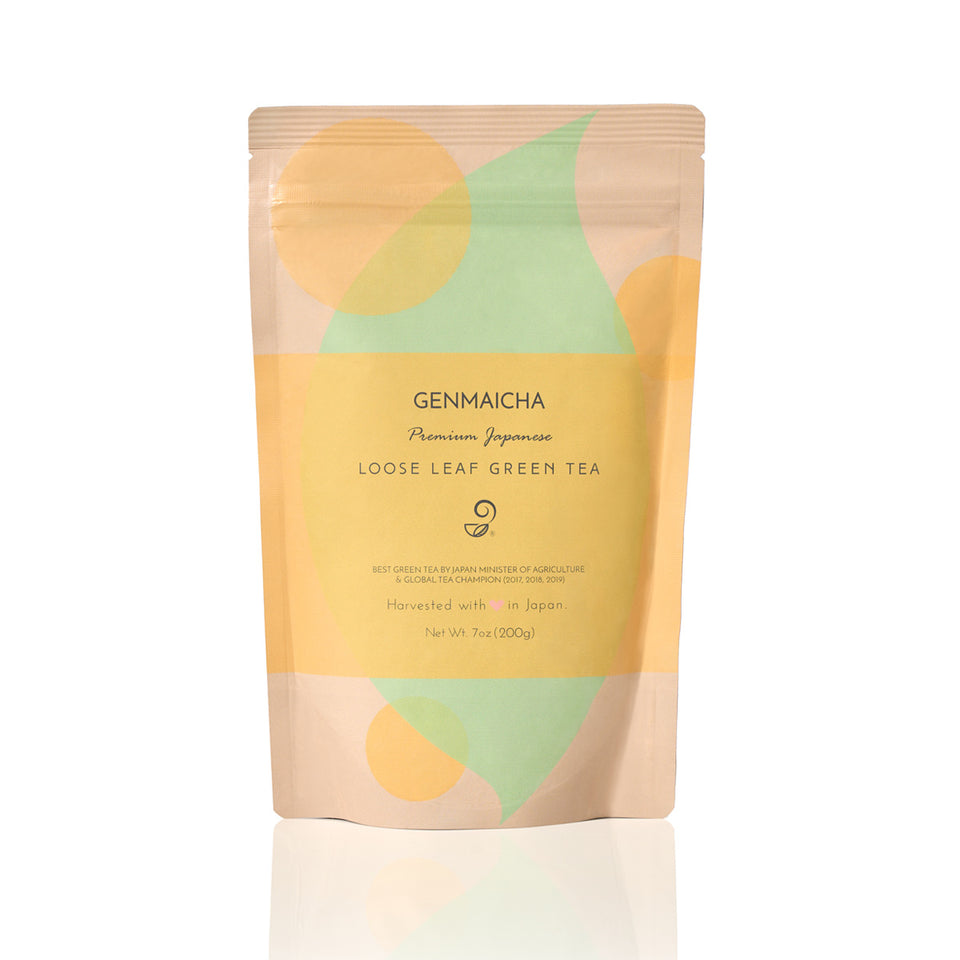
Our premium Japanese Genmaicha blends high-quality green tea with roasted popped brown rice (genmai 玄米), often nicknamed "popcorn tea" because the roasting process sounds like popcorn popping. Popular especially among the older generation in Japan for its mild flavor and lower caffeine content, this tea is easier on the stomach while still offering a rich, comforting taste. The brown rice used is premium Japanese mochi-gome (もち米) sticky rice, enhancing the tea’s nutty, aromatic profile. Made from Fukamushi Sencha and cultivated using the Chagusaba method in nutrient-rich sugarcane soil, this Genmaicha features the Yabukita cultivar and comes in a 7.0 oz (200g) eco-friendly resealable package, enough to steep 50–60 cups.


Related Articles You May Be Interested

How Tea Improves Memory and Concentration
How Tea Helps With Mental Health
Does Green Tea Help With Fatigue?
9 Must See Places in Tokyo for Tea Lovers
Is Drinking Green Tea with Milk Bad For You? - Green Tea Quiz

Get Free Bonus Books

Join Green Tea Club

Sign up for free to the Green Tea Club to get advice and exclusive articles about how to choose Japanese Tea, and tips, tricks, and recipes for enjoying Japanese tea.

Unsubscribe anytime. It’s free!

About the author

Kei Nishida

Kei Nishida

Author, CEO Dream of Japan

info@japanesegreenteain.com

Certification: PMP, BS in Computer Science

Education: Western Washington University
Kei Nishida is a passionate Japanese green tea connoisseur, writer, and the founder and CEO of Japanese Green Tea Co., a Dream of Japan Company.

Driven by a deep desire to share the rich flavors of his homeland, he established the only company that sources premium tea grown in nutrient-rich sugarcane soil—earning multiple Global Tea Champion awards.

Expanding his mission of introducing Japan’s finest to the world, Kei pioneered the launch of the first-ever Sumiyaki charcoal-roasted coffee through Japanese Coffee Co. He also brought the artistry of traditional Japanese craftsmanship to the global market by making katana-style handmade knives—crafted by a renowned katana maker—available outside Japan for the first time through Japanese Knife Co.

Kei’s journey continues as he uncovers and shares Japan’s hidden treasures with the world.

Learn more about Kei Nishida

Related Posts

Super Mario and Japanese Green Tea

Super Mario and green tea share a hometown! Watch our Yoshi Matcha Cookies video recipe + discover how Nintendo and matc

Read More
Our Matcha Is Now at Pillow Talk Cafe in Pasadena — Master Japanese-Inspired Cake Makers

Our matcha is now at Pillow Talk Cafe Pasadena! Meet the cafe, try the Egg Heaven sando & Matchamisu, and see how th

Read More
Simply Donabe — New Cookbook from TOIRO's Naoko-san Is Out!

Simply Donabe is here! We celebrated TOIRO's Naoko-san's new cookbook at a special dinner at Camélia in DTLA — see our p

Read More
Leave a comment

Your email address will not be published..

Cart

Your cart is currently empty.

Start Shopping

Select options