

recently had the pleasure of visiting the Land of the Incas, Peru. Besides the many amazing sights, a popular local tea also held a fascination for me. The Peruvians and others in the same area are partial to a tisane made with coca leaves. The resulting drink has been described as very similar to Japanese green tea, with its grassy notes and smooth quality. (Please note, I do not do drugs; wine is probably my max.)
Peru's Coca Tea
Coca tea, or mate de coca, has been an intriguing concept to those who have heard of it but have never encountered it. You can't get it in the United States. However, there have been anecdotes of people going to Peruvian or Bolivian restaurants, explicitly asking for coca tea, and getting it even though it's not on the menu.
Although it is generally considered a safe drink, coca tea does come from the coca plant, so people tend to make certain assumptions about it. However, those who have had it have noted its initial sweet taste, followed by a bitter aftertaste accompanied by a slight tingling sensation in the mouth.
 I was greeted with Coca Tea when checking into the hotel at Cuzco.
Some have described the overall experience as pleasant, but this could very well be an acquired taste. I, for one, wasn't really impressed. To me, it tasted like plain grass steeped in hot water. When I was a kid in Japan, I used to play on the grass in "akiya" (an abandoned or vacant house), and coca tea reminded me of the smell of grass and dirt. Although it's a fond memory, it doesn't exactly have a palatable association.
 Me drinking Coca tea in the hotel lobby in Cuzco, I felt a bit awkward honestly
Coca Plant
What's all the mystique about the coca plant? This "magical" bush has received a bad rap thanks to its notorious psychoactive alkaloid, cocaine. The plant itself abundantly grows wild in western South America, along the Andean regions of Colombia, Ecuador, Bolivia, Argentina, and, of course, Peru.
When I went to Machu Picchu, the guide pointed out wild-growing coca plants. It surprised me how prolific and accessible they were. He also mentioned that each region grew different varieties of the plant, and, in the early days, the locals used to exchange them as a form of greeting or a way to welcome visitors and newcomers to their respective villages.
 Coca plant grown wild at Machu Picchu
The coca plant looks like a blackthorn bush with straight, thin, oval leaves and clusters of small yellowish-white flowers that turn into pretty little red berries. It is grown as a cash crop, but not always for the production of illegal substances.
Coca leaves are used to make medicine. Cocaine itself can actually be prescribed as a regulated medicinal drug, but it is obviously more often used as a recreational drug. It even has a topical version that can be applied to numb body parts and narrow blood vessels.
Coca extract is used to stimulate stomach function, induce sedation, and treat asthma, the common cold, and other ailments. Besides Coca's medicinal use, what are its other benefits?
Andean folk have been chewing coca leaves to combat hunger and exhaustion as well as boost physical performance. Meanwhile, decocainized coca extract is used to flavor drinks and other food products. There are such things as coca flour, coca wine, and other Coca-based alcoholic beverages.
And, of course, there's coca tea, which is consumed all over South America, particularly in Peru.
Legality, Safety, and Coca-Cola
As implied above, it's illegal to bring coca tea to the United States, unless it's decocainized. While it has been saddled with that stipulation, the general regard for importing coca tea or leaves is that it's illegal in the United States and most other countries. The only countries where coca tea is legal are Argentina, Bolivia, Colombia, Ecuador, and Peru.
Also mentioned earlier, coca tea is safe to drink even when it's not decocainized. A tea bag has about 4.2 mg of coca alkaloid. This is negligible compared to the 20–30 mg in a line of cocaine. As a stimulant, coca tea compares favorably to a moderately strong cup of coffee. Nonetheless, this minimal amount could still cause somebody to get a positive result on a drug test. That's why decocainized coca tea is a thing.
Decocainization is a process that requires multiple solvents and an acid-based chemical process that efficiently extracts the alkaloids from the leaves. This process is also the reason why Coca-Cola is safe to drink. When Coke first came out in 1885, regular coca leaf extract was used. In 1903, however, the decocainized extract was substituted and has been used ever since.
Comparison with Sencha
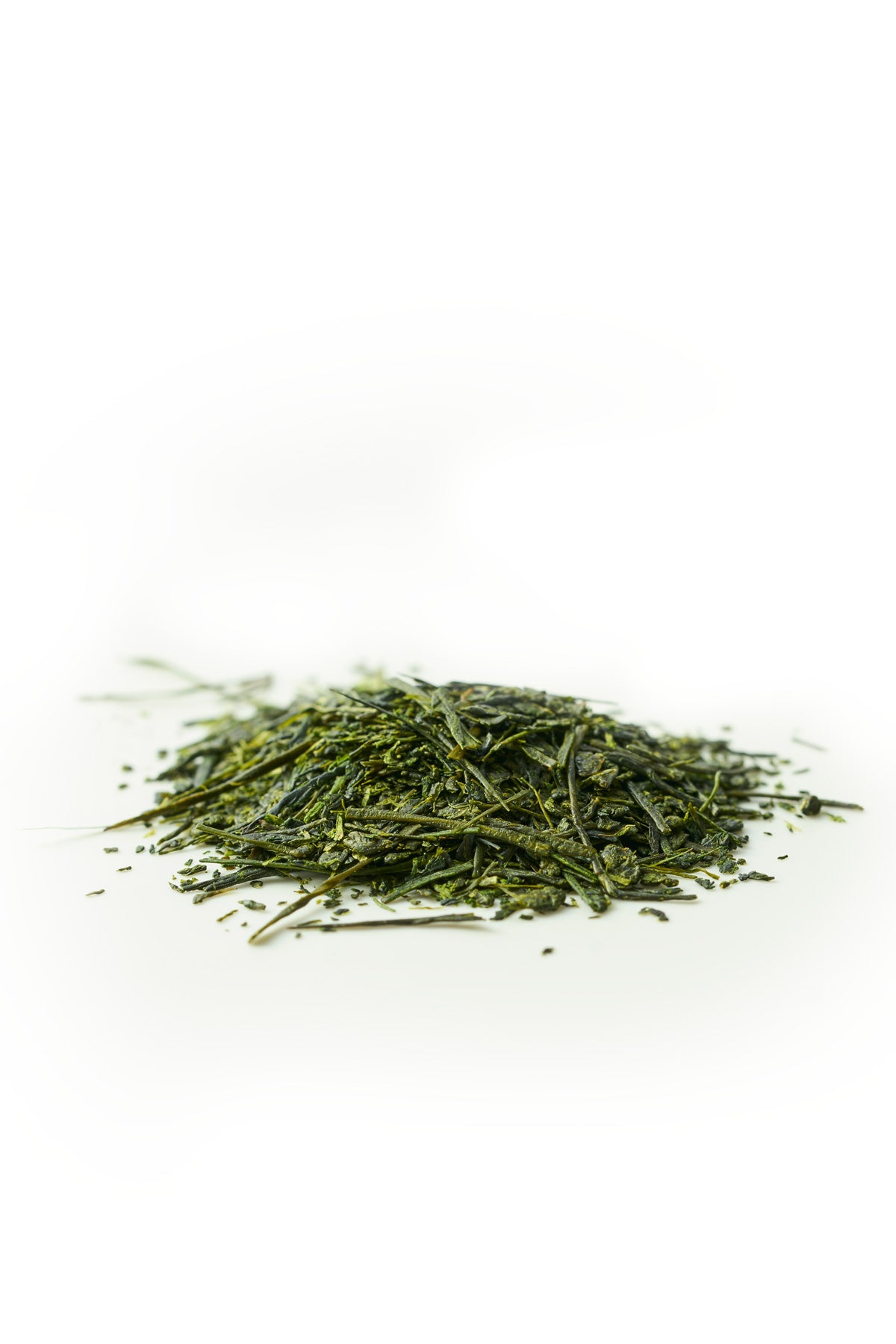
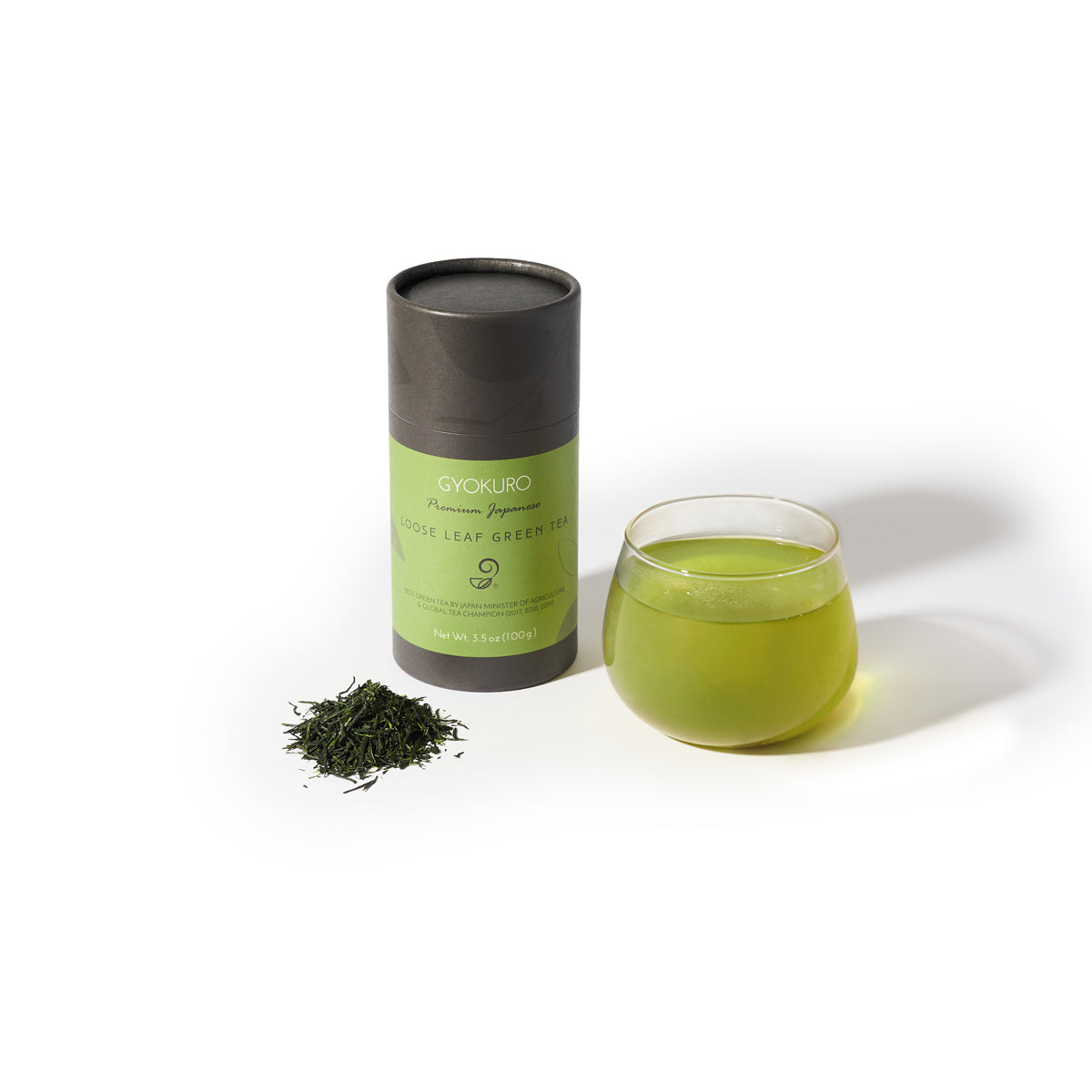
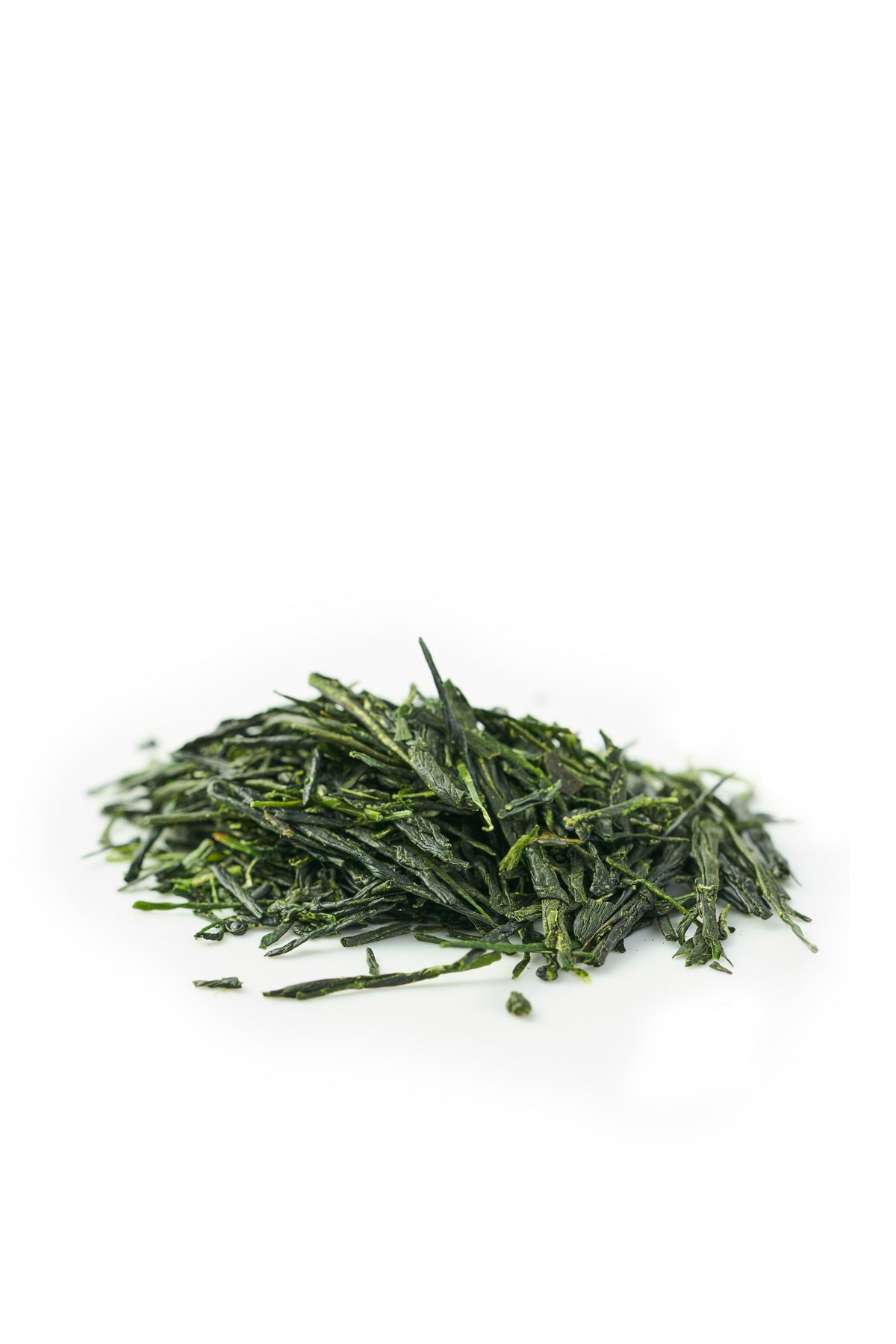
Many have noted the similarities between coca tea, which isn't actually a tea but a tisane, and Japanese green tea, particularly Sencha. If you get a cup of coca tea, you'll be sipping something yellowish-green and warm; the same is true if you get a cup of green tea. Flavor-wise, the two share a hint of grassy taste, thanks to the chlorophyll in the leaves.
In terms of benefits, green tea is better known as a healthful tea with its high antioxidant content, but coca tea has its own set of positive properties. It is considered a digestive, mood-booster, and weight-loss promoter like green tea. Different components achieve these qualities for each tea, but the similarities are still worth mentioning.
Japanese Tea in Peru
As mentioned, coca tea is not an actual tea since it doesn't have any tea leaves. (Check out my video, What is Tea?) This doesn't mean that the Peruvians are making do with coca for lack of real tea. They do have crops of Camellia Sinensis on their land. Back in 1895, Cuzco senator Benjamin de la Torre suggested growing tea locally since cocoa, coffee, and cane liquor were costly. In 1913, he got Peruvian consul Francisco Loaysa to import 120 lbs. of seeds from Yokohama. They arrived on the Anyo Maru steamboat, and the senator planted them on his farm in the La Convención Valley, where the resulting plants thrived.
The Peruvian tea industry was on a good trajectory when various factors contributed to its decline, one of which was the lower price of Argentine tea. The tea crop did not go away, however. These days, tea is grown on about 4,500 acres of Peruvian land, 3,000 of which are in Cuzco.
It might seem incredible to find a Japanese crop growing on the other side of the globe, but it is not as far-fetched as it may appear. There are Japanese families that have been in Peru since the 19th century. So it's no wonder Nikkei, the harmonious fusion of Peruvian and Japanese cuisines, is a deeply entrenched element of Peru's eating culture.
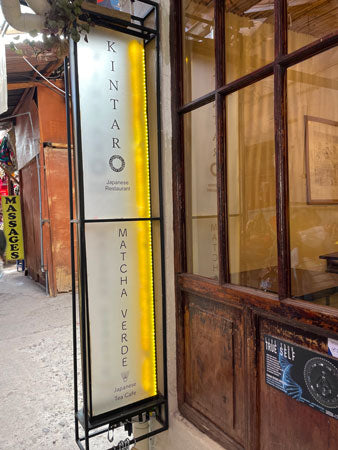 There are many Japanese restaurants in Peru and they call them Nikkei food (日系-Nikkei means Japanese descendant) Many Japanese people migrated to Peru around 1800-1900.
I noticed a familiar Japanese name at Pedazo De Arte in Cuzco and found out that she is the owner of the shop. Miki-san is a nice artist, I love her artwork which you can find more here on her Instagram
Another Common Peruvian Tea: Muña
Coca tea may inspire more intrigue, but there's another popular Peruvian tea that many visitors are eager to try: muña. It may not make your mouth tingle like coca tea does, but it offers a nice drink with a minty flavor and aroma, something that many herbal tea drinkers enjoy. Nonetheless, don't expect it to taste completely like mint tea, as it has its own distinct flavor profile. That's why it's a key component in the dishes and condiments that the Aymara Indians favor. You can find muña in soups, stews, and sauces, as well as in candy and liqueurs.
Muña is also rich in nutrients like iron, calcium, and phosphorus. Locals drink it to settle troubled tummies, especially after a big dinner. In Andean culture, the herb is known as an immune system booster. It grows abundantly in the Sacred Valley. That's why, if you visit Cuzco and your guide is so inclined, he or she may invite you to pick some leaves and boil them in water so you can have a thoroughly fresh cuppa experience. You can behold the crisp Andean vista and pair that view with the crisp flavor of muña in your mouth.
Other Teas in Peru
Japanese tea, coca, muña - the list of locally grown "teas" doesn't end there. The Peruvians have a rich culture that involves traditional medicine, of which tisanes are a big part. There is manzanilla, which translates to chamomile, but this particular tea, of course, uses Peruvian chamomile. It is a lovely drink—sweet, smooth, and balanced.
Another popular herb steeped as tea is cedroncillo, which is lemon verbena in English. Exuding a clean and pleasant scent, it makes a calming tisane with, as expected, lemony notes. Caffeine-free, it serves well as a soothing bedtime drink for Peruvians.
Final Thoughts
I enjoyed my trip to Peru very much, and I learned plenty of interesting facts about the tea culture in the country and so much more. My visit was made even more delightful by the warmth and kindness of the Peruvians. I met such kind and friendly people in all the places I got to see.
Drinking tea can be a solitary activity, but when you share the experience with other people, especially new friends from another culture, it feels like a sacred bond, no matter how fleeting your time together is. This is just part of tea's magic.
Related products
8 reviews
$179.00
$159.99
/
Quick view
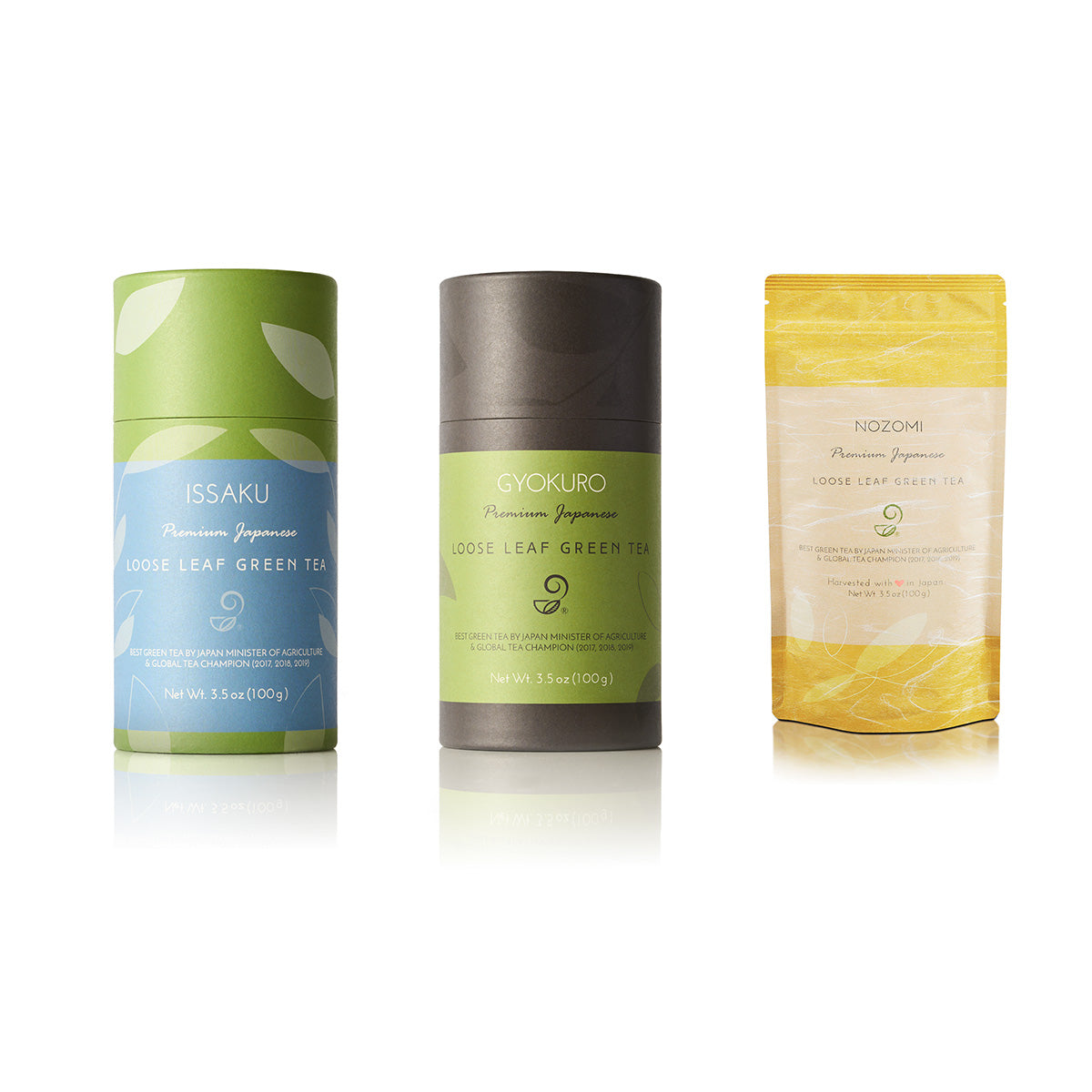
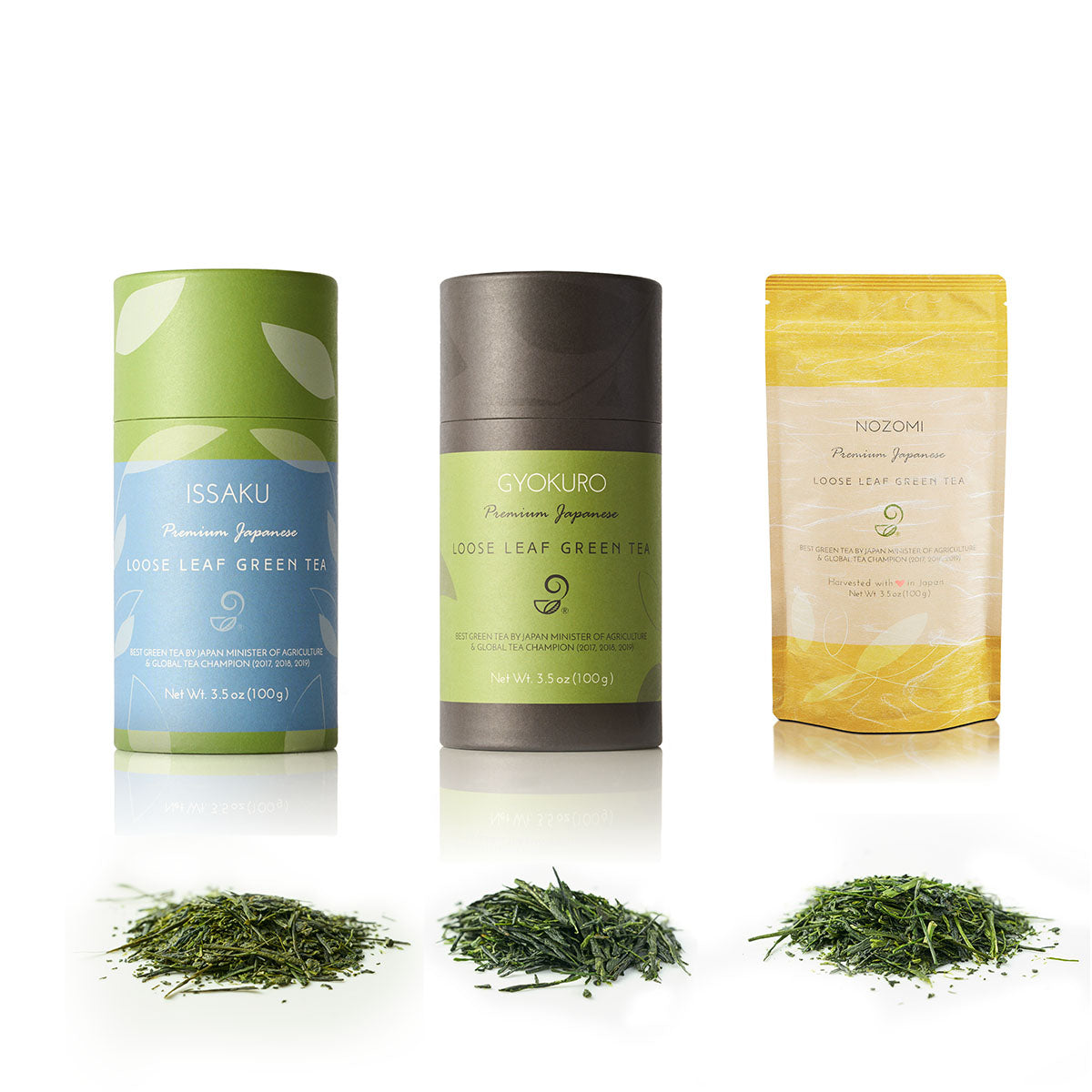
The Sencha Lover Gift Set - Premium Japanese Green Tea Set Package
FAQs about Japanese Green Tea vs. Peruvian Coca Tea
Does coca tea give you the same kind of energy as Japanese green tea?

What other South American teas taste similar to Japanese green tea?

What's the closest legal Japanese green tea match if I liked coca tea?




Get Free Bonus Books

Sign up for free to the Green Tea Club to get advice and exclusive articles about how to choose Japanese Tea, and tips, tricks, and recipes for enjoying Japanese tea.
About the author

Kei Nishida
Author, CEO Dream of Japan
Certification: PMP, BS in Computer Science
Education: Western Washington University
Kei Nishida is a passionate Japanese green tea connoisseur, writer, and the founder and CEO of Japanese Green Tea Co., a Dream of Japan Company.
Driven by a deep desire to share the rich flavors of his homeland, he established the only company that sources premium tea grown in nutrient-rich sugarcane soil—earning multiple Global Tea Champion awards.
Expanding his mission of introducing Japan’s finest to the world, Kei pioneered the launch of the first-ever Sumiyaki charcoal-roasted coffee through Japanese Coffee Co. He also brought the artistry of traditional Japanese craftsmanship to the global market by making katana-style handmade knives—crafted by a renowned katana maker—available outside Japan for the first time through Japanese Knife Co.
Kei’s journey continues as he uncovers and shares Japan’s hidden treasures with the world.
Learn more about Kei

