

India and Japan both have a love of tea that spans many centuries. The plant, Camellia sinensis, is popular in both India and Japan and is used to produce most types of tea, such as black, green, and white tea. However, there are many kinds of herbal teas that are also consumed in both cultures. This love of various teas is woven into the fabric of the history and culture of India and Japan.
Even though I am Japanese, I personally love India and Indian tea. I had a great opportunity to live in India (Chandigarh) for close to a year all together, and from the experience, I was introduced to all the different teas in India.
Beyond the flavors themselves, what fascinated me most was how differently tea lives in everyday life in both countries. In Japan, green tea often appears in quiet moments — served neatly in small cups at home, in restaurants after a meal, or during formal occasions like New Year’s gatherings and tea ceremonies. In India, I experienced tea as something far more social and lively: shared at roadside chai stalls, offered warmly to guests in every home I visited, and enjoyed several times a day as a way to pause, talk, and connect. Seeing these contrasting yet equally heartfelt tea traditions deepened my appreciation for how one simple plant can be embraced so uniquely by two cultures.
This article is based on my experience and research for my love of both Indian and Japanese tea, comparing teas from both countries.
We will take a look at the many factors that show why tea is such a popular drink in these countries and how well Japanese tea and Indian tea will fair in a battle against each other.
1. History: India’s Tea History is Ancient
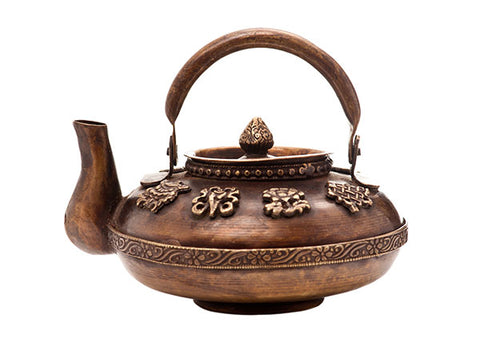
Tea became known in Japan around the 9th century. Tea seeds were brought from China, and the planting of them was greatly encouraged.
For Indian tea, the first record of tea consumption in India was between 750 and 500 BCE in the ancient Indian epic poem, the Ramayana. It’s possible that tea consumption started much earlier than this; however, after the mention of tea in the Ramayana, there are no further records of tea consumption until the first century.
In the sixteenth century, Dutch travelers recorded Indian use of the Assam tea plant as both a food and to brew tea. Later, the arrival of the British East Indian Company brought large-scale production of tea to Assam, India. By the start of the twentieth century, the top tea producer in the world was Assam.
While both countries share deep roots in tea culture, their historical paths unfolded quite differently. Japan’s tea story grew alongside the spread of Buddhism, where monks used tea to maintain alertness during long hours of meditation, eventually shaping the philosophical foundation of the Japanese tea ceremony. India’s story, on the other hand, evolved through discovery, colonial influence, and later — national identity. What began as regional consumption in ancient times eventually transformed into a global tea empire, especially once large-scale cultivation took off under the British. This divergence in historical development not only shaped the teas each country became known for but also influenced how tea is viewed, valued, and celebrated across their cultures today.
Indian tea consumption predates that of Japan.
2. Culture: The Japanese Tea Ceremony is an Exercise in Meditation
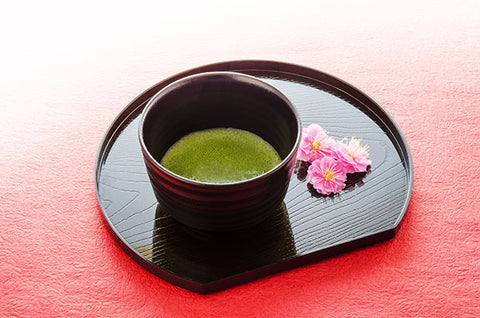 Picture of matcha served at Japanese Tea Ceremony
The Japanese tea ceremony, called the Way of the Tea, is one of the most elegant and beautiful cultural rituals in the world. The ceremony is a series of choreographed movements that are more about focus and intent than drinking tea. It is said that the one preparing the tea must do so from the heart.
This tea ceremony was first recorded to have begun in the sixteenth century. The teachings of Zen Buddhism saturate this practice, which can be seen in the four principles that are central to its’ spiritual aspects. These principles are harmony, respect, purity, and tranquility.
While the Japanese tea ceremony embodies quiet reflection, it also serves as a bridge between people, emphasizing presence and connection in every gesture. The host prepares each utensil with deliberate care, and the guest receives the bowl of tea with equal mindfulness — creating a shared moment of harmony. Beyond the ritual itself, the atmosphere plays an important role: the simple design of the tearoom, the soft sound of boiling water, and the seasonal sweets offered before the tea all contribute to a complete sensory experience. Together, these elements transform a single cup of tea into a meditation on gratitude, etiquette, and the beauty found in simplicity.
3. Types: Japan Tea Comes in Many Varieties
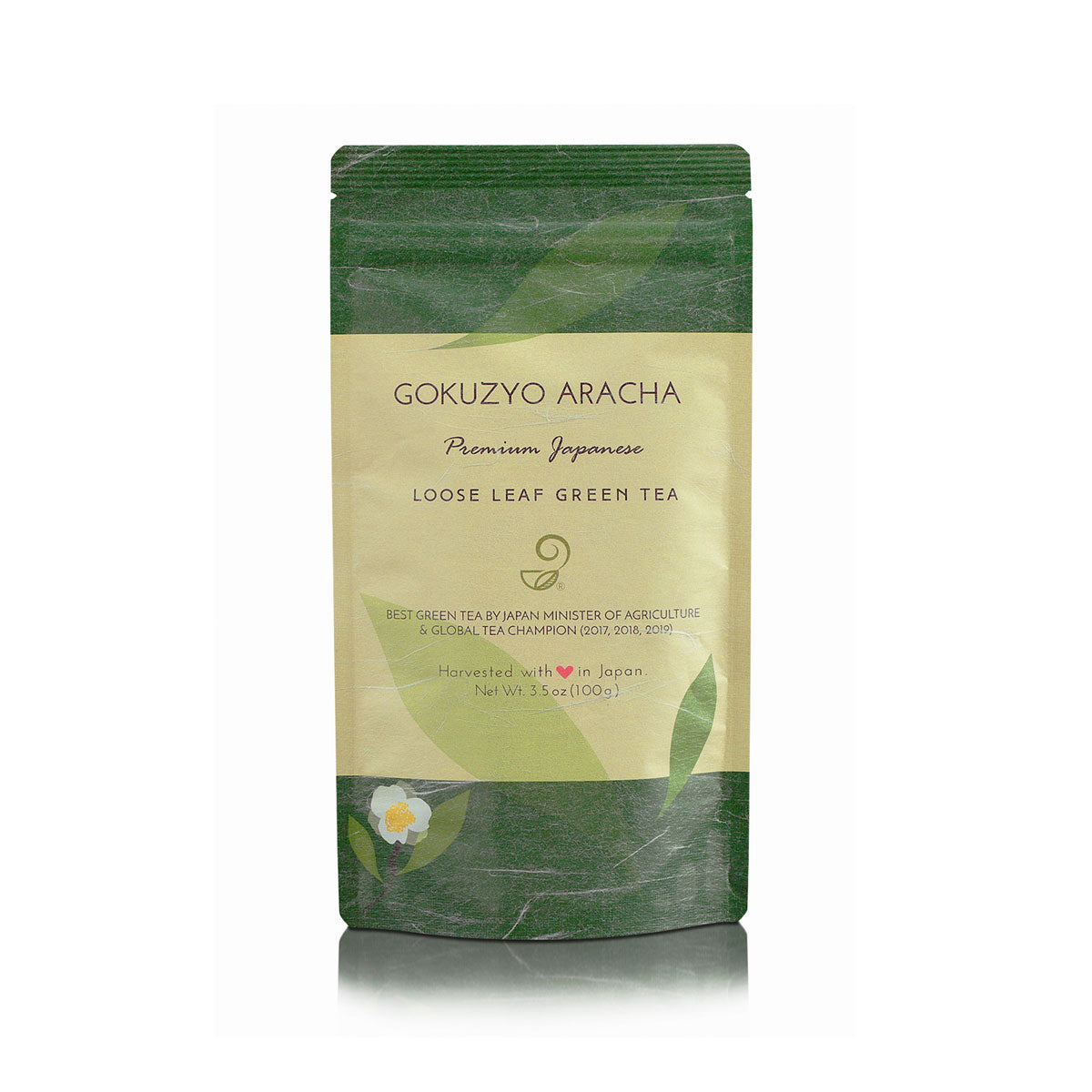
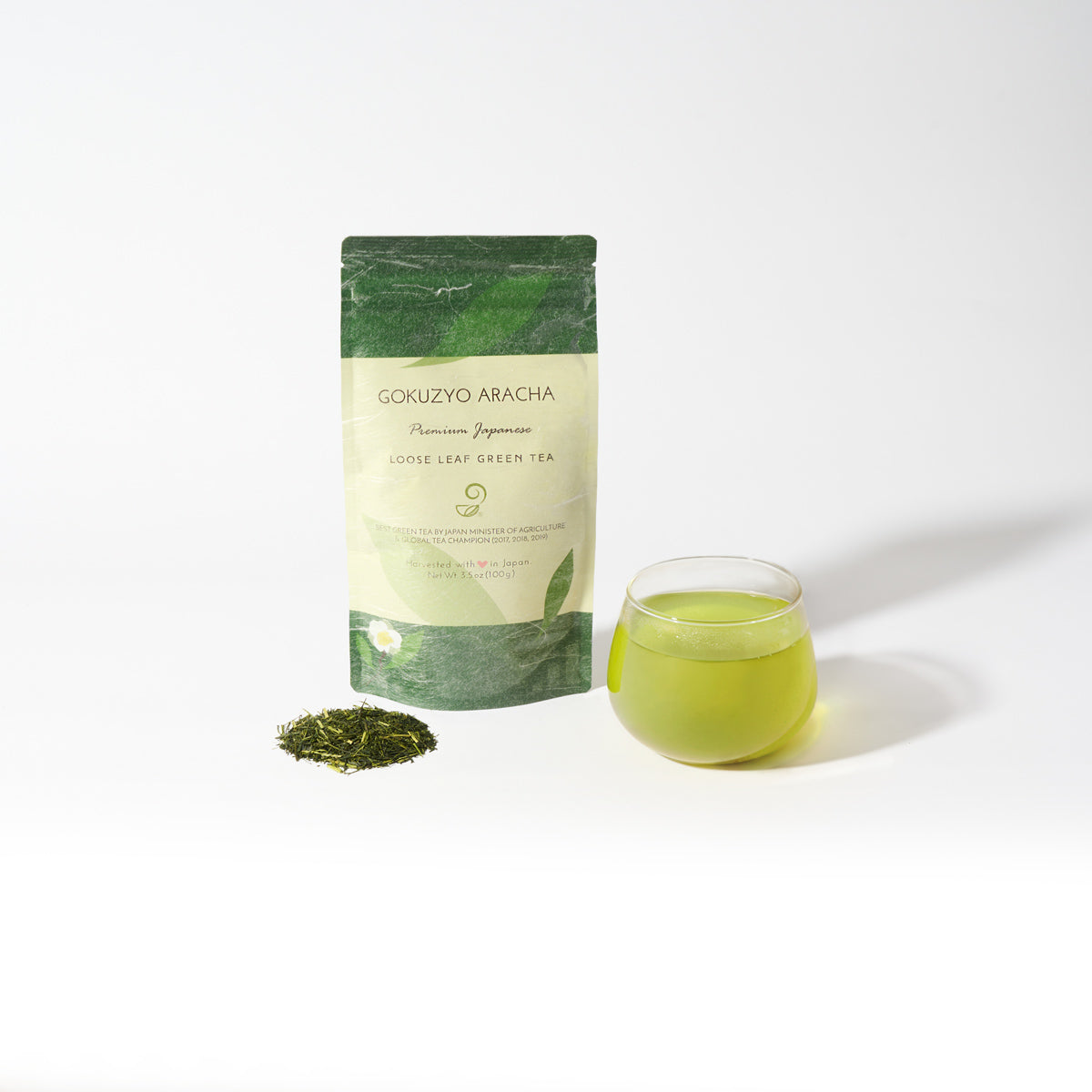
 Picture of Aracha - one of the many Japanese tea types available
There are well over twenty different types of tea in Japan. With the history of tea in Japan spanning over a thousand years, this isn’t surprising. The Japanese have mastered the art of tea cultivation. Let’s take a look at just a few of the types of tea popular in Japan.
Matcha
Tea plants grown under shade are used to make this tea. This process allows the tea leaves to produce more chlorophyll. The additional chlorophyll gives the tea an intense green color. Matcha is the tea commonly used in tea ceremonies. Because matcha is made by grinding the entire leaf into a fine powder, you consume all of its nutrients rather than just an infusion, making it one of the most potent forms of green tea. Its rich, creamy texture and naturally sweet, umami-forward flavor set it apart from other teas. Beyond traditional ceremonies, matcha has become a modern favorite in Japan — used in lattes, desserts, and even savory dishes. Its versatility, combined with its high antioxidant content, has helped matcha gain immense popularity across the world as both a cultural symbol and a contemporary superfood.
Sencha
Sencha is green tea made from tea plants grown in the sun. It is consumed hot or with ice and is the most popular tea in Japan. Because sencha grows under direct sunlight, the leaves develop higher levels of vitamin C and a bright, refreshing flavor profile with a natural balance of sweetness and gentle bitterness. This makes it a versatile everyday tea enjoyed in countless Japanese households, workplaces, and restaurants. The flavor can vary greatly depending on the harvest season — early spring sencha is delicate and sweet, while summer sencha tends to be bolder and more robust. Whether brewed in a traditional kyusu teapot or served chilled during hot summer months, sencha represents the comforting simplicity of daily tea drinking in Japan.
Aracha
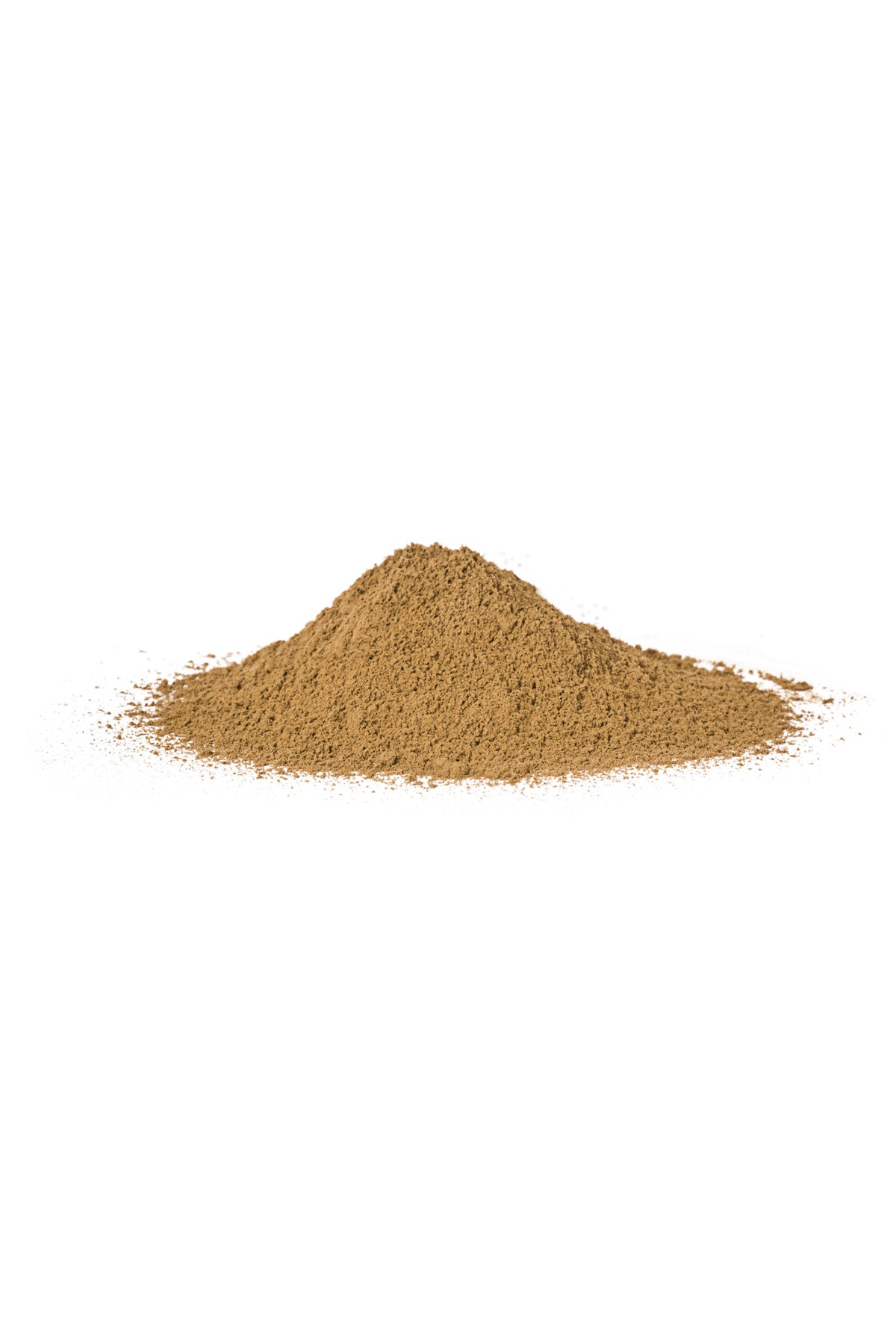
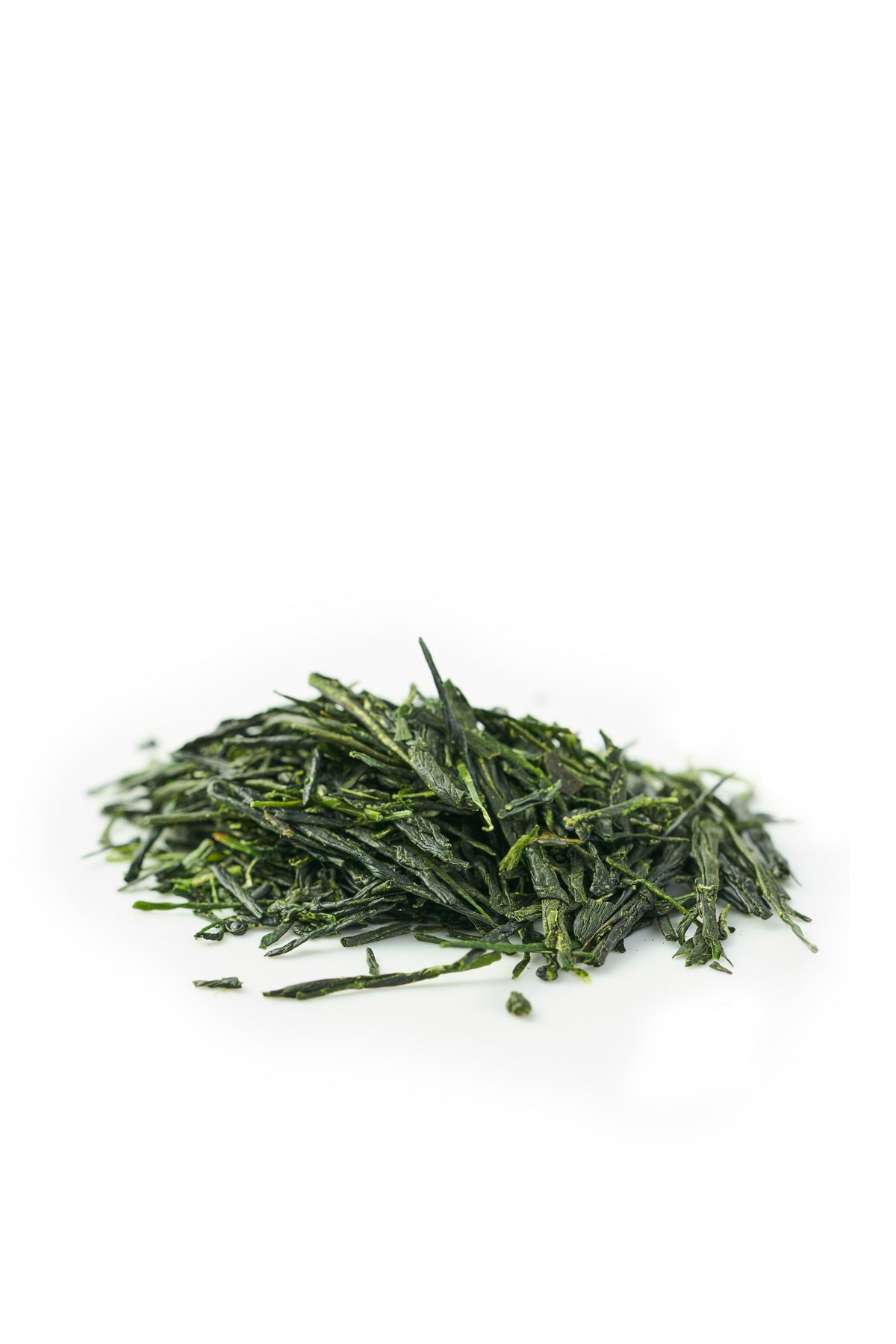
Aracha translates to "wild tea" in English. Aracha is green tea, where the process of green tea keeps the original shape as it is cropped. Most green teas consumed are refined and processed. In Japan, green tea is usually sold from the farmer to the wholesaler, where the wholesaler processes and refines the tea. When green tea is provided to the wholesaler, the form of the tea is usually aracha, where it has not been processed yet. This type of green tea is usually not distributed to consumers. However, due to being able to enjoy a rich and natural taste and flavor, some fans prefer drinking this type.
Aracha’s appeal lies in its unpolished character — the leaves, stems, and small tea particles remain together, giving the brew a fuller body and a more rustic, earthy aroma. Because it bypasses the refining stage, aracha retains a higher amount of natural oils and nutrients, which contribute to its bold taste and vibrant green color. Farmers often drink aracha themselves, appreciating its authenticity and the way it reflects the true flavor of freshly harvested tea leaves. Although rarely found in mainstream markets, specialty shops and tea enthusiasts continue to celebrate aracha as a unique way to experience Japanese green tea in its purest, most natural form.
Here are some more types of Japanese green tea that are popular and available.
How about Indian tea? Just like Japanese tea, Indian tea is full of health benefits. Here are a couple of examples of Indian tea types known for their health benefits.
Assam tea
Assam tea is a black tea that is rich in antioxidants. These antioxidants can help prevent certain types of cancer. In addition, Assam tea can improve cognitive function, increasing mental alertness. Grown in the lowland plains of northeastern India, Assam tea is known for its robust, malty flavor and deep amber color — qualities shaped by the region’s humid climate and fertile soil. It forms the backbone of many breakfast tea blends around the world, prized for its strong, energizing character. Beyond its health benefits, Assam tea plays a major cultural and economic role in India, supporting thousands of tea gardens and millions of workers. Whether enjoyed plain, with milk, or as part of a spiced chai, Assam tea remains one of India’s most iconic contributions to global tea culture.
Nilgiri tea
Nilgiri tea is rich in flavonoids and antioxidants. These two elements, respectively, help to maintain blood sugar and improve cardiovascular health. Grown in the misty Blue Mountains of southern India, Nilgiri tea is admired for its fragrant aroma, bright liquor, and naturally smooth taste. Unlike many black teas that can become bitter when over-brewed, Nilgiri tea maintains a clean, pleasant flavor even with longer steeping, making it popular for iced teas and flavored blends. The high-elevation climate gives it a floral, slightly fruity profile that sets it apart from the stronger, maltier Assam varieties. Its year-round harvest also contributes to India’s steady global tea supply, while giving tea lovers a consistently refreshing and versatile option.
Chai tea
Chai tea is a combination of black tea and spices. Ginger, cinnamon, cardamom, fennel, black pepper, and clove are blended with black tea to produce a potent drink with health benefits. It can help reduce nausea, improve digestion, and reduce inflammation. It is also high in antioxidants, which can help prevent cancer and cardiovascular issues.
Beyond its health benefits, chai is deeply woven into the rhythm of daily life in India. Every region — and often every household — has its own version, adjusting the spice mix, strength of the tea, or amount of milk and sugar to personal taste. The aroma of boiling chai is a familiar scent in homes, markets, offices, and roadside stalls, where chai vendors, or chaiwalas, serve steaming cups throughout the day. Its comforting, invigorating flavor makes it more than just a beverage — it becomes a ritual of hospitality, conversation, and pause in an otherwise busy routine. Whether enjoyed in a clay cup (kulhad) or a modern mug, chai remains one of India’s most beloved and culturally significant teas.
4. Aesthetics: Japanese Tea uses more machinery
 Equipment used for oxdizing pu-erh diet tea at Arahataen inc.
Most Japanese tea cultivation and processing are done by machines, whereas most Indian tea cultivation is still done manually without machinery. Though there are a few framers in Japan who handpick tea to ensure the best quality, most of the tea you see in grocery stores is mass-produced using machines.
This reliance on machinery in Japan is largely due to its smaller agricultural workforce and the need for precision in producing high-quality green teas. Machines help control steaming, rolling, and drying with remarkable consistency, ensuring that each batch maintains the ideal flavor, aroma, and color. In contrast, India’s manual approach allows for a more hands-on connection to the crop, with skilled workers plucking only the tenderest leaves by hand — a technique that contributes to the unique character of Indian teas like Darjeeling and Assam. Both methods reflect the priorities of their respective cultures: Japan focuses on uniformity and refinement, while India emphasizes tradition, craftsmanship, and the human touch.
5. Flavor: Indian Tea is Packed with Flavor
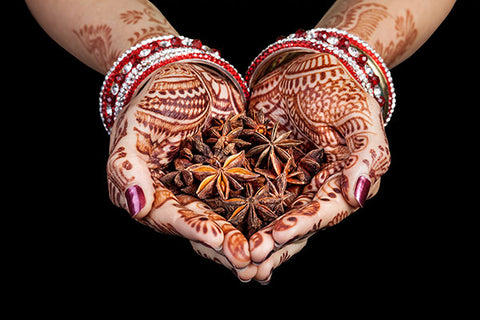
India produces some of the most flavorful teas in the world. The distinct spices of chai tea, along with the milk that is sometimes added, lend to its’ soothing and warm flavor. The taste of chai is so pleasant that it has become a popular drink in many countries outside of India.
Beyond chai, India’s diverse geography allows it to produce a wide spectrum of bold and memorable tea profiles — from the malty strength of Assam to the delicate, muscatel notes of Darjeeling. Each region’s climate, elevation, and soil create unique characteristics that can be instantly recognized by seasoned tea drinkers. Many Indian teas are also enjoyed with additions like sugar, jaggery, lemon, or herbs such as tulsi, enhancing their depth and versatility. This rich variety of tastes has helped Indian teas earn global admiration, with their comforting warmth and aromatic complexity appealing to both casual drinkers and connoisseurs around the world.
The savory butter tea, or gur gur, is made from tea leaves, butter, water, and salt. It is so delicious that Himalayan nomads drink almost forty cups a day.
Another Indian tea well known for its flavor and popular all over the world is Darjeeling tea. It has hints of a fruity smell and flavor that require no additional ingredients to enjoy.
6. Cost: The Surprising Price Differences Between Japanese and Indian Teas
According to a statistical report by Statista, in 2016, the average cost for one hundred grams of green tea in Japan was four hundred and ninety-one yen ($4.35 USD). Statista also reported that in 2015, the average cost for one thousand grams of tea in India was two hundred and two Indian rupees ($2.95 USD).
As you can see, the cost of tea in India is significantly lower than it is in Japan. This is partly due to the size of the country and India’s ability to produce larger quantities of tea.
This price gap is influenced by several factors, including differences in labor costs, production methods, and domestic demand. In Japan, tea cultivation often requires specialized equipment, meticulous processing, and smaller-scale farms, which all contribute to higher production expenses. Indian tea, on the other hand, benefits from vast plantations, abundant labor, and large-volume output, allowing the cost per kilogram to remain comparatively low. Additionally, India exports a significant portion of its tea globally, creating economies of scale that help keep prices accessible for both domestic and international consumers. As a result, tea lovers can enjoy high-quality Indian tea at a fraction of the cost of premium Japanese varieties.
7. Impurities: Japanese Tea is Some of the Purest Tea in the World
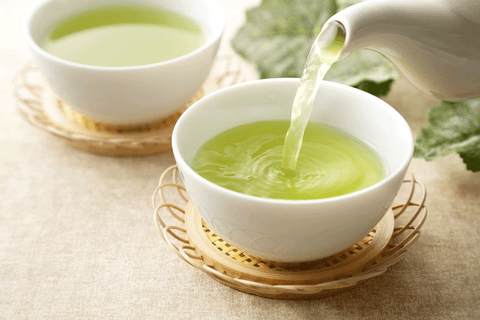
A 2014 Greenpeace India study revealed the presence of pesticides in leading brands of tea sold in India. These pesticides result in acute and chronic toxicity. In contrast, the chance of fewer pesticides in Japanese tea is related to their tea-growing practices.
Black tea from India is also known to contain traces of lead, a toxin that can affect all organs in the human body. According to the Journal of Toxicology, to avoid lead exposure, the safest tea to drink is organic green tea from Japan.
Japan’s stricter agricultural regulations, combined with its emphasis on quality control, contribute to the overall purity of its teas. Many Japanese farms use controlled shading techniques, minimal chemical intervention, and advanced processing environments to ensure cleaner harvests. In India, the vast scale of tea production makes uniform regulation more challenging, and environmental factors—such as soil conditions and industrial pollution—can contribute to impurities like lead. It’s important to note, however, that India also produces many certified organic and ethically grown teas that adhere to global safety standards. Still, for consumers prioritizing purity, Japanese organic green tea remains one of the most reliable options due to its rigorous cultivation practices and consistently lower levels of contaminants.
8. Popularity: The Popularity of Indian Tea Reaches Beyond the Borders of India

Without question, teas that originated in India have gained popularity around the globe. Chai and Darjeeling teas are flavorful and aromatic teas common in many tea and coffee shops. The tea most popular in Japan and perhaps the one Japan is most renown for, green tea, didn’t have its origins in Japan but rather originated in China.
Indian teas have not only traveled widely but have also shaped international tea culture in significant ways. Assam and Darjeeling are staples in countless global blends — from English Breakfast to Earl Grey — giving Indian tea a presence in homes and cafés far beyond South Asia. Chai has also evolved into a global trend, inspiring chai lattes, chai concentrates, and countless modern variations that retain the essence of the original Indian recipe. This worldwide influence contrasts with Japan’s tea identity, which remains more niche and culturally specific, even though Japanese green teas like sencha and matcha are highly respected. The fact that many beloved international tea styles trace their roots back to India reflects just how deeply Indian tea has woven itself into global taste preferences.
9. Weight loss: The Effectiveness of Japanese Tea for Weight Loss
 Diet Pu-erh tea contains more diet element than any other tea in the world
Japanese green tea is known for its ability to help with weight loss. Catechins are flavonoids present in green tea that boost metabolism, helping your body break down fat more quickly. Potent types of catechins are called EGCG. Caffeine, another component of non-herbal teas, causes the body to burn calories by increasing energy levels. EGCG and caffeine work in unison.
Japanese drink green tea frequently, starting with their first meal and throughout the day. The regular consumption of this fat-fighting tea could be one of the reasons Japan doesn’t have an issue with obesity.
Beyond its metabolic benefits, Japanese green tea also supports weight management through its role in appetite control and blood sugar regulation. The amino acid L-theanine, naturally present in green tea, promotes calm focus without the jittery effect of stronger caffeinated drinks, making it easier to avoid stress-related overeating. Additionally, the traditional Japanese habit of pairing meals with tea instead of sugary beverages reduces daily calorie intake. Combined with Japan’s balanced diet and active lifestyle, the cultural practice of drinking green tea throughout the day enhances its effectiveness, making it a subtle yet consistent contributor to maintaining a healthy body weight.
10. Aesthetics: The Timeless Beauty of Japanese Tea
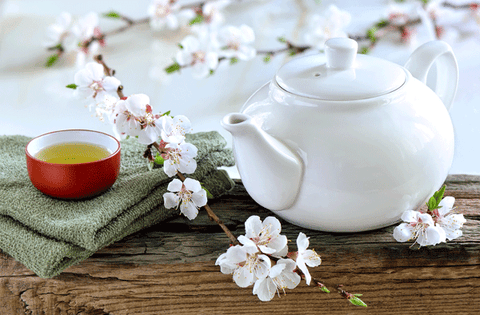
Aesthetics is a formally established discipline in Japan that extends beyond the art of the tea ceremony. Outside of this elaborate ritual, Japanese take pleasure in ornate teapots, cups, and saucers, as well as blossoming herbal foods where a dried flower unfolds after it’s placed into a clear pot or cup. The sight can be as meditative as it is beautiful.
There are no losers when it comes to Japanese tea and Indian tea. Both cultures have produced teas that are and will be enjoyed throughout the world for many years to come.
Both teas matched up when it came to health-related properties and shared other similarities. Yes, they did differ in taste, pricing, impurities, and culture, but overall, it comes down to what you like.
This deep appreciation for beauty is reflected in every detail of Japanese tea culture, from the minimalist design of a handcrafted kyusu teapot to the delicate textures of glazed ceramic teacups. Even the presentation of loose-leaf tea is considered an art form, with vibrant green leaves arranged to highlight their freshness and craftsmanship. Seasonal motifs often influence teaware — cherry blossoms in spring, cool blues in summer, and rustic earth tones in autumn — allowing tea drinkers to feel connected to nature throughout the year. These aesthetic elements elevate tea drinking from a simple daily habit to a sensory experience that celebrates harmony, artistry, and mindfulness.
Which one is your cup of tea today?
Conclusion: A Tale of Two Tea Cultures, One Shared Love
Whether steeped in Japan’s quiet elegance or India’s vibrant warmth, tea remains a powerful symbol of tradition, wellness, and cultural identity. Both countries have shaped their tea heritage in unique ways — Japan through precision, purity, and mindful ritual, and India through bold flavors, community, and sheer diversity. Their histories differ, their methods vary, and their aesthetics contrast, yet each offers something profoundly meaningful to tea lovers.
In the end, there is no true winner in this “battle.” Japanese and Indian teas excel in their own domains, providing exceptional taste, health benefits, and cultural richness. Your perfect cup depends on what you seek: a calming, meditative experience or a lively, aromatic burst of flavor. Fortunately, the world of tea is vast enough to enjoy both — and to appreciate how beautifully these two traditions complement rather than compete with each other.
Related products
8 reviews
$179.00
$159.99
/
Quick view
The Sencha Lover Gift Set - Premium Japanese Green Tea Set Package



Get Free Bonus Books

Sign up for free to the Green Tea Club to get advice and exclusive articles about how to choose Japanese Tea, and tips, tricks, and recipes for enjoying Japanese tea.
About the author

Kei Nishida
Author, CEO Dream of Japan
Certification: PMP, BS in Computer Science
Education: Western Washington University


Hi Diana,
Thank you very much for your interest. We find this decaf green tea to be very good from our sister company: https://shizuokatea.com/s-gtp/gtp-s-decaf.php
May I recommend this one?
Thank you very much,
Kei Nishida
Japanese Green Tea Co.
I am looking for a Japanese green tea that is decaf with water process or if none then carbon dioxide and is loose leaf. I have osteoporosis so caffiene is not the best for me. I cannot find any please help.