Skip to content

Japanese Green Tea vs Mycotoxin Free Coffee


If you've been looking into mycotoxin free coffee, chances are you care about what's going into your body every morning.

And honestly? We love that.

At Japanese Green Tea Co., we think about this stuff all the time — what's in our tea, where it comes from, how it's processed. So when we started seeing all the conversations around mycotoxins in coffee, we thought: let's talk about how Japanese green tea fits into this picture.

Because here's the thing — a lot of people don't realize that green tea has some natural advantages when it comes to purity. And if you're someone who drinks both tea and coffee (like many of us!), this comparison might help you think about your morning routine a little differently.

Let me break it all down.


Back to top

The Research Behind Your Morning Cup

First, let's talk about why the morning matters.

Researchers at Harvard tracked the coffee habits of more than 40,000 adults for nearly a decade. What they found was pretty interesting: people who drank coffee specifically in the morning showed a 16% lower associated risk of dying from any cause, and a 31% lower associated risk of dying from cardiovascular disease, compared with non-coffee drinkers. People who spread their coffee throughout the day? No such association. The study was published in the European Heart Journal in early 2025.

That's a fascinating finding for coffee. But here's what we always like to point out — green tea has its own impressive body of research for morning health benefits, with some advantages that coffee simply can't match.

And one of those advantages? You don't have to worry about mycotoxins in the first place.


Back to top

What Are Mycotoxins, and Should You Worry?

If you're new to this topic, let me explain.

Mycotoxins are toxic byproducts produced by mold fungi. They can develop on coffee beans during harvest, storage, and transport — especially in humid shipping containers. The two most studied mycotoxins in coffee are aflatoxin B1, which the International Agency for Research on Cancer classifies as a Group 1 carcinogen, and ochratoxin A, which has been linked in research to kidney damage at elevated exposures.

Now, an important note: research published in PMC shows that typical commercially available coffee contains mycotoxin levels well below established safety thresholds. The World Health Organization also notes that mycotoxin exposure depends heavily on overall diet and processing conditions.

So we're not trying to scare anyone away from coffee! Most coffee on the market is considered safe. But if you're the kind of person who wants to be intentional about what you're drinking — and if you're reading this, you probably are — it's worth understanding where green tea stands in comparison.


Back to top

The Green Tea Advantage: Why Mycotoxins Are Less of a Concern

Here's something most people don't realize about Japanese green tea and mycotoxins.

The way Japanese green tea is grown, harvested, and processed makes mycotoxin contamination significantly less likely compared to coffee. There are a few reasons for this:

Processing speed. After harvest, Japanese green tea leaves are steamed within hours. This rapid heat treatment stops oxidation and — importantly — kills mold before it has a chance to produce mycotoxins. Coffee beans, by contrast, go through extended drying, storage, and shipping stages where mold can develop.

Climate and growing conditions. Japanese tea farms — especially in regions like Shizuoka, Uji, and Kagoshima — operate in well-managed environments with strict agricultural oversight. Japan has some of the world's most rigorous food safety standards, and tea is no exception.

Shorter supply chains. Our teas go from farm to processing to packaging with far fewer stops than a typical coffee bean travels. Less time in transit means less opportunity for contamination.

Leaf vs. bean. Tea leaves are dried quickly and stored in controlled environments. Coffee beans are denser and retain more moisture, which creates a more hospitable environment for mold growth during storage and shipping.

Does this mean green tea is 100% guaranteed mycotoxin-free? Nothing is 100% guaranteed. But the natural advantages of how Japanese green tea is produced make it a fundamentally different situation than what coffee drinkers face.

I'll be honest — this is one of the things that makes me really proud of the products we sell. The purity is built into the process, not bolted on after the fact.


Back to top

What "Tested" Actually Means in Coffee

If you've been shopping for mycotoxin free coffee, you've probably noticed that a lot of brands talk about "testing." But there's a meaningful difference between a company that runs tests and one that actually publishes the results.

According to Forbes Health, coffee's bioactive compounds — including chlorogenic acids and polyphenols — are among the most studied contributors to its observed health benefits. These compounds are also sensitive to how coffee is grown, processed, and roasted.

Research published in MDPI on ochratoxin A contamination confirms that contamination can enter at multiple stages along the coffee chain — from green bean storage through processing and shipment. A clean test at one point doesn't necessarily tell you what happened at another.

Three things distinguish a truly meaningful testing commitment:

Published Certificates of Analysis. Batch-level lab results made available to anyone, not just general statements about testing protocols.

Broad compound testing. Testing for mycotoxins alone is just the start. Pesticide residues, heavy metals, acrylamide precursors, and acidity markers each tell a different part of the story.

Sourcing integrity before the test. Coffee (or tea!) grown with care, processed properly, and stored correctly arrives at the testing stage with far less to worry about. The test confirms what good sourcing was designed to prevent.

This is honestly how we think about our own green tea. We don't just test at the end — we work with farms and producers who build quality and safety into every step.


Back to top

Five Mycotoxin Free Coffee Brands Worth Knowing

If you're a coffee drinker (and many of our customers are — we get it!), here are five brands focused on mycotoxin-free coffee that are worth looking into:

  • Purity Coffee — Built on the idea that coffee should be proven healthy, not just assumed to be. According to the company, every lot undergoes independent third-party lab testing for mycotoxins, heavy metals, pesticide residues, and acrylamide precursors. They use specialty-grade, organically grown Arabica beans from high-altitude farms. For decaf, they use the Mountain Water Process (water filtration rather than solvents). Probably the most transparent brand in this space.

  • Bulletproof Coffee — The brand that brought mycotoxin awareness into mainstream wellness. Dave Asprey launched it after his experience with mold toxicity. The company states it applies testing standards for mold toxins and heavy metals. Beans are Rainforest Alliance Certified from small farms in Central and South America. Does not hold USDA Organic certification.

  • Lifeboost Coffee — USDA Organic, shade-grown, fair trade, single-origin. According to the company, independently tested for mycotoxins, heavy metals, and over 450 toxins. Sourced from high-altitude farms in Central America. They do maintain a Certificate of Analysis page.

  • Peak Performance Coffee — Positioned in the organic, mold-tested space. Specific testing protocols and batch documentation were not independently verifiable during our research for this article.

  • Kion Coffee — Certified organic Arabica from fair-trade cooperatives. According to the company, independently tested for mycotoxins, mold, and pesticides. Certificates of Analysis are not posted publicly.

All five are worth exploring if clean coffee matters to you. But if you want our honest take — keep reading for why green tea might be the simpler solution.


Back to top

Green Tea vs Coffee: The Health Comparison

We actually wrote a detailed health benefit comparison of coffee vs tea on our blog — if you haven't read it, it's worth checking out!

But here's the quick version of why we think Japanese green tea deserves a place in your morning routine, especially if health is your priority:

L-Theanine. This is the big one. Green tea contains L-theanine, an amino acid that promotes calm focus. You get the alertness from caffeine without the jitters or the crash. Coffee doesn't have this. If you've ever felt anxious after your morning coffee, this is a game-changer.

EGCG and catechins. Japanese green tea — especially matcha and sencha — is packed with catechins, powerful antioxidants that have been studied extensively for their health benefits. EGCG (epigallocatechin gallate) is the superstar here, and green tea is the richest dietary source.

Lower acidity. Green tea is much gentler on your stomach than coffee. If you've ever dealt with acid reflux from your morning cup, you know what I'm talking about.

No mycotoxin concerns. As we discussed above, the way Japanese green tea is processed essentially eliminates the conditions that allow mycotoxins to develop. You don't need to hunt for a special "mycotoxin-free" version — it's inherently part of how the tea is made.

Sustained energy. The caffeine in green tea is released more gradually than coffee, giving you steady energy for hours instead of a spike and crash.

I'm obviously biased here — I drink green tea every single day! But the research really does speak for itself.


Back to top

Why Not Both?

Here's the thing — we're not telling you to give up coffee. (Honestly, I still enjoy a good cup myself sometimes!)

What we are saying is: if you're already spending time researching mycotoxin free coffee, Japanese green tea might solve the problem in a simpler way. The purity is built into the product. No special testing needed, no hunting for Certificates of Analysis, no wondering whether this batch was clean.

A lot of our customers actually do both — green tea in the morning for that calm, focused energy, and a quality coffee later if they want it. That's a pretty great routine if you ask me.

If you're curious about trying Japanese green tea, we'd love to help you find the right one. Whether it's a bright, grassy sencha or a rich, creamy matcha, there's something for everyone.

And if you have any questions at all, please don't hesitate to reach out to us at info@japanesegreenteain.com. We love hearing from you!


Back to top

Quick Reference: Green Tea vs Mycotoxin Free Coffee

Japanese Green Tea Mycotoxin Free Coffee
Mycotoxin Risk Very low — rapid steaming and short supply chains minimize risk naturally Requires specific testing and sourcing to minimize risk
Caffeine ~30–50mg per cup (gradual release with L-theanine) ~95–200mg per cup (faster spike and crash)
L-Theanine ✅ Yes — promotes calm focus ❌ Not present in coffee
Key Antioxidants EGCG, catechins Chlorogenic acids, polyphenols
Acidity Low — gentle on the stomach Higher — can cause reflux for some
Special Testing Needed? No — purity is built into the process Yes — look for published Certificates of Analysis
Price Range $15–$35 for high-quality Japanese tea $20–$50+ for tested, certified coffee

FAQs about Japanese Green Tea vs Mycotoxin-Free Coffee

Does Japanese green tea have mycotoxins like coffee can?
Almost never at concerning levels. Mycotoxins (the mold-derived compounds people worry about in coffee) form when crops are stored damp or for too long in warm conditions. Japan's tea industry is structured against this from the start: leaves are harvested fresh, steamed within hours to halt enzyme activity and lock out mold spores, then dried to very low moisture content. The result is a leaf that's microbiologically stable.

Coffee mycotoxin risk is highest with cheap, mass-produced beans that sit in warehouses in humid origins for extended periods. Japanese green tea sits in cool, dry, climate-controlled storage from the moment it leaves the field. Independent testing (like JAMSTEC and various university labs) has found mycotoxins in Japanese green tea below detection limits in most samples.

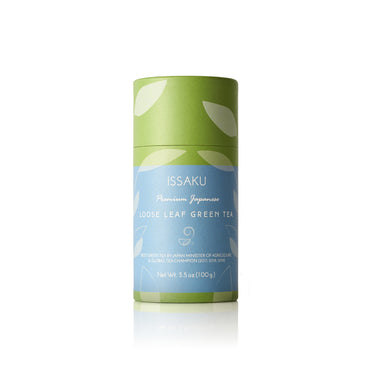
If mycotoxin avoidance is your priority, Japanese green tea is one of the cleanest caffeine sources available. Our Issaku Reserve is single-origin, single-harvest, traceable to a specific Shizuoka farm — about as transparent a supply chain as you can get.

Is Japanese green tea cleaner than mycotoxin-free coffee, or about the same?

Both are clean caffeine sources, but they're clean in different ways. Mycotoxin-free coffee is engineered cleanness — careful sourcing from high-altitude farms, lab testing, third-party certification. Japanese green tea is structural cleanness — the supply chain is set up to make mycotoxin formation nearly impossible from harvest through cup. There's less of a 'we tested for it' story because there's less to test for.

On other variables, green tea has some natural advantages. The L-theanine content (an amino acid almost unique to camellia sinensis) gives you the calm-focus effect that even clean coffee can't replicate. The catechin antioxidants in green tea are higher per cup than in any coffee. And green tea has lower caffeine per serving — usually 30-50mg vs 95-200mg for coffee — which means less crash potential.

If you've been switching from coffee to mycotoxin-free coffee for the cleanness benefit and finding it expensive, switching to fresh-brewed Japanese green tea instead is often a similar move at lower cost.

Which Japanese green tea has the most antioxidants?
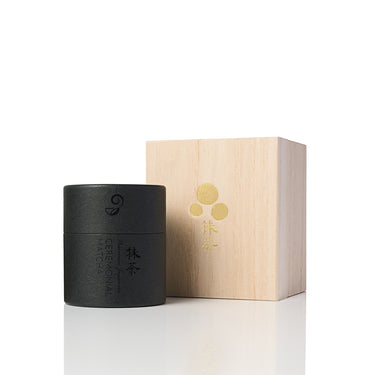
Matcha (抹茶) by a wide margin. Because you consume the entire stone-ground leaf rather than steeping and discarding, every cup of matcha delivers roughly 10x the catechin antioxidants of a cup of brewed sencha. EGCG specifically — the most-studied catechin for cardiovascular and metabolic health — is concentrated heavily in matcha. Our Limited Reserve Premium Matcha is in the high-EGCG tier.

After matcha, gyokuro (玉露) is next. It's shade-grown like matcha but consumed as a brewed leaf rather than powder, so you don't get the whole-leaf advantage but you do get the elevated antioxidant content the shading produces. Sencha is third — brewed leaf, sun-grown — still substantial antioxidant content but less than the shaded teas. Hojicha and bancha sit lower because the roasting/late-harvest reduce catechin levels.

Can I switch from coffee to green tea without losing the morning energy?
Yes, but adjust your expectations and your dose. Coffee gives you 95-200mg of caffeine in one cup with a fast peak — that's the morning kick most coffee drinkers depend on. Green tea gives you 30-50mg per cup with a slower curve, smoothed by L-theanine into a more sustained 'calm focus' state. The energy is real but it feels different.

Practical transition: drink two cups of strong green tea in the morning instead of one coffee. Or use matcha — 2 teaspoons of ceremonial matcha hits roughly 60-130mg of caffeine, much closer to coffee territory but with the L-theanine balance. Most ex-coffee drinkers report fewer afternoon crashes within a week of switching, even if the morning feels different at first.

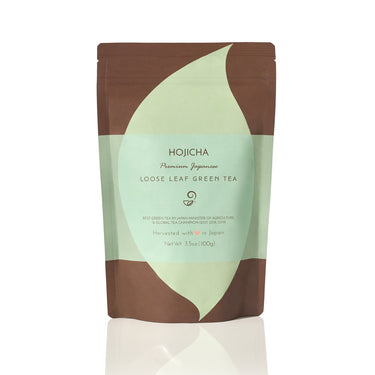
If you specifically want a low-caffeine option for evenings or for caffeine-sensitive folks, hojicha (ほうじ茶) — roasted green tea — has roughly 1/4 the caffeine of sencha because the roasting destroys most of it. Many Japanese drink hojicha in the evening for this reason.

Is single-origin Japanese tea always cleaner than blended?

Cleaner in the traceability sense, yes — almost always. Single-origin tea names a specific farm, a specific cultivar, and a specific harvest year. If something goes wrong (a bad season, a contamination issue, a labeling concern), it's trackable. Blended tea pulls leaves from multiple farms across multiple seasons; if a problem shows up, it's much harder to identify the source.

That doesn't automatically mean blends are 'dirty.' Reputable Japanese tea blenders use clean-source leaves and the resulting tea is perfectly safe. But for someone specifically choosing tea on a 'know what's in your cup' basis (the same logic that drives the mycotoxin-free coffee movement), single-origin is the equivalent move.

Look for these markers on a Japanese tea package: the prefecture (Shizuoka, Kagoshima, Uji), the cultivar (Yabukita, Saemidori, Benifuuki), and ideally the farm name. The more specific the labeling, the cleaner the supply chain almost always is.

Related products

45 reviews

Hojicha - Roasted Green Tea

$25.00
Quick view

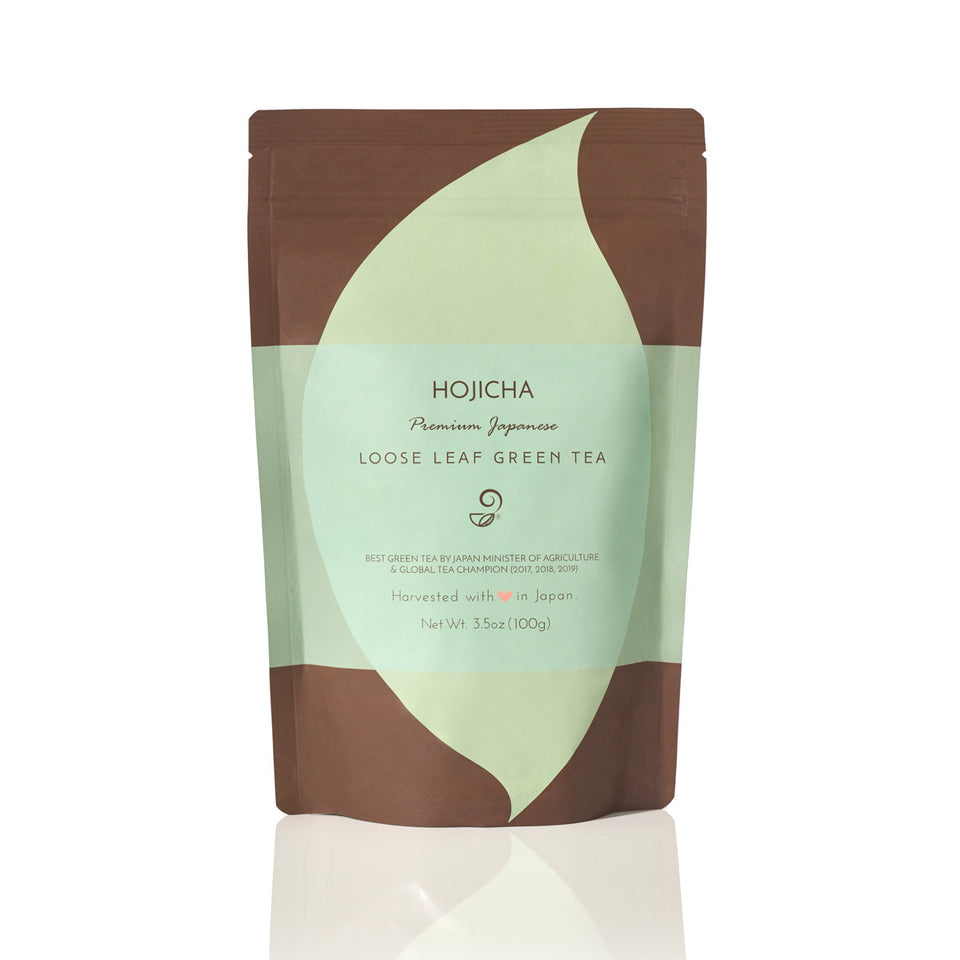
Our roasted green tea, known as hojicha (ほうじ茶), is crafted from freshly harvested premium green tea carefully roasted in porcelain over charcoal to maximize flavor while retaining more catechins than typical hojicha on the market. With lower caffeine and a smoother, less bitter taste compared to steamed green tea, it is an ideal choice for evening relaxation and is gentle enough for kids and pregnant women. Cultivated using the Chagusaba method in nutrient-rich sugarcane soil, this loose-leaf authentic Japanese roasted green tea, made from the Yabukita cultivar, also pairs beautifully with oily foods. Each eco-friendly resealable package contains 3.5 oz (100g) of tea, enough to steep 30–40 comforting cups.

Hojicha Powder - Roasted Green Tea Powder

$25.00
Quick view

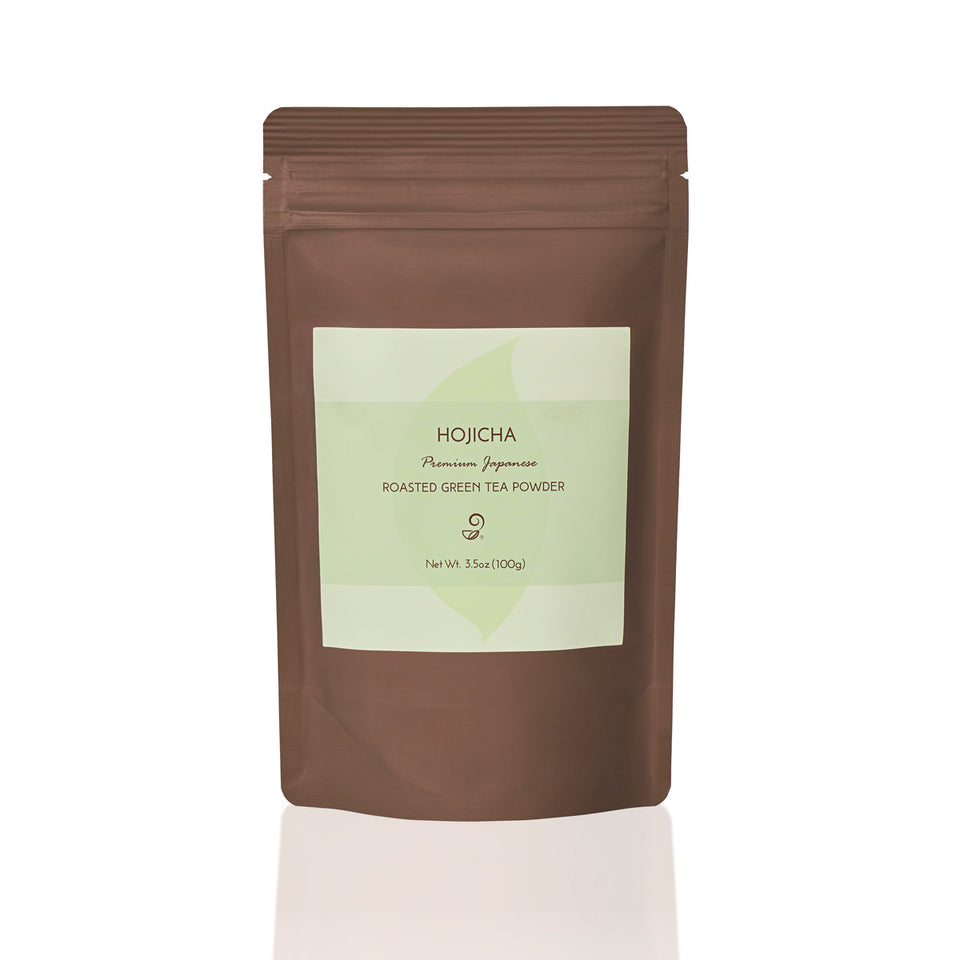
Our roasted green tea, known as hojicha (ほうじ茶), is crafted from freshly harvested premium green tea carefully roasted in porcelain over charcoal to maximize flavor while retaining more catechins than typical hojicha on the market. With lower caffeine and a smoother, less bitter taste compared to steamed green tea, it is an ideal choice for evening relaxation and is gentle enough for kids and pregnant women. Cultivated using the Chagusaba method in nutrient-rich sugarcane soil, this loose-leaf authentic Japanese roasted green tea, made from the Yabukita cultivar, also pairs beautifully with oily foods. Each eco-friendly resealable package contains 3.5 oz (100g) of tea, enough to steep 30–40 comforting cups.

8 reviews

The Sencha Lover Gift Set - Premium Japanese Green Tea Set Package
$179.00 $159.99
Quick view

This tea set features three exceptional Japanese green teas, each crafted with care and traditional techniques. Issaku Reserve, a Global Tea Champion winner in 2017 and 2019, is a rare masterpiece created by Farm Master Mr. Arahata at Arahataen Green Tea Farm. Handpicked once a year from the first flush and processed with advanced methods, Issaku represents the highest-grade deep-steamed green tea, available only in limited quantities even in Japan.

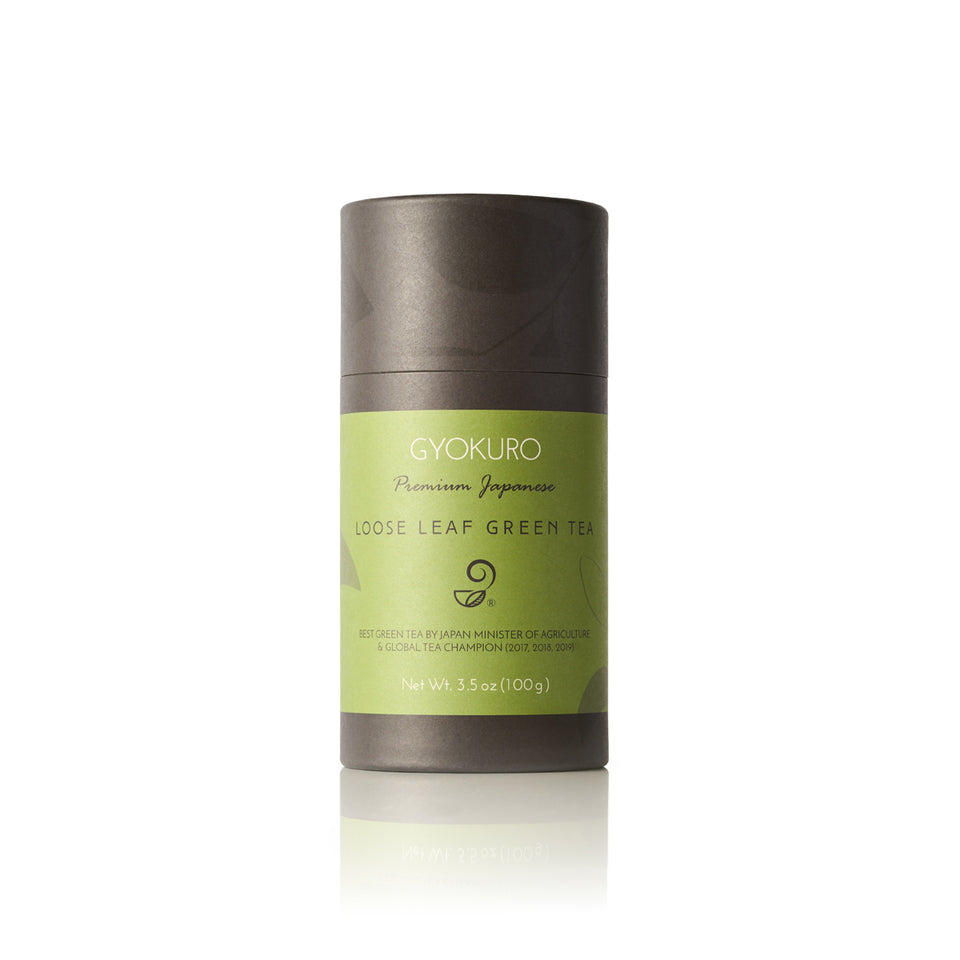
The set also includes Gyokuro, a premium shaded green tea known for its rich, sweet flavor and deep mossy green color. Grown under special mats for 20 days to increase caffeine and amino acid levels, Gyokuro offers a layered, smooth taste unlike any other. Completing the collection is Nozomi, a fine Kabuse-cha, or "Covered Green Tea," carefully grown under nets to gently shade the leaves just before new sprouts emerge, resulting in a soft, rich, and refined flavor profile.

97 reviews

Gyokuro - Shaded Imperial Premium Green Tea

$65.00
Quick view

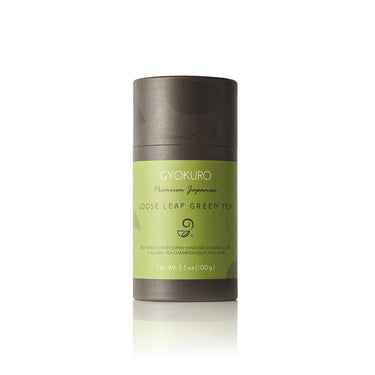
Gyokuro, also known as "jade dew" or "jewel dew tea," is a premium Japanese green tea shaded from the sun for 20 days using specially made mats, a method that boosts caffeine levels and strengthens amino acids to create a sweeter, richer flavor. This extended shading process results in dark, mossy green leaves with an unmistakable aroma and a complex taste that is layered yet balanced. Cultivated by the Chagusaba method in nutrient-rich sugarcane soil and made from the Yabukita cultivar, this loose-leaf authentic Gyokuro is offered in a high-quality, air-tight paper tube canister (chyazutsu) to preserve its exceptional freshness and flavor. Each 3.5 oz (100g) full-size package steeps 30–40 cups, and a convenient single-serve sample is also available.

80 reviews

Matcha - Ceremonial Japanese Powdered Green Tea

$39.00
Quick view

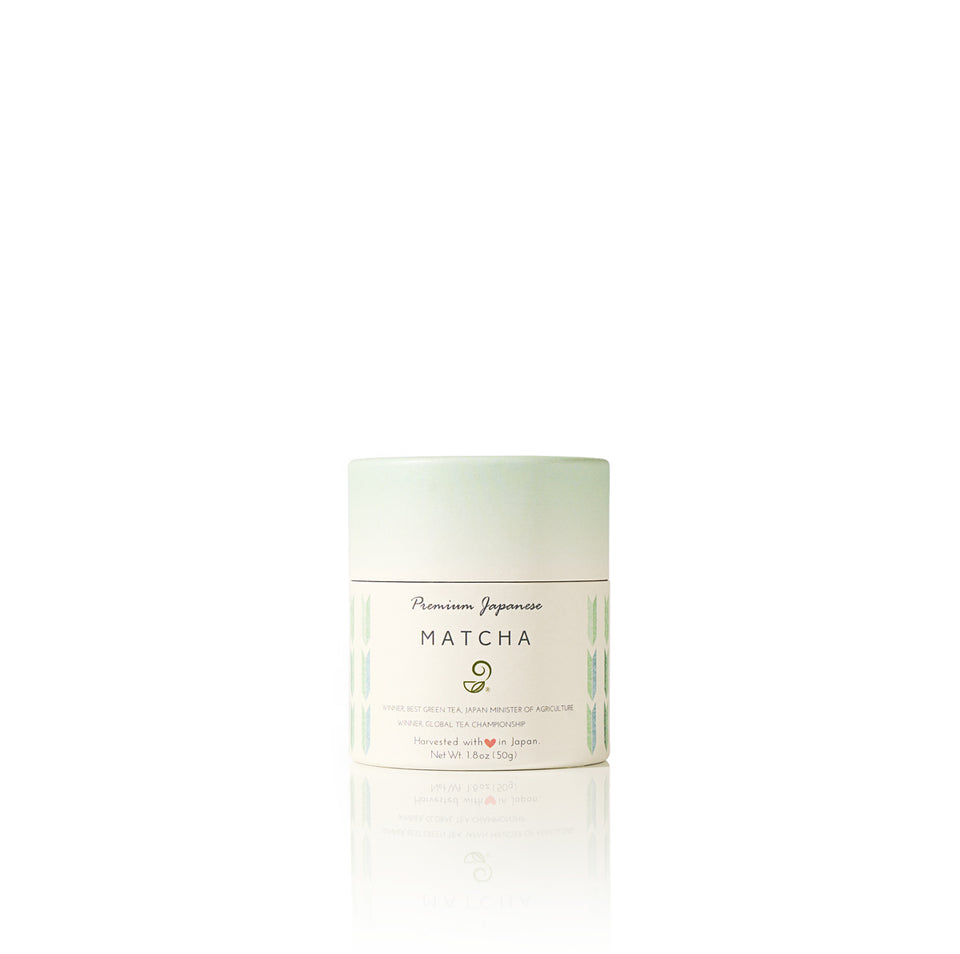
This ceremonial matcha is crafted from the finest Japanese green tea, grown in nutrient-rich soil enhanced with compostable grasses and sugarcane through the Chagusaba method, which gives the tea a natural sweetness and exceptional flavor. In collaboration with researchers from Shizuoka University, farmers ensure that the soil quality consistently produces tea of the highest standard.

Renowned among top Japanese chefs for its unmatched aroma, this matcha is made by carefully shading the plants before harvest to boost caffeine and amino acids, then meticulously drying, de-stemming, and grinding the leaves into a fine powder. Made from the Yabukita cultivar, this 1.8 oz (50g) matcha comes in a high-quality, air-tight paper tube canister, providing a luxurious and authentic Japanese tea experience.

Hokkaido Blend K-Cups Pods (12 Count)

The rich, balanced flavor of our most popular Hokkaido Blend is now available in convenient K-Cup pods, compatible with Keurig Brewers. You no longer have to compromise on flavor for convenience—these premium pods retain maximum taste and aroma, delivering a cup as satisfying as any other brewing method. We selected only the highest-quality pods to ensure your coffee stays fresh longer and every sip is as delicious as the last.

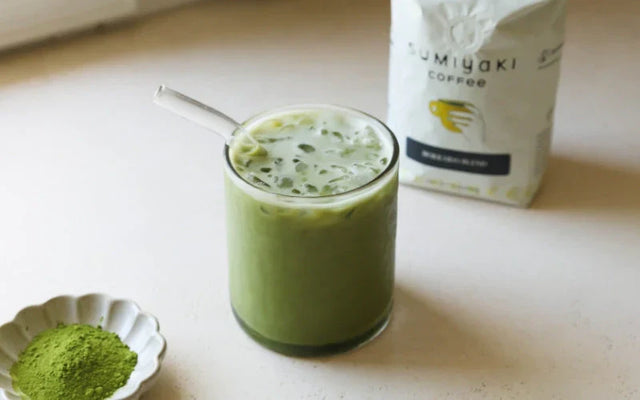
Our K-Cups capture the authentic sumiyaki (charcoal-roasted) flavor that defines Hokkaido Blend coffee, offering the same full-bodied experience as traditional brewing without the fuss. With a built-in paper filter, these pods seal in freshness and aroma while delivering deep, rich flavors with reduced acidity. Perfect for busy mornings or moments when you need a quick, exceptional cup—these are the K-Cups that coffee connoisseurs have been dreaming of.

This product is only available for shipping in the USA.


Related Articles You May Be Interested

Yerba Mate Tea (マテ茶) vs Japanese Green Tea
Japanese Tea vs Indian Tea - 10 Battles You Don't Want to Miss
Japanese Green Tea vs Italian Tea
Japanese Green Tea vs Italian Tea - Personal account of tea in Italy from my recent Italy trip
Japanese Green Tea vs Chinese Green Tea - 10 battles you don't want to miss
Japanese Green Tea vs. Turmeric Tea - 10 battles you don't want to miss

Get Free Bonus Books

Join Green Tea Club

Sign up for free to the Green Tea Club to get advice and exclusive articles about how to choose Japanese Tea, and tips, tricks, and recipes for enjoying Japanese tea.

Unsubscribe anytime. It’s free!

About the author

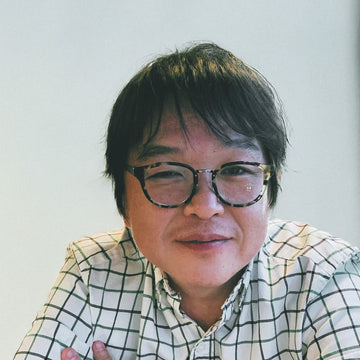
Kei Nishida

Kei Nishida

Author, CEO Dream of Japan

info@japanesegreenteain.com

Certification: PMP, BS in Computer Science

Education: Western Washington University
Kei Nishida is a passionate Japanese green tea connoisseur, writer, and the founder and CEO of Japanese Green Tea Co., a Dream of Japan Company.

Driven by a deep desire to share the rich flavors of his homeland, he established the only company that sources premium tea grown in nutrient-rich sugarcane soil—earning multiple Global Tea Champion awards.

Expanding his mission of introducing Japan’s finest to the world, Kei pioneered the launch of the first-ever Sumiyaki charcoal-roasted coffee through Japanese Coffee Co. He also brought the artistry of traditional Japanese craftsmanship to the global market by making katana-style handmade knives—crafted by a renowned katana maker—available outside Japan for the first time through Japanese Knife Co.

Kei’s journey continues as he uncovers and shares Japan’s hidden treasures with the world.

Learn more about Kei Nishida

Related Posts

Yokohama Peach is offered as a regular menu at Okayama Kobo Cafe!
Yokohama Peach is offered as a regular menu at Okayama Kobo Cafe! + Recap Video of Pop-up on 2/8/2026 at Anaheim, CA

We are excited to announce that our Yokohama Peach is now available on the regular menu at the popular Japanese Bakery,

Read More
The Story Behind Our Booth Backdrop: Craftsmanship, Engineering, and Sacred Wood
Behind the Scenes – How We Made the Event Booth & Backdrop Using Sacred Wood

Discover how our one-of-a-kind event booth came to life—from Japanese Kōshi (格子) design and rare Port Orford Cedar to mo

Read More
Hojicha Banana Daifuku (Mochi): The Collaboration of Aromatic Roasted Tea and Richly Sweet Banana

Dive into the soft, chewy world of Hojicha Banana Daifuku—where toasted tea meets sweet banana in a cloud of fresh mochi

Read More
Leave a comment

Your email address will not be published..

Cart

Your cart is currently empty.

Start Shopping

Select options